

Sierra Madre del Sur, Mexico Travel Guide
Discover the natural beauty and cultural richness of Sierra Madre del Sur, Mexico's untouched paradise of mountains, forests, and indigenous heritage.
Nestled in southern Mexico, the Sierra Madre del Sur is a mountain range that stretches along the Pacific coast, offering tourists an unparalleled experience of natural beauty and cultural richness. The region is renowned for its diverse ecosystems, ranging from tropical rainforests to pine-oak forests, making it a haven for nature enthusiasts and adventure seekers alike. Whether you're hiking through lush trails, exploring hidden waterfalls, or simply soaking in the panoramic vistas, every moment spent in Sierra Madre del Sur promises to be unforgettable. The area is also steeped in history and tradition. Many indigenous communities call these mountains home, and visitors have the unique opportunity to learn about their rich cultural heritage. Traditional crafts, music, and festivals provide a vibrant insight into the way of life that has been preserved for generations. For those interested in archaeology, the region is dotted with ancient ruins that tell the story of Mexico's pre-Hispanic civilizations. Gastronomy is another highlight of the Sierra Madre del Sur. The local cuisine is a delightful blend of indigenous and Spanish influences, featuring fresh ingredients and bold flavors. From savoring local delicacies in quaint village markets to dining in rustic mountain lodges, food lovers will find plenty to indulge in. The region's warm and welcoming locals add to the charm, making every visitor feel at home.

Know before you go
Hi, I'm Eve. Here are a few practical things to know before exploring Sierra Madre del Sur.
- Visit during the dry season (November to April) for the best hiking conditions and clear skies.
- Hire a local guide to explore hidden trails and learn about the region's flora and fauna.
- Bring cash, as ATMs and card facilities are limited in remote areas.
- Respect local customs and traditions, especially when visiting indigenous communities.
- Pack insect repellent, sunscreen, and a reusable water bottle for outdoor activities.
Top City Travel Guides in Sierra Madre del Sur
The cities of Sierra Madre del Sur, and the easiest places to base yourself.


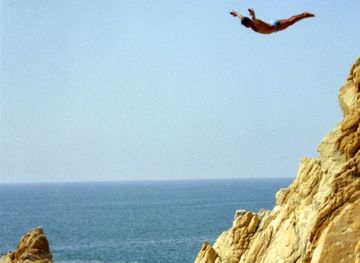


Best restaurants in Sierra Madre del Sur


Best bars in Sierra Madre del Sur
Top-rated picks
Best Bars

Licorería Limantour
Discover Licorería Limantour, where innovative cocktails meet a stylish atmosphere in the heart of Mexico City's Roma Norte.

Sierra Madre Garza Sada
Experience the culinary delights of Sierra Madre Garza Sada, where traditional Mexican dishes meet modern elegance in the heart of Monterrey.

Restaurante y Club de ski, Tres Marías (Laguna)
Experience exquisite seafood dining and thrilling water sports at Restaurante y Club de Ski, Tres Marías in Acapulco, a paradise for food lovers and adventurers.
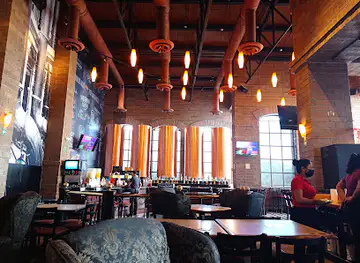
Sierra Madre Brewing Co.
Discover the vibrant flavors and artisanal brews at Sierra Madre Brewing Co., Reynosa's premier destination for craft beer and culinary delights.


Best shops in Sierra Madre del Sur
Top-rated picks
Best Shops

Sierra Madre Brewing Co.
Discover the craft beer haven at Sierra Madre Brewing Co. in Monterrey, where American brews meet delicious food in a vibrant atmosphere.

Sierra Madre Brewing Company
Experience the rich flavors of craft beer and American cuisine at Sierra Madre Brewing Company in Guadalupe, a must-visit brewpub for all beer enthusiasts.

Sierra Madre Brewing Co. Galerías Monterrey
Experience the vibrant craft beer culture of Monterrey at Sierra Madre Brewing Co. Galerías, where artisanal brews meet delicious food.

silver exposure
Explore Silver Exposure in Cabo San Lucas for unique, handcrafted silver jewelry that embodies the essence of Mexican artistry.

Explore Sierra Madre del Sur on the Map
A handpicked selection of must-see spots in Sierra Madre del Sur, mapped for you.
Sierra Madre del Sur Essentials
-
The Sierra Madre del Sur is a mountain range in southern Mexico stretching across the states of Guerrero, Oaxaca, and parts of Puebla. The most convenient way to reach the area is by flying into one of the major airports in the region, such as Acapulco International Airport (ACA) in Guerrero, Oaxaca International Airport (OAX) in Oaxaca, or the smaller Puerto Escondido Airport (PXM) in Oaxaca. From these airports, you can rent a car, take a bus, or arrange for a taxi to take you further into the Sierra Madre del Sur.
-
Transportation within the Sierra Madre del Sur can be challenging due to the rugged terrain. Renting a car is a popular option for those who want the flexibility to explore at their own pace. Public buses and 'colectivos' (shared vans) are available and are a cost-effective way to travel between towns. Taxis are also available but can be more expensive. For remote areas, consider hiring a local guide who is familiar with the region and can help navigate the less accessible parts.
-
The official currency in Mexico is the Mexican Peso (MXN). Credit and debit cards are widely accepted in urban areas, but it is advisable to carry cash, especially when traveling to rural parts of the Sierra Madre del Sur. ATMs can be found in larger towns, but it's wise to withdraw sufficient cash before heading into more remote areas. Make sure to notify your bank of your travel plans to avoid any issues with card transactions.
-
While the Sierra Madre del Sur is generally safe for tourists, it is important to exercise caution. Avoid traveling alone at night, especially in less populated areas. Some regions, particularly in Guerrero, have higher crime rates, so it’s best to stay informed about the current situation and follow local advice. Keep your belongings secure and be aware of your surroundings. Petty theft can occur, particularly in crowded places.
-
In case of an emergency, dial 911 for assistance. It’s important to know the location of the nearest hospital or medical facility, which can be found in larger towns like Oaxaca or Acapulco. Having travel insurance that covers medical emergencies is highly recommended. Pharmacies are available in bigger towns for minor health issues. For more remote areas, consider carrying a basic first-aid kit.
-
Fashion: Do wear comfortable and practical clothing suitable for hiking and outdoor activities. Avoid wearing flashy jewelry or expensive items. Religion: Do respect local religious customs and traditions. When visiting churches or religious sites, dress modestly and be quiet. Public Transport: Do be polite and patient. Don’t expect public transport to run on a strict schedule. Greetings: Do greet people with a polite 'buenos días' (good day) or 'buenas tardes' (good afternoon). A handshake is common. Eating & Drinking: Do try local cuisine and drink bottled water to avoid stomach issues. Don’t refuse food offered by locals as it may be considered impolite.
-
To experience the Sierra Madre del Sur like a local, visit the weekly markets (tianguis) where you can buy fresh produce, handicrafts, and traditional goods. Engage with the local community, as they are often friendly and willing to share their customs and way of life. Try the local cuisine, such as tlayudas and mole in Oaxaca, and pozole in Guerrero. For a unique experience, consider visiting during local festivals, which offer a glimpse into the region's rich cultural heritage.
When is the best time to visit Sierra Madre del Sur?
Useful Local Phrases for Sierra Madre del Sur
You don't need to speak the language perfectly. Even learning a few simple words can make conversations warmer—and locals usually appreciate the effort.
— Eve

Here are the phrases I use most often in Sierra Madre del Sur. Try a few—you'll be surprised how far they go! 😊
❤️
-
- HelloHola
[Ola] - GoodbyeAdiós
[Adyos] - YesSí
[See] - NoNo
[No] - Please/You're welcomePor favor
[Por favor] - Thank youGracias
[Grasias] - Excuse me/SorryPerdón
[Perdon] - How are you?¿Cómo estás?
[Komo estas] - Fine. And you?Bien. ¿Y tú?
[Bien. Ee tu] - Do you speak English?¿Hablas inglés?
[Ablas ingles] - I don't understandNo entiendo
[No entiendo]
- HelloHola
-
- I'd like to see the menu, pleaseMe gustaría ver el menú, por favor
[Me gustaria ver el menu, por favor] - I don't eat meatNo como carne
[No komo karne] - Cheers!¡Salud!
[Salud] - I would like to pay, pleaseMe gustaría pagar, por favor
[Me gustaria pagar, por favor]
- I'd like to see the menu, pleaseMe gustaría ver el menú, por favor
-
- Help!¡Ayuda!
[Ayuda] - Go away!¡Vete!
[Vete] - Call the Police!¡Llama a la policía!
[Llama a la policia] - Call a doctor!¡Llama a un doctor!
[Llama a un doctor] - I'm lostEstoy perdido
[Estoy perdido] - I'm illEstoy enfermo
[Estoy enfermo]
- Help!¡Ayuda!
-
- I'd like to buy...Me gustaría comprar...
[Me gustaria comprar] - I'm just lookingSolo estoy mirando
[Solo estoy mirando] - How much is it?¿Cuánto cuesta?
[Cuanto cuesta] - That's too expensiveEso es muy caro
[Eso es muy karo] - Can you lower the price?¿Puedes bajar el precio?
[Puedes bajar el precio]
- I'd like to buy...Me gustaría comprar...
-
- What time is it?¿Qué hora es?
[Ke ora es] - It's one o'clockEs la una
[Es la una] - Half past (10)Y media
[Ee media] - MorningMañana
[Mañana] - AfternoonTarde
[Tarde] - EveningNoche
[Noche] - YesterdayAyer
[Ayer] - TodayHoy
[Hoy] - TomorrowMañana
[Mañana] - 1Uno
[Uno] - 2Dos
[Dos] - 3Tres
[Tres] - 4Cuatro
[Kuwatro] - 5Cinco
[Sinko] - 6Seis
[Seis] - 7Siete
[Siete] - 8Ocho
[Ocho] - 9Nueve
[Nueve] - 10Diez
[Diez]
- What time is it?¿Qué hora es?
-
- Where's a/the...?¿Dónde está un/una...?
[Donde esta un/una] - What's the address?¿Cuál es la dirección?
[Kual es la direccion] - Can you show me (on the map)?¿Puedes mostrarme (en el mapa)?
[Puedes mostrarme en el mapa] - When's the next (bus)?¿Cuándo es el próximo (autobús)?
[Cuando es el proximo autobus] - A ticket (to ....)Un boleto (a ...)
[Un boleto a]
- Where's a/the...?¿Dónde está un/una...?
History of Sierra Madre del Sur
-
Long before the Spanish set foot in Mexico, the Sierra Madre del Sur was home to a variety of indigenous cultures. The Mixtec and Zapotec civilizations flourished here, crafting intricate artifacts and developing sophisticated societies. Archaeological sites such as Monte Albán and Mitla bear testimony to their advanced architectural and astronomical knowledge.
-
The arrival of the Spanish in the early 16th century marked a significant turning point in the history of the Sierra Madre del Sur. Led by Hernán Cortés, the Spanish forces subdued the indigenous populations and began the process of colonization. The region saw the establishment of missions and the exploitation of its natural resources, particularly silver.
-
During the colonial period, the Sierra Madre del Sur played a crucial role in Mexico's economy. The region was rich in minerals, and mining towns like Taxco became centers of wealth and Spanish influence. The construction of haciendas and the introduction of European agricultural practices transformed the landscape and economy.
-
The early 19th century saw the rise of the Mexican War of Independence, and the Sierra Madre del Sur was no stranger to the conflict. Leaders like Vicente Guerrero, who hailed from the region, played pivotal roles in the struggle against Spanish rule. Guerrilla warfare was commonly employed in the rugged terrain, making the mountains a strategic stronghold for the insurgents.
-
In the 20th century, the Sierra Madre del Sur underwent significant changes with the advent of modern infrastructure. Roads and railways opened up the region, facilitating commerce and tourism. The natural beauty and rich cultural heritage of the area have made it a popular destination for travelers and adventurers alike.
-
The Sierra Madre del Sur is renowned for its vibrant cultural festivals, which are a blend of indigenous and Spanish traditions. Events such as the Guelaguetza in Oaxaca celebrate the region's diverse cultural heritage through music, dance, and traditional attire. These festivals offer a glimpse into the rich tapestry of life in the Sierra Madre del Sur.
Neighbouring Regions of Sierra Madre del Sur
The closest regions to Sierra Madre del Sur, if you have time for more than one.


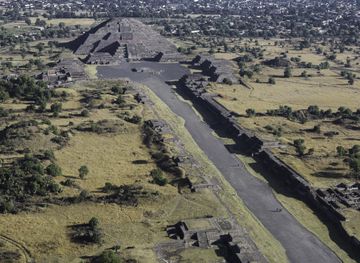


Your all‑in‑one travel companion app
Explore expert travel guides, compare and book tours, experiences, hotels, and more—all from the palm of your hand. Download now for seamless trip planning wherever your wanderlust takes you.


Explore More of Mexico

Looking beyond Sierra Madre del Sur? Discover Mexico for broader travel guides, local hot-spots, and regional highlights.
Explore MexicoSierra Madre del Sur in Photos
Browse through our photo collection highlighting the charm and character of the destination.

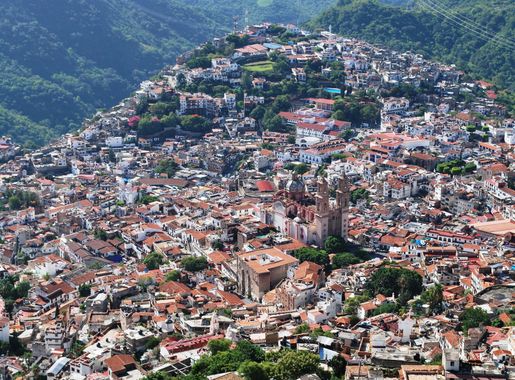


The Enchanting Sierra Madre del Sur: Mexico's Hidden Gem
Nestled in southern Mexico, the Sierra Madre del Sur is a mountain range that stretches along the Pacific coast, offering tourists an unparalleled experience of natural beauty and cultural richness. The region is renowned for its diverse ecosystems, ranging from tropical rainforests to pine-oak forests, making it a haven for nature enthusiasts and adventure seekers alike. Whether you're hiking through lush trails, exploring hidden waterfalls, or simply soaking in the panoramic vistas, every moment spent in Sierra Madre del Sur promises to be unforgettable. The area is also steeped in history and tradition. Many indigenous communities call these mountains home, and visitors have the unique opportunity to learn about their rich cultural heritage. Traditional crafts, music, and festivals provide a vibrant insight into the way of life that has been preserved for generations. For those interested in archaeology, the region is dotted with ancient ruins that tell the story of Mexico's pre-Hispanic civilizations. Gastronomy is another highlight of the Sierra Madre del Sur. The local cuisine is a delightful blend of indigenous and Spanish influences, featuring fresh ingredients and bold flavors. From savoring local delicacies in quaint village markets to dining in rustic mountain lodges, food lovers will find plenty to indulge in. The region's warm and welcoming locals add to the charm, making every visitor feel at home.