

Free Tierra Caliente Travel Guide & Mobile App
Explore Tierra Caliente with free travel guides. Discover regional history, expert tips, proposed trips, and audio guides on web or mobile app.


Explore Tierra Caliente in Mexico for Balsas landscapes, historic Apatzingán, calentano music, market towns and distinctive hotland cuisine.
Read more about Tierra Caliente
When is the best time to visit Tierra Caliente?
Best: December–February · 27–28°C| Month | High (°C) | Rainfall (mm) |
|---|---|---|
| January (best) | 27 | 8 |
| February (best) | 28 | 8 |
| March | 30 | 8 |
| April | 33 | 8 |
| May | 34 | 9 |
| June | 35 | 15 |
| July | 34 | 22 |
| August | 34 | 21 |
| September | 33 | 20 |
| October | 32 | 14 |
| November | 30 | 10 |
| December (best) | 28 | 9 |
Getting to and around Tierra Caliente
How to get there
Transportation
Top city travel guides in Tierra Caliente
The cities of Tierra Caliente, and the easiest places to base yourself.

Swipe for more cities
Best attractions in Tierra Caliente
Tierra Caliente’s attractions are dispersed across a large inland landscape rather than concentrated in a single resort or historic centre. Apatzingán offers the clearest combination of civic history, parish heritage and links to the independence movement, while Huetamo, Ciudad Altamirano, Arcelia and Coyuca de Catalán provide access to market-town life, local food and calentano cultural traditions. Across the valleys, small churches, plazas, ranching landscapes and traditional communities reward visitors who travel slowly and respectfully. The Balsas River and its reservoirs create opportunities for scenic drives, informal waterside recreation and observing the contrast between irrigated farmland and dry thorn vegetation, although facilities are uneven and local advice is important. Music, jaripeos, religious fiestas and municipal cultural programmes are significant attractions when their dates coincide with a visit. The region also suits travellers interested in rural photography, birdwatching and landscape observation, but heat and limited shade make early starts advisable. There is no single national-park-style visitor circuit defining Tierra Caliente; its appeal lies in the combination of historical memory, hotland ecology, regional food, town life and encounters with a living cultural tradition.
-
Tourist attraction
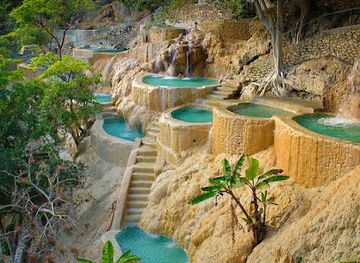
Grutas Tolantongo
Experience the tranquil beauty of Grutas Tolantongo, where natural hot springs and stunning landscapes create an unforgettable escape in Hidalgo, Mexico.
-
Tourist attraction
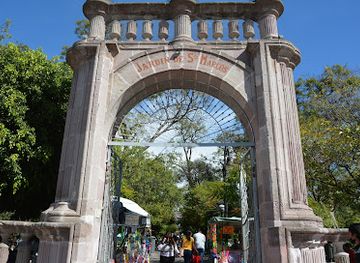
Jardín de San Marcos
Discover the serene beauty of Jardín de San Marcos, Aguascalientes - a floral haven perfect for relaxation and cultural experiences.
-
Tourist attraction
Parque Nacional Barranca del Cupatitzio
Experience the breathtaking beauty of Parque Nacional Barranca del Cupatitzio, a natural paradise in Uruapan, Michoacán, with stunning waterfalls and lush landscapes.
-
Tourist attraction
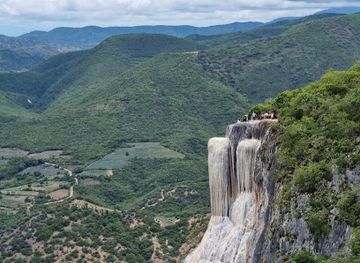
Hierve el Agua
Explore the breathtaking beauty of Hierve el Agua, a stunning natural wonder with unique rock formations and invigorating pools in Oaxaca, Mexico.

Best landmarks in Tierra Caliente
-
National park
Parque Nacional Grutas de Cacahuamilpa
Explore the breathtaking Parque Nacional Grutas de Cacahuamilpa, a national park in Guerrero, Mexico, featuring stunning limestone caves and lush natural landscapes.
-
Tourist attraction
Cristo Rey. Cristo Monumental.
Discover the breathtaking Cristo Rey in Taxco, a monumental statue offering stunning views and a deep sense of spirituality in a picturesque setting.
-
Hotel
Hotel Montetaxco
Experience luxury and breathtaking views at Hotel Montetaxco, your ultimate getaway in the picturesque town of Taxco de Alarcón.
-
Tourist attraction
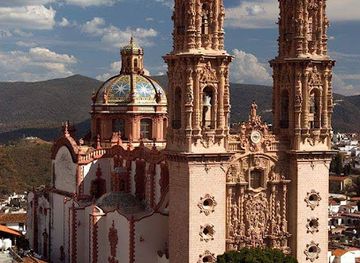
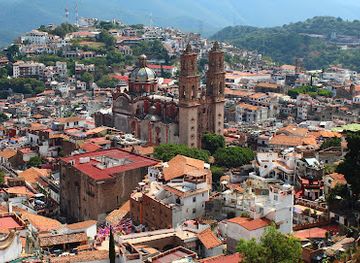
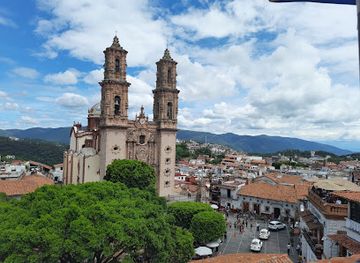
Zocalo, Taxco
Experience the vibrant atmosphere and rich history of Zocalo, the heart of Taxco, surrounded by stunning colonial architecture and local culture.

Explore Tierra Caliente on the map
Plan your trip on one map. See where the top cities, national parks and sights are, and book hotels and experiences in a few clicks.
Best hotels in Tierra Caliente
Best restaurants in Tierra Caliente
Dining in Tierra Caliente is centred on family-run eateries, market stalls, fondas, roadside cooking and traditional restaurants in the principal towns. Regional versions of aporreadillo, made with dried or pounded meat and egg, are associated with the hotlands of Michoacán and neighbouring areas, while maize-based foods, stews, beans, rice, fresh cheese and seasonal fruit reflect the agricultural landscape. In Guerrero’s hotland communities, local cooking may include preparations influenced by the Balsas basin and nearby mountain regions, with recipes varying noticeably from one town to another. Fish from rivers and reservoirs can appear on local menus, but provenance and seasonal availability differ, so it is sensible to ask what is locally sourced. Breakfasts, fruit drinks and substantial midday meals are often easier to find than late-night dining. Markets provide the best setting for observing everyday food culture, while larger towns offer more cafés and contemporary Mexican cooking. Menus and opening patterns can be informal, and cash is useful outside established businesses.
-
Grill
El Parián de Tlaquepaque
Experience authentic Jalisco cuisine at El Parián de Tlaquepaque, where vibrant flavors meet cultural richness in every bite.
-
Mexican
Santo Coyote
Discover the flavors of Mexico at Santo Coyote – where every meal is an unforgettable experience in Guadalajara.
-
Mexican
Rincón Maya
Experience authentic Mexican cuisine at Rincón Maya in Aguascalientes – where tradition meets flavor in every bite.
-
Mexican
Restaurante La Fogata
Discover the rich flavors of authentic Mexican cuisine at Restaurante La Fogata in Zapopan – a must-visit dining destination.

Best bars in Tierra Caliente
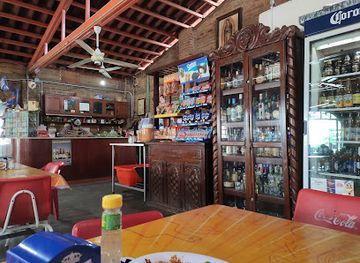
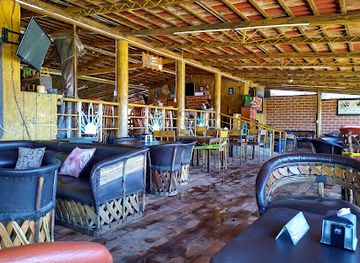
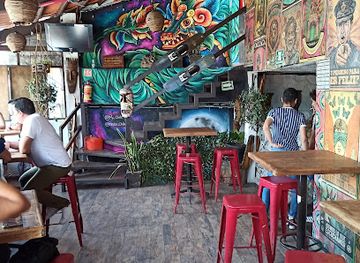
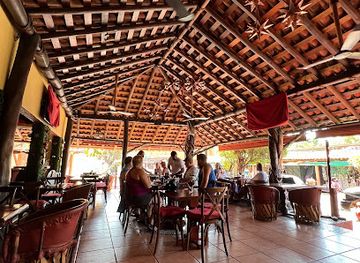
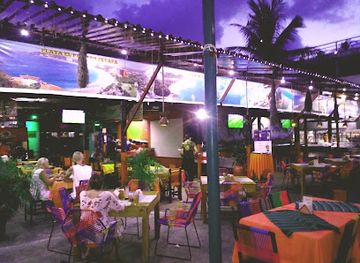
Evening life in Tierra Caliente is generally social and local rather than built around large nightclub districts. Cantinas, beer establishments, family restaurants and town-centre cafés provide places to meet, while live calentano music, dancing, religious festivities and jaripeos may create the liveliest occasions. Apatzingán and Ciudad Altamirano have the broadest choice of evening venues within the region, with smaller towns offering a more limited selection focused on restaurants, bars and community gatherings. Some venues can be noisy and informal, so visitors should choose established places, keep personal belongings secure and arrange transport back to their accommodation in advance. Nightlife varies by municipality and season, and opening arrangements are not always reliably listed online. Drinking is not necessary to engage with the region’s evening culture: music performances, plazas, late meals and festival activity are equally important parts of local social life.
-
Restaurant
Jarritos La Puerta Del Agave
Experience the flavors of Jalisco at Jarritos La Puerta Del Agave—where authentic Mexican cuisine meets vibrant culture and unforgettable cocktails.
-
Bar
Mr. Chile
Experience the vibrant nightlife at Mr. Chile, a premier bar in Tres de Mayo featuring delicious drinks and a lively atmosphere.
-
Grill
Bandido´s Restaurant Bar
Discover the vibrant culinary scene at Bandido's Restaurant Bar, where authentic Mexican flavors and a lively atmosphere await you in Zihuatanejo.
-
Bar
Mentiritas
Experience vibrant nightlife at Mentiritas, Zihuatanejo's favorite bar for refreshing drinks and lively social gatherings.
Best nightclubs in Tierra Caliente
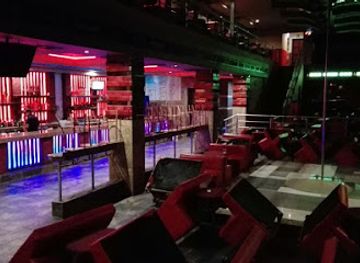
Evening life in Tierra Caliente is generally social and local rather than built around large nightclub districts. Cantinas, beer establishments, family restaurants and town-centre cafés provide places to meet, while live calentano music, dancing, religious festivities and jaripeos may create the liveliest occasions. Apatzingán and Ciudad Altamirano have the broadest choice of evening venues within the region, with smaller towns offering a more limited selection focused on restaurants, bars and community gatherings. Some venues can be noisy and informal, so visitors should choose established places, keep personal belongings secure and arrange transport back to their accommodation in advance. Nightlife varies by municipality and season, and opening arrangements are not always reliably listed online. Drinking is not necessary to engage with the region’s evening culture: music performances, plazas, late meals and festival activity are equally important parts of local social life.
-
Night club
Mandala Puerto Vallarta
Discover Puerto Vallarta's vibrant nightlife at Mandala, where music, dance, and cocktails create unforgettable memories.
-
Disco club
El Mitote Night Club
Discover the electrifying atmosphere of El Mitote Night Club, where Tijuana's vibrant nightlife comes alive with dance, drinks, and unforgettable memories.
-
Bar
Mandala Los Cabos
Discover the electrifying nightlife of Mandala Los Cabos, a premier bar and disco club where unforgettable memories are made.
-
Night club
Crush Nightspot
Dive into the electrifying atmosphere of Crush Nightspot, Cabo San Lucas' premier nightclub for dancing and vibrant nightlife.



Best shops in Tierra Caliente
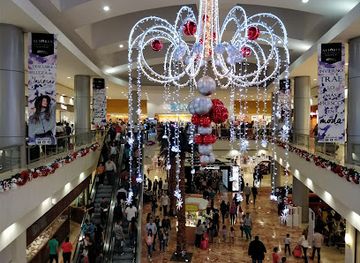
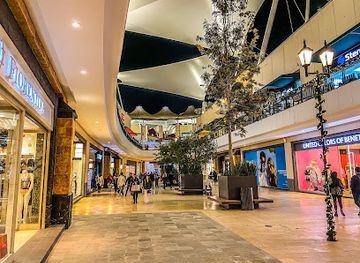
Shopping in Tierra Caliente is primarily local and practical, with central markets, weekly tianguis, small independent shops and food stalls serving town and rural communities. Visitors can look for regional pantry products, seasonal fruit, dried foods, maize products, sweets, dairy goods and locally prepared sauces, although availability changes with harvests and transport. Apatzingán, Huetamo and Ciudad Altamirano provide the broadest choice of everyday retail, while smaller market towns offer a closer view of local commerce and household provisioning. Handcrafted goods and regional clothing may appear during fiestas or in specialist shops, but the region is not primarily a destination for large-scale designer or luxury shopping. Ask sellers about provenance rather than assuming that a product is made locally, and carry cash for markets and small businesses. Music recordings, locally produced foods and simple craft items can make more meaningful souvenirs than generic tourist merchandise, provided they can be transported safely and legally.
-
Shopping mall
Altaria Mall
Explore Altaria Mall in Aguascalientes - Your ultimate shopping, dining, and entertainment destination in Mexico.
-
Shopping mall
Paseo Altozano
Explore Paseo Altozano in Morelia, Michoacán, a vibrant shopping mall featuring a wide range of stores, dining options, and entertainment for the whole family.
-
Shopping mall
Plaza Patria Mall
Plaza Patria Mall: Your ultimate shopping and entertainment destination in Aguascalientes, offering a lively atmosphere and a variety of options.
-
Shopping mall
Galerías Chilpancingo
Discover a world of shopping, dining, and entertainment at Galerías Chilpancingo, your go-to destination in Guerrero, Mexico.
Get your free copy of our complete guide to Tierra Caliente, delivered straight to you.
Everything on this page, from attractions and restaurants to essentials and local phrases, in one PDF you can read offline, print or share.
Already have an account? Sign in
Your Tierra Caliente guide is ready.
We'll send it to · Not you? Sign out

Getting your guide ready…
We are putting together a fresh copy of the Tierra Caliente guide. This can take up to a minute.
This can take a few moments. If your browser asks, choose Allow so the download can start. You'll find the guide in your Downloads folder.
Nothing happened? Download it again
Sorry, the guide is taking longer than usual. Please try again in a minute, or get it by email instead.
Tierra Caliente essentials
Currency and Payment
Safety
Emergency Situations
Do's and Don'ts
Local Tips
From Eve
Local phrases worth knowing
You don't need to get them perfect. A few words go a long way, and locals appreciate the effort.
Basics
| English | Local | Say it |
|---|---|---|
| Hello | Hola | [OH-lah] |
| Goodbye | Adiós | [ah-DYOS] |
| Yes | Sí | [SEE] |
| No | No | [NO] |
| Please/You're welcome | Por favor | [por fah-VOR] |
| Thank you | Gracias | [GRAH-syahs] |
| Excuse me/Sorry | Perdón | [per-DON] |
| How are you? | ¿Cómo estás? | [KOH-moh eh-STAHS] |
| Fine. And you? | Bien. ¿Y tú? | [BYEN. ee TOO?] |
| Do you speak English? | ¿Hablas inglés? | [AH-blas een-GLES?] |
| I don't understand | No entiendo | [NO en-TYEN-doh] |
Eating & Drinking
| English | Local | Say it |
|---|---|---|
| I'd like to see the menu, please | Me gustaría ver el menú, por favor | [meh goos-TAH-ree-ah BEHR el meh-NOO, por fah-VOR] |
| I don't eat meat | No como carne | [NO KOH-mo KAR-neh] |
| Cheers! | ¡Salud! | [sah-LOOD] |
| I would like to pay, please | Quisiera pagar, por favor | [kee-SYEH-rah pah-GAR, por fah-VOR] |
Emergencies
| English | Local | Say it |
|---|---|---|
| Help! | ¡Ayuda! | [ah-YOO-dah] |
| Go away! | ¡Vete! | [VEH-teh] |
| Call the Police! | ¡Llama a la policía! | [YAH-mah ah lah poh-lee-SIA] |
| Call a doctor! | ¡Llama a un doctor! | [YAH-mah ah oon dok-TOR] |
| I'm lost | Estoy perdido | [es-TOY per-DI-do] |
| I'm ill | Estoy enfermo/a | [es-TOY en-FER-mo/a] |
Shopping
| English | Local | Say it |
|---|---|---|
| I'd like to buy... | Quisiera comprar... | [kee-SYEH-rah kom-PRAR] |
| I'm just looking | Solo estoy mirando | [SO-lo es-TOY mee-RAN-do] |
| How much is it? | ¿Cuánto cuesta? | [KWAN-toh KWEH-stah?] |
| That's too expensive | Eso es muy caro | [EH-so es MOOY KAH-roh] |
| Can you lower the price? | ¿Puedes bajar el precio? | [PWEH-des bah-HAR el PREH-syo?] |
Time & Numbers
| English | Local | Say it |
|---|---|---|
| What time is it? | ¿Qué hora es? | [KEH OH-rah es?] |
| It's one o'clock | Es la una | [es lah OO-nah] |
| Half past (10) | Y diez y media | [ee DYAS ee MEH-dyah] |
| Morning | Mañana | [mah-NYAH-nah] |
| Afternoon | Tarde | [TAR-deh] |
| Evening | Noche | [NO-cheh] |
| Yesterday | Ayer | [ah-YER] |
| Today | Hoy | [OY] |
| Tomorrow | Mañana | [mah-NYAH-nah] |
| 1 | Uno | [OO-no] |
| 2 | Dos | [DOS] |
| 3 | Tres | [TRES] |
| 4 | Cuatro | [KWAH-tro] |
| 5 | Cinco | [SEEN-koh] |
| 6 | Seis | [SAYS] |
| 7 | Siete | [SYEH-teh] |
| 8 | Ocho | [OH-cho] |
| 9 | Nueve | [NWEH-beh] |
| 10 | Diez | [DYAS] |
Transport & Directions
| English | Local | Say it |
|---|---|---|
| Where's a/the...? | ¿Dónde está un/una...? | [DON-deh es-TAH oon/oo-NA] |
| What's the address? | ¿Cuál es la dirección? | [KWAL es lah dee-rek-SYON?] |
| Can you show me (on the map)? | ¿Puedes mostrarme (en el mapa)? | [PWEH-des mos-TRAR-me (en el MAH-pah)?] |
| When's the next (bus)? | ¿Cuándo pasa el siguiente (autobús)? | [KWAN-doh PAH-sah el see-GYEN-teh (ow-toh-BOOST)?] |
| A ticket (to ....) | Un boleto (a ....) | [oon boh-LEH-toh (ah ....)] |
History of Tierra Caliente
Indigenous societies of the Balsas basin
Before Spanish colonisation, the Balsas basin supported agricultural communities connected by river valleys, mountain routes and trade. Different peoples occupied the wider zone, including Nahua-speaking communities and groups associated with the Cuitlatec cultural world; western areas also encountered the influence of the Purépecha state. Settlement patterns varied with elevation and water availability, and the hot lowlands were linked economically to higher regions that supplied different crops and materials. Much of the archaeological record is less monumental than that of central Mexico, but the region’s languages, place names, farming practices and community traditions preserve the depth of its pre-Hispanic history.
Spanish conquest and colonial hotland economies
During the sixteenth century, Spanish rule reorganised the Balsas valleys through evangelisation, new landholding patterns and the introduction of European livestock and crops. Colonial settlements developed around ranches, agricultural estates, mines and routes connecting the interior with larger centres in Michoacán, Guerrero and central Mexico. The hot climate supported forms of cattle raising, maize cultivation and fruit production that remained important long after the colonial period. Churches, parish traditions and many town layouts date from this era, although Indigenous communities continued to shape local agriculture, labour and social life.
Apatzingán and the independence movement
Apatzingán occupies a distinguished place in Mexico’s independence history. On 22 October 1814, the insurgent Congress promulgated the Constitutional Decree for the Liberty of Mexican America, commonly known as the Constitution of Apatzingán. Drafted during the struggle against Spanish rule, it articulated principles of national sovereignty, representative government and legal equality, even though the insurgent government operated under severe military pressure. The event gave the Michoacán hotlands an enduring place in the national story, and Apatzingán’s civic heritage remains closely associated with the constitutional document.
Nineteenth-century ranching, trade and regional towns
After independence, Tierra Caliente remained a predominantly rural zone whose economy depended on cattle, agriculture, local commerce and movement along difficult routes between the coast, the highlands and the central plateau. Towns such as Huetamo and the settlements of the Coyuca and Balsas valleys served as market and administrative centres for extensive hinterlands. Political instability, changing landownership and periodic conflict affected the region, while long-standing Indigenous and ranching communities adapted to the new Mexican state. The resulting pattern of dispersed settlements and strong local identities is still visible today.
Revolution, agrarian reform and political change
The Mexican Revolution and the agrarian reforms that followed transformed land relations across the hotlands, although their effects varied between communities and states. Rural populations sought greater control over hacienda lands, water and agricultural resources, while revolutionary and post-revolutionary movements competed for influence in the Balsas region. The period also reinforced the importance of local political brokers, armed groups and community organisations. Memories of these struggles remain part of regional historical culture, particularly in places where land, irrigation and access to roads continued to determine economic opportunity.
The Balsas development projects of the twentieth century
From the mid-twentieth century, roads, irrigation schemes and large engineering projects altered the relationship between Tierra Caliente and the rest of Mexico. The Infiernillo hydroelectric project on the Balsas, completed in the 1960s on the Michoacán–Guerrero border area, became a major symbol of national development and changed local landscapes through the creation of a large reservoir. Improved highways connected hotland towns more closely to regional cities, while agricultural modernisation and migration reshaped household economies. These changes brought new opportunities but also environmental pressures and the displacement associated with major infrastructure.
Calentano cultural identity in the modern era
During the twentieth and twenty-first centuries, Tierra Caliente’s identity has been expressed through music, dance, oral traditions, religious festivals, jaripeos and distinctive forms of regional cooking. Calentano music, performed with string instruments and varied local ensembles, connects communities across state boundaries and is heard at public celebrations and family occasions. Migration to Mexican cities and abroad has not erased these traditions; instead, it has carried them into new settings while strengthening local pride. Contemporary Tierra Caliente therefore combines rural continuity, commercial town life, migration and an increasingly important awareness of its historical heritage.
Tierra Caliente in Photos
Browse through our photo collection highlighting the charm and character of the destination.
Neighbouring regions of Tierra Caliente
The closest regions to Tierra Caliente, if you have time for more than one.
-

-

-

-

-


Swipe for more regions
Explore more

Explore more of Mexico
Discover Mexico: A land of ancient ruins, vibrant culture, and stunning natural landscapes. Experience diverse cuisine, rich traditions, and warm hospitality.
Explore Mexico