

Free Central Mexico Travel Guide & Mobile App
Explore Central Mexico with free travel guides. Discover regional history, expert tips, proposed trips, and audio guides on web or mobile app.


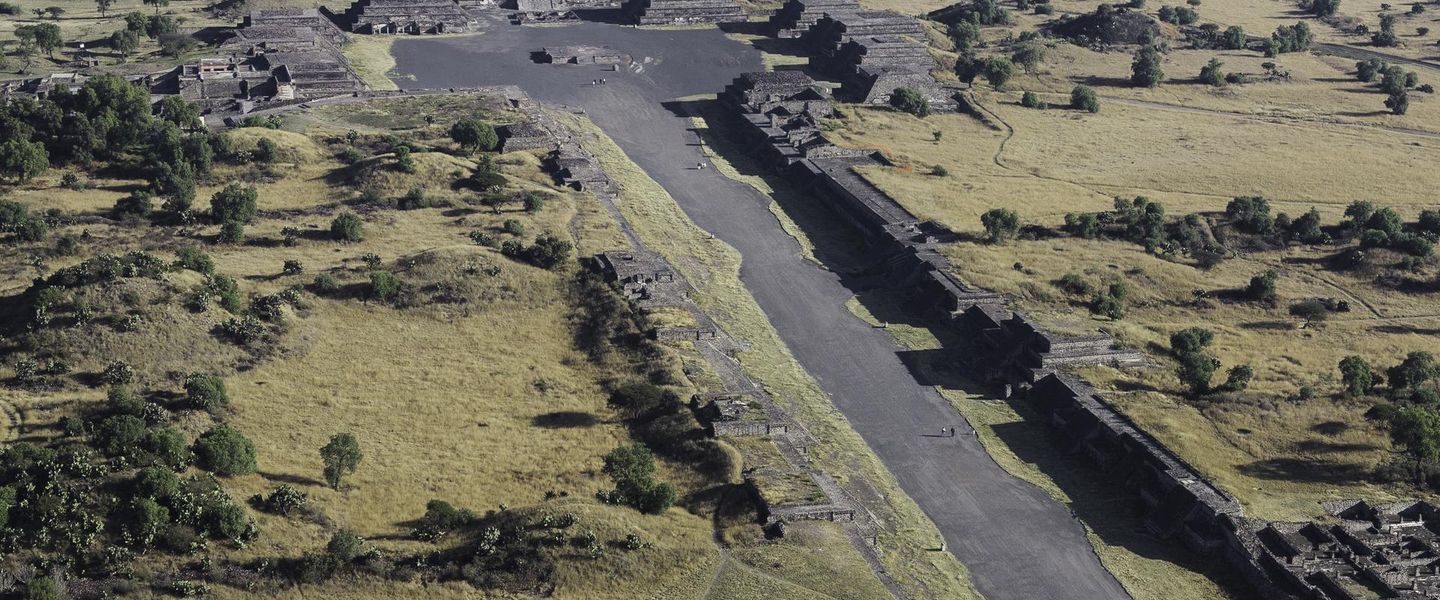


Explore Central Mexico for volcanic highlands, ancient cities, colonial architecture, indigenous crafts, celebrated food and varied mountain landscapes.
Read more about Central Mexico
When is the best time to visit Central Mexico?
Best: February–March, November · 23–27°C| Month | High (°C) | Rainfall (mm) |
|---|---|---|
| January | 23 | 11 |
| February (best) | 24 | 11 |
| March (best) | 27 | 14 |
| April | 28 | 19 |
| May | 29 | 53 |
| June | 29 | 92 |
| July | 27 | 122 |
| August | 27 | 128 |
| September | 26 | 107 |
| October | 25 | 51 |
| November (best) | 23 | 16 |
| December | 22 | 11 |
Getting to and around Central Mexico
How to get there
Transportation
Top city travel guides in Central Mexico
The cities of Central Mexico, and the easiest places to base yourself.
-

-

-

-

-

-


Swipe for more cities
Best attractions in Central Mexico
Central Mexico offers an unusually broad range of attractions, from the monumental avenue and pyramids of Teotihuacan to the museums, markets and historic neighbourhoods of Mexico City. Colonial architecture is especially prominent in Puebla, Querétaro, Guanajuato, San Miguel de Allende, Morelia-adjacent western routes and numerous smaller towns, although each city has a distinct architectural and cultural character. Former convents and monasteries in the foothills of Popocatépetl provide insight into early colonial religious history, while haciendas, aqueducts and mining landscapes reveal the economic systems that shaped the highlands. Nature-focused excursions include the canals of Xochimilco, the forests of the Monarch Butterfly Biosphere Reserve, the volcanic scenery around the Valley of Mexico and the warmer valleys of Morelos. Visitors can also seek out pottery, textiles, agave landscapes, food markets, folk-art workshops and seasonal community celebrations. Outdoor options range from gentle walks and cycling routes to more demanding mountain activities, but altitude, weather and transport distances should be built into any itinerary.
-
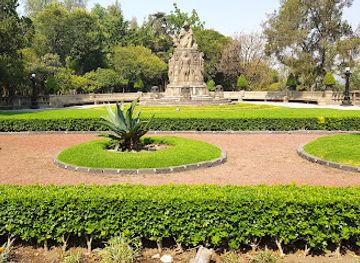
Park
Alameda Central
Discover the vibrant beauty of Alameda Central, Mexico City's historic park filled with culture, art, and lush landscapes.
-
Historical place museum
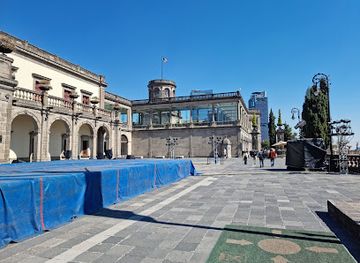
Chapultepec Castle
Explore Chapultepec Castle, a historical gem in Mexico City, where rich culture meets stunning architecture and breathtaking views.
-
 Plaza
PlazaMacroplaza
Explore Macroplaza, Monterrey's stunning urban plaza filled with rich culture, beautiful architecture, and delightful local cuisine.
-
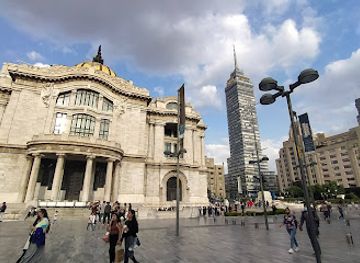
Art museum
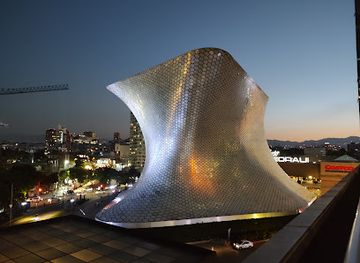
Museo Soumaya
Discover the artistic wonders of Museo Soumaya, an architectural marvel housing a vast collection of art from the Old Masters to modern Mexican creators.
Best landmarks in Central Mexico
The Pyramid of the Sun and Pyramid of the Moon at Teotihuacan are Central Mexico's most recognisable ancient monuments, aligned along a vast ceremonial avenue that illustrates the scale of the pre-Hispanic metropolis. In Mexico City, the Metropolitan Cathedral, the Templo Mayor remains and the historic Zócalo express successive layers of Aztec, colonial and modern history. Puebla's cathedral, churches and Talavera-covered façades represent the city's distinctive baroque heritage, while Querétaro is marked by its historic centre and monumental eighteenth-century aqueduct. Guanajuato's steep streets, tunnels, theatres and church towers reflect its mining wealth and unusual valley setting. The sanctuary forests of the Monarch Butterfly Biosphere Reserve are a natural landmark of international importance, particularly during the butterflies' winter presence. Other defining features include the canals and chinampa landscapes of Xochimilco, the volcanic silhouette around Mexico City and the former monasteries scattered through the Morelos and Puebla highlands. Each landmark is best understood as part of a wider landscape shaped by water, agriculture, mining, faith and urban growth.
-
Plaza
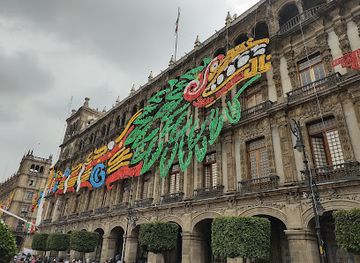
Plaza de la Constitución
Experience the rich history and vibrant culture at Plaza de la Constitución, the iconic heart of Mexico City, surrounded by stunning architecture and lively events.
-
Park
Bosque de Chapultepec
Discover the serene beauty and cultural richness of Bosque de Chapultepec, Mexico City's largest urban park, offering a perfect escape into nature.
-
Monument
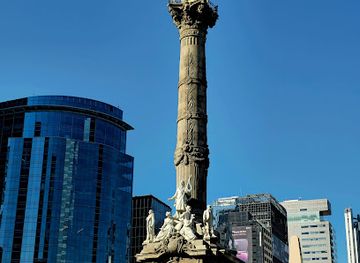
The Angel of Independence
Discover the Angel of Independence, a majestic monument symbolizing Mexico's rich history and cultural pride, set in the heart of vibrant Mexico City.
-
Archaeological site
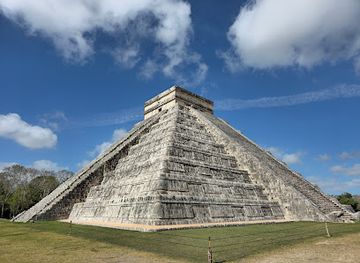
Chichén Itzá
Experience the breathtaking Chichén Itzá, a UNESCO World Heritage site that unveils the magnificence of the ancient Maya civilization in Mexico's Yucatán Peninsula.
Explore Central Mexico on the map
Plan your trip on one map. See where the top cities, national parks and sights are, and book hotels and experiences in a few clicks.
Best hotels in Central Mexico
Best restaurants in Central Mexico
Dining in Central Mexico reflects the region's varied elevation, agriculture and history. Mexico City provides the widest range, from traditional fondas, taquerías and market stalls to contemporary restaurants, while Puebla is closely associated with mole poblano, chiles en nogada in season, cemitas and a celebrated tradition of convent confectionery. Hidalgo is known for barbacoa, mixiotes and foods prepared with maguey, and Tlaxcala retains strong maize-based traditions including tlacoyos and other antojitos. Morelos contributes cecina, fresh produce and dishes suited to its warmer valleys, while Querétaro and Guanajuato offer regional stews, breads, sweets and market cooking alongside modern dining. Pulque remains a notable traditional drink in parts of the highlands, although availability and quality vary, and mezcal is found in some central communities. Food markets and small family-run establishments are often the best places to encounter local specialities; menus, ingredients and preparation can change according to season and locality.
-
Restaurant
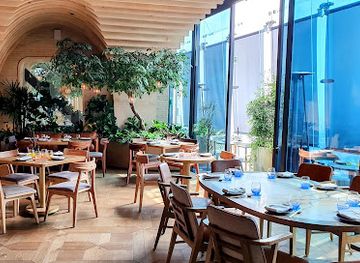
Ling Ling by Hakkasan
Experience exquisite Asian cuisine and breathtaking views at Ling Ling by Hakkasan in Mexico City’s vibrant skyline.
-
Mexican
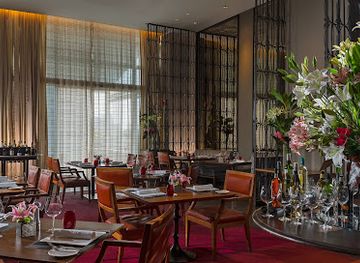
Diana Restaurant
Discover the rich flavors of authentic Mexican cuisine at Diana Restaurant in the heart of Mexico City.
-
Mexican
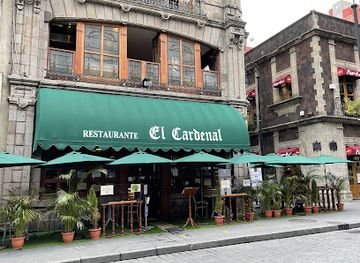
El Cardenal
Discover authentic Mexican cuisine at El Cardenal, where tradition meets flavor in an unforgettable dining experience.
-
Seafood
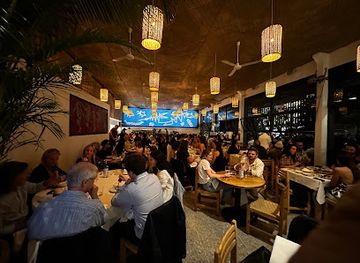
Contramar
Experience the best of Mexican seafood at Contramar in Roma Norte, where freshness meets flavor in every dish.
Best bars in Central Mexico
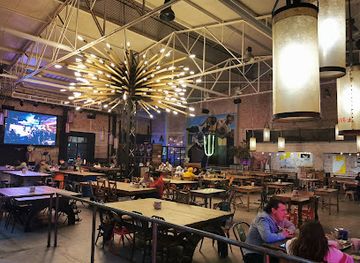
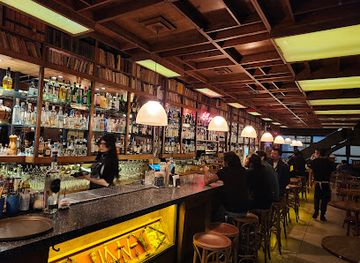
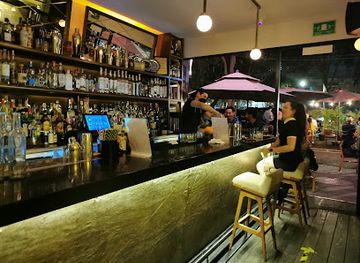
Nightlife is concentrated in Mexico City, Puebla, Querétaro, Guanajuato and other university or tourism centres rather than distributed evenly across the region. Mexico City offers the broadest choice, including traditional cantinas, cocktail bars, live music, small performance spaces and late-night clubs, while Puebla and Querétaro combine contemporary bars with established drinking and dining areas around their historic centres. Guanajuato has an active evening scene shaped by students, festivals, theatres and compact bars, though venues vary by season. In smaller towns, evenings generally centre on plazas, cafés, restaurants, pulquerías, breweries and traditional inns rather than large clubs. Some highland destinations become noticeably quieter after dinner, and rural transport can be limited, so plan the return journey before heading out. Live music, theatre and cultural events provide alternatives to alcohol-focused nightlife, particularly in Mexico City and the larger colonial cities.
-
Bar
Pinche Bar
Discover the lively ambiance of Pinche Bar in Mexico City, where vibrant nightlife, delicious drinks, and great company await.
-
Bar
Bar Pata Negra
Experience the vibrant flavors of Mexico City at Bar Pata Negra, where exquisite drinks and traditional cuisine meet in a lively atmosphere.
-
Cocktail bar
Licorería Limantour
Discover Licorería Limantour, the heart of Mexico City's cocktail culture, offering innovative drinks and a vibrant nightlife experience.
-
Bar
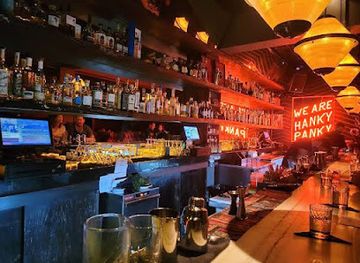
Hanky Panky Cocktail Bar
Discover the exquisite cocktails and enchanting atmosphere of Hanky Panky Cocktail Bar in the heart of Mexico City’s Juárez neighborhood.
Best nightclubs in Central Mexico
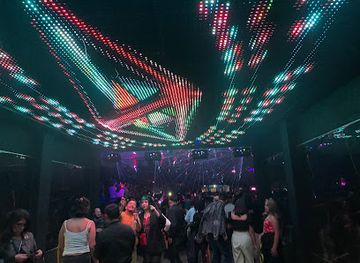
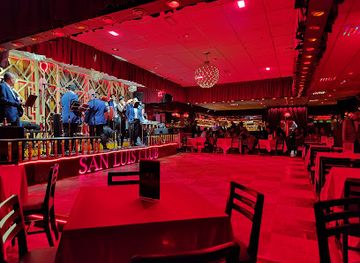
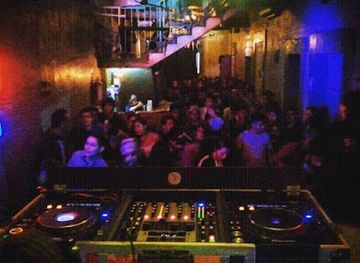
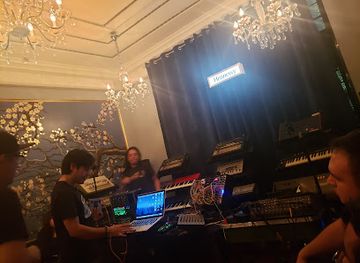
Nightlife is concentrated in Mexico City, Puebla, Querétaro, Guanajuato and other university or tourism centres rather than distributed evenly across the region. Mexico City offers the broadest choice, including traditional cantinas, cocktail bars, live music, small performance spaces and late-night clubs, while Puebla and Querétaro combine contemporary bars with established drinking and dining areas around their historic centres. Guanajuato has an active evening scene shaped by students, festivals, theatres and compact bars, though venues vary by season. In smaller towns, evenings generally centre on plazas, cafés, restaurants, pulquerías, breweries and traditional inns rather than large clubs. Some highland destinations become noticeably quieter after dinner, and rural transport can be limited, so plan the return journey before heading out. Live music, theatre and cultural events provide alternatives to alcohol-focused nightlife, particularly in Mexico City and the larger colonial cities.
-
Night club
Patrick Miller
Unleash your inner dancer at Patrick Miller, a lively nightclub in Roma Norte, where the beat never stops and the drinks flow effortlessly.
-
Night club
Club San Luis
Discover the pulse of Mexico City's nightlife at Club San Luis, where vibrant music, dancing, and unforgettable experiences await.
-
Night club
Cultural Roots
Discover the vibrant nightlife of Mexico City at Cultural Roots, where music and culture collide for an unforgettable experience.
-
Club
Yu Yu
Experience the electrifying nightlife at Yu Yu, a premier nightclub in Mexico City, where music and dance meet vibrant energy.
Best shops in Central Mexico
Shopping in Central Mexico ranges from dense urban markets and department stores in Mexico City to independent boutiques, craft workshops and weekly markets in smaller towns. Puebla is associated with Talavera ceramics, embroidered textiles, sweets and food products, while Querétaro and San Miguel de Allende have galleries and craft shops offering ceramics, leather, jewellery and contemporary design. Guanajuato's historic centre contains art, books, souvenirs and locally made goods, although prices and quality vary between shops. In Hidalgo and Tlaxcala, visitors may find pottery, woven textiles, basketry, woodwork and products connected with maguey traditions. Food markets are useful for buying dried chillies, coffee from other Mexican regions, sweets, conserves and local spirits, provided packaged goods meet travel requirements. Buy directly from established cooperatives or artisans where possible, ask about materials and production, and avoid archaeological objects or wildlife products. Market days differ between communities, so check locally rather than relying on a fixed regional schedule.
-
Department store
El Palacio de Hierro
Discover luxury shopping at El Palacio de Hierro, the iconic department store in Polanco, Mexico City, offering designer brands and gourmet dining.
-
Shopping mall
City Shops del Valle
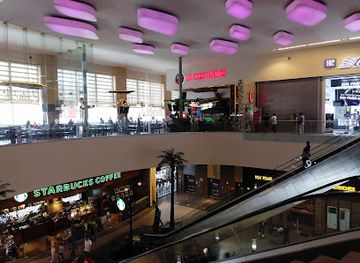
Experience the best of shopping, dining, and entertainment at City Shops del Valle in Mexico City, a vibrant hub for visitors and locals alike.
-
Shopping mall
Barrio Alameda
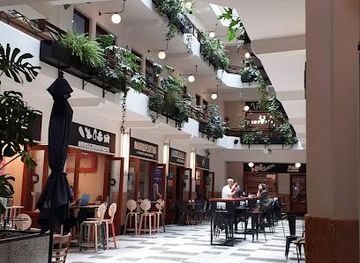
Explore the best of shopping and dining at Barrio Alameda, a cultural gem in the heart of Mexico City.
-
Supermarket
Bodega Aurrera La Encantada
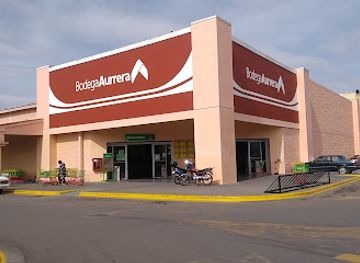
Explore the vibrant offerings of Bodega Aurrera La Encantada, your one-stop supermarket in Zacatecas for fresh produce and local wines.

Get your free copy of our complete guide to Central Mexico, delivered straight to you.
Everything on this page, from attractions and restaurants to essentials and local phrases, in one PDF you can read offline, print or share.
Already have an account? Sign in
Your Central Mexico guide is ready.
We'll send it to · Not you? Sign out

Getting your guide ready…
We are putting together a fresh copy of the Central Mexico guide. This can take up to a minute.
This can take a few moments. If your browser asks, choose Allow so the download can start. You'll find the guide in your Downloads folder.
Nothing happened? Download it again
Sorry, the guide is taking longer than usual. Please try again in a minute, or get it by email instead.
Central Mexico essentials
Currency and Payment
Safety
Emergency Situations
Do's and Don'ts
Local Tips
From Eve
Local phrases worth knowing
You don't need to get them perfect. A few words go a long way, and locals appreciate the effort.
Basics
| English | Local | Say it |
|---|---|---|
| Hello | Hola | [OH-lah] |
| Goodbye | Adiós | [ah-DYOS] |
| Yes | Sí | [SEE] |
| No | No | [NO] |
| Please/You're welcome | Por favor/De nada | [por fah-VOR/deh NAH-dah] |
| Thank you | Gracias | [GRAH-syahs] |
| Excuse me/Sorry | Perdón/Disculpa | [pair-DON/dis-KOOL-pah] |
| How are you? | ¿Cómo estás? | [KOH-moh ehs-TAHS] |
| Fine. And you? | Bien. ¿Y tú? | [BYEN. ee TOO] |
| Do you speak English? | ¿Hablas inglés? | [AH-blahs een-GLES] |
| I don't understand | No entiendo | [NO en-TYEN-doh] |
Eating & Drinking
| English | Local | Say it |
|---|---|---|
| I'd like to see the menu, please | Me gustaría ver el menú, por favor | [meh goo-stah-REE-ah BEHR el men-OO, por fah-VOR] |
| I don't eat meat | No como carne | [NO KOH-moh KAR-neh] |
| Cheers! | ¡Salud! | [sah-LOOD] |
| I would like to pay, please | Me gustaría pagar, por favor | [meh goo-stah-REE-ah pah-GAR, por fah-VOR] |
Emergencies
| English | Local | Say it |
|---|---|---|
| Help! | ¡Ayuda! | [ah-YOO-dah] |
| Go away! | ¡Vete! | [BEH-teh] |
| Call the Police! | ¡Llama a la policía! | [YAH-mah ah lah poh-lee-SEE-ah] |
| Call a doctor! | ¡Llama a un doctor! | [YAH-mah ah oon dok-TOR] |
| I'm lost | Estoy perdido | [es-TOY pair-DEE-doh] |
| I'm ill | Estoy enfermo/enferma | [es-TOY en-FER-mo/en-FER-mah] |
Shopping
| English | Local | Say it |
|---|---|---|
| I'd like to buy... | Me gustaría comprar... | [meh goo-stah-REE-ah kom-PRAR] |
| I'm just looking | Solo estoy mirando | [SO-lo es-TOY mee-RAN-do] |
| How much is it? | ¿Cuánto cuesta? | [KWAN-toh KWES-tah] |
| That's too expensive | Eso es muy caro | [EH-so es mwee KAR-oh] |
| Can you lower the price? | ¿Puedes bajar el precio? | [PWEH-des bah-HAR el PREH-syo] |
Time & Numbers
| English | Local | Say it |
|---|---|---|
| What time is it? | ¿Qué hora es? | [KEH OH-rah es] |
| It's one o'clock | Es la una | [es lah OO-nah] |
| Half past (10) | Y diez y media | [ee dyez ee MEH-dee-ah] |
| Morning | Mañana | [mah-NYAH-nah] |
| Afternoon | Tarde | [TAR-deh] |
| Evening | Noche | [NO-cheh] |
| Yesterday | Ayer | [ah-YER] |
| Today | Hoy | [OY] |
| Tomorrow | Mañana | [mah-NYAH-nah] |
| 1 | Uno | [OO-no] |
| 2 | Dos | [DOS] |
| 3 | Tres | [TRES] |
| 4 | Cuatro | [KWAT-ro] |
| 5 | Cinco | [SEEN-ko] |
| 6 | Seis | [SAYS] |
| 7 | Siete | [SYEH-teh] |
| 8 | Ocho | [OH-cho] |
| 9 | Nueve | [NWEH-beh] |
| 10 | Diez | [DYEZ] |
Transport & Directions
| English | Local | Say it |
|---|---|---|
| Where's a/the...? | ¿Dónde está un/los...? | [DON-deh es-TAH oon/LOS] |
| What's the address? | ¿Cuál es la dirección? | [KWAL es lah dee-rek-SYON] |
| Can you show me (on the map)? | ¿Me puedes mostrar (en el mapa)? | [meh PWEH-des mos-TRAR (en el MAH-pah)] |
| When's the next (bus)? | ¿Cuándo es el próximo (autobús)? | [KWAN-doh es el PROK-see-mo (ow-toh-BOOS)] |
| A ticket (to ....) | Un boleto (a ...) | [oon boh-LEH-toh (ah ...)] |
History of Central Mexico
Early agriculture and the rise of Mesoamerican societies
Central Mexico has been inhabited for thousands of years, with agriculture permitting increasingly complex settlements in its valleys and lake basins. Maize, beans, squash and chilli supported permanent communities, while obsidian from highland sources became an important material for tools and exchange. The region's fertile basins and strategic position encouraged long-distance trade, urban development and religious traditions that influenced much of Mesoamerica.
Teotihuacan and the great highland metropolis
Teotihuacan, northeast of present-day Mexico City, became one of ancient Mesoamerica's largest cities between roughly the first and seventh centuries. Its planned avenues, monumental pyramids, apartment compounds and commercial influence demonstrate an urban society of exceptional scale. Although its rulers and language remain uncertain, Teotihuacan shaped artistic and political traditions far beyond the Valley of Mexico, and later peoples regarded the abandoned city as a sacred place.
The Mexica and the lake cities
The Mexica established Tenochtitlan on an island in Lake Texcoco in the fourteenth century and built a powerful alliance-based empire from the Valley of Mexico. Causeways, canals, chinampas and markets connected the capital with surrounding settlements. Spanish forces and their Indigenous allies conquered the city in 1521, after a devastating siege. Modern Mexico City occupies much of the same basin, although drainage and urban expansion have transformed the original lake environment.
Spanish conquest and colonial urbanism
After 1521, Spanish authorities and religious orders reorganised Central Mexico through new cities, churches, monasteries, estates and administrative institutions. Puebla was founded in the sixteenth century as a planned Spanish settlement, while Querétaro, Valladolid-era networks to the west and mining routes further north connected the highlands to wider imperial trade. Indigenous communities retained land, languages and cultural practices, but colonial rule also brought forced labour, epidemics and profound changes to agriculture and religion.
Silver, agriculture and the colonial economy
Mining and agricultural production reshaped the central highlands from the sixteenth century onwards. Guanajuato became one of New Spain's major silver centres, and its wealth financed churches, civic buildings and merchant networks. In other parts of the region, haciendas produced grain, sugar, pulque and livestock, while roads linked mining districts with Mexico City and Atlantic trade routes. The resulting landscapes of shafts, estates, aqueducts and historic town centres remain especially visible in Guanajuato, Hidalgo, Morelos and Querétaro.
Independence and the nineteenth-century republic
Central Mexico was central to the struggle for Mexican independence, which began in 1810 at Dolores in present-day Guanajuato and soon spread through the Bajío and central highlands. The nineteenth century brought political instability, the Reform era, conflict between liberal and conservative forces, and the French Intervention. Cities such as Querétaro, Puebla and Mexico City played important roles in national political life, while railways and new industries gradually altered older regional economies.
Revolution, urban growth and modern transformation
The Mexican Revolution affected landholding, labour and political authority across Central Mexico, even though military experiences varied between states. Twentieth-century land reform changed many rural communities, while Mexico City expanded dramatically through migration, industry, public housing and modern infrastructure. At the same time, historic districts, archaeological sites and craft traditions became important to cultural policy and tourism. Today the region combines major universities, manufacturing and creative industries with farming communities and long-established Indigenous practices.
Central Mexico in Photos
Browse through our photo collection highlighting the charm and character of the destination.
Neighbouring regions of Central Mexico
The closest regions to Central Mexico, if you have time for more than one.
-

-

-

-

-


Swipe for more regions
Explore more

Explore more of Mexico
Discover Mexico: A land of ancient ruins, vibrant culture, and stunning natural landscapes. Experience diverse cuisine, rich traditions, and warm hospitality.
Explore Mexico