

Free Ely Travel Guide & Mobile App
Plan your Ely trip with Evendo. Get free guides to top attractions, restaurants, hotels, and bars. Web access or download the mobile app.


Ely, Minnesota, pairs Iron Range mining history with Boundary Waters canoe country, wildlife centres, forest trails and independent Northwoods culture.
A Northern Minnesota Gateway
Ely stands at the meeting point of Minnesota's Iron Range and the forested lake country of the Boundary Waters Canoe Area Wilderness. The small city is surrounded by boreal woodland, rocky outcrops and dark, interconnected lakes, giving it an atmosphere shaped as much by wilderness as by settlement. Main Street and Sheridan Street form the commercial core, where outfitters, cafés, galleries and independent shops serve residents, canoeists, anglers and travellers preparing for journeys into the Superior National Forest.Read more about Ely
Mining, Wildlife and Outdoor Culture
When is the best time to visit Ely?
Best: June–August · 23–26°C| Month | High (°C) | Rainfall (mm) |
|---|---|---|
| January | -10 | 23 |
| February | -4 | 20 |
| March | 4 | 32 |
| April | 11 | 47 |
| May | 19 | 74 |
| June (best) | 23 | 95 |
| July (best) | 26 | 98 |
| August (best) | 24 | 95 |
| September | 18 | 92 |
| October | 9 | 71 |
| November | 2 | 41 |
| December | -5 | 30 |
Getting to and around Ely
How to get there
Transportation
Best attractions in Ely
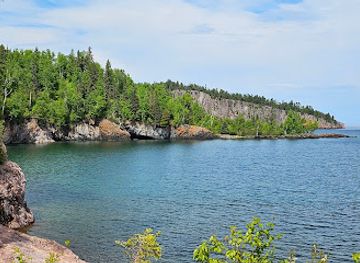
Ely's attractions combine local history with access to the northern forest. The International Wolf Center interprets wolf ecology and human attitudes towards the species through exhibits and educational programmes, while the North American Bear Center focuses on black bears and their behaviour in Minnesota. In town, the Dorothy Molter Museum recalls the life of the Boundary Waters figure known as the Root Beer Lady, and the Ely-Winton History Museum explores mining, settlement and community life. Downtown streets provide independent shops, galleries and outfitters, while nearby Miners Lake offers an easy change of pace close to the built-up area. For broader scenery, the Superior National Forest and Boundary Waters Canoe Area Wilderness begin the transition from town to canoe country, with routes, overlooks and lakes reached by organised trip or independent planning. Ely also serves as a base for exploring surrounding state parks and forest trails rather than as a dense concentration of conventional urban sights.
-
Tourist attraction
International Wolf Center
Explore the International Wolf Center in Ely, MN, where adventure meets education about the majestic world of wolves and their conservation.
9 min drive · 2.9 km from city centre
-
Tourist attraction
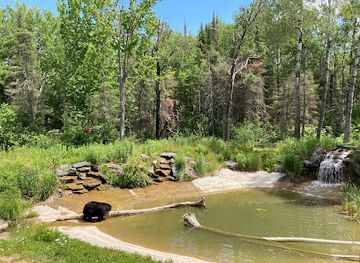
North American Bear Center
Discover the North American Bear Center: a unique wildlife park in Ely, Minnesota, dedicated to bear education and conservation while offering engaging exhibits and live bear viewing.
5 min drive · 1.6 km from city centre
-
Tourist attraction
Whiteside Park
Explore the serene beauty of Whiteside Park in Ely, Minnesota - your ultimate destination for relaxation and outdoor fun.
10 min walk · 0.8 km from city centre
-
Tourist attraction
Dorothy Molter Museum
Explore the Dorothy Molter Museum in Ely, MN, and discover the captivating heritage of root beer through the life of the 'Root Beer Lady.'
7 min drive · 2.5 km from city centre

Best landmarks in Ely
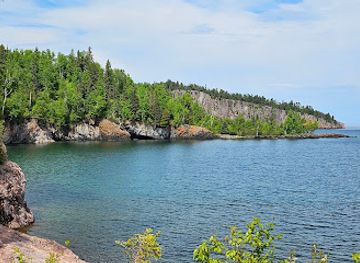
Ely's most meaningful landmarks express the city's mining past, wilderness culture and small-town civic identity. The historic commercial core along Sheridan Street and Chapman Street retains the scale of an Iron Range service town, with independent businesses occupying buildings shaped by the mining era. The Dorothy Molter Museum commemorates a celebrated Boundary Waters resident whose cabin and hospitality became part of regional folklore. The Ely-Winton History Museum gives physical form to the area's industrial and social memory, while the International Wolf Center stands as a modern landmark of wildlife education and conservation. Outside the centre, the lakes, rock formations and forest access points of the Superior National Forest are landscape landmarks rather than monumental architecture, defining Ely's relationship with canoe country. The city's churches, civic buildings and mining-related collections add quieter evidence of the families, workers and immigrant communities that established its enduring identity.
-
Resort hotel
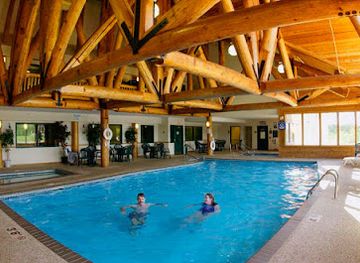
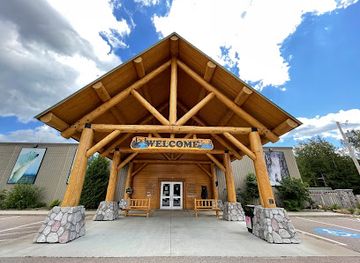
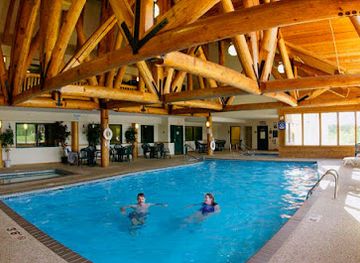
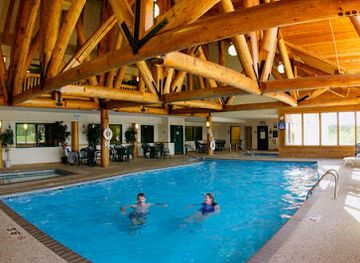
Grand Ely Lodge Resort & Event Center
Discover unparalleled comfort and adventure at Grand Ely Lodge Resort & Event Center, a premier destination in Minnesota's stunning wilderness.
14 min walk · 1.1 km from city centre
-
Wildlife refuge
International Wolf Center
Explore the fascinating world of wolves at the International Wolf Center in Ely, Minnesota, where education and conservation come together in a captivating wildlife refuge.
9 min drive · 2.9 km from city centre
-
Brewpub
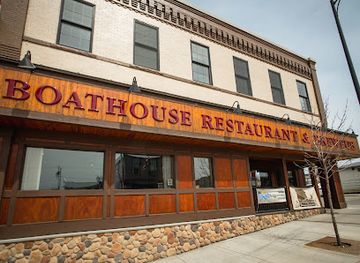
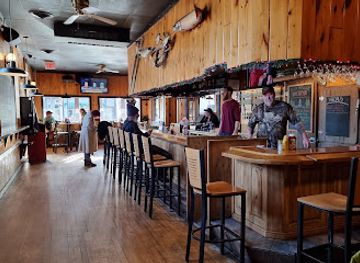
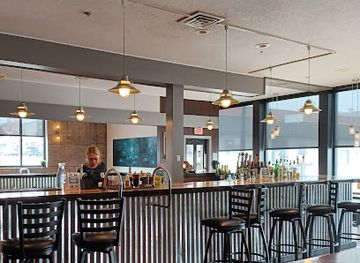
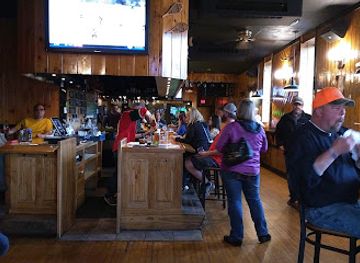
Boathouse Brewpub & Restaurant
Discover the perfect blend of craft brews and delicious American cuisine at Ely's beloved Boathouse Brewpub & Restaurant, a Northwoods gem.
1 min walk · 0.1 km from city centre
-
Wildlife park
North American Bear Center
Discover the North American Bear Center in Ely, Minnesota, where education meets conservation in an immersive wildlife experience focused on black bears.
5 min drive · 1.6 km from city centre
Explore Ely on the map
Plan your Ely trip on one map. See where the top attractions, landmarks, restaurants, bars and hotels are, find what's near where you're staying, and book hotels and experiences in a few clicks.
Best hotels in Ely
Best restaurants in Ely
Ely's dining scene reflects its Northwoods setting and the practical needs of a town that serves canoeists, anglers, residents and seasonal visitors. Menus commonly draw on northern Minnesota staples such as walleye, lake fish, wild rice, soups, burgers and baked goods, while the Iron Range's immigrant history is reflected in regional comfort food and, in the wider area, Finnish-influenced traditions. Cafés and casual restaurants cluster around the central streets, alongside bars and outfitters where an early meal or takeaway provisions fit naturally into an outdoor itinerary. Groceries, bakeries and delis are useful for assembling food before a camping or paddling trip, but remote wilderness routes offer no restaurant infrastructure. Dining is generally informal, with locally owned establishments and seasonal variation more characteristic than a large fine-dining sector.
-
Restaurant
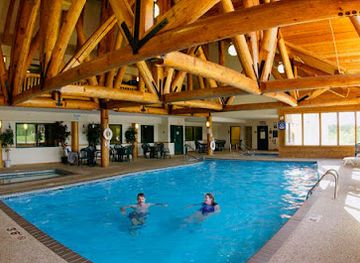
Grand Ely Lodge Resort & Event Center
Discover comfort and adventure at Grand Ely Lodge Resort & Event Center – your perfect getaway in Ely, Minnesota.
14 min walk · 1.1 km from city centre
-
Brewpub
Boathouse Brewpub & Restaurant
Experience local flavors at Boathouse Brewpub & Restaurant in Ely - where craft beer meets delicious dining amid stunning scenery.
1 min walk · 0.1 km from city centre
-
American
Insula Restaurant
Discover authentic American cuisine at Insula Restaurant in Ely, Minnesota – where every dish tells a story.
3 min walk · 0.2 km from city centre
-
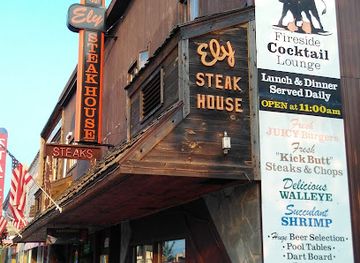
Steak
Ely Steak House
Experience mouthwatering steaks and warm hospitality at Ely Steak House in Minnesota's scenic town of Ely.
4 min walk · 0.3 km from city centre
Best bars in Ely
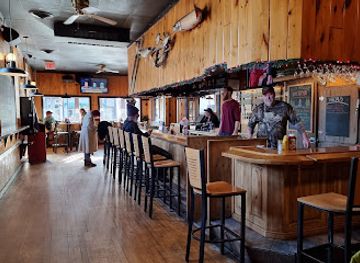
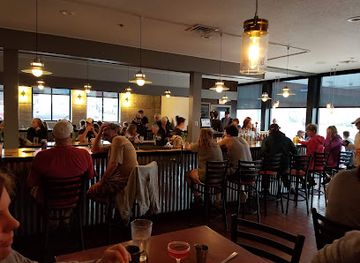
Ely's evening life is modest, sociable and closely connected to its working-town and outdoor culture rather than a large club scene. Downtown bars and pubs provide places for local conversation, casual drinks and meals, while some venues host live music or community events depending on the season. Summer brings more activity as canoeists, anglers and visitors return from the lakes, whereas winter evenings tend to revolve around local gatherings, dining and scheduled performances rather than late-night entertainment. The city may also offer arts events, talks and music through community organisations and seasonal festivals. Visitors should expect early-closing patterns and limited transport options after dark, making it sensible to stay within the central area or arrange a reliable journey in advance.
-
Resort hotel
Grand Ely Lodge Resort & Event Center
Experience the perfect blend of nature and comfort at Grand Ely Lodge, your ideal resort destination in Ely, Minnesota.
14 min walk · 1.1 km from city centre
-
Brewpub
Boathouse Brewpub & Restaurant
Experience the essence of Ely at Boathouse Brewpub & Restaurant, where craft brews meet delectable dishes in a cozy atmosphere.
1 min walk · 0.1 km from city centre
-
American
Insula Restaurant
Discover the heart of American cuisine at Insula Restaurant in Ely, Minnesota, where local flavors and a cozy atmosphere await every visitor.
3 min walk · 0.2 km from city centre
-
Breakfast
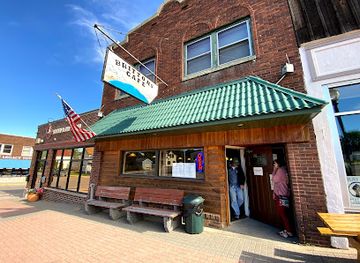
Britton's Café Inc.
Experience the best breakfast in Ely, Minnesota at Britton's Café Inc., with delicious dishes and a cozy atmosphere to start your day right.
1 min walk · 0.1 km from city centre
Best nightclubs in Ely
Ely's evening life is modest, sociable and closely connected to its working-town and outdoor culture rather than a large club scene. Downtown bars and pubs provide places for local conversation, casual drinks and meals, while some venues host live music or community events depending on the season. Summer brings more activity as canoeists, anglers and visitors return from the lakes, whereas winter evenings tend to revolve around local gatherings, dining and scheduled performances rather than late-night entertainment. The city may also offer arts events, talks and music through community organisations and seasonal festivals. Visitors should expect early-closing patterns and limited transport options after dark, making it sensible to stay within the central area or arrange a reliable journey in advance.
-
Resort hotel
Grand Ely Lodge Resort & Event Center
Experience luxury and natural beauty at Grand Ely Lodge Resort & Event Center, a premier destination in Ely, Minnesota for relaxation and adventure.
14 min walk · 1.1 km from city centre
-
Brewpub
Boathouse Brewpub & Restaurant
Experience the flavors of Ely at Boathouse Brewpub & Restaurant, where craft beer meets delicious cuisine in a cozy atmosphere.
1 min walk · 0.1 km from city centre
-
American
Gator's Grilled Cheese Emporium
Discover Ely's hidden gem, Gator's Grilled Cheese Emporium, where comfort food meets culinary creativity in every delicious sandwich.
14 min walk · 1.1 km from city centre
-
Coffee shop
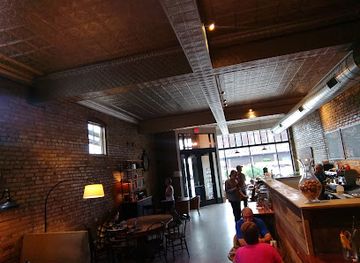
Northern Grounds
Discover the vibrant charm of Northern Grounds, a unique coffee shop and live music venue in Ely, Minnesota, perfect for every traveler.
1 min walk · 0.1 km from city centre
Best shops in Ely
Shopping in Ely is concentrated around the downtown streets and is shaped by the city's role as a gateway to canoe country. Outfitters sell or arrange specialist equipment, maps, clothing and practical supplies for journeys into the Boundary Waters, while independent shops and galleries offer locally made art, Northwoods-themed goods, books, clothing and gifts. Visitors can also find regional food products and provisions useful for camping, fishing and long drives through the forest. The retail character is small-scale rather than centred on a large shopping centre, with businesses reflecting outdoor life, local creativity and mining heritage. Authentic purchases are more likely to be a useful map, a piece of northern Minnesota art or a locally produced food item than a generic souvenir. Seasonal opening patterns are common, particularly outside the main summer period.
-
Gift shop
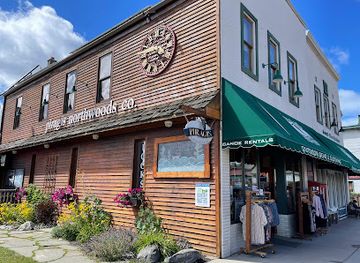
Piragis Northwoods Company
Explore the wilderness of Ely, Minnesota, with gear, rentals, and expert advice from Piragis Northwoods Company - your adventure starts here!
1 min walk · 0.1 km from city centre
-
Grocery store
Zup's Food Market
Experience local flavors and unique products at Zup's Food Market, Ely's favorite grocery destination for tourists and locals alike.
5 min drive · 1.8 km from city centre
-
Coffee shop
Northern Grounds
Discover the charm of Northern Grounds in Ely, MN – a delightful coffee shop, bakery, and live music venue perfect for relaxing and enjoying local flavors.
1 min walk · 0.1 km from city centre
-
Canoe & kayak tour agency
Voyageur North Canoe Outfitters
Discover Ely's Premier Canoe and Kayak Adventure at Voyageur North - Your Gateway to Minnesota's Stunning Wilderness!
6 min drive · 2.1 km from city centre
Get your free copy of our complete guide to Ely, delivered straight to you.
Everything on this page, from attractions and restaurants to essentials and local phrases, in one PDF you can read offline, print or share.
Already have an account? Sign in
Your Ely guide is ready.
We'll send it to · Not you? Sign out

Getting your guide ready…
We are putting together a fresh copy of the Ely guide. This can take up to a minute.
This can take a few moments. If your browser asks, choose Allow so the download can start. You'll find the guide in your Downloads folder.
Nothing happened? Download it again
Sorry, the guide is taking longer than usual. Please try again in a minute, or get it by email instead.
Ely essentials
Currency and Payment
Safety
Emergency Situations
Do's and Don'ts
Local Tips
From Eve
Local phrases worth knowing
You don't need to get them perfect. A few words go a long way, and locals appreciate the effort.
Basics
| English | Local | Say it |
|---|---|---|
| Hello | Hey | [Hey] |
| Goodbye | See ya | [See ya] |
| Yes | Yeah | [Yeah] |
| No | Nah | [Nah] |
| Please/You're welcome | Sure thing | [Sure thing] |
| Thank you | Thanks | [Thanks] |
| Excuse me/Sorry | Pardon | [Pardon] |
| How are you? | Howdy | [Howdy] |
| Fine. And you? | I'm good. You? | [I'm good. You?] |
| Do you speak English? | Ya speak English? | [Ya speak English?] |
| I don't understand | I don't get it | [I don't get it] |
Eating & Drinking
| English | Local | Say it |
|---|---|---|
| I'd like to see the menu, please | Can I see the menu, please | [Can I see the menu, please] |
| I don't eat meat | I don't eat meat | [I don't eat meat] |
| Cheers! | Cheers! | [Cheers!] |
| I would like to pay, please | I'll pay now, please | [I'll pay now, please] |
Emergencies
| English | Local | Say it |
|---|---|---|
| Help! | Help! | [Help!] |
| Go away! | Get lost! | [Get lost!] |
| Call the Police! | Call the cops! | [Call the cops!] |
| Call a doctor! | Get a doc! | [Get a doc!] |
| I'm lost | I'm lost | [I'm lost] |
| I'm ill | I'm sick | [I'm sick] |
Shopping
| English | Local | Say it |
|---|---|---|
| I'd like to buy... | I wanna buy... | [I wanna buy...] |
| I'm just looking | Just browsing | [Just browsing] |
| How much is it? | How much? | [How much?] |
| That's too expensive | Too pricey | [Too pricey] |
| Can you lower the price? | Can ya do better? | [Can ya do better?] |
Time & Numbers
| English | Local | Say it |
|---|---|---|
| What time is it? | What time? | [What time?] |
| It's one o'clock | It's one | [It's one] |
| Half past (10) | Half past ten | [Half past ten] |
| Morning | Morning | [Morning] |
| Afternoon | Afternoon | [Afternoon] |
| Evening | Evening | [Evening] |
| Yesterday | Yesterday | [Yesterday] |
| Today | Today | [Today] |
| Tomorrow | Tomorrow | [Tomorrow] |
| 1 | One | [One] |
| 2 | Two | [Two] |
| 3 | Three | [Three] |
| 4 | Four | [Four] |
| 5 | Five | [Five] |
| 6 | Six | [Six] |
| 7 | Seven | [Seven] |
| 8 | Eight | [Eight] |
| 9 | Nine | [Nine] |
| 10 | Ten | [Ten] |
Transport & Directions
| English | Local | Say it |
|---|---|---|
| Where's a/the...? | Where's the...? | [Where's the...?] |
| What's the address? | Address? | [Address?] |
| Can you show me (on the map)? | Show me on the map? | [Show me on the map?] |
| When's the next (bus)? | Next bus? | [Next bus?] |
| A ticket (to ....) | Ticket (to ...) | [Ticket (to ...)] |
History of Ely
Ojibwe Country and Early Settlement
Long before the arrival of mining companies, the lakes and forests around Ely formed part of the homeland and travel geography of Ojibwe communities. Canoe routes, fishing grounds, hunting territories and seasonal camps connected the region to a wider network across northern Minnesota. European-American settlement increased during the nineteenth century as explorers, timber interests and prospectors entered the area. The geography that later supported mining also preserved an enduring relationship with water and woodland, visible today in the prominence of canoe travel, wild rice traditions elsewhere in the region and continued connections with nearby Ojibwe communities.
Iron Ore Brings a New Town
The discovery and development of iron ore created the conditions for Ely's emergence in the late nineteenth century. The Chandler Mine began production in 1888, and the settlement grew as workers, engineers, merchants and families arrived to support the underground mining economy. Ely was incorporated as a city in 1900 and became part of the wider Vermilion Iron Range, whose mines supplied ore to the industrial centres of the Great Lakes. The town's street plan, commercial buildings and community institutions developed around this activity, while immigrants from several parts of Europe added languages, religious traditions and social organisations to local life.
Mining Community and Industrial Change
For much of the twentieth century, Ely's fortunes were linked to the mines around the city. Underground work was physically demanding and shaped family life, labour politics and the local economy, while railways carried ore towards Lake Superior and regional processing facilities. Mining also left a material imprint on the surrounding landscape through shafts, waste rock and altered ground. As ore extraction declined and the last major local mine closed in the 1960s, Ely faced the same economic transition experienced by other northern mining communities. Museums and historical collections now preserve equipment, photographs and personal accounts from that industrial era.
Conservation and the Boundary Waters
The twentieth century also brought a powerful alternative vision for the region: protection of its interconnected lakes and boreal forests. The area now known as the Boundary Waters Canoe Area Wilderness developed through a long and sometimes contentious conservation history involving local residents, canoeists, forestry interests and federal land policy. Its wilderness character and restrictions on motorised access helped establish Ely as a principal outfitting centre for canoe expeditions. Conservation changed the local economy without erasing its working-town identity, making outdoor recreation and environmental interpretation central to the city's modern public image.
A Contemporary Northwoods Identity
Modern Ely combines the memory of the Iron Range with a regional economy based on tourism, outdoor recreation, education, wildlife interpretation and small businesses. Institutions such as the International Wolf Center, North American Bear Center and local museums reflect continuing interest in the ecological and cultural history of northeastern Minnesota. The city remains a gateway rather than a wilderness settlement itself: services, outfitters and accommodation are concentrated in town, while canoe routes, state forests and protected lakes extend beyond its streets. This balance between community and conservation defines Ely's character in the present day.
Ely in Photos
Browse through our photo collection highlighting the charm and character of the destination.
Cities near Ely
The closest cities to Ely, if you have time for more than one stop.
-
-

-

-

-


Swipe for more cities
Explore more

Explore more of Minnesota
Discover Minnesota: From the bustling Twin Cities and cultural landmarks to the serene lakes and expansive wilderness, experience the diverse beauty and welcoming spirit of the North Star State.
Explore Minnesota