

Free Grand Marais Travel Guide & Mobile App
Plan your Grand Marais trip with Evendo. Get free guides to top attractions, restaurants, hotels, and bars. Web access or download the mobile app.


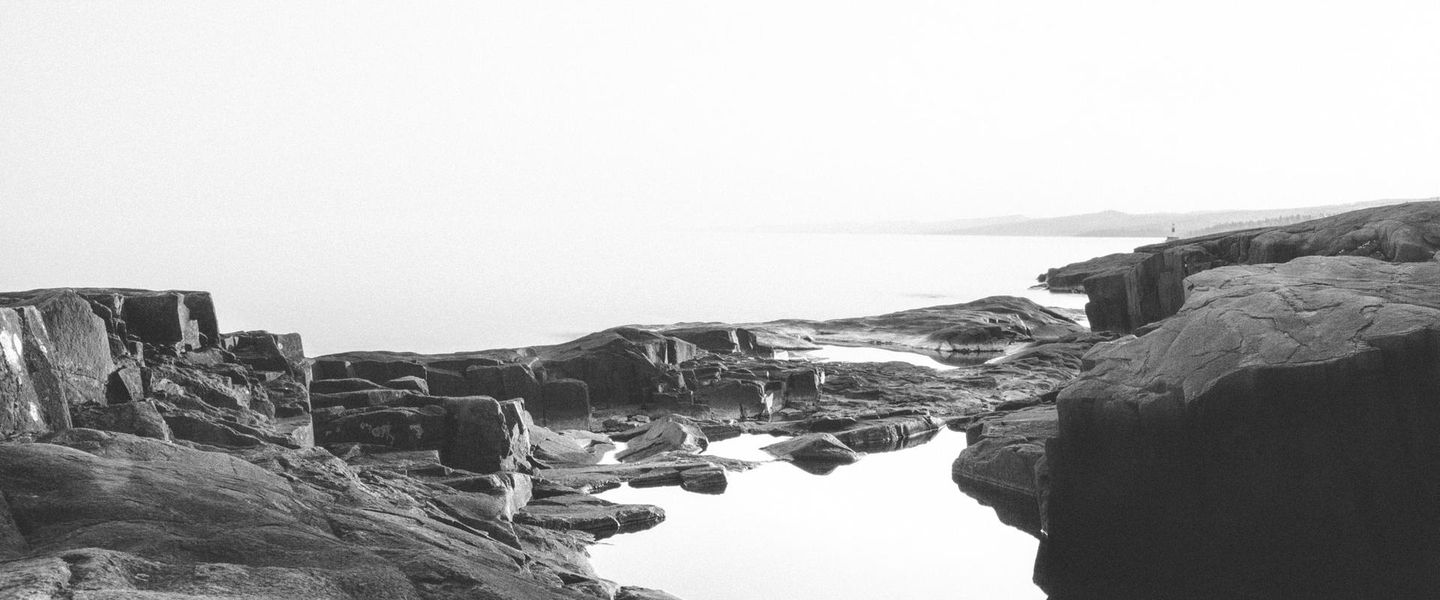


Grand Marais, Minnesota, pairs Lake Superior harbour views with North Shore art, local food, historic landmarks and access to the Boundary Waters and wilderness.
Harbour, Forest and Open Water
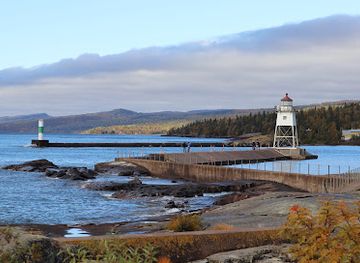
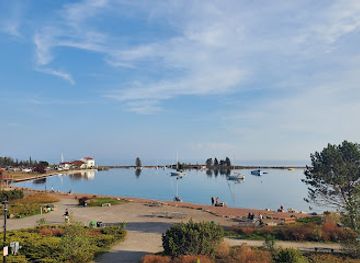
Grand Marais occupies a small harbour on Minnesota’s North Shore, where the shoreline curves around the deep blue waters of Lake Superior and the Sawtooth Mountains rise inland. The town is compact enough to explore on foot, yet its setting feels expansive: fishing boats shelter behind the breakwater, waves roll in from the world’s largest freshwater lake, and boreal forest begins beyond the last streets. The harbour and waterfront form the town’s visual centre, with the Grand Marais Lighthouse extending along the eastern breakwater towards Artist Point.Read more about Grand Marais
A Creative North Shore Community
Gateway to the Wilderness
When is the best time to visit Grand Marais?
Best: June–August · 20–23°C| Month | High (°C) | Rainfall (mm) |
|---|---|---|
| January | -5 | 21 |
| February | -4 | 18 |
| March | 2 | 27 |
| April | 8 | 37 |
| May | 15 | 48 |
| June (best) | 20 | 60 |
| July (best) | 23 | 66 |
| August (best) | 22 | 65 |
| September | 18 | 59 |
| October | 12 | 47 |
| November | 3 | 37 |
| December | -3 | 28 |
Getting to and around Grand Marais
How to get there
Transportation
Best attractions in Grand Marais
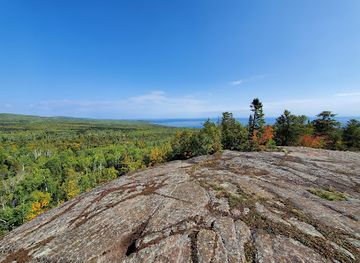
Grand Marais’s compact waterfront provides the town’s defining sightseeing route, beginning at the harbour and continuing along the breakwater towards the Grand Marais Lighthouse and rocky Artist Point. The lake views are especially revealing when weather moves across the water, while the working boats and harbour infrastructure show that this remains more than a scenic promenade. North House Folk School offers an insight into the region’s hands-on craft culture, and the Johnson Heritage Post Art Gallery presents exhibitions connected with the North Shore’s artistic community. At the Cook County Historical Society Museum, photographs, objects and local stories place the town within the wider history of fishing, forestry and settlement. The nearby Superior National Forest broadens the experience with hiking, overlooks and waterways, while the Gunflint Trail leads into a more remote landscape beyond the town itself. Grand Marais is best understood through the relationship between its creative institutions, lakefront setting and access to wilderness.
-
Tourist attraction
Artist Point
Explore Artist Point in Grand Marais, MN, where breathtaking views of Lake Superior meet serene natural landscapes, perfect for outdoor adventures and relaxation.
7 min walk · 0.6 km from city centre
-
Miniature golf course
Putt n Pets Mini Golf
Discover fun and laughter at Putt n Pets Mini Golf in Grand Marais, MN - a perfect family-friendly destination with ice cream treats and engaging mini-golf!
7 min drive · 2.3 km from city centre
-
Tourist attraction
Pincushion Mountain Trail System
Discover the breathtaking beauty of Pincushion Mountain Trail System in Minnesota, a perfect outdoor haven for hikers and nature lovers.
8 min drive · 2.6 km from city centre
-
Historical landmark
Grand Marais Lighthouse
Discover the enchanting Grand Marais Lighthouse, a historical landmark offering stunning views of Lake Superior and rich maritime heritage in Minnesota.
8 min walk · 0.6 km from city centre
Best landmarks in Grand Marais
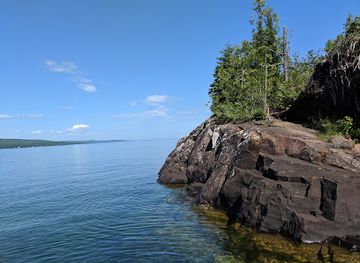
The Grand Marais Lighthouse is the town’s most recognisable built landmark, standing at the end of the breakwater and reflecting the importance of navigation on Lake Superior. Its modest scale and exposed position convey the practical demands of guiding vessels into a small northern harbour rather than the grandeur of a major port. Artist Point, where bedrock meets the lake beside the harbour, is a geological and visual landmark closely associated with the North Shore landscape. The Cook County Courthouse gives Grand Marais a civic presence as the county seat, while the historic harbour itself remains an important cultural landscape shaped by fishing, transport and local commerce. North House Folk School has become a contemporary landmark of the town’s craft identity, linking traditional skills with community education. Together these places show how Grand Marais’s identity rests on navigation, public life, natural setting and creative practice.
-
American
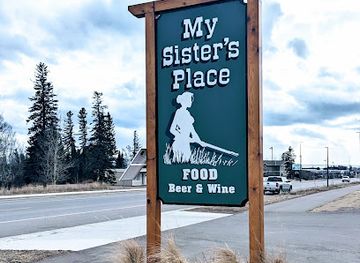
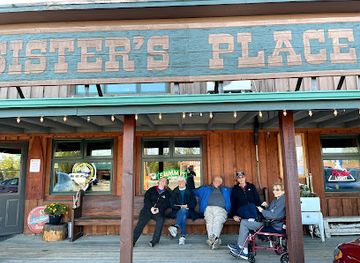
My Sister's Place
Experience the heartwarming flavors of American cuisine at My Sister's Place in Grand Marais, where every meal is a delightful journey.
7 min walk · 0.6 km from city centre
-
Restaurant
Gun Flint Tavern
Experience the perfect blend of local cuisine and craft brews at Gun Flint Tavern in Grand Marais, a must-visit destination for food lovers and adventurers alike.
2 min walk · 0.1 km from city centre
-
Donuts
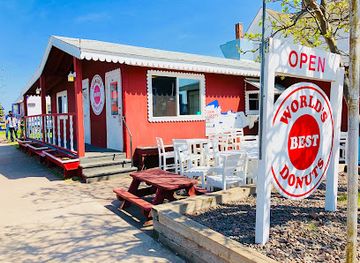
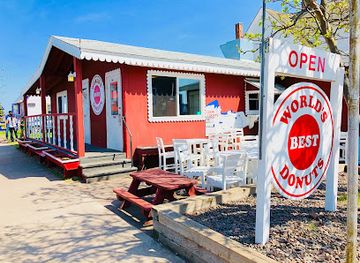
World's Best Donuts
Experience the ultimate donut paradise in Grand Marais, MN, where every bite of the World's Best Donuts is a taste of happiness and local charm.
2 min walk · 0.2 km from city centre
-
Pizza
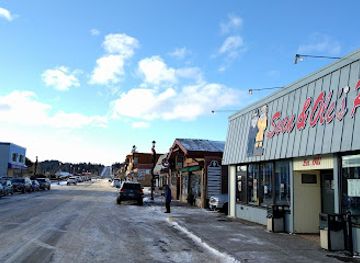
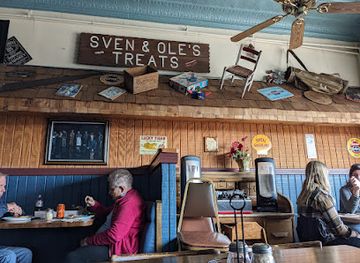
Sven & Ole's
Experience the delightful flavors of Sven & Ole's, a beloved pizza haven in Grand Marais, Minnesota, where every slice tells a story.
1 min walk · 0.1 km from city centre
Explore Grand Marais on the map
Plan your Grand Marais trip on one map. See where the top attractions, landmarks, restaurants, bars and hotels are, find what's near where you're staying, and book hotels and experiences in a few clicks.
Best hotels in Grand Marais
Best restaurants in Grand Marais
Grand Marais’s dining scene reflects a remote North Shore community shaped by Lake Superior, tourism and outdoor travel. Restaurants and cafés range from casual places associated with pizza, burgers and hearty American cooking to establishments that make more deliberate use of regional ingredients, fish and seasonal produce. Smoked fish, freshwater catches and baked goods sit naturally alongside coffee, sandwiches and food suited to hikers, paddlers and road travellers. The harbour area and central streets contain much of the town’s dining activity, with long-established names such as Sven & Ole’s, the Angry Trout Café, Gunflint Tavern and Blue Water Café forming part of the local food landscape. Independent cafés provide an important social rhythm in the morning, while evening meals tend to be relaxed rather than formal. Availability can be seasonal in a small northern town, and menus often respond to weather, supply and the visitor calendar.
-
Cafe
Angry Trout Cafe
Experience exquisite seafood and hearty breakfasts at Angry Trout Cafe in Grand Marais - where local flavors meet stunning lake views.
5 min walk · 0.4 km from city centre
-
American
My Sister's Place
Experience delightful American cuisine at My Sister's Place in Grand Marais—where comfort food meets local charm.
7 min walk · 0.6 km from city centre
-
Restaurant
Gun Flint Tavern
Discover Gun Flint Tavern: A cozy restaurant & bar in Grand Marais offering delicious food, local brews, and lively sports viewing.
2 min walk · 0.1 km from city centre
-
Pizza
Sven & Ole's
Discover authentic flavors at Sven & Ole's in Grand Marais – where delicious pizza meets North Shore charm.
1 min walk · 0.1 km from city centre


Best bars in Grand Marais
Grand Marais has a low-key evening scene rather than a concentrated nightclub district. After dark, social life centres on taverns, restaurant bars and informal community venues, where visitors may find local beer, cocktails, conversation and occasional live music. Gunflint Tavern is associated with the town’s casual dining-and-drinking culture, while the harbour and central streets remain the easiest areas for an evening wander. Arts programming and performances connected with local institutions can provide alternatives to drinking, particularly when workshops, concerts or community events are taking place. The town’s scale means that nightlife is generally early and unhurried compared with a larger city, and options can vary by season. In the wider region, dark skies, quiet roads and lake sounds are often as characteristic of the evening experience as organised entertainment, although wilderness travel after dark requires careful preparation.
-
Cafe
Angry Trout Cafe
Discover the culinary delights of Angry Trout Cafe in Grand Marais, where fresh seafood and hearty breakfasts meet stunning lake views.
5 min walk · 0.4 km from city centre
-
American
My Sister's Place
Experience the heart of Grand Marais dining at My Sister's Place, serving delicious American comfort food in a cozy atmosphere.
7 min walk · 0.6 km from city centre
-
Bar
Gun Flint Tavern
Discover Gun Flint Tavern in Grand Marais, a cozy bar and restaurant known for craft brews, hearty meals, and a vibrant atmosphere perfect for relaxation.
2 min walk · 0.1 km from city centre
-
Pizza
Sven & Ole's
Discover the best pizza in Grand Marais, Minnesota at Sven & Ole's, where delicious flavors meet North Shore charm in a family-friendly setting.
1 min walk · 0.1 km from city centre
Best nightclubs in Grand Marais
Grand Marais has a low-key evening scene rather than a concentrated nightclub district. After dark, social life centres on taverns, restaurant bars and informal community venues, where visitors may find local beer, cocktails, conversation and occasional live music. Gunflint Tavern is associated with the town’s casual dining-and-drinking culture, while the harbour and central streets remain the easiest areas for an evening wander. Arts programming and performances connected with local institutions can provide alternatives to drinking, particularly when workshops, concerts or community events are taking place. The town’s scale means that nightlife is generally early and unhurried compared with a larger city, and options can vary by season. In the wider region, dark skies, quiet roads and lake sounds are often as characteristic of the evening experience as organised entertainment, although wilderness travel after dark requires careful preparation.
-
American
My Sister's Place
Experience the heart of Grand Marais dining at My Sister's Place, where American classics meet eclectic flavors in a family-friendly atmosphere.
7 min walk · 0.6 km from city centre
-
Bar
Gun Flint Tavern
Discover Gun Flint Tavern in Grand Marais: A lively bar and restaurant offering craft brews, delicious meals, and a vibrant atmosphere for all.
2 min walk · 0.1 km from city centre
-
Brewery
Voyageur Brewing Company
Experience Minnesota's craft beer culture at Voyageur Brewing Company, where exquisite brews meet stunning natural vistas in Grand Marais.
3 min walk · 0.2 km from city centre
-
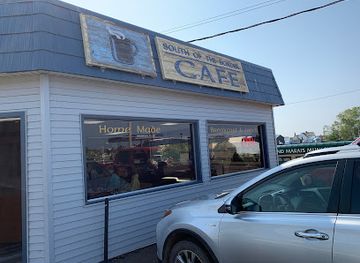
American
South of the Border Cafe
Discover the warmth and flavors of South of the Border Cafe in Grand Marais, Minnesota, where delicious American breakfast awaits.
1 min walk · 0.1 km from city centre
Best shops in Grand Marais
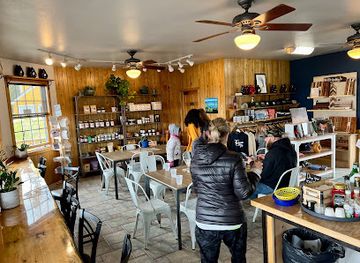
Shopping in Grand Marais is concentrated along the central streets near the harbour and reflects the town’s role as a small North Shore service centre as much as a visitor destination. Independent galleries and craft shops showcase pottery, woodwork, textiles, jewellery, paintings and other work connected with regional artists, while the influence of North House Folk School is evident in the emphasis on making and practical skill. Visitors can also find outdoor equipment, books, locally themed gifts, coffee, baked goods and provisions for journeys along the Gunflint Trail or into the Superior National Forest. The Cook County Whole Foods Co-op provides a useful source of food and regional products, while seasonal markets and community events add a changing dimension to local retail. Shopping is generally personal and small-scale, with merchandise reflecting Lake Superior, the forest and North Shore artistic culture rather than a large chain-store environment.
-
Donuts
World's Best Donuts
Savor the iconic flavors of the World's Best Donuts in Grand Marais, Minnesota, where every bite is a delightful journey for your taste buds.
2 min walk · 0.2 km from city centre
-
Coffee shop
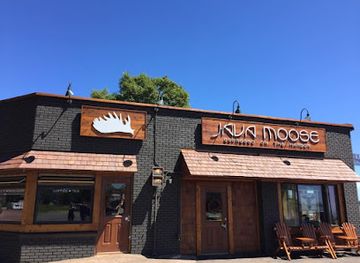
Java Moose Espresso Cafe
Discover the warmth of Java Moose Espresso Cafe in Grand Marais, where exceptional coffee and a cozy atmosphere await every traveler.
3 min walk · 0.2 km from city centre
-
Fish & Chips
The Fisherman's Daughter at Dockside Fish Market
Experience the best fish and chips in Grand Marais at The Fisherman's Daughter, where fresh seafood meets a cozy café atmosphere in a stunning lakeside setting.
6 min walk · 0.5 km from city centre
-
Gift shop
Lake Superior Trading Post
Explore the charm of Lake Superior Trading Post, where unique gifts, outdoor gear, and local art await in Grand Marais, Minnesota.
2 min walk · 0.2 km from city centre
Get your free copy of our complete guide to Grand Marais, delivered straight to you.
Everything on this page, from attractions and restaurants to essentials and local phrases, in one PDF you can read offline, print or share.
Already have an account? Sign in
Your Grand Marais guide is ready.
We'll send it to · Not you? Sign out

Getting your guide ready…
We are putting together a fresh copy of the Grand Marais guide. This can take up to a minute.
This can take a few moments. If your browser asks, choose Allow so the download can start. You'll find the guide in your Downloads folder.
Nothing happened? Download it again
Sorry, the guide is taking longer than usual. Please try again in a minute, or get it by email instead.
Grand Marais essentials
Currency and Payment
Safety
Emergency Situations
Do's and Don'ts
Local Tips
From Eve
Local phrases worth knowing
You don't need to get them perfect. A few words go a long way, and locals appreciate the effort.
Basics
| English | Local | Say it |
|---|---|---|
| Hello | Howdy | [haw-dee] |
| Goodbye | See ya | [see yah] |
| Yes | Yah | [yah] |
| No | Nah | [nah] |
| Please/You're welcome | Please/No problem | [pleez/no prob-lem] |
| Thank you | Thanks a lot | [thanks uh lot] |
| Excuse me/Sorry | Pardon me | [par-dun me] |
| How are you? | How ya doin'? | [how yuh doin] |
| Fine. And you? | Doin' alright. And you? | [doin alright. And yuh] |
| Do you speak English? | Ya speak English? | [yah speak ing-glish] |
| I don't understand | I'm lost | [ahm lawst] |
Eating & Drinking
| English | Local | Say it |
|---|---|---|
| I'd like to see the menu, please | Can I check out the menu? | [kan eye chek out the menu] |
| I don't eat meat | I'm a vegetarian | [ahm uh veg-uh-tair-ee-uhn] |
| Cheers! | Cheers! | [cheers] |
| I would like to pay, please | I'll pay now, please | [ahll pay now please] |
Emergencies
| English | Local | Say it |
|---|---|---|
| Help! | Help! | [help] |
| Go away! | Get lost! | [get lawst] |
| Call the Police! | Call the cops! | [call the cops] |
| Call a doctor! | Get a doc! | [get uh doc] |
| I'm lost | I don't know where I am | [ahm lawst] |
| I'm ill | I'm sick | [ahm sik] |
Shopping
| English | Local | Say it |
|---|---|---|
| I'd like to buy... | I wanna buy... | [ah wanna buy] |
| I'm just looking | Just browsing | [just bro-zing] |
| How much is it? | How much does it cost? | [how much duz it cost] |
| That's too expensive | That's pricey | [thats prycy] |
| Can you lower the price? | Can ya cut the price? | [kan yuh kut the price] |
Time & Numbers
| English | Local | Say it |
|---|---|---|
| What time is it? | What's the time? | [whats the time] |
| It's one o'clock | It's one | [its one] |
| Half past (10) | Half past ten | [half past ten] |
| Morning | Mornin' | [mornin] |
| Afternoon | Afternoon | [afternoon] |
| Evening | Evenin' | [evenin] |
| Yesterday | Yesterday | [yesterday] |
| Today | Today | [today] |
| Tomorrow | Tomorrow | [tomorrow] |
| 1 | One | [wun] |
| 2 | Two | [too] |
| 3 | Three | [three] |
| 4 | Four | [four] |
| 5 | Five | [five] |
| 6 | Six | [six] |
| 7 | Seven | [seven] |
| 8 | Eight | [ate] |
| 9 | Nine | [nine] |
| 10 | Ten | [ten] |
Transport & Directions
| English | Local | Say it |
|---|---|---|
| Where's a/the...? | Where's the...? | [wheres the] |
| What's the address? | What's the addy? | [whats the addy] |
| Can you show me (on the map)? | Can ya show me (on the map)? | [kan yuh show me on the map] |
| When's the next (bus)? | When's the next (bus)? | [whens the next bus] |
| A ticket (to ....) | A ticket (to ....) | [uh ticket to] |
History of Grand Marais
Ojibwe Homeland and Lake Routes
The Grand Marais area lies within the homeland of the Ojibwe, whose communities travelled the lakes and forests of the North Shore, maintained seasonal patterns of hunting and fishing, and developed extensive knowledge of the region’s waterways and plant life. Lake Superior connected these communities with wider networks of exchange long before a permanent Euro-American settlement appeared. The name Grand Marais, meaning “big marsh” in French, reflects the vocabulary of voyageurs and fur traders who travelled through the Great Lakes region. The harbour’s sheltered position made it a useful stopping place along a rugged shoreline where water travel was often more practical than overland movement.
Settlement beside the Harbour
Permanent non-Indigenous settlement expanded around Grand Marais during the nineteenth century as the North Shore became connected to commercial fishing, timber operations, trading and transport. The natural harbour offered protection for small vessels, while the surrounding forests supplied timber and drew workers and entrepreneurs to the area. Fishing remained particularly important, with boats leaving the harbour for Lake Superior and families developing livelihoods shaped by the lake’s seasons. The community’s early growth was closely tied to geography: it was neither an inland farming town nor a large industrial centre, but a small port dependent on the resources and routes of the North Shore.
A County Seat and Working Port
As Cook County developed, Grand Marais became its administrative centre and acquired the civic institutions associated with a county seat. Roads and improved transport links gradually strengthened connections with Duluth and other North Shore communities, although the journey remained shaped by difficult terrain and severe weather. Harbour activity continued to centre on fishing, local trade and essential services rather than large-scale shipping. The lighthouse, established in the late nineteenth century, formed part of the navigational infrastructure guiding vessels along Lake Superior. Its presence, together with the breakwater and harbour buildings, remains a tangible reminder of the town’s relationship with commercial and working boats.
Roads, Recreation and the North Shore
Twentieth-century improvements to the North Shore road network made Grand Marais more accessible to visitors from inland Minnesota and the wider Great Lakes region. Tourism gradually joined fishing, forestry and public administration as a major influence on the local economy. Travellers came for Lake Superior scenery, hiking, canoeing and the national forest landscapes beyond town, while the Gunflint Trail became an important route towards remote lakes and wilderness travel. This change did not erase Grand Marais’s working identity; instead, the harbour, local institutions and outdoor culture developed alongside a growing reputation as a base for exploring northeastern Minnesota.
Art, Craft and Contemporary Identity
Grand Marais’s modern identity has been shaped by the meeting of outdoor recreation, community arts and North Shore heritage. Artists have long been drawn to the region’s changing light, exposed rock, forest and water, and local galleries give that tradition a public presence. North House Folk School, founded in the late twentieth century, broadened the town’s cultural role by offering hands-on instruction in traditional and contemporary craft. Today, Grand Marais remains a small regional centre rather than a conventional resort city: its character rests on the harbour, the lake, the surrounding wilderness and institutions that connect practical skills with creative expression.
Grand Marais in Photos
Browse through our photo collection highlighting the charm and character of the destination.
Cities near Grand Marais
The closest cities to Grand Marais, if you have time for more than one stop.
-

-

-

-
-


Swipe for more cities
Explore more

Explore more of Minnesota
Discover Minnesota: From the bustling Twin Cities and cultural landmarks to the serene lakes and expansive wilderness, experience the diverse beauty and welcoming spirit of the North Star State.
Explore Minnesota