

Free Hattiesburg Travel Guide & Mobile App
Plan your Hattiesburg trip with Evendo. Get free guides to top attractions, restaurants, hotels, and bars. Web access or download the mobile app.


Hattiesburg, Mississippi blends Piney Woods history, civil-rights landmarks, museums, trails, Southern food and easy access to longleaf forests.
A City Shaped by Pines and Railways
Hattiesburg lies in south-central Mississippi, where the longleaf-pine forests of the Pine Belt meet the Leaf and Bouie rivers. Founded in 1882 by lumberman and railroad developer William H. Hardy, the city grew quickly as rail lines connected the timber country with wider markets. Its location still gives Hattiesburg a distinctly regional character: part historic railway town, part university centre, and part gateway to the forests and waterways of south Mississippi. Downtown streets preserve early commercial buildings, while the surrounding neighbourhoods reveal the city's later residential growth.Read more about Hattiesburg
History in the Urban Landscape
Forests, Trails and Contemporary Culture
When is the best time to visit Hattiesburg?
Best: April–May, October · 24–28°C| Month | High (°C) | Rainfall (mm) |
|---|---|---|
| January | 15 | 130 |
| February | 17 | 120 |
| March | 21 | 150 |
| April (best) | 24 | 120 |
| May (best) | 28 | 110 |
| June | 31 | 150 |
| July | 33 | 160 |
| August | 32 | 150 |
| September | 30 | 110 |
| October (best) | 25 | 90 |
| November | 18 | 120 |
| December | 15 | 130 |
Getting to and around Hattiesburg
How to get there
Transportation
Best attractions in Hattiesburg
Hattiesburg's attractions combine local history, family recreation and the landscapes of the Pine Belt. The African American Military History Museum, housed in a former USO building, traces Black military service through American history and provides essential context for the city's own past. The Hattiesburg Pocket Museum offers small-scale, changing interpretations of local stories in the downtown area, while the Saenger Theater presents the architectural and performing-arts character of the historic centre. Families can explore the Hattiesburg Zoo, whose grounds include animal exhibits and outdoor spaces, and cyclists or walkers can follow the Longleaf Trace along a former railway line. The University of Southern Mississippi adds museums, galleries and cultural programming, though visit arrangements vary. Beyond the city, the Mississippi Armed Forces Museum at Camp Shelby and De Soto National Forest provide substantial nearby excursions, not central-city sights, with military collections on one side and longleaf-pine country, streams and wildlife habitat on the other.
-
Zoo
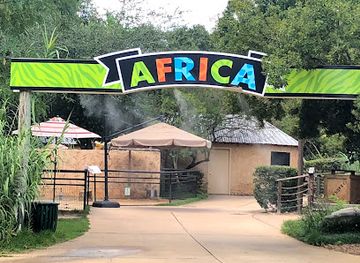
Hattiesburg Zoo
Explore the Hattiesburg Zoo, where wildlife meets education in a fun-filled family environment. Discover new attractions and learn about conservation efforts!
7 min drive · 2.4 km from city centre
-
Tourist attraction
Updown Trampoline Park
Experience the ultimate fun in Hattiesburg at Updown Trampoline Park, where every jump brings joy and adventure for all ages.
17 min drive · 5.6 km from city centre
-
Museum
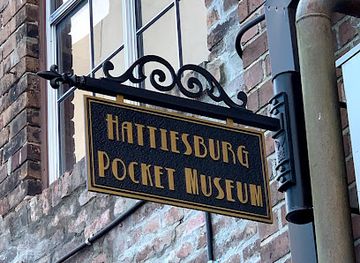
Hattiesburg Pocket Museum
Uncover the artistic and historical treasures at Hattiesburg Pocket Museum, a must-visit destination for culture lovers in Mississippi.
1 min walk · 0.1 km from city centre
-
Recreation center
Alley Cats Axe Throwing Company
Discover the excitement of axe throwing at Alley Cats Axe Throwing Company in Hattiesburg, MS—a unique recreational experience for all ages.
3 min walk · 0.2 km from city centre

Best landmarks in Hattiesburg
Hattiesburg's landmarks reveal its railway origins, military connections and civil-rights history. The Saenger Theater is the best-known historic cultural building in the downtown area, representing the grand cinema and performance-house tradition that once shaped American commercial streets. The African American Military History Museum occupies the 1942 Hattiesburg USO Club, a building whose civic and military associations connect local experience with the wider history of Black service members. Downtown's surviving commercial architecture reflects the city's growth as a timber and railway centre, while the Hattiesburg Pocket Museum gives local history an intimate urban setting. Outside the city, Camp Shelby is a major military landmark in the Pine Belt, and the Mississippi Armed Forces Museum interprets its wider significance. Civil-rights markers and sites associated with Freedom Summer and Vernon Dahmer add a different form of landmark: places where the struggle for voting rights reshaped Hattiesburg's public history.
-
Zoo
Hattiesburg Zoo
Discover wildlife adventures at the Hattiesburg Zoo, home to over 100 animal species, interactive exhibits, and family-friendly fun in Kamper Park.
7 min drive · 2.4 km from city centre
-
Breakfast
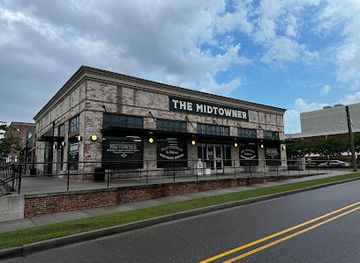
The Midtowner
Discover The Midtowner in Hattiesburg, MS, where hearty Southern breakfasts meet friendly service in a cozy diner setting.
13 min drive · 4.2 km from city centre
-
Amusement center
Updown Trampoline Park
Hattiesburg's largest trampoline park: 45,000+ sq ft of fun with trampolines, ninja warrior course, arcade & more! Perfect for all ages.
17 min drive · 5.6 km from city centre
-
Barbecue
Murky Waters BBQ - Hattiesburg
Hattiesburg's home for authentic Southern barbecue, craft beers, and a bluesy vibe. Slow-smoked meats and homemade sauces await!
7 min drive · 2.2 km from city centre

Explore Hattiesburg on the map
Plan your Hattiesburg trip on one map. See where the top attractions, landmarks, restaurants, bars and hotels are, find what's near where you're staying, and book hotels and experiences in a few clicks.
Best hotels in Hattiesburg
Best restaurants in Hattiesburg
Hattiesburg's dining scene reflects south Mississippi's meeting of Southern cooking, Gulf Coast influence and a sizeable university population. Menus commonly draw on fried or grilled seafood, po'boys, oysters when available, catfish, shrimp, barbecue, biscuits, greens and other familiar regional dishes, alongside burgers, international food and contemporary American cooking. Downtown and the Hardy Street corridor contain many of the city's independent restaurants, cafés and casual eateries, while bakeries and coffee shops serve the daytime trade around the university and central neighbourhoods. Soul-food traditions and the culinary heritage of African American communities are important to understanding local food culture, even when expressed through modern menus rather than formal heritage restaurants. Portions and service can be generous and relaxed, and seasonal produce, Gulf seafood and locally familiar comfort food often shape specials. Food trucks and informal options add variety, particularly around events and student activity.
-
American
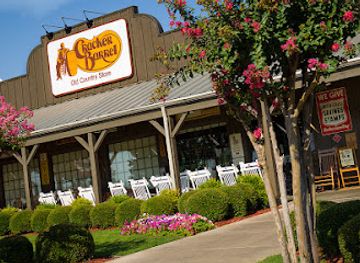
Cracker Barrel Old Country Store
Discover the warmth of Southern hospitality at Cracker Barrel Old Country Store in Hattiesburg - where delicious food meets charming Americana.
19 min drive · 6.2 km from city centre
-
Italian
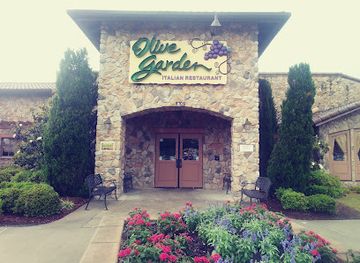
Olive Garden Italian Restaurant
Savor authentic Italian cuisine at Olive Garden in Hattiesburg - perfect for families and food lovers alike.
19 min drive · 6.4 km from city centre
-
Hamburger
Ed's Burger Joint
Savor the best burgers in Hattiesburg at Ed's Burger Joint - where flavor meets fun!
16 min drive · 5.3 km from city centre
-
Family-friendly
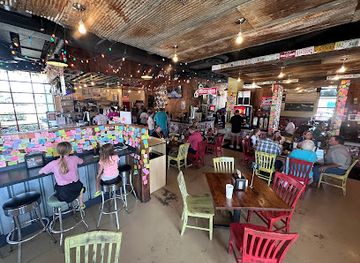
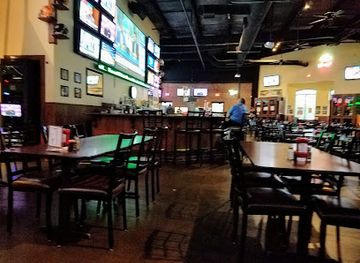
Mugshots Grill and Bar - Hattiesburg, MS
Experience mouth-watering burgers and vibrant family-friendly dining at Mugshots Grill & Bar in Hattiesburg, MS.
17 min drive · 5.5 km from city centre
Best bars in Hattiesburg
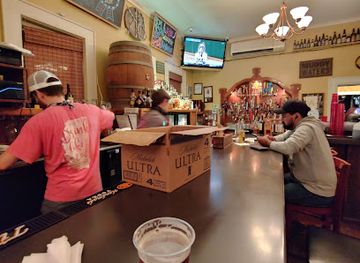
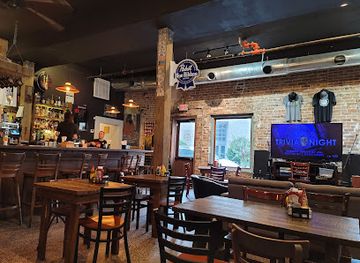
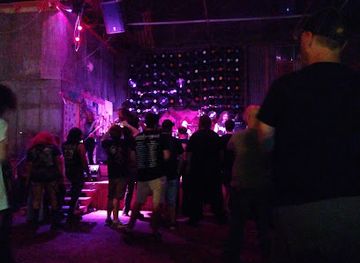
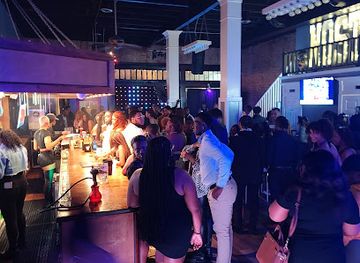
Hattiesburg's nightlife is concentrated rather than sprawling, with the most walkable evening activity around downtown, Hardy Street and areas near the University of Southern Mississippi. Visitors will find relaxed bars, craft-beer options, casual late-evening food and venues that host local bands or student-oriented events, while the scale remains that of a regional city rather than a major club destination. The Saenger Theater provides a more formal evening through concerts, films and performances, and university programming adds lectures, theatre, music and arts events to the calendar. Downtown festivals and seasonal public events can bring a livelier atmosphere to the streets, but schedules vary. Age limits, last service and entry arrangements differ by venue, so checking current information is sensible. Drinking and driving should be avoided, and rides or a designated driver are particularly important when moving between dispersed districts.
-
Family-friendly
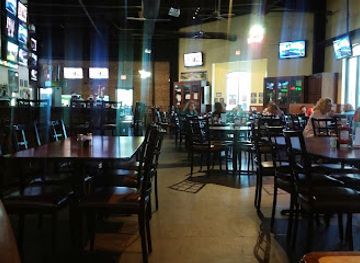
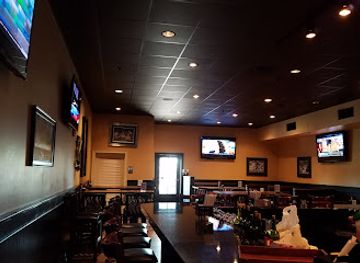
Mugshots Grill and Bar - Hattiesburg, MS
Discover Mugshots Grill and Bar, a family-friendly American restaurant in Hattiesburg, MS, serving delicious burgers and lively sports entertainment.
17 min drive · 5.5 km from city centre
-
Grill
Chesterfield's
Discover Chesterfield's, Hattiesburg's premier grill and restaurant, offering delicious meals and a warm atmosphere for an unforgettable dining experience.
20 min drive · 6.6 km from city centre
-
Brewpub
Keg & Barrel
Experience the best of Hattiesburg at Keg & Barrel, where craft beer and delicious food meet in a lively brewpub atmosphere.
6 min drive · 2.0 km from city centre
-
Brewpub
The Porter Public House
Experience the vibrant atmosphere and house-made brews at The Porter Public House in Hattiesburg, Mississippi – a must-visit brewpub for food and drink lovers.
2 min walk · 0.1 km from city centre
Best nightclubs in Hattiesburg
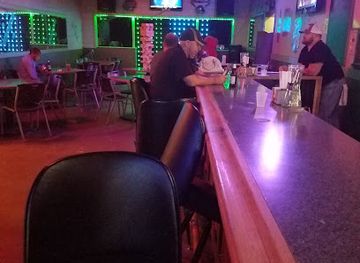
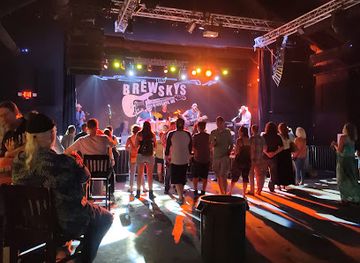
Hattiesburg's nightlife is concentrated rather than sprawling, with the most walkable evening activity around downtown, Hardy Street and areas near the University of Southern Mississippi. Visitors will find relaxed bars, craft-beer options, casual late-evening food and venues that host local bands or student-oriented events, while the scale remains that of a regional city rather than a major club destination. The Saenger Theater provides a more formal evening through concerts, films and performances, and university programming adds lectures, theatre, music and arts events to the calendar. Downtown festivals and seasonal public events can bring a livelier atmosphere to the streets, but schedules vary. Age limits, last service and entry arrangements differ by venue, so checking current information is sensible. Drinking and driving should be avoided, and rides or a designated driver are particularly important when moving between dispersed districts.
-
Grill
Shenanigan's Bar & Grill
Experience delicious grilled favorites and vibrant karaoke nights at Shenanigan's Bar & Grill in Hattiesburg, MS, the perfect blend of dining and entertainment.
10 min drive · 3.4 km from city centre
-
Live Music
Brewsky's
Experience the vibrant atmosphere of Brewsky's in Hattiesburg, where live music meets delicious food for an unforgettable night out.
17 min drive · 5.5 km from city centre
-
Live Music
SwitchYard
Discover the heart of Hattiesburg's nightlife at SwitchYard, where live music meets tiki bar vibes for an unforgettable experience.
6 min walk · 0.5 km from city centre
-
Lounge
Nostalgia Lounge & Bar
Experience the vibrant nightlife at Nostalgia Lounge & Bar in Hattiesburg, MS, where great cocktails and live music create unforgettable memories.
18 min drive · 6.1 km from city centre
Best shops in Hattiesburg
Shopping in Hattiesburg ranges from independent downtown businesses and specialist retailers to everyday commercial areas along Hardy Street and near the university. The historic centre is the most rewarding area for browsing local boutiques, gifts, books, art and small creative businesses, while seasonal markets and community events may bring makers and food producers into public spaces. Visitors can look for Mississippi-themed artwork, handmade goods, regional foods, locally produced sauces and other edible gifts, though stock varies by shop and season. Larger retail clusters provide practical clothing, household goods and national brands rather than a distinctly local experience. The city's connection with the Pine Belt is more visible in regional crafts, outdoor equipment and forest-inspired products than in one signature souvenir. Check market dates before planning a visit, as Hattiesburg's smaller independent retail scene is closely tied to events and university activity.
-
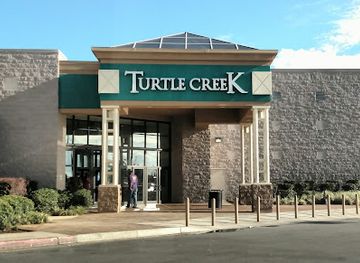
Shopping mall
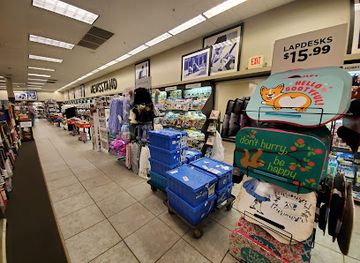
Turtle Creek Mall
Experience Hattiesburg’s premier shopping destination at Turtle Creek Mall, where retail therapy meets culinary delights in a vibrant atmosphere.
24 min drive · 8.1 km from city centre
-
Gift shop
Books-A-Million
Explore the enchanting world of books, collectibles, and unique gifts at Books-A-Million, Hattiesburg's favorite treasure trove.
26 min drive · 8.8 km from city centre
-
Store
The Lucky Rabbit
Explore a unique blend of vintage treasures and antique finds at The Lucky Rabbit in Hattiesburg, a must-visit for all treasure hunters!
3 min walk · 0.2 km from city centre
-
Shopping mall
The Arbor Shopping Center
Discover Hattiesburg's vibrant retail scene at The Arbor Shopping Center, where shopping meets dining in a lively atmosphere.
20 min drive · 6.8 km from city centre
Get your free copy of our complete guide to Hattiesburg, delivered straight to you.
Everything on this page, from attractions and restaurants to essentials and local phrases, in one PDF you can read offline, print or share.
Already have an account? Sign in
Your Hattiesburg guide is ready.
We'll send it to · Not you? Sign out

Getting your guide ready…
We are putting together a fresh copy of the Hattiesburg guide. This can take up to a minute.
This can take a few moments. If your browser asks, choose Allow so the download can start. You'll find the guide in your Downloads folder.
Nothing happened? Download it again
Sorry, the guide is taking longer than usual. Please try again in a minute, or get it by email instead.
Hattiesburg essentials
Currency and Payment
Safety
Emergency Situations
Do's and Don'ts
Local Tips
From Eve
Local phrases worth knowing
You don't need to get them perfect. A few words go a long way, and locals appreciate the effort.
Basics
| English | Local | Say it |
|---|---|---|
| Hello | Howdy | [haʊ-di] |
| Goodbye | See ya | [siː yə] |
| Yes | Yep | [yɛp] |
| No | Nah | [nɑː] |
| Please/You're welcome | Please/You're welcome | [pliːz/jʊr ˈwɛlkəm] |
| Thank you | Thank ya | [θæŋk jə] |
| Excuse me/Sorry | Pardon me/My bad | [ˈpɑːrdn miː/maɪ bæd] |
| How are you? | How y'all doin'? | [haʊ jɔːl ˈduɪn] |
| Fine. And you? | Fine. And you? | [faɪn. ənd ju] |
| Do you speak English? | Ya speak English? | [jə spiːk ˈɪŋɡlɪʃ] |
| I don't understand | I don't get ya | [aɪ doʊnt ˈʌndərˈstænd] |
Eating & Drinking
| English | Local | Say it |
|---|---|---|
| I'd like to see the menu, please | Can I see the menu, please | [kæn aɪ siː ðə ˈmɛnjuː pliːz] |
| I don't eat meat | I don't eat meat | [aɪ doʊnt it mit] |
| Cheers! | Cheers! | [ʧɪrz] |
| I would like to pay, please | I need to settle up | [aɪ nid tu ˈsɛtl ʌp] |
Emergencies
| English | Local | Say it |
|---|---|---|
| Help! | Help! | [hɛlp] |
| Go away! | Get outta here! | [ɡɛt ˈaʊtə hɪər] |
| Call the Police! | Ring the cops! | [rɪŋ ðə kɑps] |
| Call a doctor! | Get a doc! | [ɡɛt ə dɑk] |
| I'm lost | I'm lost | [aɪm lɔst] |
| I'm ill | I'm sick | [aɪm sɪk] |
Shopping
| English | Local | Say it |
|---|---|---|
| I'd like to buy... | I wanna buy... | [aɪ ˈwɑnə baɪ] |
| I'm just looking | Just browsing, thanks | [ʤʌst ˈbraʊzɪŋ θæŋks] |
| How much is it? | How much does it cost? | [haʊ mʌʧ ˈdəz ɪt kɑst] |
| That's too expensive | That's too pricey | [ðæts tuː ˈpraɪsi] |
| Can you lower the price? | Can ya cut the price? | [kæn jə kʌt ðə praɪs] |
Time & Numbers
| English | Local | Say it |
|---|---|---|
| What time is it? | What time is it? | [wʌt taɪm ɪz ɪt] |
| It's one o'clock | It's one o'clock | [ɪts wʌn əˈklɑk] |
| Half past (10) | Half past ten | [hæf pæst tɛn] |
| Morning | Morning | [ˈmɔrnɪŋ] |
| Afternoon | Afternoon | [ˌæftərˈnun] |
| Evening | Evening | [ˈivnɪŋ] |
| Yesterday | Yesterday | [ˈjɛstərˌdeɪ] |
| Today | Today | [təˈdeɪ] |
| Tomorrow | Tomorrow | [təˈmɔrˌoʊ] |
| 1 | One | [wʌn] |
| 2 | Two | [tuː] |
| 3 | Three | [θriː] |
| 4 | Four | [fɔːr] |
| 5 | Five | [faɪv] |
| 6 | Six | [sɪks] |
| 7 | Seven | [ˈsɛvən] |
| 8 | Eight | [eɪt] |
| 9 | Nine | [naɪn] |
| 10 | Ten | [tɛn] |
Transport & Directions
| English | Local | Say it |
|---|---|---|
| Where's a/the...? | Where's the...? | [wɛrz ðə] |
| What's the address? | What's the address? | [wʌts ðə əˈdrɛs] |
| Can you show me (on the map)? | Can you show me (on the map)? | [kæn jə ʃoʊ miː (ɒn ðə mæp)] |
| When's the next (bus)? | When's the next (bus)? | [wɛnz ðə nɛkst (bʌs)] |
| A ticket (to ....) | A ticket (to ....) | [ə ˈtɪkɪt (tu ....)] |
History of Hattiesburg
The Founding of Hattiesburg
Hattiesburg was founded in 1882 by William H. Hardy, a lumberman and railroad developer who named the settlement for his wife, Hattie. Hardy established the town near the confluence of the Leaf and Bouie rivers, a location that offered transport advantages in a heavily forested region. The settlement was incorporated in 1884 and soon became associated with the expanding timber economy of south Mississippi. Its early development reflected the wider transformation of the Piney Woods, where railways, sawmills and commercial agriculture reshaped communities that had previously been linked mainly by rivers and rough roads.
Railways and the Timber Economy
Rail connections turned Hattiesburg into an important commercial centre for the Pine Belt during the late nineteenth and early twentieth centuries. Timber companies harvested the region's extensive longleaf-pine forests, while sawmills and related businesses attracted workers, merchants and entrepreneurs. The railways moved lumber and agricultural products to larger markets and brought manufactured goods into the growing town. This expansion also created an urban society marked by racial inequality, with African American workers forming an essential part of the region's labour force while facing segregation and restricted political rights. Downtown commercial buildings and the former railway corridors preserve traces of this formative period.
Camp Shelby and Military Hattiesburg
Camp Shelby, established near Hattiesburg in 1917 during the First World War, brought a lasting military presence to the region. Although the installation lies outside the city, its training grounds, personnel and economic connections have influenced Hattiesburg for generations. The camp played roles in later American conflicts, and its history is interpreted at the Mississippi Armed Forces Museum. Hattiesburg's military story also includes the former USO building that now houses the African American Military History Museum, linking local history to the wider record of Black military service in the United States.
Civil Rights and Freedom Summer
Hattiesburg became an important centre of civil-rights organising during the 1960s, when activists challenged Mississippi's system of racial segregation and voter suppression. The 1964 Freedom Summer campaign brought volunteers to the city to support voter registration, citizenship education and community organising. Local African American residents, including civil-rights workers and the activist Vernon Dahmer, faced intimidation and violence in the struggle for political rights. The campaign helped expose Mississippi's disenfranchisement nationally and contributed to the passage of the Voting Rights Act of 1965. Markers, museums and interpretive projects in Hattiesburg connect the present-day city with this difficult but decisive history.
Universities and Urban Change
Higher education became an increasingly important part of Hattiesburg's identity during the twentieth century. The University of Southern Mississippi developed into a major regional institution, bringing students, researchers, artists and cultural programmes to the city. Its presence broadened Hattiesburg's economy beyond timber and transport and helped support museums, galleries, performances and specialist events. Meanwhile, suburban growth and changing retail patterns altered the role of the historic centre. Downtown renewal has encouraged the conservation of older commercial buildings and the return of restaurants, independent businesses and cultural venues to streets that once served primarily as a trading district.
A Modern Pine Belt Hub
Today Hattiesburg serves as a regional centre for education, healthcare, commerce and culture in south Mississippi. Its historical identity remains visible in railway-era streets, military institutions, civil-rights interpretation and the surviving landscapes of the Pine Belt. The Longleaf Trace, developed along a former railway corridor, gives a contemporary use to infrastructure created by the timber era, while nearby forest preserves reflect growing interest in longleaf-pine ecology. Hattiesburg's current character therefore rests on several overlapping histories: Indigenous and regional landscapes, railway expansion, industrial forestry, military connections, African American civil-rights activism and modern university life.
Hattiesburg in Photos
Browse through our photo collection highlighting the charm and character of the destination.
Cities near Hattiesburg
The closest cities to Hattiesburg, if you have time for more than one stop.
-

-

-

-

-


Swipe for more cities
Explore more

Explore more of Mississippi
Discover Mississippi: A treasure trove of Southern culture, blues music heritage, and stunning natural landscapes perfect for every kind of traveler.
Explore Mississippi