

Free The Tombigbee Prairie Travel Guide & Mobile App
Explore The Tombigbee Prairie with free travel guides. Discover regional history, expert tips, proposed trips, and audio guides on web or mobile app.


Explore the Tombigbee Prairie of Mississippi for river towns, historic homes, wildlife refuges, farmland and layered north-eastern heritage.
Read more about The Tombigbee Prairie
Getting to and around The Tombigbee Prairie
How to get there
Transportation
Top city travel guides in The Tombigbee Prairie
The cities of The Tombigbee Prairie, and the easiest places to base yourself.

Swipe for more cities
Destinations in The Tombigbee Prairie
Resorts, valleys and scenic spots worth a trip of their own.

Swipe for more destinations
Best attractions in The Tombigbee Prairie
The Tombigbee Prairie’s attractions are distributed across river towns, open farmland, wetlands and wooded waterways rather than concentrated in one resort centre. Columbus provides an important cultural base, with historic neighbourhoods, museums, public art and access to the Tombigbee waterfront. Aberdeen and Amory reveal the region’s river-port and railway heritage through historic streets, civic buildings and surviving commercial architecture. West Point adds historic homes, arts programming and access to nearby outdoor landscapes. Noxubee National Wildlife Refuge, in the wider prairie and river-country landscape near Brooksville and Starkville, is a major destination for birdwatching, fishing, photography and nature observation, with wetlands and forests that contrast with cultivated fields. The Tombigbee River and connected waterways support boating and angling where access is permitted, while local parks and trails offer less demanding ways to experience the landscape. Visitors interested in history can combine house museums, courthouses, churches and town squares with archaeological and Indigenous context presented by regional museums. The appeal lies in the relationship between places: agriculture, wildlife, architecture and transport history are easier to understand when explored together rather than as isolated stops.
-
Historical place museum
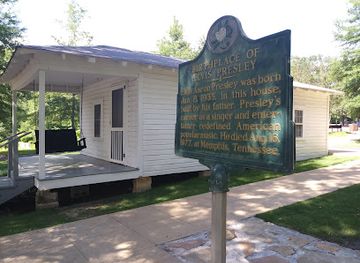
Elvis Presley Birthplace
Discover the Elvis Presley Birthplace in Tupelo, MS, and explore the origins of rock 'n' roll through Elvis's life and legacy.
-
State park
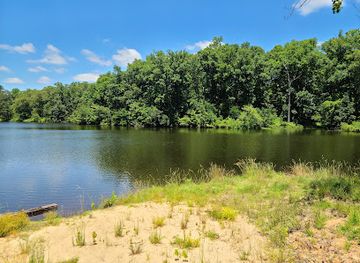
Tombigbee Lake State Park
Discover the tranquility of Tombigbee Lake State Park in Tupelo, Mississippi, where nature meets adventure and relaxation awaits.
-
National forest
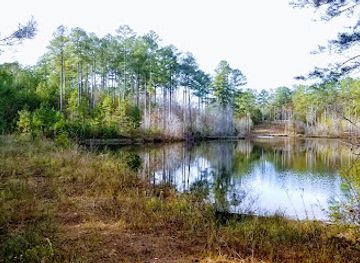
Tombigbee National Forest
Explore the natural beauty and diverse wildlife of Tombigbee National Forest, an outdoor paradise in the heart of Mississippi.
-
State park
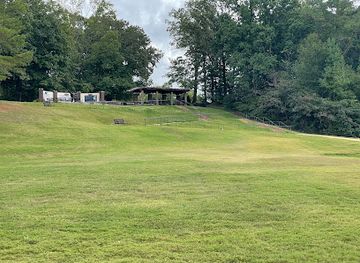
Legion State Park
Explore the beauty of nature at Legion State Park in Mississippi, a perfect getaway for outdoor enthusiasts and families alike.
Best landmarks in The Tombigbee Prairie
-
Historical place museum
Elvis Presley Birthplace
Discover the humble beginnings of the King of Rock & Roll at his birthplace in Tupelo, Mississippi, a landmark of music history.
-
Arena
Cadence Bank Arena
Tupelo's premier entertainment destination, hosting concerts, sports, and family fun for unforgettable experiences at Cadence Bank Arena.
-
Bar
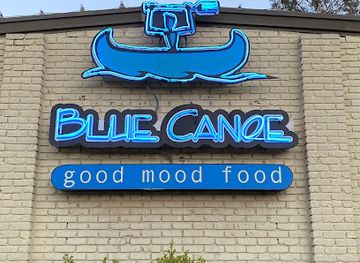
Blue Canoe
Tupelo's funky home for live music, award-winning food, and the best craft beer selection, offering a unique taste of Mississippi culture.
-
Park
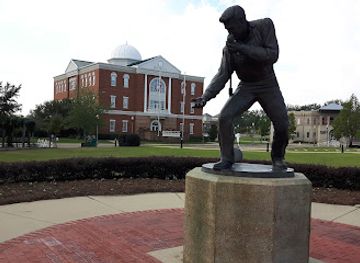
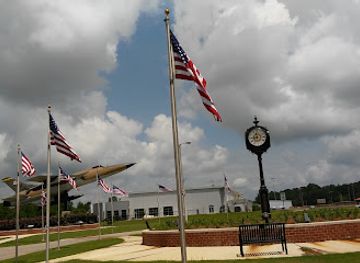
Veterans Park
A serene Tupelo park honoring veterans with a Vietnam War Memorial replica, trails, splash pad, and recreational facilities.
Explore The Tombigbee Prairie on the map
Plan your trip on one map. See where the top cities, national parks and sights are, and book hotels and experiences in a few clicks.
Best hotels in The Tombigbee Prairie
Best restaurants in The Tombigbee Prairie
Dining in the Tombigbee Prairie reflects north-eastern Mississippi’s agricultural setting and Southern food traditions. Barbecue, fried catfish, chicken, beans, greens, cornbread and seasonal vegetables are common regional choices, while breakfast cafés and family-run restaurants remain important meeting places in the larger towns. The Tombigbee and nearby waterways support a strong local association with freshwater fish, although menus and availability vary. Columbus and West Point offer the broadest range of restaurants, from casual Southern cooking to contemporary American dishes, while Aberdeen and Amory have smaller, more local dining scenes. Rural establishments may specialise in generous portions, familiar recipes and relaxed service rather than elaborate presentation. Farmers’ markets and food shops can provide access to locally grown produce, baked goods and preserves when operating. Visitors should distinguish Mississippi-wide culinary traditions from dishes that are specifically local, as the region shares much of its food culture with the wider South while expressing it through family recipes, agricultural seasons and river-country ingredients.
-
Southern
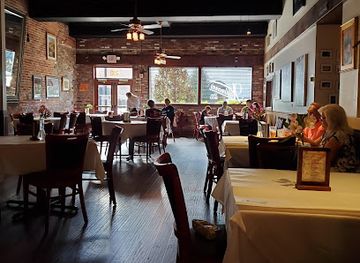
Weidmann's
Discover Weidmann's: A Historic Southern Restaurant Offering Authentic Cuisine and Warm Hospitality in Meridian, MS.
-
Family-friendly
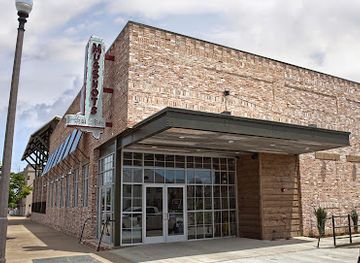
Mugshots Grill and Bar - Tupelo, MS
Experience family-friendly dining at Mugshots Grill and Bar in Tupelo - where delicious American food meets vibrant sports entertainment.
-
Pizza
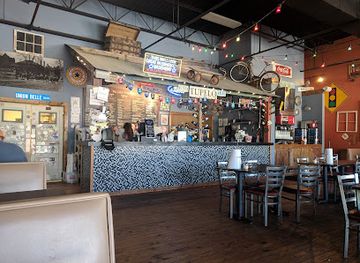
Lost Pizza Co North Gloster
Discover the best pizza in Tupelo at Lost Pizza Co North Gloster - where every slice tells a story!
-
Steak
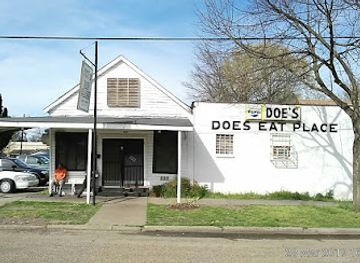
Doe's Eat Place
Experience the ultimate steakhouse dining at Doe's Eat Place in Greenville, MS – where tradition meets flavor in every bite.
Best bars in The Tombigbee Prairie
-
Family-friendly
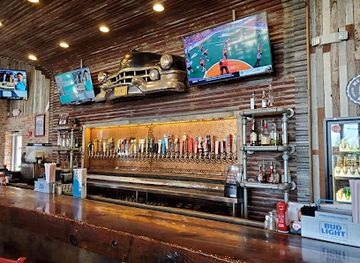
Mugshots Grill and Bar - Tupelo, MS
Experience the best of American cuisine at Mugshots Grill and Bar in Tupelo, MS—perfect for families and sports enthusiasts alike.
-
Restaurant
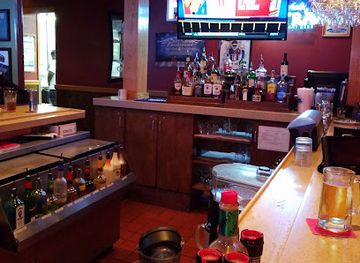
Applebee's Grill + Bar
Experience the best of American dining at Applebee's Grill + Bar in Tupelo, MS, offering delicious food and drinks in a family-friendly atmosphere.
-
Grill
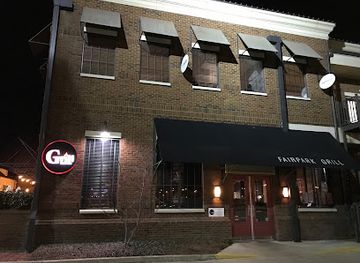
Fairpark Grill
Discover a culinary gem in Tupelo, Mississippi at Fairpark Grill, where American classics meet a lively sports bar ambiance.
-
Bar
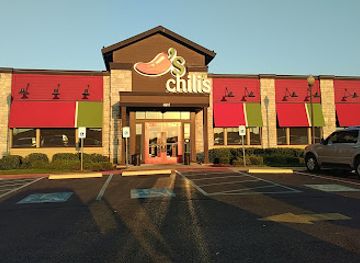
Chili's Grill & Bar
Experience a diverse menu of American and Tex-Mex favorites at Chili's Grill & Bar in Tupelo, Mississippi, perfect for family gatherings and casual dining.
Best nightclubs in The Tombigbee Prairie
Evening life in the Tombigbee Prairie is centred more on restaurants, traditional bars, breweries, live music and community events than on a large nightclub circuit. Columbus has the region’s broadest choice of evening venues, with additional options in West Point, Amory and other population centres. Historic town squares and downtown streets may host live performances, seasonal gatherings or informal social activity, though schedules vary and should be checked locally. Pubs and bars generally serve as places to meet, watch sport or listen to music rather than as dedicated tourist attractions. In rural districts, distances between venues and limited late-night transport make driving arrangements especially important. The presence of Mississippi State University in nearby Starkville, outside the core prairie towns, contributes to a larger student-oriented evening scene in that neighbouring community, but it should not be confused with the character of the Tombigbee Prairie itself.
-
Bar
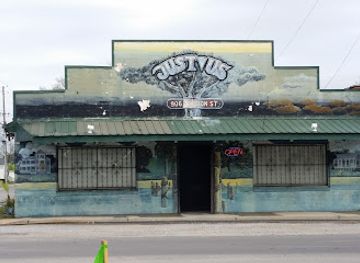
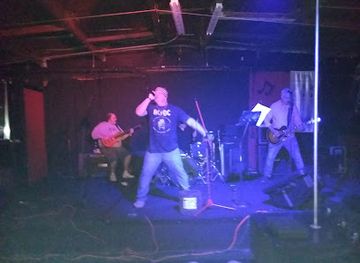
Just Us Lounge
Experience the vibrant nightlife at Just Us Lounge in Biloxi, where live music, dancing, and a welcoming atmosphere await every visitor.
-
Night club
Orlando Club
Discover the heartbeat of Greenwood's nightlife at Orlando Club, where music, dancing, and fun come together in an unforgettable experience.
-
Night club
Millennium
Discover the vibrant nightlife of Tupelo at Millennium, a premier night club offering unforgettable music, dance, and fun.
-
Night club
Bottomline ll
Dive into the vibrant nightlife at Bottomline ll, Tupelo's premier night club with electrifying music and an exhilarating atmosphere.

Best shops in The Tombigbee Prairie
Shopping in the Tombigbee Prairie is focused on historic downtowns, independent retailers, antiques, books, gifts, local art and regionally produced food rather than large-scale luxury retail. Columbus offers the broadest selection, with shops and galleries concentrated around its established commercial areas, while West Point, Aberdeen and Amory provide smaller collections of independent businesses and antique outlets. Visitors may find Mississippi-made pottery, paintings, handmade goods, books on regional history, preserves, baked products and other food items suitable as practical souvenirs. Farmers’ markets and community markets are seasonal and locally organised, so dates and locations should be checked before travelling. Downtown shopping is often best combined with a walking tour of historic buildings, cafés and civic spaces. The most meaningful purchases tend to be connected to the region’s makers, agricultural traditions and river-town history rather than generic souvenirs labelled only with Mississippi imagery.
-
Souvenir store
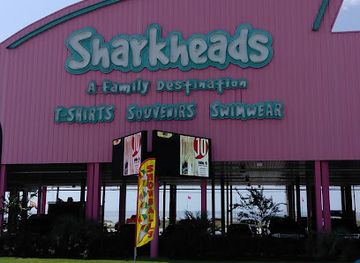
Sharkheads
Explore Sharkheads in Biloxi for unique souvenirs, delicious chocolates, and custom airbrushing services that embody coastal charm.
-
Shopping mall
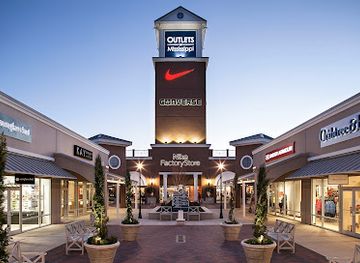
Outlets of Mississippi
Discover unbeatable deals and a delightful shopping experience at Outlets of Mississippi, where brand-name stores meet family-friendly fun.
-
Shopping mall
Southaven Towne Center
Explore Southaven Towne Center: Your ultimate shopping and dining destination in Southaven, Mississippi with diverse stores and delicious eateries.
-
Shopping mall
Renaissance at Colony Park
Explore Renaissance at Colony Park for an unforgettable shopping experience in Ridgeland, Mississippi, featuring a blend of shops, dining, and entertainment.

Get your free copy of our complete guide to The Tombigbee Prairie, delivered straight to you.
Everything on this page, from attractions and restaurants to essentials and local phrases, in one PDF you can read offline, print or share.
Already have an account? Sign in
Your The Tombigbee Prairie guide is ready.
We'll send it to · Not you? Sign out

Getting your guide ready…
We are putting together a fresh copy of the The Tombigbee Prairie guide. This can take up to a minute.
This can take a few moments. If your browser asks, choose Allow so the download can start. You'll find the guide in your Downloads folder.
Nothing happened? Download it again
Sorry, the guide is taking longer than usual. Please try again in a minute, or get it by email instead.
The Tombigbee Prairie essentials
Currency and Payment
Safety
Emergency Situations
Do's and Don'ts
Local Tips
From Eve
Local phrases worth knowing
You don't need to get them perfect. A few words go a long way, and locals appreciate the effort.
Basics
| English | Local | Say it |
|---|---|---|
| Hello | Howdy | [Ha-dee] |
| Goodbye | See ya | [See ya] |
| Yes | Yup | [Yup] |
| No | Nope | [Nope] |
| Please/You're welcome | Please / No problem | [Please / No prob-lem] |
| Thank you | Thanks | [Thangs] |
| Excuse me/Sorry | Pardon me / Sorry | [Par-don me / Sar-ry] |
| How are you? | How ya doin'? | [How ya doin'?] |
| Fine. And you? | I'm good. And you? | [I'm good. An' you?] |
| Do you speak English? | You speakin' English? | [You speak-in' English?] |
| I don't understand | I ain't followin' | [I ain't follow-in'] |
Eating & Drinking
| English | Local | Say it |
|---|---|---|
| I'd like to see the menu, please | Can I see the menu, please? | [Can I see the men-u, please?] |
| I don't eat meat | I don't do meat | [I don't do meat] |
| Cheers! | Cheers! | [Cheers!] |
| I would like to pay, please | Can I get the check, please? | [Can I get the check, please?] |
Emergencies
| English | Local | Say it |
|---|---|---|
| Help! | Help! | [Help!] |
| Go away! | Leave me be! | [Leave me be!] |
| Call the Police! | Call the cops! | [Call the cops!] |
| Call a doctor! | Get a doctor! | [Get a doctor!] |
| I'm lost | I’m turned around | [I’m turned around] |
| I'm ill | I ain't feelin' good | [I ain't feelin' good] |
Shopping
| English | Local | Say it |
|---|---|---|
| I'd like to buy... | I wanna buy... | [I wanna buy...] |
| I'm just looking | Just browsin' | [Just brows-in'] |
| How much is it? | What's it cost? | [What's it cost?] |
| That's too expensive | That's high-priced | [That's high-priced] |
| Can you lower the price? | Can you knock down the price? | [Can you knock down the price?] |
Time & Numbers
| English | Local | Say it |
|---|---|---|
| What time is it? | What time ya got? | [What time ya got?] |
| It's one o'clock | It's one o'clock | [It's one o'clock] |
| Half past (10) | Half past ten | [Half past ten] |
| Morning | Mornin' | [Mornin'] |
| Afternoon | Afternoon | [Afternoon] |
| Evening | Evenin' | [Evenin'] |
| Yesterday | Yestiddy | [Yes-tid-dee] |
| Today | Today | [Today] |
| Tomorrow | Tomorra | [To-morra] |
| 1 | One | [One] |
| 2 | Two | [Two] |
| 3 | Three | [Three] |
| 4 | Four | [Four] |
| 5 | Five | [Five] |
| 6 | Six | [Six] |
| 7 | Seven | [Seven] |
| 8 | Eight | [Eight] |
| 9 | Nine | [Nine] |
| 10 | Ten | [Ten] |
Transport & Directions
| English | Local | Say it |
|---|---|---|
| Where's a/the...? | Where's the...? | [Where's the...?] |
| What's the address? | What's the address? | [What's the address?] |
| Can you show me (on the map)? | Can you point it out? | [Can you point it out?] |
| When's the next (bus)? | When's the next bus? | [When's the next bus?] |
| A ticket (to ....) | A ticket to... | [A ticket to...] |
History of The Tombigbee Prairie
Indigenous River and Prairie Landscapes
Long before European settlement, Indigenous communities farmed, hunted and traded across the Tombigbee basin. The river and its tributaries provided transport corridors and access to fertile floodplain soils, while the surrounding prairie supported a mixture of grassland, woodland and wetland environments. Earlier mound-building societies and later Chickasaw communities formed part of the region’s wider Indigenous history. Archaeological evidence across north-eastern Mississippi records long periods of settlement and exchange, although many sites are not developed for public visitation. The modern landscape should therefore be understood as an ancient cultural environment, not an empty frontier awaiting later settlement.
Chickasaw Country and European Expansion
Before Mississippi became a United States state, much of north-eastern Mississippi lay within the homeland and political world of the Chickasaw. European traders and colonists entered a landscape already shaped by Indigenous diplomacy, agriculture and movement. The nineteenth-century expansion of the United States brought pressure on Chickasaw lands, culminating in removal and the transformation of the region for American settlement. This period established patterns of land ownership and transport that continued to influence communities around the Tombigbee, while also marking a profound loss of Indigenous land and autonomy.
Cotton, Slavery and River Commerce
During the nineteenth century, cotton agriculture became a major force in the Tombigbee Prairie. Fertile soils and access to the river encouraged plantation development, connecting communities such as Columbus and Aberdeen with regional trade networks. The prosperity created by cotton depended on the forced labour of enslaved African Americans, whose work shaped farms, households, roads and river commerce. River landings and warehouses supported the movement of agricultural goods before railways assumed much of the transport role. Historic houses and town buildings preserve only part of this story; church congregations, family histories, cemeteries and African American cultural traditions provide essential additional perspectives.
Railways and the Growth of Prairie Towns
Railway construction in the late nineteenth and early twentieth centuries altered the economic geography of the region. Amory became especially important as a rail junction, while Columbus, Aberdeen and West Point expanded their links with markets across Mississippi and the wider South. Railways reduced dependence on river transport, encouraged commercial development and helped move cotton, timber, livestock and manufactured goods. Depots, warehouses, commercial blocks and town centres still reflect this period, even where railway operations have changed. The shift from river port to rail-connected town was one of the defining transformations of the Tombigbee Prairie.
Civil War and Reconstruction in the Tombigbee Basin
The Tombigbee corridor was strategically important during the American Civil War because its river transport, railways and agricultural resources connected Mississippi with Alabama and the wider Confederate interior. Columbus and other regional communities experienced military activity, disruption and the pressures of wartime supply. The post-war Reconstruction era brought emancipation, contested political change and a difficult transition from slavery to new labour arrangements. African American communities established churches, schools and civic institutions despite segregation and violence, creating foundations that remain important to the social history of north-eastern Mississippi.
Modern Agriculture, Industry and Conservation
In the twentieth century, mechanised agriculture, improved roads, changing river engineering and industrial employment reshaped the prairie. Cotton remained important, but soybeans, corn, cattle and other agricultural activities became part of a more varied rural economy. Manufacturing and timber-related industries also influenced towns such as Amory, Columbus and West Point. At the same time, wetlands and river forests gained recognition for their ecological value. Protected areas including Noxubee National Wildlife Refuge preserve significant habitats for waterfowl, fish and woodland species, adding conservation to the region’s older agricultural and transport identities.
The Tombigbee Prairie in Photos
Browse through our photo collection highlighting the charm and character of the destination.
Neighbouring regions of The Tombigbee Prairie
The closest regions to The Tombigbee Prairie, if you have time for more than one.
-

-

-

-

-
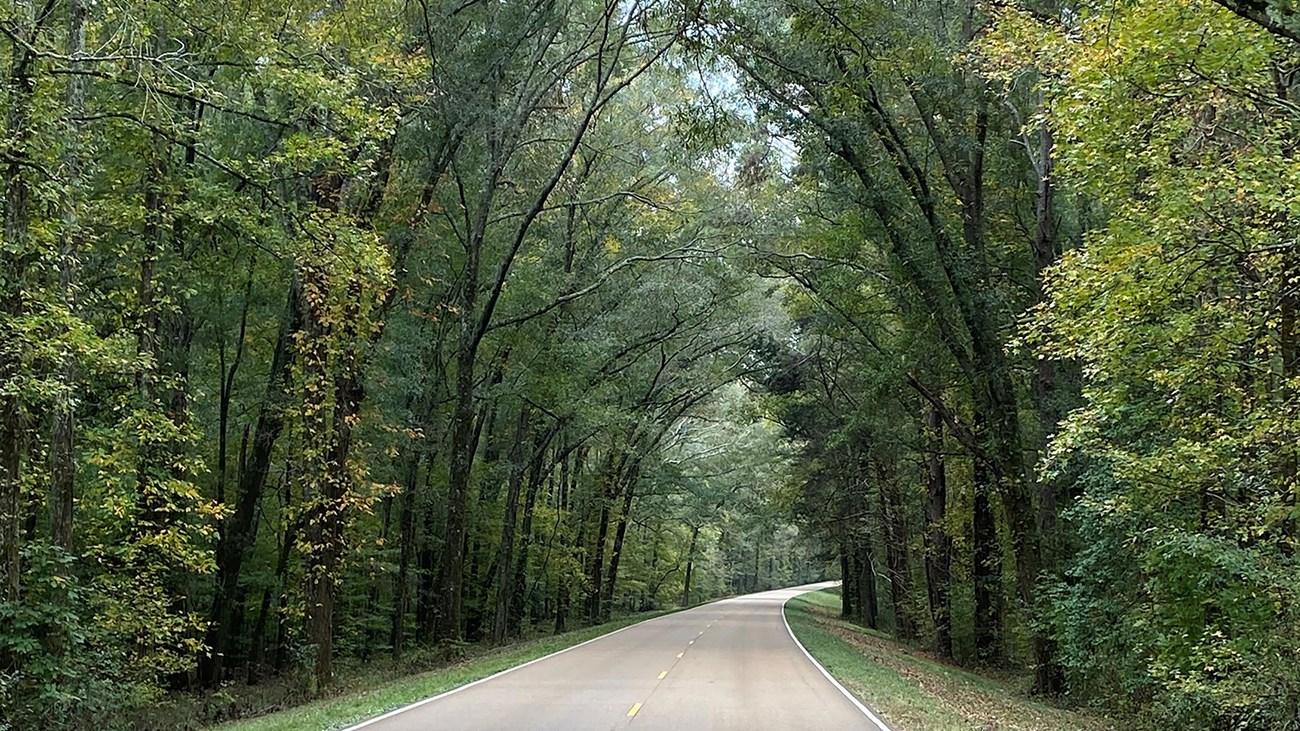 The Pontotoc Ridge
Explore the Pontotoc Ridge in Mississippi for Chickasaw history, rolling countryside, small-town heritage, rail trails and southern food.
The Pontotoc Ridge
Explore the Pontotoc Ridge in Mississippi for Chickasaw history, rolling countryside, small-town heritage, rail trails and southern food.


Swipe for more regions
Explore more

Explore more of Mississippi
Discover Mississippi: A treasure trove of Southern culture, blues music heritage, and stunning natural landscapes perfect for every kind of traveler.
Explore Mississippi