

Free The Flatwoods Travel Guide & Mobile App
Explore The Flatwoods with free travel guides. Discover regional history, expert tips, proposed trips, and audio guides on web or mobile app.


Explore The Flatwoods in Mississippi for pine forests, quiet rivers, small towns, timber heritage and unhurried outdoor travel.
Read more about The Flatwoods
Getting to and around The Flatwoods
How to get there
Transportation
Top city travel guides in The Flatwoods
The cities of The Flatwoods, and the easiest places to base yourself.
-

-


Swipe for more cities
Destinations in The Flatwoods
Resorts, valleys and scenic spots worth a trip of their own.
-
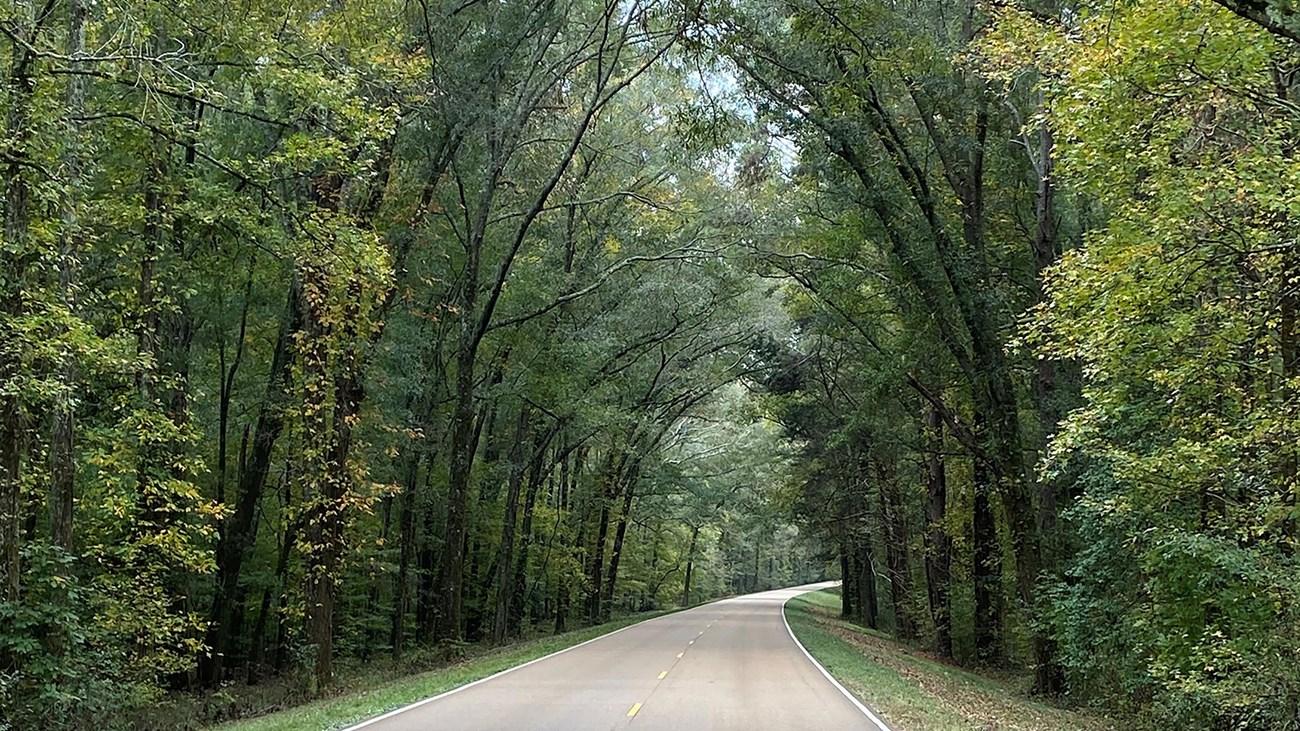 Natchez Trace Parkway
Explore the scenic, historic, and cultural wonders of the Natchez Trace Parkway, a 444-mile journey through the heart of the American South.
-


Swipe for more destinations
Best attractions in The Flatwoods
The Flatwoods’ attractions are dispersed through a landscape of pine plantations, hardwood bottoms, farms and small county towns rather than concentrated in one resort or city. Outdoor recreation is the main thread: fishing, paddling, birdwatching, hiking, hunting and scenic driving are available on suitable public lands and waterways, subject to ownership, permits and seasonal rules. The Bienville National Forest reaches parts of the wider east-central Mississippi landscape and provides opportunities for forest recreation, but visitors should confirm the exact site and access conditions before travelling. The Chunky River and its tributaries offer a contrasting setting of wooded banks and water-based activity; Dunn’s Falls near Enterprise is a notable example of the region’s river scenery. Towns such as Forest, Newton, Decatur, Philadelphia and Bay Springs provide courthouse architecture, local museums, churches and modest historic commercial streets, while Meridian, near the eastern edge, supplies larger cultural and transport facilities rather than being a Flatwoods attraction in itself. Heritage interests include timber history, rail connections, Choctaw history and the local dimensions of Mississippi’s civil rights era. The region suits visitors who enjoy linking several modest experiences across a rural itinerary rather than expecting a dense sequence of ticketed attractions.
-
Historical place museum
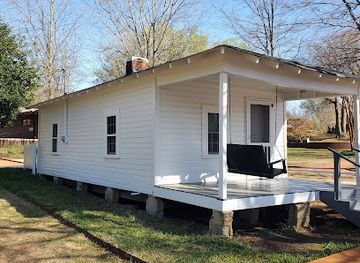
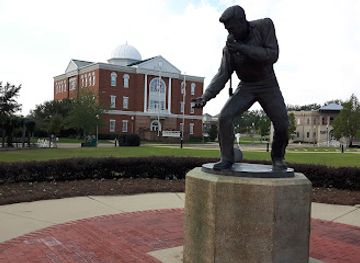
Elvis Presley Birthplace
Explore the birthplace of Elvis Presley in Tupelo, Mississippi, and discover the roots of the King of Rock 'n' Roll in this historical museum.
-
State park
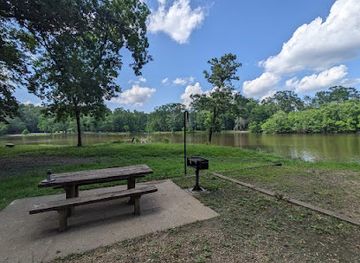
LeFleur's Bluff State Park
Experience the scenic beauty and outdoor adventures at LeFleur's Bluff State Park, a serene escape in Jackson, Mississippi, perfect for nature lovers.
-
National forest
Bienville National Forest
Discover the pristine landscapes and diverse wildlife of Bienville National Forest, a perfect escape for outdoor enthusiasts and nature lovers alike.
-
Park
Clark Creek Natural Area
Experience the tranquility and natural beauty of Clark Creek Natural Area, a hidden gem in Mississippi with stunning waterfalls and scenic hiking trails.


Best landmarks in The Flatwoods
-
Historical place museum
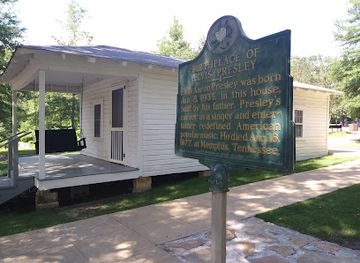
Elvis Presley Birthplace
Discover the humble beginnings of the King of Rock & Roll at his birthplace in Tupelo, Mississippi, a landmark of music history.
-
Arena
Cadence Bank Arena
Tupelo's premier entertainment destination, hosting concerts, sports, and family fun for unforgettable experiences at Cadence Bank Arena.
-
Hotel
Historic Hotel Chester
Experience Southern charm and historic elegance at the beautifully restored Historic Hotel Chester in downtown Starkville, Mississippi.
-
Barbecue
The Little Dooey
Experience Starkville's best barbecue at The Little Dooey, a local favorite serving up smoked meats and Southern hospitality since 1985.


Explore The Flatwoods on the map
Plan your trip on one map. See where the top cities, national parks and sights are, and book hotels and experiences in a few clicks.
Best hotels in The Flatwoods
Best restaurants in The Flatwoods
Dining in The Flatwoods belongs to the broader food culture of Mississippi’s interior, with locally operated cafés, family restaurants, rural diners and traditional barbecue establishments more prominent than destination dining districts. Menus commonly draw on catfish, fried chicken, smoked meats, burgers, greens, beans, cornbread, biscuits, seasonal vegetables and sweet desserts. In river communities, freshwater fish may feature; elsewhere, cooking tends to reflect farm, church-supper and Southern home-style traditions rather than a narrowly defined Flatwoods cuisine. Larger towns offer more choice, while rural areas may have limited evening service, so plan meals around driving distances and opening patterns. Convenience stores and small groceries can be useful for drinks and provisions between communities. Farmers’ markets and seasonal produce stalls, where operating, provide a closer connection with local agriculture, but they are usually community-focused rather than permanent tourist markets. Tipping is customary in full-service restaurants in line with United States practice.
-
American
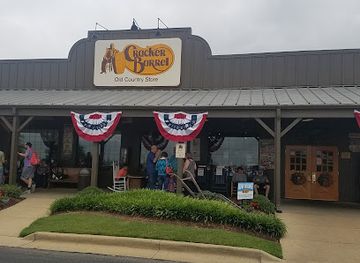
Cracker Barrel Old Country Store
Experience the warmth of Southern hospitality at Cracker Barrel Old Country Store with delicious comfort food and charming gifts.
-
Seafood
Mary Mahoney's Old French House
Experience exquisite seafood dining at Mary Mahoney's Old French House in Biloxi—where history meets culinary excellence.
-
Seafood
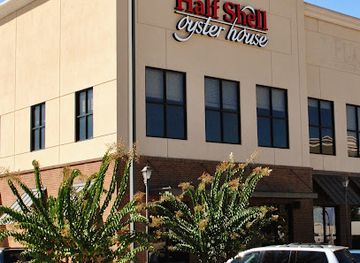
Half Shell Oyster House
Discover Half Shell Oyster House in Flowood – A seafood paradise offering fresh oysters and Southern flavors in a vibrant atmosphere.
-
Southern
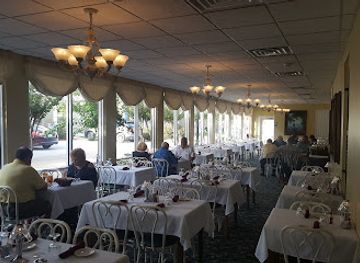
Weidmann's
Discover Weidmann's in Meridian: A historic Southern restaurant offering delicious cuisine and warm hospitality since 1870.
Best bars in The Flatwoods
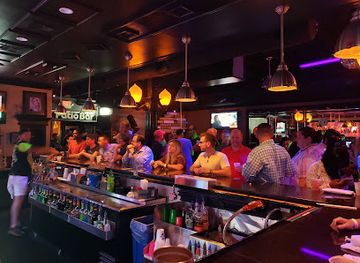
Evening life in The Flatwoods is generally centred on local restaurants, traditional bars, community gatherings, live music and the social spaces attached to small-town commercial streets rather than a concentrated nightclub scene. Forest, Newton, Philadelphia, Meridian and other larger communities provide the broadest choice, although Meridian is a nearby eastern service centre rather than the core of the region. Rural establishments may close earlier than visitors expect, and entertainment can vary by day, season and local events. Breweries, cocktail venues and clubs are more likely to be found in larger towns than in remote woodland areas. Visitors should arrange a return journey before heading into the countryside, as taxis and app-based transport may be limited. Respect local age, smoking and service regulations, and do not assume that alcohol is central to the region’s evening culture; cafés, small concerts, restaurants and community events can be equally important.
-
American
Tin Lizzie Cafe
Discover the warmth of Southern hospitality and delicious comfort food at Tin Lizzie Cafe in West Point, Mississippi.
-
Bar
Blue Canoe
Discover the unique flavors and vibrant atmosphere at Blue Canoe, Tupelo's favorite bar and restaurant for locals and tourists alike.
-
Family-friendly
Mugshots Grill and Bar - Starkville, MS
Experience the best of American cuisine at Mugshots Grill and Bar in Starkville, MS, where family-friendly dining meets vibrant sports culture.
-
Restaurant
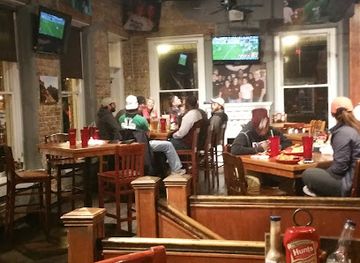
Walk-On's Sports Bistreaux - Starkville Restaurant
Discover Walk-On's Sports Bistreaux in Starkville – where delicious food meets the excitement of live sports in a lively atmosphere.

Best nightclubs in The Flatwoods
Evening life in The Flatwoods is generally centred on local restaurants, traditional bars, community gatherings, live music and the social spaces attached to small-town commercial streets rather than a concentrated nightclub scene. Forest, Newton, Philadelphia, Meridian and other larger communities provide the broadest choice, although Meridian is a nearby eastern service centre rather than the core of the region. Rural establishments may close earlier than visitors expect, and entertainment can vary by day, season and local events. Breweries, cocktail venues and clubs are more likely to be found in larger towns than in remote woodland areas. Visitors should arrange a return journey before heading into the countryside, as taxis and app-based transport may be limited. Respect local age, smoking and service regulations, and do not assume that alcohol is central to the region’s evening culture; cafés, small concerts, restaurants and community events can be equally important.
-
Bar
Sipps Bar Gulfport
Experience the vibrant nightlife at Sipps Bar Gulfport, where dancing, karaoke, and a welcoming atmosphere create unforgettable memories.
-
Night club
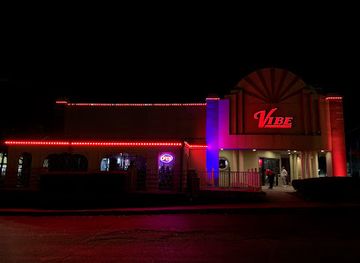
VIBE
Discover the electrifying nightlife at VIBE, Jackson's premier night club and sports bar, featuring lively music, great drinks, and a vibrant atmosphere.
-
Live Music
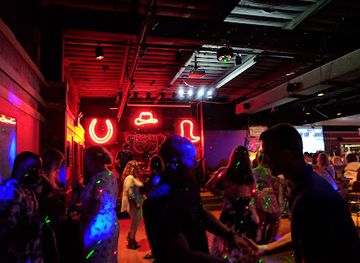
Neon Moon
Discover Neon Moon, Ocean Springs' premier live music venue, where unforgettable nights of dancing and entertainment await you.
-
Night club
HIDEAWAY
Discover the vibrant nightlife at Hideaway, Jackson's premier venue for dancing, events, and unforgettable experiences in Mississippi.

Best shops in The Flatwoods
Shopping in The Flatwoods is primarily practical and community-based, with independent stores, antique shops, bookshops, hardware businesses, supermarkets and small-town high streets serving local residents. County-seat centres such as Forest, Newton, Philadelphia, Decatur and Bay Springs can be useful stops for regional browsing, while larger Meridian offers the widest retail selection near the eastern side of the region. Farmers’ markets and seasonal roadside stalls may offer vegetables, baked goods, preserves or other locally produced food, but their schedules are often community-based and should be checked locally. Antiques, handmade items, Mississippi-themed books, locally produced foods and small craft objects make more appropriate souvenirs than generic luxury merchandise. Timber is central to the regional economy, although visitors should distinguish commercially produced wood goods from certified local craftwork. Rural shopping distances can be substantial, so buy fuel, water and basic supplies before heading into forest country. Do not assume that every market or independent shop operates year-round or accepts cards.
-
Outlet mall
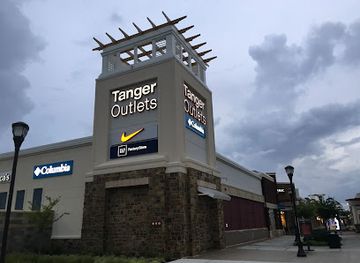
Tanger Outlets Southaven
Discover unbeatable deals and a vibrant shopping atmosphere at Tanger Outlets Southaven, the ultimate retail destination in Mississippi.
-
Outlet mall
Gulfport Premium Outlets
Discover unbeatable deals at Gulfport Premium Outlets, your ultimate shopping destination in Mississippi, offering top brands at fantastic prices.
-
Gift shop
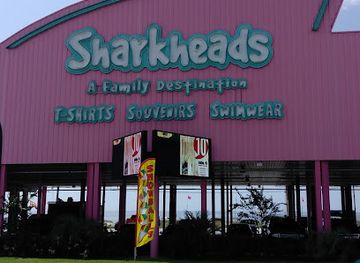
Sharkheads
Explore Sharkheads in Biloxi for unique souvenirs, exquisite chocolates, and personalized airbrushing that captures the Gulf Coast spirit.
-
Shopping mall
Outlets of Mississippi
Discover unbeatable deals and a family-friendly shopping experience at the Outlets of Mississippi in Pearl, where style meets savings.


Get your free copy of our complete guide to The Flatwoods, delivered straight to you.
Everything on this page, from attractions and restaurants to essentials and local phrases, in one PDF you can read offline, print or share.
Already have an account? Sign in
Your The Flatwoods guide is ready.
We'll send it to · Not you? Sign out

Getting your guide ready…
We are putting together a fresh copy of the The Flatwoods guide. This can take up to a minute.
This can take a few moments. If your browser asks, choose Allow so the download can start. You'll find the guide in your Downloads folder.
Nothing happened? Download it again
Sorry, the guide is taking longer than usual. Please try again in a minute, or get it by email instead.
The Flatwoods essentials
Currency and Payment
Safety
Emergency Situations
Do's and Don'ts
Local Tips
From Eve
Local phrases worth knowing
You don't need to get them perfect. A few words go a long way, and locals appreciate the effort.
Basics
| English | Local | Say it |
|---|---|---|
| Hello | Hey | [Hey] |
| Goodbye | See ya | [See ya] |
| Yes | Yup | [Yup] |
| No | Nope | [Nope] |
| Please/You're welcome | Please/No problem | [Please/No problem] |
| Thank you | Thanks | [Thanks] |
| Excuse me/Sorry | Excuse me/Sorry 'bout that | [Excuse me/Sorry 'bout that] |
| How are you? | How ya doin'? | [How ya doin'?] |
| Fine. And you? | I'm good. You? | [I'm good. You?] |
| Do you speak English? | Ya speakin' English? | [Ya speakin' English?] |
| I don't understand | I ain't followin' | [I ain't followin'] |
Eating & Drinking
| English | Local | Say it |
|---|---|---|
| I'd like to see the menu, please | Can I see the menu, please? | [Can I see the menu, please?] |
| I don't eat meat | I don't eat meat | [I don't eat meat] |
| Cheers! | Cheers! | [Cheers!] |
| I would like to pay, please | Can I pay, please? | [Can I pay, please?] |
Emergencies
| English | Local | Say it |
|---|---|---|
| Help! | Help! | [Help!] |
| Go away! | Get outta here! | [Get outta here!] |
| Call the Police! | Call the cops! | [Call the cops!] |
| Call a doctor! | Get a doctor! | [Get a doctor!] |
| I'm lost | I'm lost | [I'm lost] |
| I'm ill | I ain't feelin' good | [I ain't feelin' good] |
Shopping
| English | Local | Say it |
|---|---|---|
| I'd like to buy... | I wanna buy... | [I wanna buy...] |
| I'm just looking | Just lookin' | [Just lookin'] |
| How much is it? | What's the price? | [What's the price?] |
| That's too expensive | That's way too high | [That's way too high] |
| Can you lower the price? | Can ya bring that down? | [Can ya bring that down?] |
Time & Numbers
| English | Local | Say it |
|---|---|---|
| What time is it? | What time is it? | [What time is it?] |
| It's one o'clock | It's one o'clock | [It's one o'clock] |
| Half past (10) | Half past ten | [Half past ten] |
| Morning | Mornin' | [Mornin'] |
| Afternoon | Afternoon | [Afternoon] |
| Evening | Evenin' | [Evenin'] |
| Yesterday | Yesterday | [Yesterday] |
| Today | Today | [Today] |
| Tomorrow | Tomorrow | [Tomorrow] |
| 1 | One | [One] |
| 2 | Two | [Two] |
| 3 | Three | [Three] |
| 4 | Four | [Four] |
| 5 | Five | [Five] |
| 6 | Six | [Six] |
| 7 | Seven | [Seven] |
| 8 | Eight | [Eight] |
| 9 | Nine | [Nine] |
| 10 | Ten | [Ten] |
Transport & Directions
| English | Local | Say it |
|---|---|---|
| Where's a/the...? | Where's a...? | [Where's a...?] |
| What's the address? | What's the address? | [What's the address?] |
| Can you show me (on the map)? | Can ya show me on the map? | [Can ya show me on the map?] |
| When's the next (bus)? | When's the next bus? | [When's the next bus?] |
| A ticket (to ....) | One ticket to... | [One ticket to...] |
History of The Flatwoods
Choctaw Homeland and Indigenous Landscapes
Before European-American settlement, the Flatwoods formed part of the homeland and wider cultural landscape of the Choctaw people. Communities used the region’s forests, prairies, streams and bottomlands for farming, hunting and travel, with established systems of land use that did not resemble the later grid of plantations, farms and timber tracts. The Treaty of Dancing Rabbit Creek in 1830 led to the cession of most Choctaw lands in Mississippi and the forced removal of many Choctaw people to Indian Territory, although Choctaw communities remained in Mississippi. Their continuing presence is an essential part of the region’s history.
Nineteenth-Century Settlement and County Towns
After the major phases of land cession and removal, American settlers established farms, churches, mills and small trading centres across east-central Mississippi. County seats and courthouse communities became the administrative framework of the region, while roads and river crossings linked isolated settlements. The Flatwoods’ relatively level terrain supported both agriculture and the expansion of settlement, although poor drainage in some areas limited cultivation. Many present-day communities retain street plans, courthouse buildings, churches and commercial structures that reflect this nineteenth-century process of local development.
Railways, Timber and the Industrial Interior
Railway construction in the late nineteenth and early twentieth centuries transformed the Flatwoods by connecting timber districts and agricultural communities with larger markets. Sawmills, turpentine operations and related trades became important sources of employment, while rail stations encouraged the growth of towns and commercial institutions. Timber extraction altered the original forest, but the industry also established the enduring economic identity of much of east-central Mississippi. Later forestry became more organised, with extensive managed pine plantations complementing remaining hardwoods and bottomland forests.
Agriculture, Mechanisation and Rural Change
Farms in the Flatwoods produced cotton, corn, livestock and other crops, though the region’s soils and drainage created a different agricultural pattern from Mississippi’s Delta. During the twentieth century, mechanisation, changing commodity markets and rural out-migration reduced the number of small farms and altered the role of many villages. Some land shifted towards pasture or commercial forestry, while county towns continued to provide schools, government services and trade. Today’s landscape of fields, pine tracts and scattered homesteads reflects these successive changes rather than a single agricultural tradition.
Mississippi’s Civil Rights Era
The Flatwoods was part of Mississippi’s wider civil rights history, when African Americans challenged segregation, voter suppression and exclusion from public life. Churches, schools, courthouses and commercial streets across the state became places where campaigns, protests and local organising unfolded. Experiences varied from one community to another, but the region’s Black residents played an important part in the broader struggle for voting rights, educational equality and civic representation. Visitors should understand local history through county museums, historic sites and community interpretation where available, rather than treating civil rights as a story confined to larger cities.
Modern Forestry and Conservation
From the second half of the twentieth century, forestry became an even more prominent land use across the Flatwoods. Pine management, wood processing and conservation planning now coexist with pasture, row crops, wetlands and recreation. Parts of the region connect with the national-forest system and other publicly managed lands, although ownership and access are fragmented. Contemporary Flatwoods communities therefore balance resource industries with fishing, hunting, wildlife observation, paddling and heritage tourism. This continuing relationship between working land and outdoor recreation is central to the region’s modern character.
Neighbouring regions of The Flatwoods
The closest regions to The Flatwoods, if you have time for more than one.
-

-

-

-
-
 The North Central Hills
Explore Mississippi’s North Central Hills for Oxford’s literary heritage, rolling woodland, historic towns, local food and the Tanglefoot Trail.


Swipe for more regions
Explore more

Explore more of Mississippi
Discover Mississippi: A treasure trove of Southern culture, blues music heritage, and stunning natural landscapes perfect for every kind of traveler.
Explore Mississippi