

Free The Golden Triangle Travel Guide & Mobile App
Explore The Golden Triangle with free travel guides. Discover regional history, expert tips, proposed trips, and audio guides on web or mobile app.


Explore Mississippi’s Golden Triangle for Columbus heritage, Starkville university culture, West Point history and Noxubee’s wildlife landscapes.
Read more about The Golden Triangle
Getting to and around The Golden Triangle
How to get there
Transportation
Top city travel guides in The Golden Triangle
The cities of The Golden Triangle, and the easiest places to base yourself.

Swipe for more cities
Destinations in The Golden Triangle
Resorts, valleys and scenic spots worth a trip of their own.

Swipe for more destinations
Best attractions in The Golden Triangle
The Golden Triangle’s attractions combine historic architecture, university culture, river landscapes and protected wildlife habitat. Columbus is the principal heritage stop, with walkable historic districts, house museums and the Tennessee Williams Home and Welcome Center, which explores the writer’s early life in the city. Starkville centres on Mississippi State University, where museums, galleries, campus architecture, agricultural research and collegiate events give the town its contemporary energy. West Point offers local history and access to the surrounding countryside, while Waverley Plantation provides a significant example of antebellum architecture near the town. The Sam D. Hamilton Noxubee National Wildlife Refuge is the region’s leading outdoor destination, protecting lakes, wetlands, woodland and prairie used by waterfowl and other wildlife. Visitors can look for birdlife, walk selected trails, fish where permitted and enjoy the changing landscape through the seasons. The Tombigbee River and associated waterways add opportunities for boating and wildlife observation, although access is specific rather than continuous. Together, these attractions make the region suitable for combining heritage visits with nature, food and university-town activities rather than concentrating on a single type of sightseeing.
-
State park
Lake Lowndes State Park
Explore the serene landscapes of Lake Lowndes State Park, a premier destination for outdoor activities and family fun in Mississippi.
-
Hiking area
River Walk Trail
Discover the tranquility of the River Walk Trail in Columbus, Mississippi, where nature and scenic beauty converge for an unforgettable hiking experience.
-
Park
Lee Park
Experience the beauty and tranquility of Lee Park, a family-friendly destination in Columbus, Mississippi, perfect for relaxation and recreation.
-
Tourist information center
Tennessee Williams Home & Welcome Center
Discover the heart of American theater at the Tennessee Williams Home & Welcome Center, a historical gem in Columbus, Mississippi, celebrating the playwright's legacy.


Best landmarks in The Golden Triangle
-
Hotel
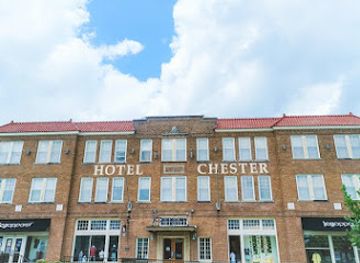
Historic Hotel Chester
Experience Southern charm and historic elegance at the beautifully restored Historic Hotel Chester in downtown Starkville, Mississippi.
-
Barbecue
The Little Dooey
Experience Starkville's best barbecue at The Little Dooey, a local favorite serving up smoked meats and Southern hospitality since 1985.
-
Po Boys
Oby's of Starkville
Experience the authentic flavors of Cajun cuisine at Oby's of Starkville, where delicious Po Boys and Southern hospitality await every visitor.
-
Shopping mall
Starkville Crossings
Experience diverse shopping and dining at Starkville Crossings, your go-to destination in Starkville, MS, open daily from 7 AM to 10 PM.


Explore The Golden Triangle on the map
Plan your trip on one map. See where the top cities, national parks and sights are, and book hotels and experiences in a few clicks.
Best hotels in The Golden Triangle
Best restaurants in The Golden Triangle
Dining in the Golden Triangle reflects northeastern Mississippi’s agricultural setting and the influence of broader Southern cooking. Columbus, Starkville and West Point offer casual cafés, family restaurants, barbecue, fried catfish, burgers, Southern vegetables, biscuits and traditional desserts, alongside newer restaurants shaped by Mississippi State University’s student and international communities. Starkville has the broadest concentration of contemporary dining, particularly around central areas and the Cotton District, while Columbus provides a mixture of established local restaurants, cafés and more formal meals. Catfish, a major Mississippi food tradition, appears widely, and farm-linked produce is particularly noticeable in seasonal cooking. Country stores, bakeries and farmers’ markets can be useful places to find regional preserves, baked goods and locally produced food, although market schedules vary. Table-service restaurants generally expect a tip, and smaller communities may close earlier than visitors from major cities expect. The area’s dining identity is therefore less about one signature dish than about the meeting of river and farm produce, Southern home-style cooking and the varied food culture brought by the university.
-
American
Restaurant Tyler
Discover exquisite American cuisine at Restaurant Tyler in Starkville – where seasonal ingredients meet culinary creativity for an unforgettable dining experience.
-
American
Rosey Baby
Discover the taste of America at Rosey Baby in Starkville - where fresh ingredients meet Southern charm in every dish.
-
Cafeteria
Fresh Food Company
Discover delicious affordability at Fresh Food Company - where local flavors meet vibrant dining experiences in Mississippi State.
-
Restaurant
The Camphouse - Starkville, MS
Discover the taste of Southern hospitality at The Camphouse in Starkville – where delicious food meets warm ambiance.


Best bars in The Golden Triangle
Evening life in the Golden Triangle is concentrated in Starkville, where Mississippi State University supports a larger selection of pubs, casual bars, restaurants, live-music settings and sports-oriented venues than would be expected in a rural region. The Cotton District and nearby central areas are common places to look for evening food and drinks, though the character and opening arrangements of individual businesses change. Columbus has a quieter scene built around restaurants, traditional pubs, local gatherings and occasional cultural performances, while West Point’s evening options are primarily community-oriented dining and social venues rather than a major nightclub circuit. University sporting events can make Starkville especially busy, but visitors should check current arrangements rather than assume a particular venue is operating. In rural areas, evening entertainment is more likely to centre on a restaurant, local event or informal gathering than on late-night clubs. Responsible drinking and arranging transport in advance are important because distances between towns are significant and rural roads may have limited lighting.
-
Hotel
Historic Hotel Chester
Discover Southern charm at Historic Hotel Chester, where history meets modern luxury in the heart of Starkville, Mississippi.
-
Bar
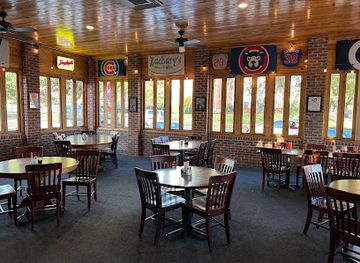
Zachary's
Discover the vibrant atmosphere and delicious American fare at Zachary's, a must-visit bar and restaurant in Columbus, Mississippi.
-
Restaurant
Walk-On's Sports Bistreaux - Starkville Restaurant
Discover the perfect blend of delicious cuisine and sports excitement at Walk-On's Sports Bistreaux in Starkville, MS.
-
Restaurant
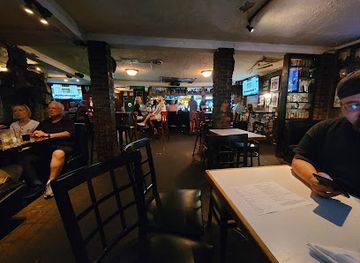
Dave's Dark Horse Tavern
Dave's Dark Horse Tavern in Starkville, MS: A lively bar and grill offering delicious pizza, craft beers, and a vibrant atmosphere for all.
Best nightclubs in The Golden Triangle
Evening life in the Golden Triangle is concentrated in Starkville, where Mississippi State University supports a larger selection of pubs, casual bars, restaurants, live-music settings and sports-oriented venues than would be expected in a rural region. The Cotton District and nearby central areas are common places to look for evening food and drinks, though the character and opening arrangements of individual businesses change. Columbus has a quieter scene built around restaurants, traditional pubs, local gatherings and occasional cultural performances, while West Point’s evening options are primarily community-oriented dining and social venues rather than a major nightclub circuit. University sporting events can make Starkville especially busy, but visitors should check current arrangements rather than assume a particular venue is operating. In rural areas, evening entertainment is more likely to centre on a restaurant, local event or informal gathering than on late-night clubs. Responsible drinking and arranging transport in advance are important because distances between towns are significant and rural roads may have limited lighting.
-
Grill
Columbus Club
Experience authentic Southern cuisine at Columbus Club—where great food meets warm hospitality in the heart of Mississippi.
-
Adult entertainment club
The Pony - Starkville Strip Club
Experience the vibrant nightlife at The Pony, Starkville's premier adult entertainment club offering unforgettable performances and a welcoming atmosphere.
-
Night club
Club City Limits
Experience the vibrant nightlife of Starkville at Club City Limits, where music, dance, and unforgettable moments come together.
-
Night club
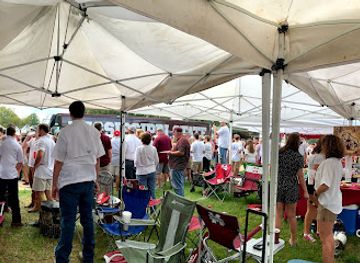
GDC Tailgate
Discover the vibrant nightlife at GDC Tailgate in Starkville, where music, fun, and unforgettable memories await every visitor.


Best shops in The Golden Triangle
Shopping in the Golden Triangle is centred on the contrasting town centres of Columbus, Starkville and West Point rather than on a single regional retail district. Columbus has independent businesses, galleries, antiques and local food products among its historic commercial streets, while Starkville combines university-oriented shops, clothing, books, gifts, cafés and independent businesses in and around the central area and Cotton District. West Point serves as a smaller local shopping centre with practical retailers, boutiques and community businesses. Farmers’ markets and seasonal produce stalls can offer Mississippi-grown fruit and vegetables, preserves, baked goods and crafts, but their days and locations should be checked locally. Visitors interested in souvenirs may find regional cookbooks, literary material connected with Tennessee Williams, university items and handmade goods more representative than generic gifts. Larger everyday retail areas are available around the main towns, though the Golden Triangle is not primarily a luxury-shopping destination. Independent shops may keep shorter hours, especially outside Starkville, so plan market and town-centre visits during the daytime.
-
Shopping mall
Columbus Place
Discover Columbus Place, a vibrant shopping mall in Columbus, MS, featuring diverse retail, dining, and entertainment options for a delightful experience.
-
Shopping mall
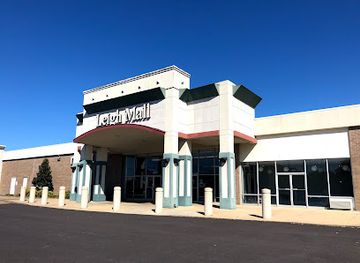
Starkville Crossings
Explore Starkville Crossings, the premier shopping mall in Starkville, offering diverse retail, dining, and entertainment options for all.
-
Department store
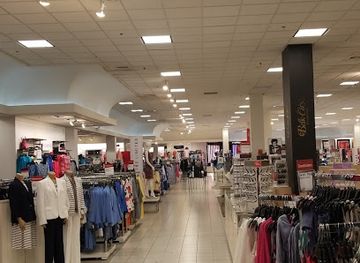
Belk
Discover Belk in Columbus, MS: Your one-stop department store for fashion, home goods, and unforgettable shopping experiences.
-
Gift shop
The Lodge By Alumni Hall
Discover unique gifts, clothing, and sportswear at The Lodge By Alumni Hall, a charming gift shop in Starkville, Mississippi.

Get your free copy of our complete guide to The Golden Triangle, delivered straight to you.
Everything on this page, from attractions and restaurants to essentials and local phrases, in one PDF you can read offline, print or share.
Already have an account? Sign in
Your The Golden Triangle guide is ready.
We'll send it to · Not you? Sign out

Getting your guide ready…
We are putting together a fresh copy of the The Golden Triangle guide. This can take up to a minute.
This can take a few moments. If your browser asks, choose Allow so the download can start. You'll find the guide in your Downloads folder.
Nothing happened? Download it again
Sorry, the guide is taking longer than usual. Please try again in a minute, or get it by email instead.
The Golden Triangle essentials
Currency and Payment
Safety
Emergency Situations
Do's and Don'ts
Local Tips
From Eve
Local phrases worth knowing
You don't need to get them perfect. A few words go a long way, and locals appreciate the effort.
Basics
| English | Local | Say it |
|---|---|---|
| Hello | Howdy | [haʊdi] |
| Goodbye | See ya | [si jə] |
| Yes | Yep | [jɛp] |
| No | Nope | [noʊp] |
| Please/You're welcome | Please/No problem | [pliz/noʊ ˈprɑbləm] |
| Thank you | Thanks | [θæŋks] |
| Excuse me/Sorry | Excuse me/Sorry | [ɪkˈskjuːz mi/ˈsɔri] |
| How are you? | How ya doin'? | [haʊ jə ˈduːɪn] |
| Fine. And you? | I'm good. And you? | [aɪm gʊd. ənd jə] |
| Do you speak English? | You speakin' English? | [jə ˈspikɪn ˈɪŋɡlɪʃ] |
| I don't understand | I ain't followin' | [aɪ eɪnt ˈfɑloʊɪn] |
Eating & Drinking
| English | Local | Say it |
|---|---|---|
| I'd like to see the menu, please | Can I see the menu, please? | [kæn aɪ si ðə ˈmɛnju, pliz] |
| I don't eat meat | I don't eat meat | [aɪ doʊnt it mit] |
| Cheers! | Cheers! | [ʧɪrz] |
| I would like to pay, please | Can I get the check, please? | [kæn aɪ gɛt ðə ʧɛk, pliz] |
Emergencies
| English | Local | Say it |
|---|---|---|
| Help! | Help! | [hɛlp] |
| Go away! | Get lost! | [ɡɛt lɔst] |
| Call the Police! | Call the cops! | [kɔl ðə kɑps] |
| Call a doctor! | Get a doc! | [ɡɛt ə dɑk] |
| I'm lost | I’m lost | [aɪm lɔst] |
| I'm ill | I ain't feelin' good | [aɪ eɪnt ˈfiːlɪn ɡʊd] |
Shopping
| English | Local | Say it |
|---|---|---|
| I'd like to buy... | I wanna buy... | [aɪ ˈwɑnə baɪ] |
| I'm just looking | Just browsin' | [dʒʌst ˈbraʊzɪn] |
| How much is it? | What’s it cost? | [wʌts ɪt kɔst] |
| That's too expensive | That’s too pricey | [ðæts tu ˈpraɪsi] |
| Can you lower the price? | Can you bring down the price? | [kæn jə brɪŋ daʊn ðə praɪs] |
Time & Numbers
| English | Local | Say it |
|---|---|---|
| What time is it? | What time is it? | [wʌt taɪm ɪt] |
| It's one o'clock | It's one o'clock | [ɪts wʌn əˈklɑk] |
| Half past (10) | Half past ten | [hæf pæst tɛn] |
| Morning | Mornin' | [ˈmɔrnɪn] |
| Afternoon | Afternoon | [ˌæftərˈnun] |
| Evening | Evenin' | [ˈivnɪn] |
| Yesterday | Yesterday | [ˈjɛstərdeɪ] |
| Today | Today | [təˈdeɪ] |
| Tomorrow | Tomorrow | [təˈmɔroʊ] |
| 1 | One | [wʌn] |
| 2 | Two | [tu] |
| 3 | Three | [θri] |
| 4 | Four | [fɔr] |
| 5 | Five | [faɪv] |
| 6 | Six | [sɪks] |
| 7 | Seven | [ˈsɛvən] |
| 8 | Eight | [eɪt] |
| 9 | Nine | [naɪn] |
| 10 | Ten | [tɛn] |
Transport & Directions
| English | Local | Say it |
|---|---|---|
| Where's a/the...? | Where's the...? | [wɛrz ðə...?] |
| What's the address? | What’s the address? | [wʌts ði əˈdrɛs] |
| Can you show me (on the map)? | Can you show me on the map? | [kæn jə ʃoʊ mi ɑn ðə mæp] |
| When's the next (bus)? | When's the next bus? | [wɛn -z ðə nɛkst bʌs] |
| A ticket (to ....) | A ticket to ... | [ə ˈtɪkɪt tə ...] |
History of The Golden Triangle
Indigenous Homelands and Removal
Before Euro-American settlement, the wider northeastern Mississippi region was home to Indigenous peoples, particularly communities associated with the Choctaw and Chickasaw nations. The landscape of forests, streams and fertile prairie supported farming, hunting and trading networks. Pressure from the United States led to treaties that transferred Indigenous land, including the Treaty of Dancing Rabbit Creek in 1830, followed by forced removal of many Choctaw people to lands west of the Mississippi River. Indigenous history remains essential to understanding the region, even though much of the visible built environment dates from later settlement.
The Founding of Columbus
Columbus was established in 1821 near the Tombigbee River, after the opening of the area to American settlement. Its position on a navigable river helped it develop as a commercial and administrative centre, linking inland farms with wider waterborne trade. The town’s early growth is reflected in its historic residential streets and civic buildings. Columbus later became known as a centre of education, commerce and cultural life in northeastern Mississippi, while its river connection continued to influence the region’s economic geography.
Cotton, Enslavement and the Antebellum Landscape
During the nineteenth century, cotton agriculture expanded across parts of the Golden Triangle, relying on the forced labour of enslaved African Americans. Wealth generated through the plantation economy shaped houses, churches, roads and commercial institutions, while enslaved people created families, religious practices and cultural traditions under profoundly coercive conditions. Waverley Plantation, built near West Point in the 1850s, is one of the region’s most notable surviving antebellum houses. Its architecture should be considered alongside the human cost and contested legacy of the system that financed such estates.
Railways, River Commerce and the Civil War Era
The Tombigbee River and expanding rail connections strengthened the region’s role as a transport and trading area during the nineteenth century. Columbus became an important military hospital and supply centre during the American Civil War, while the conflict disrupted agriculture, trade and local life throughout northeastern Mississippi. After the war, emancipation transformed the legal and social order, although Reconstruction and the following decades brought racial violence, political exclusion and the reorganisation of labour. The region’s historic buildings and cemeteries preserve only part of this complex history.
Mississippi State University and Agricultural Research
Mississippi State University was founded in 1878 as the Agricultural and Mechanical College of the State of Mississippi. Its development helped make Starkville an educational and research centre and gave agriculture, engineering and applied science a major institutional presence in the Golden Triangle. Extension services and research have influenced farming practices and rural communities across the state. The university also reshaped the town’s cultural and economic life, bringing collegiate traditions, museums, performances, sporting events and a more internationally connected population.
Civil Rights and Social Change
The Golden Triangle, like Mississippi as a whole, was affected by the struggle against segregation and racial discrimination. African American churches, schools, civic groups and local organisers sustained community life and challenged exclusion from education, politics and public facilities. Desegregation and the civil-rights movement brought major legal and social changes from the mid-twentieth century onwards, though they did not erase inequality. Contemporary visitors should read the region’s historic districts, institutions and public narratives in the context of both African American achievement and the resistance that shaped Mississippi’s past.
The Modern Golden Triangle
In the late twentieth and early twenty-first centuries, the area increasingly developed as an interconnected regional economy rather than three isolated towns. Mississippi State University expanded its research and educational influence, Columbus retained manufacturing and river-related importance, and West Point continued to serve surrounding communities and industries. The Golden Triangle Regional Airport, located between the principal towns, reflects this shared identity. Manufacturing, education, healthcare, agriculture, technology and outdoor conservation now coexist with the historic landscapes that first gave the region its character.
The Golden Triangle in Photos
Browse through our photo collection highlighting the charm and character of the destination.
Neighbouring regions of The Golden Triangle
The closest regions to The Golden Triangle, if you have time for more than one.
-

-

-

-
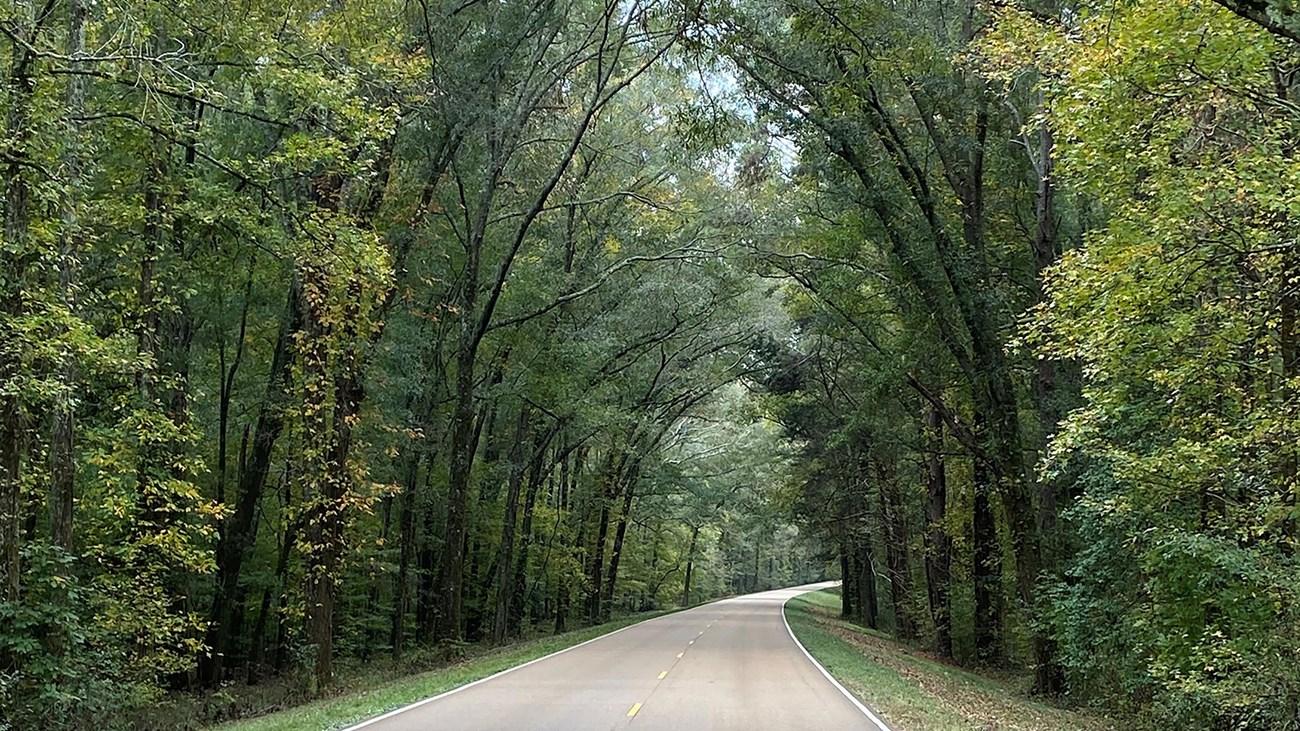 The North Central Hills
Explore Mississippi’s North Central Hills for Oxford’s literary heritage, rolling woodland, historic towns, local food and the Tanglefoot Trail.
-
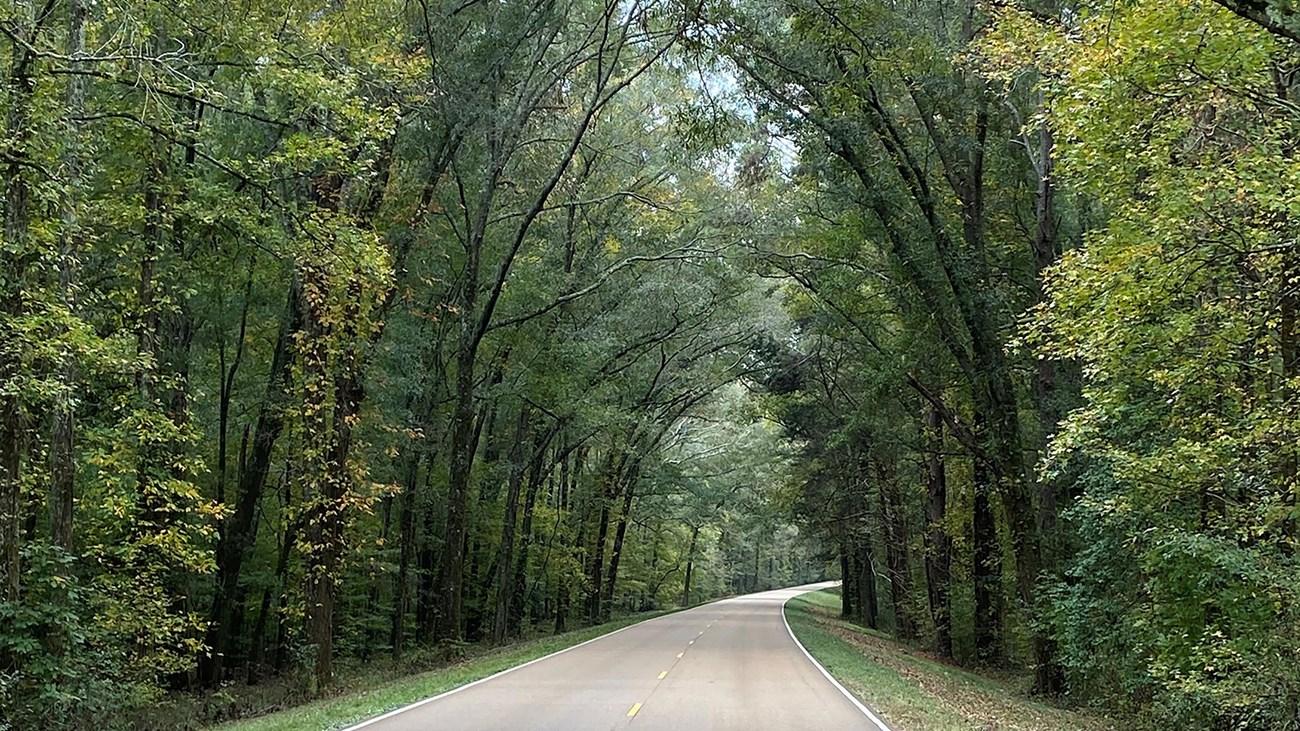 The Red Clay Hills
Explore Mississippi’s Red Clay Hills for rolling uplands, Chickasaw heritage, Tupelo history, scenic parkland, cycling trails and Southern food.


Swipe for more regions
Explore more

Explore more of Mississippi
Discover Mississippi: A treasure trove of Southern culture, blues music heritage, and stunning natural landscapes perfect for every kind of traveler.
Explore Mississippi