

Free Missouri Rhineland Travel Guide & Mobile App
Explore Missouri Rhineland with free travel guides. Discover regional history, expert tips, proposed trips, and audio guides on web or mobile app.


Explore Missouri Rhineland for German-American heritage, Missouri River towns, historic wineries, cycling routes and scenic countryside.
Read more about Missouri Rhineland
Getting to and around Missouri Rhineland
How to get there
Transportation
Top city travel guides in Missouri Rhineland
The cities of Missouri Rhineland, and the easiest places to base yourself.
-

-

-

-


Swipe for more cities
Destinations in Missouri Rhineland
Resorts, valleys and scenic spots worth a trip of their own.

Swipe for more destinations
Best attractions in Missouri Rhineland
Missouri Rhineland's attractions are built around the relationship between river, settlement and vineyard. Hermann provides the most concentrated heritage experience, with Deutschheim State Historic Site, historic streets, museums, wineries and buildings associated with German immigration. Washington offers a different perspective through its riverfront setting, historic downtown and local museums, while Augusta and the surrounding hills are suited to winery visits and scenic rural drives. The Katy Trail State Park is a major outdoor asset, following a former railway corridor through wooded landscapes, open farmland and small river communities; it is particularly accessible to cyclists and walkers because of its generally level surface. Across the region, visitors can find historic churches, cemeteries, preserved commercial buildings, seasonal festivals, farm-based businesses and viewpoints over the Missouri River valley. The appeal lies less in a single monumental attraction than in the way these experiences connect: a morning in a historic town, an afternoon on the trail and an evening among vineyards or local restaurants can reveal the region's layered German-American and agricultural character.
-
Zoo
Saint Louis Zoo
Discover wildlife wonders at Saint Louis Zoo, a free admission destination with over 600 species and engaging exhibits for all ages.
-
Stadium
Busch Stadium
Explore the excitement of Busch Stadium, home to the St. Louis Cardinals, where baseball history meets modern-day thrills in the heart of Missouri.
-
Museum
City Museum
Explore St. Louis' City Museum, where art, adventure, and interactive exhibits create a unique playground for visitors of all ages.
-
National park
Gateway Arch National Park
Discover the iconic Gateway Arch National Park in St. Louis, a blend of history, beauty, and breathtaking views that capture the spirit of America.


Best landmarks in Missouri Rhineland
The most recognisable landmarks of Missouri Rhineland are closely tied to its river towns and German-American settlement. Hermann's historic district is notable for its nineteenth-century brick commercial buildings, churches, houses and civic architecture arranged near the river and beneath the surrounding hills. Deutschheim State Historic Site is an important cultural landmark because its preserved buildings and interpretation explain how German immigrants organised domestic and community life in Missouri. Washington's historic downtown and riverfront retain the scale of a nineteenth-century trading town, while the town's churches and commercial structures reflect its German heritage and later growth. In the Augusta area, vineyard-covered slopes and historic winery properties form a cultural landscape rather than a single monument, recalling the region's long association with grape growing. The Missouri River itself is the principal natural landmark, defining the valley's settlement pattern, climate, transport history and broad views. Sections of the former railway corridor now incorporated into the Katy Trail provide another visible layer of the region's past.
-
Monument
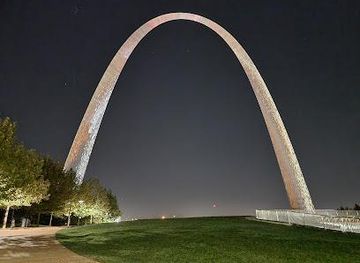
The Gateway Arch
Explore the stunning Gateway Arch in St. Louis, a monumental tribute to American history and the westward expansion, offering breathtaking views and rich heritage.
-
River
Mississippi River
Explore the heart of America on the Mississippi River: a historic waterway, vital trade route, and haven for wildlife.
-
Historical landmark
Old Chain of Rocks Bridge
Walk or bike across the historic Route 66 Old Chain of Rocks Bridge, spanning the Mississippi River with unique views and a glimpse into the past.
-
Post office
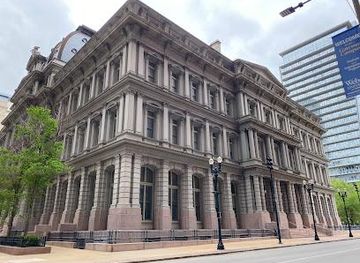
St. Louis' Custom House and Post Office Historic Landmark (Old Post Office)
Explore St. Louis' Old Post Office: A Second Empire architectural gem, hosting events and exhibits in a historic downtown landmark.


Explore Missouri Rhineland on the map
Plan your trip on one map. See where the top cities, national parks and sights are, and book hotels and experiences in a few clicks.
Best hotels in Missouri Rhineland
Best restaurants in Missouri Rhineland
Dining in Missouri Rhineland reflects both German-American heritage and contemporary Missouri cooking. In Hermann, Washington, Augusta and the smaller river towns, visitors will find restaurants, cafés, bakeries, traditional inns and winery dining rooms rather than a single uniform culinary style. German-influenced dishes such as sausages, schnitzel, sauerkraut, pretzels and rich seasonal baking appear in some local menus, while other establishments focus on burgers, barbecue, farm produce and modern American cooking. Missouri wines are a natural accompaniment, particularly in the vineyard districts, and local beer and cider may also feature. Farmers' markets and farm shops can provide seasonal fruit, vegetables, preserves and baked goods, though their schedules vary. The most characteristic meals combine regional produce with the area's wine-country setting, and reservations are sensible at popular establishments during autumn weekends, festivals and other busy periods.
-
American
Cracker Barrel Old Country Store
Experience authentic Southern hospitality at Cracker Barrel Old Country Store with hearty meals and charming country decor.
-
Restaurant
The Schlafly Tap Room
St. Louis' trailblazing brewpub pours 50+ craft beers with hearty pub classics like poutine and beer-battered fish in a lively downtown spot with live music and outdoor vibes.
-
Restaurant
Applebee's Grill + Bar
Experience American dining at its best at Applebee's Grill + Bar in Sullivan - where delicious food meets friendly service.
-
Fast Food
McDonald's
Discover the familiar taste of McDonald's in Sullivan, MO – where fast food meets comfort on your travels.



Best bars in Missouri Rhineland
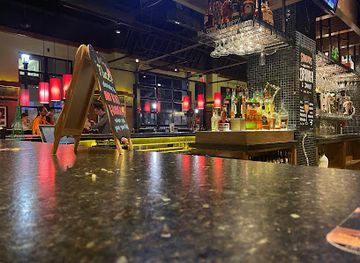
Evening life in Missouri Rhineland is centred on historic pubs, winery tasting rooms, restaurants, breweries and live music rather than a large nightclub scene. Hermann has the broadest choice for visitors staying overnight, with bars and historic inns concentrated around its compact centre; Washington and other river towns offer additional local venues, usually with a more community-oriented atmosphere. Wineries may host music or seasonal evening events, but programmes and opening arrangements change, so they should be checked in advance. Rural nightlife tends to finish earlier than in a major American city, and distances between venues make driving after drinking a serious concern. Visitors who plan a tasting-focused evening should arrange accommodation nearby or use a pre-booked designated-driver service where available.
-
American
Cracker Barrel Old Country Store
Discover the charm of Southern dining at Cracker Barrel Old Country Store in Sullivan, where hearty meals and hospitality await you.
-
Breakfast
Denny's
Experience the heart of American dining at Denny's, where delicious all-day breakfast and comfort food await in Sullivan, Missouri.
-
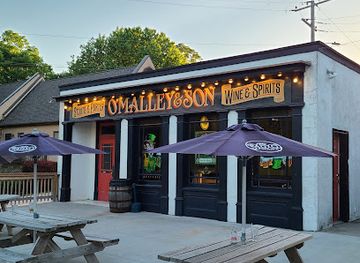
Pub
O'Malley's Pub
Experience authentic Irish hospitality at O'Malley's Pub in Weston, where delicious food, lively music, and a welcoming atmosphere await.
-
Grill
Shamrocks Pub n Grill
Discover Shamrocks Pub n Grill in St. Peters, MO, where delicious food and a vibrant atmosphere meet for an unforgettable dining experience.



Best nightclubs in Missouri Rhineland
-
Grill
Bar Louie - Streets of St. Charles
Experience vibrant dining at Bar Louie in St. Charles, where delicious food meets a lively atmosphere, perfect for tourists seeking fun and flavor.
-
American
Tater Patch
Discover the vibrant Tater Patch in Rolla, MO, where delicious American cuisine meets lively live music for an unforgettable dining experience.
-
Restaurant
Applebee's Grill + Bar
Discover a family-friendly dining experience at Applebee's Grill + Bar in Rolla, where classic American dishes meet a casual atmosphere.
-
Park
Rolla Lions Club Den and Park
Experience the natural beauty and community spirit at Rolla Lions Club Den and Park, a perfect retreat for relaxation and recreation in Missouri.


Best shops in Missouri Rhineland
Shopping in Missouri Rhineland is concentrated in the historic centres of Hermann, Washington, Augusta and nearby river towns. Independent shops occupy many older commercial buildings and commonly sell local wine, food products, books, antiques, artwork, home goods and gifts connected with German-American heritage. Winery tasting rooms are useful places to buy Missouri bottles, although travellers should check customs and airline rules before carrying alcohol internationally. Farmers' markets and seasonal events provide opportunities to purchase produce, preserves, baked goods and small-scale crafts, with availability varying by town and season. Hermann has the strongest visitor-oriented retail concentration, while Washington combines independent shops with the everyday services of a larger local centre. Augusta's shopping is more closely linked to wineries, galleries and countryside visits. Rather than extensive malls or luxury retail, the region's appeal lies in walkable historic streets, locally made products and souvenirs with a clear connection to the river valley and its agricultural traditions.
-
Tourist attraction
Meramec Caverns
Discover the breathtaking Meramec Caverns in Missouri, where adventure meets history in a stunning natural setting.
-
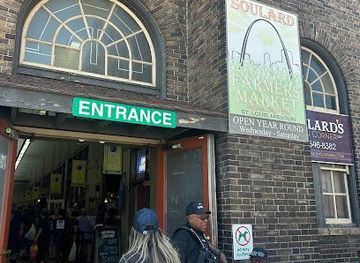
Farmers' market
Soulard Farmers Market
Discover the vibrant Soulard Farmers Market, a historic hub of fresh produce, local foods, and community spirit in St. Louis, Missouri.
-
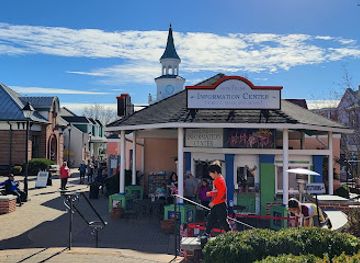
Gift shop
Grand Village Shops
Explore the unique shops and festive charm of Grand Village Shops in Branson, Missouri, a perfect destination for gifts and dining.
-
Department store
Walmart Supercenter
Discover the convenience of Walmart Supercenter in Sullivan, Missouri, your ultimate destination for groceries, clothing, and electronics all in one place.


Get your free copy of our complete guide to Missouri Rhineland, delivered straight to you.
Everything on this page, from attractions and restaurants to essentials and local phrases, in one PDF you can read offline, print or share.
Already have an account? Sign in
Your Missouri Rhineland guide is ready.
We'll send it to · Not you? Sign out

Getting your guide ready…
We are putting together a fresh copy of the Missouri Rhineland guide. This can take up to a minute.
This can take a few moments. If your browser asks, choose Allow so the download can start. You'll find the guide in your Downloads folder.
Nothing happened? Download it again
Sorry, the guide is taking longer than usual. Please try again in a minute, or get it by email instead.
Missouri Rhineland essentials
Currency and Payment
Safety
Emergency Situations
Do's and Don'ts
Local Tips
From Eve
Local phrases worth knowing
You don't need to get them perfect. A few words go a long way, and locals appreciate the effort.
Basics
| English | Local | Say it |
|---|---|---|
| Hello | Howdy | [Ha-dee] |
| Goodbye | See ya later | [See ya lay-ter] |
| Yes | Yep | [Yep] |
| No | Nope | [Nope] |
| Please/You're welcome | Please / No problem | [Pleez / No prob-lum] |
| Thank you | Thanks a lot | [Thangs a lot] |
| Excuse me/Sorry | Pardon me / Sorry | [Par-don me / Sor-ree] |
| How are you? | How ya doin’? | [How ya doin'?] |
| Fine. And you? | Good. And you? | [Good. An' you?] |
| Do you speak English? | Can ya speak English? | [Can ya speek Ing-lish?] |
| I don't understand | I don’t get it | [I don't get it] |
Eating & Drinking
| English | Local | Say it |
|---|---|---|
| I'd like to see the menu, please | Can I see the menu, please? | [Can I see the men-yoo, pleez?] |
| I don't eat meat | I ain't eatin' meat | [I ain't eatin' meat] |
| Cheers! | Cheers! | [Cheers!] |
| I would like to pay, please | Can I settle up, please? | [Can I set-tle up, pleez?] |
Emergencies
| English | Local | Say it |
|---|---|---|
| Help! | Help! | [Help!] |
| Go away! | Get lost! | [Get lost!] |
| Call the Police! | Call the cops! | [Call the cops!] |
| Call a doctor! | Get a doctor! | [Get a doct-er!] |
| I'm lost | I’m turned around | [I’m turned around] |
| I'm ill | I'm not feelin' well | [I'm not feelin' well] |
Shopping
| English | Local | Say it |
|---|---|---|
| I'd like to buy... | I wanna buy... | [I wanna buy...] |
| I'm just looking | I'm just browsin' | [I'm just browsin'] |
| How much is it? | How much's this gonna run me? | [How much's this gonna run me?] |
| That's too expensive | That's way too pricey | [That's way too pry-see] |
| Can you lower the price? | Can ya knock down the price? | [Can ya knock down the pryce?] |
Time & Numbers
| English | Local | Say it |
|---|---|---|
| What time is it? | What time's it? | [What time's it?] |
| It's one o'clock | It's one o'clock | [It's one o'clock] |
| Half past (10) | Half past ten | [Half past ten] |
| Morning | Mornin' | [Mornin'] |
| Afternoon | Afternoon | [Afternoon] |
| Evening | Evenin' | [Evenin'] |
| Yesterday | Yesterday | [Yesterday] |
| Today | Today | [Today] |
| Tomorrow | Tomorrow | [Tomorrow] |
| 1 | One | [One] |
| 2 | Two | [Two] |
| 3 | Three | [Three] |
| 4 | Four | [Four] |
| 5 | Five | [Five] |
| 6 | Six | [Six] |
| 7 | Seven | [Seven] |
| 8 | Eight | [Eight] |
| 9 | Nine | [Nine] |
| 10 | Ten | [Ten] |
Transport & Directions
| English | Local | Say it |
|---|---|---|
| Where's a/the...? | Where's a...? | [Where's a...?] |
| What's the address? | What’s the address? | [What’s the ad-dress?] |
| Can you show me (on the map)? | Can ya point it out on the map? | [Can ya point it out on the map?] |
| When's the next (bus)? | When's the next bus? | [When's the next bus?] |
| A ticket (to ....) | A ticket to... | [A ticket to...] |
History of Missouri Rhineland
Indigenous Missouri River Landscapes
Long before nineteenth-century German settlement, the Missouri River valley was shaped by Indigenous peoples, including the Osage and earlier communities whose archaeological remains testify to long-established settlement, farming, trade and movement through the region. The river, its tributaries and the adjacent uplands provided transport routes and productive environments, while wooded bluffs and bottomlands created distinct ecological zones. European and American expansion altered these relationships through land cessions, settlement and commercial development. Visitors encounter only fragments of this much longer history, but the region's geography and place names remain inseparable from the Indigenous past of Missouri.
German Settlement in the 1830s and 1840s
Large-scale German immigration transformed the Missouri River corridor during the nineteenth century. Hermann was founded in 1836 by the Deutsche Ansiedlungs-Gesellschaft, a German settlement society that promoted a community intended to preserve language, culture and social institutions in an American setting. Washington, New Haven, Augusta and other river towns also developed strong German-American communities. Immigrants brought farming knowledge, craft skills, religious traditions, musical practices and a preference for established town life. Their influence remains visible in historic buildings, churches, family names, foodways and the architectural character of the region.
River Commerce and Town Development
The Missouri River was the region's principal commercial artery before modern highways and railways reshaped transport. River landings connected farmers, merchants and manufacturers with St Louis and markets farther west, while steamboats carried passengers, agricultural goods and supplies. Towns such as Washington and Hermann grew around warehouses, workshops, shops and financial institutions serving the surrounding countryside. Flooding, changing river channels and the arrival of rail transport altered the importance of individual landings, but the surviving commercial streets and waterfront settings still reflect the era when the river governed local trade.
Vineyards and the Missouri Wine Tradition
German settlers established vineyards and wineries in the region during the nineteenth century, using south-facing slopes, local soils and practical knowledge of grape cultivation. Hermann became a major centre of Missouri wine production, while Augusta and neighbouring countryside also developed a strong viticultural identity. The industry suffered through disease, economic change and Prohibition, which closed or disrupted many wineries. Its later revival rested on renewed investment, improved grape-growing and recognition of the area's distinctive conditions. The continuing presence of vineyards, historic cellars and tasting rooms is one of the clearest links between immigrant history and the modern regional economy.
Civil War Divisions and Reconstruction
Missouri's position between Union and Confederate interests made the Civil War a disruptive period throughout the state, including the German-settled Missouri River communities. Many German Americans in the region generally supported the Union and opposed the expansion of slavery, although loyalties and experiences varied among individuals and communities. Military mobilisation, political tension and uncertainty affected commerce and daily life. After the war, river towns rebuilt their commercial networks and continued to expand as agricultural, manufacturing and transport centres. Historic civic buildings, cemeteries and family records preserve aspects of this unsettled period.
Railways, Highways and Heritage Preservation
Railways reduced the Missouri River's dominance as a transport route and connected the region more directly with St Louis, Kansas City and inland markets. Later, improved roads and the decline of some river and rail industries changed the economic role of small towns. In the twentieth century, preservation efforts increasingly recognised the value of German-American architecture, historic wineries and commercial districts. The Katy Trail, created along a former railway corridor as part of Missouri's statewide trail network, added a recreational use to this transport legacy. Heritage tourism and wine production now complement agriculture and local services.
Missouri Rhineland in Photos
Browse through our photo collection highlighting the charm and character of the destination.
Neighbouring regions of Missouri Rhineland
The closest regions to Missouri Rhineland, if you have time for more than one.
-

-

-

-

-


Swipe for more regions
Explore more

Explore more of Missouri
Experience the diverse landscapes, rich history, and vibrant culture of Missouri, the heart of America, offering everything from bustling cities to serene natural escapes.
Explore Missouri