

Free Lincoln Hills Travel Guide & Mobile App
Explore Lincoln Hills with free travel guides. Discover regional history, expert tips, proposed trips, and audio guides on web or mobile app.


Explore Lincoln Hills in Missouri for river towns, prairie and woodland trails, historic communities, farm country and easy rural escapes from St Louis.
Read more about Lincoln Hills
Getting to and around Lincoln Hills
How to get there
Transportation
Top city travel guides in Lincoln Hills
The cities of Lincoln Hills, and the easiest places to base yourself.
-

-


Swipe for more cities
Best attractions in Lincoln Hills
Lincoln Hills offers a varied but low-key collection of attractions shaped by its rivers, farms and small towns. Cuivre River State Park is the region's principal outdoor destination, with wooded trails, prairie landscapes, a reservoir, camping and opportunities for fishing and boating. The Mississippi River corridor provides a different experience: Louisiana and Clarksville combine historic streets, river viewpoints and scenic driving along the Great River Road. Inland, Troy, Bowling Green, Warrenton and other county-seat communities offer courthouses, local museums, churches and older commercial buildings that explain the region's development. Recreational visitors can hike, cycle, watch birds, fish or explore quiet country roads, while those interested in history will find evidence of river commerce, agriculture and transport in town centres and cemeteries. The attraction landscape is less about a long list of ticketed sites than about moving between public landscapes, historic communities and working countryside at an unhurried pace.
-
Tourist attraction
The Mark Twain Boyhood Home Museum Gallery
Explore the Mark Twain Boyhood Home Museum Gallery in Hannibal, Missouri, and discover the roots of America's beloved author and his timeless tales.
-
Tourist attraction
Mark Twain Memorial Lighthouse
Experience the historical charm and breathtaking views at Mark Twain Memorial Lighthouse, a must-see attraction in Hannibal, Missouri.
-
Tourist attraction
Becky Thatcher House
Discover the charm of the Becky Thatcher House in Hannibal, Missouri, where Mark Twain's literary inspirations come to life through history and heritage.


Best landmarks in Lincoln Hills
-
Outdoor activity organiser
Mark Twain Cave
Explore the cave that inspired Tom Sawyer's adventures! Discover history, mystery, and natural beauty at Missouri's oldest show cave.
-
Museum
The Mark Twain Boyhood Home Museum Gallery
Discover Mark Twain's roots in Hannibal, MO, with interactive exhibits, historical artifacts, and a glimpse into the life of America's beloved author.
-
Museum
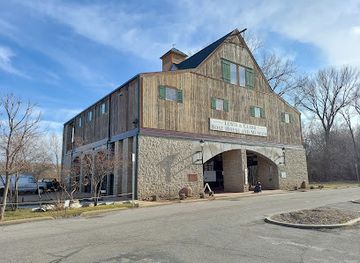
Lewis & Clark Boat House and Museum
Explore the Lewis & Clark Expedition at this St. Charles museum with replica boats, interactive exhibits, and riverfront views.
-
Restaurant
Big muddy bbq
Experience authentic, slow-smoked BBQ in Hannibal, Missouri, at Big Muddy BBQ, a local favorite for mouthwatering meats and homemade sides.



Explore Lincoln Hills on the map
Plan your trip on one map. See where the top cities, national parks and sights are, and book hotels and experiences in a few clicks.
Best hotels in Lincoln Hills
Best restaurants in Lincoln Hills
Dining in Lincoln Hills reflects the food culture of rural Missouri: family-run restaurants, cafés, traditional American diners, barbecue, fried chicken, burgers, sandwiches and locally sourced seasonal produce are more common than specialised culinary districts. Troy, Warrenton, Bowling Green and Louisiana provide the broadest choice of restaurants, while smaller communities may centre on a café, tavern or country-style dining room. Mississippi River towns add a historic riverfront setting, and farmers' markets can offer fruit, vegetables, baked goods, preserves and other products from nearby farms when in season. Breakfast cafés are useful for an early start to a state-park or river itinerary, while local shops and supermarkets make self-catering practical for campers. Missouri's wider traditions of barbecue, sweet baked goods and hearty comfort food are present, but individual dishes should not automatically be treated as exclusive to Lincoln Hills.
-
Hawaiian
Hawaiian Bros Island Grill
Experience authentic Hawaiian cuisine at Hawaiian Bros Island Grill in Lee's Summit - a must-visit for food lovers!
-
Restaurant
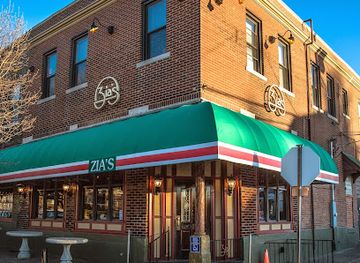
Zia's on The Hill
Experience authentic Italian cuisine at Zia's on The Hill in St. Louis - where tradition meets flavor in every dish.
-
American
Billy G's Kirkwood
Experience the best of American cuisine at Billy G's Kirkwood - where flavor meets fun in every dish.
-
Pizza
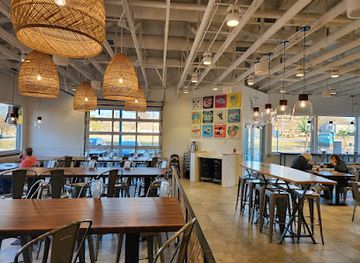
Mellow Mushroom St. Louis
Experience the vibrant flavors at Mellow Mushroom St. Louis – where gourmet pizzas meet fun dining in a lively atmosphere.


Best bars in Lincoln Hills
-
Grill
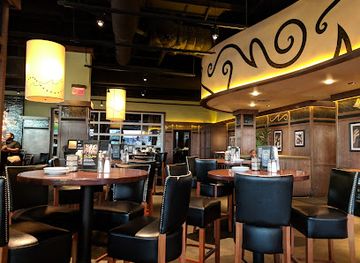
Bar Louie - Streets of St. Charles
Experience vibrant dining at Bar Louie in the Streets of St. Charles, where American cuisine meets a lively atmosphere and innovative cocktails.
-
American
Fiddlestiks Food & Spirits Company
Experience the best of American cuisine at Fiddlestiks Food & Spirits Company in Hannibal, MO, where flavor meets hospitality in a vibrant setting.
-
Irish pub
Llywelyn's Pub
Experience the vibrant atmosphere and authentic flavors of Ireland at Llywelyn's Pub, a beloved St. Charles destination for food and fun.
-
Bar
Rustic Oak Grill & Pub
Discover the charm of Rustic Oak Grill & Pub in Hannibal, offering a delightful menu of American classics, seafood, and desserts in a cozy setting.


Best nightclubs in Lincoln Hills
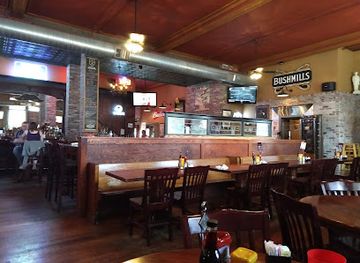
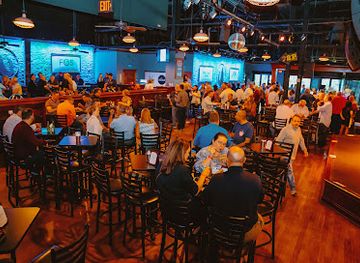
Evening life in Lincoln Hills is concentrated in traditional bars, taverns, restaurants and community venues rather than large nightclub districts. Troy, Warrenton, Bowling Green and Louisiana offer the greatest choice of places to eat, have a drink or find occasional live music, while smaller towns generally become quiet earlier. Historic inns and river-town restaurants provide a more atmospheric setting in Louisiana and Clarksville, whereas inland venues tend to serve local residents and travellers passing through. Seasonal fairs, concerts and community events can add evening activity, but dates and programmes vary. Visitors should not expect late-night transport between rural communities, so a designated driver or planned accommodation is important. Breweries, wine and cocktails may appear on individual menus, but the region's social life is not dependent on alcohol.
-
Bar
Howl at the Moon Kansas City
Discover vibrant nightlife and live music at Howl at the Moon Kansas City, the ultimate destination for an unforgettable night out.
Best shops in Lincoln Hills
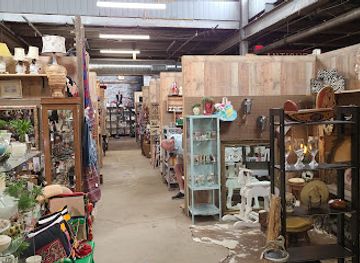
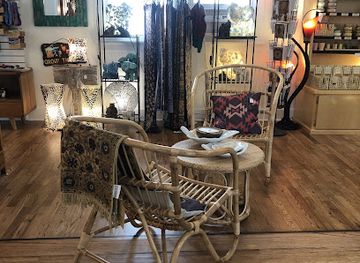
Shopping in Lincoln Hills centres on practical town services, independent shops, antiques, local food and small-town browsing rather than major retail complexes. Troy, Warrenton, Bowling Green and Louisiana have the broadest selection of shops, with historic downtown streets offering gifts, books, clothing, homeware and occasional antiques. Mississippi River communities are particularly suited to browsing galleries, craft outlets and locally themed souvenirs, while farmers' markets and seasonal stands may provide fruit, vegetables, baked goods, preserves and honey from the surrounding countryside. Visitors staying at Cuivre River State Park can buy supplies in nearby towns before heading into the park, as retail options are limited within rural recreation areas. Check local opening arrangements before making a special journey, especially outside the largest communities or during winter.
-
Sporting goods store
Bass Pro Shops
Explore the ultimate outdoor adventure destination at Bass Pro Shops, featuring top-notch gear for fishing, camping, and hunting enthusiasts.
-
Antique store
The Hill Antique Market
Explore The Hill Antique Market in St. Louis for a captivating journey through vintage treasures and rich history, perfect for every collector and enthusiast.
-
Gift shop
Eyes of the World Imports
Explore a world of unique gifts and decor at Eyes of the World Imports in Lincoln, where every item tells a story and celebrates culture.
-
Gift shop
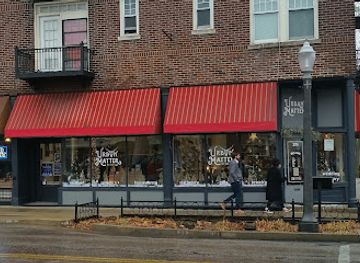
Urban Matter
Discover unique gifts and local treasures at Urban Matter, the charming gift shop in St. Louis that showcases creativity and culture.

Get your free copy of our complete guide to Lincoln Hills, delivered straight to you.
Everything on this page, from attractions and restaurants to essentials and local phrases, in one PDF you can read offline, print or share.
Already have an account? Sign in
Your Lincoln Hills guide is ready.
We'll send it to · Not you? Sign out

Getting your guide ready…
We are putting together a fresh copy of the Lincoln Hills guide. This can take up to a minute.
This can take a few moments. If your browser asks, choose Allow so the download can start. You'll find the guide in your Downloads folder.
Nothing happened? Download it again
Sorry, the guide is taking longer than usual. Please try again in a minute, or get it by email instead.
Lincoln Hills essentials
Currency and Payment
Safety
Emergency Situations
Do's and Don'ts
Local Tips
From Eve
Local phrases worth knowing
You don't need to get them perfect. A few words go a long way, and locals appreciate the effort.
Basics
| English | Local | Say it |
|---|---|---|
| Hello | Howdy | [haʊdi] |
| Goodbye | See ya | [si jə] |
| Yes | Yep | [jɛp] |
| No | Nope | [noʊp] |
| Please/You're welcome | Please/You bet | [pliz/ju bɛt] |
| Thank you | Thanks a lot | [θæŋks ə lɑt] |
| Excuse me/Sorry | Excuse me/Sorry | [ɪkˈskjuz mi/ˈsɔri] |
| How are you? | How ya doin'? | [haʊ jə ˈduɪn] |
| Fine. And you? | I’m good. And you? | [aɪm ɡʊd. ənd jə] |
| Do you speak English? | Do ya speak English? | [du jə spiːk ˈɪŋɡlɪʃ] |
| I don't understand | I don't get it | [aɪ doʊnt ɡɛt ɪt] |
Eating & Drinking
| English | Local | Say it |
|---|---|---|
| I'd like to see the menu, please | Can I see the menu, please? | [kæn aɪ si ðə ˈmɛnju, pliz] |
| I don't eat meat | I don’t eat meat | [aɪ doʊnt it miːt] |
| Cheers! | Cheers! | [ʧɪrz] |
| I would like to pay, please | Can I get the check, please? | [kæn aɪ ɡɛt ðə ʧɛk, pliz] |
Emergencies
| English | Local | Say it |
|---|---|---|
| Help! | Help! | [hɛlp] |
| Go away! | Leave me alone! | [liv mi əˈloʊn] |
| Call the Police! | Call the cops! | [kɔl ðə kɑps] |
| Call a doctor! | Get me a doctor! | [ɡɛt mi ə ˈdɑktər] |
| I'm lost | I’m lost | [aɪm lɔst] |
| I'm ill | I’m not feeling well | [aɪm nɑt ˈfilɪŋ wɛl] |
Shopping
| English | Local | Say it |
|---|---|---|
| I'd like to buy... | I want to buy... | [aɪ wɑnt tu baɪ] |
| I'm just looking | Just browsing | [dʒʌst ˈbraʊzɪŋ] |
| How much is it? | What’s the price? | [wʌts ðə praɪs] |
| That's too expensive | That costs too much | [ðæt kɔsts tu mʌʧ] |
| Can you lower the price? | Can you give me a better price? | [kæn jə ɡɪv mi ə ˈbɛtər praɪs] |
Time & Numbers
| English | Local | Say it |
|---|---|---|
| What time is it? | What time is it? | [wʌt taɪm ɪz ɪt] |
| It's one o'clock | It’s one o’clock | [ɪts wʌn əˈklɑk] |
| Half past (10) | Half past ten | [hæf pæst tɛn] |
| Morning | Morning | [ˈmɔrnɪŋ] |
| Afternoon | Afternoon | [ˌæf.tɚˈnun] |
| Evening | Evening | [ˈivnɪŋ] |
| Yesterday | Yesterday | [ˈjɛstərdeɪ] |
| Today | Today | [təˈdeɪ] |
| Tomorrow | Tomorrow | [təˈmɔroʊ] |
| 1 | One | [wʌn] |
| 2 | Two | [tu] |
| 3 | Three | [θri] |
| 4 | Four | [fɔr] |
| 5 | Five | [faɪv] |
| 6 | Six | [sɪks] |
| 7 | Seven | [ˈsɛvən] |
| 8 | Eight | [eɪt] |
| 9 | Nine | [naɪn] |
| 10 | Ten | [tɛn] |
Transport & Directions
| English | Local | Say it |
|---|---|---|
| Where's a/the...? | Where’s the...? | [wɛrz ðə] |
| What's the address? | What’s the address? | [wʌts ði əˈdrɛs] |
| Can you show me (on the map)? | Can you point it out on the map? | [kæn jə pɔɪnt ɪt aʊt ɑn ðə mæp] |
| When's the next (bus)? | When's the next bus? | [wɛnʌs ðə nɛkst bʌs] |
| A ticket (to ....) | A ticket to... | [ə ˈtɪkɪt tu] |
History of Lincoln Hills
Indigenous Landscapes and Mississippi River Exchange
Long before European settlement, Indigenous peoples used the Mississippi corridor, its tributaries and the surrounding uplands for travel, hunting, farming and exchange. The region's rivers connected communities across the central interior, while fertile floodplain soils supported agriculture. Archaeological evidence throughout eastern Missouri reflects successive Indigenous cultures, although many sites are subtle and are not always presented as visitor attractions. Understanding this earlier history helps explain why later settlements concentrated near river crossings, fertile bottoms and established routes.
French and Spanish Colonial Borderlands
The Mississippi corridor formed part of the French and later Spanish colonial world before the United States acquired the wider Louisiana Territory in 1803. River travel linked settlements and trading networks, and the eastern edge of present-day Lincoln Hills looked towards the Mississippi rather than functioning as an isolated inland frontier. The colonial period left a lasting regional context, even though many surviving town buildings date from later American settlement. Place names, river commerce and the orientation of communities towards the water preserve traces of that earlier geography.
American Settlement and County Formation
American migration accelerated after the Louisiana Purchase, and farms, mills, ferry points and small settlements developed across the wooded hills and prairie. Lincoln County was organised in 1818, while Pike County was established earlier in 1818 and named for explorer Zebulon Pike. Towns including Troy, Bowling Green and Louisiana grew as county seats, river ports or service centres. Courthouses, churches and historic residential streets in these communities reflect the nineteenth-century process by which local government and commercial agriculture became firmly established.
River Commerce and the Growth of Louisiana
Louisiana, on the Mississippi in Pike County, became an important regional landing and trading community during the nineteenth century. Steamboats, ferries and river warehouses connected the town to markets upstream and downstream, while its bluff-side position helped protect it from the river's immediate floodplain. Although railways and later highways reduced the dominance of river transport, Louisiana retained a substantial historic core and a strong connection with the Mississippi. Its surviving architecture and river views are among the clearest expressions of Lincoln Hills' maritime past.
Agriculture, Railways and Rural Towns
During the nineteenth and early twentieth centuries, railways and improved roads strengthened the links between the region's farms and St Louis and other Midwestern markets. Grain, livestock and other agricultural products supported merchants, banks, blacksmiths and suppliers in county seats and smaller towns. The resulting town pattern remains visible today: compact historic centres surrounded by widely dispersed farms and countryside. Mechanisation later reduced the number of agricultural workers, but farming continues to shape the economy, scenery and seasonal rhythms of Lincoln Hills.
Conservation and Recreation in the Twentieth Century
As Missouri's rural landscape changed, public conservation efforts protected representative forests, prairie, wetlands and river environments. Cuivre River State Park became the region's principal public recreation area, preserving a broad landscape for hiking, camping, boating, fishing and wildlife observation. The park also reflects a wider twentieth-century movement to make natural areas accessible while safeguarding them from development. Today, conservation complements rather than replaces agriculture, giving visitors a way to encounter the ecological settings that once extended across much more of the region.
Lincoln Hills in Photos
Browse through our photo collection highlighting the charm and character of the destination.
Neighbouring regions of Lincoln Hills
The closest regions to Lincoln Hills, if you have time for more than one.
-

-

-
-

-


Swipe for more regions
Explore more

Explore more of Missouri
Experience the diverse landscapes, rich history, and vibrant culture of Missouri, the heart of America, offering everything from bustling cities to serene natural escapes.
Explore Missouri