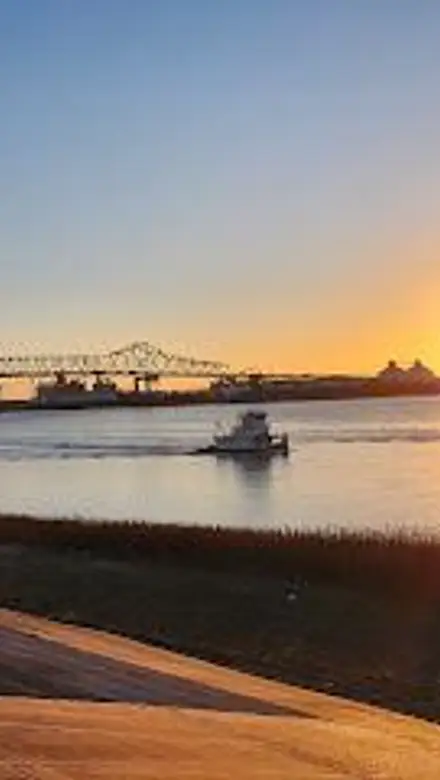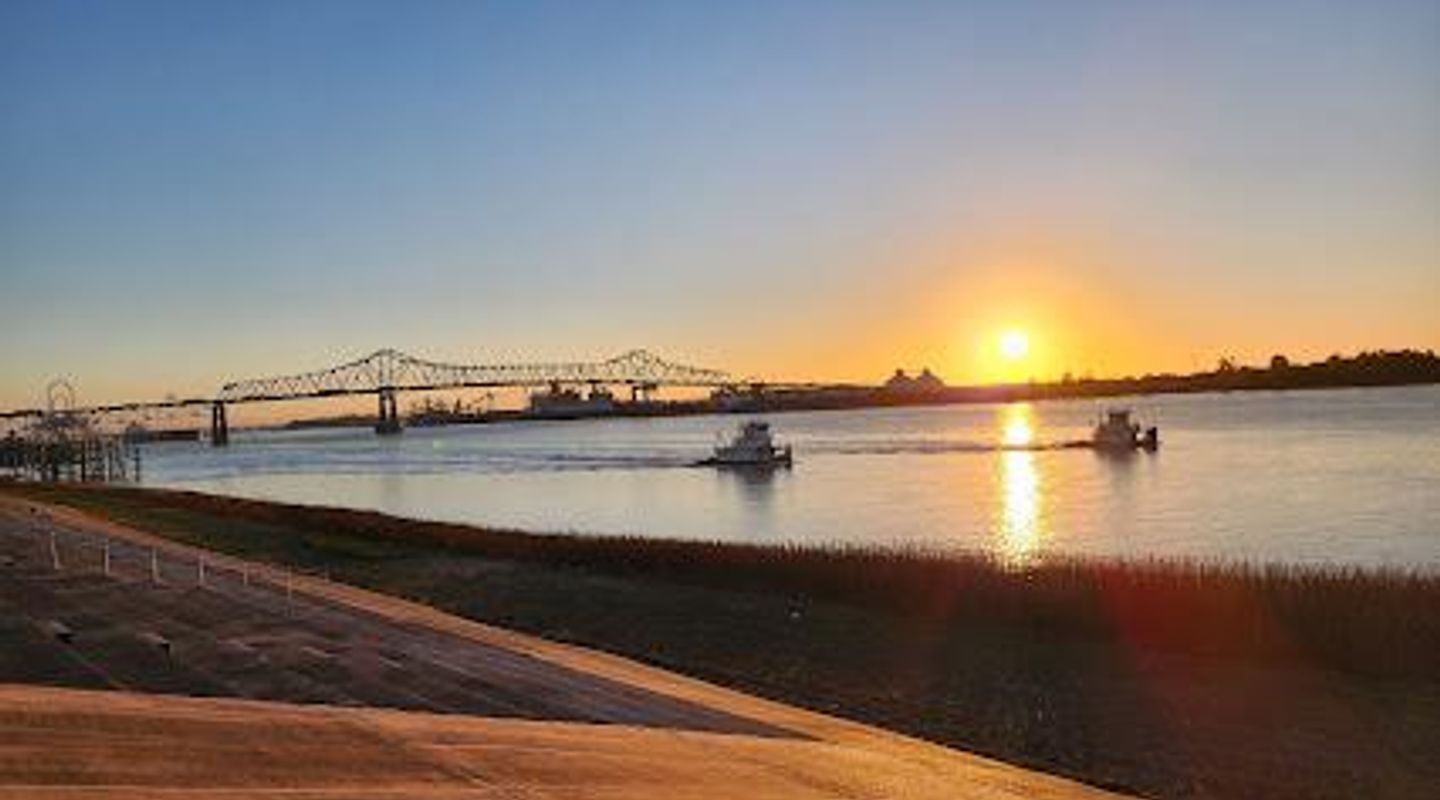
Mississippi River, Missouri Rhineland Travel Guide
Explore the heart of America on the Mississippi River: a historic waterway, vital trade route, and haven for wildlife.
The Mississippi River, the second-longest river in North America, flows 2,340 miles from its source at Lake Itasca, Minnesota, to the Gulf of Mexico. Known as 'America's River,' it has been a vital waterway for transportation, commerce, and culture for thousands of years.
A brief summary to Mississippi River
- US

Know before you go
Hi, I'm Eve. Here are a few practical things to know before exploring Mississippi River.
- Visit during the spring or fall migration to witness the incredible diversity of birds along the Mississippi Flyway.
- Take a riverboat cruise to experience the beauty and grandeur of the Mississippi from a unique perspective.
- Explore the charming river towns and cities along the Mississippi, each with its own unique history and culture.
- Check out the Mississippi River Visitor Center in St. Paul, Minnesota, to learn about the river's ecology and history.
Do you manage this location?
Take control to get all the benefits, like improved information, better appearance, and stronger visibility across AI-powered discovery. Learn more about listing your business on Evendo
Activate your presenceOther nearby places you may find interesting
The closest places of the same kind, if this one is not quite what you had in mind.
Explore Mississippi River on the Map
A handpicked selection of must-see spots near Mississippi River, mapped for you.
Unlock the Best of Mississippi River
Buy tickets
-
No tickets available
Book tours with entry


Getting There
-
Walking
The Mississippi River is accessible from many points within the cities and towns that border it. Riverfront trails and parks often provide pedestrian access. Check local maps for trails and access points nearest to your location.
-
Public Transport
Many cities along the Mississippi River have public transportation options, including buses and light rail, that provide access to the riverfront. For example, in Vicksburg, Mississippi, the NRoute bus service has several routes with stops near the riverfront. A single ride is $2.00, with discounts for seniors and children.
-
Driving
Major highways often run parallel to or cross the Mississippi River, providing vehicular access. Parking is typically available in designated areas near riverfront attractions and parks. Parking costs vary by location.
Discover more about Mississippi River













Your all‑in‑one travel companion app
Explore expert travel guides, compare and book tours, experiences, hotels, and more—all from the palm of your hand. Download now for seamless trip planning wherever your wanderlust takes you.


Explore More of Missouri Rhineland
Looking beyond Mississippi River? Discover Missouri Rhineland for broader travel guides, local hot-spots, and regional highlights.
Explore Missouri Rhineland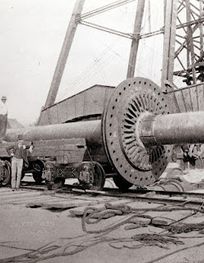
Discover the hidden history of the World's Fair: the 1893 & 1904 Ferris Wheel Axle in St. Louis whispers tales of innovation and grandeur.
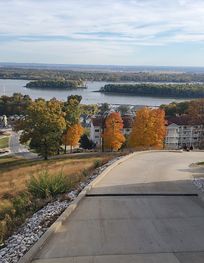
Experience the majestic meeting of the Illinois and Mississippi Rivers in historic Grafton, Illinois. A scenic destination with rich history and outdoor charm.