

Free Hotin County Travel Guide & Mobile App
Explore Hotin County with free travel guides. Discover regional history, expert tips, proposed trips, and audio guides on web or mobile app.


Discover the medieval charm and natural beauty of Hotin County, Moldova – a perfect blend of history, culture, and serene landscapes.
Read more about Hotin County
When is the best time to visit Hotin County?
Best: June–August · 25–28°C| Month | High (°C) | Rainfall (mm) |
|---|---|---|
| January | 2 | 35 |
| February | 5 | 30 |
| March | 11 | 35 |
| April | 16 | 40 |
| May | 22 | 45 |
| June (best) | 25 | 40 |
| July (best) | 28 | 35 |
| August (best) | 27 | 30 |
| September | 22 | 35 |
| October | 15 | 40 |
| November | 8 | 35 |
| December | 3 | 40 |
Getting to and around Hotin County
How to get there
Transportation
Destinations in Hotin County
Resorts, valleys and scenic spots worth a trip of their own.
-

-

-


Swipe for more destinations
Best attractions in Hotin County
Hotin County in Moldova is a treasure trove of historical and natural wonders waiting to be explored. The centerpiece is undoubtedly the Hotin Fortress, a majestic medieval stronghold perched on the banks of the Dniester River, where centuries of history come alive through its imposing walls and picturesque views. The region is also home to an array of charming villages, each offering a glimpse into traditional Moldovan life with their rustic architecture, vibrant markets, and hospitable locals. Nature enthusiasts will be captivated by the lush landscapes and serene trails of the Codrii Tigheciului Forest Reserve, perfect for hiking and bird-watching. Additionally, the region boasts a rich tapestry of cultural landmarks, including centuries-old monasteries such as the Saharna Monastery, renowned for its sacred springs and tranquil surroundings. Whether you're a history buff, nature lover, or cultural explorer, Hotin County promises an unforgettable journey through time and nature.
-
Park
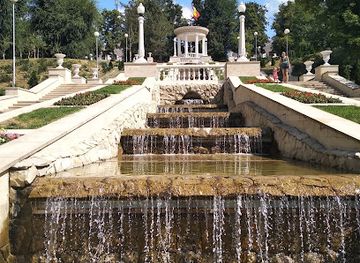
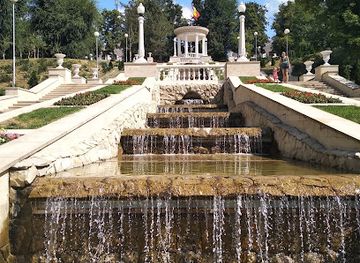
Valea Morilor Park
Explore Valea Morilor Park: A serene urban retreat in Chișinău, perfect for relaxation, outdoor activities, and cultural experiences.
-
Fortress
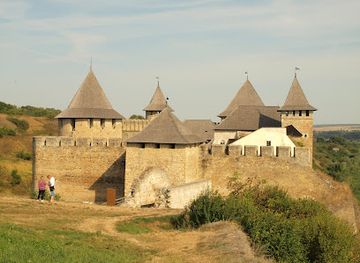
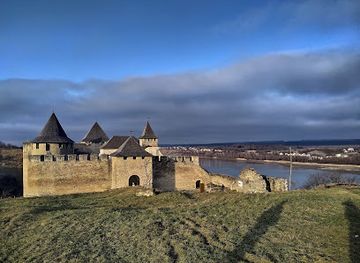
State Historical and Architectural Reserve Khotyn fortress
Discover the majestic Khotyn Fortress, a historical treasure overlooking the Dnister River, rich in heritage and stunning views.
-
Park
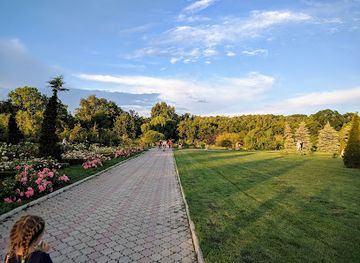
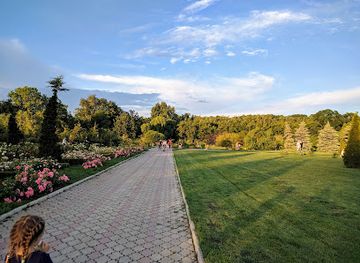
Dendrariu Park
Explore the lush beauty and tranquility of Dendrariu Park in Chișinău, a perfect getaway for nature lovers and families alike.
-
Amusement park
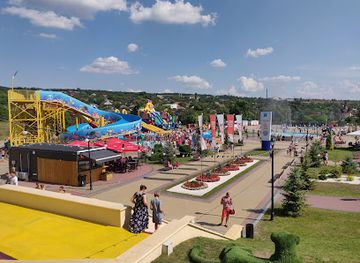
OrheiLand
Experience the thrill of OrheiLand, Moldova's top amusement park, featuring exciting rides, cultural performances, and family-friendly fun.
Best landmarks in Hotin County
Hotin County in Moldova is a treasure trove of historical and cultural landmarks that captivate the imagination and transport you back in time. Visitors can explore the majestic Hotin Fortress, a medieval stronghold perched on the banks of the Dniester River, which boasts panoramic views and an impressive array of ancient artifacts. The county is also home to the Church of the Assumption, renowned for its exquisite frescoes and architectural beauty. For those interested in local traditions, the Ethnographic Museum in the town of Hotin offers a fascinating glimpse into the region's rich heritage. Nature enthusiasts will find solace in the picturesque Codrii Hotinului Nature Reserve, where lush forests and serene landscapes provide the perfect backdrop for hiking and wildlife spotting. Each landmark in Hotin County tells a unique story, making it an unmissable destination for any traveler.
-
Park
Valea Morilor Park
Escape to Chișinău's Valea Morilor Park: a blend of nature, recreation, and history in a serene lakeside setting. Perfect for all ages!
-
Fortress
State Historical and Architectural Reserve Khotyn fortress
Explore Khotyn Fortress, a majestic medieval castle in Ukraine with a rich history and stunning views of the Dniester River.
-
Market
Chisinau Central Market
Experience the vibrant culture and flavors of Moldova at Chisinau Central Market, a bustling hub of local produce, crafts, and traditions.
-
Park
Dendrariu Park
Discover a peaceful retreat in Chisinau's Dendrarium Park, a botanical wonderland with diverse flora and tranquil landscapes.
Explore Hotin County on the map
Plan your trip on one map. See where the top cities, national parks and sights are, and book hotels and experiences in a few clicks.
Best hotels in Hotin County
Best restaurants in Hotin County
Hotin County's dining scene is a tantalizing journey through Moldova's rich culinary heritage, offering an array of experiences from rustic countryside taverns to elegant urban eateries. Visitors can indulge in traditional Moldovan dishes such as sarmale (cabbage rolls), placinta (savory pastries), and mămăligă (cornmeal porridge) paired with locally produced wines renowned for their unique flavors. The county is also known for its vibrant markets where fresh produce and artisanal goods abound, providing a feast for the senses. Whether you're savoring a hearty meal in a cozy village setting or exploring contemporary fusion cuisine in a chic restaurant, Hotin County promises a delightful and authentic gastronomic adventure.
-
European
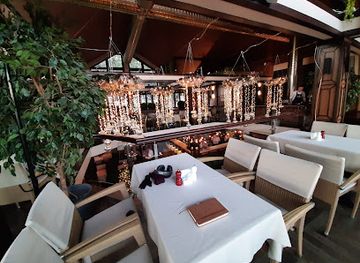
Pegas Terrace & Restaurant
Experience the best of European cuisine with stunning views at Pegas Terrace & Restaurant in Chișinău.
-
French
Crème de la Crème
Discover the essence of French dining at Crème de la Crème in Chișinău—where every meal is a celebration of flavor and elegance.
-
Winery
ASCONI Winery
Discover ASCONI Winery: A perfect blend of exquisite wines, delightful cuisine, and stunning countryside views in Moldova.
-
Eastern European
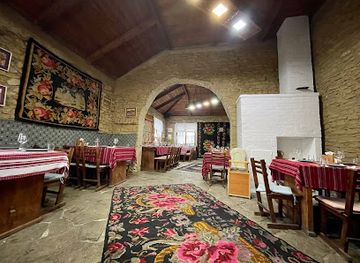
La Sarkis
Discover authentic Eastern European flavors at La Sarkis, Chișinău's top-rated dining destination offering exquisite dishes in a vibrant atmosphere.


Best bars in Hotin County
Hotin County's nightlife scene offers an intriguing blend of history, culture, and modern excitement. Visitors can start their evening by exploring the charming old town of Khotyn, where centuries-old architecture creates a picturesque backdrop for lively outdoor cafes and bars. As night falls, the area comes alive with traditional Moldovan music and dance performances, providing a unique cultural experience. For those seeking a more contemporary vibe, the county also boasts trendy nightclubs and lounges, where local DJs spin a mix of international and regional beats, ensuring the dance floors are always bustling. Whether you prefer a quiet evening sipping local wines in a historic setting or an energetic night of dancing, Hotin County seamlessly blends the old with the new, offering something for every nightlife enthusiast.
-
Restaurant
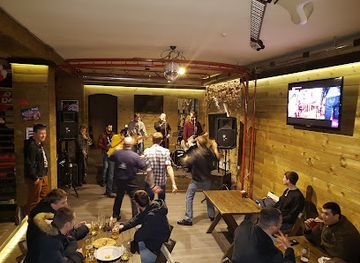
PartyZAN Game Private Club
Discover the PartyZAN Game Private Club in Chișinău, where delicious food and exciting games await you for a thrilling night out.
-
Pub
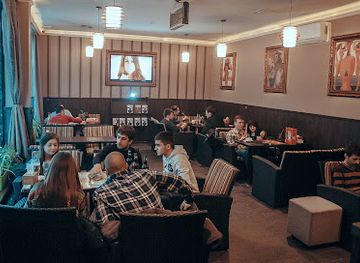
Budweiser Grill & Pub
Experience the best of Moldovan flavors at Budweiser Grill & Pub, where great food and craft beer meet in a welcoming atmosphere.
-
American
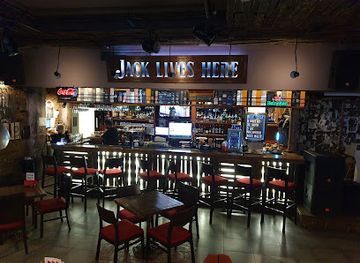
Jack's Bar & Grill
Experience the best of American cuisine and nightlife at Jack's Bar & Grill in Chișinău, where great food meets vibrant entertainment.
-
Brewpub
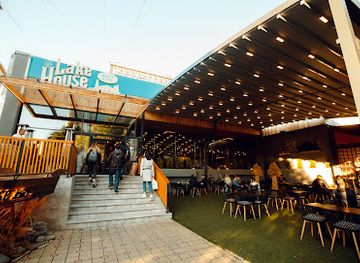
Lake House BrewPub
Discover the charm of Lake House BrewPub in Chișinău, where craft beer meets delicious food in a cozy atmosphere.
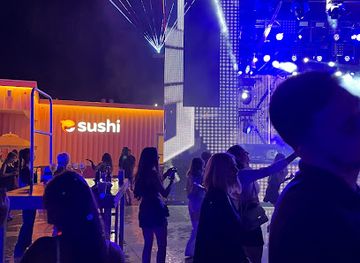
Best nightclubs in Hotin County
Hotin County's nightlife scene offers an intriguing blend of history, culture, and modern excitement. Visitors can start their evening by exploring the charming old town of Khotyn, where centuries-old architecture creates a picturesque backdrop for lively outdoor cafes and bars. As night falls, the area comes alive with traditional Moldovan music and dance performances, providing a unique cultural experience. For those seeking a more contemporary vibe, the county also boasts trendy nightclubs and lounges, where local DJs spin a mix of international and regional beats, ensuring the dance floors are always bustling. Whether you prefer a quiet evening sipping local wines in a historic setting or an energetic night of dancing, Hotin County seamlessly blends the old with the new, offering something for every nightlife enthusiast.
-
Night club
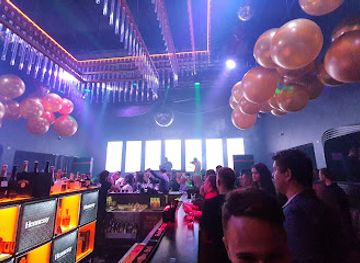
Hype
Discover the pulse of Chișinău's nightlife at Hype Night Club, the ultimate destination for music, dancing, and unforgettable experiences.
-
Adult entertainment club
Up & Down Club
Discover the electrifying nightlife at Up & Down Club in Chișinău, Moldova – where entertainment and excitement meet!
-
Night club
Bora Bora Night Club
Discover the electrifying atmosphere and vibrant nightlife at Bora Bora Night Club in Chișinău, where unforgettable memories await!
-
Night club
The Secret Club
Experience the electrifying nightlife at The Secret Club in Chișinău—where music, dancing, and captivating performances await adult visitors.

Best shops in Hotin County
Hotin County offers a captivating shopping experience for visitors, blending tradition and modernity in its vibrant markets and quaint artisan shops. Stroll through bustling bazaars where vendors display a colorful array of hand-woven textiles, intricately carved wooden crafts, and traditional Moldovan pottery. Discover hidden gems in charming boutique stores that offer locally-made jewelry, unique antiques, and gourmet food products such as honey, wines, and cheeses. The region's markets are a sensory delight, where the aroma of fresh produce and the sound of lively bartering create an immersive cultural experience. Whether you're hunting for a unique souvenir or simply soaking in the local atmosphere, Hotin County's shopping scene promises a memorable adventure.
-
Shopping mall
Shopping MallDova
Discover Shopping MallDova, Chișinău's premier shopping destination featuring diverse shops, delicious dining, and exciting entertainment options.
-
Market
Chisinau Central Market
Discover the heart of Chișinău at the Chisinau Central Market, where local flavors, vibrant culture, and artisan crafts await.
-
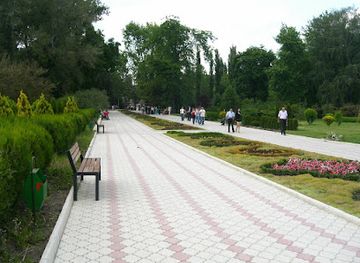
Park
Dendrariu Park
Experience the natural beauty of Dendrariu Park, a serene urban oasis in Chișinău, Moldova, perfect for relaxation and exploration.
-
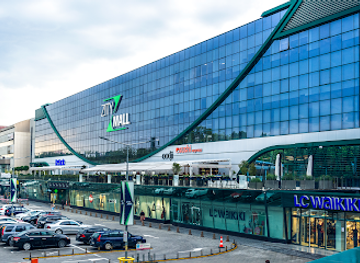
Shopping mall
Zity Mall
Discover Zity Mall in Chișinău, a vibrant shopping and dining hub with local and international brands, perfect for all your retail therapy needs.


Get your free copy of our complete guide to Hotin County, delivered straight to you.
Everything on this page, from attractions and restaurants to essentials and local phrases, in one PDF you can read offline, print or share.
Already have an account? Sign in
Your Hotin County guide is ready.
We'll send it to · Not you? Sign out

Getting your guide ready…
We are putting together a fresh copy of the Hotin County guide. This can take up to a minute.
This can take a few moments. If your browser asks, choose Allow so the download can start. You'll find the guide in your Downloads folder.
Nothing happened? Download it again
Sorry, the guide is taking longer than usual. Please try again in a minute, or get it by email instead.
Hotin County essentials
Currency and Payment
Safety
Emergency Situations
Do's and Don'ts
Local Tips
From Eve
Local phrases worth knowing
You don't need to get them perfect. A few words go a long way, and locals appreciate the effort.
Basics
| English | Local | Say it |
|---|---|---|
| Hello | Salut | [sah-LOOT] |
| Goodbye | La revedere | [lah reh-veh-DEH-reh] |
| Yes | Da | [dah] |
| No | Nu | [noo] |
| Please/You're welcome | Te rog | [teh rog] |
| Thank you | Mulțumesc | [mool-tsoo-MESK] |
| Excuse me/Sorry | Scuză-mă | [skoo-ZAH-muh] |
| How are you? | Ce mai faci? | [cheh my fahch?] |
| Fine. And you? | Bine. Și tu? | [BEE-neh. shee too?] |
| Do you speak English? | Vorbești engleză? | [vor-BESHT eng-LEH-zah?] |
| I don't understand | Nu înțeleg | [noo un-TSEH-leg] |
Eating & Drinking
| English | Local | Say it |
|---|---|---|
| I'd like to see the menu, please | Aș dori să văd meniul, te rog | [ash doh-REE sah vehd MEH-nyool, teh rog] |
| I don't eat meat | Nu mănânc carne | [noo muh-NINK kar-neh] |
| Cheers! | Noroc! | [noh-ROCK] |
| I would like to pay, please | Aș dori să plătesc, te rog | [ash doh-REE sah plah-TESK, teh rog] |
Emergencies
| English | Local | Say it |
|---|---|---|
| Help! | Ajutor! | [ah-zhoo-TOR] |
| Go away! | Du-te! | [doo-teh] |
| Call the Police! | Sună poliția! | [SOO-nah poh-LEE-tsee-ah!] |
| Call a doctor! | Sună un doctor! | [SOO-nah oon DOHKTOR!] |
| I'm lost | M-am pierdut | [mah-M pee-ER-doot] |
| I'm ill | Sunt bolnav/bolnavă | [soont bol-NAHV/bol-NAH-vah] |
Shopping
| English | Local | Say it |
|---|---|---|
| I'd like to buy... | Aș dori să cumpăr... | [ash doh-REE sah KOOM-pair...] |
| I'm just looking | Doar mă uit | [dwar meh OIT] |
| How much is it? | Cât costă? | [kaht KOS-tah?] |
| That's too expensive | Asta e prea scump | [AH-stah eh PREH-ah skoomp] |
| Can you lower the price? | Poți să scazi prețul? | [pohts sah SKAHZ preh-TSOOL?] |
Time & Numbers
| English | Local | Say it |
|---|---|---|
| What time is it? | Ce oră este? | [cheh OR-uh YES-teh?] |
| It's one o'clock | Este ora unu | [YES-teh OR-uh OON-oo] |
| Half past (10) | Jumătate după (10) | [zhoo-mah-TAH-teh DOO-pah (10)] |
| Morning | Dimineața | [dee-mee-NEH-tsah] |
| Afternoon | După-amiază | [DOO-pah ah-mee-AH-zah] |
| Evening | Seara | [SEE-ah-rah] |
| Yesterday | Ieri | [yehr] |
| Today | Astăzi | [AH-stahz] |
| Tomorrow | Mâine | [MEE-neh] |
| 1 | 1 | [unu] |
| 2 | 2 | [doi] |
| 3 | 3 | [trei] |
| 4 | 4 | [patru] |
| 5 | 5 | [cinci] |
| 6 | 6 | [șase] |
| 7 | 7 | [șapte] |
| 8 | 8 | [opt] |
| 9 | 9 | [nouă] |
| 10 | 10 | [zece] |
Transport & Directions
| English | Local | Say it |
|---|---|---|
| Where's a/the...? | Unde este un/una...? | [OON-deh YES-teh oon/OO-nah...?] |
| What's the address? | Care este adresa? | [KAH-reh YES-teh ah-DREH-sah?] |
| Can you show me (on the map)? | Poți să-mi arăți (pe hartă)? | [pohts sah-MEE ah-RAHTS (peh HAR-tah)?] |
| When's the next (bus)? | Când vine următorul (autobuz)? | [KUND VEE-neh oor-mah-TOH-rool (ow-toh-BOOZ)?] |
| A ticket (to ....) | Un bilet (către ....) | [oon bee-LET (KAH-treh ....)] |
History of Hotin County
Ancient Beginnings
Hotin County, located in the northern part of Moldova, has a rich history that dates back to ancient times. Archaeological evidence suggests that the region has been inhabited since the Neolithic period. The Dacians, an ancient Indo-European people, were among the earliest known inhabitants of the area. They left behind numerous artifacts, including pottery, tools, and remnants of their settlements.
Medieval Era and the Hotin Fortress
One of the most significant historical landmarks in Hotin County is the Hotin Fortress, also known as Khotyn Fortress. Built in the 13th century by the Genoese merchants, it served as a strategic military stronghold due to its location near the Dniester River. Over the centuries, the fortress was expanded and fortified by various rulers, including the Moldavian princes and the Ottoman Empire. It played a crucial role in several historical battles, including the Battle of Khotyn in 1621, where the Polish-Lithuanian Commonwealth and the Ottoman Empire clashed.
Ottoman and Russian Rule
During the 18th century, Hotin County came under the control of the Ottoman Empire. The fortress was a significant military outpost, and the region experienced numerous conflicts during this period. In the late 18th century, the Russian Empire began to exert its influence, and by the Treaty of Bucharest in 1812, Hotin County was officially incorporated into the Russian Empire. This period of Russian rule brought about significant changes in the region's administrative and social structure.
Interwar Period and World War II
Following World War I, Hotin County became part of Greater Romania, as per the Treaty of Paris in 1920. During the interwar period, the region experienced relative stability and development. However, this changed dramatically with the onset of World War II. In 1940, as a result of the Molotov-Ribbentrop Pact, Hotin County was annexed by the Soviet Union. The area suffered from the ravages of war, including occupation by German and Romanian forces, and later the Red Army.
Soviet Era
After World War II, Hotin County became part of the Moldavian SSR within the Soviet Union. The region underwent Sovietization, characterized by collectivization of agriculture, industrialization, and suppression of local culture and traditions. Despite these challenges, Hotin County developed economically, with improvements in infrastructure, education, and healthcare.
Post-Soviet Transition
With the dissolution of the Soviet Union in 1991, Hotin County became part of the newly independent Republic of Moldova. The region faced significant economic and social challenges during the transition period. However, it also saw a revival of cultural and historical awareness, with efforts to restore and preserve historical landmarks, including the Hotin Fortress. Today, Hotin County stands as a testament to the resilience and rich cultural heritage of the Moldovan people.
Hotin County in Photos
Browse through our photo collection highlighting the charm and character of the destination.
Neighbouring regions of Hotin County
The closest regions to Hotin County, if you have time for more than one.
-

-

-

-

-


Swipe for more regions
Explore more

Explore more of Moldova
Discover Moldova: A tranquil haven of rich history, stunning vineyards, and captivating natural landscapes, perfect for an off-the-beaten-path European adventure.
Explore Moldova