

Free Bălți County Travel Guide & Mobile App
Explore Bălți County with free travel guides. Discover regional history, expert tips, proposed trips, and audio guides on web or mobile app.


Explore Bălți County in northern Moldova for market-town culture, open farmland, regional history, village traditions and welcoming local cuisine.
Read more about Bălți County
When is the best time to visit Bălți County?
Best: June–August · 24–27°C| Month | High (°C) | Rainfall (mm) |
|---|---|---|
| January | 1 | 25 |
| February | 2 | 22 |
| March | 7 | 30 |
| April | 15 | 38 |
| May | 20 | 50 |
| June (best) | 24 | 56 |
| July (best) | 27 | 53 |
| August (best) | 26 | 46 |
| September | 21 | 39 |
| October | 15 | 33 |
| November | 9 | 31 |
| December | 2 | 27 |
Getting to and around Bălți County
How to get there
Transportation
Destinations in Bălți County
Resorts, valleys and scenic spots worth a trip of their own.
-

-

-

-


Swipe for more destinations
Best attractions in Bălți County
The attraction landscape of former Bălți County is regional rather than concentrated in a single historic centre. In Bălți, visitors can explore museums, theatre and university culture, Orthodox places of worship, markets and streets shaped by imperial, Romanian and Soviet periods. The city is also a practical base for excursions into the agricultural north. Smaller towns provide a slower experience of markets, parish churches, local museums and everyday Moldovan life, while village routes reveal orchards, field landscapes and traditional houses. The wider northern area includes important medieval and defensive heritage, notably Soroca Fortress on the Dniester, which lies within the historical county area but outside today’s Bălți municipality. Outdoor experiences are generally low-key: walking along river valleys, exploring rural roads, visiting vineyards or farms, and observing the changing colours of the open plain. Travellers should expect attractions to be dispersed, with fewer formal visitor facilities than in Chișinău, and should arrange guides, meals or private transport where a site is rural.
-
Park
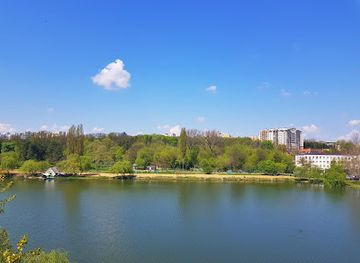
Rose Valley Park
Experience the natural beauty and recreational charm of Rose Valley Park in Chișinău, Moldova, a perfect family-friendly destination.
-
Park
Maria Square
Discover the charm of Maria Square in Bălți, Moldova, a serene park blending nature, culture, and community spirit for every traveler.
-
Water park
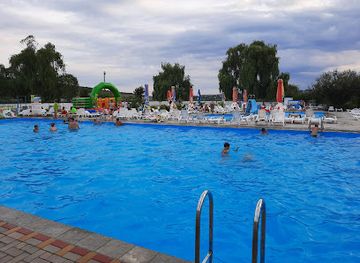
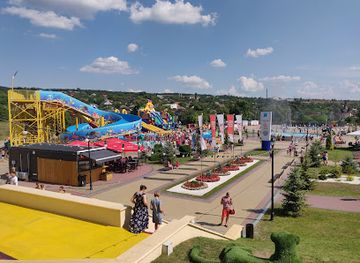
Aquapark «Cashalot»
Experience a world of water fun at Aquapark «Cashalot» in Bălți, Moldova, where thrilling slides and relaxing pools await you.
-
Tourist attraction
Țaul Park
Explore the stunning natural beauty and wildlife of Ăaul Park, Moldova's premier national park for outdoor enthusiasts and nature lovers.

Best landmarks in Bălți County
Bălți’s most recognisable landmarks include the Cathedral of Saints Constantine and Helena, a major Orthodox church whose presence reflects the city’s religious and civic importance, and the city’s theatre and central public buildings, which express successive layers of twentieth-century urban development. The railway and market areas are also significant in understanding Bălți’s rise as an agricultural and commercial centre. In the wider historical county, Soroca Fortress on the Dniester is the outstanding medieval landmark: its compact circular design and river position reflect Moldavia’s defensive system and control of a strategic crossing. Other northern landmarks are less monumental but valuable for their local character, including village churches, cemetery ensembles, old town streets and Soviet civic architecture. The broad agricultural plain itself is a defining geographical landmark, particularly where roads crest open fields and reveal distant villages, wooded valleys and the seasonal pattern of Moldova’s farming landscape.
-
Park
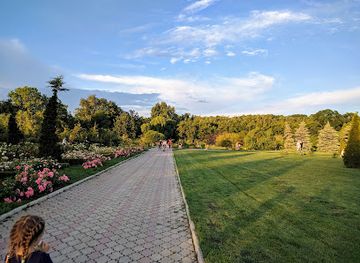
Dendrariu Park
Discover Chișinău's 'green pearl' – a serene park with diverse flora, tranquil lakes, and winding paths for nature lovers and peaceful escapes.
-
Amusement park
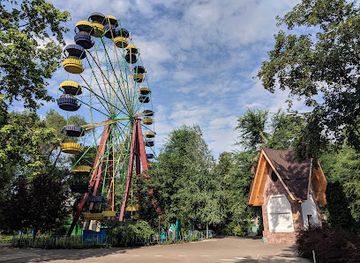
OrheiLand
Experience thrills and relaxation at OrheiLand, Moldova's largest amusement park, offering fun for all ages with water slides, playgrounds, and natural beauty.
-
 Monument
The Triumphal Arch
Discover Chișinău's iconic Triumphal Arch, a neoclassical monument commemorating victory and showcasing the city's rich history and architectural heritage.
-
Castle
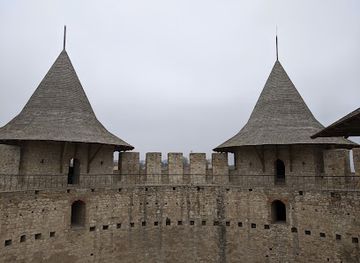
Soroca Fortress
Explore the perfectly circular Soroca Fortress in Moldova, a symbol of medieval military architecture and Moldovan resilience on the Dniester River.
Explore Bălți County on the map
Plan your trip on one map. See where the top cities, national parks and sights are, and book hotels and experiences in a few clicks.
Best hotels in Bălți County
Best restaurants in Bălți County
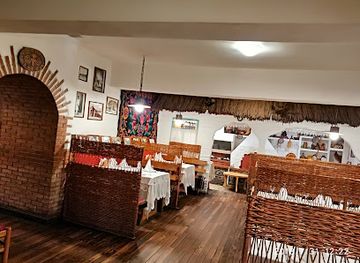
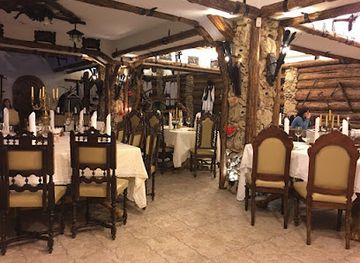
Dining in Bălți County combines Moldovan home cooking with the broader influences of northern Bessarabia. Look for plăcinte filled with cheese, pumpkin, potato or fruit, mămăligă served with brined cheese and sour cream, soups, stuffed vegetables, grilled meats, pickles and seasonal salads. Bălți has the region’s widest choice of cafés, bakeries, family restaurants and restaurants offering Moldovan, Romanian and other influences, while smaller towns tend to centre on modest eateries, markets and locally prepared food. Village households and rural guesthouses can offer the most direct introduction to orchard fruit, preserves, dairy products and homemade pastries, but meals normally require advance arrangement. Moldova’s national wine culture is well represented through bottles from different parts of the country, alongside fruit brandies and non-alcoholic compotes. Farmers’ markets are useful for produce and snacks, although visitors should clarify prices and quantities before buying.
-
Bulgarian
Gök-Oguz
Discover Gök-Oguz in Chișinău: A must-visit Bulgarian mutton barbecue restaurant offering delicious grilled dishes in a cozy setting.
-
Italian
Oliva
Experience authentic Italian cuisine at Oliva in Bălți - where every meal is a journey through Italy's rich culinary heritage.
-
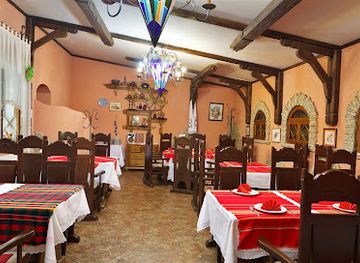
Romanian
Taifas
Discover the rich flavors of Romania at Taifas - Chișinău's premier traditional restaurant offering authentic cuisine in a cozy atmosphere.
-
Romanian
Popasul Dacilor
Savor authentic Romanian dishes at Popasul Dacilor in Chișinău, where tradition meets taste in a vibrant dining atmosphere.
Best bars in Bălți County
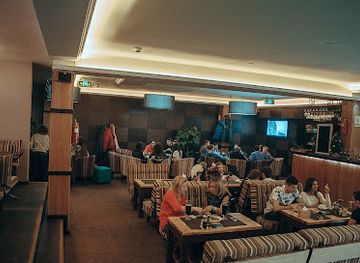
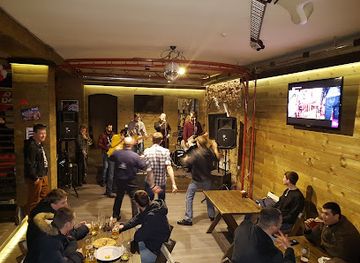
Bălți is the principal evening centre in the former county, with cafés, restaurants, bars and occasional live-music or cultural programming around the urban core. Its nightlife is modest compared with Chișinău and is shaped more by local social life, student activity, dining and conversation than by a large club circuit. Smaller towns generally offer cafés, beer bars and traditional pubs rather than dedicated nightclubs, while rural evenings centre on guesthouse meals, family gatherings and seasonal celebrations. Theatre performances and concerts may provide a more distinctive night out than late-night entertainment, but programmes change and should be checked locally. In summer, outdoor terraces become more prominent; in colder months, indoor cafés and restaurants are the practical focus. Alcohol is available, but exploring the region does not depend on drinking, and travellers should arrange dependable transport before staying late outside Bălți.
-
Restaurant
PartyZAN Game Private Club
Experience the ultimate blend of dining, gaming, and entertainment at PartyZAN Game Private Club in Chișinău.
-
Pub
Budweiser Grill & Pub
Discover the lively Budweiser Grill & Pub in Chișinău, where great food meets an impressive selection of brews in a vibrant atmosphere.
-
American
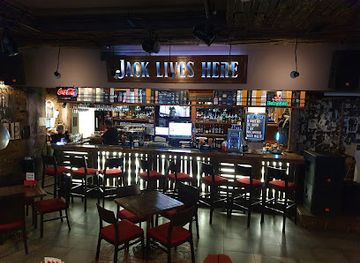
Jack's Bar & Grill
Jack's Bar & Grill in Chișinău: A vibrant blend of American cuisine and lively disco atmosphere, perfect for food lovers and night owls alike.
-
Pub
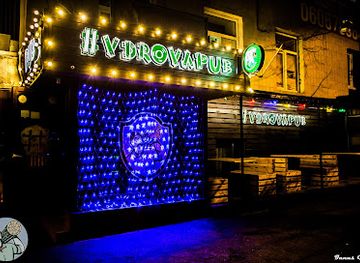
Vdrovapub
Explore the vibrant nightlife at Vdrovapub in Chișinău, where craft beers, delicious food, and live rock music create an unforgettable experience.
Best nightclubs in Bălți County
Bălți is the principal evening centre in the former county, with cafés, restaurants, bars and occasional live-music or cultural programming around the urban core. Its nightlife is modest compared with Chișinău and is shaped more by local social life, student activity, dining and conversation than by a large club circuit. Smaller towns generally offer cafés, beer bars and traditional pubs rather than dedicated nightclubs, while rural evenings centre on guesthouse meals, family gatherings and seasonal celebrations. Theatre performances and concerts may provide a more distinctive night out than late-night entertainment, but programmes change and should be checked locally. In summer, outdoor terraces become more prominent; in colder months, indoor cafés and restaurants are the practical focus. Alcohol is available, but exploring the region does not depend on drinking, and travellers should arrange dependable transport before staying late outside Bălți.
-
Restaurant
PartyZAN Game Private Club
Explore PartyZAN Game Private Club in Chișinău: where dining, gaming, and vibrant nightlife come together for an unforgettable experience.
-
Karaoke bar
Bentli
Experience the thrilling nightlife and vibrant karaoke culture at Bentli, Bălți's premier karaoke bar for music lovers and fun seekers.
-
Bar
Kira's Club
Experience the vibrant nightlife at Kira's Club, an iconic bar in Chișinău offering unique cocktails and a lively atmosphere.
-
Karaoke bar
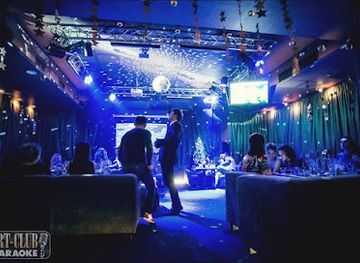
Art-Club Karaoke
Experience the joy of music at Art-Club Karaoke in Chișinău - where every night is a celebration of song and camaraderie.

Best shops in Bălți County
Shopping in the Bălți area is centred on open markets, food stalls, everyday high-street businesses and small independent shops rather than luxury retail. Bălți offers the broadest selection, including supermarkets, clothing and household shops, bakeries, cafés and market halls or outdoor market areas where seasonal fruit, vegetables, pickles, cheese and other regional foods can be found. In smaller northern towns, shopping is more practical and local, with weekly trade often more important than permanent specialist stores. Suitable souvenirs include Moldovan wine, fruit preserves, honey, dried produce, embroidered textiles, ceramics and small hand-crafted items, although quality and provenance vary. Visitors should carry cash for market purchases and ask whether locally made products can be transported or packaged for travel. Antiques and religious objects require particular caution: check their legality and provenance, and do not remove archaeological material or old items from rural sites.
-
Shopping mall
Unic
Discover the vibrant Unic Shopping Mall in Chișinău, where shopping, dining, and entertainment come together for an unforgettable experience.
-
Shopping mall
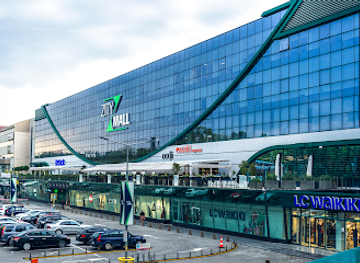
Zity Mall
Discover the modern shopping experience at Zity Mall, an energetic hub for shopping, dining, and entertainment in Chișinău, Moldova.
-
Shopping mall
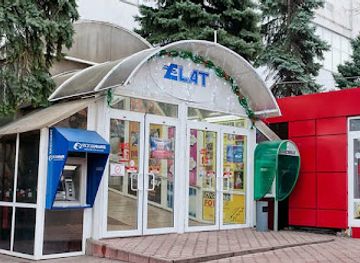
Elat
Explore Elat, Chișinău's premier shopping mall, filled with diverse shops, delightful dining, and exciting entertainment options.
-
Supermarket
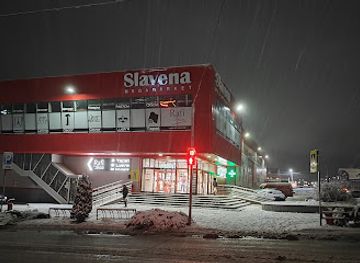
Slavena Megamarket
Discover a world of flavors and local culture at Slavena Megamarket, Bălți's premier supermarket for tourists and locals alike.

Get your free copy of our complete guide to Bălți County, delivered straight to you.
Everything on this page, from attractions and restaurants to essentials and local phrases, in one PDF you can read offline, print or share.
Already have an account? Sign in
Your Bălți County guide is ready.
We'll send it to · Not you? Sign out

Getting your guide ready…
We are putting together a fresh copy of the Bălți County guide. This can take up to a minute.
This can take a few moments. If your browser asks, choose Allow so the download can start. You'll find the guide in your Downloads folder.
Nothing happened? Download it again
Sorry, the guide is taking longer than usual. Please try again in a minute, or get it by email instead.
Bălți County essentials
Currency and Payment
Safety
Emergency Situations
Do's and Don'ts
Local Tips
From Eve
Local phrases worth knowing
You don't need to get them perfect. A few words go a long way, and locals appreciate the effort.
Basics
| English | Local | Say it |
|---|---|---|
| Hello | Bună | [Boo-nuh] |
| Goodbye | La revedere | [Lah reh-veh-deh-reh] |
| Yes | Da | [Dah] |
| No | Nu | [Noo] |
| Please/You're welcome | Te rog | [Teh rog] |
| Thank you | Mulțumesc | [Mool-tsoo-mesk] |
| Excuse me/Sorry | Scuzați-mă | [Scoo-zatz-mah] |
| How are you? | Ce mai faci? | [Cheh my fahch?] |
| Fine. And you? | Bine. Dar tu? | [Bee-neh. Dar too?] |
| Do you speak English? | Vorbești engleză? | [Vor-besht eng-leh-zah?] |
| I don't understand | Nu înțeleg | [Noo un-tseh-leg] |
Eating & Drinking
| English | Local | Say it |
|---|---|---|
| I'd like to see the menu, please | Aș dori să văd meniul, vă rog | [Ash dor-ee sah vehd meh-nee-ul, vah rog] |
| I don't eat meat | Nu mănânc carne | [Noo muh-nuhnc kar-neh] |
| Cheers! | Noroc! | [Noh-roc!] |
| I would like to pay, please | Aș dori să plătesc, vă rog | [Ash dor-ee sah plah-tesc, vah rog] |
Emergencies
| English | Local | Say it |
|---|---|---|
| Help! | Ajutor! | [Ah-joo-tor!] |
| Go away! | Pleacă! | [Pleah-kah!] |
| Call the Police! | Cheamă Poliția! | [Cheh-ah-muh Poh-leet-see-ah!] |
| Call a doctor! | Cheamă un doctor! | [Cheh-ah-muh oon dok-tor!] |
| I'm lost | M-am pierdut | [Mahm pyehr-doot] |
| I'm ill | Sunt bolnav | [Soont bol-nahv] |
Shopping
| English | Local | Say it |
|---|---|---|
| I'd like to buy... | Aș dori să cumpăr... | [Ash dor-ee sah koom-pair...] |
| I'm just looking | Doar mă uit | [Dwar muh oo-it] |
| How much is it? | Cât costă? | [Koot koh-stah?] |
| That's too expensive | Asta e prea scump | [Ah-stah eh preh-ah skoomp] |
| Can you lower the price? | Poți să scazi prețul? | [Poh-tsee sah skahz pret-sool?] |
Time & Numbers
| English | Local | Say it |
|---|---|---|
| What time is it? | Cât e ceasul? | [Koot eh chah-sool?] |
| It's one o'clock | E o oră | [Eh o or-uh] |
| Half past (10) | Treizeci și jumătate | [Treih-zehch shee zhoo-mah-tah-teh] |
| Morning | Dimineața | [Dee-mee-neh-ah-tsah] |
| Afternoon | După-amiază | [Doo-pah-ah-mee-ah-zah] |
| Evening | Seara | [Sah-rah] |
| Yesterday | Ieri | [Yeh-ree] |
| Today | Astăzi | [Ah-stuhz] |
| Tomorrow | Mâine | [Moo-nee] |
| 1 | 1 | [1] |
| 2 | 2 | [2] |
| 3 | 3 | [3] |
| 4 | 4 | [4] |
| 5 | 5 | [5] |
| 6 | 6 | [6] |
| 7 | 7 | [7] |
| 8 | 8 | [8] |
| 9 | 9 | [9] |
| 10 | 10 | [10] |
Transport & Directions
| English | Local | Say it |
|---|---|---|
| Where's a/the...? | Unde e...? | [Oon-deh eh...?] |
| What's the address? | Care e adresa? | [Kah-reh eh ah-dreh-sah?] |
| Can you show me (on the map)? | Îmi poți arăta (pe hartă)? | [Im poh-tsee ah-rah-tah (peh hahr-tuh)?] |
| When's the next (bus)? | Când e următorul (autobuz)? | [Kund eh oor-mah-toh-rool (ow-toh-booz)?] |
| A ticket (to ....) | Un bilet (către....) | [Oon bee-let (keh-treh....)] |
History of Bălți County
Prehistoric farming cultures of the northern plain
Northern Moldova formed part of a wider settlement zone occupied by prehistoric farming communities, including groups associated with the Cucuteni–Trypillia cultural horizon during the Neolithic and Copper Age. Archaeological traces across the region include settlements, pottery and farming evidence, although many sites are not developed as visitor attractions. These communities established long-term patterns of cultivation and habitation on fertile soils that later helped make the northern plain an important agricultural area. The archaeological record provides an early context for understanding why this part of Moldova has repeatedly attracted settled populations.
Medieval Moldavia and the northern trade routes
From the fourteenth century, the area became part of the Principality of Moldavia, whose political centres lay farther south and east but whose northern lands were important for farming, movement and trade. Routes connected settlements across the Prut and Dniester watersheds with towns in present-day Romania and Ukraine. Medieval villages, churches and fortified points developed within this landscape, while Moldavian institutions and Orthodox Christianity shaped local society. Later historic sites, including the fortress at Soroca in the wider northern region, reflect the strategic importance of these routes and river crossings.
Russian annexation and the nineteenth-century transformation
The eastern half of the Principality of Moldavia, known as Bessarabia, was annexed by the Russian Empire in 1812. Northern settlements were consequently drawn into imperial administrative, military and economic systems. The nineteenth century brought new official structures, migration and changes in landholding, while Bălți grew as a regional commercial centre. Jewish, Ukrainian, Russian, Romanian-speaking and other communities contributed to the social and economic life of northern towns. The period left architectural and demographic traces that remain visible, although war and twentieth-century redevelopment removed much of the older urban fabric.
Bălți as a regional commercial centre
During the late nineteenth and early twentieth centuries, Bălți expanded through trade, rail connections and agricultural commerce. Its location amid productive farmland helped it become a market and distribution centre for grain and other produce. The railway strengthened links with Chișinău, northern Bessarabia and neighbouring territories, encouraging the growth of warehouses, workshops, public buildings and a more diverse urban population. This commercial role explains why Bălți developed a distinct urban identity within a predominantly rural region and why its markets remain important to local life.
Romanian administration between the world wars
After the First World War and the union of Bessarabia with Romania, northern towns and villages were incorporated into the Romanian state until 1940, with a second Romanian period from 1941 to 1944. Administration, education and cultural institutions were reorganised, while Romanian became more prominent in public life. The period was also marked by political tension, economic inequality and the upheavals affecting Bessarabia’s Jewish and other minority communities. Surviving buildings and town plans offer partial reminders of the interwar era, though later conflict and Soviet reconstruction altered many historic centres.
War, Soviet rule and industrialisation
The Second World War brought occupation, persecution, deportation, military destruction and profound demographic change to northern Moldova. From 1944, the region was incorporated into the Moldavian Soviet Socialist Republic. Soviet authorities collectivised agriculture and expanded industrial and educational institutions, particularly in Bălți. Housing estates, factories, broad civic spaces and transport infrastructure reshaped the city, while villages were integrated into collective and later state farming systems. The Soviet legacy remains visible in Bălți’s urban landscape, industrial associations and the multilingual character of public and family life.
Independence and the changing northern economy
Moldova became independent in 1991, and the northern region entered a difficult transition from a centrally planned economy to a market system. Some large industrial enterprises contracted or changed ownership, while agriculture, trade, small manufacturing and cross-border commerce became increasingly important. The county system introduced in 1998 briefly presented Bălți as the centre of a large northern county before the country returned to a district-based structure in 2003. Today, Bălți remains a major educational, commercial and cultural centre, while surrounding communities continue to balance rural traditions with migration and economic change.
Bălți County in Photos
Browse through our photo collection highlighting the charm and character of the destination.
Neighbouring regions of Bălți County
The closest regions to Bălți County, if you have time for more than one.
-

-

-

-

-


Swipe for more regions
Explore more

Explore more of Moldova
Discover Moldova: A tranquil haven of rich history, stunning vineyards, and captivating natural landscapes, perfect for an off-the-beaten-path European adventure.
Explore Moldova