

Cap d'Ail Beach Travel Guide - Free Web & App
Your ultimate guide to Cap d'Ail Beach. Discover top landmarks, proposed trips, and local tips. Free on the web or via the Evendo companion app.


Discover the tranquil beauty of Cap d'Ail Beach in Monaco, a secluded seaside haven offering clear azure waters, scenic hiking trails, and serene relaxation.
Read more about Cap d'Ail Beach
When is the best time to visit Cap d'Ail Beach?
Best: June–July, September · 27–30°C| Month | High (°C) | Rainfall (mm) |
|---|---|---|
| January | 14 | 70 |
| February | 14 | 60 |
| March | 15 | 70 |
| April | 19 | 80 |
| May | 22 | 90 |
| June (best) | 27 | 70 |
| July (best) | 30 | 50 |
| August | 30 | 50 |
| September (best) | 28 | 70 |
| October | 23 | 90 |
| November | 18 | 100 |
| December | 15 | 80 |
Getting to and around Cap d'Ail Beach
How to get there
Transportation
Best attractions in Cap d'Ail Beach
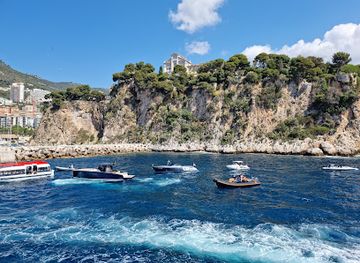
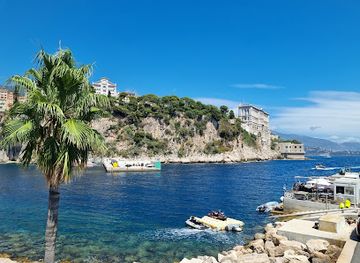
Cap d'Ail Beach in Monaco offers visitors a picturesque stretch of coastline with crystal clear waters perfect for swimming and sunbathing. The beach is surrounded by lush greenery and dramatic cliffs, providing a stunning backdrop for relaxation and exploration. Visitors can also enjoy water sports, hiking along the coastal path, and exploring the nearby charming village with its quaint streets and local shops and cafes. Cap d'Ail Beach is a hidden gem waiting to be discovered by travelers seeking a unique and tranquil seaside experience.
-
Tourist information center
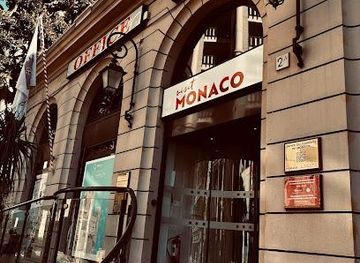
Monaco Tourism Office
Visit the Monaco Tourism Office to unlock the secrets of Monaco's charm, culture, and captivating attractions for an unforgettable journey.
-
Live Music
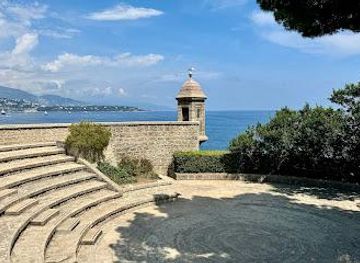
Théâtre du Fort Antoine
Discover the enchanting Théatre du Fort Antoine in Monaco, where captivating performances meet stunning Mediterranean views in a historic setting.
-
Swimming facility
Piscine Municipale Princesse Charlène de Monaco
Discover the serene Piscine Municipale Princesse Charlène de Monaco, a perfect spot for relaxation and swimming amidst stunning French Riviera views.
-
Historical landmark
Monaco Grand Prix startline
Discover the iconic Monaco Grand Prix startline, the gateway to luxury racing and breathtaking views in the heart of Monaco.


Best landmarks in Cap d'Ail Beach
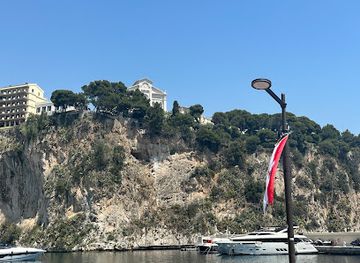
Cap d'Ail Beach in Monaco offers visitors a picturesque coastline with crystal-clear waters perfect for swimming and sunbathing. The beach is surrounded by stunning cliffs and lush greenery, providing a tranquil escape from the bustling city. Visitors can also explore the nearby Villa Ephrussi de Rothschild, a magnificent mansion with meticulously landscaped gardens, or take a leisurely walk along the scenic coastal path towards the charming town of Cap d'Ail. Whether you're looking for relaxation or adventure, Cap d'Ail Beach has something for everyone to enjoy.
-
Technology museum
Private Cars Collection of HSH Prince of Monaco
Explore a century of automotive history at Monaco's Private Cars Collection, featuring classic cars, Formula 1 racers, and royal vehicles.
-
Garden
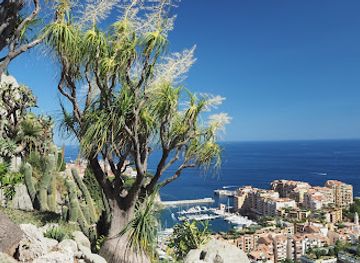
Exotic Garden of Monaco
Discover a world of exotic succulents, breathtaking views, and prehistoric wonders at Monaco's cliffside botanical garden.
-
Cathedral
Cathédrale de Monaco
Discover Monaco's rich history and culture at the Cathédrale de Monaco, a stunning architectural gem and final resting place of the Grimaldi family.
-
Marina
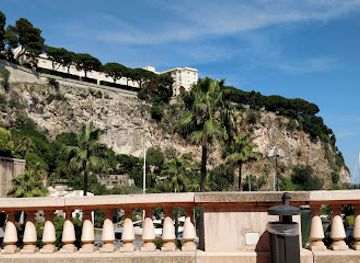
Port of Fontvieille
Discover the charming Port of Fontvieille in Monaco: a serene marina with waterfront dining and a relaxed atmosphere.
Explore Cap d'Ail Beach on the map
Plan your trip on one map. See where the top attractions, landmarks, restaurants and hotels are, and book hotels and experiences in a few clicks.
Best hotels in Cap d'Ail Beach
Best restaurants in Cap d'Ail Beach
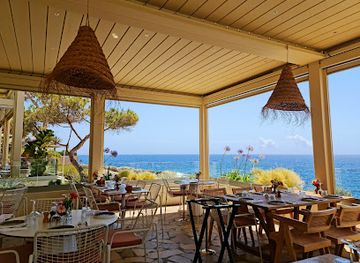
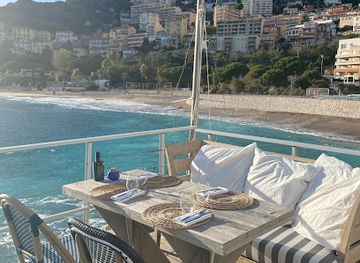
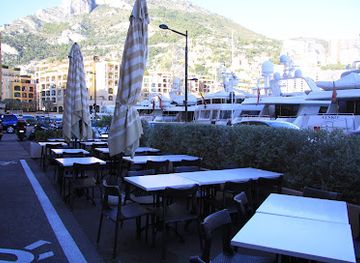
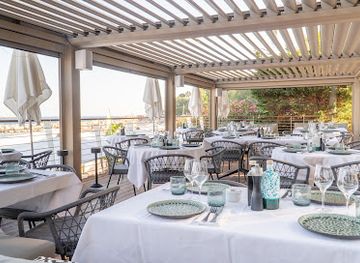
The dining scene at Cap d'Ail Beach offers a delightful mix of upscale waterfront restaurants and charming beachside cafes, providing visitors with a diverse culinary experience. From fresh seafood dishes to traditional Mediterranean cuisine, there is something for every palate to savor. Enjoy al fresco dining with stunning views of the sparkling blue waters, or unwind with a cocktail at a trendy beach bar. Whether you're looking for a romantic dinner for two or a casual lunch with friends, Cap d'Ail Beach has a dining option to suit every occasion.
-
Mediterranean
Restaurant La Pinède
Experience exquisite Mediterranean dining at Restaurant La Pinède in Cap-d'Ail - where flavors meet elegance amidst stunning coastal views.
-
French
Restaurant A'TREGO
Discover exquisite French and Mediterranean cuisine at Restaurant A'TREGO in Cap d'Ail, featuring live music and stunning sea views.
-
Restaurant
La Saliere
Experience authentic Italian cuisine at La Saliere in Monaco with delicious pizzas and pasta served against stunning Mediterranean views.
-
Restaurant
Uvita
Discover Uvita: A beautiful beachfront restaurant in Cap-d'Ail offering exquisite Italian cuisine with stunning sea views.
Best bars in Cap d'Ail Beach
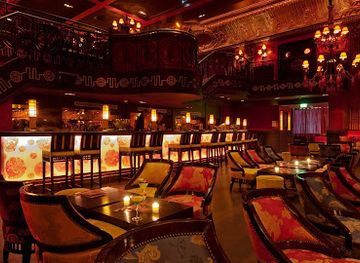
When the sun sets over Cap d'Ail Beach, the vibrant nightlife scene comes alive with a variety of bars and nightclubs offering a mix of music, drinks, and entertainment. Visitors can enjoy beachfront cocktail bars with stunning views, trendy lounges with live music, and lively clubs where you can dance the night away. Whether you're looking for a relaxed evening sipping cocktails by the sea or a high-energy night of partying, Cap d'Ail Beach has something for everyone to enjoy after dark.
-
Restaurant
Buddha-Bar Monte-Carlo
Discover the luxurious fusion of Asian flavors and vibrant nightlife at Buddha-Bar Monte-Carlo, a premier dining destination in Monaco.
-
Bar
La Rascasse
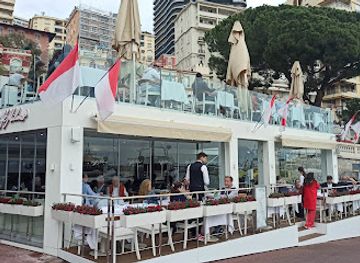
Experience the vibrant nightlife of Monte Carlo at La Rascasse, a bar and restaurant with stunning views and a lively atmosphere.
-
Steak
Beefbar
Discover the exquisite flavors of Beefbar in Monaco, where premium steaks meet fine dining in a stunning waterfront setting.
-
Restaurant
Caffè Milano
Experience authentic Italian cuisine at Caffè Milano, a charming restaurant in Monaco with stunning harbor views and exceptional service.

Best nightclubs in Cap d'Ail Beach
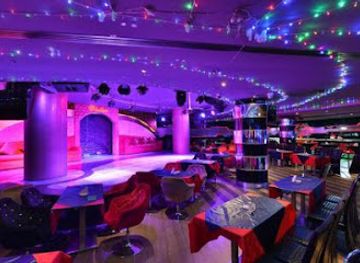
When the sun sets over Cap d'Ail Beach, the vibrant nightlife scene comes alive with a variety of bars and nightclubs offering a mix of music, drinks, and entertainment. Visitors can enjoy beachfront cocktail bars with stunning views, trendy lounges with live music, and lively clubs where you can dance the night away. Whether you're looking for a relaxed evening sipping cocktails by the sea or a high-energy night of partying, Cap d'Ail Beach has something for everyone to enjoy after dark.
-
Bar
La Rascasse
Experience the vibrant nightlife of Monaco at La Rascasse, a lively bar and disco club with stunning harbor views and a diverse menu.
-
Disco club
MK Club Monaco
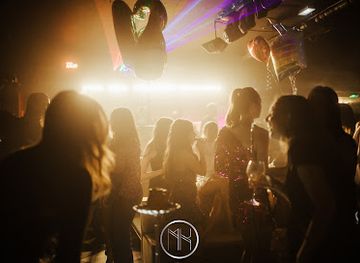
Dive into the electrifying atmosphere of MK Club Monaco, a premier disco club offering unforgettable nightlife in the heart of Monaco.
-
Night club
Pehmee Records
Experience the electrifying nightlife at Pehmee Records, Monaco's premier night club, where luxury meets vibrant entertainment.
-
Night club
Giulia Oancea
Discover the essence of Monaco's nightlife at Giulia Oancea, where music, dance, and unforgettable moments await every night.


Best shops in Cap d'Ail Beach
Cap d'Ail Beach offers a unique shopping experience for visitors, with a blend of high-end boutiques, local artisan shops, and bustling markets. From designer fashion to handmade crafts, visitors can find a variety of treasures to take home as souvenirs. The charming streets are lined with cafes and restaurants, creating the perfect atmosphere for leisurely shopping and people-watching. Whether you're looking for luxury goods or one-of-a-kind finds, Cap d'Ail Beach has something for every shopper to enjoy.
-
Shopping mall
Metropole Shopping Monte-Carlo
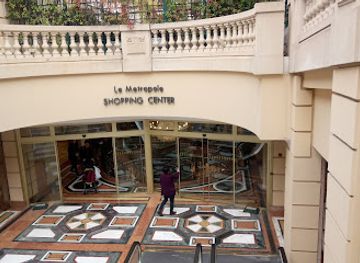
Experience luxury shopping and gourmet dining at Metropole Shopping Monte-Carlo, the ultimate destination for elegance in Monaco.
-
 Hotel
HotelRiviera Marriott Hotel La Porte de Monaco
Discover elegance and breathtaking views at the Riviera Marriott Hotel La Porte de Monaco, a luxury retreat on the stunning French Riviera.
-
Sporting goods store
Decathlon Monaco
Explore Decathlon Monaco for top-notch sporting goods, outdoor gear, and cycling essentials in the heart of the French Riviera.
-
Leather goods store
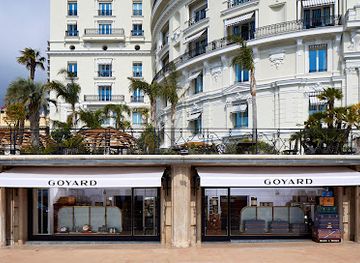
GOYARD Monaco Store
Discover the luxurious collection of leather goods and fashion accessories at GOYARD Monaco, where elegance meets craftsmanship.
Get your free copy of our complete guide to Cap d'Ail Beach, delivered straight to you.
Everything on this page, from attractions and restaurants to essentials and local phrases, in one PDF you can read offline, print or share.
Already have an account? Sign in
Your Cap d'Ail Beach guide is ready.
We'll send it to · Not you? Sign out

Getting your guide ready…
We are putting together a fresh copy of the Cap d'Ail Beach guide. This can take up to a minute.
This can take a few moments. If your browser asks, choose Allow so the download can start. You'll find the guide in your Downloads folder.
Nothing happened? Download it again
Sorry, the guide is taking longer than usual. Please try again in a minute, or get it by email instead.
Cap d'Ail Beach essentials
Currency and Payment
Safety
Emergency Situations
Do's and Don'ts
Local Tips
From Eve
Local phrases worth knowing
You don't need to get them perfect. A few words go a long way, and locals appreciate the effort.
Basics
| English | Local | Say it |
|---|---|---|
| Hello | Bonjour | [bon-zhoor] |
| Goodbye | Au revoir | [oh ruh-vwahr] |
| Yes | Oui | [wee] |
| No | Non | [noh] |
| Please/You're welcome | S'il vous plaît/De rien | [seel voo pleh / duh ryen] |
| Thank you | Merci | [mehr-see] |
| Excuse me/Sorry | Excusez-moi/Désolé | [ex-kew-zay mwah / dey-zoh-lay] |
| How are you? | Comment ça va? | [koh-mohn sah vah?] |
| Fine. And you? | Bien. Et vous? | [byen. ey voo] |
| Do you speak English? | Parlez-vous anglais? | [par-lay voo ahn-glay] |
| I don't understand | Je ne comprends pas | [zhuh nuh kohm-prahnd pah] |
Eating & Drinking
| English | Local | Say it |
|---|---|---|
| I'd like to see the menu, please | Je voudrais voir la carte, s'il vous plaît | [zhuh voo-dray vwah-r lar kahrt, seel voo pleh] |
| I don't eat meat | Je ne mange pas de viande | [zhuh nuh mahnj pah duh vee-and] |
| Cheers! | Santé! | [sahn-tay] |
| I would like to pay, please | Je voudrais payer, s'il vous plaît | [zhuh voo-dray pay-yay, seel voo pleh] |
Emergencies
| English | Local | Say it |
|---|---|---|
| Help! | Au secours! | [oh seh-koor] |
| Go away! | Allez-vous en! | [al-lay vooz ahn] |
| Call the Police! | Appelez la police! | [ah-pell-ay lah poh-lees] |
| Call a doctor! | Appelez un médecin! | [ah-pell-ay ahn mayd-sahn] |
| I'm lost | Je suis perdu | [zhuh swee pair-doo] |
| I'm ill | Je suis malade | [zhuh swee mal-ahd] |
Shopping
| English | Local | Say it |
|---|---|---|
| I'd like to buy... | Je voudrais acheter... | [zhuh voo-dray ash-tay...] |
| I'm just looking | Je regarde juste | [zhuh ruh-gard zhust] |
| How much is it? | Combien ça coûte? | [kohm-byen sah koot] |
| That's too expensive | C'est trop cher | [say troh shair] |
| Can you lower the price? | Pouvez-vous baisser le prix? | [poo-vay voo bess-ay luh pree] |
Time & Numbers
| English | Local | Say it |
|---|---|---|
| What time is it? | Quelle heure est-il? | [kell er ay teel] |
| It's one o'clock | Il est une heure | [eel ay eun er] |
| Half past (10) | Dix et demie | [dees ay duh-mee] |
| Morning | Matin | [mah-tan] |
| Afternoon | Après-midi | [ah-pray mee-dee] |
| Evening | Soir | [swar] |
| Yesterday | Hier | [ee-air] |
| Today | Aujourd'hui | [oh-zhoor-dwee] |
| Tomorrow | Demain | [duh-man] |
| 1 | Un | [uhn] |
| 2 | Deux | [duh] |
| 3 | Trois | [twah] |
| 4 | Quatre | [kat] |
| 5 | Cinq | [sank] |
| 6 | Six | [seess] |
| 7 | Sept | [set] |
| 8 | Huit | [wheat] |
| 9 | Neuf | [nurf] |
| 10 | Dix | [dees] |
Transport & Directions
| English | Local | Say it |
|---|---|---|
| Where's a/the...? | Où est un/le...? | [oo ay uh/luh] |
| What's the address? | Quelle est l'adresse? | [kell ay la-dress] |
| Can you show me (on the map)? | Pouvez-vous me montrer (sur la carte)? | [poo-vay voo muh mohn-tray (soor lar kahrt)] |
| When's the next (bus)? | Quand est le prochain (bus)? | [kahn ay luh proh-shahn (boos)] |
| A ticket (to ....) | Un billet (pour ....) | [uhn bee-yay (poor)] |
History of Cap d'Ail Beach
The Origins of Cap d'Ail Beach
Cap d'Ail Beach, nestled along the stunning coastline of Monaco, has a history that dates back to ancient times. Originally a small fishing village, this area was known for its natural beauty and tranquil waters. Over the centuries, Cap d'Ail evolved from a humble settlement into a sought-after destination for those seeking peace and serenity by the sea.
The Belle Époque Era
During the late 19th century, Cap d'Ail Beach became a favorite vacation spot for the European elite. The Belle Époque era saw the construction of grand villas and luxurious hotels, attracting artists, writers, and aristocrats. The iconic Villa Les Camélias, built in 1904, stands as a testament to this glamorous period, showcasing the opulence and architectural elegance of the time.
World War II and Its Impact
The onset of World War II brought significant changes to Cap d'Ail Beach and the surrounding region. The area was occupied by Italian and German forces, leading to a period of hardship and uncertainty. Despite the challenges, the resilience of the local community helped preserve the cultural heritage and natural beauty of Cap d'Ail Beach, allowing it to recover and thrive in the post-war years.
The Rise of Modern Tourism
In the mid-20th century, Cap d'Ail Beach experienced a resurgence in popularity as a premier tourist destination. The construction of modern amenities, including beach clubs, restaurants, and recreational facilities, transformed the area into a vibrant hub for visitors from around the world. Today, Cap d'Ail Beach is renowned for its pristine sands, crystal-clear waters, and a perfect blend of historical charm and contemporary luxury.
Cultural Events and Festivals
Cap d'Ail Beach and its surroundings host a variety of cultural events and festivals throughout the year, celebrating the rich heritage and vibrant community spirit. The annual 'Festival de Cap d'Ail,' held in the summer, features a diverse lineup of music, dance, and art performances, drawing both locals and tourists. These events highlight the area's commitment to preserving and promoting its cultural identity.
Cap d'Ail Beach in Photos
Browse through our photo collection highlighting the charm and character of the destination.
Cities in Cap d'Ail Beach
The towns and cities of Cap d'Ail Beach, and the easiest places to base yourself.
-

-

-

-

-

-


Swipe for more cities
Neighbouring destination travel guides
The closest destinations to Cap d'Ail Beach, if you have time for more than one.
-

-

-

-

-


Swipe for more destinations
Explore more

Explore more of Monaco
Explore Monaco: A glamorous principality on the French Riviera, known for its luxury casinos, stunning Mediterranean views, cultural landmarks, and vibrant nightlife.
Explore Monaco