

Free Gobi Desert Travel Guide & Mobile App
Explore Gobi Desert with free travel guides. Discover regional history, expert tips, proposed trips, and audio guides on web or mobile app.


Explore Mongolia’s Gobi Desert for vast dunes, dinosaur fossils, wildlife, ger stays and remote landscapes shaped by deep geological time.
When is the best time to visit Gobi Desert?
Best: May–June, September · 21–28°C| Month | High (°C) | Rainfall (mm) |
|---|---|---|
| January | -15 | 2 |
| February | -10 | 2 |
| March | 0 | 3 |
| April | 13 | 7 |
| May (best) | 21 | 10 |
| June (best) | 28 | 12 |
| July | 31 | 17 |
| August | 29 | 14 |
| September (best) | 22 | 10 |
| October | 12 | 7 |
| November | -1 | 4 |
| December | -13 | 3 |
Getting to and around Gobi Desert
How to get there
Transportation
Top city travel guides in Gobi Desert
The cities of Gobi Desert, and the easiest places to base yourself.
-

-


Swipe for more cities
Destinations in Gobi Desert
Resorts, valleys and scenic spots worth a trip of their own.
-

-

-

-


Swipe for more destinations
Best attractions in Gobi Desert
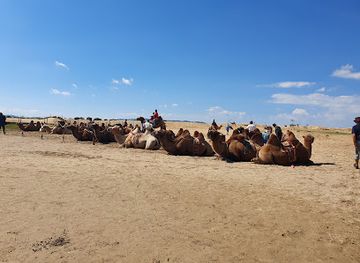
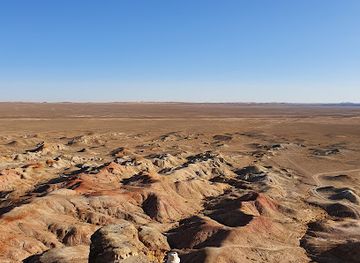
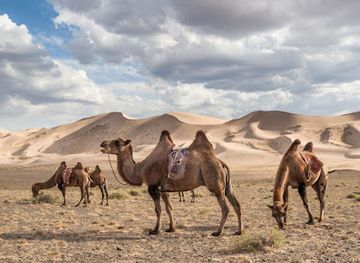
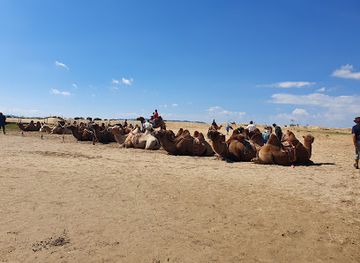
The Mongolian Gobi’s attractions are primarily geological, palaeontological and landscape-based. In Ömnögovi Province, Gobi Gurvansaikhan National Park brings together the narrow, sometimes snow-holding gorge of Yolyn Am, the broad dune field of Khongoryn Els and the fossil landscapes around Bayanzag, or the Flaming Cliffs. These sites offer very different experiences: a cool mountain valley, shifting sand backed by rocky ranges, and eroded red cliffs associated with major dinosaur discoveries. Further north and east, Dundgovi’s Baga Gazriin Chuluu presents weathered granite formations, while Tsagaan Suvarga is known for pale, sharply cut mineral cliffs. Ger camps provide a practical base for desert travel, and guided walks, camel excursions and stargazing are common activities, subject to local conditions. Wildlife watching is rewarding but demanding, with sightings depending on season, water and luck. The Gobi is not a conventional sightseeing circuit; its appeal lies in the contrast between individual formations and the immense stretches of open country connecting them.
-
Tourist attraction
Elsen Tasarkhai (Sand Dune Mini Gobi)
Explore the stunning Elsen Tasarkhai, Mongolia's Mini Gobi, where vast sand dunes meet lush mountains, offering unparalleled adventure and breathtaking landscapes.
-
Tourist attraction
Tsagaan Suvarga (White Stupa)
Explore the stunning Tsagaan Suvarga, a natural wonder in Mongolia's Dundgovi region, renowned for its breathtaking cliffs and vibrant geological formations.
-
Museum
The Gobi Museum of Nature and History
Explore the Gobi Museum of Nature and History: A captivating journey through the rich natural and cultural heritage of Mongolia's Gobi Desert.
-
Sand
Sweet Gobi Sands
Explore the breathtaking Sweet Gobi Sands in Ovorkhangai, where mesmerizing dunes meet rich cultural experiences amid Mongolia's stunning wilderness.
Best landmarks in Gobi Desert
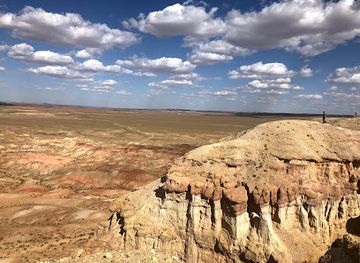
The Flaming Cliffs at Bayanzag are the Gobi’s most recognisable palaeontological landmark, their red and orange sediments associated with the discovery of dinosaur fossils and eggs during early twentieth-century expeditions. Khongoryn Els forms another defining image: an extensive belt of pale dunes whose shape and colour change with light, wind and viewpoint. Yolyn Am, within Gobi Gurvansaikhan National Park, is a dramatic narrow valley cut into the Gurvansaikhan mountains and notable for the ice that can persist there during part of the year. In Dundgovi, Tsagaan Suvarga rises as a banded, eroded escarpment resembling a monumental cliff city, while Baga Gazriin Chuluu consists of distinctive granite tors and boulder-strewn formations. These places matter not simply for scenic value but because they expose the Gobi’s geological structure, fossil history and relationship between desert plains and mountain massifs.
-
Monastery
Erdene Zuu Monastery
Explore the serene beauty and rich history of Erdene Zuu Monastery, Mongolia's first Buddhist monastery, nestled in the stunning landscapes of Kharkhorin.
-
National park
Gobi Gurvan Saikhan National Park
Explore the stunning Gobi Gurvan Saikhan National Park in South Gobi, Mongolia, where vast deserts meet rich wildlife and cultural heritage.
-
Tourist attraction
Elsen Tasarkhai (Sand Dune Mini Gobi)
Discover the breathtaking beauty of Elsen Tasarkhai, a unique desert landscape blending sand dunes and lush hills in Mongolia's heart.
-
Tourist attraction
Tsagaan Suvarga (White Stupa)
Experience the breathtaking beauty and rich history of Tsagaan Suvarga, a stunning natural wonder in Mongolia's Dundgovi region.

Explore Gobi Desert on the map
Plan your trip on one map. See where the top cities, national parks and sights are, and book hotels and experiences in a few clicks.
Best hotels in Gobi Desert
Best restaurants in Gobi Desert
Dining in the Gobi is shaped by distance, climate and the needs of pastoral households rather than by a concentrated restaurant scene. In Dalanzadgad and other provincial centres, visitors can find Mongolian staples such as buuz dumplings, khuushuur fried pastries, noodle dishes, soups and grilled meat, alongside simple cafés serving familiar international fare. Ger camps generally provide set meals based on mutton or beef, rice, pasta, potatoes, bread and dairy products, with menus limited by transport and refrigeration. Airag, fermented mare’s milk, is associated more strongly with the wider Mongolian steppe, while camel-milk products may appear in parts of the Gobi when locally available. Vegetarian and special diets should be arranged in advance, particularly for overland journeys. Visitors may encounter aaruul dried curds, cream, yoghurt and other dairy foods when staying with herding families; accept such hospitality graciously and explain dietary restrictions clearly.
-
Restaurant
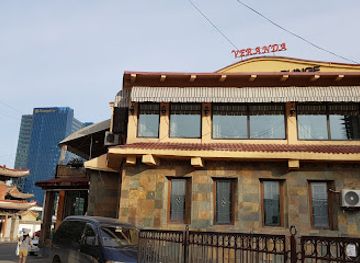
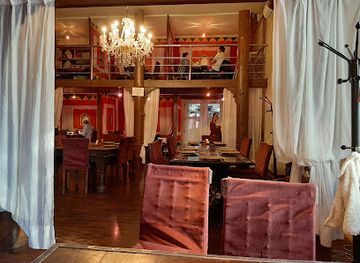
Veranda
Savor exquisite local and international cuisine at Veranda in Ulaanbaatar - where elegance meets flavor in every dish.
-
Indian
Hazara Indian Restaurant
Savor authentic Indian cuisine in Ulaanbaatar at Hazara Indian Restaurant - where every dish tells a story.
-
Restaurant
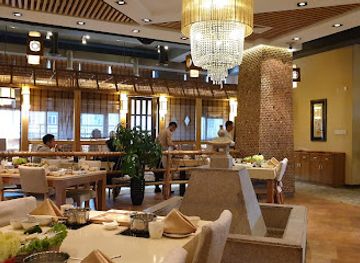
The Bull Hot Pot Restaurant
Discover the art of hot pot dining at The Bull Hot Pot Restaurant in Ulaanbaatar - a delicious blend of tradition and flavor awaits!
-
Mediterranean
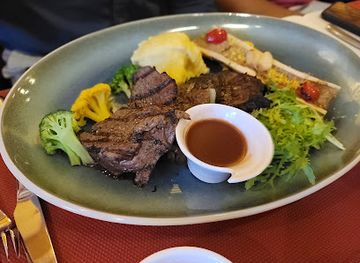
Choijin Temple Restaurant
Discover exquisite Mediterranean flavors in Ulaanbaatar at Choijin Temple Restaurant, where every meal is an unforgettable experience.
Best bars in Gobi Desert
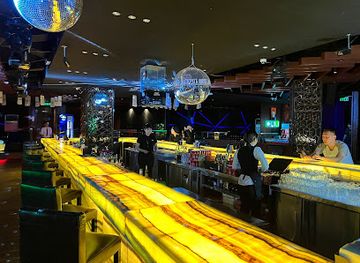
The Mongolian Gobi does not have a major nightclub culture. Evening life is concentrated in the bars, karaoke rooms, cafés and hotel restaurants of Dalanzadgad and other provincial centres, where residents and travellers may gather after work or during a stopover. In remote areas, a ger camp’s evening is more likely to involve conversation, tea, a shared meal and exceptionally dark skies than organised entertainment. Some camps arrange cultural performances or music, but these are seasonal and not guaranteed. Alcohol is available in towns and may be offered in social settings, yet visitors should drink moderately because dehydration, cold nights and long road journeys make excess particularly risky. Stargazing is one of the Gobi’s most memorable after-dark activities when skies are clear, and a torch, warm clothing and respect for other guests’ quiet are more useful than expectations of a late-night party scene.
-
Restaurant
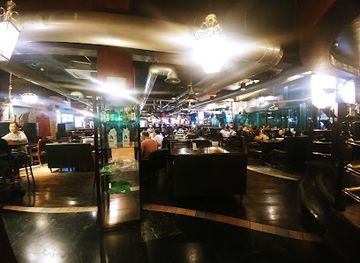
Grand Khaan Irish Pub
Discover the vibrant atmosphere and delicious cuisine at Grand Khaan Irish Pub, a perfect blend of Irish charm and Mongolian hospitality.
-
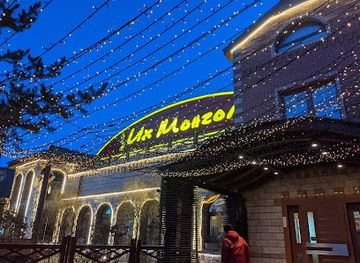
Restaurant
Great Mongol Restaurant & Pub
Experience the essence of Mongolian cuisine and vibrant nightlife at Great Mongol Restaurant & Pub in Ulaanbaatar.
-
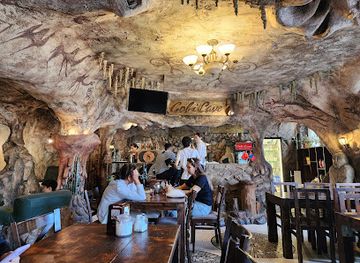
Turkish
Gobi Cave Turkish Restaurant
Discover the rich flavors of Turkey at Gobi Cave Turkish Restaurant in Ulaanbaatar, where authentic cuisine meets a cozy ambiance.
-
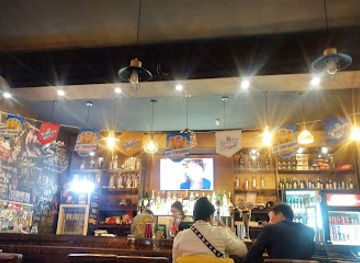
Bar
Republik Bar&Venue
Discover the lively atmosphere at Republik Bar & Venue in Ulaanbaatar, where vibrant nightlife meets diverse drink selections.
Best nightclubs in Gobi Desert
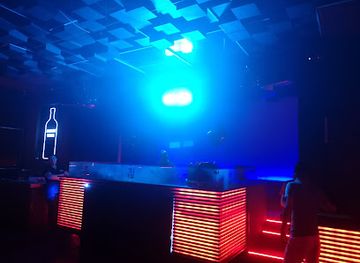
The Mongolian Gobi does not have a major nightclub culture. Evening life is concentrated in the bars, karaoke rooms, cafés and hotel restaurants of Dalanzadgad and other provincial centres, where residents and travellers may gather after work or during a stopover. In remote areas, a ger camp’s evening is more likely to involve conversation, tea, a shared meal and exceptionally dark skies than organised entertainment. Some camps arrange cultural performances or music, but these are seasonal and not guaranteed. Alcohol is available in towns and may be offered in social settings, yet visitors should drink moderately because dehydration, cold nights and long road journeys make excess particularly risky. Stargazing is one of the Gobi’s most memorable after-dark activities when skies are clear, and a torch, warm clothing and respect for other guests’ quiet are more useful than expectations of a late-night party scene.
-
Night club
CHOCO CLUB ULAANBAATAR
Discover the electric atmosphere of Choco Club Ulaanbaatar, a top nightlife destination for dancing and socializing in Mongolia's capital.
-
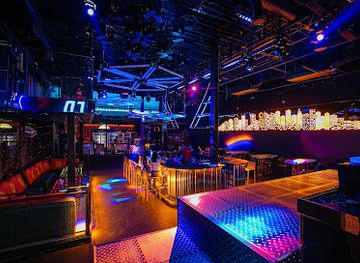
Night club
MINT Club
Discover the vibrant nightlife of Ulaanbaatar at MINT Club, where music, drinks, and energy blend for an unforgettable evening.
-
Night club
ZU CLUB
Discover the pulsating nightlife of Ulaanbaatar at ZU Club, where electrifying music and a vibrant crowd create unforgettable experiences.
-
Night club
Castle Club
Experience the vibrant nightlife of Ulaanbaatar at Castle Club, where excellent music and great vibes await every night.

Best shops in Gobi Desert
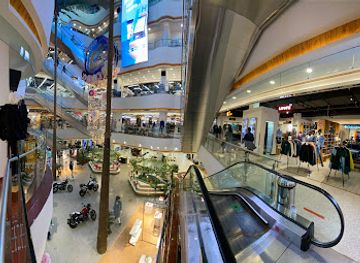
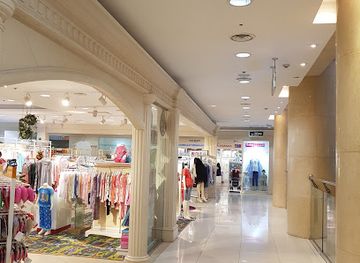
Shopping in the Mongolian Gobi is practical and locally rooted rather than centred on large retail districts. Dalanzadgad has the broadest selection in southern Ömnögovi, with supermarkets, small shops, markets and souvenir outlets where travellers can obtain food, toiletries, warm clothing and basic supplies. In smaller settlements, choice is narrower and opening arrangements may be informal. Useful regional purchases include camel-wool or cashmere goods, felt products, leather items, locally made dairy foods and small handicrafts, although quality and provenance vary. Some ger camps sell souvenirs, but visitors should avoid buying fossils, archaeological objects or wildlife products, since removing heritage material from the desert is illegal or damaging even when an item is presented as a harmless keepsake. Carry sufficient cash in Mongolian tögrög, and consider buying snacks and essential supplies in a larger town before beginning a remote overland section.
-
Department store
State Department Store
Experience the vibrant shopping scene at Ulaanbaatar's State Department Store, where local culture meets modern retail.
-
Shopping mall
Ulaanbaatar Department Store
Explore the Ulaanbaatar Department Store for a unique shopping experience that blends modernity with Mongolian culture in the heart of the capital.
-
Shopping mall
Hunnu Mall
Explore Hunnu Mall in Ulaanbaatar for a unique shopping experience blending local culture with international brands and delicious dining options.
-
Shopping mall
Shangri-La Centre
Discover luxury shopping, exquisite dining, and vibrant entertainment at Shangri-La Centre in Ulaanbaatar, Mongolia's top shopping mall.
Get your free copy of our complete guide to Gobi Desert, delivered straight to you.
Everything on this page, from attractions and restaurants to essentials and local phrases, in one PDF you can read offline, print or share.
Already have an account? Sign in
Your Gobi Desert guide is ready.
We'll send it to · Not you? Sign out

Getting your guide ready…
We are putting together a fresh copy of the Gobi Desert guide. This can take up to a minute.
This can take a few moments. If your browser asks, choose Allow so the download can start. You'll find the guide in your Downloads folder.
Nothing happened? Download it again
Sorry, the guide is taking longer than usual. Please try again in a minute, or get it by email instead.
Gobi Desert essentials
Currency and Payment
Safety
Emergency Situations
Do's and Don'ts
Local Tips
From Eve
Local phrases worth knowing
You don't need to get them perfect. A few words go a long way, and locals appreciate the effort.
Basics
| English | Local | Say it |
|---|---|---|
| Hello | Сайн уу | [Sain uu] |
| Goodbye | Баяртай | [Bayartai] |
| Yes | Тийм | [Tiim] |
| No | Үгүй | [Ügüi] |
| Please/You're welcome | Гуйя/Танд баярлалаа | [Guiya/Tand bayarlalaa] |
| Thank you | Баярлалаа | [Bayarlalaa] |
| Excuse me/Sorry | Уучлаарай | [Uuchlaarai] |
| How are you? | Чи яаж байна? | [Chi yaaj baina?] |
| Fine. And you? | Сайн. Чи яаж байна? | [Sain. Chi yaaj baina?] |
| Do you speak English? | Чи англиар ярьдаг уу? | [Chi angliar yaryadag uu?] |
| I don't understand | Би ойлгохгүй байна | [Bi oilgohgui baina] |
Eating & Drinking
| English | Local | Say it |
|---|---|---|
| I'd like to see the menu, please | Таблицыг үзүүлэхийг хүсч байна | [Tablitsyg üzehig khüsch baina] |
| I don't eat meat | Би мах иддэггүй | [Bi makh iddeggui] |
| Cheers! | Сайн байна! | [Sain baina!] |
| I would like to pay, please | Би төлбөр төлөхийг хүсч байна | [Bi tölbör tölökhig khüsch baina] |
Emergencies
| English | Local | Say it |
|---|---|---|
| Help! | Туслаач! | [Tuslaach!] |
| Go away! | Яв! | [Yav!] |
| Call the Police! | Цагдаа дууд! | [Tsagdaa duud!] |
| Call a doctor! | Эмч дууд! | [Emch duud!] |
| I'm lost | Би алга болсон | [Bi alga bolson] |
| I'm ill | Би өвчтэй | [Bi övchtei] |
Shopping
| English | Local | Say it |
|---|---|---|
| I'd like to buy... | Би ... худалдаж авахыг хүсч байна | [Bi ... khudaldaj avakhig khüsch baina] |
| I'm just looking | Би зүгээр л хараад байна | [Bi zügereer l kharaad baina] |
| How much is it? | Энэ хэд вэ? | [Ene khed ve?] |
| That's too expensive | Энэ үнэтэй байна | [Ene üntai baina] |
| Can you lower the price? | Үнэ бууруулаач | [Üne buuruulaach] |
Time & Numbers
| English | Local | Say it |
|---|---|---|
| What time is it? | Хэдэн цаг болж байна вэ? | [Kheden tsag bolzh baina ve?] |
| It's one o'clock | Нэг цаг болж байна | [Neg tsag bolzh baina] |
| Half past (10) | Арван цаг хагас | [Arvan tsag khagas] |
| Morning | Өглөө | [Öglöö] |
| Afternoon | Орой | [Oroi] |
| Evening | Орой | [Oroi] |
| Yesterday | Өчигдөр | [Öchigdör] |
| Today | Өнөөдөр | [Önöödör] |
| Tomorrow | Маргааш | [Margaash] |
| 1 | Нэг | [Neg] |
| 2 | Хоёр | [Khoir] |
| 3 | Гурав | [Gurav] |
| 4 | Дөрөв | [Döröv] |
| 5 | Тав | [Tav] |
| 6 | Зургаан | [Zurgaan] |
| 7 | Долоо | [Doloo] |
| 8 | Найм | [Naim] |
| 9 | Ес | [Yes] |
| 10 | Арван | [Arvan] |
Transport & Directions
| English | Local | Say it |
|---|---|---|
| Where's a/the...? | Хаана ... байна вэ? | [Khaana ... baina ve?] |
| What's the address? | Хаяг юу вэ? | [Khayg yuu ve?] |
| Can you show me (on the map)? | Надад (газрын зураг дээр) харуулж өгнө үү? | [Nadad (gazryn zurag deer) kharuulj ögnö ü?] |
| When's the next (bus)? | Дараагийн (автобус) хэзээ вэ? | [Daraagiin (avtobus) khezëe ve?] |
| A ticket (to ....) | Билет (.... руу) | [Bilet (.... ruu)] |
History of Gobi Desert
Cretaceous fossil landscapes
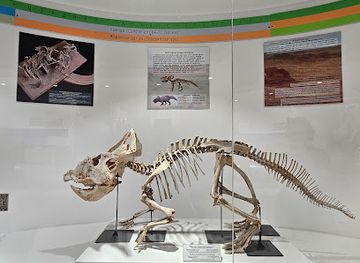
The Mongolian Gobi preserves an exceptional record of Late Cretaceous life, when its climate and environments differed greatly from today. Fossil localities around Bayanzag, Nemegt and other parts of the southern Gobi have produced dinosaur bones, eggs and track evidence. Expeditions in the early twentieth century brought the region to international scientific attention, including the discovery of dinosaur eggs at Bayanzag. The exposed rocks are scientifically important because wind erosion reveals fossils at the surface, but that same exposure makes them vulnerable to collecting and damage. Fossil sites are protected heritage areas, not places for souvenir hunting.
Bronze Age and early nomadic cultures
Long before the rise of the Mongol Empire, people moved through and occupied the Gobi’s grassland margins, mountain valleys and desert oases. Bronze Age monuments, burial sites, deer stones and rock art across Mongolia record changing beliefs, technologies and mobile pastoral societies. The desert was not an empty barrier: routes linked water sources and seasonal pasture, while mountain outcrops provided places for ritual activity and shelter. Much of this archaeology remains dispersed and difficult to visit independently, but it helps explain why the Gobi should be understood as a lived cultural landscape as well as a natural one.
The Xiongnu and later steppe powers
From the late first millennium BC, the Gobi formed part of the wider political and economic world of powerful steppe confederations, including the Xiongnu. Their influence extended across areas north and south of the modern Mongolian frontier, and archaeological evidence shows connections between mobile pastoralism, warfare, craft production and long-distance exchange. Later Turkic and other steppe polities also used the region and its routes. The Gobi’s aridity did not isolate it completely; instead, control of wells, pasture corridors and movement routes helped shape political power across Inner Asia.
Caravan routes and the Mongol Empire
During the rise of the Mongol Empire in the thirteenth century, the Gobi connected the Mongolian heartland with China and Central Asian regions. Armies, officials, merchants and messengers crossed the desert through routes governed by access to water and pasture. The imperial communications system relied on relay stations and organised movement, although surviving traces are uneven and not every supposed route can be confidently identified on the ground. The empire’s expansion integrated distant regions into an immense political network, giving the Gobi importance as a corridor rather than merely a frontier.
Buddhism, Qing rule and monastic centres
Tibetan Buddhism became a major force in Mongolia from the sixteenth century onwards, and monasteries developed as religious, educational and economic centres. Under Qing rule, which lasted in Mongolia from the late seventeenth century until 1911, monastic institutions and noble jurisdictions shaped regional life. Desert routes linked monasteries, pasturelands and trading settlements, while religious buildings provided focal points in otherwise sparsely settled districts. Many monasteries were destroyed or closed during the socialist period in the twentieth century; surviving ruins and restored institutions offer reminders of this earlier cultural geography.
Socialism, collectivisation and the modern Gobi
After the Mongolian Revolution of 1921, and especially during the socialist era, pastoral life was reorganised through collective institutions, state administration and expanded education and health services. Mining, roads and provincial centres changed how people and goods moved through the Gobi, while religious practice was severely restricted. Since Mongolia’s democratic transition in 1990, private herding has returned as a central livelihood, alongside tourism, transport and mining. Protected areas and fossil conservation now sit alongside major development pressures, making the contemporary Gobi a place where environmental stewardship and economic change are closely connected.
Gobi Desert in Photos
Browse through our photo collection highlighting the charm and character of the destination.
Neighbouring regions of Gobi Desert
The closest regions to Gobi Desert, if you have time for more than one.
-

-

-

-

-


Swipe for more regions
Explore more

Explore more of Mongolia
Discover Mongolia: From the vast steppes and towering mountains to the rich nomadic culture and ancient traditions, experience the land of eternal blue sky.
Explore Mongolia