

Free The Missouri River Country Travel Guide & Mobile App
Explore The Missouri River Country with free travel guides. Discover regional history, expert tips, proposed trips, and audio guides on web or mobile app.


Explore Missouri River Country for historic river towns, vast prairie, Fort Peck Lake, wildlife and wide-open Montana landscapes.
Read more about The Missouri River Country
When is the best time to visit The Missouri River Country?
Best: June, August–September · 22–27°C| Month | High (°C) | Rainfall (mm) |
|---|---|---|
| January | -1 | 15 |
| February | 1 | 15 |
| March | 7 | 20 |
| April | 14 | 25 |
| May | 19 | 40 |
| June (best) | 24 | 50 |
| July | 28 | 40 |
| August (best) | 27 | 30 |
| September (best) | 22 | 25 |
| October | 14 | 20 |
| November | 4 | 15 |
| December | -1 | 15 |
Getting to and around The Missouri River Country
How to get there
Transportation
Top city travel guides in The Missouri River Country
The cities of The Missouri River Country, and the easiest places to base yourself.

Swipe for more cities
Best attractions in The Missouri River Country
Missouri River Country’s attractions are spread across a large landscape rather than concentrated in a single resort town. Fort Benton provides the strongest historic experience, with riverfront buildings, museums, the reconstructed Old Fort Benton and interpretive material about steamboat commerce, the Lewis and Clark expedition and Indigenous history. Around Fort Peck, the dam, lake, Fort Peck Interpretive Center and Museum, and adjacent recreational facilities explain one of the great public-works projects of the twentieth century while offering boating, fishing and wildlife watching. The Upper Missouri Breaks National Monument is the region’s defining wilderness experience, with steep river breaks, coulees, prairie and archaeological resources best explored with careful preparation or a knowledgeable outfitter. Parts of the Charles M. Russell National Wildlife Refuge offer broad habitats for birds, pronghorn, elk and other wildlife, although access and road conditions vary. Malta’s dinosaur and frontier interpretation, Lewistown’s museums and cultural facilities, and the smaller historical institutions of regional communities add human stories to the scenery. Hiking, paddling, camping, hunting and photography are available in appropriate public areas, but visitors should distinguish managed facilities from remote country where services, signs and reliable mobile coverage may be limited.
-
State park
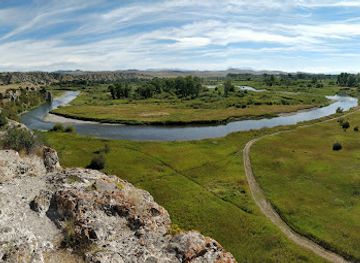
Missouri Headwaters State Park
Experience the breathtaking beauty and rich history of Missouri Headwaters State Park, where three rivers converge in a stunning natural landscape.
-
Nature preserve
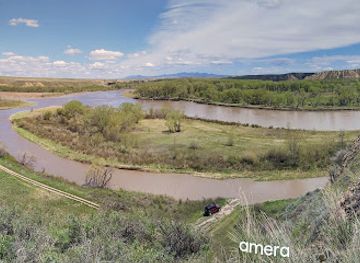
Upper Missouri River Breaks National Monument
Discover the breathtaking landscapes and rich history at Upper Missouri River Breaks National Monument, a premier nature preserve in Montana.
-
Historical landmark
Start of the Missouri River
Explore the historical significance and breathtaking beauty at the Start of the Missouri River in Three Forks, Montana, where adventure begins.
-
Lake
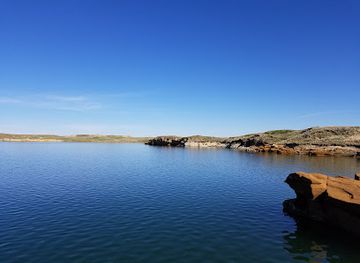
Fort Peck Lake
Explore the natural beauty and recreational paradise of Fort Peck Lake, a stunning destination in Montana for outdoor adventures and family fun.

Best landmarks in The Missouri River Country
-
Hotel
Yogo Inn
Discover Yogo Inn in Lewistown, Montana: A welcoming hotel with dining, event venues, and a relaxing atmosphere for all travelers.
-
Mexican
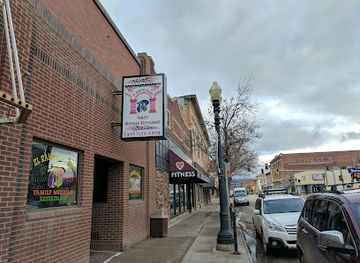
El Rancho Alegre
Experience the vibrant flavors and warm hospitality of El Rancho Alegre, a must-visit Mexican restaurant in Lewistown, Montana, for food lovers.
-
Restaurant
Harry's Place
Discover Harry's Place in Lewistown, Montana, where hearty comfort food meets warm hospitality in a cozy setting.
-
Restaurant
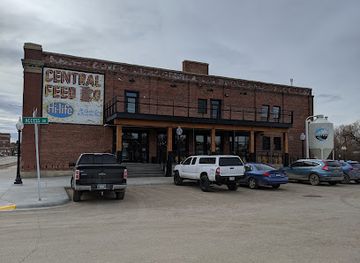
Central Feed Grilling Company
Experience the best of American grilling at Central Feed Grilling Company in Lewistown, Montana, where quality meets comfort in every bite.
Explore The Missouri River Country on the map
Plan your trip on one map. See where the top cities, national parks and sights are, and book hotels and experiences in a few clicks.
Best hotels in The Missouri River Country
Best restaurants in The Missouri River Country
Dining in Missouri River Country reflects working communities, long road distances and Montana’s agricultural setting. In Fort Benton, Lewistown, Malta, Glasgow, Fort Peck and other established towns, visitors will find straightforward cafés, family restaurants, bakeries, diners and pubs serving familiar American fare alongside regional beef, locally sourced produce when available and seasonal specials. Ranching and grain production shape the food economy, while trout and other freshwater fish may appear in restaurants or be prepared by visitors who follow current fishing rules. Fort Peck and other reservoir communities offer informal meals suited to boating and outdoor recreation rather than a dense restaurant scene. Farmers’ markets and farm stands may provide vegetables, baked goods, preserves and other local products during the warmer months, with dates and availability varying by town. Expect earlier closing times and fewer choices in small communities, particularly outside the main summer season, and carry provisions when travelling to remote river or wildlife areas.
-
Grill
Missouri River Bar & Grill
Experience delightful dining with stunning views at Missouri River Bar & Grill - your go-to spot for delicious grilled meals in Cascade, Montana.
-
Restaurant
Missouri Inn Restaurant & Bar
Discover the heartwarming flavors of America at Missouri Inn Restaurant & Bar in scenic Cascade, Montana.


Best bars in The Missouri River Country
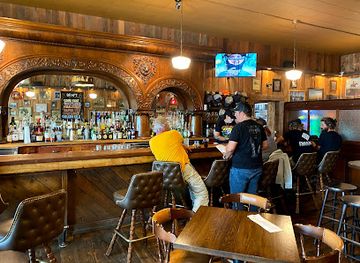
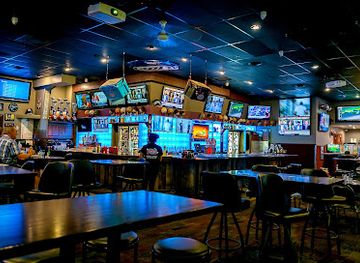
Evening life in Missouri River Country is generally low-key and community-based. Local bars, pubs, historic hotel lounges and restaurant dining rooms form the main social venues in towns such as Fort Benton, Lewistown, Malta and Glasgow, while Fort Peck has seasonal activity connected with lake visitors. Some establishments may offer live music, pool, televised sport or community events, but the region does not have a large, concentrated nightclub circuit. Summer brings more activity around the reservoir, campgrounds and outdoor gatherings, whereas winter evenings are quieter and more locally oriented. Visitors should not assume that rural venues operate late or that every small community has a full range of nightlife. Responsible drinking matters on remote roads and waterways, and designated drivers or pre-arranged transport are important because taxis and ride-hailing services may be limited outside larger towns.
-
Lounge
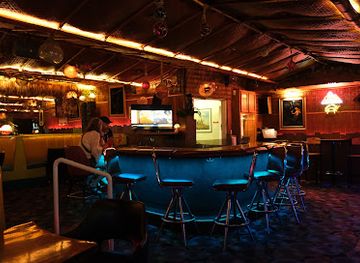
Sip 'n Dip Lounge (1962)
Discover the whimsical Sip 'n Dip Lounge in Great Falls, Montana, where quirky drinks and live piano music create an unforgettable night out.
-
Bar
Stacey's Old Faithful Bar & Steakhouse
Discover the heart of Montana hospitality at Stacey's Old Faithful Bar & Steakhouse, where delicious steaks and local brews await you.
-
Sports bar
Halftime Sports Bar & Casino
Experience the thrill of sports and gaming at Halftime Sports Bar & Casino in Great Falls, Montana, where delicious food meets excitement.
-
Grill
The Jack Saloon
Discover The Jack Saloon in Lolo, Montana - where delicious grill cuisine meets cozy accommodations in a stunning natural setting.

Best nightclubs in The Missouri River Country
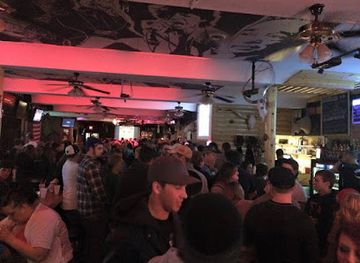
Evening life in Missouri River Country is generally low-key and community-based. Local bars, pubs, historic hotel lounges and restaurant dining rooms form the main social venues in towns such as Fort Benton, Lewistown, Malta and Glasgow, while Fort Peck has seasonal activity connected with lake visitors. Some establishments may offer live music, pool, televised sport or community events, but the region does not have a large, concentrated nightclub circuit. Summer brings more activity around the reservoir, campgrounds and outdoor gatherings, whereas winter evenings are quieter and more locally oriented. Visitors should not assume that rural venues operate late or that every small community has a full range of nightlife. Responsible drinking matters on remote roads and waterways, and designated drivers or pre-arranged transport are important because taxis and ride-hailing services may be limited outside larger towns.
-
Dance hall
Daisy Dukes Saloon and Dance Hall
Discover the lively atmosphere of Daisy Dukes Saloon and Dance Hall in Billings, Montana, a premier destination for dance, music, and nightlife.
-
Bar
Wise River Club
Discover the vibrant atmosphere of Wise River Club, where live music, delicious food, and an authentic Western experience await in Montana.

Best shops in The Missouri River Country
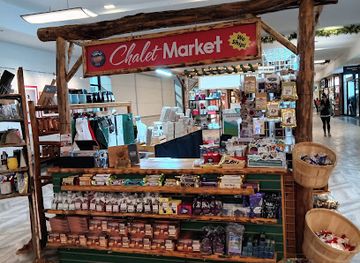
Shopping in Missouri River Country is practical and locally focused rather than centred on large retail districts. Fort Benton, Lewistown, Malta and Glasgow have the broadest selection of everyday shops, independent retailers, galleries, books, antiques and locally produced gifts, while smaller communities offer more limited services. Fort Benton is a useful place to look for river- and history-related books, artwork and craft items, and visitor centres across the region often carry maps, interpretive publications and locally made products. Farmers’ markets and seasonal stands may sell Montana-grown produce, baked goods, preserves, honey and other provisions, although schedules vary and should be checked locally. Western clothing, leather goods, Native-inspired art and regional crafts can be available, but buyers should ask about provenance and avoid purchasing items represented as Indigenous-made unless that claim is clear and credible. Useful souvenirs include books on the Missouri, local landscape photography, artisan work and food products that can legally travel home.
-
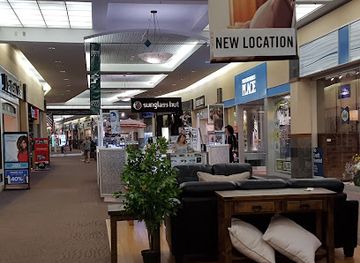
Shopping mall
Rimrock Mall
Discover the ultimate shopping experience at Rimrock Mall in Billings, Montana, featuring diverse stores, delicious dining, and exciting events.
-
Shopping mall
Gallatin Valley Mall
Explore the vibrant Gallatin Valley Mall in Bozeman, Montana - a shopping haven with diverse stores, dining options, and a lively atmosphere.
-
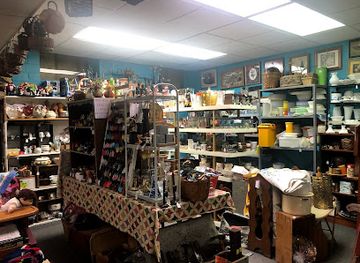
Antique store
Pink Elephant Antique Mall
Explore the Pink Elephant Antique Mall in Livingston, IL - a vintage haven for unique antiques, delightful home goods, and nostalgic treasures.
-
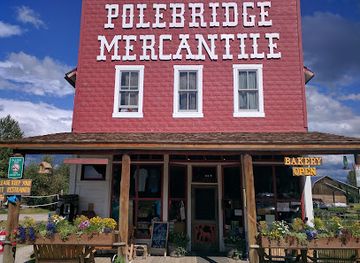
Bakery
Polebridge Mercantile & Bakery
Discover the charm and flavors of Montana at Polebridge Mercantile & Bakery, where rustic meets delicious in a stunning wilderness setting.
Get your free copy of our complete guide to The Missouri River Country, delivered straight to you.
Everything on this page, from attractions and restaurants to essentials and local phrases, in one PDF you can read offline, print or share.
Already have an account? Sign in
Your The Missouri River Country guide is ready.
We'll send it to · Not you? Sign out

Getting your guide ready…
We are putting together a fresh copy of the The Missouri River Country guide. This can take up to a minute.
This can take a few moments. If your browser asks, choose Allow so the download can start. You'll find the guide in your Downloads folder.
Nothing happened? Download it again
Sorry, the guide is taking longer than usual. Please try again in a minute, or get it by email instead.
The Missouri River Country essentials
Currency and Payment
Safety
Emergency Situations
Do's and Don'ts
Local Tips
From Eve
Local phrases worth knowing
You don't need to get them perfect. A few words go a long way, and locals appreciate the effort.
Basics
| English | Local | Say it |
|---|---|---|
| Hello | Howdy | [Ha-dee] |
| Goodbye | See ya | [See yah] |
| Yes | Yep | [Yep] |
| No | Nah | [Nah] |
| Please/You're welcome | Please/You bet | [Pleez/You bet] |
| Thank you | Thanks | [Thanks] |
| Excuse me/Sorry | Pardon me/Sorry | [Par-don me/Sorry] |
| How are you? | How ya doin'? | [How yah doin'?] |
| Fine. And you? | Good. And you? | [Good. And you?] |
| Do you speak English? | Do ya speak English? | [Doo yah speek English?] |
| I don't understand | I ain't gettin' it | [I ain't gettin' it] |
Eating & Drinking
| English | Local | Say it |
|---|---|---|
| I'd like to see the menu, please | Can I see the menu, please? | [Can I see the men-you, pleez?] |
| I don't eat meat | I don’t eat meat | [I don’t eet meet] |
| Cheers! | Cheers! | [Cheers!] |
| I would like to pay, please | Can I pay, please? | [Can I pay, pleez?] |
Emergencies
| English | Local | Say it |
|---|---|---|
| Help! | Help! | [Help!] |
| Go away! | Leave me be! | [Leave me bee!] |
| Call the Police! | Call the cops! | [Call the cops!] |
| Call a doctor! | Get me a doctor! | [Get me a doctor!] |
| I'm lost | I’m all turned around | [I’m all turned around] |
| I'm ill | I’m not feeling well | [I’m not feelin' well] |
Shopping
| English | Local | Say it |
|---|---|---|
| I'd like to buy... | I want to buy... | [I want to buy...] |
| I'm just looking | Just browsin' | [Just browsin'] |
| How much is it? | What’s the price? | [What’s the price?] |
| That's too expensive | That’s too pricey | [That’s too pricey] |
| Can you lower the price? | Can you give me a better deal? | [Can you give me a better deal?] |
Time & Numbers
| English | Local | Say it |
|---|---|---|
| What time is it? | What time ya got? | [What time ya got?] |
| It's one o'clock | It's one o'clock | [It's one o'clock] |
| Half past (10) | Half past ten | [Half past ten] |
| Morning | Mornin' | [Mornin'] |
| Afternoon | Afternoon | [Afternoon] |
| Evening | Evenin' | [Evenin'] |
| Yesterday | Yesterday | [Yesterday] |
| Today | Today | [Today] |
| Tomorrow | Tomorrow | [Tomorrow] |
| 1 | One | [One] |
| 2 | Two | [Two] |
| 3 | Three | [Three] |
| 4 | Four | [Four] |
| 5 | Five | [Five] |
| 6 | Six | [Six] |
| 7 | Seven | [Seven] |
| 8 | Eight | [Eight] |
| 9 | Nine | [Nine] |
| 10 | Ten | [Ten] |
Transport & Directions
| English | Local | Say it |
|---|---|---|
| Where's a/the...? | Where’s the...? | [Where’s the...?] |
| What's the address? | What’s the address? | [What’s the address?] |
| Can you show me (on the map)? | Can you point it out? | [Can you point it out?] |
| When's the next (bus)? | When’s the next bus? | [When’s the next bus?] |
| A ticket (to ....) | A ticket to... | [A ticket to...] |
History of The Missouri River Country
Indigenous River and Plains Cultures
The Missouri and its tributaries have long supported Indigenous communities through fishing, hunting, gathering and trade. The region is associated with the histories and continuing presence of peoples including the Blackfeet, Assiniboine and Sioux, Crow, Gros Ventre and Plains Cree, among others. River corridors were routes of movement and exchange, while cultural landscapes extended far beyond the modern towns and roads. Visitors should understand that archaeological sites and sacred places are protected and that Indigenous history is not confined to museum displays.
The Lewis and Clark Expedition, 1805–1806
The Corps of Discovery travelled along the Missouri through what is now Missouri River Country during its westward journey in 1805 and its return in 1806. Their route passed through changing terrain, from wooded river bottoms to open plains, and their journals recorded encounters with Indigenous nations, wildlife and unfamiliar geography. The expedition did not mark an empty wilderness; it entered a lived-in cultural landscape. Interpretive sites and river excursions around Fort Benton help explain this complex legacy.
Fur Trade and Fort Benton’s River Port
Fort Benton began as a fur-trading post in the mid-nineteenth century and later became a vital commercial port at the head of navigation on the upper Missouri. Steamboats carried freight and passengers to the town, which connected interior Montana with wider markets before railways transformed regional transport. Warehouses, trading buildings and the riverfront still evoke that era. The community’s history also reflects the unequal and often violent pressures imposed on Indigenous peoples by commercial expansion and United States policy.
Railways, Homesteading and Agricultural Settlement
From the late nineteenth century into the early twentieth century, railways and federal land policies encouraged migration, town-building and commercial agriculture across eastern Montana. Grain production, cattle ranching and railway services became central to local economies, although dry conditions, harsh winters and fluctuating commodity prices made settlement difficult. Towns such as Glasgow, Malta and Lewistown developed as trading and transport centres. Their surrounding elevators, ranches, main streets and museums preserve evidence of this agricultural transformation.
Fort Peck Dam and New Deal Construction
Construction of Fort Peck Dam on the Missouri began in the 1930s as a major Public Works Administration project during the New Deal. The enormous earth-filled dam provided employment during the Great Depression, altered the river landscape and created Fort Peck Lake, which remains important for recreation, wildlife and water management. The Fort Peck Interpretive Center and Museum presents the engineering, labour and environmental consequences of the project, including the difficult displacement and disruption associated with large-scale infrastructure.
Public Lands and Conservation in the Modern Era
Twentieth-century conservation policy reshaped large sections of Missouri River Country. The Charles M. Russell National Wildlife Refuge protects extensive Missouri breaks, prairie and reservoir habitat, while the Upper Missouri Breaks National Monument safeguards a remote river corridor, archaeological resources and dramatic badlands. These designations coexist with ranching, energy production, hunting, fishing and other working-land uses. The modern character of the region therefore depends on continuing negotiations between access, conservation, private property and local livelihoods.
The Missouri River Country in Photos
Browse through our photo collection highlighting the charm and character of the destination.
Neighbouring regions of The Missouri River Country
The closest regions to The Missouri River Country, if you have time for more than one.
-

-

-

-
-


Swipe for more regions
Explore more
Explore more of Montana
Discover Montana: A Treasure State of majestic landscapes, outdoor adventures, and rich cultural heritage. Explore Glacier and Yellowstone, charming towns, and historic sites.
Explore Montana