

Free Great Plains Travel Guide & Mobile App
Explore Great Plains with free travel guides. Discover regional history, expert tips, proposed trips, and audio guides on web or mobile app.


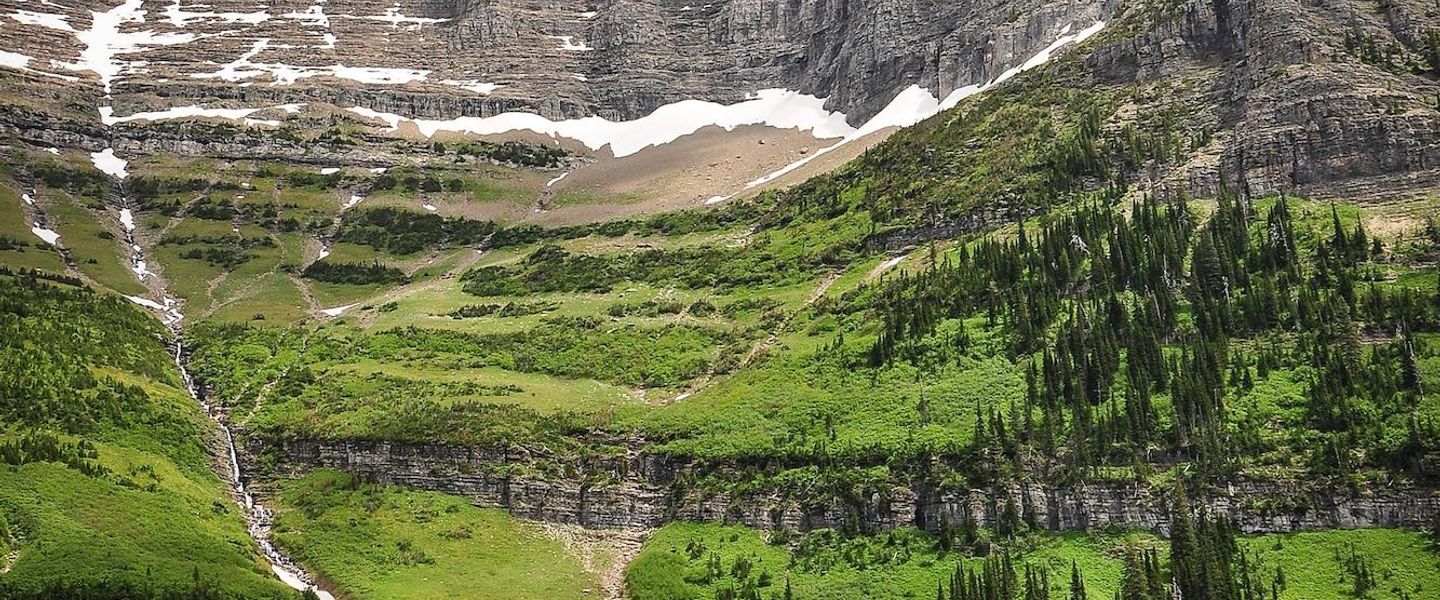


Explore Montana’s Great Plains for prairie landscapes, badlands, river valleys, Indigenous history, wildlife and wide-open road journeys.
Read more about Great Plains
When is the best time to visit Great Plains?
Best: June–August · 22–25°C| Month | High (°C) | Rainfall (mm) |
|---|---|---|
| January | -1 | 13 |
| February | 1 | 11 |
| March | 6 | 14 |
| April | 11 | 19 |
| May | 17 | 24 |
| June (best) | 22 | 30 |
| July (best) | 25 | 27 |
| August (best) | 24 | 24 |
| September | 18 | 20 |
| October | 11 | 16 |
| November | 4 | 13 |
| December | -2 | 12 |
Getting to and around Great Plains
How to get there
Transportation
Top city travel guides in Great Plains
The cities of Great Plains, and the easiest places to base yourself.
-

-

-

-

-

-


Swipe for more cities
Destinations in Great Plains
Resorts, valleys and scenic spots worth a trip of their own.
-

-

-
-
-

-


Swipe for more destinations
Best attractions in Great Plains
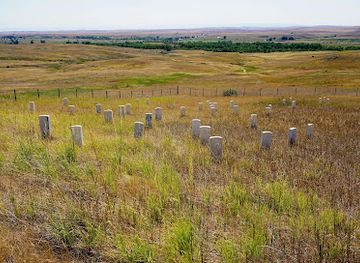
Attractions across Montana’s Great Plains range from Indigenous and military history to geological formations, reservoirs, wildlife refuges and working agricultural landscapes. Great Falls provides museums and river-related heritage connected with the Missouri, while the Upper Missouri Breaks and Fort Peck Lake offer boating, fishing, birdwatching and long stretches of river scenery. Makoshika State Park, outside Glendive, is the region’s leading badlands landscape, with eroded formations, fossil-bearing geology, trails and wide views. Around the Yellowstone Valley, Pompeys Pillar National Monument combines a prominent sandstone outcrop with expedition history and river habitat. Little Bighorn Battlefield National Monument offers a carefully interpreted account of the 1876 battle and its Indigenous context. Medicine Lake National Wildlife Refuge and other prairie wetlands are important for migratory birds and wildlife viewing. Smaller museums, historic depots, galleries and community events add local perspective, while the roads between attractions are themselves part of the experience, revealing ranches, wheat country, cottonwood-lined rivers and changing prairie horizons.
-
Monument
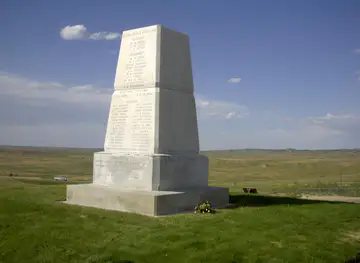
Little Bighorn Battlefield National Monument
Explore the Little Bighorn Battlefield National Monument, a site of profound historical significance and breathtaking landscapes in the heart of Montana.
-
State park
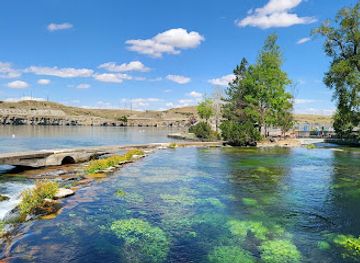
Giant Springs State Park
Explore the stunning Giant Springs State Park in Great Falls, Montana - a natural wonder with pristine springs, hiking trails, and abundant wildlife.
-
State park
Lewis & Clark Caverns State Park
Experience the stunning limestone formations and outdoor adventures at Lewis & Clark Caverns State Park, a must-visit destination in Montana.
-
Ghost town
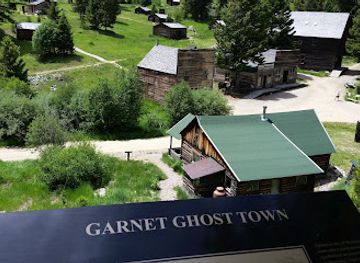
Garnet Ghost Town
Discover the haunting beauty of Garnet Ghost Town, a preserved piece of Montana's mining history, nestled in stunning mountain scenery.
Best landmarks in Great Plains
-
Tourist attraction
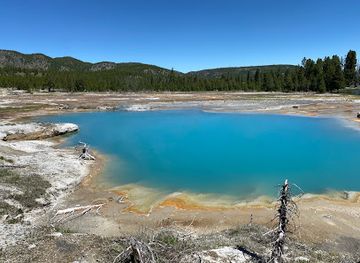
Old Faithful
Experience the breathtaking eruptions of Old Faithful, a must-see geothermal wonder in Yellowstone National Park, showcasing nature's raw power and beauty.
-
Tourist attraction
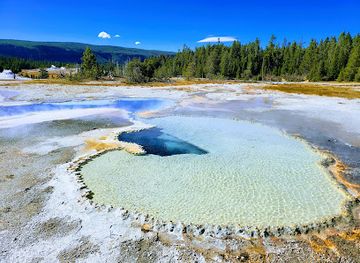
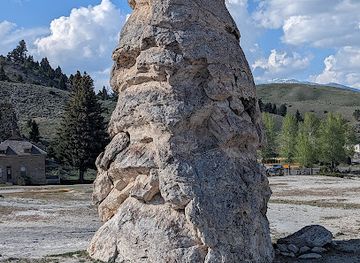
Mammoth Hot Springs
Explore the stunning geothermal features and breathtaking landscapes of Mammoth Hot Springs in Yellowstone National Park, a true natural wonder.
-
Ski resort
Big Sky Resort
Experience the thrill of skiing and year-round adventures at Big Sky Resort, Montana's premier destination for outdoor fun and breathtaking scenery.
-
Restaurant
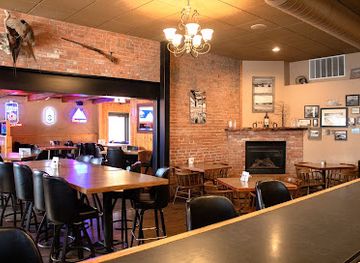
Montana Ale Works
Experience the best of American cuisine and craft beer at Montana Ale Works, a unique brewpub in Bozeman, Montana, perfect for families and food lovers.

Explore Great Plains on the map
Plan your trip on one map. See where the top cities, national parks and sights are, and book hotels and experiences in a few clicks.
Best hotels in Great Plains
Best restaurants in Great Plains
Dining in Montana’s Great Plains reflects ranching, farming, river communities and the broader food traditions of the American West. Steakhouses, family cafés, diners and traditional pubs are common in larger towns, while rural communities may offer a smaller choice centred on straightforward, filling meals. Beef, bison, lamb and locally grown wheat feature prominently, alongside burgers, chilli, soups and baked goods; trout and other freshwater fish appear in places connected with the Missouri and Yellowstone systems, though menus vary by season and location. Farmers’ markets in larger communities can provide regional honey, vegetables, preserves and baked products, while breweries and cafés often add contemporary options. Billings and Great Falls have the broadest dining range, including international cuisines and modern restaurants, whereas smaller plains towns are useful for local conversation, provisions and dependable breakfasts. Distances make it sensible to check food availability before setting out for remote parks or reservoirs.
-
Resort hotel
Quinn's Hot Springs Resort
Experience ultimate relaxation at Quinn's Hot Springs Resort - where natural beauty meets luxurious comfort in Montana.
-
Steak
Edgar Bar
Discover Edgar Bar in Montana: A premier steakhouse offering mouthwatering dishes in a cozy setting perfect for travelers.
-
Fine Dining
Whitefish Lake Restaurant
Experience culinary excellence at Whitefish Lake Restaurant with stunning views and delicious American cuisine.
-
Fine Dining
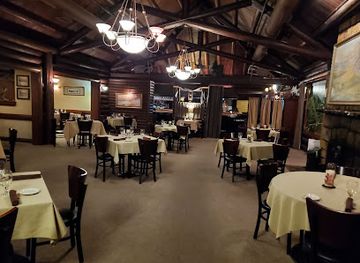
Horn and Cantle
Experience fine dining at Horn and Cantle in Big Sky - where American cuisine meets stunning mountain views.

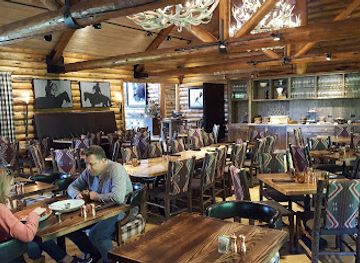
Best bars in Great Plains
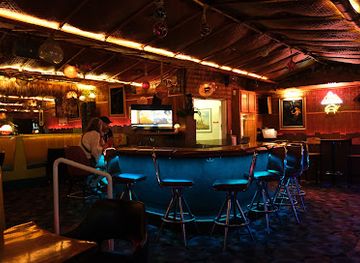
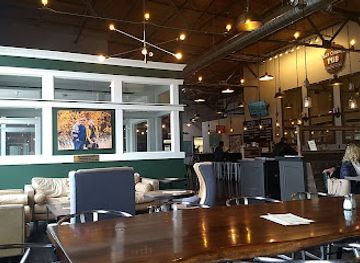
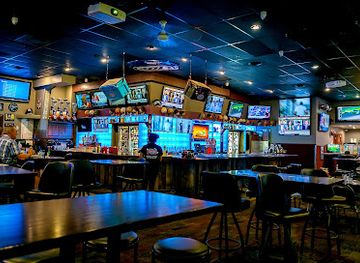
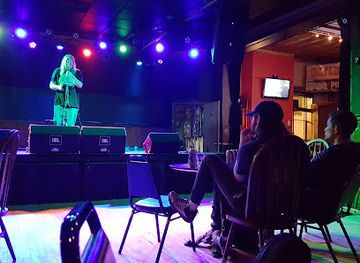
Evening life on Montana’s Great Plains is generally relaxed and community-oriented rather than dominated by nightclubs. Billings and Great Falls have the widest choice of cocktail bars, breweries, live-music venues, restaurants and late-night entertainment, while university and civic events can influence their calendars. In towns such as Miles City, Glendive, Havre, Glasgow and Sidney, traditional bars, grills, cafés and historic-style pubs are more typical social settings. Breweries and taprooms provide locally produced beer in some larger communities, but opening arrangements and venue status can change. In smaller settlements, evening activity may revolve around a sports fixture, concert, fair, rodeo or community gathering rather than a formal nightlife district. Visitors driving between towns should plan a sober driver or overnight stay, since distances are long and taxis or ride-hailing services may be limited outside the main centres.
-
Lounge
Sip 'n Dip Lounge (1962)
Experience the vibrant atmosphere and live piano music at Sip 'n Dip Lounge in Great Falls, MT – a must-visit for food and music lovers!
-
Pub
Last Chance | Pub & Cider Mill
Discover the charm of Last Chance Pub & Cider Mill in Billings, Montana—a unique blend of delightful ciders and hearty pub cuisine.
-
Sports bar
Halftime Sports Bar & Casino
Experience the perfect blend of sports, dining, and entertainment at Halftime Sports Bar & Casino in Great Falls, Montana.
-
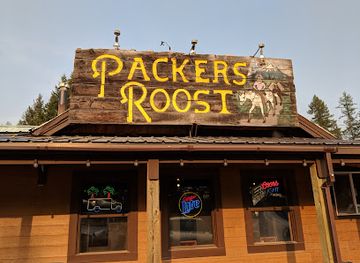
Grill
Packers Roost
Experience the heart of Montana at Packers Roost, a cozy grill serving delicious local flavors in a picturesque setting.
Best nightclubs in Great Plains
Evening life on Montana’s Great Plains is generally relaxed and community-oriented rather than dominated by nightclubs. Billings and Great Falls have the widest choice of cocktail bars, breweries, live-music venues, restaurants and late-night entertainment, while university and civic events can influence their calendars. In towns such as Miles City, Glendive, Havre, Glasgow and Sidney, traditional bars, grills, cafés and historic-style pubs are more typical social settings. Breweries and taprooms provide locally produced beer in some larger communities, but opening arrangements and venue status can change. In smaller settlements, evening activity may revolve around a sports fixture, concert, fair, rodeo or community gathering rather than a formal nightlife district. Visitors driving between towns should plan a sober driver or overnight stay, since distances are long and taxis or ride-hailing services may be limited outside the main centres.
-
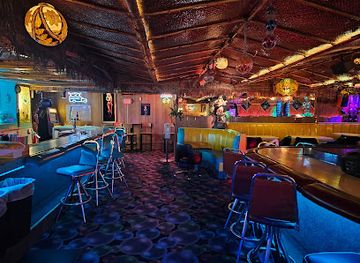
Lounge
Sip 'n Dip Lounge (1962)
Experience the enchanting Sip 'n Dip Lounge in Great Falls, Montana, where mermaids meet lively music and delicious drinks for a night to remember.
-
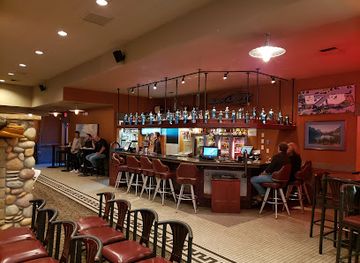
Cocktail bar
Red Door Lounge
Discover the vibrant cocktail culture of Billings at Red Door Lounge, offering a delightful fusion of American cuisine and expertly crafted drinks.
-
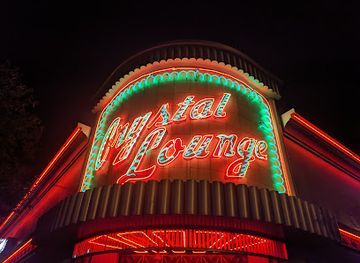
Casino
Crystal Lounge Casino
Discover the excitement of gaming and karaoke at Crystal Lounge Casino, a must-visit entertainment destination in Billings, Montana.
-
Night club
The Badlander
Experience the vibrant nightlife of Missoula at The Badlander, where live music, a lively bar scene, and unforgettable moments await.
Best shops in Great Plains
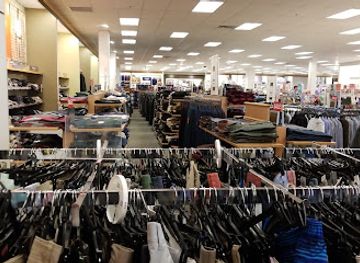
Shopping in Montana’s Great Plains is concentrated in the main towns rather than in continuous retail districts. Billings and Great Falls provide the largest selection of supermarkets, department stores, independent retailers, galleries, outdoor-equipment shops and regional food businesses. Smaller centres such as Miles City, Glendive, Havre, Glasgow and Sidney serve their surrounding ranching and farming communities, with practical supplies, local gift shops, books, antiques and modest independent high streets. Farmers’ markets, when operating seasonally, are useful for honey, preserves, baked goods, vegetables and handmade items, while galleries and craft shops may carry Western-themed art, pottery, jewellery, leatherwork and textiles. Products associated with Montana’s wider identity, including outdoor clothing, locally made food and Native-designed or Native-produced art, are widely available, but buyers should check provenance and avoid treating Indigenous cultural designs as generic souvenirs. In remote areas, stock up on essentials before driving onward to parks, reservoirs or wildlife refuges.
-
Department store
Kohl's
Explore Kohl's in Billings for an extensive collection of clothing, home goods, and great deals, perfect for tourists and locals alike.
-
Department store
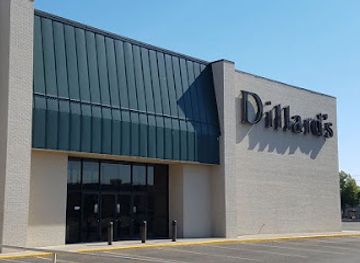
Dillard's
Explore Dillard's in Billings for an unparalleled shopping experience featuring high-quality fashion, accessories, and home goods.
-
Department store
T.J. Maxx
Explore T.J. Maxx in Billings, MT for unbeatable deals on fashion, accessories, and home decor in a welcoming shopping atmosphere.
-
Pizza
Simple Simon's Pizza
Discover the heart of Plains, Montana, at Simple Simon's Pizza - where every slice tells a story of flavor and community.

Get your free copy of our complete guide to Great Plains, delivered straight to you.
Everything on this page, from attractions and restaurants to essentials and local phrases, in one PDF you can read offline, print or share.
Already have an account? Sign in
Your Great Plains guide is ready.
We'll send it to · Not you? Sign out

Getting your guide ready…
We are putting together a fresh copy of the Great Plains guide. This can take up to a minute.
This can take a few moments. If your browser asks, choose Allow so the download can start. You'll find the guide in your Downloads folder.
Nothing happened? Download it again
Sorry, the guide is taking longer than usual. Please try again in a minute, or get it by email instead.
Great Plains essentials
Currency and Payment
Safety
Emergency Situations
Do's and Don'ts
Local Tips
From Eve
Local phrases worth knowing
You don't need to get them perfect. A few words go a long way, and locals appreciate the effort.
Basics
| English | Local | Say it |
|---|---|---|
| Hello | Howdy | [hau-dee] |
| Goodbye | See you later | [see yoo lay-ter] |
| Yes | Yep | [yehp] |
| No | Nope | [nohp] |
| Please/You're welcome | Sure thing | [shur thing] |
| Thank you | Thanks a lot | [thanks a lot] |
| Excuse me/Sorry | Pardon me | [par-don mee] |
| How are you? | How ya doin'? | [how ya doin'?] |
| Fine. And you? | Good. You? | [good. yoo?] |
| Do you speak English? | Do ya speak English? | [do ya speak ing-glish?] |
| I don't understand | I ain't gettin' it | [I aynt gettin' it] |
Eating & Drinking
| English | Local | Say it |
|---|---|---|
| I'd like to see the menu, please | Can I see the menu? | [can I see the men-yoo?] |
| I don't eat meat | I ain't eatin' meat | [I aynt eatin' meet] |
| Cheers! | Cheers! | [cheers!] |
| I would like to pay, please | Can I pay, please? | [can I pay, pleeze?] |
Emergencies
| English | Local | Say it |
|---|---|---|
| Help! | Help! | [help!] |
| Go away! | Leave me be! | [leave me bee!] |
| Call the Police! | Call the cops! | [call the cops!] |
| Call a doctor! | Get a doctor! | [get a doc-tor!] |
| I'm lost | I’m turned around | [I’m turned around] |
| I'm ill | I’m feelin' sick | [I’m feelin' sick] |
Shopping
| English | Local | Say it |
|---|---|---|
| I'd like to buy... | I wanna buy... | [I wanna buy...] |
| I'm just looking | Just lookin' around | [just lookin' around] |
| How much is it? | What’s the price? | [what’s the price?] |
| That's too expensive | That's a bit much | [that's a bit much] |
| Can you lower the price? | Can ya bring it down? | [can ya bring it down?] |
Time & Numbers
| English | Local | Say it |
|---|---|---|
| What time is it? | What's the time? | [what's the time?] |
| It's one o'clock | It's one o'clock | [it's one o'clock] |
| Half past (10) | Half past ten | [half past ten] |
| Morning | Mornin' | [mornin'] |
| Afternoon | Afternoon | [afternoon] |
| Evening | Evenin' | [evenin'] |
| Yesterday | Yesterday | [yesterday] |
| Today | Today | [today] |
| Tomorrow | Tomorrow | [to-mor-row] |
| 1 | One | [one] |
| 2 | Two | [two] |
| 3 | Three | [three] |
| 4 | Four | [four] |
| 5 | Five | [five] |
| 6 | Six | [six] |
| 7 | Seven | [seven] |
| 8 | Eight | [eight] |
| 9 | Nine | [nine] |
| 10 | Ten | [ten] |
Transport & Directions
| English | Local | Say it |
|---|---|---|
| Where's a/the...? | Where's the...? | [where's the...?] |
| What's the address? | What's the address? | [what's the address?] |
| Can you show me (on the map)? | Can ya show me on the map? | [can ya show me on the map?] |
| When's the next (bus)? | When's the next bus? | [when's the next bus?] |
| A ticket (to ....) | A ticket to... | [a ticket to...] |
History of Great Plains
Indigenous Plains Homelands
For thousands of years, the grasslands, river valleys and badlands of eastern Montana have been used, travelled and cared for by Indigenous peoples. The Apsáalooke, Northern Cheyenne, Assiniboine, Gros Ventre and Blackfeet are among the nations with deep historical and contemporary connections to Montana’s plains. Bison, rivers and seasonal movement shaped economies and cultural practices, while trade routes joined communities across the northern Great Plains. These histories remain central to places such as Little Bighorn Battlefield and to the sovereignty and living traditions of Montana’s tribes.
Missouri River Expeditions, 1804–1806
The Lewis and Clark Expedition travelled through the northern Great Plains of present-day Montana in 1805 and 1806, following the Missouri River on its westward and return journeys. The expedition depended on knowledge, assistance and diplomacy involving Indigenous communities, including Sacagawea’s participation as a Lemhi Shoshone woman. Its route is commemorated at sites around Great Falls and the Missouri Breaks, although these places should be understood within much older Indigenous geographies rather than as the beginning of the region’s history.
Fur Trade and Forts
During the early nineteenth century, the Missouri and Yellowstone river corridors became important to the fur trade and to competition between trading companies. Fort Benton, at the head of navigation on the Missouri River, connected river commerce with the interior plains, while trading posts and later military installations supported movement through the region. The trade brought goods and new political pressures into established Indigenous networks. Its legacy survives in historic sites and museum collections, but it also forms part of a wider history of disease, conflict, commercial change and treaty-making.
The 1876 Great Sioux War
The 1876 conflict between the United States and the Lakota, Cheyenne and Arapaho peoples culminated in the Battle of the Little Bighorn in present-day southeastern Montana. On 25 and 26 June, a large force of Lakota and Cheyenne warriors defeated Lieutenant Colonel George A. Custer’s battalion of the Seventh Cavalry. Little Bighorn Battlefield National Monument interprets the battle from multiple perspectives, including those of the Indigenous warriors and families involved. The conflict was followed by intensified United States control and the narrowing of Indigenous territorial autonomy.
Railways, Homesteads and Agricultural Settlement
Railway construction in the late nineteenth and early twentieth centuries opened Montana’s plains to large-scale commercial agriculture, stock raising and new settlement. Towns grew along lines such as the Great Northern Railway across the northern part of the state, while homesteading campaigns attracted farmers to an environment whose rainfall could be unpredictable. Wheat, cattle and sheep became significant parts of the economy, but drought, harsh winters and the agricultural crisis of the 1920s and 1930s exposed the limits of settlement. Many present-day towns retain railway-era street plans and buildings.
Dams, Irrigation and Energy
Twentieth-century development transformed major rivers across the plains. Fort Peck Dam, completed on the Missouri River during the New Deal era, created Fort Peck Lake and remains one of the largest earthen dams in the world. Its construction provided employment during the Great Depression and supported flood control, hydroelectric generation and water management, while also altering river ecology and landscapes. Later oil and gas development, including activity around the Williston Basin and eastern Montana, added another important but sometimes cyclical influence to the region’s economy.
Great Plains in Photos
Browse through our photo collection highlighting the charm and character of the destination.
Neighbouring regions of Great Plains
The closest regions to Great Plains, if you have time for more than one.
-

-

-
-

-


Swipe for more regions
Explore more
Explore more of Montana
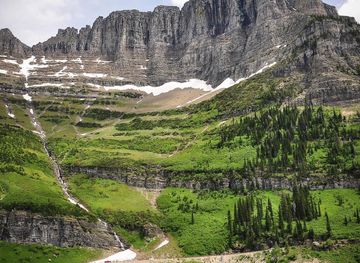
Discover Montana: A Treasure State of majestic landscapes, outdoor adventures, and rich cultural heritage. Explore Glacier and Yellowstone, charming towns, and historic sites.
Explore Montana