
Southeastern Montana, Montana Travel Guide
Explore the historic sites, scenic landscapes, and rich fossil beds of Southeastern Montana, a hidden gem for history buffs, outdoor adventurers, and families alike.
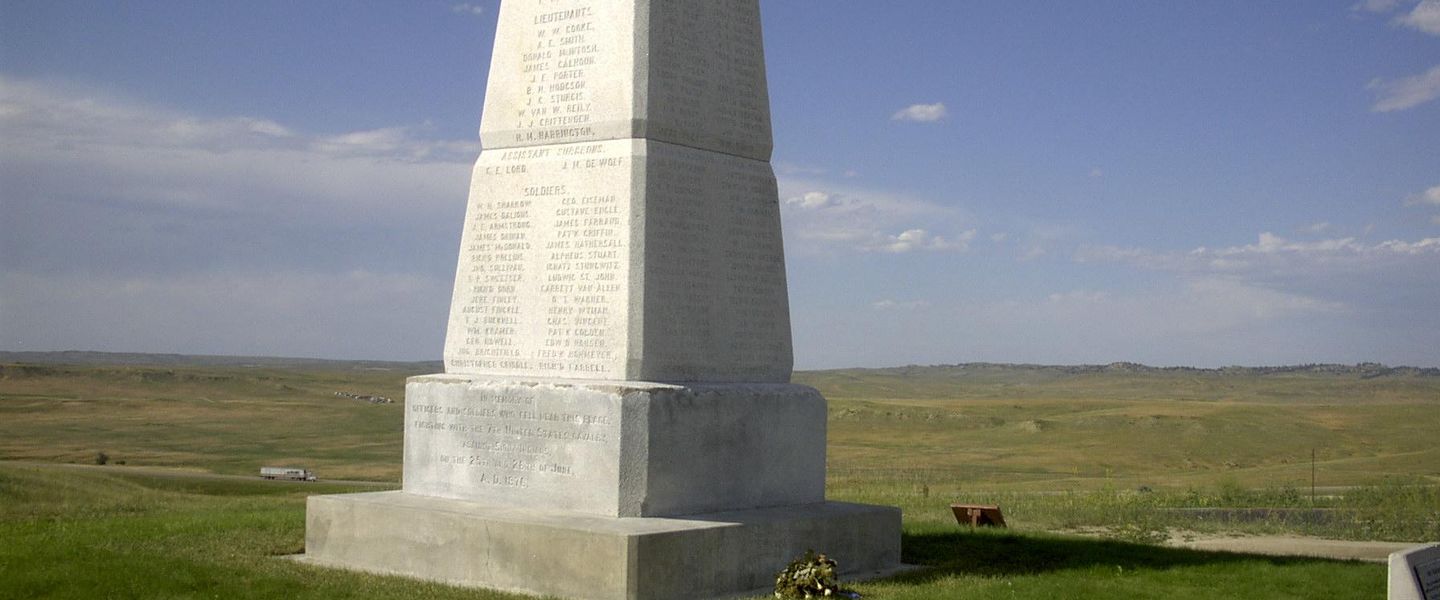
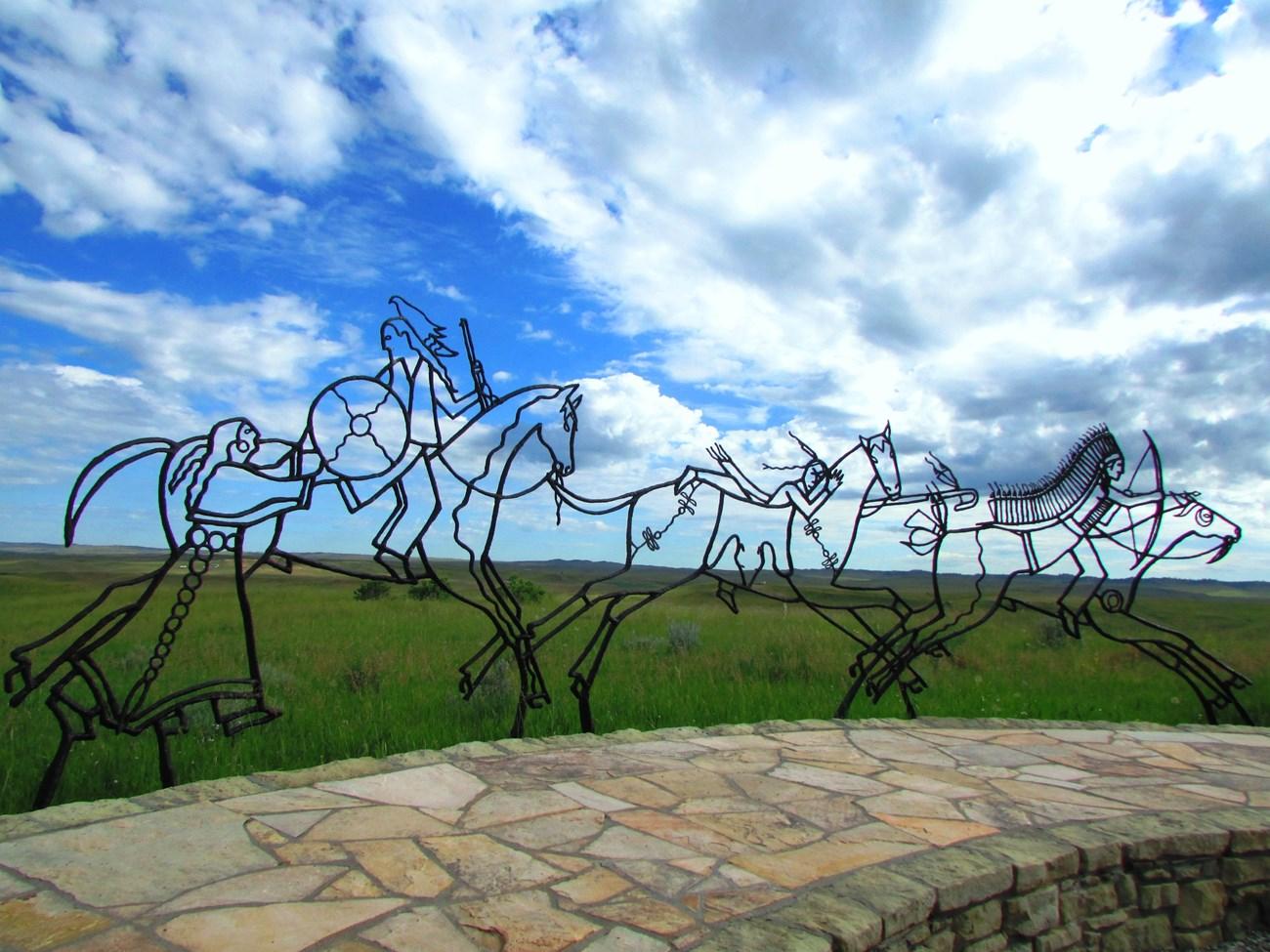
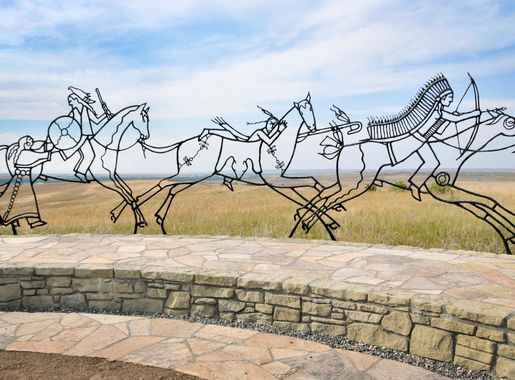
Southeastern Montana offers a unique blend of natural beauty and rich history. This part of the state is home to the Little Bighorn Battlefield National Monument, where you can learn about the famous battle between the U.S. Army and the Lakota Sioux and Cheyenne warriors. The site provides a deep dive into the history and culture of the Native American tribes and their resilience. The region is also known for its scenic landscapes. The vast plains, rolling hills, and pristine rivers make it a paradise for outdoor enthusiasts. Whether you enjoy hiking, fishing, or simply soaking in the serene environment, Southeastern Montana has something for everyone. The Powder River and Yellowstone River offer excellent opportunities for fishing and boating. For those interested in paleontology, the area is rich in dinosaur fossils. The Montana Dinosaur Trail features several museums and dig sites where you can see fossils up close and even participate in digs. This makes Southeastern Montana a fascinating destination for families and anyone interested in the ancient past.

Know before you go
Hi, I'm Eve. Here are a few practical things to know before exploring Southeastern Montana.
- Visit in late spring or early fall for the best weather and fewer crowds.
- Bring comfortable hiking shoes to explore the numerous trails.
- Check local fishing regulations and obtain necessary permits if you plan to fish.
- Take time to visit local museums on the Montana Dinosaur Trail.
- Make sure to have a full tank of gas as services can be sparse in remote areas.
Top City Travel Guides in Southeastern Montana
The cities of Southeastern Montana, and the easiest places to base yourself.



Destinations in Southeastern Montana
Resorts, valleys and scenic spots worth a trip of their own.


Explore Southeastern Montana: Things to Do, Places to Eat, Hotels & More
Handpicked recommendations for top attractions, local dining, accommodations, and more

Top Attractions & Sightseeing in Southeastern Montana
Top-rated picks
Best Attractions

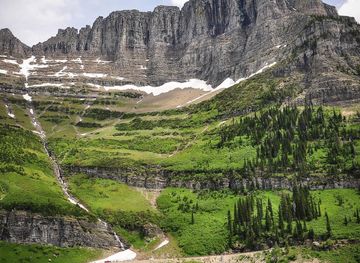
Glacier National Park
Explore Glacier National Park: a majestic wilderness of mountains, glacial lakes, and abundant wildlife perfect for outdoor adventures.

Little Bighorn Battlefield National Monument
Discover the profound history of the Little Bighorn Battlefield National Monument, where the past echoes in the Montana landscape.

Giant Springs State Park
Explore Giant Springs State Park, a stunning natural oasis in Great Falls, Montana, featuring crystal-clear springs, diverse wildlife, and endless outdoor adventures.

ZooMontana
Explore the diverse wildlife and beautiful landscapes of ZooMontana, a premier zoo and conservation destination in Billings, Montana.

Best restaurants in Southeastern Montana
Top-rated picks
Best Restaurants

The Montana Club Restaurant
Experience the heart of American cuisine at The Montana Club Restaurant in Missoula—where great food meets warm hospitality.

Montana's Rib & Chop House
Experience the best steaks and barbecue in Billings at Montana's Rib & Chop House - where flavor meets family-friendly dining.

The Burger Dive
Discover mouthwatering burgers at The Burger Dive - Billings' go-to destination for American comfort food with a twist.

Black Iron Grill Rotisserie
Experience delicious American cuisine at Black Iron Grill Rotisserie in Miles City – where flavor meets hospitality.

Best bars in Southeastern Montana
Top-rated picks
Best Bars

Montana Ale Works
Discover Montana Ale Works – where craft beer meets delicious American cuisine in a welcoming brewpub atmosphere in Bozeman.

Copper | Whiskey Bar and Grill Bozeman
Discover the rustic elegance of Copper | Whiskey Bar and Grill, where hearty flavors meet an extensive whiskey selection in the heart of Bozeman.

Last Chance | Pub & Cider Mill
Experience the authentic flavors of Montana at Last Chance, Billings' beloved pub and cider mill, offering craft beverages and delicious cuisine.

The Divide Bar & Grill
Experience the essence of American dining at The Divide Bar & Grill in Billings, Montana, featuring delicious cuisine and a lively sports atmosphere.

Best nightclubs in Southeastern Montana
Top-rated picks
Best Nightclubs

Red Door Lounge
Experience the lively atmosphere and delicious American cuisine at Red Door Lounge, Billings' premier cocktail bar.

Crystal Lounge Casino
Discover fun and excitement at Crystal Lounge Casino in Billings, MT, where gaming meets vibrant karaoke entertainment in a lively social atmosphere.

Union Club Bar
Discover the Union Club Bar in Missoula, Montana - a lively restaurant and bar featuring delicious food, live music, and a vibrant atmosphere.

Stars 'n' Stripes Lounge And Casino
Stars 'n' Stripes Lounge and Casino: Your go-to destination for gaming, dining, and sports excitement in Billings, Montana.

Best shops in Southeastern Montana
Top-rated picks
Best Shops

Gallatin Valley Mall
Discover a shopping paradise at Gallatin Valley Mall, where retail therapy meets culinary delights in the heart of Bozeman, Montana.

Custer Battlefield Trading Post & Cafe
Explore the rich Native American culture at Custer Battlefield Trading Post & Cafe, where shopping and dining come together in an unforgettable experience.

Polebridge Mercantile & Bakery
Explore the scenic beauty of Montana at Polebridge Mercantile & Bakery, offering delicious baked goods and unique local treasures.

Montana Antique Mall
Explore the Montana Antique Mall: A Vintage Wonderland in Missoula with Unique Finds and Rich History.

Explore Southeastern Montana on the Map
A handpicked selection of must-see spots in Southeastern Montana, mapped for you.
Southeastern Montana Essentials
-
Southeastern Montana is accessible via multiple modes of transportation. The nearest major airport is Billings Logan International Airport (BIL), located in Billings, Montana. From Billings, you can rent a car or take a bus to various destinations within Southeastern Montana. Driving is a popular option, as the region is well-connected through highways such as I-90 and I-94.
-
Public transportation options in Southeastern Montana are limited, making car rental the most convenient way to explore the area. Towns like Miles City and Glendive have local taxi services, but they may not be as frequent. For a more scenic experience, consider driving along the Yellowstone River or taking a bike ride through the numerous trails available. Ensure your vehicle is well-maintained, as some areas can be quite remote.
-
The official currency is the United States Dollar (USD). Credit and debit cards are widely accepted in most hotels, restaurants, and shops. However, it's advisable to carry some cash, especially when visiting rural areas where card machines may not be available. ATMs are accessible in larger towns, but they might be sparse in more remote locations.
-
Southeastern Montana is generally a safe destination for travelers. However, it is wise to take standard precautions. Avoid leaving valuables in plain sight in your vehicle and be cautious when exploring isolated areas, particularly at night. While there are no specific high-crime areas targeting tourists, staying vigilant and aware of your surroundings is always recommended.
-
In case of emergency, dial 911 for immediate assistance. Medical facilities are available in larger towns like Miles City and Glendive. It is recommended to have travel insurance that covers medical emergencies. For minor health issues, pharmacies are available in most towns.
-
Fashion: Do dress comfortably and in layers, as weather can be unpredictable. Avoid overly casual attire when dining in upscale restaurants. Religion: Do respect local customs and traditions, particularly when visiting historical sites and Native American reservations. Public Transport: Do be patient, as public transportation options are limited. Renting a car is more convenient. Greetings: Do greet people with a friendly 'hello' or a handshake. Eating & Drinking: Do try local specialties like bison burgers and cowboy coffee. Don't refuse hospitality, as it is considered impolite.
-
To experience Southeastern Montana like a local, visit the local farmers' markets and fairs. Engage with locals, who are often friendly and eager to share stories about the area's history and culture. Don't miss the chance to explore the Little Bighorn Battlefield National Monument and the Makoshika State Park. For a unique experience, attend a local rodeo or a county fair to immerse yourself in the region's cowboy culture.
When is the best time to visit Southeastern Montana?
Useful Local Phrases for Southeastern Montana
You don't need to speak the language perfectly. Even learning a few simple words can make conversations warmer—and locals usually appreciate the effort.
— Eve

Here are the phrases I use most often in Southeastern Montana. Try a few—you'll be surprised how far they go! 😊
❤️
-
- HelloHowdy
[/ˈhaʊdi/] - GoodbyeSee ya
[/si jə/] - YesYep
[/jɛp/] - NoNope
[/noʊp/] - Please/You're welcomeSure thing
[/ʃʊr θɪŋ/] - Thank youThanks a bunch
[/θæŋks ə bʌntʃ/] - Excuse me/SorryPardon me
[/ˈpɑrdən mi/] - How are you?How ya doin'?
[/haʊ jə ˈduɪn/] - Fine. And you?Good. You?
[/ɡʊd ju/] - Do you speak English?You speakin' English?
[/ju ˈspikɪn ˈɪŋɡlɪʃ/] - I don't understandI ain't followin'
[/aɪ eɪnt ˈfɑloʊɪn/]
- HelloHowdy
-
- I'd like to see the menu, pleaseCan I see the menu?
[/kæn aɪ si ðə ˈmɛnju/] - I don't eat meatI don’t do meat
[/aɪ doʊnt du mit/] - Cheers!Cheers!
[/tʃɪrz/] - I would like to pay, pleaseCan I get the check?
[/kæn aɪ ɡɛt ðə tʃɛk/]
- I'd like to see the menu, pleaseCan I see the menu?
-
- Help!Help!
[/hɛlp/] - Go away!Get outta here!
[/ɡɛt ˈaʊtə hɪr/] - Call the Police!Call the cops!
[/kɔl ðə kɑps/] - Call a doctor!Get a doc!
[/ɡɛt ə dɑk/] - I'm lostI’m turned around
[/aɪm tɜrnd əˈraʊnd/] - I'm illI ain't feelin' good
[/aɪ eɪnt ˈfilɪn ɡʊd/]
- Help!Help!
-
- I'd like to buy...I want to grab...
[/aɪ wɑnt tə ɡræb/] - I'm just lookingJust browsin'
[/dʒʌst ˈbraʊzɪn/] - How much is it?What’s the damage?
[/wʌts ðə ˈdæmɪdʒ/] - That's too expensiveThat’s a bit pricey
[/ðæts ə bɪt ˈpraɪsi/] - Can you lower the price?Can you cut me a deal?
[/kæn ju kʌt mi ə dɪl/]
- I'd like to buy...I want to grab...
-
- What time is it?What time ya got?
[/wʌt taɪm jə ɡɑt/] - It's one o'clockIt's one
[/ɪts wʌn/] - Half past (10)Half past ten
[/hæf pæst tɛn/] - MorningMornin'
[/ˈmɔrnɪn/] - AfternoonAfternoon
[/ˌæftərˈnun/] - EveningEvenin'
[/ˈivnɪn/] - YesterdayYesterday
[/ˈjɛstərdeɪ/] - TodayToday
[/təˈdeɪ/] - TomorrowTomorrow
[/təˈmɔroʊ/] - 1One
[/wʌn/] - 2Two
[/tu/] - 3Three
[/θri/] - 4Four
[/fɔr/] - 5Five
[/faɪv/] - 6Six
[/sɪks/] - 7Seven
[/ˈsɛvən/] - 8Eight
[/eɪt/] - 9Nine
[/naɪn/] - 10Ten
[/tɛn/]
- What time is it?What time ya got?
-
- Where's a/the...?Where's a...?
[/wɛrz ə.../] - What's the address?What’s the address?
[/wʌts ðə ˈædrɛs/] - Can you show me (on the map)?Can ya point it out?
[/kæn jə pɔɪnt ɪt aʊt/] - When's the next (bus)?When's the next bus?
[/wɛnʔs ðə nɛkst bʌs/] - A ticket (to ....)A ticket to...
[/ə ˈtɪkɪt tə.../]
- Where's a/the...?Where's a...?
History of Southeastern Montana
-
Fought on June 25-26, 1876, in Southeastern Montana near the Little Bighorn River, this battle was a pivotal confrontation between the combined forces of the Lakota, Northern Cheyenne, and Arapaho tribes and the 7th Cavalry Regiment of the United States Army. Led by Lieutenant Colonel George Armstrong Custer, the U.S. forces faced a devastating defeat. The battle, also known as Custer's Last Stand, remains a significant event in American history, symbolizing the Native American resistance against U.S. expansion.
-
Chief Plenty Coups was a prominent leader of the Crow Nation, who played a crucial role during the late 19th and early 20th centuries. Born in 1848, he witnessed the dramatic changes in the lives of his people due to European-American settlement and the establishment of reservations. His leadership was instrumental in negotiating the Crow's position and land during these tumultuous times. Today, the Chief Plenty Coups State Park in Pryor, Montana, commemorates his legacy and offers insights into Crow culture and history.
-
The Homestead Act of 1862 significantly impacted Southeastern Montana, inviting settlers to claim and cultivate lands. This legislation led to an influx of settlers seeking new opportunities and the establishment of numerous farms and ranches. The region's landscape transformed as towns developed and agriculture became a primary economic activity. The remnants of homesteads and historic buildings serve as a testament to this era of expansion and settlement.
-
The Yellowstone River, flowing through Southeastern Montana, has been a vital resource for both Native American tribes and settlers. Historically, the river served as a crucial waterway for trade, transportation, and sustenance. The river's significance is reflected in the numerous historic sites and settlements along its banks. Today, the Yellowstone River continues to be a central feature of the region, supporting agriculture, recreation, and wildlife.
-
Established in 1876 after the Battle of the Little Bighorn, Fort Keogh was a key military outpost near present-day Miles City. Named after Captain Myles Keogh, who died in the battle, the fort played a significant role in the U.S. Army's efforts to control the Northern Plains. It served as a base for military campaigns and later transitioned to a livestock and agricultural research station. The historical significance of Fort Keogh is preserved through its continued use and the stories of its past.
-
The Miles City Bucking Horse Sale is a storied tradition in Southeastern Montana, dating back to the early 20th century. Held annually in May, this event attracts rodeo enthusiasts, ranchers, and visitors from across the country. Known as the 'World Famous Bucking Horse Sale,' it features rodeo events, horse sales, and a celebration of Western culture. The event highlights the region's deep-rooted cowboy and ranching heritage, drawing on traditions that have shaped Southeastern Montana's identity.
Neighbouring Regions of Southeastern Montana
The closest regions to Southeastern Montana, if you have time for more than one.



Your all‑in‑one travel companion app
Explore expert travel guides, compare and book tours, experiences, hotels, and more—all from the palm of your hand. Download now for seamless trip planning wherever your wanderlust takes you.


Explore More of Montana
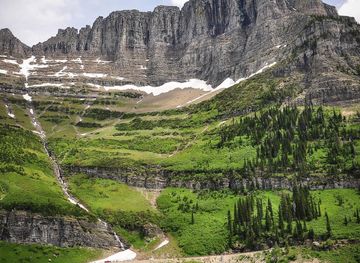
Looking beyond Southeastern Montana? Discover Montana for broader travel guides, local hot-spots, and regional highlights.
Explore MontanaSoutheastern Montana in Photos
Browse through our photo collection highlighting the charm and character of the destination.





Discover the Untamed Beauty of Southeastern Montana
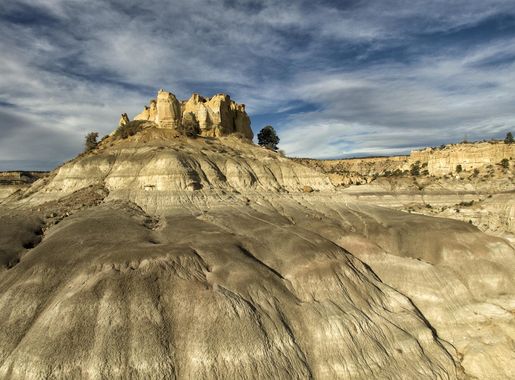
Southeastern Montana offers a unique blend of natural beauty and rich history. This part of the state is home to the Little Bighorn Battlefield National Monument, where you can learn about the famous battle between the U.S. Army and the Lakota Sioux and Cheyenne warriors. The site provides a deep dive into the history and culture of the Native American tribes and their resilience. The region is also known for its scenic landscapes. The vast plains, rolling hills, and pristine rivers make it a paradise for outdoor enthusiasts. Whether you enjoy hiking, fishing, or simply soaking in the serene environment, Southeastern Montana has something for everyone. The Powder River and Yellowstone River offer excellent opportunities for fishing and boating. For those interested in paleontology, the area is rich in dinosaur fossils. The Montana Dinosaur Trail features several museums and dig sites where you can see fossils up close and even participate in digs. This makes Southeastern Montana a fascinating destination for families and anyone interested in the ancient past.