
The Hi-Line, Montana Travel Guide
Discover the serene landscapes, rich Native American heritage, and outdoor adventures of The Hi-Line in Montana, a scenic route brimming with history and natural beauty.
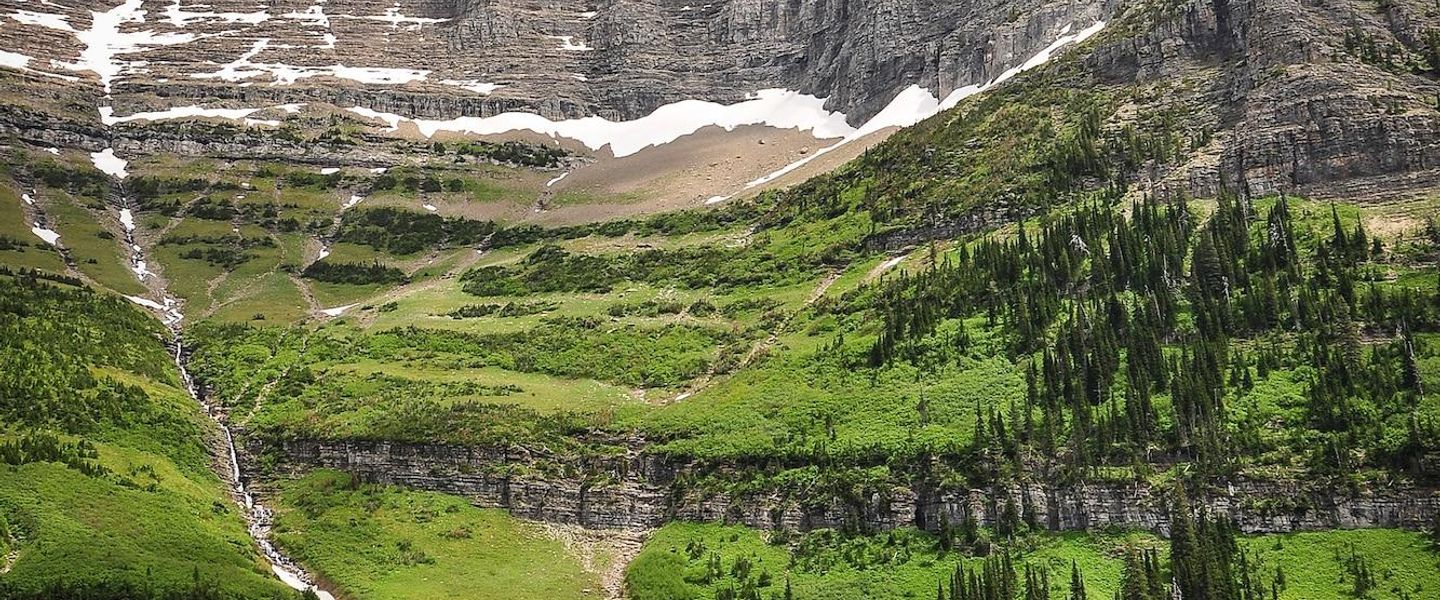
Stretching across the northernmost part of Montana, The Hi-Line is a scenic and serene destination that offers a unique blend of history, culture, and natural beauty. This area, named after the historic Great Northern Railway route, is characterized by wide-open spaces, rolling prairies, and charming small towns. Travelling along U.S. Highway 2, visitors will be captivated by the unspoiled landscapes and the sense of tranquility that defines this region. The Hi-Line is rich in Native American heritage, and visitors can explore several reservations and cultural centers to learn about the traditions and history of the indigenous tribes. The Fort Peck Indian Reservation and the Blackfeet Indian Reservation are notable stops where one can experience authentic cultural events and purchase handmade crafts. Nature enthusiasts will find plenty to love in The Hi-Line. The region is home to various wildlife refuges, such as the Bowdoin National Wildlife Refuge, which provides excellent opportunities for birdwatching and photography. Fishing, hiking, and camping are popular activities at the many lakes and state parks that dot the landscape. For a more adventurous outing, head to the rugged Sweet Grass Hills or the Missouri River for breathtaking views and outdoor recreation. The Hi-Line is also steeped in historical significance. Fort Peck Dam and the associated Fort Peck Interpretive Center offer insights into the area's pivotal role during the New Deal era. The Dinosaur Trail, which includes the Great Plains Dinosaur Museum in Malta, is a must-visit for paleontology enthusiasts, showcasing fossils and exhibits from the region's prehistoric past. Whether you're seeking a peaceful retreat, an educational journey, or an outdoor adventure, The Hi-Line in Montana promises a memorable and enriching experience. Its vast, open skies and friendly communities make it a hidden gem waiting to be discovered.

Know before you go
Hi, I'm Eve. Here are a few practical things to know before exploring The Hi-Line.
- Visit the Fort Peck Interpretive Center to learn about the history and construction of the Fort Peck Dam.
- Plan your trip during the summer to enjoy local festivals and cultural events hosted by Native American communities.
- Bring binoculars for birdwatching at the Bowdoin National Wildlife Refuge.
- Stop by the small towns along U.S. Highway 2 to experience local hospitality and unique shops.
- Check the weather forecast before heading to the Sweet Grass Hills, as conditions can change rapidly.
Top City Travel Guides in The Hi-Line
The cities of The Hi-Line, and the easiest places to base yourself.




Destinations in The Hi-Line
Resorts, valleys and scenic spots worth a trip of their own.


Explore The Hi-Line: Things to Do, Places to Eat, Hotels & More
Handpicked recommendations for top attractions, local dining, accommodations, and more

Top Attractions & Sightseeing in The Hi-Line
Top-rated picks
Best Attractions

Lewis & Clark Caverns State Park
Discover the stunning natural beauty and geological wonders at Lewis & Clark Caverns State Park, a treasure in Montana's wilderness.

Old Montana Prison & Auto Museum Complex
Explore the Old Montana Prison & Auto Museum Complex in Deer Lodge, where history and vintage automobiles converge for an unforgettable experience.

Montana Vortex and House of Mystery
Explore the Montana Vortex and House of Mystery, where science meets the supernatural in a stunning natural landscape.

Grant-Kohrs Ranch National Historic Site
Discover the legacy of American ranching at Grant-Kohrs Ranch National Historic Site in Montana, where history and nature intertwine beautifully.

Best restaurants in The Hi-Line
Top-rated picks
Best Restaurants

Montana Ale Works
Experience authentic American flavors paired with local craft beers at Montana Ale Works - a culinary gem in Bozeman's vibrant dining scene.

The Buffalo Bar
Discover delicious American cuisine at The Buffalo Bar in West Yellowstone, where great food meets lively entertainment in an inviting atmosphere.

Shellie's Country Cafe
Experience the heartwarming flavors of American comfort food at Shellie's Country Cafe in Helena - where family dining meets local charm.

The Montana Club Restaurant
Experience the essence of American dining at The Montana Club Restaurant in Kalispell - family-friendly ambiance meets delectable cuisine.

Best nightclubs in The Hi-Line
Top-rated picks
Best Nightclubs

Daisy Dukes Saloon and Dance Hall
Discover the lively atmosphere at Daisy Dukes Saloon and Dance Hall, where great music, dancing, and drinks come together for an unforgettable night out in Billings.

High Country Club
Experience the local charm and lively entertainment at High Country Club, Stevensville's favorite bar for drinks and karaoke nights.

Harry's Nite Club
Experience the vibrant nightlife at Harry's Nite Club in Wolf Point, Montana – a lively spot for music, dancing, and unforgettable memories.

Best shops in The Hi-Line
Top-rated picks
Best Shops

Holiday Village Mall
Shop, dine, and explore the vibrant experience at Holiday Village Mall in Great Falls, Montana, a must-visit destination for every traveler.

North 40 Outfitters
Discover the ultimate shopping experience at North 40 Outfitters, your go-to destination for outdoor gear, clothing, and western apparel in Great Falls, Montana.

Ashley Store
Explore the Ashley Store in Great Falls for a vast selection of stylish home furnishings and decor that elevate every space.

Hobby Lobby
Explore an extensive selection of craft supplies, fabrics, and home decor at Hobby Lobby in Great Falls, Montana, your creative paradise.

Explore The Hi-Line on the Map
A handpicked selection of must-see spots in The Hi-Line, mapped for you.
The Hi-Line Essentials
-
The Hi-Line in Montana stretches along U.S. Highway 2, running from the North Dakota border to the foothills of the Rocky Mountains. The nearest major airports are Great Falls International Airport (GTF) and Glacier Park International Airport (FCA) in Kalispell. From these airports, you can rent a car or take a bus to reach various points along the Hi-Line. Amtrak's Empire Builder train also serves several towns along the Hi-Line, providing a scenic and convenient travel option.
-
While traveling the Hi-Line, a car is the most convenient mode of transportation due to the region's vast distances and rural nature. Car rental services are available at major airports and towns. For those preferring public transport, the Amtrak Empire Builder train stops at several towns, including Havre, Malta, and Glasgow. Local buses and shuttles are limited, so plan accordingly. Bicycling is also an option for the adventurous, but be prepared for long stretches between towns.
-
The currency used is the U.S. Dollar (USD). Credit and debit cards are widely accepted in most towns along the Hi-Line, but it's advisable to carry some cash for smaller establishments, local diners, and rural areas where card payment may not be available. ATMs can be found in larger towns like Havre and Glasgow, but they may be scarce in smaller communities.
-
The Hi-Line is generally a safe destination for tourists. However, standard safety precautions should be taken. Avoid walking alone at night in unfamiliar areas and keep your belongings secure. There are no specific high-crime areas targeting tourists, but it's always best to stay vigilant and aware of your surroundings.
-
In case of emergency, dial 911 for immediate assistance. The towns along the Hi-Line typically have local police, fire departments, and medical facilities. Havre, being one of the larger towns, has a hospital with emergency services. It's advisable to have travel insurance that covers medical emergencies. For minor health issues, pharmacies are available in most towns.
-
Fashion: Do dress comfortably and in layers, as weather can be unpredictable. Don't wear overly flashy or revealing clothing in rural areas. Religion: Do respect local customs and traditions. Many communities have strong religious ties, so be respectful when visiting places of worship. Public Transport: Do be courteous and patient, as rural public transport services may be infrequent. Don't expect the same level of service as in urban areas. Greetings: Do greet people with a friendly 'hello' or 'hi.' A handshake is also common, especially in more formal settings. Eating & Drinking: Do try local specialties and engage with locals at diners and cafes. Don't leave without tipping, as it is customary to tip service staff.
-
To experience the Hi-Line like a local, visit farmers markets and local fairs, especially during the summer months. Engage in conversations with locals; they are often friendly and willing to share stories about their community and history. Don't miss the opportunity to explore historical sites such as the Havre Underground and various Native American reservations. For a unique experience, consider staying at a ranch or farm stay to get a taste of rural Montana life.
When is the best time to visit The Hi-Line?
Useful Local Phrases for The Hi-Line
You don't need to speak the language perfectly. Even learning a few simple words can make conversations warmer—and locals usually appreciate the effort.
— Eve

Here are the phrases I use most often in The Hi-Line. Try a few—you'll be surprised how far they go! 😊
❤️
-
- HelloHowdy
[haʊdi] - GoodbyeSee ya
[si jɑ] - YesYup
[jʌp] - NoNope
[noʊp] - Please/You're welcomeSure thing
[ʃʊr θɪŋ] - Thank youThanks a bunch
[θæŋks ə bʌnʧ] - Excuse me/SorryPardon me
[ˈpɑrdən mi] - How are you?How ya doin'?
[haʊ jə ˈduɪn] - Fine. And you?Good. And you?
[ɡʊd. ənd ju] - Do you speak English?You speakin' English?
[ju ˈspikɪn ˈɪŋɡlɪʃ] - I don't understandI ain't gettin' it
[aɪ eɪnt ˈɡɛtɪn ɪt]
- HelloHowdy
-
- I'd like to see the menu, pleaseCan I see the menu?
[kæn aɪ si ðə ˈmɛnju] - I don't eat meatI ain't eatin' meat
[aɪ eɪnt ˈitɪn mit] - Cheers!Cheers!
[ʧɪrz] - I would like to pay, pleaseCan I get the check?
[kæn aɪ ɡɛt ðə ʧɛk]
- I'd like to see the menu, pleaseCan I see the menu?
-
- Help!Help!
[hɛlp] - Go away!Get lost!
[ɡɛt lɔst] - Call the Police!Call 911!
[kɔl naɪn wʌn wʌn] - Call a doctor!Get a doc!
[ɡɛt ə dɑk] - I'm lostI’m turned around
[aɪm tɜrnd əˈraʊnd] - I'm illI ain't feelin' well
[aɪ eɪnt ˈfilɪn wɛl]
- Help!Help!
-
- I'd like to buy...I wanna buy...
[aɪ ˈwɑnə baɪ] - I'm just lookingJust browsin'
[dʒʌst ˈbraʊzɪn] - How much is it?What’s the price?
[wʌts ðə praɪs] - That's too expensiveThat's a bit steep
[ðæts ə bɪt stip] - Can you lower the price?Can ya cut the price?
[kæn jə kʌt ðə praɪs]
- I'd like to buy...I wanna buy...
-
- What time is it?What time ya got?
[wʌt taɪm jə ɡɑt] - It's one o'clockIt's one
[ɪts wʌn] - Half past (10)Half past ten
[hæf pæst tɛn] - MorningMornin'
[ˈmɔrnɪn] - AfternoonAfternoon
[ˌæftərˈnun] - EveningEvenin'
[ˈivnɪn] - YesterdayYesterday
[ˈjɛstərdeɪ] - TodayToday
[təˈdeɪ] - TomorrowTomorrow
[təˈmɔroʊ] - 1One
[wʌn] - 2Two
[tu] - 3Three
[θri] - 4Four
[fɔr] - 5Five
[faɪv] - 6Six
[sɪks] - 7Seven
[ˈsɛvən] - 8Eight
[eɪt] - 9Nine
[naɪn] - 10Ten
[tɛn]
- What time is it?What time ya got?
-
- Where's a/the...?Where's the...?
[wɛrz ðə] - What's the address?What’s the address?
[wʌts ði əˈdrɛs] - Can you show me (on the map)?Can ya point it out?
[kæn jə pɔɪnt ɪt aʊt] - When's the next (bus)?When's the next bus?
[wɛn z ðə nɛkst bʌs] - A ticket (to ....)A ticket to...
[ə ˈtɪkɪt tu]
- Where's a/the...?Where's the...?
History of The Hi-Line
-
The Hi-Line in Montana owes much of its history and development to the Great Northern Railway. Established by James J. Hill in the late 19th century, the railway was a critical infrastructure project that connected the Midwest to the Pacific Northwest. This railway line, which runs parallel to present-day U.S. Highway 2, became the lifeblood of the region, fostering settlements and economic growth. The introduction of the railway also facilitated the movement of goods and people, significantly impacting the cultural and social landscape of Montana's Hi-Line.
-
The passage of the Enlarged Homestead Act of 1909 encouraged thousands of settlers to move to the Hi-Line region, offering them 320-acre plots of land. This period saw a surge in agricultural development, as new settlers established farms and communities. Towns like Havre, Shelby, and Malta began to flourish as central hubs for these farming communities. The architecture and layout of these towns still reflect the optimistic spirit of early 20th-century homesteaders.
-
Before the arrival of European settlers, the Hi-Line region was inhabited by various Native American tribes, including the Blackfeet, Assiniboine, and Gros Ventre. These tribes have a rich cultural heritage that continues to influence the region today. The Hi-Line is home to several reservations, including the Fort Belknap and Rocky Boy's Reservations. Visitors can explore Native American history through museums, cultural centers, and annual powwows that celebrate indigenous traditions and customs.
-
Established in 1879, Fort Assinniboine was one of the largest military forts in the United States, covering over 700,000 acres. Located near present-day Havre, the fort played a crucial role in the Indian Wars, serving as a strategic military post. Today, visitors can tour the remnants of the fort, including original buildings and the museum, which offers insights into the military history of the region. The fort's history is a poignant reminder of the complex relationships between the U.S. government and Native American tribes.
-
During World War II, the Hi-Line region became a significant area for military training and operations. The Glasgow Army Airfield, established in 1942, served as a training base for bomber crews. Additionally, the region was dotted with prisoner of war camps, housing German and Italian POWs who worked on local farms and infrastructure projects. The impact of the war period is still evident in the local culture and history, with numerous memorials and museums dedicated to this era.
-
The Hi-Line boasts a vibrant cultural scene, with numerous festivals and events that celebrate its diverse heritage. One of the most notable is the Milk River Indian Days, which takes place on the Fort Belknap Reservation and features traditional Native American dances, music, and crafts. Another popular event is the Montana State Fair in Great Falls, which showcases the agricultural prowess of the region along with entertainment and exhibitions. These events provide a unique glimpse into the cultural fabric of the Hi-Line.
Neighbouring Regions of The Hi-Line
The closest regions to The Hi-Line, if you have time for more than one.




Your all‑in‑one travel companion app
Explore expert travel guides, compare and book tours, experiences, hotels, and more—all from the palm of your hand. Download now for seamless trip planning wherever your wanderlust takes you.


Explore More of Montana
Looking beyond The Hi-Line? Discover Montana for broader travel guides, local hot-spots, and regional highlights.
Explore MontanaThe Hi-Line in Photos
Browse through our photo collection highlighting the charm and character of the destination.

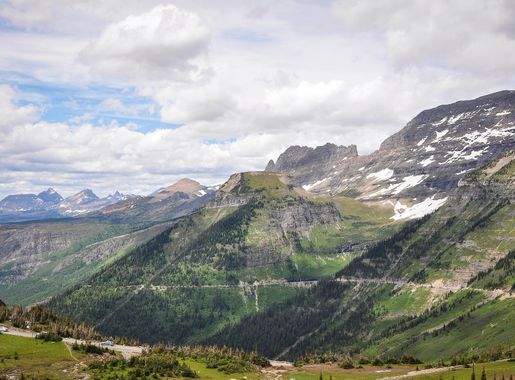


Exploring the Vast Beauty of The Hi-Line in Montana
Stretching across the northernmost part of Montana, The Hi-Line is a scenic and serene destination that offers a unique blend of history, culture, and natural beauty. This area, named after the historic Great Northern Railway route, is characterized by wide-open spaces, rolling prairies, and charming small towns. Travelling along U.S. Highway 2, visitors will be captivated by the unspoiled landscapes and the sense of tranquility that defines this region. The Hi-Line is rich in Native American heritage, and visitors can explore several reservations and cultural centers to learn about the traditions and history of the indigenous tribes. The Fort Peck Indian Reservation and the Blackfeet Indian Reservation are notable stops where one can experience authentic cultural events and purchase handmade crafts. Nature enthusiasts will find plenty to love in The Hi-Line. The region is home to various wildlife refuges, such as the Bowdoin National Wildlife Refuge, which provides excellent opportunities for birdwatching and photography. Fishing, hiking, and camping are popular activities at the many lakes and state parks that dot the landscape. For a more adventurous outing, head to the rugged Sweet Grass Hills or the Missouri River for breathtaking views and outdoor recreation. The Hi-Line is also steeped in historical significance. Fort Peck Dam and the associated Fort Peck Interpretive Center offer insights into the area's pivotal role during the New Deal era. The Dinosaur Trail, which includes the Great Plains Dinosaur Museum in Malta, is a must-visit for paleontology enthusiasts, showcasing fossils and exhibits from the region's prehistoric past. Whether you're seeking a peaceful retreat, an educational journey, or an outdoor adventure, The Hi-Line in Montana promises a memorable and enriching experience. Its vast, open skies and friendly communities make it a hidden gem waiting to be discovered.