

Free Banjani Travel Guide & Mobile App
Explore Banjani with free travel guides. Discover regional history, expert tips, proposed trips, and audio guides on web or mobile app.


Explore Banjani in western Montenegro for karst landscapes, Crvena Stijena archaeology, Orthodox heritage and quiet rural roads near Nikšić.
Read more about Banjani
When is the best time to visit Banjani?
Best: June–August · 24–26°C| Month | High (°C) | Rainfall (mm) |
|---|---|---|
| January | 4 | 80 |
| February | 6 | 70 |
| March | 10 | 60 |
| April | 14 | 70 |
| May | 20 | 80 |
| June (best) | 24 | 60 |
| July (best) | 26 | 50 |
| August (best) | 26 | 50 |
| September | 22 | 60 |
| October | 16 | 70 |
| November | 9 | 80 |
| December | 5 | 90 |
Getting to and around Banjani
How to get there
Transportation
Best attractions in Banjani
Banjani’s attractions are concentrated in archaeology, rural heritage and the character of its karst landscape rather than in large visitor complexes. Crvena Stijena near Petrovići is the region’s principal archaeological focus, offering insight into repeated human occupation of a cave over prehistoric periods. Kosijerevo Monastery provides a contrasting experience, with Orthodox religious heritage set within a sparsely settled interior. Around the villages, visitors can look for traditional stone houses, dry-stone walls, old churches, family cemeteries and seasonal pasture landscapes, though these are living or fragile places rather than curated open-air museums. The roads towards Vilusi and the surrounding uplands are suited to slow scenic touring, photography and short walks, while longer hikes require local planning because waymarking, water and shade are limited. Banjani is particularly rewarding for visitors interested in Montenegro’s tribal history, geology, archaeology and rural depopulation. It should not be approached as a conventional activity destination, and many experiences depend on weather, road conditions and prior arrangements rather than fixed daily programming.
-
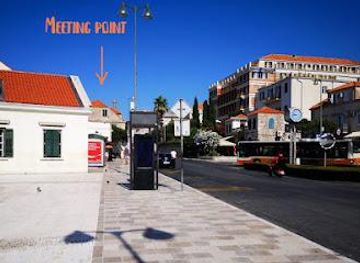
Sightseeing tour agency
Dubrovnik Walks
Discover the magic of Dubrovnik with expertly guided tours that explore its rich history, breathtaking scenery, and hidden gems along the Adriatic coast.
-
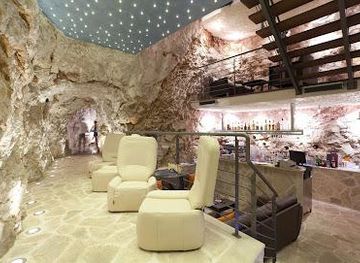
Bar
Cave Bar More
Discover the enchanting Cave Bar More in Dubrovnik, where stunning sea views and a unique cave atmosphere create an unforgettable bar experience.
-
 Hotel
HotelAman Sveti Stefan
Experience unparalleled luxury and natural beauty at Aman Sveti Stefan, a stunning island resort in Montenegro's Adriatic Sea.
-
History museum
Red History Museum
Explore Croatia's tumultuous past at the Red History Museum, where history comes alive through engaging exhibits in the heart of Dubrovnik.

Best landmarks in Banjani
Crvena Stijena near Petrovići is Banjani’s defining archaeological landmark: the cave’s red-rock setting and extensive evidence of prehistoric occupation make it important to both regional heritage and the study of human settlement in the Balkans. Kosijerevo Monastery is the area’s most recognisable religious landmark. The monastery was moved to its present location in Petrovići after the original site was affected by the creation of the Bileća reservoir, an episode that links Orthodox heritage with the twentieth-century transformation of the wider region. Elsewhere, Banjani’s landmarks are dispersed and understated: small Orthodox churches, family cemeteries, dry-stone enclosures and traditional stone houses document generations of settlement in a demanding karst environment. The open limestone uplands themselves are also a geographical landmark, defined by sinkholes, bare ridges and scattered pasture rather than by a single dramatic summit or urban monument. These places are best understood in relation to the region’s tribal history, seasonal movement and gradual depopulation.
-
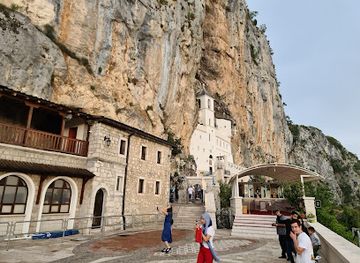
Monastery
Ostrog Orthodox Monastery
Explore the breathtaking Ostrog Orthodox Monastery, a spiritual haven nestled in the cliffs of Montenegro, offering stunning views and rich history.
-
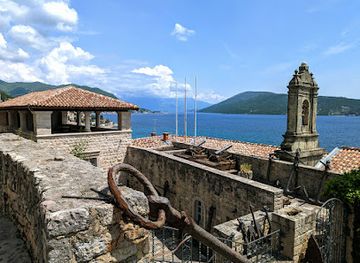
Historical landmark
Old Town
Experience the rich history and stunning landscapes of Old Town Herceg Novi, a must-visit destination in Montenegro's coastal paradise.
-
National park
Durmitor National Park
Discover Durmitor National Park, a UNESCO World Heritage Site in Montenegro, known for its stunning landscapes, rich biodiversity, and outdoor adventures.
-
National park
Lovćen National Park
Discover the stunning landscapes, rich biodiversity, and cultural heritage of Lovćen National Park in Montenegro, a must-visit for every nature lover.
Explore Banjani on the map
Plan your trip on one map. See where the top cities, national parks and sights are, and book hotels and experiences in a few clicks.
Best hotels in Banjani
Best restaurants in Banjani
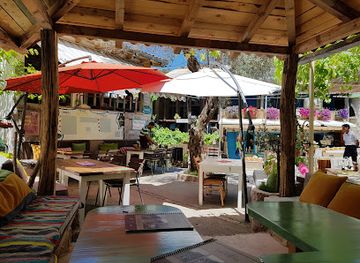
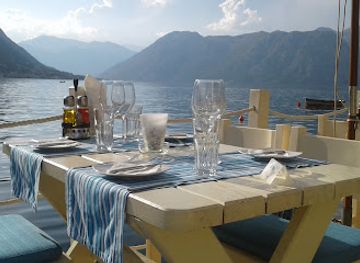
Dining in Banjani is primarily domestic and rural, with few established restaurant options spread across the historic region. Visitors should plan substantial meals and provisions in Nikšić or in larger settlements on the approach, then look for food by arrangement at rural accommodation or local establishments rather than expecting a continuous restaurant scene. The culinary background is typical of Montenegro’s western highlands: smoked and cured meats, local cheeses, potatoes, bread, beans, seasonal vegetables and grilled meat feature more often than elaborate regional specialities. Homemade preserves, honey and strong coffee may appear in village settings, while simple roadside meals are more likely near the main routes than on minor roads. The area is not known for a sharply distinct cuisine separate from Montenegro’s broader highland food culture, but its pastoral landscape gives dairy products, preserved meats and hearty, practical cooking particular relevance. Always confirm availability ahead of time when travelling beyond Nikšić.
-
Restaurant
BBQ Tanjga
Savor the best grilled delights at BBQ Tanjga in Kotor, Montenegro - where flavor meets stunning coastal views.
-
Restaurant
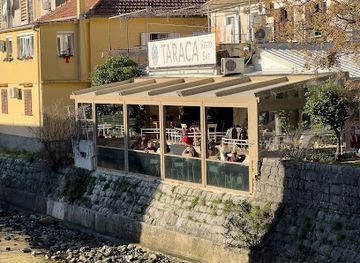
Restobar Taraca
Experience vibrant vegan cuisine and refreshing juices at Restobar Taraca in Dobrota - a must-visit culinary destination on your Montenegrin adventure.
-
Restaurant
Konoba Bedem
Experience authentic Montenegrin cuisine at Konoba Bedem in Stari Bar – where every meal tells a story.
-
Restaurant
Konoba Portun
Experience authentic Montenegrin cuisine at Konoba Portun in Dobrota—where every dish tells a story against breathtaking coastal views.
Best bars in Banjani
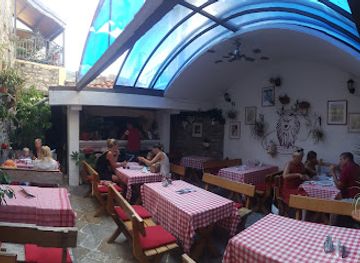
Banjani has no concentrated nightclub district and very little conventional nightlife. Evening life is generally associated with private homes, occasional local gatherings, rural accommodation and small cafés or hospitality businesses near the main roads. Visitors seeking a wider choice of bars, cafés and evening restaurants should stay in Nikšić, outside the historic Banjani area, where the town’s student, working and social life creates a more dependable night-time scene. In Banjani itself, the appeal lies in quiet evenings, dark skies and conversation rather than late opening hours or organised entertainment. If visiting a village gathering or accepting hospitality, behave respectfully and do not assume that an informal social occasion is a public event. Drivers should also avoid drinking before using the region’s winding roads.
-
Cocktail bar
The Nitrox Pub & Eatery
Discover the vibrant cocktail culture at The Nitrox Pub & Eatery, a must-visit bar in Kotor's historic old town.
-
Bar
Casper Bar
Experience the vibrant atmosphere and unique drinks of Casper Bar in Budva, Montenegro, perfect for tourists seeking relaxation and fun.
-
Historical place museum
Old Town Bar
Explore the rich history and stunning architecture of Old Town Bar, a captivating landmark in Montenegro's coastal beauty.
-
Bar
Horizont Bar
Discover the stunning views and exquisite cuisine at Horizont Bar, a must-visit destination in Cetinje, Montenegro.

Best nightclubs in Banjani
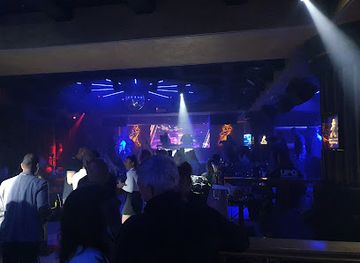
Banjani has no concentrated nightclub district and very little conventional nightlife. Evening life is generally associated with private homes, occasional local gatherings, rural accommodation and small cafés or hospitality businesses near the main roads. Visitors seeking a wider choice of bars, cafés and evening restaurants should stay in Nikšić, outside the historic Banjani area, where the town’s student, working and social life creates a more dependable night-time scene. In Banjani itself, the appeal lies in quiet evenings, dark skies and conversation rather than late opening hours or organised entertainment. If visiting a village gathering or accepting hospitality, behave respectfully and do not assume that an informal social occasion is a public event. Drivers should also avoid drinking before using the region’s winding roads.
-
Night club
Omnia
Discover the electrifying nightlife at Omnia in Budva, Montenegro, where unforgettable experiences and vibrant music await every night.
-
Jazz
Jazz Club Evergreen
Experience the enchanting rhythms of Jazz Club Evergreen, where Kotor's vibrant nightlife meets world-class jazz performances.
-
Night club
People's
Discover the lively nightlife at People's Beach Bar in Herceg Novi, a perfect blend of cocktails, music, and stunning Adriatic views.
-
Night club
Premium Palazzo night club
Unleash your night at Premium Palazzo Night Club, the heartbeat of Budva's nightlife with electrifying music and unforgettable experiences.


Best shops in Banjani
Shopping in Banjani is limited and practical rather than retail-focused. The most reliable place to buy food, fuel, cash and everyday supplies is Nikšić, outside the historic region, while small village shops and roadside businesses cannot be assumed to be open or fully stocked. Visitors may encounter locally produced cheese, honey, preserves, smoked meat or seasonal produce through rural hosts or informal direct sales, but availability depends on the household and season. Traditional woollen goods, carved items and other regional handicrafts are more likely to be found through personal connections or specialist outlets elsewhere in Montenegro than in a dedicated Banjani shopping street. Suitable souvenirs include locally made food products purchased responsibly, books about Montenegro’s archaeology or tribal history, and small craft items from established sellers. Do not remove stones, archaeological fragments or objects from churches, cemeteries or abandoned buildings.
-
Shopping mall
TQ Plaza
Explore TQ Plaza in Budva, Montenegro – your ultimate shopping and dining destination with a blend of local charm and international flair.
-
Shopping mall
Shopping Centre Kamelija
Explore a world of shopping and dining at Shopping Centre Kamelija, Kotor's premier shopping destination for tourists.
-
Shopping mall
Mall of Montenegro
Discover the vibrant shopping experience at Mall of Montenegro in Podgorica, where local charm meets international brands.
-
Shopping mall
HDL Novi Mall
Experience the best of shopping, dining, and entertainment at HDL Novi Mall in Sutorina, Montenegro.

Get your free copy of our complete guide to Banjani, delivered straight to you.
Everything on this page, from attractions and restaurants to essentials and local phrases, in one PDF you can read offline, print or share.
Already have an account? Sign in
Your Banjani guide is ready.
We'll send it to · Not you? Sign out

Getting your guide ready…
We are putting together a fresh copy of the Banjani guide. This can take up to a minute.
This can take a few moments. If your browser asks, choose Allow so the download can start. You'll find the guide in your Downloads folder.
Nothing happened? Download it again
Sorry, the guide is taking longer than usual. Please try again in a minute, or get it by email instead.
Banjani essentials
Currency and Payment
Safety
Emergency Situations
Do's and Don'ts
Local Tips
From Eve
Local phrases worth knowing
You don't need to get them perfect. A few words go a long way, and locals appreciate the effort.
Basics
| English | Local | Say it |
|---|---|---|
| Hello | Zdravo | [zdrah-vo] |
| Goodbye | Doviđenja | [doh-vee-jen-yah] |
| Yes | Da | [dah] |
| No | Ne | [neh] |
| Please/You're welcome | Molim | [moh-leem] |
| Thank you | Hvala | [hvah-lah] |
| Excuse me/Sorry | Izvinite | [eez-vee-nee-teh] |
| How are you? | Kako ste? | [kah-koh steh] |
| Fine. And you? | Dobro. A vi? | [doh-broh. ah vee] |
| Do you speak English? | Da li govorite engleski? | [dah lee goh-vor-ee-teh en-gle-skee] |
| I don't understand | Ne razumem | [neh rah-zoo-mehm] |
Eating & Drinking
| English | Local | Say it |
|---|---|---|
| I'd like to see the menu, please | Hteo bih da vidim meni, molim | [hteh-oh beeh dah vee-deem meh-nee, moh-leem] |
| I don't eat meat | Ne jedem meso | [neh yeh-dem meh-so] |
| Cheers! | Živeli! | [zhee-veh-lee] |
| I would like to pay, please | Hteo bih da platim, molim | [hteh-oh beeh dah plah-teem, moh-leem] |
Emergencies
| English | Local | Say it |
|---|---|---|
| Help! | Upomoć! | [oo-poh-mohtch] |
| Go away! | Odlazi! | [oh-dlah-zee] |
| Call the Police! | Pozovite policiju! | [poh-zoh-vee-teh poh-lee-tsee-yoo] |
| Call a doctor! | Pozovite doktora! | [poh-zoh-vee-teh doh-ktoh-rah] |
| I'm lost | Izgubio sam se | [eez-goo-bee-oh sahm seh] |
| I'm ill | Bolestan sam | [boh-leh-stahn sahm] |
Shopping
| English | Local | Say it |
|---|---|---|
| I'd like to buy... | Hteo bih da kupim... | [hteh-oh beeh dah koo-peem] |
| I'm just looking | Samo gledam | [sah-mo gled-am] |
| How much is it? | Koliko košta? | [koh-lee-koh koh-shtah] |
| That's too expensive | To je preskupo | [toh yeh preh-skoo-poh] |
| Can you lower the price? | Možete li smanjiti cenu? | [moh-zheh-teh lee sman-yee-tee tseh-noo] |
Time & Numbers
| English | Local | Say it |
|---|---|---|
| What time is it? | Koliko je sati? | [koh-lee-koh yeh sah-tee] |
| It's one o'clock | Jedan je sat | [yeh-dahn yeh saht] |
| Half past (10) | Pola (10) | [poh-lah] |
| Morning | Jutro | [yoo-troh] |
| Afternoon | Popodne | [poh-poh-dneh] |
| Evening | Veče | [veh-cheh] |
| Yesterday | Juče | [yoo-cheh] |
| Today | Danas | [dah-nahs] |
| Tomorrow | Sutra | [soo-trah] |
| 1 | Jedan | [yeh-dahn] |
| 2 | Dva | [dva] |
| 3 | Tri | [tree] |
| 4 | Četiri | [cheh-tee-ree] |
| 5 | Pet | [peht] |
| 6 | Šest | [shest] |
| 7 | Sedam | [seh-dahm] |
| 8 | Osam | [oh-sahm] |
| 9 | Devet | [deh-vet] |
| 10 | Deset | [deh-set] |
Transport & Directions
| English | Local | Say it |
|---|---|---|
| Where's a/the...? | Gde je...? | [gdeh yeh] |
| What's the address? | Koja je adresa? | [koh-yah yeh ah-dreh-sah] |
| Can you show me (on the map)? | Možete li mi pokazati (na mapi)? | [moh-zheh-teh lee mee poh-kah-zah-tee (nah mah-pee)] |
| When's the next (bus)? | Kada je sledeći (autobus)? | [kah-dah yeh sleh-deh-chee (ow-toh-boos)] |
| A ticket (to ....) | Jedna karta (do ...) | [yeh-dnah kar-tah (doh ...)] |
History of Banjani
Crvena Stijena and the deep human past
Crvena Stijena, or Red Rock Cave, near Petrovići is one of the most important archaeological sites associated with Banjani. Excavations have identified a long sequence of human occupation beginning in the Palaeolithic and continuing through later prehistoric phases. The cave’s deposits provide evidence for changing technologies, environments and patterns of habitation in the inland karst of the eastern Adriatic hinterland. Its significance lies not in a single event but in the continuity of human use over a vast span of time, making it a key place for understanding the earliest settlement history of Montenegro and the wider Balkan region.
Medieval frontier settlements
During the Middle Ages, the wider Banjani area lay within a shifting zone of influence linking the coastal hinterland, the Zeta region, the Trebinje area and the interior Balkans. Authority was exercised through changing states, local lords and ecclesiastical institutions rather than through a single enduring political structure. Churches, burial grounds and settlement traces preserve fragments of this period, although the region’s later tribal identity should not be projected unchanged into the medieval past. Its upland position, limited arable land and routes across the karst helped shape a society accustomed to movement, pastoralism and defensive self-reliance.
The formation of the Banjani tribal community
Banjani became recognised as one of the historical tribal communities of old Montenegro and neighbouring Herzegovinian borderlands. The tribal system was not a modern administrative government but a network of kinship, customary authority, shared territory and collective obligations. Extended families and brotherhoods occupied scattered villages and seasonal pasturelands, while local churches and cemeteries helped reinforce community identity. Over time, migration, intermarriage and shifting political borders made the population more complex than a simple tribal label suggests. Nevertheless, the name Banjani remains important in regional memory and in the genealogy of many families from western Montenegro.
Ottoman-era borderland life
For centuries, Banjani existed within the unstable borderlands between Ottoman territories and the Montenegrin and Herzegovinian communities that resisted or negotiated with Ottoman authority. The area experienced raids, local alliances, tribute arrangements and population movements typical of a militarised frontier. Its sparse settlements and difficult terrain offered advantages for defence but made agriculture precarious. The political history was therefore experienced locally through security, pastoral access, family networks and control of routes rather than only through distant imperial decisions. This frontier inheritance contributed to the region’s strong traditions of communal organisation and migration.
Montenegrin state consolidation in the nineteenth century
During the nineteenth century, the political position of Banjani became increasingly connected with the expansion and consolidation of the Montenegrin state. Conflicts involving Montenegro and the Ottoman Empire altered borders and encouraged the incorporation of neighbouring highland communities into a more centralised national framework. Administrative institutions, military obligations and state law gradually supplemented older customary structures. The process was uneven, and local loyalties remained important, but the period laid foundations for Banjani’s place within modern Montenegro. Many village churches, family histories and memorial traditions recall the era’s warfare, alliances and demographic upheavals.
Modern depopulation and a changing rural economy
In the twentieth century, Banjani was affected by the wider rural transformation of Montenegro: mechanisation, improved education, industrial employment and migration drew residents towards Nikšić and larger towns, as well as abroad. Small-scale livestock keeping and subsistence agriculture declined, leaving many settlements with seasonal rather than permanent populations. Roads improved access but did not reverse the demographic trend. Today, abandoned or lightly used houses, stone walls, pastureland and family cemeteries reveal this transition. Archaeological research and heritage interest have added a new reason to visit, while the living landscape remains closely linked to the communities who maintain family connections there.
Neighbouring regions of Banjani
The closest regions to Banjani, if you have time for more than one.
-

-

-

-

-


Swipe for more regions
Explore more
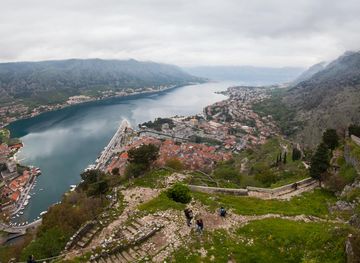
Explore more of Montenegro
Discover Montenegro: A blend of stunning landscapes, rich history, and vibrant culture on the breathtaking Adriatic coast.
Explore Montenegro