

Free Durmitor Travel Guide & Mobile App
Explore Durmitor with free travel guides. Discover regional history, expert tips, proposed trips, and audio guides on web or mobile app.


Explore Durmitor National Park in Montenegro: Home to Europe’s deepest canyon, scenic hiking trails, and rich biodiversity. An outdoor adventure paradise all year round.
Read more about Durmitor
When is the best time to visit Durmitor?
Best: June–August · 19–21°C| Month | High (°C) | Rainfall (mm) |
|---|---|---|
| January | 1 | 60 |
| February | 2 | 55 |
| March | 5 | 50 |
| April | 10 | 45 |
| May | 15 | 40 |
| June (best) | 19 | 35 |
| July (best) | 21 | 30 |
| August (best) | 21 | 30 |
| September | 17 | 35 |
| October | 12 | 40 |
| November | 5 | 50 |
| December | 2 | 55 |
Getting to and around Durmitor
How to get there
Transportation
Destinations in Durmitor
Resorts, valleys and scenic spots worth a trip of their own.
-

-

-

-


Swipe for more destinations
Best attractions in Durmitor
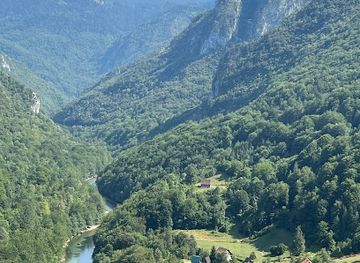
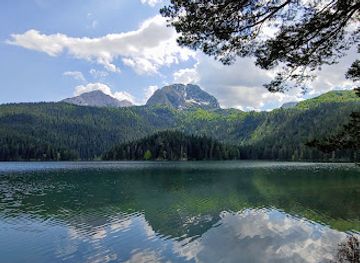
Nestled in the heart of Montenegro, Durmitor National Park is a breathtaking wonderland offering an array of attractions for nature enthusiasts and adventure seekers alike. Visitors can explore the majestic Tara River Canyon, the second deepest canyon in the world, and experience exhilarating white-water rafting or zip-lining over its turquoise waters. Hikers and climbers are drawn to the park's rugged peaks, including the impressive Bobotov Kuk, which offers panoramic views that are nothing short of spectacular. The park's dense pine forests, crystal-clear glacial lakes like the enchanting Black Lake, and abundant wildlife create a serene and picturesque setting perfect for leisurely strolls or more strenuous treks. History buffs will appreciate the ancient medieval tombstones, or stećci, scattered throughout the region, providing a glimpse into the area's rich cultural heritage. Whether it's the thrill of outdoor sports, the tranquility of nature, or the allure of historical intrigue, Durmitor has something to captivate every traveler.
-
Bridge
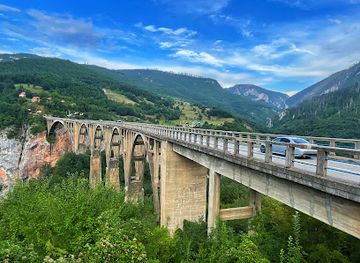
Đurđevića Tara Bridge
Experience breathtaking views and thrilling adventures at Đurđevića Tara Bridge, an iconic landmark in Montenegro's stunning natural landscape.
-
Ski resort
Savin Kuk Ski Center
Discover the thrill of winter sports at Savin Kuk Ski Center, Montenegro's premier skiing destination in the heart of Durmitor National Park.
-
Mountain peak
Bobotov Kuk
Experience the breathtaking beauty of Bobotov Kuk, Montenegro's highest peak, perfect for hiking and exploring nature's wonders.
-
Hiking area
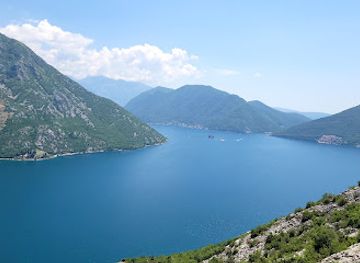
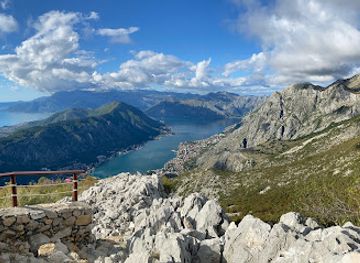
Top Of The Old Kotor Fort Trail
Discover the stunning views and rich history along the Old Kotor Fort Trail, a top hiking destination in Montenegro's breathtaking landscape.

Best landmarks in Durmitor
Nestled within the rugged expanse of Montenegro, Durmitor National Park is a treasure trove of natural and historical wonders that captivate the senses. Visitors can explore the awe-inspiring Tara River Canyon, the deepest canyon in Europe, offering thrilling white-water rafting and breathtaking views from the Đurđevića Tara Bridge. The picturesque Black Lake (Crno Jezero), surrounded by dense coniferous forests and towering peaks, provides an idyllic setting for leisurely hikes and tranquil moments. Ancient glacial lakes, known as 'mountain eyes,' dot the landscape, each with its own unique charm. For history enthusiasts, the medieval monasteries and ancient necropolises scattered across the park reveal Montenegro's rich cultural tapestry. Mountaineers will find the challenge they seek in Bobotov Kuk, the highest peak in the park, while wildlife aficionados can spot rare species like the Balkan lynx and golden eagle. Durmitor's natural beauty, combined with its cultural heritage, makes it an unparalleled destination for adventurers and explorers alike.
-
Monastery
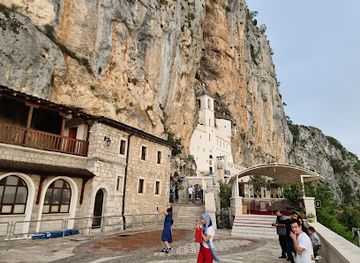
Ostrog Orthodox Monastery
Discover the breathtaking Ostrog Orthodox Monastery, a spiritual haven in Montenegro offering stunning views and rich history.
-
Historical landmark
Old Town
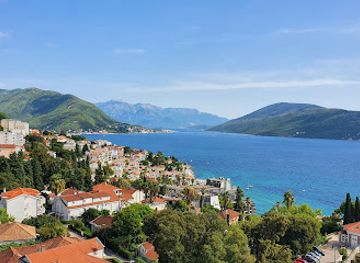
Explore the enchanting Old Town Herceg Novi, a historical landmark with stunning views, rich culture, and charming streets in Montenegro's coastal paradise.
-
National park
Durmitor National Park
Explore the breathtaking landscapes and adventurous activities in Durmitor National Park, Montenegro's natural gem for outdoor enthusiasts and nature lovers.
-
Bridge
Đurđevića Tara Bridge
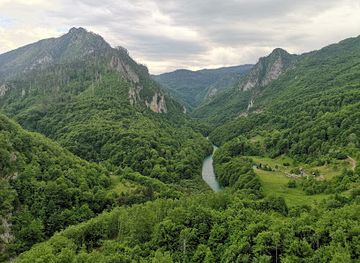
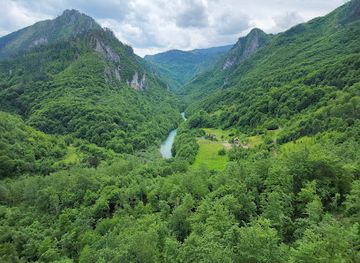
Experience the breathtaking views and rich history of Đurđevića Tara Bridge, an architectural gem in Montenegro's stunning natural landscape.
Explore Durmitor on the map
Plan your trip on one map. See where the top cities, national parks and sights are, and book hotels and experiences in a few clicks.
Best hotels in Durmitor
Best restaurants in Durmitor
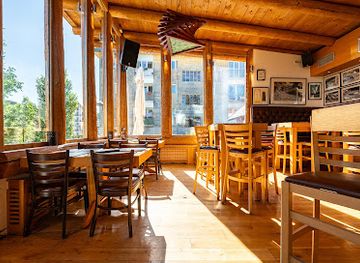
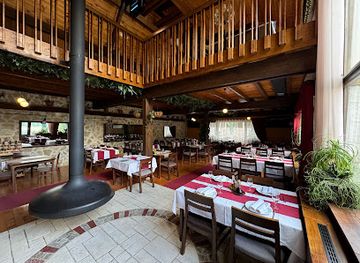
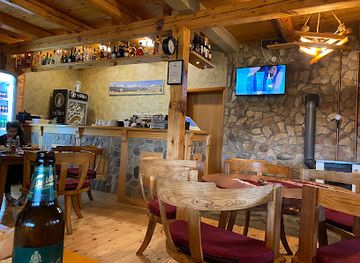
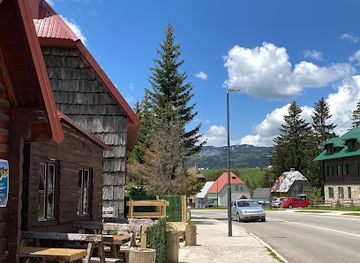
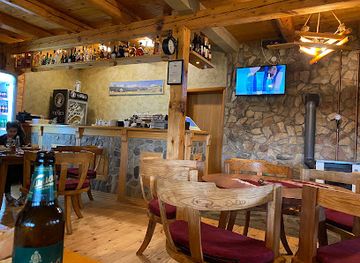
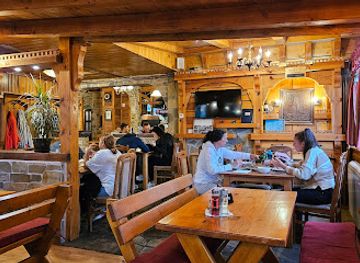
Nestled within the breathtaking landscapes of Durmitor National Park, the dining scene offers an enchanting blend of rustic charm and gourmet delights, where traditional Montenegrin cuisine meets the freshness of locally sourced ingredients. Visitors can expect to indulge in hearty mountain fare, such as succulent lamb slow-cooked under a sač (a metal dome covered with hot coals), savory smoked meats, and rich, creamy kajmak cheese. The region's restaurants, often family-run, exude a warm, inviting atmosphere, with many establishments offering panoramic views of the majestic peaks and pristine lakes. For those with a sweet tooth, don't miss the chance to savor local desserts like priganice, deep-fried dough balls drizzled with honey. Whether you’re dining in a cozy wooden chalet or an open-air terrace under a starlit sky, the culinary offerings of Durmitor promise a memorable and authentic Montenegrin experience.
-
Restaurant
Restaurant Or'O
Experience authentic Montenegrin flavors at Restaurant Or'O in Žabljak - where culinary excellence meets stunning mountain views.
-
Restaurant
Nacionalni restoran Crno jezero
Discover authentic Montenegrin cuisine at Nacionalni restoran Crno jezero, set against stunning natural beauty in Pitomine.
-
Restaurant
Izvor
Discover the flavors of Montenegro at Izvor Restaurant in Žabljak – where local cuisine meets warm hospitality.
-
Restaurant
Krcma Nostalgija
Experience authentic Montenegrin cuisine at Krcma Nostalgija in Žabljak – a culinary delight amidst breathtaking landscapes.
Best bars in Durmitor
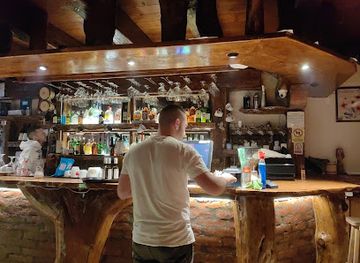
Durmitor's nightlife scene offers an enchanting blend of rustic charm and modern vibrancy, perfect for those seeking an unforgettable evening after a day of exploring the stunning natural landscapes. Visitors can unwind at cozy, intimate bars like Konoba Luna and Pivnica Zabljak, where the warmth of Montenegrin hospitality is matched by a delightful selection of local wines and craft beers. For those looking to dance the night away, Club Arctic is a lively hotspot featuring energetic music and a welcoming atmosphere that attracts both locals and tourists alike. Live music enthusiasts will find a haven in establishments like Pub Kino Durmitor, where talented local bands and musicians perform traditional and contemporary tunes, creating a lively and inviting ambiance. Whether you prefer a quiet drink under the stars or a night of dancing and live entertainment, Durmitor's nightlife promises a captivating experience that complements its breathtaking natural beauty.
-
Restaurant
Nacionalni restoran Crno jezero
Experience the authentic flavors of Montenegro at Nacionalni Restoran Crno Jezero, where local cuisine meets stunning natural beauty.
-
Restaurant
Izvor
Experience authentic Montenegrin cuisine with stunning mountain views at Izvor Restaurant in Žabljak, the heart of Montenegro's natural beauty.
-
Restaurant
Podgora
Discover the flavors of Montenegro at Podgora, a restaurant blending local ingredients and international cuisine in a warm, inviting atmosphere.
-
Bar
Horizont Bar
Discover Horizont Bar in Cetinje – where stunning views meet refreshing drinks in a vibrant atmosphere, perfect for tourists and locals alike.
Best nightclubs in Durmitor
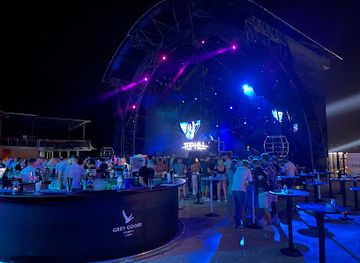
Durmitor's nightlife scene offers an enchanting blend of rustic charm and modern vibrancy, perfect for those seeking an unforgettable evening after a day of exploring the stunning natural landscapes. Visitors can unwind at cozy, intimate bars like Konoba Luna and Pivnica Zabljak, where the warmth of Montenegrin hospitality is matched by a delightful selection of local wines and craft beers. For those looking to dance the night away, Club Arctic is a lively hotspot featuring energetic music and a welcoming atmosphere that attracts both locals and tourists alike. Live music enthusiasts will find a haven in establishments like Pub Kino Durmitor, where talented local bands and musicians perform traditional and contemporary tunes, creating a lively and inviting ambiance. Whether you prefer a quiet drink under the stars or a night of dancing and live entertainment, Durmitor's nightlife promises a captivating experience that complements its breathtaking natural beauty.
-
Disco club
Top Hill
Discover the ultimate nightlife experience at Top Hill, Budva's premier disco club offering breathtaking views and electrifying music.
-
Cafe
Lounge bar Cudna suma
Discover the delightful Lounge Bar Cudna Suma in Žabljak, where delicious cuisine meets breathtaking views, perfect for a relaxing getaway.
-
Bar
The Clubhouse
Discover vibrant nightlife and scenic views at The Clubhouse in Tivat, Montenegro – the perfect blend of relaxation and entertainment.
-
Bar
Klub Invalida
Discover the lively atmosphere and delightful drinks at Klub Invalida, Kotor's favorite bar for locals and tourists alike.
Best shops in Durmitor
The shopping scene in Durmitor, Montenegro, is a charming blend of traditional craftsmanship and local culture, set against the backdrop of the stunning rugged mountains. Visitors can explore quaint markets and boutique shops offering handmade souvenirs such as intricately woven textiles, authentic woolen goods, and beautifully crafted wooden items. Local artisans proudly display their work, giving tourists a chance to take home a piece of Montenegrin heritage. Additionally, the area is known for its delicious local produce, with stores brimming with organic honey, mountain herbs, and unique regional cheeses that capture the flavors of Durmitor. Wandering through the shops, you’ll also find an array of outdoor gear catering to the adventurers looking to explore the natural beauty of the region, making the shopping experience in Durmitor as diverse and enriching as its landscapes.
-
Tourist attraction
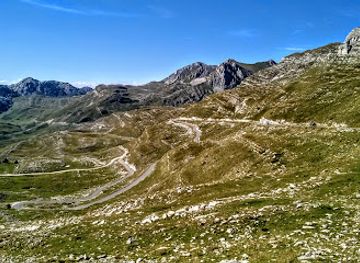
Mountain pass Sedlo
Explore the stunning Mountain pass Sedlo in Durmitor National Park, where breathtaking views and thrilling adventures await every traveler.
-
Restaurant
Izvor
Discover the flavors of Montenegro at Izvor, a cozy restaurant in Žabljak offering traditional dishes and a warm atmosphere.
-
Supermarket
VOLI
Explore local flavors and fresh produce at VOLI Supermarket in Žabljak, the gateway to Durmitor's stunning landscapes.
-
Bakery
Shambhala Bakery & Restaurant
Experience authentic Montenegrin flavors at Shambhala Bakery & Restaurant, the perfect spot for fresh pastries and traditional dishes in Žabljak.
Get your free copy of our complete guide to Durmitor, delivered straight to you.
Everything on this page, from attractions and restaurants to essentials and local phrases, in one PDF you can read offline, print or share.
Already have an account? Sign in
Your Durmitor guide is ready.
We'll send it to · Not you? Sign out

Getting your guide ready…
We are putting together a fresh copy of the Durmitor guide. This can take up to a minute.
This can take a few moments. If your browser asks, choose Allow so the download can start. You'll find the guide in your Downloads folder.
Nothing happened? Download it again
Sorry, the guide is taking longer than usual. Please try again in a minute, or get it by email instead.
Durmitor essentials
Currency and Payment
Safety
Emergency Situations
Do's and Don'ts
Local Tips
From Eve
Local phrases worth knowing
You don't need to get them perfect. A few words go a long way, and locals appreciate the effort.
Basics
| English | Local | Say it |
|---|---|---|
| Hello | Zdravo | [zdra-vo] |
| Goodbye | Doviđenja | [do-vi-đen-ya] |
| Yes | Da | [da] |
| No | Ne | [ne] |
| Please/You're welcome | Molim | [mo-lim] |
| Thank you | Hvala | [hva-la] |
| Excuse me/Sorry | Izvinite | [iz-vi-ni-te] |
| How are you? | Kako si? | [ka-ko si] |
| Fine. And you? | Dobro. A ti? | [do-bro. a ti] |
| Do you speak English? | Govoriš li engleski? | [go-vo-riš li en-gles-ki] |
| I don't understand | Ne razumem | [ne ra-zu-mem] |
Eating & Drinking
| English | Local | Say it |
|---|---|---|
| I'd like to see the menu, please | Želeo bih da vidim meni, molim | [zhe-le-o bih da vi-dim me-ni, mo-lim] |
| I don't eat meat | Ne jedem meso | [ne ye-dem me-so] |
| Cheers! | Živeli! | [zhi-ve-li] |
| I would like to pay, please | Želeo bih da platim, molim | [zhe-le-o bih da pla-tim, mo-lim] |
Emergencies
| English | Local | Say it |
|---|---|---|
| Help! | Pomoć! | [po-moć] |
| Go away! | Otiđi! | [o-ti-đi] |
| Call the Police! | Pozovite policiju! | [po-zo-vi-te po-li-ci-ju] |
| Call a doctor! | Pozovite doktora! | [po-zo-vi-te dok-to-ra] |
| I'm lost | Izgubio sam se | [iz-gu-bi-o sam se] |
| I'm ill | Bolestan sam | [bo-le-stan sam] |
Shopping
| English | Local | Say it |
|---|---|---|
| I'd like to buy... | Želeo bih da kupim... | [zhe-le-o bih da ku-pim] |
| I'm just looking | Samo gledam | [sa-mo gled-am] |
| How much is it? | Koliko košta? | [ko-li-ko koshta] |
| That's too expensive | To je preskupo | [to ye pre-sku-po] |
| Can you lower the price? | Možeš li smanjiti cenu? | [mo-zheš li sma-nji-ti tse-nu] |
Time & Numbers
| English | Local | Say it |
|---|---|---|
| What time is it? | Koliko je sati? | [ko-li-ko ye sa-ti] |
| It's one o'clock | Jedan je sat | [ye-dan ye sat] |
| Half past (10) | Pola (10) | [po-la] |
| Morning | Jutro | [yu-tro] |
| Afternoon | Popodne | [po-pod-ne] |
| Evening | Veče | [ve-che] |
| Yesterday | Juče | [yu-che] |
| Today | Danas | [da-nas] |
| Tomorrow | Sutra | [su-tra] |
| 1 | Jedan | [ye-dan] |
| 2 | Dva | [dva] |
| 3 | Tri | [tri] |
| 4 | Četiri | [che-ti-ri] |
| 5 | Pet | [pet] |
| 6 | Šest | [shest] |
| 7 | Sedam | [se-dam] |
| 8 | Osam | [o-sam] |
| 9 | Devet | [de-vet] |
| 10 | Deset | [de-set] |
Transport & Directions
| English | Local | Say it |
|---|---|---|
| Where's a/the...? | Gde je...? | [gde ye] |
| What's the address? | Koja je adresa? | [ko-ya ye a-dre-sa] |
| Can you show me (on the map)? | Možeš li mi pokazati (na mapi)? | [mo-zheš li mi po-ka-za-ti na ma-pi] |
| When's the next (bus)? | Kada je sledeći (autobus)? | [ka-da ye sle-de-ći au-to-bus] |
| A ticket (to ....) | Jedna karta (do ...) | [yed-na kar-ta do] |
History of Durmitor
Ancient Inhabitants and Early History
Durmitor's history dates back to prehistoric times, with evidence suggesting that the area was inhabited as far back as the Neolithic period. Archaeological findings, such as stone tools and cave drawings, indicate that early humans found refuge in the region's caves and thrived off the land's natural resources.
Illyrian Tribes and Roman Conquest
During the Iron Age, Durmitor became home to the Illyrian tribes, particularly the Ardian and Autariatae tribes. These tribes were known for their fierce independence and warrior culture. The region fell under Roman control in the 1st century AD after a series of military campaigns. The Romans integrated Durmitor into the province of Dalmatia, building roads and fortifications that facilitated trade and military movement.
Medieval Period and the Rise of the Nemanjić Dynasty
The medieval period saw Durmitor as part of the Kingdom of Duklja, which later became part of the Serbian Empire under the Nemanjić Dynasty. This era was marked by the construction of monasteries and churches, many of which still stand today. The Nemanjić rulers promoted Christianity and culture, leaving a significant architectural and cultural legacy.
Ottoman Influence and Resistance
In the late 15th century, the Ottoman Empire expanded into the Balkans, including the Durmitor region. Despite the Ottoman presence, the local population frequently resisted their rule. The rugged terrain of Durmitor provided a natural fortress for the Montenegrin clans, who engaged in guerrilla warfare against the Ottomans. This period was characterized by a blend of cultures and traditions, as well as continuous local resistance.
Austro-Hungarian Period and Development
Following the decline of the Ottoman Empire, Durmitor came under Austro-Hungarian control in the late 19th and early 20th centuries. This era brought advancements in infrastructure, including the construction of railways and roads that improved access to the region. The Austro-Hungarians also promoted tourism, recognizing Durmitor's potential as a natural attraction.
World War II and Partisan Resistance
During World War II, Durmitor played a crucial role as a stronghold for Yugoslav Partisans fighting against Axis forces. The dense forests and mountainous terrain provided ideal cover for resistance fighters. Significant battles and operations took place in the region, contributing to the eventual liberation of Yugoslavia from Axis occupation.
Durmitor National Park and UNESCO Recognition
In 1952, the area of Durmitor was declared a national park to preserve its unique natural and cultural heritage. The park encompasses glacial lakes, dense forests, and the Tara River Canyon, one of the deepest in Europe. In 1980, Durmitor National Park was designated a UNESCO World Heritage Site, recognizing its exceptional natural beauty and cultural significance.
Durmitor in Photos
Browse through our photo collection highlighting the charm and character of the destination.
Neighbouring regions of Durmitor
The closest regions to Durmitor, if you have time for more than one.
-

-

-

-
 Banjani
Explore Banjani in western Montenegro for karst landscapes, Crvena Stijena archaeology, Orthodox heritage and quiet rural roads near Nikšić.
Banjani
Explore Banjani in western Montenegro for karst landscapes, Crvena Stijena archaeology, Orthodox heritage and quiet rural roads near Nikšić.
-


Swipe for more regions
Explore more
Explore more of Montenegro
Discover Montenegro: A blend of stunning landscapes, rich history, and vibrant culture on the breathtaking Adriatic coast.
Explore Montenegro