

Free Old Herzegovina Travel Guide & Mobile App
Explore Old Herzegovina with free travel guides. Discover regional history, expert tips, proposed trips, and audio guides on web or mobile app.


Explore Old Herzegovina in Montenegro for Nikšić's heritage, Piva's canyons, mountain villages, monasteries and demanding outdoor adventures.
When is the best time to visit Old Herzegovina?
Best: June, August–September · 23–27°C| Month | High (°C) | Rainfall (mm) |
|---|---|---|
| January | 5 | 70 |
| February | 8 | 60 |
| March | 12 | 60 |
| April | 16 | 60 |
| May | 21 | 50 |
| June (best) | 25 | 40 |
| July | 28 | 40 |
| August (best) | 27 | 40 |
| September (best) | 23 | 50 |
| October | 17 | 60 |
| November | 10 | 70 |
| December | 6 | 70 |
Getting to and around Old Herzegovina
How to get there
Transportation
Top city travel guides in Old Herzegovina
The cities of Old Herzegovina, and the easiest places to base yourself.
-

-

-

-

-

-


Swipe for more cities
Destinations in Old Herzegovina
Resorts, valleys and scenic spots worth a trip of their own.
-

-
-

-

-

-


Swipe for more destinations
Best attractions in Old Herzegovina
Old Herzegovina's attractions are shaped by karst, canyon country and frontier history. In Nikšić, visitors can combine the Bedem fortress and historic urban fabric with walks on Trebjesa hill and seasonal recreation at Krupac and Slano lakes. The wider Nikšić basin includes archaeological interest at Crvena Stijena and the historical landscape around Grahovo. Westwards, the Piva gorge and reservoir provide some of Montenegro's most dramatic road scenery, with boating, kayaking, rafting and viewpoints around Plužine. The Piva Monastery offers a quieter cultural counterpoint, particularly for its preserved frescoes and extraordinary relocation history. Around Šavnik, the emphasis shifts to hiking, waterfalls, mountain pasture and canyoning, especially at Nevidio Canyon, which should be attempted only with suitable equipment and experienced guides. Rural roads lead towards traditional highland settlements and katuns, while the southern and northern edges connect with larger mountain areas beyond the region's historic core. The attraction landscape is therefore less about a dense chain of ticketed sights than about combining archaeological places, monasteries, water, stone and demanding outdoor terrain.
-
Orthodox church
Hercegovačka Gračanica Temple
Discover the majestic Hercegovačka Gračanica Temple in Trebinje, a stunning example of Orthodox architecture and a serene spiritual retreat.
-
Sightseeing tour agency
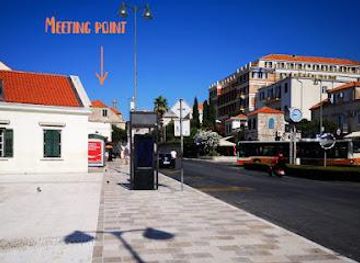
Dubrovnik Walks
Explore the stunning city of Dubrovnik with expertly guided tours, kayak adventures, and unforgettable experiences that showcase its rich history and natural beauty.
-
Public beach
Pasjača Beach
Discover the tranquil beauty of Pasjača Beach in Popovići, a perfect blend of relaxation and adventure along Croatia's stunning coastline.
-
Bar
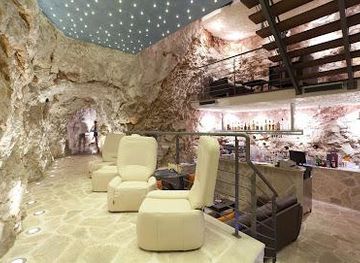
Cave Bar More
Explore the enchanting Cave Bar More in Dubrovnik, where stunning natural beauty meets exquisite drinks and unforgettable experiences.


Best landmarks in Old Herzegovina
The Bedem fortress above Nikšić is the region's most recognisable historic structure, occupying the site of medieval Onogošt and preserving layers of the town's strategic past. In the Grahovo area, the landscape associated with the Battle of Grahovac carries particular significance in Montenegro's nineteenth-century national history. The Piva Monastery is both a religious landmark and an engineering-era memorial: its church was dismantled and reconstructed above the future reservoir, retaining important painted decoration despite the transformation of the valley. Piva Lake and the Piva canyon form the region's defining natural landmark, their narrow blue water and pale limestone walls creating a distinctive visual corridor through the mountains. Near Šavnik, Nevidio Canyon is a geographical landmark as much as an adventure site, a deep and technically demanding gorge cut into the highland rock. The broad Nikšić polje, surrounded by limestone elevations and punctuated by lakes, provides the contrasting landscape setting for the region's principal town and historic routes.
-
Monastery
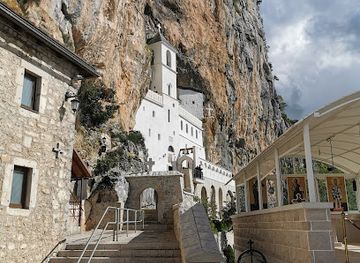
Ostrog Orthodox Monastery
Explore the breathtaking Ostrog Orthodox Monastery, a spiritual haven nestled in Montenegro's cliffs, offering stunning views and rich history.
-
Historical landmark
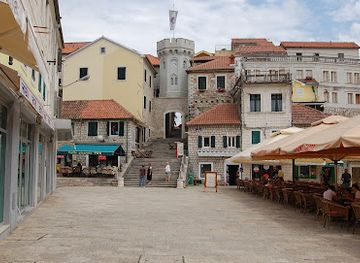
Old Town
Discover the captivating charm and rich history of Old Town, a picturesque gem in Herceg Novi, Montenegro, where every street tells a story.
-
National park
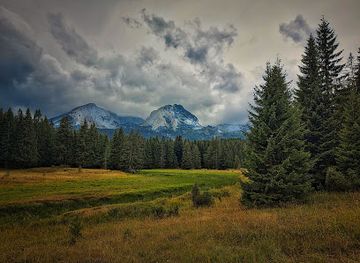
Durmitor National Park
Explore the breathtaking landscapes and diverse wildlife of Durmitor National Park, a UNESCO World Heritage site in Montenegro.
-
National park
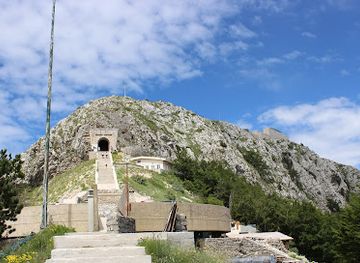
Lovćen National Park
Explore the stunning landscapes and rich cultural heritage of Lovćen National Park, a must-see destination in Montenegro.
Explore Old Herzegovina on the map
Plan your trip on one map. See where the top cities, national parks and sights are, and book hotels and experiences in a few clicks.
Best hotels in Old Herzegovina
Best restaurants in Old Herzegovina
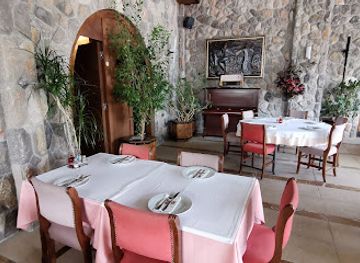
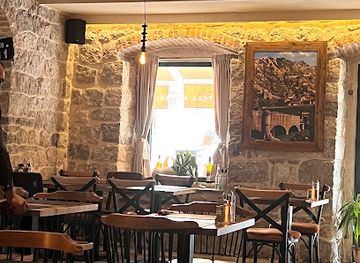
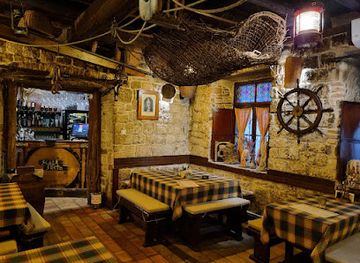
The food of Old Herzegovina is grounded in mountain pastoral traditions and the practical cooking of a karst region. Menus in Nikšić and smaller settlements commonly feature lamb, veal, grilled meats, smoked or cured meat, homemade cheeses, kajmak, yoghurt and cornmeal preparations such as cicvara or kačamak. Trout from the Piva area may appear alongside freshwater and seasonal produce, while beans, potatoes and cabbage support hearty soups and stews in colder months. Rural households and traditional restaurants are often the best places to encounter local dairy, bread and preserved foods, though availability varies by season and advance arrangement may be needed outside the towns. Nikšić offers the broadest choice of cafés, bakeries and contemporary restaurants, while meals around Plužine and Šavnik tend to be more closely tied to accommodation, excursion routes and farmhouse cooking. Montenegro's wider coffee, grilled-food and bakery culture is also strongly present, with regional ingredients providing the more distinctive character.
-
Restaurant
Pod Volat
Experience authentic Montenegrin flavors at Pod Volat - where traditional cuisine meets a welcoming atmosphere.
-
Restaurant
Verige 65
Discover authentic Montenegrin cuisine with stunning Adriatic views at Verige 65 - a perfect blend of taste and scenery.
-
Steak
Marenda Steak House
Experience the best steaks in Skaljari at Marenda Steak House - where flavor meets tradition in every bite.
-
Restaurant
Konoba Scala Santa
Discover authentic Montenegrin cuisine at Konoba Scala Santa in Kotor's breathtaking Bay—where every dish tells a story.

Best bars in Old Herzegovina
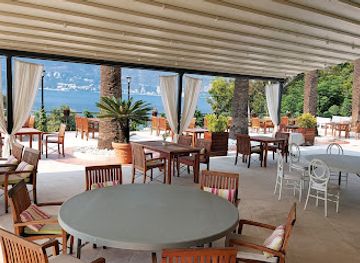
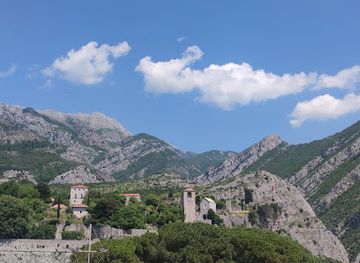
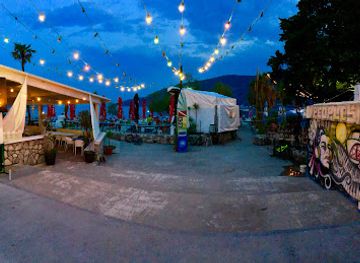
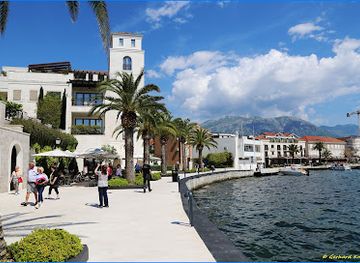
Nightlife in Old Herzegovina is concentrated in Nikšić, where cafés, bars and occasional live-music venues serve as the main evening options. The town has a youthful presence linked to education and local industry, but its nightlife is generally more relaxed and café-based than that of Montenegro's coastal resorts. Plužine and Šavnik offer a quieter evening culture centred on restaurants, guesthouses, small bars and conversation after outdoor activities; in villages, evenings may be shaped more by the rhythm of rural accommodation than by dedicated nightlife venues. Local beer and spirits may be available, but drinking is not essential to experiencing the region. In summer, lakeside areas and outdoor terraces become busier, while outside the main season many mountain establishments operate on a reduced or accommodation-led basis. Check locally for current live music or seasonal events rather than relying on permanent club listings.
-
Fortress
Fortress Old Bar
Explore the historic Fortress Old Bar, a stunning blend of ancient architecture and breathtaking views in Montenegro's picturesque Stari Bar.
-
Restaurant
Gradska Kafana
Discover the flavors of Montenegro at Gradska Kafana, a culinary treasure in Herceg Novi, serving authentic dishes in a charming setting.
-
Historical place museum
Old Town Bar
Discover the enchanting Old Town Bar, where ancient history meets stunning Mediterranean views in Montenegro's cultural heart.
-
 Hotel
Hotel Princess
Discover unparalleled luxury and comfort at Hotel Princess, your perfect escape in Bar, Montenegro, combining stunning views and exceptional hospitality.

Best nightclubs in Old Herzegovina
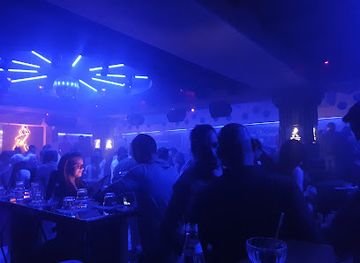
Nightlife in Old Herzegovina is concentrated in Nikšić, where cafés, bars and occasional live-music venues serve as the main evening options. The town has a youthful presence linked to education and local industry, but its nightlife is generally more relaxed and café-based than that of Montenegro's coastal resorts. Plužine and Šavnik offer a quieter evening culture centred on restaurants, guesthouses, small bars and conversation after outdoor activities; in villages, evenings may be shaped more by the rhythm of rural accommodation than by dedicated nightlife venues. Local beer and spirits may be available, but drinking is not essential to experiencing the region. In summer, lakeside areas and outdoor terraces become busier, while outside the main season many mountain establishments operate on a reduced or accommodation-led basis. Check locally for current live music or seasonal events rather than relying on permanent club listings.
-
Night club
Omnia
Discover Budva's nightlife at Omnia, where electrifying beats and unforgettable experiences await in Montenegro's premier nightclub.
-
Night club
People's
Experience the vibrant nightlife of Herceg Novi at People's Beach Bar - a lively night club with stunning views and refreshing cocktails.
-
Bar
The Clubhouse
Experience the vibrant atmosphere of The Clubhouse, a premier bar and lounge in Porto Montenegro, perfect for drinks, dancing, and stunning waterfront views.
-
Night club
Premium Palazzo night club
Discover the ultimate nightlife experience at Premium Palazzo Night Club in Budva, where dynamic music and an electrifying atmosphere create unforgettable nights.

Best shops in Old Herzegovina
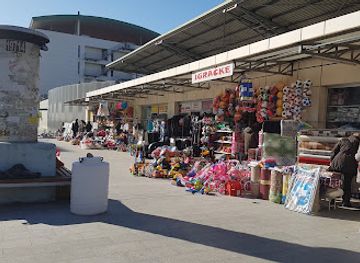
Shopping in Old Herzegovina is practical and locally rooted rather than centred on large retail districts. Nikšić has the region's broadest selection of supermarkets, bakeries, pharmacies, everyday shops and independent cafés, together with markets where visitors can look for seasonal fruit, vegetables, cheese and other household produce. Around Plužine and Šavnik, purchases are more likely to come from small shops, guesthouse kitchens, roadside sellers or direct arrangements with rural producers. Regional food products make more useful souvenirs than generic merchandise: smoked meat, mountain cheese, honey, preserves, herbs and locally made spirits may be available, subject to transport and customs rules. Traditional woollen goods, knitted items and small craft pieces sometimes appear through rural accommodation or local associations, but availability is not guaranteed. Buy directly and respectfully, ask about ingredients and storage, and carry cash for stalls or producers without card facilities.
-
Historical landmark
Old Town
Explore Old Town Herceg Novi, a historical gem with cobblestone streets, stunning architecture, and breathtaking views of the Adriatic Sea.
-
Shopping mall
TQ Plaza
Discover TQ Plaza in Budva for a delightful shopping experience, exceptional dining, and family-friendly entertainment in the heart of Montenegro.
-
Shopping mall
Shopping Centre Kamelija
Discover Kotor's premier shopping destination at Shopping Centre Kamelija, featuring a variety of stores, dining, and entertainment for travelers.
-
Shopping mall
Mall of Montenegro
Explore the Mall of Montenegro: Your premier shopping, dining, and entertainment destination in Podgorica.


Get your free copy of our complete guide to Old Herzegovina, delivered straight to you.
Everything on this page, from attractions and restaurants to essentials and local phrases, in one PDF you can read offline, print or share.
Already have an account? Sign in
Your Old Herzegovina guide is ready.
We'll send it to · Not you? Sign out

Getting your guide ready…
We are putting together a fresh copy of the Old Herzegovina guide. This can take up to a minute.
This can take a few moments. If your browser asks, choose Allow so the download can start. You'll find the guide in your Downloads folder.
Nothing happened? Download it again
Sorry, the guide is taking longer than usual. Please try again in a minute, or get it by email instead.
Old Herzegovina essentials
Currency and Payment
Safety
Emergency Situations
Do's and Don'ts
Local Tips
From Eve
Local phrases worth knowing
You don't need to get them perfect. A few words go a long way, and locals appreciate the effort.
Basics
| English | Local | Say it |
|---|---|---|
| Hello | Zdravo | [zdrah-vo] |
| Goodbye | Doviđenja | [doh-vee-jen-yah] |
| Yes | Da | [dah] |
| No | Ne | [neh] |
| Please/You're welcome | Molim | [moh-leem] |
| Thank you | Hvala | [hvah-lah] |
| Excuse me/Sorry | Izvinite | [eez-vee-nee-teh] |
| How are you? | Kako si? | [kah-koh see] |
| Fine. And you? | Dobro. A ti? | [doh-broh. ah tee] |
| Do you speak English? | Da li govoriš engleski? | [dah lee goh-vo-reesh en-gles-kee] |
| I don't understand | Ne razumem | [neh rah-zoo-mehm] |
Eating & Drinking
| English | Local | Say it |
|---|---|---|
| I'd like to see the menu, please | Želeo bih da vidim meni, molim | [zhe-leh-oh beekh dah vee-deem meh-nee, moh-leem] |
| I don't eat meat | Ne jedem meso | [neh yeh-dem meh-so] |
| Cheers! | Živeli! | [zhee-veh-lee] |
| I would like to pay, please | Želeo bih da platim, molim | [zhe-leh-oh beekh dah plah-teem, moh-leem] |
Emergencies
| English | Local | Say it |
|---|---|---|
| Help! | Pomoć! | [poh-mohch] |
| Go away! | Ode! | [oh-deh] |
| Call the Police! | Pozovite policiju! | [poh-zoh-vee-teh poh-lee-tsee-yoo] |
| Call a doctor! | Pozovite doktora! | [poh-zoh-vee-teh doh-kto-rah] |
| I'm lost | Izgubio sam se | [eez-goo-bee-oh sahm seh] |
| I'm ill | Bolestan sam | [boh-les-tan sahm] |
Shopping
| English | Local | Say it |
|---|---|---|
| I'd like to buy... | Želeo bih da kupim... | [zhe-leh-oh beekh dah koo-peem] |
| I'm just looking | Samo gledam | [sah-mo gleda-m] |
| How much is it? | Koliko košta? | [koh-lee-koh koh-shtah] |
| That's too expensive | To je preskupo | [toh yeh pre-skoo-poh] |
| Can you lower the price? | Možeš li da spustiš cenu? | [moh-zhehsh lee dah spoos-teesh tseh-noo] |
Time & Numbers
| English | Local | Say it |
|---|---|---|
| What time is it? | Koliko je sati? | [koh-lee-koh yeh sah-tee] |
| It's one o'clock | Jedan je sat | [yeh-dan yeh saht] |
| Half past (10) | Polovina (10) | [poh-loh-vee-nah (10)] |
| Morning | Jutro | [yoo-troh] |
| Afternoon | Popodne | [poh-poh-dneh] |
| Evening | Veče | [veh-cheh] |
| Yesterday | Juče | [yoo-cheh] |
| Today | Danas | [dah-nahs] |
| Tomorrow | Sutra | [soo-trah] |
| 1 | Jedan | [yeh-dahn] |
| 2 | Dva | [dva] |
| 3 | Tri | [tree] |
| 4 | Četiri | [cheh-tee-ree] |
| 5 | Pet | [peht] |
| 6 | Šest | [shest] |
| 7 | Sedam | [seh-dahm] |
| 8 | Osam | [oh-sahm] |
| 9 | Devet | [deh-vet] |
| 10 | Deset | [deh-set] |
Transport & Directions
| English | Local | Say it |
|---|---|---|
| Where's a/the...? | Gde je...? | [gdeh yeh] |
| What's the address? | Koja je adresa? | [koh-yah yeh ah-dreh-sah] |
| Can you show me (on the map)? | Možeš li da mi pokažeš (na mapi)? | [moh-zhehsh lee dah mee poh-kah-zhehsh (nah mah-pee)] |
| When's the next (bus)? | Kada je sledeći (autobus)? | [kah-dah yeh sleh-deh-chee (ow-toh-boos)] |
| A ticket (to ....) | Jedna karta (do ...) | [yeh-dnah kar-tah (doh ...)] |
History of Old Herzegovina
Prehistoric Crvena Stijena
The Crvena Stijena rock shelter near Nikšić contains an exceptionally long archaeological sequence, with evidence of human occupation extending from the Palaeolithic through later prehistoric periods. Its layers have helped researchers understand changing environments, tool-making traditions and patterns of human settlement in the western Balkans. The site is important not because it represents a single historic culture, but because it records repeated adaptation to the karst landscape over many thousands of years. It places the Nikšić area within one of Europe's significant prehistoric archaeological zones.
Onogošt and the Medieval Nikšić Area
Medieval settlement in the Nikšić basin was associated with Onogošt, a fortified centre whose name survives in the area's historical identity and in the remains of Bedem above modern Nikšić. The basin occupied a valuable position between the Adriatic hinterland and the interior Balkan routes, making control of its roads and pastures strategically important. Medieval political authority shifted among regional powers, while Orthodox religious foundations and fortified settlements helped shape the cultural landscape that later developed under Ottoman and Montenegrin rule.
Ottoman Frontier Centuries
From the late medieval and early modern periods, much of Old Herzegovina formed part of the Ottoman frontier zone, although effective control varied across the mountains and valleys. Nikšić became an important fortified settlement, and the surrounding country experienced the insecurity, migrations and changing alliances characteristic of a contested borderland. Ottoman influence remains visible in surviving fortifications, settlement patterns and aspects of local vocabulary and cuisine. The region's mixed historical inheritance cannot be reduced to a single political tradition, since Orthodox, Muslim and Catholic communities all formed part of the wider Herzegovinian border world.
The Battle of Grahovac, 1858
The Montenegrin victory over Ottoman forces at Grahovac, in the western part of the modern Nikšić municipality, was a decisive moment in the expansion of Montenegro's political influence. Led by Grand Duke Mirko Petrović, Montenegrin forces defeated a larger Ottoman army, and the outcome strengthened Montenegro's diplomatic position among the European powers. The battle is commemorated in the Grahovo area and remains central to the region's nineteenth-century historical memory. Its significance was confirmed through subsequent negotiations and international recognition of territorial changes.
Nikšić Enters Montenegro, 1877–1878
During the Montenegrin-Ottoman War of 1876–1878, Nikšić was captured by Montenegrin forces after a prolonged campaign. The settlement was formally incorporated into Montenegro following the Congress of Berlin in 1878, which recognised significant territorial expansion by the principality. This transition altered administration, landholding and population patterns, while the town gradually developed as an important centre within the enlarged state. The period also connected Nikšić more closely to Montenegro's political institutions and to new road and commercial networks.
Modernisation and Industrial Development
After incorporation into Montenegro, Nikšić grew from a fortified Ottoman town into a planned urban and industrial centre. New roads, civic buildings and commercial activity accompanied the development of state institutions, while the town's position on routes between the coast and the interior increased its importance. In the twentieth century, mining, metalworking and associated industries became major elements of the local economy. Their legacy is evident in Nikšić's urban scale, working culture and industrial infrastructure, even as services, education and tourism have become more prominent.
The Piva Dam and a Transformed Valley
The construction of the Piva hydroelectric dam in the twentieth century reshaped the Piva valley, creating the long reservoir now known as Piva Lake and altering transport routes and settlements. The medieval Piva Monastery was dismantled and rebuilt at a higher location so that its church and frescoes would survive the flooding. The project brought electricity and modern infrastructure but also submerged parts of an older valley landscape. Today the lake and gorge are major scenic features, while the relocated monastery preserves an important fragment of the region's religious heritage.
Old Herzegovina in Photos
Browse through our photo collection highlighting the charm and character of the destination.
Neighbouring regions of Old Herzegovina
The closest regions to Old Herzegovina, if you have time for more than one.
-

-

-

-

-


Swipe for more regions
Explore more
Explore more of Montenegro
Discover Montenegro: A blend of stunning landscapes, rich history, and vibrant culture on the breathtaking Adriatic coast.
Explore Montenegro