

Piva River Valley, Montenegro Travel Guide
Discover the serene beauty of Montenegro's Piva River Valley, where turquoise waters, lush landscapes, and rich cultural heritage await.
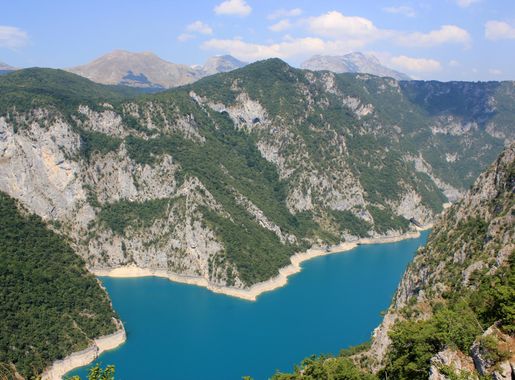
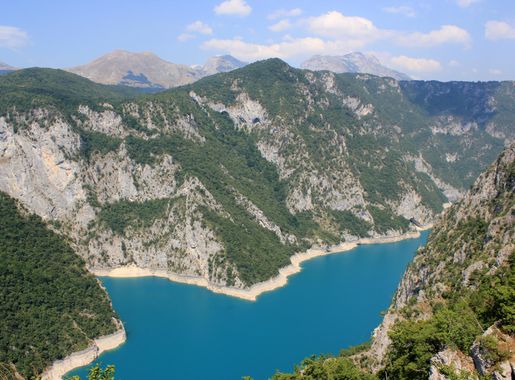
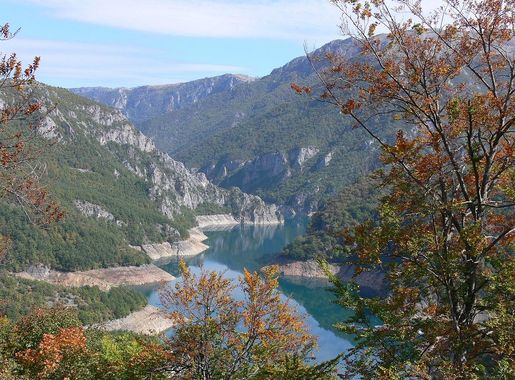
Nestled in the heart of Montenegro, the Piva River Valley offers a serene escape from the hustle and bustle of everyday life. The valley is home to the majestic Piva River, whose turquoise waters wind through lush green mountains and steep cliffs, creating a picturesque landscape that is nothing short of breathtaking. This natural paradise is perfect for nature lovers, adventure seekers, and those looking to relax and rejuvenate in a stunning setting. The Piva River Valley is a haven for outdoor activities. Visitors can enjoy thrilling white-water rafting adventures on the river, or explore the numerous hiking and biking trails that meander through the valley. For those interested in history and culture, the region is dotted with ancient monasteries and charming villages that offer a glimpse into Montenegro's rich heritage. The Piva Monastery, dating back to the 16th century, is a must-visit site, showcasing beautiful frescoes and a tranquil setting by the river. Accommodation options in the Piva River Valley range from cozy guesthouses to luxurious lodges, ensuring a comfortable stay for every type of traveler. Local cuisine, featuring hearty Montenegrin dishes, can be savored at the valley's quaint restaurants and cafes. Whether you are seeking adventure, relaxation, or a bit of both, the Piva River Valley promises an unforgettable experience in one of Montenegro's most beautiful and unspoiled regions.

Know before you go
Hi, I'm Eve. Here are a few practical things to know before exploring Piva River Valley.
- Pack sturdy hiking shoes for exploring the valley's trails.
- Visit in late spring or early autumn for the best weather and fewer crowds.
- Don't miss a rafting trip on the Piva River for an adrenaline rush.
- Try local dishes like 'kacamak' and 'cicvara' at nearby restaurants.
- Bring a camera to capture the stunning landscapes and wildlife.
Top City Travel Guides in Piva River Valley
The cities of Piva River Valley, and the easiest places to base yourself.



Destinations in Piva River Valley
Resorts, valleys and scenic spots worth a trip of their own.


Explore Piva River Valley: Things to Do, Places to Eat, Hotels & More
Handpicked recommendations for top attractions, local dining, accommodations, and more

Top Attractions & Sightseeing in Piva River Valley
Top-rated picks
Best Attractions

Nature preserve 'Piva'
Explore the enchanting landscapes of Nature Preserve 'Piva' in Montenegro, where stunning turquoise waters meet lush greenery in a serene natural escape.

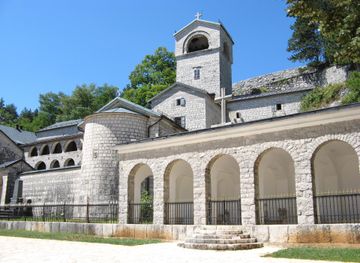
Piva Monastery
Discover the tranquility and beauty of Piva Monastery, a stunning spiritual retreat surrounded by breathtaking landscapes in Montenegro.

Klisura rijeke Pive
Experience the stunning natural beauty of Klisura rijeke Pive, a scenic spot in Montenegro ideal for hiking, photography, and nature exploration.

Piva view
Discover the stunning landscapes and breathtaking views at Piva View, a hidden gem in Montenegro perfect for nature lovers and adventure seekers.

Best landmarks in Piva River Valley
Top-rated picks
Best Landmarks

Piva Canyon Viewpoint
Explore the stunning Piva Canyon Viewpoint for breathtaking views of the Piva River and its picturesque canyon in Montenegro.

Piva Monastery
Discover the serene beauty and rich history of Piva Monastery, a stunning 16th-century architectural marvel in the heart of Montenegro.

Piva lake viewpoint
Discover the stunning Piva Lake Viewpoint, where emerald waters and majestic mountains create a breathtaking panorama in Montenegro.

Tvrdjava Dvrsnik
Discover the captivating historical beauty of Tvrdjava Dvrsnik, a former Austrian fort in Montenegro, surrounded by stunning landscapes.

Best restaurants in Piva River Valley
Top-rated picks
Best Restaurants
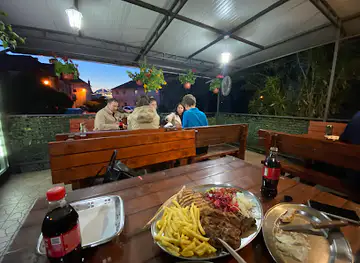
BBQ Tanjga
Experience the best grilled dishes at BBQ Tanjga in Kotor - where authentic Montenegrin flavors meet stunning coastal views.

Pod Volat
Experience authentic Montenegrin cuisine at Pod Volat in the heart of Podgorica—where tradition meets taste.

Big Ben
Discover the best of Montenegrin cuisine at Big Ben in Tivat, where stunning views meet delicious flavors.

Restoran Vista Vidikovac
Discover exquisite Montenegrin cuisine at Restoran Vista Vidikovac with breathtaking views over Budva's coastline.

Best bars in Piva River Valley
Top-rated picks
Best Bars

The Nitrox Pub & Eatery
Experience Kotor's lively nightlife at The Nitrox Pub & Eatery, where cocktails and local brews create the perfect atmosphere for relaxation and fun.

King Nikola's Palace
Discover King Nikola's Palace in Bar, Montenegro, a historical museum showcasing the rich legacy of the Montenegrin monarchy through captivating exhibits and stunning architecture.

Bar Marina
Experience the serene beauty of Bar Marina, where stunning views and local flavors come together for an unforgettable coastal escape.

Casper Bar
Experience Budva's vibrant nightlife at Casper Bar, where cocktails meet camaraderie in a lively coastal atmosphere.

Best nightclubs in Piva River Valley
Top-rated picks
Best Nightclubs

Jazz Club Evergreen
Discover the soulful sounds and artistic ambiance at Jazz Club Evergreen in Kotor, Montenegro – a must-visit for jazz lovers.

Top Hill
Experience the vibrant nightlife of Budva at Top Hill, where stunning views and electrifying DJ performances create unforgettable nights.

The Clubhouse
Discover The Clubhouse in Tivat, a lively bar and lounge offering stunning marina views and an inviting atmosphere for relaxation and entertainment.

Club SPARTA
Discover the vibrant nightlife at Club SPARTA in Bijelo Polje, Montenegro, where electrifying beats and a lively atmosphere await every visitor.

Best shops in Piva River Valley
Top-rated picks
Best Shops

Porto Montenegro
Discover Porto Montenegro – a luxurious marina destination blending picturesque views, upscale shopping, and vibrant culture along the stunning Adriatic coast.

Durmitor National Park
Discover Durmitor National Park: Montenegro's stunning natural jewel with mesmerizing landscapes, exhilarating outdoor activities, and rich biodiversity.

Lovćen National Park
Discover the breathtaking landscapes and rich heritage of Lovćen National Park, a natural jewel of Montenegro that captivates every traveler.

TQ Plaza
Experience the vibrant shopping scene at TQ Plaza in Budva, Montenegro, where fashion, dining, and entertainment come together.

Explore Piva River Valley on the Map
A handpicked selection of must-see spots in Piva River Valley, mapped for you.
Piva River Valley Essentials
-
Piva River Valley is located in the northern part of Montenegro, near the border with Bosnia and Herzegovina. The nearest major airport is Podgorica Airport, approximately 140 kilometers away. From Podgorica, you can rent a car or take a bus to Plužine, the main town in the Piva River Valley. The journey by car takes around 2.5 to 3 hours. Alternatively, you can fly into Dubrovnik Airport in Croatia and drive from there, which takes about 3 hours.
-
The Piva River Valley is best explored by car, as public transportation options are limited. Renting a car provides the flexibility to visit various attractions at your own pace. Local taxis are available in Plužine, but they can be scarce in more remote areas. Bicycles can also be rented for those looking to explore the valley on two wheels, but be prepared for challenging terrain.
-
The official currency in Montenegro is the Euro (EUR). Credit cards are widely accepted in hotels, restaurants, and larger shops in Plužine, but it is advisable to carry cash when traveling to more remote areas. ATMs are available in Plužine, but may be limited in smaller villages. It is wise to withdraw sufficient cash before heading into the valley.
-
The Piva River Valley is generally a safe destination for tourists. However, it is always advisable to take standard precautions. Avoid leaving valuables in plain sight in your car and be cautious when exploring remote areas alone. There are no specific high-crime areas targeting tourists, but staying vigilant and aware of your surroundings is always recommended.
-
In case of emergency, dial 112 for immediate assistance. Plužine has a local police station and a medical clinic that can handle minor health issues. For more serious medical emergencies, the nearest hospital is in Nikšić, approximately 1.5 hours away by car. It is highly recommended to have travel insurance that covers medical emergencies.
-
Fashion: Do wear comfortable and practical clothing suitable for outdoor activities. Avoid overly revealing attire, especially in villages. Religion: Do respect local customs and traditions. When visiting churches or monasteries, dress modestly and cover your head if required. Public Transport: Do plan ahead as public transport is limited. If using local buses, be polite and patient. Greetings: Do greet locals with a friendly 'Dobar dan' (Good day) and a handshake. Eating & Drinking: Do try local delicacies and accept food offerings graciously. Don’t refuse hospitality, as it is considered impolite.
-
To experience the Piva River Valley like a local, visit the Piva Monastery and engage with the monks to learn about the area's history. Take a boat tour on Piva Lake for stunning views of the surrounding mountains. Try local dishes such as 'kačamak' (a traditional Montenegrin dish made of cornmeal) and 'pršut' (Montenegrin smoked ham). For a unique experience, attend a local festival or event to immerse yourself in the culture and traditions of the region.
When is the best time to visit Piva River Valley?
Useful Local Phrases for Piva River Valley
You don't need to speak the language perfectly. Even learning a few simple words can make conversations warmer—and locals usually appreciate the effort.
— Eve

Here are the phrases I use most often in Piva River Valley. Try a few—you'll be surprised how far they go! 😊
❤️
-
- HelloZdravo
[zdra-vo] - GoodbyeDoviđenja
[do-vi-đen-ya] - YesDa
[da] - NoNe
[ne] - Please/You're welcomeMolim
[mo-lim] - Thank youHvala
[hva-la] - Excuse me/SorryIzvinite
[iz-vi-ni-te] - How are you?Kako ste?
[ka-ko ste] - Fine. And you?Dobro. A vi?
[do-bro. a vi] - Do you speak English?Da li govorite engleski?
[da li go-vo-ri-te en-gles-ki] - I don't understandNe razumem
[ne ra-zu-mem]
- HelloZdravo
-
- I'd like to see the menu, pleaseHteo bih da vidim meni, molim
[h-te-o bih da vi-dim me-ni, mo-lim] - I don't eat meatNe jedem meso
[ne ye-dem me-so] - Cheers!Živeli!
[zhi-ve-li] - I would like to pay, pleaseHteo bih da platim, molim
[h-te-o bih da pla-tim, mo-lim]
- I'd like to see the menu, pleaseHteo bih da vidim meni, molim
-
- Help!Pomoć!
[po-mo-ch] - Go away!Odlazi!
[od-la-zi] - Call the Police!Pozovite policiju!
[po-zo-vi-te po-li-ci-ju] - Call a doctor!Pozovite doktora!
[po-zo-vi-te dok-to-ra] - I'm lostIzgubio sam se
[iz-gu-bi-o sam se] - I'm illBolestan sam
[bo-les-tan sam]
- Help!Pomoć!
-
- I'd like to buy...Hteo bih da kupim...
[h-te-o bih da ku-pim] - I'm just lookingSamo gledam
[sa-mo gled-am] - How much is it?Koliko košta?
[ko-li-ko ko-shta] - That's too expensiveTo je preskupo
[to ye pre-sku-po] - Can you lower the price?Možete li smanjiti cenu?
[mo-zhe-te li sma-ny-ti tse-nu]
- I'd like to buy...Hteo bih da kupim...
-
- What time is it?Koliko je sati?
[ko-li-ko ye sa-ti] - It's one o'clockJedan je sat
[ye-dan ye sat] - Half past (10)Pola (10)
[po-la (10)] - MorningJutro
[yu-tro] - AfternoonPoslepodne
[pos-le-po-dne] - EveningVeče
[ve-che] - YesterdayJuče
[yu-che] - TodayDanas
[da-nas] - TomorrowSutra
[su-tra] - 11
[1] - 22
[2] - 33
[3] - 44
[4] - 55
[5] - 66
[6] - 77
[7] - 88
[8] - 99
[9] - 1010
[10]
- What time is it?Koliko je sati?
-
- Where's a/the...?Gde je...?
[gde ye] - What's the address?Koja je adresa?
[ko-ja ye a-dre-sa] - Can you show me (on the map)?Možete li mi pokazati (na mapi)?
[mo-zhe-te li mi po-ka-za-ti (na ma-pi)] - When's the next (bus)?Kada je naredni (autobus)?
[ka-da ye na-red-ni (au-to-bus)] - A ticket (to ....)Karta (do ...)
[kar-ta (do ...)]
- Where's a/the...?Gde je...?
History of Piva River Valley
-
The Piva River Valley, nestled in the heart of Montenegro, has been a cradle of human civilization since ancient times. Archaeological findings suggest that the area was inhabited as early as the Neolithic period, with evidence of early human settlements scattered along the riverbanks. These early inhabitants took advantage of the fertile land and abundant water supply provided by the Piva River.
-
During the medieval period, the Piva River Valley became an important religious and cultural center. The construction of the Piva Monastery in the 16th century marked a significant milestone in the region's history. This Serbian Orthodox monastery, renowned for its beautiful frescoes and manuscript collection, became a hub of spiritual life and education. It also played a crucial role in preserving the cultural identity of the local population during the Ottoman occupation.
-
The Piva River Valley fell under Ottoman rule in the late 15th century. This period brought significant changes to the region's social and cultural landscape. The Ottomans introduced new administrative systems, architectural styles, and cultural practices. Despite the challenges, the local population managed to maintain their customs and traditions, blending them with the influences brought by the Ottoman Empire.
-
The Piva River Valley witnessed intense conflict during World War II. The rugged terrain and dense forests provided a strategic advantage for Yugoslav Partisans who mounted a fierce resistance against Axis forces. The Battle of Piva in 1943 was one of the significant engagements in the area. The bravery and resilience of the partisans during this period are celebrated as a vital part of the region's history.
-
In the post-World War II era, the Piva River Valley underwent significant transformations. The construction of the Piva Hydroelectric Plant in the 1970s led to the creation of the stunning Piva Lake. This artificial lake, surrounded by towering mountains and lush forests, has become a popular destination for tourists. The hydroelectric plant not only contributed to the region's economic development but also reshaped its natural landscape.
-
Today, the Piva River Valley is recognized for its rich cultural heritage and natural beauty. Efforts have been made to preserve the historical landmarks, traditional architecture, and natural environment. The Piva Monastery, now relocated to avoid submersion by the artificial lake, remains a symbol of the region's enduring spirit. The valley continues to attract visitors who come to explore its history, culture, and breathtaking landscapes.
Neighbouring Regions of Piva River Valley
The closest regions to Piva River Valley, if you have time for more than one.



Your all‑in‑one travel companion app
Explore expert travel guides, compare and book tours, experiences, hotels, and more—all from the palm of your hand. Download now for seamless trip planning wherever your wanderlust takes you.


Explore More of Montenegro
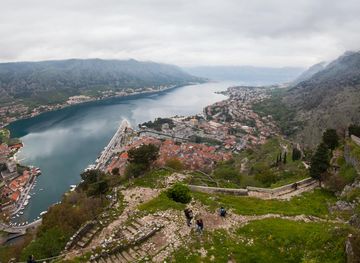
Looking beyond Piva River Valley? Discover Montenegro for broader travel guides, local hot-spots, and regional highlights.
Explore MontenegroPiva River Valley in Photos
Browse through our photo collection highlighting the charm and character of the destination.




The Enchanting Piva River Valley: Montenegro's Hidden Gem
Nestled in the heart of Montenegro, the Piva River Valley offers a serene escape from the hustle and bustle of everyday life. The valley is home to the majestic Piva River, whose turquoise waters wind through lush green mountains and steep cliffs, creating a picturesque landscape that is nothing short of breathtaking. This natural paradise is perfect for nature lovers, adventure seekers, and those looking to relax and rejuvenate in a stunning setting. The Piva River Valley is a haven for outdoor activities. Visitors can enjoy thrilling white-water rafting adventures on the river, or explore the numerous hiking and biking trails that meander through the valley. For those interested in history and culture, the region is dotted with ancient monasteries and charming villages that offer a glimpse into Montenegro's rich heritage. The Piva Monastery, dating back to the 16th century, is a must-visit site, showcasing beautiful frescoes and a tranquil setting by the river. Accommodation options in the Piva River Valley range from cozy guesthouses to luxurious lodges, ensuring a comfortable stay for every type of traveler. Local cuisine, featuring hearty Montenegrin dishes, can be savored at the valley's quaint restaurants and cafes. Whether you are seeking adventure, relaxation, or a bit of both, the Piva River Valley promises an unforgettable experience in one of Montenegro's most beautiful and unspoiled regions.