

Free Nikšić Field Travel Guide & Mobile App
Explore Nikšić Field with free travel guides. Discover regional history, expert tips, proposed trips, and audio guides on web or mobile app.


Explore Nikšić Field in Montenegro for karst landscapes, lakes, fortress history, mountain food and the spacious cultural life of Nikšić.
Read more about Nikšić Field
When is the best time to visit Nikšić Field?
Best: June–August · 26–28°C| Month | High (°C) | Rainfall (mm) |
|---|---|---|
| January | 6 | 121 |
| February | 8 | 110 |
| March | 12 | 101 |
| April | 16 | 90 |
| May | 22 | 81 |
| June (best) | 26 | 70 |
| July (best) | 28 | 60 |
| August (best) | 28 | 65 |
| September | 23 | 75 |
| October | 17 | 85 |
| November | 11 | 96 |
| December | 7 | 106 |
Getting to and around Nikšić Field
How to get there
Transportation
Top city travel guides in Nikšić Field
The cities of Nikšić Field, and the easiest places to base yourself.

Swipe for more cities
Best attractions in Nikšić Field
Nikšić Field offers a varied but strongly localised mix of urban heritage, karst scenery and waterside recreation. In Nikšić, visitors can explore the remains of Bedem Fortress, the Cathedral of Saint Basil of Ostrog, central civic spaces and cultural institutions that explain the city’s religious, political and industrial development. Trebjesa Hill provides woodland paths and viewpoints close to the centre. West of the city, Lake Krupac is the principal recreational landscape, popular for summer swimming, relaxation and occasional events, while Slano Lake provides a more open setting shaped by the region’s water and energy infrastructure. The surrounding villages and agricultural edges of the field are suited to scenic drives, informal walking and photography rather than a dense programme of organised attractions. Karst terrain is a recurring theme: limestone slopes, sinkholes and underground drainage explain the basin’s unusual relationship with water. Visitors interested in architecture and history should combine the city’s churches and fortress with shorter excursions, while those seeking outdoor time can use the lakes and Trebjesa as accessible starting points. The region is less about a single headline attraction than about seeing how an inland Montenegrin city, working landscape and mountain basin fit together.
-
Cruise terminal
Port of Kotor
Explore the stunning Port of Kotor, a gateway to Montenegro's breathtaking landscapes and rich history, where adventure meets relaxation.
-
National museum
National Museum of Montenegro
Discover the cultural essence of Montenegro at the National Museum, where history, art, and heritage converge in the heart of Cetinje.
-
Fortress
Ramparts Of Onogošt
Explore the historic Ramparts of Onogošt in Nikšić, Montenegro, a stunning fortress with breathtaking views and rich cultural heritage.
-
Lake
Slansko Lake
Discover the tranquil beauty of Slansko Lake in Montenegro, a stunning natural oasis perfect for relaxation and adventure amidst breathtaking landscapes.


Best landmarks in Nikšić Field
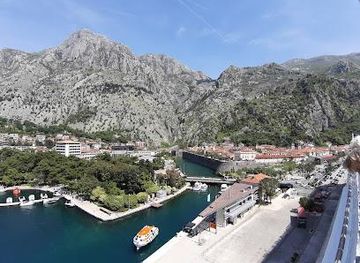
Bedem Fortress is Nikšić Field’s clearest historic landmark, occupying elevated ground above the city and preserving the strategic importance of medieval Onogošt and the later Ottoman frontier town. Its walls and position make the relationship between settlement and surrounding basin easy to understand. The Cathedral of Saint Basil of Ostrog is another defining feature of the skyline and an important Orthodox place of worship, named for the revered Montenegrin saint associated with Ostrog. In the city centre, the broad planned streets and civic spaces represent Nikšić’s transformation after its incorporation into Montenegro in the late nineteenth century, when a frontier settlement was reshaped as a modern state town. Trebjesa Hill is the principal natural landmark within the urban area: its wooded slopes contrast with the open karst plain and provide a familiar local viewpoint. Beyond the city, Lake Krupac and Slano Lake are prominent human-shaped features of the basin’s water landscape, their scale and shorelines revealing the role of modern engineering in a region traditionally marked by underground drainage. Together these landmarks express Nikšić Field’s central themes: fortified history, Orthodox culture, planned urban development, wooded uplands and managed karst waters.
-
Monastery
Ostrog Orthodox Monastery
Discover the spiritual and natural wonder of Ostrog Orthodox Monastery, a must-visit destination in Montenegro that offers breathtaking views and rich history.
-
Historical landmark
Old Town
Explore the historical splendor of Old Town Herceg Novi, where every corner reveals a piece of Montenegro's rich cultural tapestry.
-
National park
Durmitor National Park
Discover the breathtaking beauty of Durmitor National Park, a UNESCO World Heritage site in Montenegro, perfect for adventure and nature lovers.
-
Tourist attraction
Kotor Fortress
Discover the stunning Kotor Fortress in Montenegro, where history and breathtaking views await every traveler.


Explore Nikšić Field on the map
Plan your trip on one map. See where the top cities, national parks and sights are, and book hotels and experiences in a few clicks.
Best hotels in Nikšić Field
Best restaurants in Nikšić Field
Dining in Nikšić Field reflects Montenegro’s inland and mountain traditions, with menus commonly built around grilled meat, smoked products, cheese, potatoes, beans, seasonal vegetables and substantial soups or stews. Njeguški-style smoked ham and cheese are associated with Montenegro more broadly rather than exclusively with Nikšić, but they are familiar regional choices, as are pršut, kačamak and meat dishes cooked over charcoal. Nikšić is the main place for finding the widest selection, from cafés and traditional restaurants to pizzerias and contemporary dining rooms, while villages and roads around the basin tend towards simpler grills, inns and family-run establishments. Nikšićko beer, produced in the city, is part of the local industrial and culinary identity and is widely encountered in restaurants and cafés. Markets and food shops are useful for seasonal fruit, vegetables, cheese and cured meats, though opening arrangements vary. Portions are often generous, and meals can be leisurely, particularly outside busy daytime periods. Around Krupac, seasonal food and drink options may be more limited than in the city, so visitors planning a full day by the lake should not assume that every facility will be operating.
-
Restaurant
Koliba Bogetici - Ostrog
Savor traditional Montenegrin flavors amidst breathtaking views at Koliba Bogetici in Niksic.
-
Restaurant
Konoba Vidikovac - Nikšić
Discover authentic Montenegrin cuisine with stunning views at Konoba Vidikovac – your culinary retreat in Nikšić.
-
Restaurant
Bajova Kula
Savor fresh Adriatic seafood at Bajova Kula, where Kotor Bay's crystal waters meet stunning views and relaxed beach club vibes in Dražin Vrt—a true Montenegrin coastal treasure.
-
Restaurant
Floyd Food Factory
Discover authentic Montenegrin cuisine at Floyd Food Factory in Vir - where fresh ingredients meet traditional recipes.


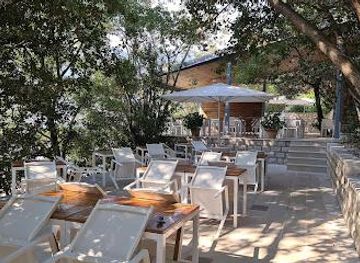

Best bars in Nikšić Field
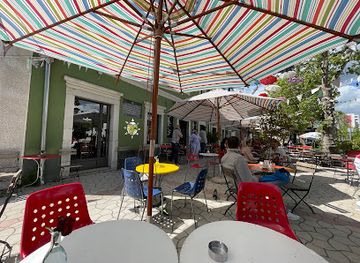
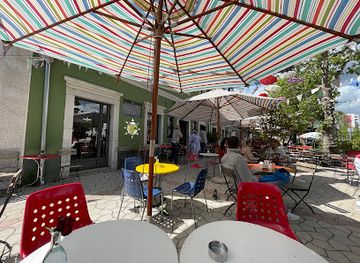
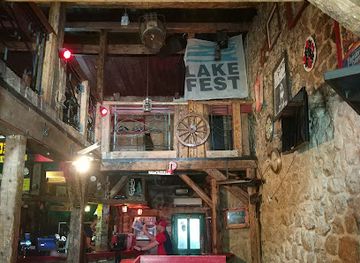
Nikšić’s evening life centres on cafés, bars and restaurants around the central streets rather than on a large, internationally oriented club scene. Students, younger residents and visitors contribute to a sociable café culture, while traditional bars and pubs provide space for conversation, televised sport and local beer. The city also has a cultural side, with theatres, live music and occasional concert programming forming part of the evening calendar, although events and venues change over time. Summer can bring additional activity around Lake Krupac, especially when organised cultural or recreational programmes are taking place, but the lake should not be treated as a permanent nightlife district. Outside Nikšić, evenings are generally quieter and revolve around family restaurants, village cafés and private gatherings. A visit is therefore better suited to relaxed dining, music and conversation than to a guaranteed sequence of late-night clubs. Visitors should check current local listings and ask accommodation providers about events, as schedules are seasonal and commercial nightlife changes more quickly than the region’s historic attractions.
-
Restaurant
Konoba Vidikovac - Nikšić
Experience the best of Montenegrin cuisine at Konoba Vidikovac in Nikšić, where stunning views meet delicious flavors.
-
Restaurant
Manitovac
Experience authentic Montenegrin cuisine at Manitovac, a must-visit restaurant in Nikšić offering delightful dishes and a warm atmosphere.
-
Bar
Propaganda bar
Discover the lively charm of Propaganda Bar, a pet-friendly hotspot in Nikšić offering diverse drinks and a vibrant atmosphere for all.
-
Restaurant
Lounge Bar Piatto
Experience the delightful fusion of dining and relaxation at Lounge Bar Piatto in Niksic, where exquisite cuisine meets an inviting atmosphere.


Best nightclubs in Nikšić Field
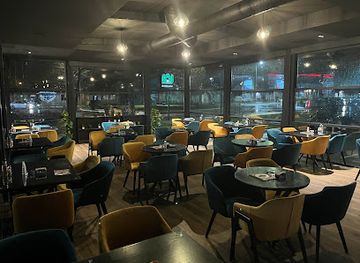
Nikšić’s evening life centres on cafés, bars and restaurants around the central streets rather than on a large, internationally oriented club scene. Students, younger residents and visitors contribute to a sociable café culture, while traditional bars and pubs provide space for conversation, televised sport and local beer. The city also has a cultural side, with theatres, live music and occasional concert programming forming part of the evening calendar, although events and venues change over time. Summer can bring additional activity around Lake Krupac, especially when organised cultural or recreational programmes are taking place, but the lake should not be treated as a permanent nightlife district. Outside Nikšić, evenings are generally quieter and revolve around family restaurants, village cafés and private gatherings. A visit is therefore better suited to relaxed dining, music and conversation than to a guaranteed sequence of late-night clubs. Visitors should check current local listings and ask accommodation providers about events, as schedules are seasonal and commercial nightlife changes more quickly than the region’s historic attractions.
-
Bar
Propaganda bar
Explore the vibrant nightlife of Nikšić at Propaganda Bar, where great drinks and an inviting atmosphere await you.
-
Bar
BASE Caffe
Discover the vibrant atmosphere and delightful drinks at BASE Caffe, the heart of Niksic's social scene.
-
Pub
Nk Pub
Discover the lively Nk Pub in Nikšić, Montenegro – where great drinks and vibrant local culture come together for an unforgettable experience.
-
Pub
The House Pub
Experience the vibrant atmosphere and delicious drinks at The House Pub in Nikšić, a must-visit destination for travelers seeking local charm.


Best shops in Nikšić Field
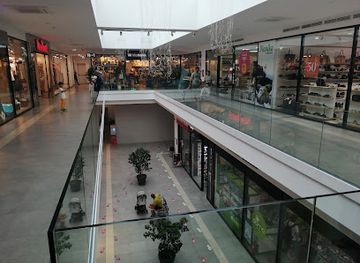
Shopping in Nikšić is practical and locally oriented, with the main choices concentrated in the city centre, ordinary high streets, supermarkets, food shops and small independent businesses rather than in a major luxury retail district. Visitors can look for Montenegrin cheeses, cured meats, honey, preserves, strong coffee and locally produced beer, taking care to follow any customs requirements when carrying food across borders. Small craft and souvenir shops may stock religious items, textiles, woodwork and products associated with Montenegro, although selection varies by season. The city’s markets and food stalls are useful for seeing everyday produce and buying fruit, vegetables and regional ingredients, while rural settlements around Nikšić Field offer fewer formal shopping opportunities. Trebjesa and the lakes are primarily recreational areas, not dedicated retail zones. For distinctive purchases, compare labels and ask about provenance rather than assuming that an item sold in a tourist setting was made locally. Market days and temporary stalls can change, so accommodation providers or local shopkeepers are the most reliable source of current information.
-
Shopping mall
BIG Fashion Podgorica
Explore BIG Fashion Podgorica, Montenegro's ultimate shopping destination with diverse stores, delightful dining, and vibrant entertainment options.
-
Shopping mall
Mall of Montenegro
Discover the ultimate shopping experience at the Mall of Montenegro, where diverse brands, delightful dining, and entertainment await you!
-
Shopping mall
Butiko Shopping Center
Explore Butiko Shopping Center in Montenegro for a unique shopping experience with local flavor and modern amenities.
-
Restaurant
Manitovac
Explore Manitovac, a top-rated restaurant in Nikšić, Montenegro, offering a diverse menu and a charming outdoor dining experience.



Get your free copy of our complete guide to Nikšić Field, delivered straight to you.
Everything on this page, from attractions and restaurants to essentials and local phrases, in one PDF you can read offline, print or share.
Already have an account? Sign in
Your Nikšić Field guide is ready.
We'll send it to · Not you? Sign out

Getting your guide ready…
We are putting together a fresh copy of the Nikšić Field guide. This can take up to a minute.
This can take a few moments. If your browser asks, choose Allow so the download can start. You'll find the guide in your Downloads folder.
Nothing happened? Download it again
Sorry, the guide is taking longer than usual. Please try again in a minute, or get it by email instead.
Nikšić Field essentials
Currency and Payment
Safety
Emergency Situations
Do's and Don'ts
Local Tips
From Eve
Local phrases worth knowing
You don't need to get them perfect. A few words go a long way, and locals appreciate the effort.
Basics
| English | Local | Say it |
|---|---|---|
| Hello | Zdravo | [zdrah-vo] |
| Goodbye | Doviđenja | [doh-vee-jen-yah] |
| Yes | Da | [dah] |
| No | Ne | [neh] |
| Please/You're welcome | Molim | [moh-leem] |
| Thank you | Hvala | [hvah-lah] |
| Excuse me/Sorry | Izvinite | [eez-vee-nee-teh] |
| How are you? | Kako ste? | [kah-koh steh] |
| Fine. And you? | Dobro. A vi? | [doh-broh. ah vee] |
| Do you speak English? | Govoriš li engleski? | [goh-vo-reesh lee en-gles-kee] |
| I don't understand | Ne razumem | [neh rah-zoo-mehm] |
Eating & Drinking
| English | Local | Say it |
|---|---|---|
| I'd like to see the menu, please | Hteo bih da vidim meni, molim | [hteh-oh beekh dah vee-deem meh-nee, moh-leem] |
| I don't eat meat | Ne jedem meso | [neh yeh-dem meh-so] |
| Cheers! | Živeli! | [zhee-veh-lee] |
| I would like to pay, please | Hteo bih da platim, molim | [hteh-oh beekh dah plah-teem, moh-leem] |
Emergencies
| English | Local | Say it |
|---|---|---|
| Help! | Pomoć! | [poh-mohch] |
| Go away! | Idi van! | [ee-dee vahn] |
| Call the Police! | Pozovite policiju! | [poh-zoh-vee-teh poh-lee-tsi-yoo] |
| Call a doctor! | Pozovite doktora! | [poh-zoh-vee-teh dok-toh-rah] |
| I'm lost | Izgubio sam se | [eez-goo-bee-oh sahm seh] |
| I'm ill | Bolestan sam | [boh-leh-stan sahm] |
Shopping
| English | Local | Say it |
|---|---|---|
| I'd like to buy... | Hteo bih da kupim... | [hteh-oh beekh dah koo-peem] |
| I'm just looking | Samo gledam | [sah-mo gled-am] |
| How much is it? | Koliko košta? | [koh-lee-koh koh-shta] |
| That's too expensive | To je previše skupo | [toh yeh preh-vee-sheh koo-poh] |
| Can you lower the price? | Možeš li spustiti cenu? | [moh-zhehsh lee spoos-tee-tee tseh-noo] |
Time & Numbers
| English | Local | Say it |
|---|---|---|
| What time is it? | Koliko je sati? | [koh-lee-koh yeh sah-tee] |
| It's one o'clock | Jedan je sat | [yeh-dahn yeh saht] |
| Half past (10) | Polovina (10) | [poh-loh-vee-nah] |
| Morning | Jutro | [yoo-troh] |
| Afternoon | Poslepodne | [poh-sleh-poh-dneh] |
| Evening | Veče | [veh-cheh] |
| Yesterday | Juče | [yoo-cheh] |
| Today | Danas | [dah-nahs] |
| Tomorrow | Sutra | [soo-trah] |
| 1 | Jedan | [yeh-dahn] |
| 2 | Dva | [dva] |
| 3 | Tri | [tree] |
| 4 | Četiri | [cheh-tee-ree] |
| 5 | Pet | [peht] |
| 6 | Šest | [shest] |
| 7 | Sedam | [seh-dahm] |
| 8 | Osam | [oh-sahm] |
| 9 | Devet | [deh-vet] |
| 10 | Deset | [deh-set] |
Transport & Directions
| English | Local | Say it |
|---|---|---|
| Where's a/the...? | Gde je...? | [gdeh yeh] |
| What's the address? | Koja je adresa? | [koh-yah yeh ah-dre-sah] |
| Can you show me (on the map)? | Možeš li mi pokazati (na mapi)? | [moh-zhehsh lee mee poh-kah-zah-tee (nah mah-pee)] |
| When's the next (bus)? | Kada je sledeći (autobus)? | [kah-dah yeh sleh-deh-chee (ow-toh-boos)] |
| A ticket (to ....) | Karta (do ....) | [kar-tah (doh ....)] |
History of Nikšić Field
Prehistoric and Illyrian Settlement
The basin’s fertile pockets, springs and defensible margins attracted human settlement long before the modern town appeared. Archaeological evidence from the wider Nikšić area records prehistoric communities and later Illyrian occupation, although the karst landscape and continued development mean that the ancient record is uneven. The wider region was inhabited by communities associated with the Illyrian world before Roman rule. The field’s strategic position between the Adriatic hinterland and the interior helped make it a corridor for movement, exchange and political influence.
Roman Administrative and Road Networks
Roman power brought the Nikšić area into a wider imperial system of roads, administration and trade. The ancient settlement of Anderba is generally associated with the broader Nikšić region, though the exact identification and location of ancient sites should be treated with scholarly caution. Roman influence is visible less through a single monumental centre than through the historical importance of routes linking the interior of present-day Montenegro with the Adriatic coast and neighbouring Balkan territories. Later settlements inherited this strategic geography.
Medieval Onogošt
In the medieval period the settlement and fortress known as Onogošt became the principal historical predecessor of Nikšić. The stronghold occupied a commanding position above the basin and formed part of the changing political landscape of Zeta, later ruled by regional lords and influenced by larger Serbian and Balkan powers. Onogošt’s name survives in historical references and local identity, while the fortress remains the clearest physical reminder that control of the field depended on defending its approaches and elevated ground.
Ottoman Rule and the Fortress Town
Nikšić came under Ottoman rule in the late fifteenth century and remained an important frontier settlement for several centuries. The Ottoman period shaped the town’s fortifications, population patterns and commercial connections, while conflict around the settlement reflected the contested borderlands between Ottoman authority and Montenegrin highland communities. Much of the later town was rebuilt or transformed, but Bedem Fortress preserves the strategic legacy of this era. The region’s history is therefore best understood as one of cultural contact and political contest rather than as an isolated mountain story.
Liberation and the Modern Montenegrin State
Nikšić was incorporated into the Principality of Montenegro after the Montenegrin-Ottoman War of 1876–1878, when Montenegro expanded significantly under the Treaty of Berlin. The town was subsequently reshaped as part of the modern Montenegrin state. New streets, civic buildings and planned urban spaces replaced much of the older frontier-town form, and Nikšić acquired a more regular layout associated with late nineteenth-century state-building. This transformation laid the foundations for the broad avenues and central squares visible today.
Railways, Industry and Urban Growth
The twentieth century turned Nikšić into one of Montenegro’s principal industrial centres. Rail connections, mining, metalworking and energy development encouraged population growth and strengthened links with Podgorica, the coast and other parts of Yugoslavia. The reservoirs around the basin are connected with the region’s modern water and power infrastructure, while the Nikšić Steel Plant became a major symbol of industrial employment. Socialist-era construction expanded the city beyond its historic core, creating the mixed urban landscape of older civic buildings, apartment districts and industrial zones.
Contemporary Nikšić Field
Since Montenegro became independent in 2006, Nikšić and its surrounding basin have continued to balance industrial heritage with services, education, culture and tourism. Manufacturing remains part of the region’s identity, even as employment patterns have changed and some industrial sites have faced restructuring. Cultural institutions, music and theatre contribute to the city’s public life, while the lakes and mountain edges provide opportunities for recreation. Contemporary Nikšić Field is consequently both a working landscape and a gateway to Montenegro’s inland heritage.
Nikšić Field in Photos
Browse through our photo collection highlighting the charm and character of the destination.
Neighbouring regions of Nikšić Field
The closest regions to Nikšić Field, if you have time for more than one.
-

-
-
 Banjani
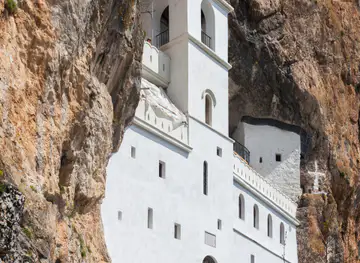
Explore Banjani in western Montenegro for karst landscapes, Crvena Stijena archaeology, Orthodox heritage and quiet rural roads near Nikšić.
-

-


Swipe for more regions
Explore more
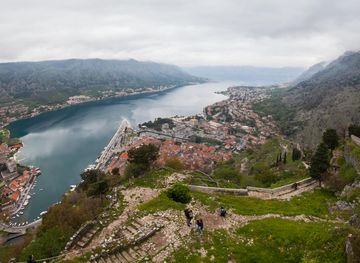
Explore more of Montenegro
Discover Montenegro: A blend of stunning landscapes, rich history, and vibrant culture on the breathtaking Adriatic coast.
Explore Montenegro