
Piva, Montenegro Travel Guide
Discover Piva in Montenegro: A stunning region of natural beauty, rich cultural heritage, and thrilling outdoor adventures, perfect for nature lovers and adventurers.
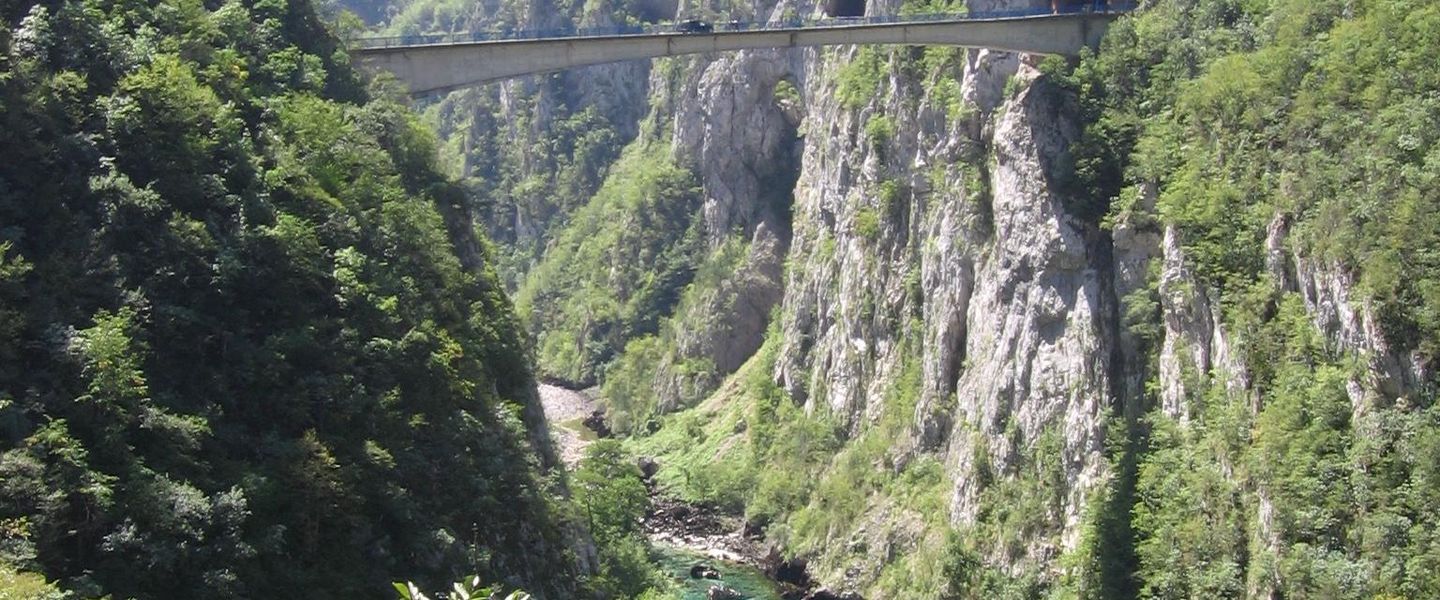
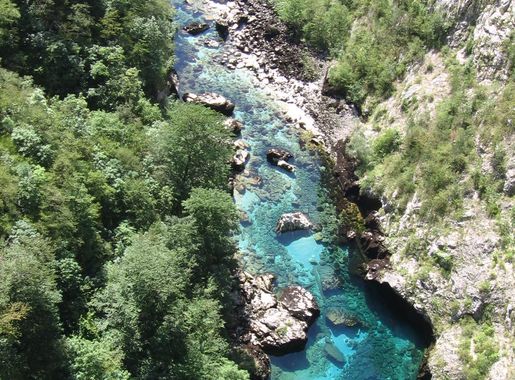
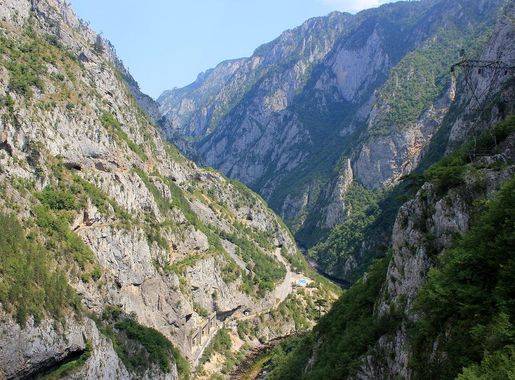
Piva is a stunning region in Montenegro, renowned for its breathtaking landscapes and untouched natural beauty. Nestled among towering mountains and lush forests, Piva is a paradise for nature lovers and adventurers alike. The area is home to the Piva River, which carves its way through deep canyons, creating picturesque vistas at every turn. The Piva Lake, a man-made reservoir, adds to the area's charm with its crystal-clear waters and serene surroundings. The lake is perfect for boating, fishing, and swimming, offering a refreshing escape from the hustle and bustle of everyday life. One of the most notable attractions in Piva is the Piva Monastery. This historic site, originally built in 1573, was meticulously relocated in the 1970s to make way for the construction of the Piva Lake. The monastery is a testament to Montenegro's rich cultural heritage, featuring impressive frescoes and intricate architectural details. Visitors can explore the monastery grounds and take in the peaceful atmosphere that envelops this sacred place. For those seeking adventure, Piva offers numerous hiking and trekking opportunities. The surrounding mountains provide a variety of trails, ranging from easy walks to challenging climbs. The views from the peaks are simply breathtaking, with panoramic vistas of the Piva River, Piva Lake, and the surrounding landscapes. The region is also a popular destination for white-water rafting, with the Piva River offering thrilling rapids and an unforgettable experience for adrenaline junkies.

Know before you go
Hi, I'm Eve. Here are a few practical things to know before exploring Piva.
- Visit in late spring or early autumn for the best weather and fewer crowds.
- Pack sturdy hiking boots and comfortable clothing for outdoor activities.
- Explore the local cuisine, especially dishes featuring fresh river fish.
- Consider a guided tour to fully appreciate the history and significance of the Piva Monastery.
- Bring a camera to capture the breathtaking landscapes and scenic views.
Destinations in Piva
Resorts, valleys and scenic spots worth a trip of their own.


Explore Piva: Things to Do, Places to Eat, Hotels & More
Handpicked recommendations for top attractions, local dining, accommodations, and more

Top Attractions & Sightseeing in Piva
Top-rated picks
Best Attractions

Pavlova Strana Viewpoint
Experience the breathtaking beauty of Montenegro at Pavlova Strana Viewpoint, a top destination for stunning landscapes and unforgettable memories.

Kotor Cats Museum
Explore the charming Kotor Cats Museum, where feline history and culture come alive in the heart of Montenegro's picturesque old town.

Dajbabe Monastery
Discover the tranquility of Dajbabe Monastery, a breathtaking cliffside sanctuary in Montenegro, rich in history and spiritual significance.

Piva Lake Boat Trip
Experience the breathtaking beauty and tranquility of Piva Lake with a serene boat trip in Montenegro's hidden gem.

Best landmarks in Piva
Top-rated picks
Best Landmarks

Ostrog Orthodox Monastery
Discover the spiritual beauty of Ostrog Orthodox Monastery, a breathtaking site in Montenegro offering rich history and stunning views.

Old Town
Explore the enchanting Old Town of Herceg Novi, a historical landmark filled with charm, culture, and stunning views of the Adriatic Sea.

Durmitor National Park
Experience the breathtaking beauty and adventure of Durmitor National Park, Montenegro's natural treasure with stunning landscapes and thrilling outdoor activities.

Lovćen National Park
Explore the stunning landscapes and rich heritage of Lovćen National Park, a natural jewel in Montenegro perfect for nature lovers and adventure seekers.

Best restaurants in Piva
Top-rated picks
Best Restaurants

BBQ Tanjga
Savor delicious grilled specialties at BBQ Tanjga in Kotor, where great flavors meet stunning views.

Pod Volat
Experience authentic Montenegrin cuisine at Pod Volat in Podgorica—where tradition meets taste in a cozy atmosphere.

Restobar Taraca
Discover the essence of Montenegrin cuisine at Restobar Taraca - where local flavors meet modern culinary artistry.

Konoba Portun
Discover the authentic flavors of Montenegro at Konoba Portun, where exquisite seafood meets stunning coastal views.

Best bars in Piva
Top-rated picks
Best Bars

The Nitrox Pub & Eatery
Experience the vibrant nightlife of Kotor at The Nitrox Pub & Eatery, where unique cocktails and local flavors come alive.

Casper Bar
Discover the lively ambiance of Casper Bar in Budva, where delicious drinks and a vibrant atmosphere await you.

Horizont Bar
Experience the best of Montenegrin wine and cuisine at Horizont Bar, a scenic retreat in the heart of Cetinje.

PG akademija piva
Experience the best of Montenegro's craft brewing scene at PG Akademija Piva in Podgorica, where unique flavors and a vibrant atmosphere await.

Best nightclubs in Piva
Top-rated picks
Best Nightclubs

Omnia
Experience the electric atmosphere of Omnia Nightclub, where vibrant music and unforgettable nights create the ultimate party in Budva.

People's
Discover the vibrant nightlife at People's Beach Bar in Herceg Novi, Montenegro, offering stunning views, delicious drinks, and unforgettable experiences.

The Clubhouse
Experience the vibrant atmosphere of The Clubhouse in Tivat, a perfect blend of bar, lounge, and coffee shop with stunning waterfront views.

Club Hide Budva
Discover the vibrant nightlife at Club Hide Budva, where electrifying music and an infectious atmosphere await you in Montenegro.

Best shops in Piva
Top-rated picks
Best Shops

The Nitrox Pub & Eatery
Experience the lively atmosphere of The Nitrox Pub & Eatery in Kotor, offering craft beers, cocktails, and delicious pub fare in a vibrant setting.

TQ Plaza
Discover the ultimate shopping experience at TQ Plaza in Budva, featuring high-end boutiques, diverse dining, and entertainment options for all ages.

Shopping Centre Kamelija
Explore Shopping Centre Kamelija in Kotor for a unique blend of shopping, dining, and entertainment experiences that reflect the charm of Montenegro.

Nature preserve 'Piva'
Experience the breathtaking landscapes and diverse wildlife at Nature Preserve 'Piva', a true gem in Montenegro for nature enthusiasts and adventurers.

Explore Piva on the Map
A handpicked selection of must-see spots in Piva, mapped for you.
Piva Essentials
-
Piva is located in northwestern Montenegro, near the border with Bosnia and Herzegovina. The nearest international airport is Podgorica Airport, approximately 150 kilometers away. From Podgorica, you can rent a car or take a bus to reach Piva. The journey by car typically takes around 2 to 3 hours, offering scenic routes through the Montenegrin countryside. Alternatively, you can take a bus from Podgorica to Plužine, the nearest town to Piva, and then a local taxi to your final destination.
-
Piva and its surrounding areas are best explored by car, providing the flexibility to visit various attractions, including the Piva Lake and Piva Monastery. Local taxis are available for short trips, and buses connect Plužine to other towns and cities in Montenegro. However, public transportation options within the immediate area of Piva are limited, making car rental a convenient choice for travelers.
-
The official currency in Montenegro is the Euro (EUR). Credit cards are accepted in most hotels, restaurants, and shops in Plužine and larger tourist areas. However, it is advisable to carry cash, especially when visiting more remote areas or smaller establishments. ATMs are available in Plužine, but it is wise to withdraw sufficient cash in larger cities like Podgorica before traveling to ensure you have enough funds.
-
Piva is generally a safe destination for tourists. Standard precautions should be taken, such as avoiding isolated areas at night and keeping an eye on personal belongings in crowded places. There are no specific high-crime areas targeting tourists in Piva, but it is always best to stay vigilant and aware of your surroundings. The local community is friendly and welcoming to visitors.
-
In case of emergency, dial 112 for immediate assistance, which is the European emergency number. The local police station and medical facilities are available in Plužine. It is recommended to have travel insurance that covers medical emergencies. For minor health issues, there are pharmacies in Plužine where you can purchase over-the-counter medications.
-
Fashion: Do dress modestly, especially when visiting religious sites such as the Piva Monastery. Avoid wearing overly revealing clothing. Religion: Do respect local customs and traditions. Always cover your head and shoulders when entering churches and monasteries. Public Transport: Do be respectful and give up your seat to elderly passengers. Don't eat or drink on public transport. Greetings: Do greet people with a handshake. A slight bow of the head is also a sign of respect. Eating & Drinking: Do try local delicacies and accept food offerings graciously. Don't refuse hospitality, as it is considered impolite.
-
To experience Piva like a local, visit the local markets in Plužine where you can buy fresh produce and traditional Montenegrin goods. Engage with locals, who are often friendly and willing to share stories about the area's history and culture. Don't miss visiting the Piva Lake, which offers stunning natural beauty and opportunities for outdoor activities such as hiking, fishing, and kayaking. For a unique experience, take a boat tour on the Piva River to explore the breathtaking canyons and landscapes.
When is the best time to visit Piva?
Useful Local Phrases for Piva
You don't need to speak the language perfectly. Even learning a few simple words can make conversations warmer—and locals usually appreciate the effort.
— Eve

Here are the phrases I use most often in Piva. Try a few—you'll be surprised how far they go! 😊
❤️
-
- HelloZdravo
[zdrah-voh] - GoodbyeDoviđenja
[doh-vee-jen-yah] - YesDa
[dah] - NoNe
[neh] - Please/You're welcomeMolim
[moh-leem] - Thank youHvala
[hvah-lah] - Excuse me/SorryIzvinite
[eez-vee-nee-teh] - How are you?Kako ste?
[kah-koh steh] - Fine. And you?Dobro. A vi?
[doh-broh. ah vee] - Do you speak English?Da li govorite engleski?
[dah lee goh-vor-ee-teh en-gle-skee] - I don't understandNe razumem
[neh rah-zoo-mehm]
- HelloZdravo
-
- I'd like to see the menu, pleaseHteo bih da vidim meni, molim
[hteh-oh bih dah vee-deem meh-nee, moh-leem] - I don't eat meatNe jedem meso
[neh yeh-dem meh-so] - Cheers!Živeli!
[zhee-veh-lee] - I would like to pay, pleaseHteo bih da platim, molim
[hteh-oh bih dah plah-teem, moh-leem]
- I'd like to see the menu, pleaseHteo bih da vidim meni, molim
-
- Help!Upomoć!
[oo-poh-moach] - Go away!Odlazi!
[oh-dlah-zee] - Call the Police!Pozovite policiju!
[poh-zoh-vee-teh poh-lee-tsee-yoo] - Call a doctor!Pozovite doktora!
[poh-zoh-vee-teh dok-toh-rah] - I'm lostIzgubio sam se
[eez-goo-bee-oh sahm seh] - I'm illBolestan sam
[boh-leh-stahn sahm]
- Help!Upomoć!
-
- I'd like to buy...Hteo bih da kupim...
[hteh-oh bih dah koo-peem] - I'm just lookingSamo gledam
[sah-mo gled-am] - How much is it?Koliko košta?
[koh-lee-koh koh-shtah] - That's too expensiveTo je preskupo
[toh yeh preh-skoo-poh] - Can you lower the price?Možete li da spustite cenu?
[moh-zhe-teh lee dah spoos-tee-teh tseh-nu]
- I'd like to buy...Hteo bih da kupim...
-
- What time is it?Koliko je sati?
[koh-lee-koh yeh sah-tee] - It's one o'clockJedan je sat
[yeh-dahn yeh saht] - Half past (10)Pola (10)
[poh-lah (10)] - MorningJutro
[yoo-troh] - AfternoonPopodne
[poh-poh-dneh] - EveningVeče
[veh-cheh] - YesterdayJuče
[yoo-cheh] - TodayDanas
[dah-nahs] - TomorrowSutra
[soo-trah] - 1Jedan
[yeh-dahn] - 2Dva
[dvah] - 3Tri
[tree] - 4Četiri
[cheh-tee-ree] - 5Pet
[peht] - 6Šest
[shest] - 7Sedam
[seh-dahm] - 8Osam
[oh-sahm] - 9Devet
[deh-vet] - 10Deset
[deh-set]
- What time is it?Koliko je sati?
-
- Where's a/the...?Gde je...?
[gdeh yeh] - What's the address?Koja je adresa?
[koh-yah yeh ah-dreh-sah] - Can you show me (on the map)?Možete li mi pokazati (na mapi)?
[moh-zhe-teh lee mee poh-kah-zah-tee (nah mah-pee)] - When's the next (bus)?Kada je sledeći (autobus)?
[kah-dah yeh sleh-deh-chee (ow-toh-boos)] - A ticket (to ....)Jedna karta (do ....)
[yeh-dnah kar-tah (doh ....)]
- Where's a/the...?Gde je...?
History of Piva
-
The history of Piva dates back to ancient times, with archaeological evidence indicating human settlement in the region during the Neolithic period. The strategic location of Piva, nestled in the heart of the Balkans, made it an important crossroads for various civilizations, including the Illyrians and Romans. The remnants of these ancient cultures are still visible today, offering a glimpse into the region's rich and diverse past.
-
One of the most significant historical landmarks in Piva is the Piva Monastery, originally built in the 16th century. This Serbian Orthodox monastery, which was relocated stone by stone to make way for the Piva Lake in the 20th century, stands as a testament to the region's religious and cultural heritage. The monastery is renowned for its frescoes, manuscripts, and icons, which reflect the artistic and spiritual life of medieval Montenegro.
-
During the Ottoman period, Piva was a site of significant resistance against Ottoman rule. The rugged terrain of the region provided a natural fortress for local insurgents who fought to preserve their culture and autonomy. The legacy of these battles is embedded in the folklore and traditions of Piva, with numerous tales of heroism and defiance passed down through generations.
-
In the late 19th and early 20th centuries, Piva came under the influence of the Austro-Hungarian Empire. This period brought about modernization and infrastructural development, including the construction of roads and bridges that connected Piva more closely with the rest of Montenegro and beyond. The architectural remnants from this era, such as the Austro-Hungarian fortifications, add another layer to Piva's multifaceted history.
-
Piva played a crucial role during World War II as a center of partisan resistance against Axis forces. The area was a significant stronghold for the Yugoslav Partisans, who conducted guerrilla warfare from the surrounding mountains. The memory of these struggles is commemorated in various monuments and memorials throughout Piva, honoring those who fought for freedom and justice.
-
The creation of Piva Lake in the 1970s marked a significant transformation in the region. The construction of the Piva Dam led to the submergence of parts of the valley, including the original site of the Piva Monastery. This massive hydroelectric project not only altered the landscape but also played a pivotal role in the economic development of the area, providing energy and fostering tourism.
-
Piva is rich in cultural traditions and folklore that have been preserved over centuries. The region is known for its vibrant music, dance, and traditional costumes, which are showcased in local festivals and celebrations. The oral traditions of Piva, including epic poetry and storytelling, offer a window into the values and beliefs of its people, making it a living repository of Montenegrin heritage.
Neighbouring Regions of Piva
The closest regions to Piva, if you have time for more than one.


Your all‑in‑one travel companion app
Explore expert travel guides, compare and book tours, experiences, hotels, and more—all from the palm of your hand. Download now for seamless trip planning wherever your wanderlust takes you.


Explore More of Montenegro
Looking beyond Piva? Discover Montenegro for broader travel guides, local hot-spots, and regional highlights.
Explore MontenegroPiva in Photos
Browse through our photo collection highlighting the charm and character of the destination.



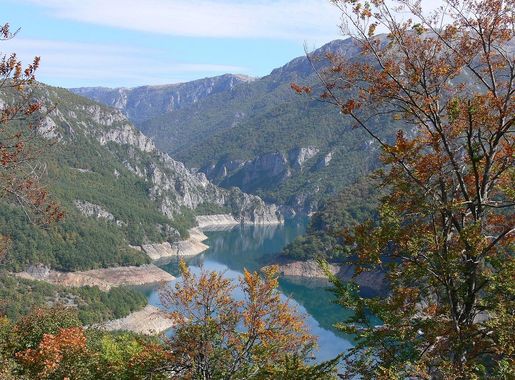
Piva: Montenegro's Hidden Gem of Natural Splendor
Piva is a stunning region in Montenegro, renowned for its breathtaking landscapes and untouched natural beauty. Nestled among towering mountains and lush forests, Piva is a paradise for nature lovers and adventurers alike. The area is home to the Piva River, which carves its way through deep canyons, creating picturesque vistas at every turn. The Piva Lake, a man-made reservoir, adds to the area's charm with its crystal-clear waters and serene surroundings. The lake is perfect for boating, fishing, and swimming, offering a refreshing escape from the hustle and bustle of everyday life. One of the most notable attractions in Piva is the Piva Monastery. This historic site, originally built in 1573, was meticulously relocated in the 1970s to make way for the construction of the Piva Lake. The monastery is a testament to Montenegro's rich cultural heritage, featuring impressive frescoes and intricate architectural details. Visitors can explore the monastery grounds and take in the peaceful atmosphere that envelops this sacred place. For those seeking adventure, Piva offers numerous hiking and trekking opportunities. The surrounding mountains provide a variety of trails, ranging from easy walks to challenging climbs. The views from the peaks are simply breathtaking, with panoramic vistas of the Piva River, Piva Lake, and the surrounding landscapes. The region is also a popular destination for white-water rafting, with the Piva River offering thrilling rapids and an unforgettable experience for adrenaline junkies.