

Free Tara River Valley Travel Guide & Mobile App
Explore Tara River Valley with free travel guides. Discover regional history, expert tips, proposed trips, and audio guides on web or mobile app.


Explore Montenegro’s Tara River Valley for canyon viewpoints, rafting, mountain villages, Durmitor scenery and hearty northern cuisine.
Read more about Tara River Valley
When is the best time to visit Tara River Valley?
Best: June–August · 23–26°C| Month | High (°C) | Rainfall (mm) |
|---|---|---|
| January | 5 | 92 |
| February | 6 | 85 |
| March | 9 | 79 |
| April | 15 | 75 |
| May | 20 | 72 |
| June (best) | 23 | 70 |
| July (best) | 26 | 65 |
| August (best) | 25 | 67 |
| September | 21 | 72 |
| October | 16 | 80 |
| November | 10 | 84 |
| December | 6 | 89 |
Getting to and around Tara River Valley
How to get there
Transportation
Destinations in Tara River Valley
Resorts, valleys and scenic spots worth a trip of their own.
-

-


Swipe for more destinations
Best attractions in Tara River Valley
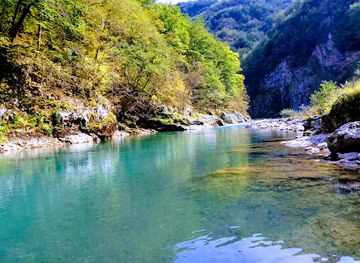
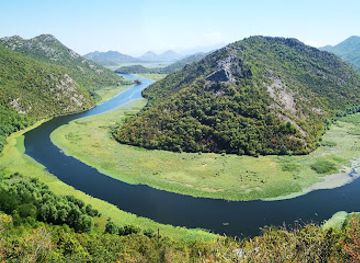
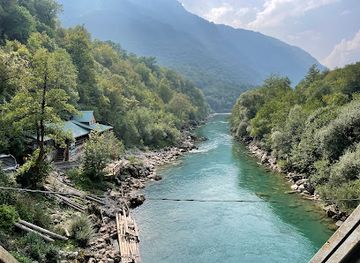
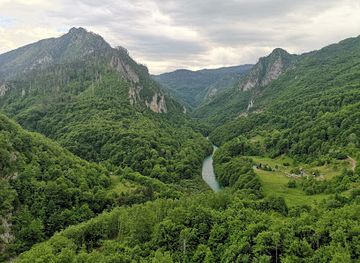
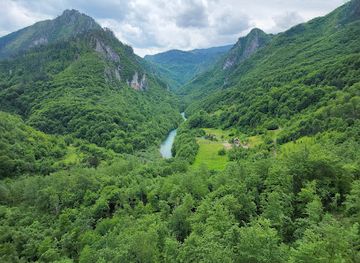
The Tara River Valley’s attractions are primarily landscape-based, combining canyon scenery with mountain culture and outdoor activity. The Tara Canyon within the Durmitor National Park setting offers viewpoints, forest walks and rafting opportunities, with Đurđevića Tara Bridge providing the most accessible introduction to the gorge. The river is best experienced through a properly organised rafting trip, while short walks near established viewpoints suit visitors who are not seeking a demanding expedition. Around Mojkovac, the broader valley, Brskovo’s medieval mining heritage and routes towards the surrounding uplands add historical and rural interest. Higher roads lead towards meadows, forests and open mountain scenery associated with Bjelasica and Sinjajevina, though conditions can be exposed and facilities sparse. Nearby Žabljak is a useful base for excursions into Durmitor National Park, including highland walks and glacial landscapes, but it should not be confused with the Tara valley proper. The region is less about a dense sequence of ticketed attractions than about moving between river overlooks, bridges, forest tracks, village food and high-country scenery.
-
National park
Durmitor National Park
Discover the breathtaking beauty of Durmitor National Park, a UNESCO World Heritage site in Montenegro, ideal for outdoor adventures and nature exploration.
-
Tourist attraction
Pavlova Strana Viewpoint
Discover the stunning beauty of Montenegro at Pavlova Strana Viewpoint, where the Tara River Canyon meets breathtaking mountain vistas.
-
Tourist attraction
Mountain pass Sedlo
Explore the breathtaking Mountain Pass Sedlo in Durmitor National Park, Montenegro, where stunning landscapes and adventure await every traveler.
-
Adventure sports
Waterfall Rafting Center
Discover the thrill of white-water rafting at Waterfall Rafting Center, where adventure meets stunning natural beauty in Montenegro.

Best landmarks in Tara River Valley
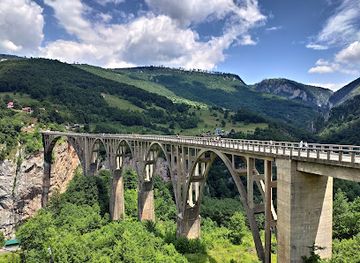
The Đurđevića Tara Bridge is the Tara River Valley’s defining built landmark. Its sweeping concrete arches cross the gorge above the river and illustrate the engineering challenge of connecting remote mountain districts; the surrounding viewpoints make the scale of the canyon particularly clear. The Tara Canyon itself is the region’s principal natural landmark, a long limestone incision framed by dense woodland, cliffs and high plateaux within the wider Durmitor National Park landscape. Near Mojkovac, the historical remains and archaeological setting associated with medieval Brskovo recall the valley’s former importance as a silver-mining centre, even though the site is less visually monumental than the bridge. The confluence area near Šćepan Polje marks the Tara’s meeting with the Piva and the beginning of the Drina, but access and interpretation depend on local road conditions. Mountain skylines, forested ravines and open upland meadows complete a group of landmarks defined as much by geology and distance as by architecture.
-
Monastery
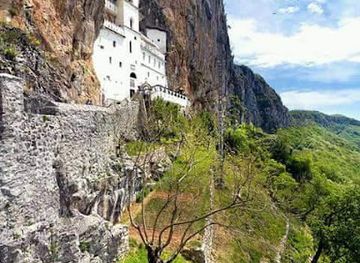
Ostrog Orthodox Monastery
Discover the breathtaking beauty and spiritual significance of Ostrog Orthodox Monastery, a must-visit in the heart of Montenegro.
-
Historical landmark
Old Town
Discover the enchanting Old Town of Herceg Novi, where history, culture, and breathtaking views converge in the heart of Montenegro's coastal charm.
-
National park
Durmitor National Park
Discover the breathtaking landscapes and adventure activities at Durmitor National Park, Montenegro's natural gem and UNESCO World Heritage site.
-
Bridge
Đurđevića Tara Bridge
Discover the breathtaking Đurđevića Tara Bridge, an architectural gem in Montenegro that offers stunning views and outdoor adventures.
Explore Tara River Valley on the map
Plan your trip on one map. See where the top cities, national parks and sights are, and book hotels and experiences in a few clicks.
Best hotels in Tara River Valley
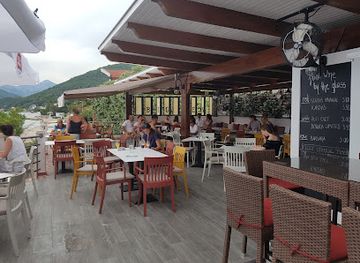
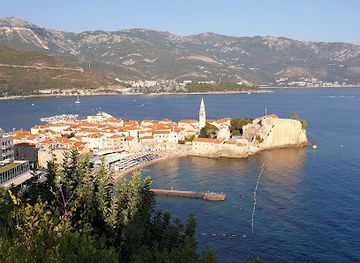
Best restaurants in Tara River Valley
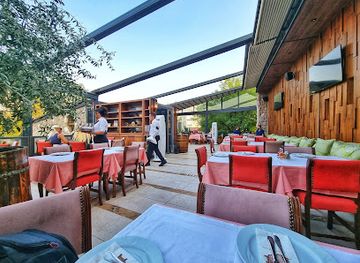
Eating in the Tara River Valley reflects northern Montenegro’s mountain cuisine and the practical traditions of pastoral households. Traditional restaurants and rural hosts commonly serve kačamak, a hearty cornmeal and potato dish, along with cicvara, kajmak, local cheeses, smoked meat and lamb. Trout is associated with the clear mountain rivers, while soups, beans, mushrooms and potatoes suit the colder climate. Honey, berries and homemade preserves may appear seasonally, and simple breads and dairy products are central to many meals. Mojkovac and Žabljak offer the broadest choice of restaurants, while smaller villages and rafting areas tend towards grills, rustic inns and set meals rather than extensive menus. Food is often substantial and designed for walkers, drivers and outdoor workers. Visitors should distinguish local specialities from dishes found throughout Montenegro, but trying northern mountain preparations is one of the most direct ways to understand the valley’s rural economy.
-
Restaurant
BBQ Tanjga
Discover delicious barbecue delights at BBQ Tanjga in Kotor - where every bite takes you on a flavorful journey through Montenegro's culinary heritage.
-
Restaurant
Pod Volat
Discover authentic Montenegrin cuisine at Pod Volat in Podgorica - where tradition meets taste in a cozy setting.
-
Restaurant
Big Ben
Experience culinary excellence at Big Ben in Tivat, where local flavors meet stunning waterfront views.
-
Restaurant
Restoran Vista Vidikovac
Experience exquisite Montenegrin cuisine at Restoran Vista Vidikovac with stunning views of the Adriatic Sea, perfect for every occasion.

Best bars in Tara River Valley
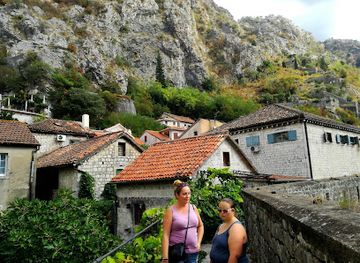
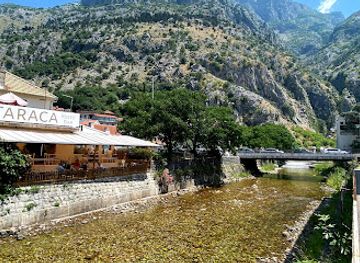
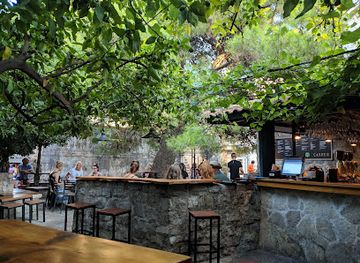
Nightlife in the Tara River Valley is restrained and closely tied to its mountain and outdoor character. Mojkovac and Žabljak have cafés, restaurants, traditional bars and occasional live entertainment, while villages and rafting areas generally offer quiet evenings rather than a developed club scene. After a day on the river or in the mountains, the usual choices are a long meal, a drink in a local café or an informal gathering at accommodation. Seasonal activity can increase around rafting camps and summer visitor periods, but opening arrangements vary and should not be assumed. Some establishments serve local beer, spirits and coffee alongside food, and the social rhythm is usually earlier and more relaxed than in Montenegro’s coastal resorts. Visitors seeking large-scale nightclubs or late-night entertainment will find a more substantial scene outside the valley in larger cities, not within this predominantly rural region.
-
Cocktail bar
The Nitrox Pub & Eatery
Discover the vibrant flavors and welcoming atmosphere at The Nitrox Pub & Eatery in Kotor, the perfect spot for cocktails and local cuisine.
-
Restaurant
Restobar Taraca
Experience the best of Montenegrin cuisine at Restobar Taraca, where fresh ingredients meet stunning river views in a welcoming atmosphere.
-
Marina
Bar Marina
Experience the charm of Bar Marina, Montenegro, where stunning views, vibrant dining, and tranquil waters come together for an unforgettable getaway.
-
Bar
Casper Bar
Discover the vibrant nightlife at Casper Bar, Budva's premier destination for cocktails, socializing, and unforgettable experiences.
Best nightclubs in Tara River Valley
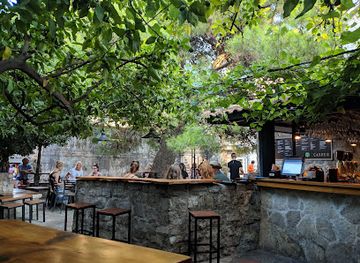
Nightlife in the Tara River Valley is restrained and closely tied to its mountain and outdoor character. Mojkovac and Žabljak have cafés, restaurants, traditional bars and occasional live entertainment, while villages and rafting areas generally offer quiet evenings rather than a developed club scene. After a day on the river or in the mountains, the usual choices are a long meal, a drink in a local café or an informal gathering at accommodation. Seasonal activity can increase around rafting camps and summer visitor periods, but opening arrangements vary and should not be assumed. Some establishments serve local beer, spirits and coffee alongside food, and the social rhythm is usually earlier and more relaxed than in Montenegro’s coastal resorts. Visitors seeking large-scale nightclubs or late-night entertainment will find a more substantial scene outside the valley in larger cities, not within this predominantly rural region.
-
Bar
Casper Bar
Experience the vibrant nightlife at Casper Bar in Budva, where exquisite cocktails and an electric atmosphere await every visitor.
-
Disco club
Top Hill
Experience the electrifying nightlife of Budva at Top Hill, a premier disco club with stunning sea views and unforgettable parties.
-
Wine bar
Underwater wine cellar Kraken Kotor
Experience the enchanting underwater world while enjoying exquisite wines and gourmet cuisine at the Underwater Wine Cellar Kraken Kotor in Montenegro.
-
Bar
Klub Invalida
Experience the vibrant nightlife of Kotor at Klub Invalida, a must-visit bar offering delicious drinks and a lively atmosphere.

Best shops in Tara River Valley
Shopping in the Tara River Valley is modest and practical, with the strongest local character found in Mojkovac, Žabljak and small market or food shops rather than in dedicated retail districts. Visitors can look for mountain cheeses, honey, preserves, dried or smoked foods, herbal products and locally made spirits, while seasonal produce reflects the short highland growing season. Craft items such as knitted woollens, woven textiles, carved wood and simple regional souvenirs may be available through accommodation providers, roadside sellers or small independent shops, but quality and availability vary. Mojkovac is useful for everyday provisions and supplies before travelling deeper into the valley; Žabljak has more visitor-oriented outdoor equipment and souvenir retail. Farmers’ stalls and local food purchases are often more representative of the region than mass-produced merchandise. Carry cash for small sellers, ask about provenance, and avoid removing natural materials such as plants, stones or wood from protected landscapes.
-
Bridge
Đurđevića Tara Bridge
Explore the stunning Đurđevića Tara Bridge, a breathtaking architectural marvel in the heart of Montenegro's natural beauty, offering thrilling adventures and picturesque views.
-
Shopping mall
TQ Plaza
Discover TQ Plaza in Budva, Montenegro – a vibrant shopping mall with diverse stores, dining options, and entertainment for the perfect shopping experience.
-
Shopping mall
Shopping Centre Kamelija
Discover Shopping Centre Kamelija, Kotor's ultimate retail and dining destination, blending modernity with local charm.
-
Rafting
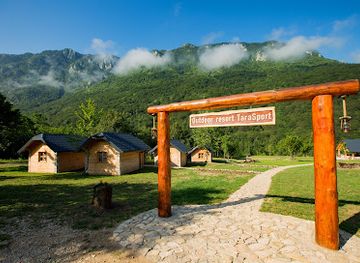
Outdoor Resort TaraSport
Immerse yourself in adventure at Outdoor Resort TaraSport, where rafting, hiking, and rock climbing meet the stunning beauty of Bosnia & Herzegovina.
Get your free copy of our complete guide to Tara River Valley, delivered straight to you.
Everything on this page, from attractions and restaurants to essentials and local phrases, in one PDF you can read offline, print or share.
Already have an account? Sign in
Your Tara River Valley guide is ready.
We'll send it to · Not you? Sign out

Getting your guide ready…
We are putting together a fresh copy of the Tara River Valley guide. This can take up to a minute.
This can take a few moments. If your browser asks, choose Allow so the download can start. You'll find the guide in your Downloads folder.
Nothing happened? Download it again
Sorry, the guide is taking longer than usual. Please try again in a minute, or get it by email instead.
Tara River Valley essentials
Currency and Payment
Safety
Emergency Situations
Do's and Don'ts
Local Tips
From Eve
Local phrases worth knowing
You don't need to get them perfect. A few words go a long way, and locals appreciate the effort.
Basics
| English | Local | Say it |
|---|---|---|
| Hello | Zdravo | [Zdra-vo] |
| Goodbye | Doviđenja | [Dovi-đen-ya] |
| Yes | Da | [Da] |
| No | Ne | [Ne] |
| Please/You're welcome | Molim | [Mo-lim] |
| Thank you | Hvala | [Hva-la] |
| Excuse me/Sorry | Izvinite | [Iz-vi-ni-te] |
| How are you? | Kako si? | [Ka-ko si?] |
| Fine. And you? | Dobro. A ti? | [Do-bro. A ti?] |
| Do you speak English? | Da li govorite engleski? | [Da li go-vo-ri-te en-gles-ki?] |
| I don't understand | Ne razumem | [Ne ra-zu-mem] |
Eating & Drinking
| English | Local | Say it |
|---|---|---|
| I'd like to see the menu, please | Hteo bih da vidim meni, molim | [Hte-o bih da vi-dim me-ni, mo-lim] |
| I don't eat meat | Ne jedem meso | [Ne je-dem me-so] |
| Cheers! | Živeli! | [Ži-ve-li] |
| I would like to pay, please | Hteo bih da platim, molim | [Hte-o bih da pla-tim, mo-lim] |
Emergencies
| English | Local | Say it |
|---|---|---|
| Help! | Upomoć! | [U-po-moć] |
| Go away! | Odlazi! | [Od-la-zi] |
| Call the Police! | Pozovite policiju! | [Po-zo-vi-te po-li-ci-ju] |
| Call a doctor! | Pozovite doktora! | [Po-zo-vi-te dok-to-ra] |
| I'm lost | Izgubio sam se | [Iz-gu-bi-o sam se] |
| I'm ill | Bolestan sam | [Bo-le-stan sam] |
Shopping
| English | Local | Say it |
|---|---|---|
| I'd like to buy... | Hteo bih da kupim... | [Hte-o bih da ku-pim] |
| I'm just looking | Samo gledam | [Sa-mo gle-dam] |
| How much is it? | Koliko košta? | [Ko-li-ko ko-šta?] |
| That's too expensive | To je preskupo | [To je pre-sku-po] |
| Can you lower the price? | Možete li smanjiti cenu? | [Mo-že-te li sma-nji-ti ce-nu?] |
Time & Numbers
| English | Local | Say it |
|---|---|---|
| What time is it? | Koliko je sati? | [Ko-li-ko je sa-ti?] |
| It's one o'clock | Jedan je sat | [Je-dan je sat] |
| Half past (10) | Pola (10) | [Po-la (10)] |
| Morning | Jutro | [Ju-tro] |
| Afternoon | Popodne | [Po-podne] |
| Evening | Veče | [Ve-che] |
| Yesterday | Juče | [Ju-che] |
| Today | Danas | [Da-nas] |
| Tomorrow | Sutra | [Su-tra] |
| 1 | Jedan | [Je-dan] |
| 2 | Dva | [Dva] |
| 3 | Tri | [Tri] |
| 4 | Četiri | [Če-ti-ri] |
| 5 | Pet | [Pet] |
| 6 | Šest | [Šest] |
| 7 | Sedam | [Se-dam] |
| 8 | Osam | [O-sam] |
| 9 | Devet | [De-vet] |
| 10 | Deset | [De-set] |
Transport & Directions
| English | Local | Say it |
|---|---|---|
| Where's a/the...? | Gde je...? | [Gde je...?] |
| What's the address? | Koja je adresa? | [Ko-ja je a-dre-sa?] |
| Can you show me (on the map)? | Možete li mi pokazati (na mapi)? | [Mo-že-te li mi po-ka-za-ti (na ma-pi)?] |
| When's the next (bus)? | Kada je sledeći (autobus)? | [Ka-da je sle-de-ći (au-to-bus)?] |
| A ticket (to ....) | Jedna karta (do ...) | [Jed-na kar-ta (do ...)] |
History of Tara River Valley
Prehistoric and Illyrian Mountain Settlement
The Tara basin and surrounding highlands have long provided seasonal routes, pasture and settlement sites. Archaeological evidence from northern Montenegro records prehistoric communities, while later Illyrian groups occupied a landscape rich in timber, water and mineral resources. The rugged terrain did not isolate the area completely: river corridors and mountain passes connected the interior with neighbouring valleys. Much of the earliest surviving evidence is fragmentary, but the enduring pattern of combining lower-elevation settlement with summer grazing remains important for understanding the region’s traditional economy.
Medieval Brskovo and the Mining Economy
The medieval settlement of Brskovo, near present-day Mojkovac, became one of the most important mining centres of the Serbian medieval state. Its silver production and position on trading routes brought merchants, craftsmen and administrative importance to the Tara basin, linking the area with wider Balkan markets. Mining activity declined over subsequent centuries, but the legacy of Brskovo helps explain Mojkovac’s historical significance beyond its modern role as a road and railway town. The surrounding mountains continued to support pastoralism, forestry and small-scale agriculture.
Ottoman Frontier and Highland Communities
From the late medieval and early modern periods, northern Montenegro stood within a shifting frontier zone influenced by Ottoman power and neighbouring Montenegrin and Herzegovinian communities. Authority was often experienced through local clans, villages, religious institutions and seasonal movement rather than through dense urban administration. Fortified positions, old routes and settlement patterns reflect this strategic environment, although many physical traces are modest. The Tara valley’s difficult terrain allowed communities to preserve strong local networks while remaining connected to wider political changes in the Balkans.
Mojkovac and the Battle of 1916
Mojkovac is associated with the Battle of Mojkovac, fought in January 1916 during the First World War. Montenegrin forces engaged Austro-Hungarian troops in the surrounding mountain terrain while the wider conflict was reshaping the Kingdom of Montenegro and the Balkans. The battle occupies an important place in Montenegro’s national historical memory, particularly because it is linked to the defence of routes through the north. Memorials and local historical interpretation provide context, but visitors should distinguish the battlefield landscape from the river’s natural attractions.
Railways, Roads and the Modern Tara Corridor
The arrival of modern transport altered the Tara basin’s economic geography. The railway linking Serbia with the Montenegrin interior gave Mojkovac a durable connection with regional markets, while later roads opened the canyon and mountain settlements to road travel. The bridge at Đurđevića Tara, completed in the early 1940s, became a major crossing and a symbol of engineering in difficult terrain. Transport development encouraged forestry, tourism and trade, while also making the previously remote canyon more accessible to visitors.
Durmitor National Park and Conservation
Durmitor National Park was established in 1952 to protect a landscape of high peaks, glacial lakes, forests, alpine meadows and the Tara Canyon. Its natural importance was later recognised through UNESCO World Heritage status as part of the Durmitor National Park site. Conservation has helped preserve habitats and scenic character while tourism has expanded through hiking, rafting and mountain recreation. The history of the valley is therefore also a story of changing land use: from pastoral and transport corridor to a protected landscape balancing local livelihoods with international tourism.
Tara River Valley in Photos
Browse through our photo collection highlighting the charm and character of the destination.
Neighbouring regions of Tara River Valley
The closest regions to Tara River Valley, if you have time for more than one.
-

-

-

-

-


Swipe for more regions
Explore more
Explore more of Montenegro
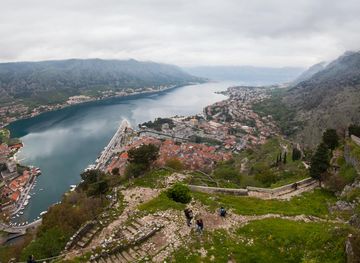
Discover Montenegro: A blend of stunning landscapes, rich history, and vibrant culture on the breathtaking Adriatic coast.
Explore Montenegro