
Mount Bjelasica, Montenegro Travel Guide
Discover the untouched beauty of Mount Bjelasica in Montenegro, where lush forests, serene lakes, and thrilling activities await year-round adventurers.
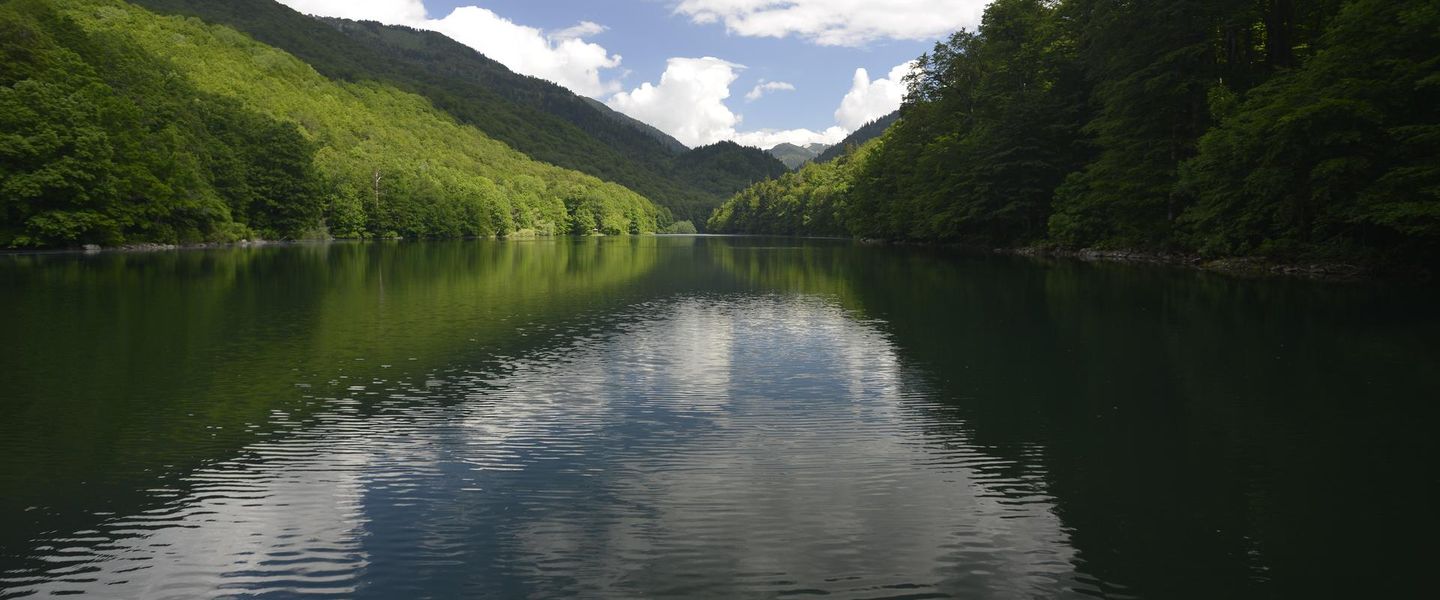
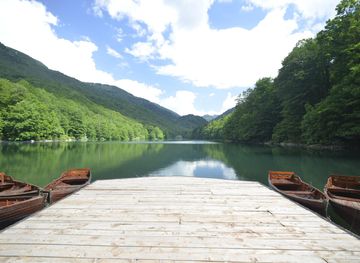
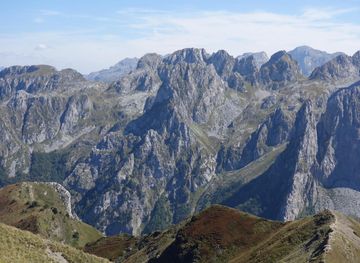
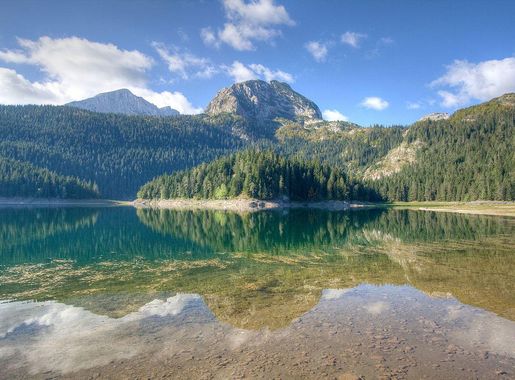
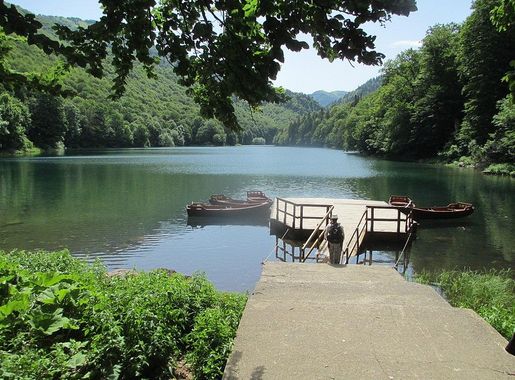
Mount Bjelasica, located in the heart of Montenegro, is a treasure trove for nature enthusiasts and adventure seekers alike. This picturesque mountain range is part of the larger Biogradska Gora National Park, one of Europe's last remaining primeval forests. Lush greenery, serene lakes, and diverse wildlife make this destination a haven for those looking to immerse themselves in the beauty of nature. The mountain is a year-round destination, offering a multitude of activities in both summer and winter. During the warmer months, the extensive network of hiking and biking trails provides a perfect way to explore the stunning landscapes. The trails vary in difficulty, catering to both beginners and seasoned hikers. For a more leisurely experience, visitors can enjoy birdwatching or take a scenic boat ride on the crystal-clear waters of Lake Biogradska. In winter, Mount Bjelasica transforms into a snowy paradise. The Kolašin 1450 and Kolašin 1600 ski resorts offer excellent skiing and snowboarding opportunities. The resorts are well-equipped with modern facilities, making them suitable for families and solo travelers alike. After a day on the slopes, visitors can relax in cozy mountain lodges, sampling local Montenegrin cuisine and warming up by the fire.

Know before you go
Hi, I'm Eve. Here are a few practical things to know before exploring Mount Bjelasica.
- Bring sturdy hiking boots. The trails can be uneven and rocky.
- Visit in late spring or early autumn for the best weather and fewer crowds.
- Pack layers. The weather can change quickly, especially at higher altitudes.
- Try the local cuisine. Montenegrin dishes like 'kačamak' and 'cicvara' are delicious.
- Book ski passes in advance if visiting during the winter season.
Explore Mount Bjelasica: Things to Do, Places to Eat, Hotels & More
Handpicked recommendations for top attractions, local dining, accommodations, and more

Best attractions in Mount Bjelasica
Top-rated picks
Best Attractions

Holy Pine
Explore Holy Pine in Kamena Gora: A serene escape into nature's embrace, perfect for relaxation and breathtaking views.

Vusanje
Explore Vusanje, Montenegro: A serene village surrounded by breathtaking landscapes and rich cultural heritage perfect for adventure and relaxation.

Elvedelta
Explore the serene landscapes of Elvedelta, a picturesque attraction in Montenegro, perfect for nature lovers and photographers alike.

Ropojana valley
Explore Ropojana Valley: A Natural Wonderland in Montenegro Perfect for Adventure and Relaxation

Best landmarks in Mount Bjelasica
Top-rated picks
Best Landmarks

Biogradska gora National Park
Explore the breathtaking landscapes and rich biodiversity of Biogradska Gora National Park, a natural wonder in Montenegro.
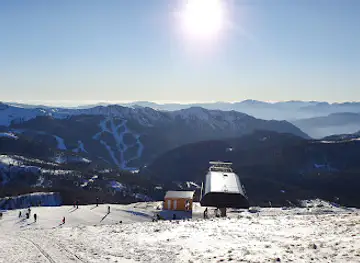
Kolašin 1450
Experience the ultimate skiing adventure at Kolašin 1450, Montenegro's premier ski resort, offering breathtaking landscapes and thrilling slopes for all ages.

Kolasin 1600 Ski Center
Experience the best of winter at Kolasin 1600 Ski Center, Montenegro's premier ski resort with stunning views, thrilling slopes, and cozy amenities.

Biogradska Gora
Experience the breathtaking natural beauty and rich biodiversity of Biogradska Gora, a serene national park in the heart of Montenegro.

Best restaurants in Mount Bjelasica
Top-rated picks
Best Restaurants

Restoran RAJ
Experience authentic Montenegrin cuisine at Restoran RAJ with breathtaking river views and warm hospitality.

Restoran Dobre Vode
Experience authentic Montenegrin cuisine at Restoran Dobre Vode in Kolašin - where every meal tells a story.

Restoran VODENICA
Savor traditional Montenegrin dishes in the heart of Kolasin at Restoran VODENICA - where every meal is a celebration of local flavors.

Savardak
Experience the best of Montenegrin flavors at Savardak - where tradition meets taste in a cozy setting.

Best bars in Mount Bjelasica
Top-rated picks
Best Bars
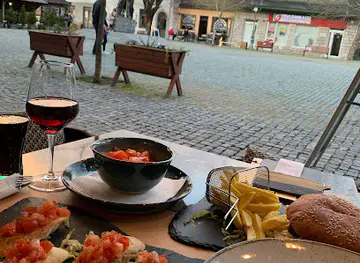
Lounge Bar Montana
Discover the enchanting Lounge Bar Montana in Kolašin, where delightful drinks meet local charm amidst the stunning landscapes of Montenegro.

Chill Lounge bar
Discover the perfect blend of relaxation and culinary delight at Chill Lounge Bar in Mojkovac, Montenegro—your go-to spot for fast food and drinks.

Kuća bar
Experience the vibrant atmosphere and local flavors at Kuća Bar, a must-visit pub in Berane, Montenegro.

BEER HOUSE REGION 6
Experience the vibrant atmosphere and local flavors at Beer House Region 6, a must-visit pub in Bijelo Polje, Montenegro.

Best nightclubs in Mount Bjelasica
Top-rated picks
Best Nightclubs

Street bar
Experience the vibrant nightlife at Street Bar, where cocktails, coffee, and live jazz create unforgettable moments in the heart of Podgorica.

Lounge Bar Montana
Experience the charm of Kolašin at Lounge Bar Montana, where local cuisine meets a cozy atmosphere for unforgettable moments.

Night Club Ambiente
Discover the vibrant nightlife of Budva at Night Club Ambiente, where exhilarating beats and a lively crowd create an unforgettable experience.

Biro
Experience the electrifying nightlife at Biro, Podgorica's top dance club, where music and fun never stop.

Best shops in Mount Bjelasica
Top-rated picks
Best Shops

Radmilica - Enjoy the View
Discover the serene beauty of Radmilica, where exquisite coffee meets breathtaking views in the heart of Montenegro.

Okov
Explore Okov in Berane, Montenegro, your ultimate destination for home improvement supplies and expert advice, perfect for every DIY enthusiast.

VOLI
Explore VOLI in Berane for a delightful shopping experience showcasing local and international products, all in one convenient location.

Panorama 2
Explore the vibrant and budget-friendly Panorama 2, your go-to discount supermarket in the heart of Montenegro, offering local delights and everyday essentials.

Explore Mount Bjelasica on the Map
A handpicked selection of must-see spots in Mount Bjelasica, mapped for you.
Mount Bjelasica Essentials
-
Mount Bjelasica is located in the northeastern part of Montenegro, primarily within Biogradska Gora National Park. The closest airport is Podgorica Airport, approximately 120 kilometers away. From Podgorica, you can rent a car, take a taxi, or use a shuttle service to reach the town of Kolašin, which serves as the main gateway to Mount Bjelasica. Alternatively, you can take a train from Podgorica to Kolašin, which offers a scenic journey through Montenegro's mountainous terrain. The journey by train takes about 1.5 to 2 hours.
-
Once in Kolašin, you can use local taxis, rent a bicycle, or even hike to explore the surrounding areas of Mount Bjelasica. Public buses and minibuses operate between Kolašin and nearby villages, but services can be infrequent. Renting a car is highly recommended for those wanting to explore the mountain and its remote areas at their own pace. Make sure your vehicle is equipped for mountain driving, particularly in winter when roads can be icy and covered in snow.
-
The official currency in Montenegro is the Euro (EUR). Credit cards are widely accepted in hotels, restaurants, and larger shops in Kolašin, but it is advisable to carry cash when venturing into more remote areas around Mount Bjelasica. ATMs are available in Kolašin, so it is wise to withdraw sufficient cash before heading into the national park or less populated areas.
-
Mount Bjelasica and its surrounding areas are generally safe for tourists. However, as with any travel destination, standard precautions should be taken. Avoid hiking alone, especially in remote areas, and always inform someone about your plans. Keep an eye on your belongings in crowded places and avoid walking alone at night in unfamiliar areas. There are no specific high-crime areas targeting tourists, but it is always best to stay vigilant and aware of your surroundings.
-
In case of emergency, dial 112 for immediate assistance. The local police station and medical facilities are available in Kolašin. It is recommended to have travel insurance that covers medical emergencies and adventure activities such as hiking or skiing. For minor health issues, there are pharmacies in Kolašin where you can purchase over-the-counter medications. Always carry a basic first aid kit when exploring the mountain.
-
Fashion: Do dress in layers and be prepared for changing weather conditions. Hiking boots are essential for trail exploration. Avoid wearing overly flashy or revealing clothing. Religion: Do respect local customs and traditions when visiting religious sites. Dress modestly and cover your head if required. Public Transport: Do be respectful and give up your seat to elderly passengers. Don't eat or drink on public transport. Greetings: Do greet people with a handshake. A slight bow of the head is also a sign of respect. Eating & Drinking: Do try local delicacies such as 'kačamak' and 'cicvara'. Accept food offerings graciously. Don't refuse hospitality, as it is considered impolite.
-
To experience Mount Bjelasica like a local, visit the traditional wooden huts known as 'katuns', where you can taste homemade cheese and other local produce. Engage with locals, as they are often friendly and willing to share stories about the area's history and culture. Don't miss the opportunity to hike to Biogradsko Lake, a stunning glacial lake located within Biogradska Gora National Park. For a unique experience, consider visiting during the winter months for skiing and snowboarding at the Kolašin 1450 and 1600 ski resorts.
When is the best time to visit Mount Bjelasica?
Useful Local Phrases for Mount Bjelasica
You don't need to speak the language perfectly. Even learning a few simple words can make conversations warmer—and locals usually appreciate the effort.
— Eve

Here are the phrases I use most often in Mount Bjelasica. Try a few—you'll be surprised how far they go! 😊
❤️
-
- HelloZdravo
[Zdrah-voh] - GoodbyeDoviđenja
[Doh-vee-jen-yah] - YesDa
[Dah] - NoNe
[Neh] - Please/You're welcomeMolim
[Mol-eem] - Thank youHvala
[Hvah-lah] - Excuse me/SorryIzvinite
[Eez-vee-nee-teh] - How are you?Kako si?
[Kah-koh see?] - Fine. And you?Dobro. A ti?
[Doh-bro. Ah tee?] - Do you speak English?Govorite li engleski?
[Go-vo-ree-teh lee en-gleh-skee?] - I don't understandNe razumem
[Neh rah-zoo-mem]
- HelloZdravo
-
- I'd like to see the menu, pleaseMolim vas, da vidim meni
[Mol-eem vahs, dah vee-deem meh-nee] - I don't eat meatNe jedem meso
[Neh yeh-dem meh-so] - Cheers!Živjeli!
[Zhee-vyeh-lee] - I would like to pay, pleaseŽelim da platim, molim vas
[Zheh-leem dah pla-teem, mol-eem vahs]
- I'd like to see the menu, pleaseMolim vas, da vidim meni
-
- Help!Pomoć!
[Poh-mohch!] - Go away!Idi odavde!
[Ee-dee oh-dahv-deh!] - Call the Police!Pozovite policiju!
[Poh-zoh-vee-teh po-lee-tsee-yoo!] - Call a doctor!Pozovite doktora!
[Poh-zoh-vee-teh dohk-toh-rah!] - I'm lostIzgubio sam se
[Eez-goo-byoh sahm seh] - I'm illBolestan sam
[Boh-leh-stahn sahm]
- Help!Pomoć!
-
- I'd like to buy...Želim da kupim...
[Zheh-leem dah koo-peem...] - I'm just lookingSamo gledam
[Sah-moh gleh-dahm] - How much is it?Koliko košta?
[Koh-lee-koh kosh-tah?] - That's too expensiveTo je previše skupo
[Toh yeh preh-vee-sheh skoo-poh] - Can you lower the price?Možete li spustiti cenu?
[Moh-zheh-teh lee spoos-tee-tee tseh-noo?]
- I'd like to buy...Želim da kupim...
-
- What time is it?Koliko je sati?
[Koh-lee-koh yeh sah-tee?] - It's one o'clockJedan je sat
[Yeh-dahn yeh saht] - Half past (10)Pola (deset)
[Poh-lah (deh-seht)] - MorningJutro
[Yoo-troh] - AfternoonPopodne
[Poh-pohd-neh] - EveningVeče
[Veh-cheh] - YesterdayJuče
[Yoo-cheh] - TodayDanas
[Dah-nahs] - TomorrowSutra
[Soo-trah] - 1Jedan
[Yeh-dahn] - 2Dva
[Dvah] - 3Tri
[Tree] - 4Četiri
[Cheh-tee-ree] - 5Pet
[Peh-t] - 6Šest
[Shehst] - 7Sedam
[Seh-dahm] - 8Osam
[Oh-sahm] - 9Devet
[Deh-vet] - 10Deset
[Deh-seht]
- What time is it?Koliko je sati?
-
- Where's a/the...?Gde je...?
[Gdeh yeh...?] - What's the address?Koja je adresa?
[Koh-yah yeh ah-deh-sah?] - Can you show me (on the map)?Možete li mi pokazati (na mapi)?
[Moh-zheh-teh lee mee poh-kah-zah-tee (nah mah-pee)?] - When's the next (bus)?Kada je sledeći (autobus)?
[Kah-dah yeh sleh-deh-chee (ow-toh-boos)?] - A ticket (to ....)Karta (za ....)
[Kahr-tah (zah ....)]
- Where's a/the...?Gde je...?
History of Mount Bjelasica
-
Mount Bjelasica has a rich history dating back to ancient times when Illyrian tribes roamed the region. The Illyrians were known for their fortified settlements, and remnants of their presence can still be found in the form of ruins and ancient artifacts scattered across the mountain. This period marks the beginning of human habitation in the area, setting the stage for centuries of cultural evolution.
-
During the Roman period, Mount Bjelasica became part of the extensive network of Roman roads and infrastructure. The Romans were known for their engineering prowess, and they built roads that connected various settlements, facilitating trade and military movements. Evidence of Roman influence can be observed in the archaeological remains of roads and fortifications that once traversed the mountainous terrain.
-
In the medieval period, Mount Bjelasica was a strategic location for several kingdoms, including the Kingdom of Duklja and later the Serbian Empire. The mountain's rugged terrain provided a natural defense, prompting the construction of fortresses and watchtowers. These fortifications played a crucial role in controlling the region and defending against invasions. Many of these medieval structures, though partially in ruins, still stand as a testament to the area's historical significance.
-
The Ottoman Empire extended its reach to Mount Bjelasica in the 15th century, incorporating it into its vast territory. The Ottomans left an indelible mark on the region, blending their culture with the local traditions. This period saw the introduction of new architectural styles, religious practices, and social structures. The fusion of Ottoman and local cultures is evident in the historical mosques, bridges, and other structures that dot the landscape.
-
Mount Bjelasica played a significant role during Montenegro's struggle for independence in the 19th century. The mountain served as a refuge and strategic base for Montenegrin forces fighting against Ottoman rule. The rugged terrain and dense forests provided cover and allowed for guerrilla tactics that were instrumental in the fight for freedom. This era marked a period of national revival and the reassertion of Montenegrin identity and culture.
-
During World War II, Mount Bjelasica was a crucial stronghold for the Yugoslav Partisans, who conducted resistance operations against Axis forces. The mountainous terrain offered a strategic advantage for guerrilla warfare, and numerous battles and skirmishes took place in the area. The legacy of the Partisan resistance is commemorated with monuments and memorials, honoring the bravery and sacrifice of those who fought for liberation.
-
In recent years, Mount Bjelasica has become a focal point for ecotourism and sustainable development. The establishment of Biogradska Gora National Park, one of the oldest national parks in Montenegro, has helped preserve the natural beauty and biodiversity of the area. The park and the surrounding region offer a range of outdoor activities, including hiking, skiing, and wildlife observation, attracting visitors from around the world. This modern chapter highlights the ongoing efforts to balance economic development with environmental conservation.
Neighbouring destination travel guides
Browse our curated selection of top destinations, scenic points, and must-visit spots in the area.


Your all‑in‑one travel companion app
Explore expert travel guides, compare and book tours, experiences, hotels, and more—all from the palm of your hand. Download now for seamless trip planning wherever your wanderlust takes you.


Explore More of Bjelasica

Looking beyond Mount Bjelasica? Discover Bjelasica for broader travel guides, local hot-spots, and regional highlights.
Explore BjelasicaExplore More of Montenegro
Looking beyond Mount Bjelasica? Discover Montenegro for broader travel guides, local hot-spots, and regional highlights.
Explore MontenegroMount Bjelasica in Photos
Browse through our photo collection highlighting the charm and character of the destination.


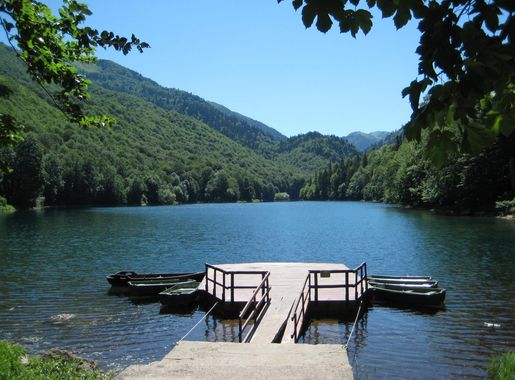
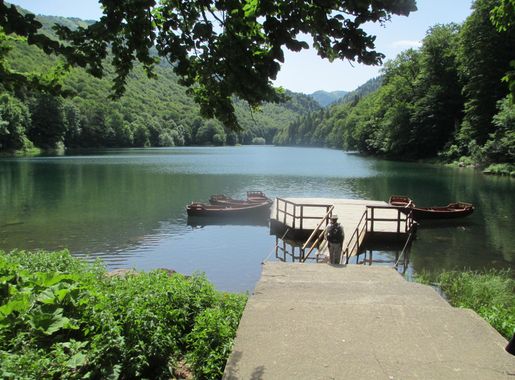


The Majestic Peaks of Mount Bjelasica
Mount Bjelasica, located in the heart of Montenegro, is a treasure trove for nature enthusiasts and adventure seekers alike. This picturesque mountain range is part of the larger Biogradska Gora National Park, one of Europe's last remaining primeval forests. Lush greenery, serene lakes, and diverse wildlife make this destination a haven for those looking to immerse themselves in the beauty of nature. The mountain is a year-round destination, offering a multitude of activities in both summer and winter. During the warmer months, the extensive network of hiking and biking trails provides a perfect way to explore the stunning landscapes. The trails vary in difficulty, catering to both beginners and seasoned hikers. For a more leisurely experience, visitors can enjoy birdwatching or take a scenic boat ride on the crystal-clear waters of Lake Biogradska. In winter, Mount Bjelasica transforms into a snowy paradise. The Kolašin 1450 and Kolašin 1600 ski resorts offer excellent skiing and snowboarding opportunities. The resorts are well-equipped with modern facilities, making them suitable for families and solo travelers alike. After a day on the slopes, visitors can relax in cozy mountain lodges, sampling local Montenegrin cuisine and warming up by the fire.