

Durmitor National Park, Montenegro Travel Guide
Discover Durmitor National Park, Montenegro's UNESCO World Heritage site with towering peaks, Europe's deepest canyon, and thrilling outdoor adventures for every season.
Durmitor National Park, located in the northern part of Montenegro, is a treasure trove of natural beauty and adventure. This UNESCO World Heritage site is renowned for its dramatic landscapes, encompassing rugged mountains, deep canyons, and pristine glacial lakes. The park's centerpiece is the Durmitor Massif, a mountain range that offers some of the best hiking and climbing opportunities in the Balkans. Visitors can explore over 48 peaks that rise above 2,000 meters, including Bobotov Kuk, the highest peak at 2,523 meters. The park is also home to the Tara River Canyon, the deepest canyon in Europe and the second deepest in the world. The turquoise waters of the Tara River are perfect for rafting and kayaking, providing an exhilarating way to experience the canyon's sheer cliffs and lush forests. For those who prefer a more leisurely pace, there are numerous marked trails that wind through the park's diverse ecosystems, offering stunning views and opportunities to spot wildlife such as bears, wolves, and eagles. During the winter months, Durmitor transforms into a winter sports paradise. The ski resort of Žabljak, located within the park, offers skiing, snowboarding, and other snow activities. Whether you are an adrenaline junkie or a nature lover, Durmitor National Park promises an unforgettable experience with its breathtaking scenery and endless outdoor activities.

Know before you go
Hi, I'm Eve. Here are a few practical things to know before exploring Durmitor National Park.
- Visit in late spring or early autumn for the best hiking conditions and to avoid summer crowds.
- Bring sturdy hiking boots and weather-appropriate clothing as the weather can change rapidly.
- Don't miss the Tara River Canyon for a thrilling rafting experience. Book in advance during peak season.
- Try local specialties such as kačamak (a traditional potato dish) and priganice (fried dough) at nearby Žabljak.
- Check out the Black Lake (Crno Jezero), a beautiful glacial lake that is easily accessible and offers a scenic walking trail.
Explore Durmitor National Park: Things to Do, Places to Eat, Hotels & More
Handpicked recommendations for top attractions, local dining, accommodations, and more

Best attractions in Durmitor National Park
Top-rated picks
Best Attractions

Waterfall Rafting Center
Explore the breathtaking Waterfall Rafting Center in Montenegro for an unforgettable adventure filled with rafting, hiking, and stunning natural beauty.

Durmitor of road
Discover the breathtaking landscapes and outdoor adventures at Durmitor of Road, a UNESCO World Heritage site in the heart of Montenegro.

Rivière Tara
Explore the breathtaking beauty of Rivièere Tara in Montenegro, a must-visit destination for nature lovers and adventure seekers alike.

Best landmarks in Durmitor National Park
Top-rated picks
Best Landmarks

Đurđevića Tara Bridge
Marvel at the breathtaking views from Đurđevića Tara Bridge, an iconic symbol of Montenegro's natural beauty and architectural brilliance.

Crno Jezero
Discover the breathtaking beauty of Crno Jezero, Montenegro's iconic glacial lake surrounded by the stunning Durmitor Mountains.
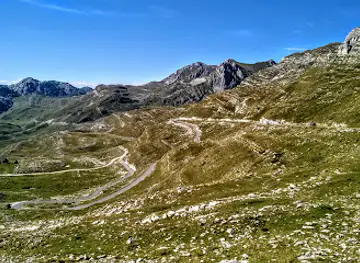
Mountain pass Sedlo
Experience the breathtaking beauty of Mountain Pass Sedlo, a stunning natural attraction in Montenegro's Durmitor National Park, perfect for adventurers and nature lovers.

Waterfall Rafting Center
Experience the thrill of rafting and the beauty of nature at the Waterfall Rafting Center in Montenegro, your ultimate adventure destination.

Best restaurants in Durmitor National Park
Top-rated picks
Best Restaurants

Restaurant Or'O
Discover exquisite Montenegrin flavors at Restaurant Or'O in Žabljak - your gateway to culinary delights amidst stunning mountain vistas.

Nacionalni restoran Crno jezero
Experience authentic Montenegrin cuisine at Nacionalni restoran Crno jezero, nestled in the scenic beauty of Pitomine.

Izvor
Discover authentic Montenegrin flavors at Izvor in Žabljak - where tradition meets taste amidst stunning natural beauty.

Krcma Nostalgija
Experience authentic Montenegrin cuisine at Krcma Nostalgija in Žabljak - where tradition meets taste amidst breathtaking landscapes.

Best bars in Durmitor National Park
Top-rated picks
Best Bars

Restaurant Or'O
Experience the authentic flavors of Montenegro at Restaurant Or'O in Žabljak, where culinary excellence meets warm hospitality.

Nacionalni restoran Crno jezero
Discover the flavors of Montenegro at Nacionalni restoran Crno jezero, where tradition meets stunning natural beauty.

Izvor
Discover the flavors of Montenegro at Izvor, a delightful restaurant in Žabljak offering authentic cuisine and stunning views.
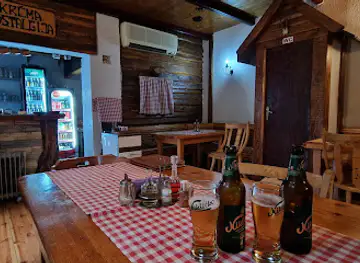
Krcma Nostalgija
Discover the authentic flavors of Montenegro at Krcma Nostalgija, a charming restaurant in Žabljak offering traditional cuisine in a cozy atmosphere.

Best nightclubs in Durmitor National Park
Top-rated picks
Best Nightclubs

Lounge bar Cudna suma
Discover the inviting Lounge Bar Cudna Suma in Žabljak, Montenegro, where local flavors meet a cozy ambiance for an unforgettable experience.

Montenegro horse riding
Experience breathtaking horse riding adventures in the stunning landscapes of Montenegro, ideal for all skill levels and nature lovers.

Caffe Bar SKI BAR
Discover the charm of Caffe Bar SKI BAR in Žabljak - perfect for unwinding after your mountain adventures with delightful drinks and stunning views.

Bar, schronisko
Experience the warmth of Žabljak at Bar, Schronisko, where local flavors and breathtaking mountain views meet.

Best shops in Durmitor National Park
Top-rated picks
Best Shops

Durmitor National Park
Explore the breathtaking landscapes and thrilling adventures of Durmitor National Park, a natural gem in Montenegro's stunning wilderness.

VOLI
Voli Supermarket in Žabljak offers a diverse range of local and international products, perfect for tourists seeking quality and convenience.

Shambhala Bakery & Restaurant
Experience the warmth and flavor of Žabljak at Shambhala Bakery & Restaurant, a culinary gem offering delicious baked goods and a cozy atmosphere.

Aroma centar
Discover the best of local and international products at Aroma Centar, Žabljak's premier supermarket for all your shopping needs.

Explore Durmitor National Park on the Map
A handpicked selection of must-see spots in Durmitor National Park, mapped for you.
Durmitor National Park Essentials
-
Durmitor National Park is located in the northwestern part of Montenegro. The nearest international airport is Podgorica Airport, approximately 170 kilometers away. From Podgorica, you can rent a car or take a bus to Žabljak, the closest town to Durmitor National Park. The bus journey typically takes around 2 to 3 hours. Alternatively, you can fly into Tivat Airport or Dubrovnik Airport (Croatia) and then travel by road to Žabljak.
-
Within Durmitor National Park, the most convenient way to get around is by car. Rental cars are available in major cities like Podgorica and Tivat. For those who prefer not to drive, local taxis and private transport services are available in Žabljak. There are also hiking and biking trails for exploring the park's natural beauty. Public buses can be used for longer journeys to and from Žabljak.
-
The official currency in Montenegro is the Euro (EUR). Credit and debit cards are widely accepted in hotels, restaurants, and larger shops in Žabljak. However, it is advisable to carry cash, especially for smaller establishments and when hiking in remote areas of the park. ATMs are available in Žabljak, but it's wise to withdraw enough cash before entering more isolated parts of the park.
-
Durmitor National Park is generally a safe destination for tourists. However, it is recommended to take standard precautions such as not leaving valuables unattended and being mindful of your surroundings. There are no specific high-crime areas targeting tourists, but staying vigilant is always a good practice. When hiking, ensure you have a map, sufficient supplies, and inform someone of your route.
-
In case of an emergency, dial 112 for immediate assistance. The nearest medical facility is in Žabljak, which has a health center providing basic medical services. For more serious health issues, the hospital in Pljevlja is an hour's drive away. It is recommended to have travel insurance that covers medical emergencies and outdoor activities. For minor health issues, there are pharmacies in Žabljak.
-
Fashion: Do wear comfortable and appropriate clothing for hiking and outdoor activities. Avoid wearing flip-flops or open-toed shoes on trails. Religion: Do respect local customs and traditions, particularly when visiting any religious sites or ceremonies. Public Transport: Do be respectful and offer your seat to elderly passengers on buses. Don't eat or drink on public transport. Greetings: Do greet locals with a friendly 'Dobar dan' (Good day). A handshake is also common. Eating & Drinking: Do try local Montenegrin dishes and specialties. Don't refuse hospitality, as it is considered impolite.
-
To experience Durmitor National Park like a local, consider visiting during off-peak seasons for a more tranquil experience. Engage with locals in Žabljak; they are often friendly and willing to share tips about the best trails and hidden spots. Try local dishes such as 'kačamak' and 'priganice' at local restaurants. Don't miss the opportunity to explore Crno Jezero (Black Lake) early in the morning when it's less crowded and the scenery is particularly stunning.
When is the best time to visit Durmitor National Park?
Useful Local Phrases for Durmitor National Park
You don't need to speak the language perfectly. Even learning a few simple words can make conversations warmer—and locals usually appreciate the effort.
— Eve

Here are the phrases I use most often in Durmitor National Park. Try a few—you'll be surprised how far they go! 😊
❤️
-
- HelloZdravo
[Zdrah-voh] - GoodbyeDoviđenja
[Doh-vee-je-nya] - YesDa
[Dah] - NoNe
[Neh] - Please/You're welcomeMolim te
[Moh-leem teh] - Thank youHvala
[Hvah-lah] - Excuse me/SorryIzvinite
[Eez-vee-nee-teh] - How are you?Kako si?
[Kah-koh see?] - Fine. And you?Dobro. A ti?
[Doh-bro. Ah tee?] - Do you speak English?Govorite li engleski?
[Go-vo-ree-teh lee ehn-glehs-kee?] - I don't understandNe razumijem
[Neh rah-zoo-mee-yem]
- HelloZdravo
-
- I'd like to see the menu, pleaseMolio bih jelovnik, molim
[Moh-lee-oh bee yeh-lohv-neek, moh-leem] - I don't eat meatNe jedem meso
[Neh yeh-dem meh-so] - Cheers!Živjeli!
[Zhee-vyeh-lee] - I would like to pay, pleaseŽelim da platim, molim
[Zheh-leem dah plah-teem, moh-leem]
- I'd like to see the menu, pleaseMolio bih jelovnik, molim
-
- Help!Pomoć!
[Poh-mohch!] - Go away!Idi odavde!
[Ee-dee oh-dahv-deh!] - Call the Police!Pozovite policiju!
[Poh-zoh-vee-teh poh-lee-tsee-yoo!] - Call a doctor!Pozovite doktora!
[Poh-zoh-vee-teh dohk-toh-rah!] - I'm lostIzgubio sam se
[Eez-goo-bee-oh sahm seh] - I'm illBolestan sam
[Boh-lehs-tahn sahm]
- Help!Pomoć!
-
- I'd like to buy...Hteo bih da kupim...
[Hteh-oh bee dah koo-peem...] - I'm just lookingSamo gledam
[Sah-moh gleh-dahm] - How much is it?Koliko košta?
[Koh-lee-koh koh-shtah?] - That's too expensiveTo je previše skupo
[Toh yeh preh-vee-sheh skoo-poh] - Can you lower the price?Možete li spustiti cenu?
[Moh-zheh-teh lee spoo-stee-tee tseh-noo?]
- I'd like to buy...Hteo bih da kupim...
-
- What time is it?Koliko je sati?
[Koh-lee-koh yeh sah-tee?] - It's one o'clockJedan je sat
[Yeh-dahn yeh saht] - Half past (10)Pola (10)
[Poh-lah (deh-seht)] - MorningJutro
[Yoo-troh] - AfternoonPopodne
[Poh-pohd-neh] - EveningVeče
[Veh-cheh] - YesterdayJuče
[Yoo-cheh] - TodayDanas
[Dah-nahs] - TomorrowSutra
[Soo-trah] - 1Jedan
[Yeh-dahn] - 2Dva
[Dvah] - 3Tri
[Tree] - 4Četiri
[Cheh-tee-ree] - 5Pet
[Peh-t] - 6Šest
[Shehst] - 7Sedam
[Seh-dahm] - 8Osam
[Oh-sahm] - 9Devet
[Deh-veht] - 10Deset
[Deh-seht]
- What time is it?Koliko je sati?
-
- Where's a/the...?Gde je...?
[Gdeh yeh...?] - What's the address?Koja je adresa?
[Koh-yah yeh ah-deh-sah?] - Can you show me (on the map)?Možete li mi pokazati (na mapi)?
[Moh-zheh-teh lee mee poh-kah-zah-tee (nah mah-pee)?] - When's the next (bus)?Kada je sledeći (autobus)?
[Kah-dah yeh sleh-deh-chee (ow-toh-boos)?] - A ticket (to ....)Jednu kartu (za ...)
[Yehd-noo kahr-too (zah ...)]
- Where's a/the...?Gde je...?
History of Durmitor National Park
-
Durmitor National Park, located in Montenegro, was formed millions of years ago through a combination of tectonic activity and glacial erosion. The park is known for its dramatic landscapes, including deep canyons, glacial lakes, and towering peaks. The Tara River Canyon, one of the deepest in Europe, is a testament to the park's geological significance.
-
The Durmitor region has been inhabited since the medieval period. Archaeological evidence suggests that various tribes and peoples, including the Slavs and Illyrians, settled in the area. The rugged terrain provided natural fortifications, and remnants of medieval fortresses and monasteries can still be found within the park.
-
During the 15th century, the Ottoman Empire extended its influence into the Balkans, including the Durmitor region. The Ottomans left a lasting impact on the local culture, architecture, and traditions. Some old Ottoman roads and bridges can still be traced in the park, offering a glimpse into the historical routes taken by travelers and traders.
-
Durmitor National Park played a significant role during World War II as a stronghold for Yugoslav Partisans resisting Axis forces. The dense forests and rugged mountains provided ideal cover for guerrilla warfare. Notably, the Battle of Sutjeska in 1943 was a pivotal moment in the Partisan resistance, and memorials in the park commemorate those who fought and fell.
-
Durmitor National Park was officially established in 1952 to protect its unique landscapes and biodiversity. The park covers an area of 390 square kilometers and was recognized as a UNESCO World Heritage Site in 1980. The designation has helped preserve the natural beauty and historical sites within the park, ensuring they remain intact for future generations.
-
The local communities around Durmitor National Park maintain rich cultural traditions that add to the area's allure. Traditional Montenegrin music, dance, and cuisine are integral to local festivals, particularly those celebrating seasonal changes and agricultural cycles. These traditions provide a deep connection to the region's past and cultural heritage.
Neighbouring destination travel guides
Browse our curated selection of top destinations, scenic points, and must-visit spots in the area.



Your all‑in‑one travel companion app
Explore expert travel guides, compare and book tours, experiences, hotels, and more—all from the palm of your hand. Download now for seamless trip planning wherever your wanderlust takes you.


Explore More of Durmitor

Looking beyond Durmitor National Park? Discover Durmitor for broader travel guides, local hot-spots, and regional highlights.
Explore DurmitorExplore More of Montenegro
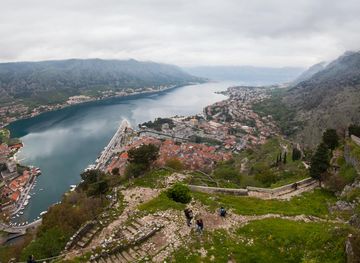
Looking beyond Durmitor National Park? Discover Montenegro for broader travel guides, local hot-spots, and regional highlights.
Explore MontenegroDurmitor National Park in Photos
Browse through our photo collection highlighting the charm and character of the destination.


Durmitor National Park: Montenegro's Majestic Wilderness
Durmitor National Park, located in the northern part of Montenegro, is a treasure trove of natural beauty and adventure. This UNESCO World Heritage site is renowned for its dramatic landscapes, encompassing rugged mountains, deep canyons, and pristine glacial lakes. The park's centerpiece is the Durmitor Massif, a mountain range that offers some of the best hiking and climbing opportunities in the Balkans. Visitors can explore over 48 peaks that rise above 2,000 meters, including Bobotov Kuk, the highest peak at 2,523 meters. The park is also home to the Tara River Canyon, the deepest canyon in Europe and the second deepest in the world. The turquoise waters of the Tara River are perfect for rafting and kayaking, providing an exhilarating way to experience the canyon's sheer cliffs and lush forests. For those who prefer a more leisurely pace, there are numerous marked trails that wind through the park's diverse ecosystems, offering stunning views and opportunities to spot wildlife such as bears, wolves, and eagles. During the winter months, Durmitor transforms into a winter sports paradise. The ski resort of Žabljak, located within the park, offers skiing, snowboarding, and other snow activities. Whether you are an adrenaline junkie or a nature lover, Durmitor National Park promises an unforgettable experience with its breathtaking scenery and endless outdoor activities.