

Šavnik Travel Guide - Free Web & App
Your ultimate guide to Šavnik. Discover top landmarks, proposed trips, and local tips. Free on the web or via the Evendo companion app.


Šavnik, Montenegro, offers mountain villages, the Nevidio Canyon, Komarnica landscapes and quiet access to Durmitor for hiking, nature and culture.
Mountain Landscapes and River Valleys
Šavnik is a small mountain town in northern Montenegro, set where the Bukovica, Šavnik and Bijela rivers meet beneath a landscape of limestone ridges, steep valleys and high pastures. The town serves as the administrative centre of a scattered municipality whose villages and open uplands extend towards Durmitor, Sinjajevina and the Komarnica valley. Rather than a conventional resort, Šavnik is a practical base for exploring a rugged part of Montenegro where roads, rivers and seasonal mountain routes shape the experience.Read more about Šavnik
Canyons, Villages and High Country
A Small Town with a Strong Sense of Place
When is the best time to visit Šavnik?
Best: June–August · 18–21°C| Month | High (°C) | Rainfall (mm) |
|---|---|---|
| January | 2 | 47 |
| February | 2 | 42 |
| March | 4 | 45 |
| April | 9 | 41 |
| May | 13 | 39 |
| June (best) | 18 | 21 |
| July (best) | 21 | 13 |
| August (best) | 21 | 17 |
| September | 16 | 27 |
| October | 11 | 50 |
| November | 6 | 59 |
| December | 3 | 55 |
Getting to and around Šavnik
How to get there
Transportation
Best attractions in Šavnik
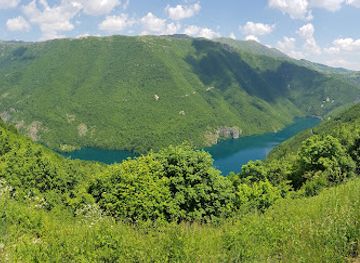
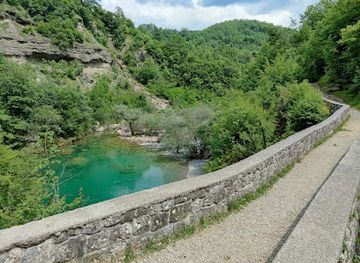
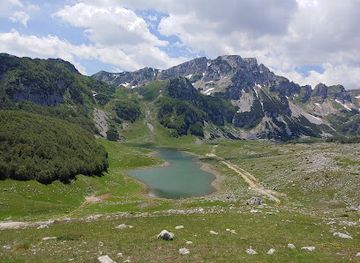
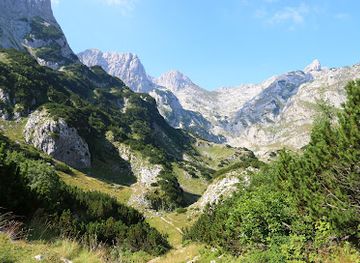
Šavnik’s attractions are concentrated in its river valleys, villages and surrounding mountain terrain rather than in a large urban centre. Near Pošćenje, Nevidio Canyon is the municipality’s defining natural sight, a narrow limestone gorge cut by the Komarnica and associated with technical canyoning. The broader Komarnica valley offers dramatic scenery, open meadows and routes towards high country, while the meeting of the Bukovica, Šavnik and Bijela rivers gives the town its distinctive geographical setting. Rural settlements and seasonal pasture landscapes provide a quieter perspective on northern Montenegro’s traditional mountain life. The wider Durmitor region, including Žabljak and Durmitor National Park, is accessible as a separate excursion but should not be treated as part of Šavnik town itself. Scenic driving, walking, photography and guided outdoor activities are the principal ways to experience the area.
-
Tourist attraction
Етно село Излазак / Etno selo Izlazak
Explore the essence of Montenegrin culture at Etno Selo Izlazak, a charming ethno village offering authentic cuisine and local traditions.
-
Tourist attraction
Danilov most
Experience the stunning Danilov Most in Kolašin, Montenegro – a breathtaking bridge offering historical charm and picturesque views.
-
Tourist attraction
Picturesque viewpoint
Discover the stunning panoramic views of the Picturesque Viewpoint in Montenegro, where nature's beauty unfolds before your eyes.
-
Tourist attraction
Ledena Pecina - Ice Cave - National Park Durmitor
Discover the stunning Ledena Pecina Ice Cave in Durmitor National Park - a breathtaking natural attraction perfect for adventure and exploration.
Best landmarks in Šavnik
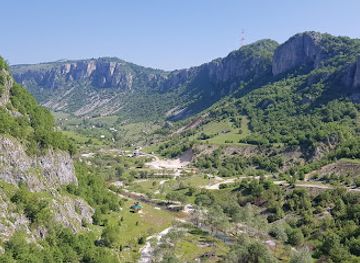
Nevidio Canyon is Šavnik’s most recognisable natural landmark, where the Komarnica passes through a narrow, deeply incised limestone gorge whose confined passages and cold water have made it important to Montenegro’s canyoning culture. The Komarnica valley itself is a broader geographical landmark, linking rugged canyon country with meadows, villages and high plateaux. In Šavnik town, the meeting of the Bukovica, Šavnik and Bijela rivers explains the settlement’s location and gives the compact centre its particular character. The surrounding limestone mountains, pasturelands and rural hamlets form a cultural landscape as well as a geological one, shaped by livestock keeping, haymaking and seasonal movement. Durmitor’s better-known peaks and glacial landscapes lie nearby but outside the town, making them related regional landmarks rather than features of Šavnik proper.
-
Monastery
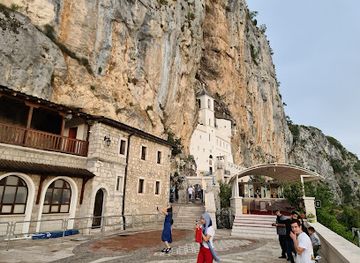
Ostrog Orthodox Monastery
Discover the serene beauty and spiritual significance of Ostrog Orthodox Monastery, a must-visit destination in Montenegro with breathtaking views.
-
National park
Durmitor National Park
Discover the breathtaking beauty and diverse adventures of Durmitor National Park, a UNESCO World Heritage site in Montenegro, perfect for nature lovers and thrill-seekers.
-
Tourist attraction
Mountain pass Sedlo
Explore the breathtaking Sedlo Pass in Montenegro's Durmitor National Park, a scenic route showcasing stunning landscapes and rich biodiversity.
-
Tourist attraction
Nevidio Canyon
Discover the breathtaking beauty of Nevidio Canyon in Montenegro, where adventure meets stunning natural landscapes, perfect for hiking and canyoning.


Explore Šavnik on the map
Plan your trip on one map. See where the top attractions, landmarks, restaurants and hotels are, and book hotels and experiences in a few clicks.
Best hotels in Šavnik
Best restaurants in Šavnik
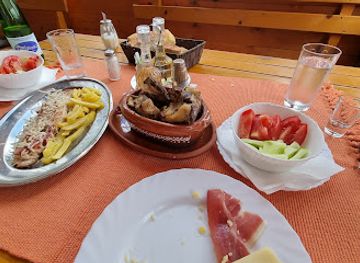
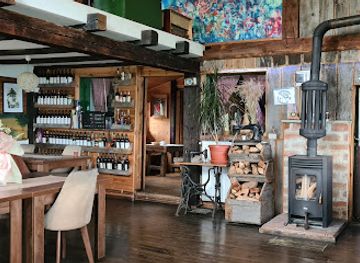
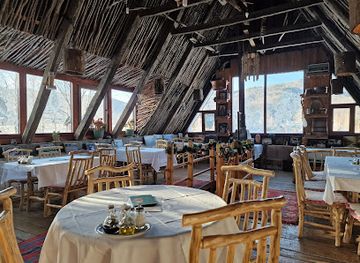
Dining in Šavnik is modest and locally oriented, with options centred on cafés, small eateries and accommodation providers rather than a concentrated restaurant district. The surrounding cuisine reflects northern Montenegro’s mountain economy: visitors may encounter simple dishes based on potatoes, beans, dairy products, cured meat, bread and grilled meat, alongside regional specialities such as kačamak or cicvara where prepared locally. Trout and other freshwater dishes may appear in the wider mountainous region, but availability varies. In villages and rural households, meals are more likely to be arranged through accommodation or local hospitality than found as a walk-in service. Nikšić and Žabljak provide broader choices before or after a journey through the municipality, while travellers heading into remote valleys should carry provisions and confirm meal arrangements in advance.
-
Restaurant
Konoba Luna
Discover authentic Montenegrin cuisine at Konoba Luna in Žabljak – where every meal is a celebration of local flavors.
-
Restaurant
Floyd Food Factory
Discover authentic Montenegrin cuisine at Floyd Food Factory in Vir - where local flavors meet warm hospitality.
-
Restaurant
Konoba VIDIKOVAC
Experience traditional Montenegrin cuisine at Konoba VIDIKOVAC - where flavor meets stunning views in Bare.
-
Restaurant
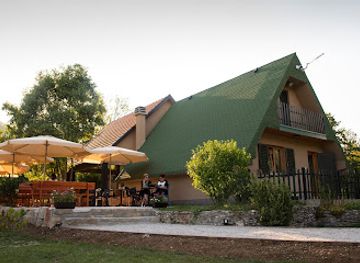
Ethno Village Montenegro
Experience authentic Montenegrin culture at Ethno Village Montenegro—where tradition meets stunning natural beauty.
Best bars in Šavnik
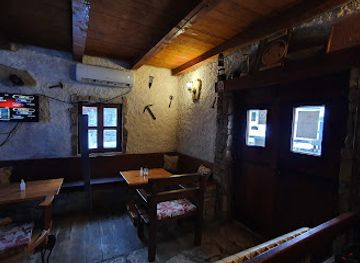
Šavnik has a quiet evening character rather than a developed nightlife scene. After dark, the main possibilities are local cafés, modest bars and hospitality venues where residents meet, with conversation and an unhurried mountain atmosphere more characteristic than late-night entertainment. There is no substantial concentration of nightclubs or dedicated nightlife districts in the town, and options become even more limited in surrounding villages. Žabljak offers a wider selection of evening venues during the outdoor-tourism season, while Nikšić provides the nearest larger-town nightlife and cultural programme. In Šavnik municipality, evenings are more naturally spent at rural accommodation, enjoying the landscape after sunset or preparing for an early start into the mountains.
-
Bar
Propaganda bar
Discover the lively atmosphere of Propaganda Bar, Nikšić's top spot for drinks, local culture, and unforgettable nightlife experiences.
-
Restaurant
GNIJEZDO
Discover GNIJEZDO, a charming restaurant in Šavnik, Montenegro, where authentic flavors and warm hospitality await you.
-
Restaurant
Katun Grbovića
Experience authentic Montenegrin cuisine at Katun Grbovića, a delightful restaurant in Šavnik, offering stunning views and a warm atmosphere.
-
Bar
Caffe Bar RANČ
Discover the lively charm of Caffe Bar RANČ in Jasenovo Polje, Montenegro, where refreshing drinks and local culture come together in a vibrant atmosphere.



Best nightclubs in Šavnik
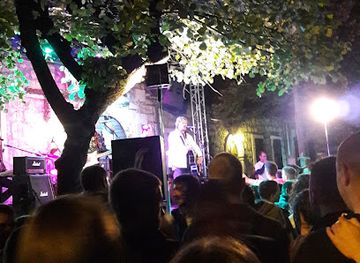
Šavnik has a quiet evening character rather than a developed nightlife scene. After dark, the main possibilities are local cafés, modest bars and hospitality venues where residents meet, with conversation and an unhurried mountain atmosphere more characteristic than late-night entertainment. There is no substantial concentration of nightclubs or dedicated nightlife districts in the town, and options become even more limited in surrounding villages. Žabljak offers a wider selection of evening venues during the outdoor-tourism season, while Nikšić provides the nearest larger-town nightlife and cultural programme. In Šavnik municipality, evenings are more naturally spent at rural accommodation, enjoying the landscape after sunset or preparing for an early start into the mountains.
-
Gas station
EKO Savnik
Discover convenience at EKO Savnik, the essential gas station and market for travelers in Šavnik, Montenegro, blending local charm with modern amenities.
-
Night club
Montenegro Pub
Dive into Nikšić's nightlife at Montenegro Pub, a vibrant night club where music, drinks, and fun unite for an unforgettable evening.
-
Bar
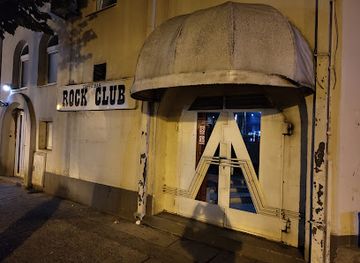
ROCK CLUB
Experience the vibrant nightlife at Rock Club in Nikšić, Montenegro – where music, drinks, and community come alive.
-
Night club
Šar Ply Night Club
Dive into the heart of Nikšić's nightlife at Šar Ply Night Club, where music, dancing, and unforgettable memories await every night.

Best shops in Šavnik
Shopping in Šavnik is limited and practical, reflecting the town’s small population and its role as a local service centre. Basic provisions and everyday goods can be found in town, while visitors seeking a wider choice of supplies should shop in Nikšić or Žabljak before travelling into the more remote valleys. Local products may include mountain honey, cheese, dairy produce, cured meat and preserves, although availability depends on season and individual producers rather than a permanent market. Rural households and accommodation hosts may sometimes sell or serve homemade food, but visitors should ask respectfully and not assume that products are available. Traditional wooden or woollen items, farm produce and locally made foods are more likely to be encountered through informal regional networks than in dedicated souvenir shops.
-
Gas station
EKO Savnik
Experience comfort and convenience at EKO Savnik, your essential stop for fuel and local goods while exploring Montenegro's breathtaking landscapes.
-
Supermarket
VOLI
Explore Šavnik's VOLI Supermarket for a delightful shopping experience filled with local flavors and essentials for your travels.
-
General store
Jovana
Explore the charm of Jovana in Žabljak, Montenegro, your go-to general store for local goods and essentials amidst breathtaking natural beauty.
-
Home goods store
Kovacevic Wooden House
Discover the charm of Kovacevic Wooden House in Žabljak, Montenegro, where traditional craftsmanship meets breathtaking natural beauty.


Get your free copy of our complete guide to Šavnik, delivered straight to you.
Everything on this page, from attractions and restaurants to essentials and local phrases, in one PDF you can read offline, print or share.
Already have an account? Sign in
Your Šavnik guide is ready.
We'll send it to · Not you? Sign out

Getting your guide ready…
We are putting together a fresh copy of the Šavnik guide. This can take up to a minute.
This can take a few moments. If your browser asks, choose Allow so the download can start. You'll find the guide in your Downloads folder.
Nothing happened? Download it again
Sorry, the guide is taking longer than usual. Please try again in a minute, or get it by email instead.
Šavnik essentials
Currency and Payment
Safety
Emergency Situations
Do's and Don'ts
Local Tips
From Eve
Local phrases worth knowing
You don't need to get them perfect. A few words go a long way, and locals appreciate the effort.
Basics
| English | Local | Say it |
|---|---|---|
| Hello | Zdravo | [ZDRAH-voh] |
| Goodbye | Doviđenja | [doh-VEE-jen-ya] |
| Yes | Da | [dah] |
| No | Ne | [neh] |
| Please/You're welcome | Molim | [MOH-leem] |
| Thank you | Hvala | [HVAH-lah] |
| Excuse me/Sorry | Izvinite | [eez-VEE-nee-teh] |
| How are you? | Kako si? | [KAH-koh see?] |
| Fine. And you? | Dobro. A ti? | [DOH-bro. Ah tee?] |
| Do you speak English? | Govorite li engleski? | [go-VOH-ree-teh lee ENG-les-kee?] |
| I don't understand | Ne razumijem | [neh rah-ZOO-mee-yem] |
Eating & Drinking
| English | Local | Say it |
|---|---|---|
| I'd like to see the menu, please | Molio bih jelovnik, molim | [MOH-lee-oh bee YEH-lohv-neek, MOH-leem] |
| I don't eat meat | Ne jedem meso | [neh YEH-dem MEH-so] |
| Cheers! | Živjeli! | [ZHEE-vyeh-lee] |
| I would like to pay, please | Platio bih, molim | [PLAH-tyoh bee, MOH-leem] |
Emergencies
| English | Local | Say it |
|---|---|---|
| Help! | Pomoć! | [POH-mohtch] |
| Go away! | Idi odavde! | [EE-dee oh-DAHV-deh] |
| Call the Police! | Pozovite policiju! | [POH-zoh-vee-teh poh-LEE-tsee-yoo] |
| Call a doctor! | Pozovite doktora! | [POH-zoh-vee-teh DOHK-toh-rah] |
| I'm lost | Izgubio sam se | [eez-GOO-byoh sahm seh] |
| I'm ill | Bolestan sam | [BOH-leh-stahn sahm] |
Shopping
| English | Local | Say it |
|---|---|---|
| I'd like to buy... | Želim kupiti... | [ZHEH-leem KOO-pee-tee] |
| I'm just looking | Samo gledam | [SAH-moh GLEH-dam] |
| How much is it? | Koliko košta? | [KOH-lee-koh KOSH-tah?] |
| That's too expensive | To je preškupo | [toh yeh PREH-shoo-poh] |
| Can you lower the price? | Možete li spustiti cijenu? | [MOH-zheh-teh lee SPOO-stee-tee TSEE-yeh-noo?] |
Time & Numbers
| English | Local | Say it |
|---|---|---|
| What time is it? | Koliko je sati? | [KOH-lee-koh yeh SAH-tee?] |
| It's one o'clock | Jedan je sat | [YEH-dahn yeh saht] |
| Half past (10) | Pola (deset) | [POH-lah (DEH-seht)] |
| Morning | Jutro | [YOO-troh] |
| Afternoon | Popodne | [poh-POHD-neh] |
| Evening | Veče | [VEH-cheh] |
| Yesterday | Juče | [YOO-cheh] |
| Today | Danas | [DAH-nahs] |
| Tomorrow | Sutra | [SOO-trah] |
| 1 | Jedan | [YEH-dahn] |
| 2 | Dva | [dvah] |
| 3 | Tri | [tree] |
| 4 | Četiri | [CHEH-tee-ree] |
| 5 | Pet | [peht] |
| 6 | Šest | [shehst] |
| 7 | Sedam | [SEH-dahm] |
| 8 | Osam | [OH-sahm] |
| 9 | Devet | [DEH-veht] |
| 10 | Deset | [DEH-seht] |
Transport & Directions
| English | Local | Say it |
|---|---|---|
| Where's a/the...? | Gdje je... | [gyeh yeh] |
| What's the address? | Koja je adresa? | [KOH-yah yeh ah-DEH-sah] |
| Can you show me (on the map)? | Možete li mi pokazati (na mapi)? | [MOH-zheh-teh lee mee poh-KAH-zah-tee (nah MAH-pee)] |
| When's the next (bus)? | Kada je sledeći (autobus)? | [KAH-dah yeh SLEH-deh-chee (OW-toh-boos)] |
| A ticket (to ....) | Jedna karta (za ....) | [YEH-dnah KAHR-tah (zah)] |
History of Šavnik
Limestone Landscapes and River Formation
Šavnik’s physical setting was shaped over geological timescales by the erosion of limestone and the action of rivers cutting through the high mountain terrain. The Komarnica and its tributaries created narrow gorges, enclosed valleys and broader agricultural pockets, while karst processes produced the rugged relief characteristic of northern Montenegro. These landforms influenced settlement, transport and seasonal grazing: communities developed where water, cultivable ground and routes through the mountains came together, while the steepest gorges remained difficult to cross and sparsely occupied.
A Nineteenth-Century Mountain Settlement
The modern settlement of Šavnik developed during the nineteenth century as a small commercial and administrative centre in a remote mountain district. Its position at the meeting of rivers and routes gave it importance beyond its size, connecting surrounding villages with trade, supplies and local administration. The town’s history is inseparable from the rural economy of the municipality, which traditionally relied on livestock, haymaking, farming and movement between valley settlements and summer pastures.
Rural Life and Changing Communications
For much of its history, the communities around Šavnik depended on difficult mountain tracks and seasonal routes. Improved roads gradually connected the town more effectively with Nikšić, Žabljak and other parts of northern Montenegro, changing the movement of people and goods while leaving many villages lightly populated. Agriculture and pastoralism remain visible in the landscape, although modern employment, migration and improved mobility have altered the settlement pattern and reduced the permanent population of some highland communities.
Nevidio and the Growth of Outdoor Tourism
The discovery of Nevidio Canyon as an adventure destination brought a new dimension to Šavnik’s regional identity. Its narrow gorge on the Komarnica became associated with technical canyoning and with the wider exploration of Montenegro’s mountain landscapes. Outdoor tourism remains relatively small-scale, but it has encouraged interest in hiking, photography, rural stays and guided activities. Conservation and responsible access are particularly important in a landscape where rivers, gorges, grazing land and village environments are closely interwoven.
Šavnik in Photos
Browse through our photo collection highlighting the charm and character of the destination.
Cities in Šavnik
The towns and cities of Šavnik, and the easiest places to base yourself.

Swipe for more cities
Neighbouring destination travel guides
The closest destinations to Šavnik, if you have time for more than one.
-

-

-

-

-


Swipe for more destinations
Explore more

Explore more of Old Herzegovina
Discover the rich heritage and serene landscapes of Old Herzegovina in Montenegro, where history, culture, and nature come together in perfect harmony.
Explore Old Herzegovina
Explore more of Montenegro
Discover Montenegro: A blend of stunning landscapes, rich history, and vibrant culture on the breathtaking Adriatic coast.
Explore Montenegro