

Free Skadar Lake Region Travel Guide & Mobile App
Explore Skadar Lake Region with free travel guides. Discover regional history, expert tips, proposed trips, and audio guides on web or mobile app.


Explore Montenegro's Skadar Lake Region for bird-rich wetlands, boat trips, historic villages, mountain views and traditional lakeside cuisine.
Read more about Skadar Lake Region
When is the best time to visit Skadar Lake Region?
Best: May–June, September · 23–28°C| Month | High (°C) | Rainfall (mm) |
|---|---|---|
| January | 10 | 170 |
| February | 12 | 140 |
| March | 15 | 120 |
| April | 19 | 100 |
| May (best) | 23 | 80 |
| June (best) | 28 | 60 |
| July | 32 | 40 |
| August | 32 | 50 |
| September (best) | 27 | 80 |
| October | 21 | 120 |
| November | 15 | 150 |
| December | 11 | 160 |
Getting to and around Skadar Lake Region
How to get there
Transportation
Top city travel guides in Skadar Lake Region
The cities of Skadar Lake Region, and the easiest places to base yourself.

Swipe for more cities
Destinations in Skadar Lake Region
Resorts, valleys and scenic spots worth a trip of their own.
-

-


Swipe for more destinations
Best attractions in Skadar Lake Region
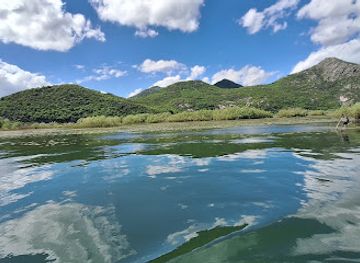
Lake Skadar National Park is the region's central attraction, offering boat journeys through reed-fringed channels, open-water views, birdwatching and access to small islands, monasteries and fishing settlements. Virpazar provides the most established starting point for excursions, while the western shore near Rijeka Crnojevića combines river scenery, historic buildings and elevated viewpoints. Villages such as Vranjina, Murići, Dodoši and Karuč reveal different relationships with the lake, from fishing traditions to quiet coves and rural landscapes. The ruins of Žabljak Crnojevića add a historical dimension, and the surrounding mountains provide opportunities for walking, photography and panoramic drives. Kayaking can offer a quieter alternative to larger boat tours, though conditions and access vary. The region is more suited to nature, heritage and slow exploration than to a dense schedule of formal museums or family amusement attractions. Visitors should allow time for changing weather, seasonal water levels and the distances between shore settlements rather than treating the entire lake as a compact excursion.
-
Fortress
Fortress Old Bar
Discover the rich history and stunning views at Fortress Old Bar, an ancient gem in Montenegro's beautiful Stari Bar.
-
Tourist attraction
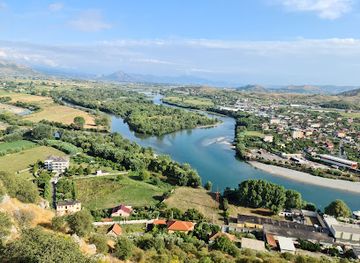
Rozafa Castle
Explore the rich history and stunning views of Rozafa Castle, a must-see tourist attraction in Shkodër, Albania, steeped in legend and beauty.
-
National park
Skadar Lake National Park
Experience the breathtaking beauty and tranquility of Skadar Lake National Park, a national treasure in Montenegro, perfect for nature lovers and adventurers alike.
-
Tourist attraction
Nijagara Waterfall
Discover the breathtaking beauty of Nijagara Waterfall, a stunning natural wonder in Montenegro, surrounded by lush greenery and adventure.



Best landmarks in Skadar Lake Region
The old stone bridge at Rijeka Crnojevića is one of the region's most recognisable built landmarks, spanning the river in a settlement that once served as an important route towards the lake. Above the river, the Pavlova Strana viewpoint is a defining natural landmark, looking over the dramatic curving waterway and green landscape. The ruins of Žabljak Crnojevića occupy a prominent fortified position near the northern lake area and preserve the memory of the Crnojević period. Vranjina's elevated position and traditional lake setting form another characteristic point of reference, while the island monasteries and rocky outcrops visible on boat routes express the long relationship between faith, settlement and water. Around Virpazar, stone houses, bridges and marsh channels create a distinctive small-scale historic landscape rather than a single monumental centre. The wider lake itself, framed by karst mountains and shifting wetlands, is the region's most important geographical landmark.
-
Fortress
Fortress Old Bar
Explore the enchanting Fortress Old Bar, a historical gem in Montenegro with breathtaking views and rich cultural heritage.
-
National park
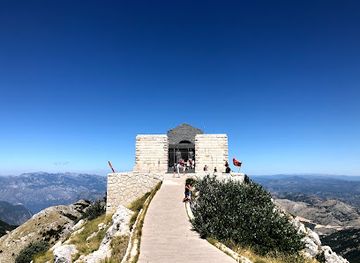
Lovćen National Park
Discover the breathtaking landscapes and rich history of Lovćen National Park, a must-visit destination in Montenegro for nature and culture enthusiasts.
-
Castle
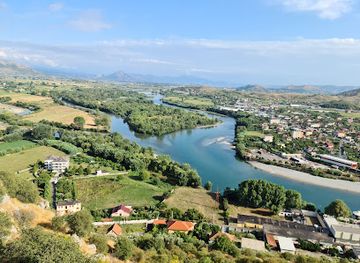
Rozafa Castle
Discover the breathtaking views and rich history of Rozafa Castle, a stunning fortress overlooking Lake Shkodër in Albania.
-
Tourist attraction
Nijagara Waterfall
Experience the breathtaking beauty of Nijagara Waterfall, a natural wonder in Podgorica, Montenegro, perfect for nature lovers and adventure seekers.


Explore Skadar Lake Region on the map
Plan your trip on one map. See where the top cities, national parks and sights are, and book hotels and experiences in a few clicks.
Best hotels in Skadar Lake Region
Best restaurants in Skadar Lake Region
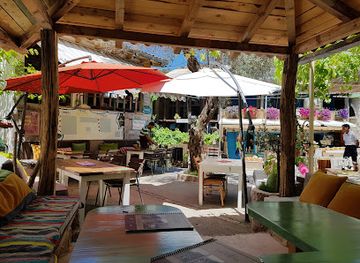
Dining around Skadar Lake is shaped by the meeting of freshwater, fertile lowlands and Montenegro's wider mountain and coastal food traditions. Restaurants in Virpazar and nearby villages commonly serve lake fish grilled, fried or smoked, alongside seasonal vegetables, salads, bread, cheese and local wines. Carp and bleak are traditional fish associated with the basin, although availability and preparation vary, so diners should ask what is locally sourced. The Crmnica area is known for wine-growing, and wine made from Vranac grapes is a familiar feature of regional menus. Rural households and small restaurants may offer pršut, cicvara, honey, preserves and other Montenegrin specialities as well as fish. Dining is generally relaxed and seasonal, with the most atmospheric settings close to the water or beneath village terraces. Restaurant choice is concentrated in the better-known settlements, so visitors exploring remote shores should not assume that food and supplies will be available throughout the day.
-
Restaurant
RESTAURANT PELIKAN
Discover authentic Montenegrin cuisine at Restaurant Pelikan with stunning views of Skadar Lake in Virpazar.
-
Restaurant
Konoba Bedem
Experience authentic Montenegrin cuisine at Konoba Bedem in Stari Bar—where tradition meets breathtaking views.
-
Restaurant
Restaurant Arbri
Discover exquisite Albanian cuisine with stunning views at Restaurant Arbri in Shiroke - a culinary delight by Skadar Lake.
-
Restaurant
Bar Restaurant Shqiponja
Experience authentic Albanian flavors with stunning lake views at Bar Restaurant Shqiponja in Shkodër.



Best bars in Skadar Lake Region
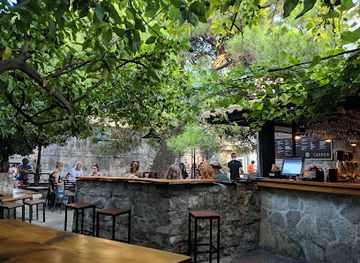
Nightlife in the Skadar Lake Region is quiet and closely connected with restaurants, boat excursions and village social life rather than dedicated clubs. Virpazar has the greatest concentration of places for an evening drink or meal, with outdoor seating, local wine and occasional informal music during busier periods. Smaller settlements around the lake may have a restaurant or local café, but late-night services are limited and seasonal. The region's evening character is best suited to tasting Crmnica wine, eating freshwater fish and watching the water and mountains after the day's heat has eased. Visitors should not expect the club scene found in Budva or Podgorica, both outside the region. Booking or confirming evening arrangements can be sensible outside the main summer period, particularly when staying in a small village or travelling beyond Virpazar.
-
Restaurant
RESTAURANT PELIKAN
Discover the flavors of Montenegro at Restaurant Pelikan by Lake Skadar, where local ingredients meet breathtaking views.
-
Cocktail bar
The Nitrox Pub & Eatery
Experience the vibrant nightlife at The Nitrox Pub & Eatery in Kotor, Montenegro, where craft beers and cocktails meet a lively atmosphere.
-
Bar
Casper Bar
Experience the vibrant nightlife at Casper Bar in Budva, Montenegro, where great drinks and an electric atmosphere await every visitor.
-
Restaurant
Konoba 'Lanterna' Podgorica
Discover the authentic taste of Montenegro at Konoba 'Lanterna' in Podgorica, where traditional cuisine meets a warm, inviting atmosphere.

Best nightclubs in Skadar Lake Region
Nightlife in the Skadar Lake Region is quiet and closely connected with restaurants, boat excursions and village social life rather than dedicated clubs. Virpazar has the greatest concentration of places for an evening drink or meal, with outdoor seating, local wine and occasional informal music during busier periods. Smaller settlements around the lake may have a restaurant or local café, but late-night services are limited and seasonal. The region's evening character is best suited to tasting Crmnica wine, eating freshwater fish and watching the water and mountains after the day's heat has eased. Visitors should not expect the club scene found in Budva or Podgorica, both outside the region. Booking or confirming evening arrangements can be sensible outside the main summer period, particularly when staying in a small village or travelling beyond Virpazar.
-
Jazz
Jazz Club Evergreen
Discover the rhythm of Kotor at Jazz Club Evergreen, where live jazz, exquisite drinks, and a cozy atmosphere create unforgettable nights.
-
Bar
Klub Invalida
Discover the vibrant nightlife at Klub Invalida, Kotor's favorite bar offering an extensive drink menu and a lively atmosphere.
-
Club
Biro
Dive into the pulsating nightlife of Podgorica at Biro, a dance club renowned for its electrifying atmosphere and affordable drinks.
-
Disco club
Club SPARTA
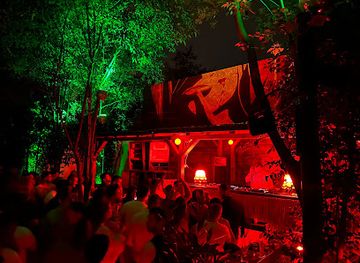
Discover the electrifying nightlife of Club SPARTA, a premier disco destination in Bijelo Polje, Montenegro, perfect for dancing and socializing.
Best shops in Skadar Lake Region
Shopping is modest and locally focused, with Virpazar offering the most convenient place to look for regional food products and practical supplies. Visitors may find Crmnica wines, honey, olive products, preserves, dried or smoked foods and locally made handicrafts, although selection varies by season and seller. Small producers around the lake may sell wine or agricultural goods directly, but visitors should check packaging and transport arrangements before buying liquids or perishables. Markets and roadside stalls are more useful for fresh produce than for extensive souvenir shopping. Rijeka Crnojevića and the surrounding villages have a few small local outlets rather than a concentrated retail district. For broader shopping, Podgorica and Bar, both outside the region, provide larger commercial centres and more dependable services. The most appropriate souvenirs are durable regional foods, small craft items and responsibly sourced products that reflect the lake's farming, fishing and wine-making traditions.
-
Shopping mall
TQ Plaza
Discover the vibrant shopping scene at TQ Plaza, Budva's premier shopping mall featuring a blend of local and international brands, dining, and entertainment.
-
National park
Biogradska gora National Park
Explore the untouched beauty of Biogradska Gora National Park, where lush forests meet crystal-clear lakes in Montenegro's natural paradise.
-
Shopping mall
Shopping Centre Kamelija
Explore Shopping Centre Kamelija in Kotor for a delightful mix of shopping, dining, and entertainment in a vibrant setting.
-
Tourist attraction
Pavlova Strana Viewpoint
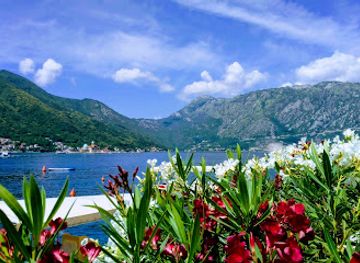
Experience the stunning panoramas of Skadar Lake at Pavlova Strana Viewpoint, a must-see destination for nature lovers and photographers in Montenegro.

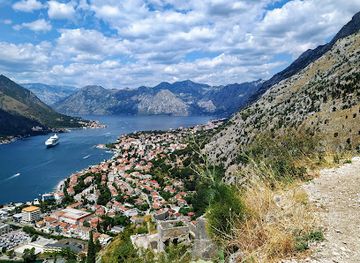

Get your free copy of our complete guide to Skadar Lake Region, delivered straight to you.
Everything on this page, from attractions and restaurants to essentials and local phrases, in one PDF you can read offline, print or share.
Already have an account? Sign in
Your Skadar Lake Region guide is ready.
We'll send it to · Not you? Sign out

Getting your guide ready…
We are putting together a fresh copy of the Skadar Lake Region guide. This can take up to a minute.
This can take a few moments. If your browser asks, choose Allow so the download can start. You'll find the guide in your Downloads folder.
Nothing happened? Download it again
Sorry, the guide is taking longer than usual. Please try again in a minute, or get it by email instead.
Skadar Lake Region essentials
Currency and Payment
Safety
Emergency Situations
Do's and Don'ts
Local Tips
From Eve
Local phrases worth knowing
You don't need to get them perfect. A few words go a long way, and locals appreciate the effort.
Basics
| English | Local | Say it |
|---|---|---|
| Hello | Zdravo | [Zdra-vo] |
| Goodbye | Doviđenja | [Do-vi-đen-ja] |
| Yes | Da | [Da] |
| No | Ne | [Ne] |
| Please/You're welcome | Molim/ Nema na čemu | [Mo-lim/ Ne-ma na che-mu] |
| Thank you | Hvala | [Hva-la] |
| Excuse me/Sorry | Izvinite | [Iz-vi-ni-te] |
| How are you? | Kako ste? | [Ka-ko ste?] |
| Fine. And you? | Dobro. A vi? | [Do-bro. A vi?] |
| Do you speak English? | Govoriš li engleski? | [Go-vo-rish li en-gles-ki?] |
| I don't understand | Ne razumem | [Ne ra-zu-mem] |
Eating & Drinking
| English | Local | Say it |
|---|---|---|
| I'd like to see the menu, please | Hteo bih da vidim meni, molim | [Hte-o bih da vi-dim me-ni, mo-lim] |
| I don't eat meat | Ne jedem meso | [Ne ye-dem me-so] |
| Cheers! | Živeli! | [Zhi-ve-li] |
| I would like to pay, please | Hteo bih da platim, molim | [Hte-o bih da pla-tim, mo-lim] |
Emergencies
| English | Local | Say it |
|---|---|---|
| Help! | Pomoć! | [Po-moć] |
| Go away! | Odlazi! | [Od-la-zi] |
| Call the Police! | Pozovite policiju! | [Po-zo-vi-te po-li-ci-ju] |
| Call a doctor! | Pozovite doktora! | [Po-zo-vi-te dok-to-ra] |
| I'm lost | Izgubio sam se | [Iz-gu-bi-o sam se] |
| I'm ill | Bolestan sam | [Bo-le-stan sam] |
Shopping
| English | Local | Say it |
|---|---|---|
| I'd like to buy... | Hteo bih da kupim... | [Hte-o bih da ku-pim] |
| I'm just looking | Samo gledam | [Sa-mo gle-dam] |
| How much is it? | Koliko košta? | [Ko-li-ko ko-shta?] |
| That's too expensive | To je preskupo | [To ye pre-sku-po] |
| Can you lower the price? | Možeš li da spustiš cenu? | [Mo-zheš li da spu-stiš ce-nu?] |
Time & Numbers
| English | Local | Say it |
|---|---|---|
| What time is it? | Koliko je sati? | [Ko-li-ko ye sa-ti?] |
| It's one o'clock | Jedan je sat | [Je-dan ye sat] |
| Half past (10) | Pola (10) | [Po-la (10)] |
| Morning | Jutro | [Ju-tro] |
| Afternoon | Popodne | [Po-pod-ne] |
| Evening | Veče | [Ve-che] |
| Yesterday | Juče | [Yu-che] |
| Today | Danas | [Da-nas] |
| Tomorrow | Sutra | [Su-tra] |
| 1 | 1 | [1] |
| 2 | 2 | [2] |
| 3 | 3 | [3] |
| 4 | 4 | [4] |
| 5 | 5 | [5] |
| 6 | 6 | [6] |
| 7 | 7 | [7] |
| 8 | 8 | [8] |
| 9 | 9 | [9] |
| 10 | 10 | [10] |
Transport & Directions
| English | Local | Say it |
|---|---|---|
| Where's a/the...? | Gde je...? | [Gde ye...?] |
| What's the address? | Koja je adresa? | [Ko-ja ye a-dre-sa?] |
| Can you show me (on the map)? | Možeš li da mi pokažeš (na mapi)? | [Mo-zheš li da mi po-ka-zhesh (na ma-pi)?] |
| When's the next (bus)? | Kada je sledeći (autobus)? | [Ka-da ye sle-de-ći (au-to-bus)?] |
| A ticket (to ....) | Karta (do ....) | [Kar-ta (do ....)] |
History of Skadar Lake Region
Early Settlement and Lake Landscapes
The Skadar basin has supported human settlement since prehistoric times, with fertile margins, fishing grounds and natural routes through the surrounding karst mountains encouraging communities to live around the water. Archaeological evidence from the wider lake basin includes remains from prehistoric, Illyrian and later periods. The constantly changing shoreline, caused by seasonal water levels and river inflows, influenced where settlements and defensive sites could be established. The region's importance has therefore always rested on the relationship between land and water rather than on a single urban centre.
Roman and Medieval Connections
Under Roman rule, the lake basin formed part of a wider network connecting the Adriatic coast with the interior of the Balkans. Roads, trade and administrative links brought the area into contact with settlements beyond the immediate shore. In the medieval period, the lake lay between competing political spheres and became associated with the medieval states of Zeta and later Montenegro. Monasteries, churches and fortified positions developed around the basin, reflecting both religious life and the strategic value of routes across the lowland plain.
The Crnojević Dynasty and Žabljak Crnojevića
During the fifteenth century, the Crnojević dynasty ruled much of the surrounding territory, and Žabljak Crnojevića served as an important fortified centre near the northern lake shore. Its position on a rocky island-like elevation made it valuable for controlling movement through the basin. Ottoman expansion later altered the political balance, and the fortress changed hands during periods of conflict. Although the settlement is now quiet, its ruins preserve the memory of an era when the lake was central to regional power and defence.
Ottoman-Venetian Borderlands
For several centuries, the Skadar basin occupied a contested frontier between the Ottoman Empire, Venetian-controlled areas on the Adriatic side and the expanding Montenegrin state. Fortifications, monasteries and settlements around the lake were repeatedly affected by warfare and shifting boundaries. The landscape's marshes, channels and mountains made movement difficult but also provided defensive advantages. This political history helps explain the mixture of architectural remains and cultural influences visible around the Montenegrin shore.
Trade, Fishing and the Rise of Virpazar
Virpazar grew as a market and transport settlement at the point where routes from the coast and interior met the lake's waterways. Its name reflects the historical importance of the local market, and boats once connected the settlement with fishing communities and agricultural areas around the basin. Wine, fish and other produce moved through this network, linking the lake with the port of Bar and inland Montenegro. The arrival of modern roads and railways changed these older patterns, but Virpazar remains the main practical gateway to the lake.
Lake Skadar National Park and Modern Conservation
Montenegro established Lake Skadar National Park in 1983 to protect the lake's wetlands, islands, shoreline habitats and exceptional birdlife. Conservation has become increasingly important as the lake faces pressures associated with pollution, development, water management and changing environmental conditions. Tourism today is focused on boat excursions, wildlife observation, walking and cultural visits, but the region remains a lived-in landscape rather than an empty wilderness. Its modern identity depends on balancing local livelihoods with protection of one of the country's most important natural areas.
Skadar Lake Region in Photos
Browse through our photo collection highlighting the charm and character of the destination.
Neighbouring regions of Skadar Lake Region
The closest regions to Skadar Lake Region, if you have time for more than one.
-

-

-

-

-


Swipe for more regions
Explore more
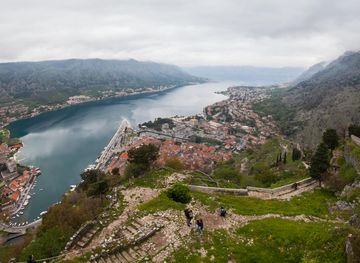
Explore more of Montenegro
Discover Montenegro: A blend of stunning landscapes, rich history, and vibrant culture on the breathtaking Adriatic coast.
Explore Montenegro