

Free Montenegrin Littoral Travel Guide & Mobile App
Explore Montenegrin Littoral with free travel guides. Discover regional history, expert tips, proposed trips, and audio guides on web or mobile app.


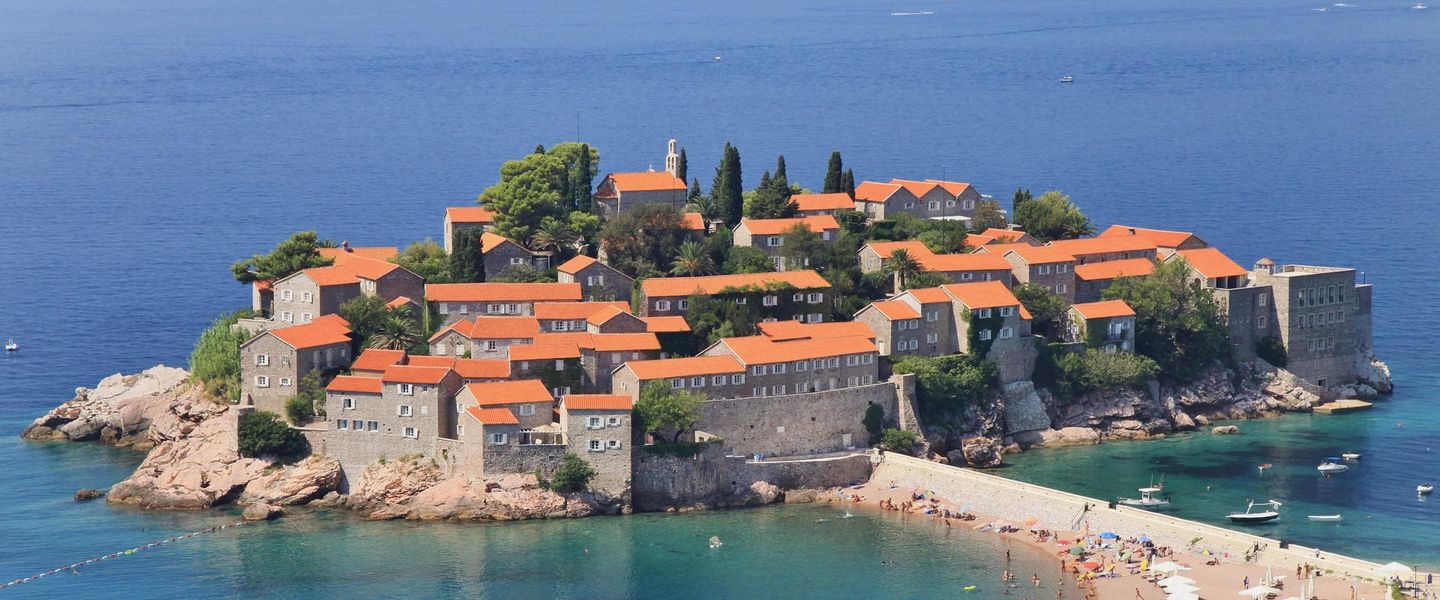


Explore Montenegro’s Littoral for fortified coastal towns, the Bay of Kotor, Adriatic beaches, seafood, island views and Mediterranean culture.
Read more about Montenegrin Littoral
When is the best time to visit Montenegrin Littoral?
Best: June–July, September · 25–29°C| Month | High (°C) | Rainfall (mm) |
|---|---|---|
| January | 12 | 190 |
| February | 13 | 170 |
| March | 15 | 150 |
| April | 18 | 130 |
| May | 22 | 110 |
| June (best) | 26 | 80 |
| July (best) | 29 | 50 |
| August | 29 | 80 |
| September (best) | 25 | 110 |
| October | 21 | 150 |
| November | 17 | 170 |
| December | 13 | 190 |
Getting to and around Montenegrin Littoral
How to get there
Transportation
Top city travel guides in Montenegrin Littoral
The cities of Montenegrin Littoral, and the easiest places to base yourself.
-

-

-

-

-

-


Swipe for more cities
Destinations in Montenegrin Littoral
Resorts, valleys and scenic spots worth a trip of their own.
-

-

-

-

-


Swipe for more destinations
Best attractions in Montenegrin Littoral
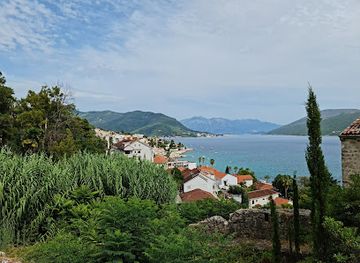
The Montenegrin Littoral offers a varied combination of historic towns, sea-based activities and outdoor landscapes. Kotor’s old town and mountain fortifications provide the region’s most concentrated heritage experience, while Perast, Risan and Herceg Novi add smaller historic settlements around the Bay of Kotor. Boat trips explore the bay and its islands, though visitors should check the route and season before setting out. Budva combines a medieval walled centre with beaches, promenades and a busy summer leisure scene. Around Bar, the principal contrast is between the modern coastal town and Stari Bar, an atmospheric historic settlement beneath Mount Rumija. Ulcinj brings together a citadel, long beaches, salt-pans and access to the Bojana delta. Diving, swimming, kayaking, sailing, hiking and cycling are available in different parts of the coast, with conditions varying considerably between sheltered bays and exposed beaches. Museums, churches, maritime collections and restored old-town buildings provide cultural alternatives when the weather is unsuitable for the water. The attraction landscape is therefore defined less by a single resort than by the changing relationship between limestone mountains, fortified settlements, ports, beaches and the Adriatic.
-
National park
Lovćen National Park
Explore the breathtaking landscapes and rich heritage of Lovćen National Park, a natural gem in Montenegro, perfect for outdoor enthusiasts and history lovers.
-
Beach
Jaz Beach
Discover the breathtaking beauty and vibrant atmosphere of Jaz Beach in Montenegro, the ultimate destination for sun, sea, and serenity.
-
Beach
Ploce beach
Experience the tranquil beauty of Ploce Beach in Montenegro, where crystal-clear waters meet stunning natural landscapes for an unforgettable getaway.
-
Public beach
Beach Luchice
Discover the breathtaking beauty of Beach Luchice in Petrovac, Montenegro—a perfect haven for sunbathing, swimming, and savoring local culture.


Best landmarks in Montenegrin Littoral
The fortified old town of Kotor is the Littoral’s defining architectural landmark, with medieval walls, stone lanes, churches and civic buildings enclosed beneath the steep slopes of Mount Lovćen. Across the bay, Perast is recognised for its compact Baroque waterfront and the small island churches of Our Lady of the Rocks and Saint George; the latter is not generally open to visitors. Herceg Novi is marked by its hillside fortresses, including Forte Mare and Kanli Kula, which reflect the town’s strategic position at the bay’s entrance. Budva’s walled old town preserves a dense medieval street plan beside the sea, while Sveti Stefan, on a rocky islet south of Budva, is one of the coast’s most recognisable views, even though access to the former fortified village is controlled. Stari Bar is a major historic landmark, its ruined walls and buildings spread beneath Mount Rumija. Ulcinj’s old fortress occupies a prominent hill above the harbour and embodies the southern coast’s layered maritime history. The Bay of Kotor itself is also a landmark landscape, where narrow water, limestone mountains and historic settlements create one of Montenegro’s most distinctive coastal settings.
-
Monastery
Ostrog Orthodox Monastery
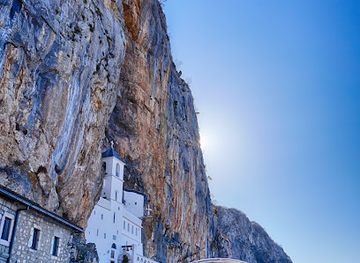
Explore the spiritual sanctuary of Ostrog Orthodox Monastery in Montenegro, a breathtaking site of faith and beauty nestled in the cliffs.
-
Historical landmark
Old Town
Explore the rich history and vibrant culture of Old Town in Herceg Novi, Montenegro's enchanting coastal gem with stunning views and charming streets.
-
Marina
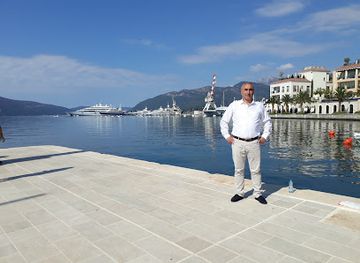
Porto Montenegro
Experience the luxury and charm of Porto Montenegro, a stunning marina destination on the Adriatic coast, perfect for leisure, dining, and shopping.
-
National park
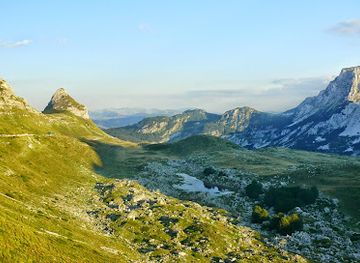
Durmitor National Park
Explore the stunning landscapes and rich biodiversity of Durmitor National Park, a UNESCO World Heritage site in Montenegro, perfect for nature lovers and adventure seekers.
Explore Montenegrin Littoral on the map
Plan your trip on one map. See where the top cities, national parks and sights are, and book hotels and experiences in a few clicks.
Best hotels in Montenegrin Littoral
Best restaurants in Montenegrin Littoral
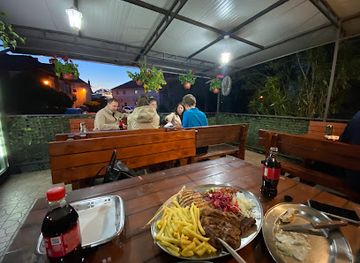
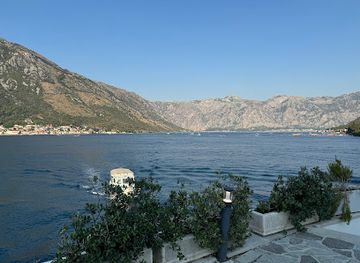
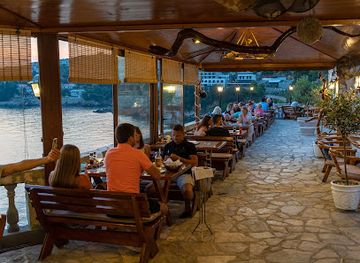
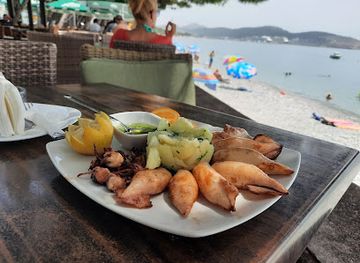
Coastal dining in Montenegro is shaped by the Adriatic, nearby mountains and centuries of contact between Slavic, Venetian, Ottoman and Albanian food traditions. Menus in Kotor, Herceg Novi, Tivat, Budva, Bar and Ulcinj commonly include grilled fish, squid, octopus, mussels, prawns and fish prepared in broths or with Mediterranean herbs. Olive oil, tomatoes, seasonal vegetables and local bread are central to many meals, while inland influences appear in smoked meats, cheese, kačamak and other substantial dishes. Ulcinj and the southern coast offer particularly visible Albanian and Ottoman influences alongside seafood and Mediterranean cooking. Waterfront restaurants range from informal fish establishments to more polished contemporary dining rooms, while cafés and bakeries provide simpler options during the day. Farmers’ markets in coastal towns are useful for fruit, vegetables, olives and regional products. Prices and service styles vary sharply between historic centres, marinas, resort promenades and villages, so comparing menus before sitting down is sensible during the busiest season.
-
Restaurant
BBQ Tanjga
Experience the essence of Montenegro with delicious barbecued dishes at BBQ Tanjga in Kotor.
-
Seafood
Restaurant Lovac (Since 1928)
Experience authentic Montenegrin cuisine at Restaurant Lovac - where tradition meets taste in every dish.
-
Restaurant
Verige 65
Discover Verige 65: A culinary haven with stunning sea views in Kostanjica, Montenegro.
-
Restaurant
Restaurant Antigona
Discover the culinary treasures of Montenegro at Restaurant Antigona, where stunning coastal views meet exquisite Mediterranean flavors.

Best bars in Montenegrin Littoral
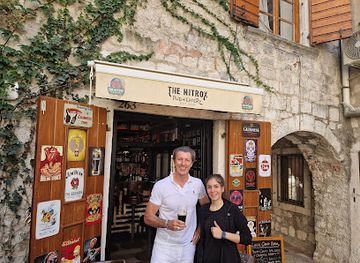
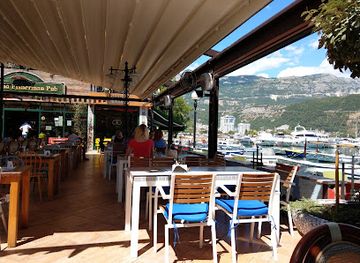
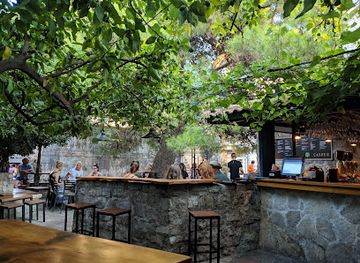
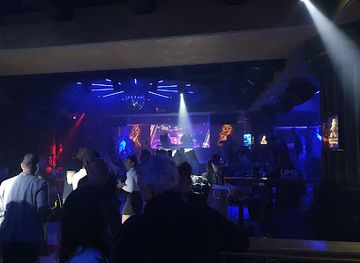
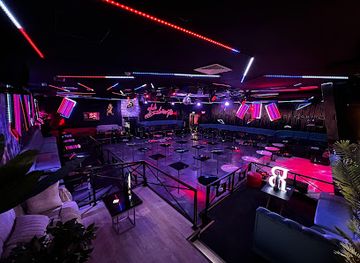
Evening life varies considerably along the Littoral. Kotor and Herceg Novi concentrate on wine bars, cafés, historic inns, live music and late-night venues within or near their old towns, while Tivat has a more contemporary marina-oriented scene. Budva is the principal centre for large-scale summer nightlife, with bars, clubs and seasonal entertainment attracting visitors to the waterfront and areas near the old town. Bar and Ulcinj offer a more mixed pattern of cafés, restaurants, beach bars and smaller venues, with activity increasing during the warm months. In quieter coastal settlements, the evening usually centres on a promenade, family-run restaurant or local bar rather than a nightclub. Opening arrangements, music programmes and venue status can change from one season to the next, so current local information is more reliable than old listings. Alcohol is not essential to enjoying the coast: sunset walks, seafood dinners and waterfront cafés are equally established parts of local evening life.
-
Cocktail bar
The Nitrox Pub & Eatery
Discover Kotor's vibrant cocktail scene at The Nitrox Pub & Eatery, where unique drinks and a lively atmosphere await.
-
Restaurant
Old Fisherman's Pub
Experience the charm of Montenegro at Old Fisherman's Pub, where authentic cuisine meets breathtaking coastal views.
-
Bar
Casper Bar
Experience the vibrant nightlife of Budva at Casper Bar, where refreshing drinks and lively atmosphere come together for an unforgettable evening.
-
Cafe
Forest
Discover the serene Forest Cafe in Bar, Montenegro, where delicious food and fine wines meet the beauty of nature for an unforgettable experience.
Best nightclubs in Montenegrin Littoral
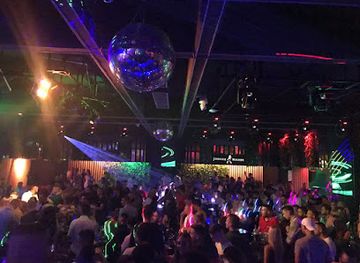
Evening life varies considerably along the Littoral. Kotor and Herceg Novi concentrate on wine bars, cafés, historic inns, live music and late-night venues within or near their old towns, while Tivat has a more contemporary marina-oriented scene. Budva is the principal centre for large-scale summer nightlife, with bars, clubs and seasonal entertainment attracting visitors to the waterfront and areas near the old town. Bar and Ulcinj offer a more mixed pattern of cafés, restaurants, beach bars and smaller venues, with activity increasing during the warm months. In quieter coastal settlements, the evening usually centres on a promenade, family-run restaurant or local bar rather than a nightclub. Opening arrangements, music programmes and venue status can change from one season to the next, so current local information is more reliable than old listings. Alcohol is not essential to enjoying the coast: sunset walks, seafood dinners and waterfront cafés are equally established parts of local evening life.
-
Night club
Omnia
Immerse yourself in the vibrant nightlife of Budva at Omnia, where top DJs and a stunning atmosphere create unforgettable nights.
-
Bar
The Clubhouse
Discover The Clubhouse in Tivat, Montenegro – a vibrant bar and lounge offering stunning marina views, delicious drinks, and a lively atmosphere.
-
Night club
Premium Palazzo night club
Unleash your nightlife adventure at Premium Palazzo Night Club, Budva's top destination for unforgettable parties and electrifying music.
-
Disco club
Night Club Ambiente
Dive into the vibrant nightlife of Budva at Night Club Ambiente, where music, dance, and an electric atmosphere await every night.
Best shops in Montenegrin Littoral
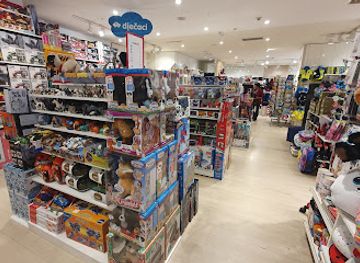
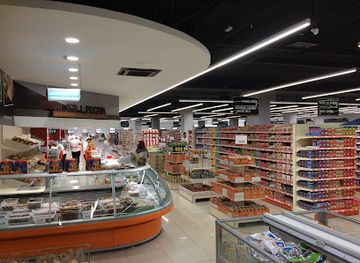
Shopping on the Montenegrin Littoral ranges from practical market produce to small-scale crafts and coastal souvenirs rather than extensive luxury retail. Kotor, Budva and Herceg Novi have old-town streets with galleries, jewellery shops, clothing outlets, books, handmade items and products aimed at visitors, while Tivat offers more contemporary marina and resort shopping. Markets in Bar and Ulcinj are useful for seasonal fruit, vegetables, olives, honey and other food products, although availability changes throughout the year. Look for Montenegrin olive oil and regional wines, as well as dried fruit, herbs and locally produced preserves. Small craft shops may stock ceramics, woven goods, woodwork or religious objects, but quality and provenance vary, so ask questions before paying premium prices. Stari Bar and Ulcinj are particularly associated with historic settings and locally influenced products, while the larger towns have a broader range of everyday shops. In summer, compare prices away from the busiest waterfronts and keep receipts for higher-value purchases.
-
Shopping mall
TQ Plaza
Explore TQ Plaza in Budva: A vibrant shopping mall featuring diverse stores, dining options, and entertainment for an unforgettable experience.
-
Shopping mall
Shopping Centre Kamelija
Discover the vibrant Shopping Centre Kamelija in Kotor, Montenegro – a perfect blend of shopping, dining, and entertainment for every traveler.
-
Shopping mall
HDL Novi Mall
Experience the best of shopping, dining, and entertainment at HDL Novi Mall in Sutorina, Montenegro, a must-visit destination for tourists.
-
Shopping mall
Butiko Shopping Center
Explore Butiko Shopping Center in Montenegro for a diverse shopping experience with local flair and international brands in a vibrant atmosphere.

Get your free copy of our complete guide to Montenegrin Littoral, delivered straight to you.
Everything on this page, from attractions and restaurants to essentials and local phrases, in one PDF you can read offline, print or share.
Already have an account? Sign in
Your Montenegrin Littoral guide is ready.
We'll send it to · Not you? Sign out

Getting your guide ready…
We are putting together a fresh copy of the Montenegrin Littoral guide. This can take up to a minute.
This can take a few moments. If your browser asks, choose Allow so the download can start. You'll find the guide in your Downloads folder.
Nothing happened? Download it again
Sorry, the guide is taking longer than usual. Please try again in a minute, or get it by email instead.
Montenegrin Littoral essentials
Currency and Payment
Safety
Emergency Situations
Do's and Don'ts
Local Tips
From Eve
Local phrases worth knowing
You don't need to get them perfect. A few words go a long way, and locals appreciate the effort.
Basics
| English | Local | Say it |
|---|---|---|
| Hello | Zdravo | [zdra-vo] |
| Goodbye | Doviđenja | [do-vi-jen-ja] |
| Yes | Da | [da] |
| No | Ne | [ne] |
| Please/You're welcome | Molim/Izvolite | [mo-lim/i-zo-li-te] |
| Thank you | Hvala | [hva-la] |
| Excuse me/Sorry | Izvinite | [iz-vi-ni-te] |
| How are you? | Kako si? | [ka-ko si] |
| Fine. And you? | Dobro. A ti? | [do-bro. a ti] |
| Do you speak English? | Da li govoriš engleski? | [da li go-vo-rish en-gles-ki] |
| I don't understand | Ne razumem | [ne ra-zu-mem] |
Eating & Drinking
| English | Local | Say it |
|---|---|---|
| I'd like to see the menu, please | Hteo bih da vidim meni, molim | [h-te-o bih da vi-dim me-ni, mo-lim] |
| I don't eat meat | Ne jedem meso | [ne ye-dem me-so] |
| Cheers! | Živeli! | [zhi-ve-li] |
| I would like to pay, please | Hteo bih da platim, molim | [h-te-o bih da pla-tim, mo-lim] |
Emergencies
| English | Local | Say it |
|---|---|---|
| Help! | Upomoć! | [u-po-moć] |
| Go away! | Ode! | [o-de] |
| Call the Police! | Pozovite policiju! | [po-zo-vi-te po-li-ci-ju] |
| Call a doctor! | Pozovite doktora! | [po-zo-vi-te dok-to-ra] |
| I'm lost | Izgubio sam se | [iz-gu-bi-o sam se] |
| I'm ill | Bolestan sam | [bo-les-tan sam] |
Shopping
| English | Local | Say it |
|---|---|---|
| I'd like to buy... | Hteo bih da kupim... | [h-te-o bih da ku-pim] |
| I'm just looking | Samo gledam | [sa-mo gle-dam] |
| How much is it? | Koliko košta? | [ko-li-ko koshta] |
| That's too expensive | To je previše skupo | [to ye pre-vi-she sku-po] |
| Can you lower the price? | Možeš li spustiti cenu? | [mo-zheš li spu-sti-ti tse-nu] |
Time & Numbers
| English | Local | Say it |
|---|---|---|
| What time is it? | Koliko je sati? | [ko-li-ko ye sa-ti] |
| It's one o'clock | Jedan je sat | [ye-dan ye sat] |
| Half past (10) | Polovinu (10) | [po-lo-vi-nu (10)] |
| Morning | Jutro | [yu-tro] |
| Afternoon | Popodne | [po-pod-ne] |
| Evening | Veče | [ve-che] |
| Yesterday | Juče | [yu-che] |
| Today | Danas | [da-nas] |
| Tomorrow | Sutra | [su-tra] |
| 1 | 1 | [1] |
| 2 | 2 | [2] |
| 3 | 3 | [3] |
| 4 | 4 | [4] |
| 5 | 5 | [5] |
| 6 | 6 | [6] |
| 7 | 7 | [7] |
| 8 | 8 | [8] |
| 9 | 9 | [9] |
| 10 | 10 | [10] |
Transport & Directions
| English | Local | Say it |
|---|---|---|
| Where's a/the...? | Gde je...? | [gde ye] |
| What's the address? | Koja je adresa? | [ko-ja ye a-dre-sa] |
| Can you show me (on the map)? | Možeš li mi pokazati (na mapi)? | [mo-zheš li mi po-ka-za-ti (na ma-pi)] |
| When's the next (bus)? | Kada je sledeći (autobus)? | [ka-da ye sle-de-ći (au-to-bus)] |
| A ticket (to ....) | Jedna karta (do ...) | [yed-na kar-ta (do ...)] |
History of Montenegrin Littoral
Illyrian and Roman Coastal Settlements
Before Roman rule, the eastern Adriatic coast was inhabited by Illyrian communities whose settlements and maritime networks connected the bays and harbours of present-day Montenegro. Rome incorporated the area into its imperial system, developing roads, ports and towns including Risan, known in antiquity as Rhizon, and the wider settlement zone around present-day Ulcinj. Roman administration introduced new patterns of urban life, trade and Christianity, while the region’s mountainous terrain ensured that coastal settlements retained strong local identities. Archaeological remains, reused stonework and the continuing importance of ancient harbours provide evidence of this early Mediterranean connection.
Medieval Maritime Towns
During the medieval period, coastal Montenegro was divided among shifting local powers and wider Adriatic states. Kotor developed as an important fortified and commercial town, while Budva, Bar, Ulcinj and Herceg Novi each acquired distinct political and religious histories. Orthodox, Catholic and later Islamic influences all left visible marks on the Littoral’s architecture and communities. Trade in salt, wine, olive oil, fish and other goods linked the coast with the eastern Adriatic and the Balkan interior. The survival of walled centres, churches, monasteries and harbour settlements reflects this period of maritime competition and cultural exchange.
Venetian Influence and the Bay of Kotor
Venice controlled or strongly influenced much of the eastern Adriatic coastline at different times, and its legacy is particularly clear in Kotor, Perast and other settlements around the bay. Venetian fortifications, stone palaces, civic buildings and Catholic churches were combined with older local and Byzantine traditions. Kotor’s defensive system climbing the mountainside illustrates the strategic importance of the bay. Venetian rule also tied the region to wider Mediterranean commerce, although control was contested by neighbouring powers and local authorities. The architectural character of the northern Littoral remains one of the clearest results of this Adriatic connection.
Ottoman Expansion and the Southern Coast
The Ottoman Empire became a major power along the southern Montenegrin coast from the late medieval period onwards. Ulcinj and Bar experienced Ottoman rule, while the frontier between Ottoman territories, Venetian possessions and the Montenegrin highlands shifted repeatedly. Ulcinj became associated with maritime trade and privateering, and its population developed a strongly mixed cultural character shaped by Albanian, Slavic, Muslim, Catholic and Orthodox communities. Fortifications, mosques, churches, urban plans and culinary traditions still express the layered history of the southern Littoral rather than a single national narrative.
The Petrović-Njegoš State and Coastal Consolidation
The coastal towns were not all brought under the same authority at the same time. The rulers of Montenegro gradually strengthened their state in the nineteenth century, while Kotor and much of the Bay of Kotor remained under Habsburg control until the end of the First World War. Bar became increasingly important to Montenegro after the country gained a more substantial outlet to the sea, and the construction of modern port and rail connections helped bind the coast to the interior. This period laid foundations for the Littoral’s modern political geography and transport network.
Austro-Hungarian Naval and Imperial Heritage
The Habsburg Empire administered the Bay of Kotor, known in its Italian form as Cattaro, from the early nineteenth century until 1918. The bay served as a strategically important naval base, leaving military infrastructure, roads, administrative buildings and fortified positions around the water. Austro-Hungarian influence added another architectural and political layer to an area already shaped by Venetian, Slavic, Orthodox and Catholic traditions. The remains of coastal and hillside fortifications help explain why the bay was valued not only for commerce but also for control of the southern Adriatic.
War, Yugoslavia and Modern Coastal Tourism
After the First World War, the coast became part of the Kingdom of Yugoslavia and later socialist Yugoslavia, before Montenegro became an independent state in 2006. Twentieth-century infrastructure, industrial ports and holiday development transformed towns such as Budva, Bar, Herceg Novi and Ulcinj. Tourism expanded rapidly during the Yugoslav period and accelerated after the 1990s, bringing marinas, hotels and seasonal services alongside older fishing, trading and port economies. The 1979 earthquake severely damaged parts of the Montenegrin coast, including historic buildings, but reconstruction also helped preserve and restore several important old towns.
Montenegrin Littoral in Photos
Browse through our photo collection highlighting the charm and character of the destination.
Neighbouring regions of Montenegrin Littoral
The closest regions to Montenegrin Littoral, if you have time for more than one.
-

-

-

-

-


Swipe for more regions
Explore more
Explore more of Montenegro
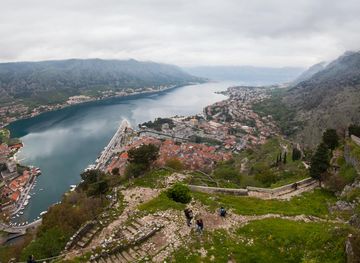
Discover Montenegro: A blend of stunning landscapes, rich history, and vibrant culture on the breathtaking Adriatic coast.
Explore Montenegro