

Free Gharb Travel Guide & Mobile App
Explore Gharb with free travel guides. Discover regional history, expert tips, proposed trips, and audio guides on web or mobile app.


Explore Gharb in Morocco for Sebou River landscapes, Mehdia’s Atlantic coast, wetland birdlife, agricultural towns and layered regional history.
Read more about Gharb
When is the best time to visit Gharb?
Best: April–May, October · 24–28°C| Month | High (°C) | Rainfall (mm) |
|---|---|---|
| January | 19 | 53 |
| February | 20 | 44 |
| March | 22 | 38 |
| April (best) | 24 | 31 |
| May (best) | 28 | 14 |
| June | 32 | 4 |
| July | 35 | 1 |
| August | 35 | 2 |
| September | 32 | 10 |
| October (best) | 27 | 26 |
| November | 21 | 36 |
| December | 17 | 48 |
Getting to and around Gharb
How to get there
Transportation
Top city travel guides in Gharb
The cities of Gharb, and the easiest places to base yourself.

Swipe for more cities
Best attractions in Gharb
Gharb’s attractions are spread across river, coast, wetland and agricultural landscapes rather than concentrated in a single historic centre. Kenitra provides the region’s principal museums, cultural facilities and urban services, while Mehdia combines a broad Atlantic beach with the Sebou estuary and the historic Kasbah of Mehdia. Nearby Sidi Boughaba is a valuable nature destination, particularly for visitors interested in wetland habitats and migratory birds. Inland, the agricultural plain is best experienced through market towns, rural roads and seasonal fields, with the landscape changing considerably between the rainy and dry parts of the year. The archaeological site of Thamusida, near Sidi Allal Tazi, offers a more specialised encounter with the Roman history of the Sebou corridor. The region also suits birdwatching, fishing-related observation, beach walks and gentle countryside excursions, although access to rural and archaeological sites can be basic. Gharb is less about a sequence of grand monuments than about understanding how a river, fertile soils, wetlands and the Atlantic coast have supported settlement and commerce over many centuries.
-
Tourist attraction
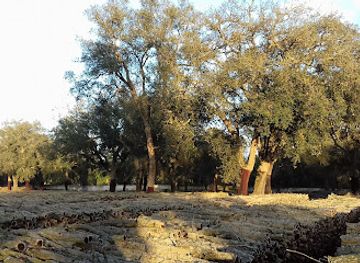
Forest Maâmora
Explore the lush beauty of Forest Maâmora, a national forest and nature preserve in Morocco perfect for hiking, picnicking, and wildlife watching.
-
Tourist attraction
Sidi-Boughaba
Explore the breathtaking landscapes and vibrant wildlife of Sidi-Boughaba, a premier national park and tourist attraction in Morocco.
-
Tourist attraction
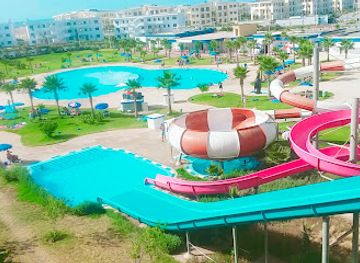
Aqua Pirate
Dive into adventure at Aqua Pirate, Kenitra's premier water park offering thrilling rides and family-friendly fun in a pirate-themed paradise.
-
National park
Forêt du Gharb
Discover the serene beauty of Forêt du Gharb, Morocco's stunning national park, rich in wildlife and breathtaking landscapes perfect for nature lovers.
Best landmarks in Gharb
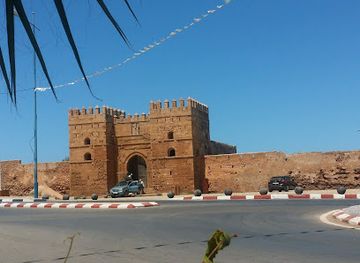
The Kasbah of Mehdia is Gharb’s most recognisable historic landmark, occupying a strategic position above the Atlantic approach to the Sebou. Its walls and elevated setting convey the importance of the river mouth to Moroccan rulers and European powers competing for coastal footholds. At Thamusida, near Sidi Allal Tazi, archaeological remains mark a Roman settlement connected with military organisation, river transport and trade in the Sebou basin; the site is significant precisely because it reveals the region’s ancient role beyond the better-known imperial centres of Morocco. The Sebou itself is a defining natural landmark, broadening towards the estuary and shaping the plain’s agriculture, wetlands and settlements. Sidi Boughaba’s lake and reed-fringed margins provide a contrasting environmental landmark near Mehdia, with importance for birdlife as well as local recreation. In Kenitra, the planned avenues and civic architecture associated with the former Port-Lyautey illustrate the twentieth-century transformation of the river port, while the city’s Moroccan quarters and later development show how colonial and post-independence layers coexist.
-
Historical landmark
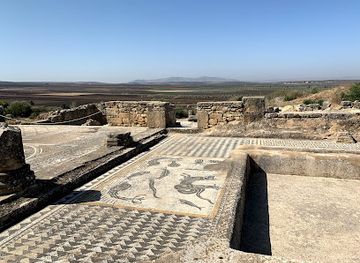
Site Archéologique de Volubilis
Explore the magnificent ruins of Volubilis, a UNESCO World Heritage Site that reveals the grandeur of Roman civilization in Morocco.
-
Historical landmark
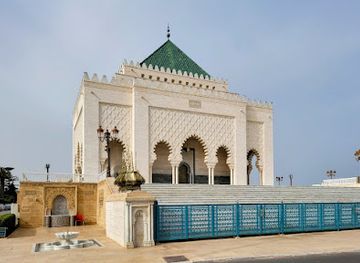
Mausoleum of Mohammed V
Explore the majestic Mausoleum of Mohammed V, a historical landmark in Rabat that celebrates Morocco's royal heritage and architectural beauty.
-
Park
Urban City Forest Kenitra
Experience the tranquility of Kenitra’s Urban City Forest, a lush green haven perfect for relaxation and outdoor activities.
-
National park
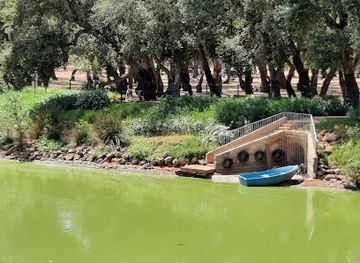
Forêt du Gharb
Discover the tranquil beauty of Forêt du Gharb, a national park in Morocco, where lush greenery and diverse wildlife await nature lovers and adventurers alike.
Explore Gharb on the map
Plan your trip on one map. See where the top cities, national parks and sights are, and book hotels and experiences in a few clicks.
Best hotels in Gharb
Best restaurants in Gharb
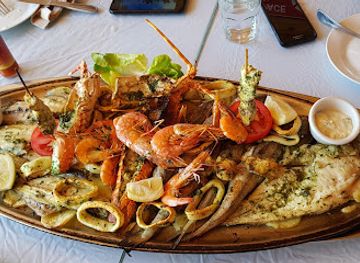
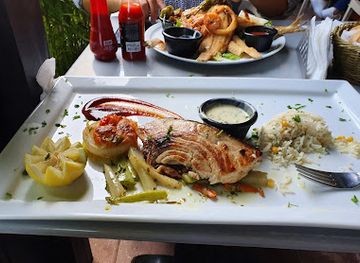
Dining in Gharb reflects the meeting of Morocco’s agricultural interior with the Atlantic coast. Kenitra has the broadest selection of Moroccan restaurants, cafés, bakeries and contemporary eateries, while Mehdia is the natural place to look for fish and seafood, especially in informal restaurants and food stalls serving the local catch. Seasonal vegetables, fruit, olives, pulses and grains from the plain appear in home cooking and market produce, alongside familiar Moroccan dishes such as tagines, couscous, harira, brochettes and pastilla. Fresh bread, mint tea and sweet pastries are widely available, and rural cafés provide simple meals and refreshments rather than elaborate menus. Prices and quality vary between establishments, so it is sensible to inspect the fish, confirm the price and check whether accompaniments are included before ordering at informal coastal venues. Kenitra’s larger dining scene is more varied, but the strongest regional distinction remains the connection between farm produce, river communities and Atlantic seafood.
-
Fusion restaurant
Merzouga
Discover Merzouga: Where Italian Meets Asian Meets Moroccan Cuisine in Kenitra's Fusion Dining Experience.
-
Restaurant
B&B PARK
Discover the flavors of Morocco at B&B PARK in Kénitra - where every meal is an experience worth savoring.
-
Restaurant
Mini World
Experience delightful dining at Mini World in Kénitra - where local flavors meet global cuisine in an inviting atmosphere.
-
Syrian
Restaurant Yamal Acham
Experience the essence of Syrian culinary tradition at Restaurant Yamal Acham in Kénitra—where every dish tells a story.
Best bars in Gharb
Evening life in Gharb is centred more on cafés, restaurants and traditional social spaces than on a large nightclub circuit. Kenitra has the region’s widest choice of modern cafés, hotel bars and restaurants, with activity concentrated in commercial and central areas rather than a single internationally recognised nightlife district. Mehdia becomes more active during the warmer coastal season, when visitors and residents gather near the beach for food, tea and relaxed evening walks, while the atmosphere is generally quieter outside holiday periods. In Sidi Slimane, Sidi Kacem and smaller towns, evenings tend to revolve around cafés, family restaurants and local social life. Alcohol service is more likely in licensed hotels and selected restaurants than in ordinary cafés, and visitors should follow venue rules and local sensitivities. Those seeking late-night entertainment will find a modest regional scene rather than the extensive club culture associated with Morocco’s largest cities.
-
Grill
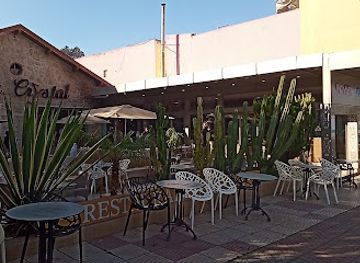
Villa Crystal
Experience the flavors of Morocco at Villa Crystal, Sidi Kacem's top grill restaurant offering authentic cuisine and a welcoming atmosphere.
-
Grill
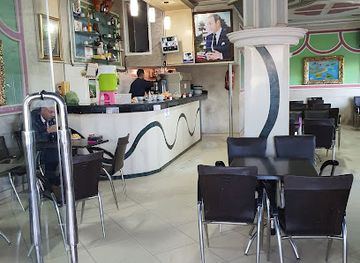
Café Restaurant Zouhour Al Janoub
Discover the flavors of Morocco at Café Restaurant Zouhour Al Janoub, a delightful spot for grilled dishes in Souk El Arbaa.
-
Grill
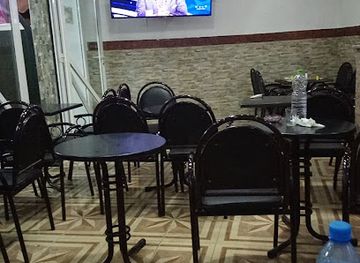
Cafe Soraj
Experience the best of Moroccan grilled cuisine in the heart of Moulay Bousselham at Cafe Soraj, where flavor meets beautiful coastal views.
-
Grill
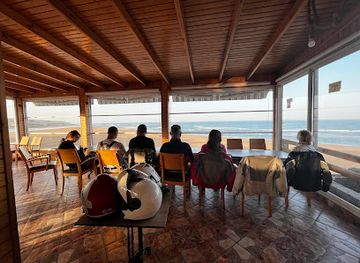
LA TERRASSE
Experience the best of Moroccan grill cuisine at La Terrasse, where fresh flavors meet stunning coastal views in Moulay-Bousselham.
Best nightclubs in Gharb
Evening life in Gharb is centred more on cafés, restaurants and traditional social spaces than on a large nightclub circuit. Kenitra has the region’s widest choice of modern cafés, hotel bars and restaurants, with activity concentrated in commercial and central areas rather than a single internationally recognised nightlife district. Mehdia becomes more active during the warmer coastal season, when visitors and residents gather near the beach for food, tea and relaxed evening walks, while the atmosphere is generally quieter outside holiday periods. In Sidi Slimane, Sidi Kacem and smaller towns, evenings tend to revolve around cafés, family restaurants and local social life. Alcohol service is more likely in licensed hotels and selected restaurants than in ordinary cafés, and visitors should follow venue rules and local sensitivities. Those seeking late-night entertainment will find a modest regional scene rather than the extensive club culture associated with Morocco’s largest cities.
-
Disco club
Theatro Marrakech
Experience the electrifying nightlife at Theatro Marrakech, where vibrant beats and Moroccan flair create unforgettable nights out.
-
Disco club
SECRET ROOM MARRAKECH
Discover the electrifying nightlife of Marrakech at Secret Room, the ultimate disco club for dance enthusiasts and party lovers alike.
-
Night club
555 Famous Club Marrakech
Discover the vibrant nightlife of Marrakesh at 555 Famous Club, where top DJs and an electrifying atmosphere await your arrival.
-
Night club
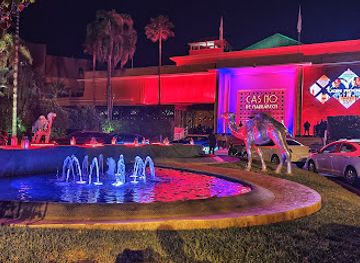
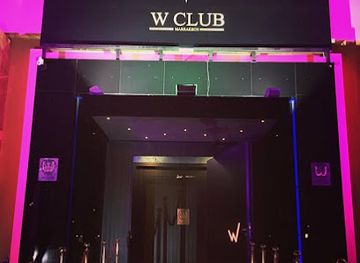
W Club Marrakech
Discover the vibrant nightlife at W Club Marrakech, where pulsating music and stylish ambiance create an unforgettable experience.


Best shops in Gharb
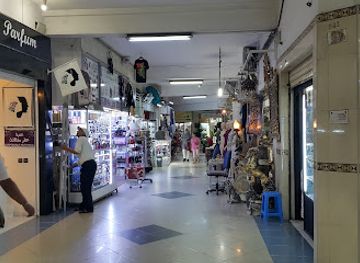
Kenitra is the region’s main shopping centre, combining ordinary Moroccan high-street commerce with souks, food shops, bakeries, craft retailers and modern stores. Its markets are useful for seasonal fruit and vegetables from the Gharb plain, spices, olives, dates, bread and household goods, while smaller towns such as Sidi Slimane and Sidi Kacem offer a more local market experience tied closely to surrounding farming communities. Mehdia is most practical for simple coastal purchases, snacks and everyday beach goods rather than specialised luxury retail. Visitors seeking regional products should look for olive oil, preserved foods, honey, seasonal produce and Moroccan textiles, checking quality and provenance when buying from informal sellers. Bargaining is normal in many souk settings but not in supermarkets, pharmacies or shops displaying fixed prices. Gharb is not primarily a designer-shopping destination; its appeal lies in markets, provisions and the chance to see how an agricultural region supplies its towns.
-
Shopping mall
Mall Ait Baha
Discover the vibrant shopping experience at Mall Ait Baha, Rabat's premier destination for fashion, jewelry, and delightful dining.
-
Gift shop
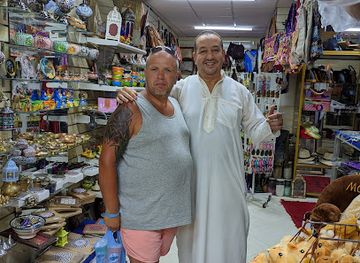
mohameds shop
Explore the vibrant cultural treasures of Marrakesh at Mohamed's Shop, where local craftsmanship meets unique gifts and souvenirs.
-
Fashion accessories store
Asianshop Maroc
Explore fashion at Asianshop Maroc, Kénitra's top destination for stylish accessories that blend quality, affordability, and Moroccan charm.
-
 Pastries
Pâtisserie Laraychi
Discover the sweet flavors of Morocco at Pâtisserie Laraychi, a charming pastry shop in Souk El Arbaa offering a delightful array of traditional and modern treats.
Get your free copy of our complete guide to Gharb, delivered straight to you.
Everything on this page, from attractions and restaurants to essentials and local phrases, in one PDF you can read offline, print or share.
Already have an account? Sign in
Your Gharb guide is ready.
We'll send it to · Not you? Sign out

Getting your guide ready…
We are putting together a fresh copy of the Gharb guide. This can take up to a minute.
This can take a few moments. If your browser asks, choose Allow so the download can start. You'll find the guide in your Downloads folder.
Nothing happened? Download it again
Sorry, the guide is taking longer than usual. Please try again in a minute, or get it by email instead.
Gharb essentials
Currency and Payment
Safety
Emergency Situations
Do's and Don'ts
Local Tips
From Eve
Local phrases worth knowing
You don't need to get them perfect. A few words go a long way, and locals appreciate the effort.
Basics
| English | Local | Say it |
|---|---|---|
| Hello | Salam | [sah-lahm] |
| Goodbye | Bslama | [bess-lah-ma] |
| Yes | Iwa | [ee-wah] |
| No | La | [lah] |
| Please/You're welcome | Afak | [ah-fahk] |
| Thank you | Shukran | [shoo-krahn] |
| Excuse me/Sorry | Smeh liya | [smeh lee-yah] |
| How are you? | Kif dayer? | [keef die-er] |
| Fine. And you? | Labas. W nta? | [lah-bahs. oo en-tah] |
| Do you speak English? | Kat hdar l'anglais? | [kaht hadar el-ahn-glay] |
| I don't understand | Ma fhemtsh | [mah feh-mtsh] |
Eating & Drinking
| English | Local | Say it |
|---|---|---|
| I'd like to see the menu, please | Bghit nchouf l'menou, afak | [bgh-eet n-shoof el-men-oo, ah-fahk] |
| I don't eat meat | Ma nakolsh l'la7m | [mah nah-kolsh el-lahm] |
| Cheers! | Bsalama! | [bess-lah-ma] |
| I would like to pay, please | Bghit n'khales, afak | [bgh-eet n-khah-les, ah-fahk] |
Emergencies
| English | Local | Say it |
|---|---|---|
| Help! | L'3awn! | [el-3awn] |
| Go away! | Sir b'3id! | [seer b-eed] |
| Call the Police! | 3ayat l'bolis! | [ah-yat el-bo-lees] |
| Call a doctor! | 3ayat l'doktor! | [ah-yat el-dok-tor] |
| I'm lost | Ana da3i | [ah-nah dah-ee] |
| I'm ill | Ana marid | [ah-nah mah-reed] |
Shopping
| English | Local | Say it |
|---|---|---|
| I'd like to buy... | Bghit n'shri... | [bgh-eet n-shree] |
| I'm just looking | Ana ghir kanchouf | [ah-nah gheir kan-shoof] |
| How much is it? | Bshhal hiya? | [bsh-hal hee-yah] |
| That's too expensive | Hadshi ghali bzaf | [had-shee ghah-lee b-zahf] |
| Can you lower the price? | Tqdar t'na9is l'semara? | [tq-dar t-nah-kee-s el-seh-ma-ra] |
Time & Numbers
| English | Local | Say it |
|---|---|---|
| What time is it? | Shhal f'ssa3a? | [sh-hal f-sah-ah] |
| It's one o'clock | Hiya wa7da | [hee-yah wah-dah] |
| Half past (10) | Nuss l'3ashra | [noos el-3ash-rah] |
| Morning | Sbah | [s-bah] |
| Afternoon | 3sher | [ah-sher] |
| Evening | Msa | [m-sah] |
| Yesterday | Lbareh | [el-bar-eh] |
| Today | Lyoum | [el-yoom] |
| Tomorrow | Ghedwa | [ghed-wah] |
| 1 | Wahd | [wahd] |
| 2 | Juj | [jooj] |
| 3 | Tlata | [t-lah-tah] |
| 4 | Rba3 | [r-bah-3] |
| 5 | Khamsa | [kham-sah] |
| 6 | Sitta | [sit-tah] |
| 7 | Sb3a | [s-bee-ah] |
| 8 | Tmnya | [tam-nee-yah] |
| 9 | Tsa3a | [t-sah-3ah] |
| 10 | 3ashra | [3ash-rah] |
Transport & Directions
| English | Local | Say it |
|---|---|---|
| Where's a/the...? | Fin kayn...? | [fin kayn] |
| What's the address? | Shnu l'adresse? | [sh-noo el-ad-res] |
| Can you show me (on the map)? | Tqdar twarini (f'lkhari7)? | [tq-dar taw-ree-nee f-el-kha-reh] |
| When's the next (bus)? | Wa shnu waqt l'bus jayin? | [wa sh-noo wa-kt el-boos ja-yeen] |
| A ticket (to ....) | Tiket (l'...) | [tee-ket l-...] |
History of Gharb
Prehistoric settlement and the Sebou corridor
The Gharb plain has long offered water, fertile soils and routes between the Atlantic coast and Morocco’s interior. Archaeological evidence from the wider Sebou basin indicates settlement and movement across prehistoric periods, although many remains are less visible to visitors than the region’s later monuments. The river’s floodplain supported agriculture, fishing and transport, while higher ground provided safer locations for settlements. This geographical combination explains why the Gharb became a recurring zone of human activity rather than an empty agricultural expanse.
Thamusida and the Roman Sebou frontier
Thamusida, an archaeological site beside the Sebou near Sidi Allal Tazi, was an important settlement in the Roman province of Mauretania Tingitana. Its position connected river transport, local production and the Roman military network. Excavated remains include urban and defensive structures associated with a community that developed around a strategic river crossing and commercial route. The site illustrates how Rome’s presence in northern Morocco depended not only on major inland towns but also on ports, river stations and agricultural hinterlands.
Medieval river and coastal strongholds
During the medieval period, the Sebou valley and Atlantic approaches formed part of the political geography of northern Morocco. The fortified settlement at Mehdia occupied a valuable position at the river mouth, allowing rulers to monitor maritime traffic and access to the interior. Almohad and later dynastic powers used coastal fortifications and river routes to consolidate authority, while the surrounding plain remained important for agriculture and provisioning. The region’s later kasbahs and settlement patterns reflect this long relationship between strategic waterways and political control.
European competition for Mehdia
Mehdia’s position attracted European powers during the period of Atlantic expansion. Portuguese forces occupied the site in the sixteenth century, and the estuary subsequently became part of wider struggles involving Morocco, Portugal and Spain. Control changed over time as Moroccan rulers resisted or removed foreign garrisons. The fortified remains at Mehdia therefore represent more than a local citadel: they record the strategic importance of Morocco’s Atlantic coast and the contest over access to the Sebou and its inland trade routes.
The Alawi consolidation of the Atlantic plain
During the seventeenth century, the Alawi sultan Moulay Ismail strengthened central authority across Morocco and recovered important coastal positions. The restoration of Mehdia to Moroccan control in 1681 formed part of this broader process of consolidating the sultanate and limiting European footholds. The Gharb plain supplied agricultural resources and routes linking the coast with inland centres, making it significant to the political and economic ambitions of the Alawi state. The period helped establish the framework of authority that continued into modern Morocco.
The Protectorate and the making of modern Kenitra
Under the French Protectorate, established in 1912, Kenitra was developed as a strategic administrative, railway and port centre and was known as Port-Lyautey. Its growth was tied to the Sebou, new transport infrastructure and the agricultural potential of the Gharb plain. Colonial planning introduced new streets, public buildings and commercial facilities alongside existing Moroccan quarters. The period also intensified irrigation and agricultural development, leaving a lasting imprint on the region’s settlement pattern and economy while forming part of the unequal political system of the Protectorate.
Agricultural transformation after independence
After Morocco regained independence in 1956, the Gharb continued to develop as one of the country’s important agricultural areas. Irrigation schemes, improved roads, rail connections and expanding towns linked farms more closely with national markets. Kenitra became an increasingly significant urban and industrial centre, while Sidi Slimane, Sidi Kacem and smaller communities retained strong links with farming and regional trade. Contemporary Gharb is consequently both rural and urban: a productive plain whose economy and landscapes have been reshaped by modern water management, mobility and population growth.
Gharb in Photos
Browse through our photo collection highlighting the charm and character of the destination.
Neighbouring regions of Gharb
The closest regions to Gharb, if you have time for more than one.
-

-

-

-

-


Swipe for more regions
Explore more

Explore more of Morocco
Discover Morocco: A land of rich history, vibrant culture, and stunning landscapes, where ancient traditions meet modern allure.
Explore Morocco