

Chiadma, Morocco Travel Guide
Discover Chiadma, Morocco: A scenic haven of lush hills, vibrant markets, and warm hospitality. Perfect for nature lovers, history buffs, and food enthusiasts alike.
Nestled between the bustling cities of Essaouira and Safi, Chiadma offers a tranquil escape into the heart of Moroccan culture. This region, known for its picturesque landscapes and rich history, provides a serene backdrop for those seeking both adventure and relaxation. Chiadma is renowned for its verdant hills and fertile valleys, which are dotted with traditional Berber villages. Visitors can explore the local markets, where vibrant textiles and handmade crafts tell the story of the area's artisanal heritage. The region's warm hospitality is evident in every interaction, making it easy for tourists to feel welcome. Nature enthusiasts will find plenty to adore in Chiadma. Hiking trails wind through lush forests and past cascading waterfalls, offering breathtaking views at every turn. Birdwatchers will also be delighted by the diverse avian species that call this area home. For those interested in history, the ancient ruins and historical landmarks scattered throughout Chiadma provide a fascinating glimpse into the past. A visit to Chiadma is not complete without sampling the local cuisine. The region's dishes are a flavorful blend of spices and fresh ingredients, reflecting the rich agricultural traditions of the area. From hearty tagines to sweet pastries, the food is sure to delight every palate. Whether you're exploring the great outdoors or immersing yourself in the local culture, Chiadma promises an unforgettable experience.

Know before you go
Hi, I'm Eve. Here are a few practical things to know before exploring Chiadma.
- Visit the local markets early in the morning to experience the freshest produce and the liveliest atmosphere.
- Carry cash, as many small vendors in Chiadma do not accept credit cards.
- Wear comfortable shoes for hiking and exploring the rural landscapes.
- Learn a few basic phrases in Arabic or Berber to enhance your interactions with locals.
- Try the local tagine dishes, which are a staple of Chiadma's culinary offerings.
Top City Travel Guides in Chiadma
The cities of Chiadma, and the easiest places to base yourself.

Destinations in Chiadma
Resorts, valleys and scenic spots worth a trip of their own.

Explore Chiadma: Things to Do, Places to Eat, Hotels & More
Handpicked recommendations for top attractions, local dining, accommodations, and more

Top Attractions & Sightseeing in Chiadma
Top-rated picks
Best Attractions
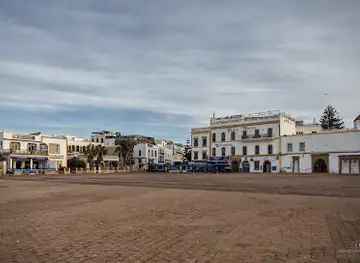
Place Moulay Hassan
Explore the vibrant heart of Essaouira at Place Moulay Hassan, where culture, history, and local charm come together in a picturesque coastal setting.
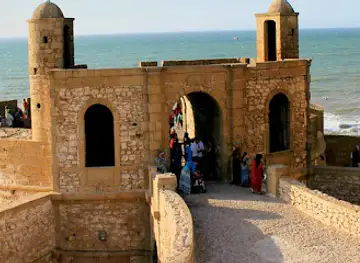
City Walls
Experience the breathtaking views and rich history at the City Walls of Essaouira, a UNESCO World Heritage Site blending Moroccan and Portuguese architecture.

Timlalin Dunes
Explore the enchanting Timlalin Dunes in Morocco, where stunning landscapes meet rich local culture and unforgettable adventures await.
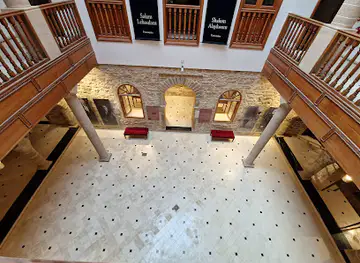
Bayt Dakira
Explore Bayt Dakira, the local history museum in Essaouira, and immerse yourself in the rich cultural heritage of Morocco's coastal gem.

Best landmarks in Chiadma
Top-rated picks
Best Landmarks

Jardin Majorelle
Explore the enchanting Jardin Majorelle, a botanical garden in Marrakech that blends art, nature, and vibrant colors into a serene oasis.

Ouzoud Waterfalls
Experience the breathtaking beauty of Ouzoud Waterfalls in Morocco – a natural wonder perfect for adventure seekers and nature lovers alike.

Koutoubia
Discover the architectural beauty and historical significance of Koutoubia Mosque, a must-see landmark in the heart of Marrakesh, Morocco.

Hassan Tower
Explore Hassan Tower, a historical marvel in Rabat, where the echoes of Morocco's Almohad dynasty come to life amidst stunning architecture and serene gardens.

Best restaurants in Chiadma
Top-rated picks
Best Restaurants

Restaurant la tolérance
Experience authentic Moroccan cuisine at Restaurant la tolérance in Essaouira's enchanting Medina.

Restaurant Khmissa
Experience authentic Moroccan cuisine at Restaurant Khmissa in Essaouira - where every dish tells a story.

The Loft
Experience the best of Moroccan cuisine at The Loft in Essaouira - where tradition meets modern dining.

Dar Baba Restaurant & More
Experience authentic Moroccan flavors at Dar Baba Restaurant in Essaouira—where culinary artistry meets cultural charm.

Best bars in Chiadma
Top-rated picks
Best Bars

Taros
Discover the vibrant atmosphere and delicious cuisine at Taros, located in the heart of Essaouira, offering stunning ocean views and a lively ambiance.

La Coupole Essaouira Beach
Discover culinary excellence at La Coupole Essaouira Beach, where exquisite tapas meet breathtaking ocean views in Essaouira.

Beach and Friends
Experience the best of Moroccan cuisine at Beach and Friends, a delightful restaurant in Essaouira overlooking the stunning Atlantic Ocean.

Ocean Vagabond
Discover the flavors of the Mediterranean at Ocean Vagabond, a vibrant restaurant and surf school in the heart of Essaouira.

Best nightclubs in Chiadma
Top-rated picks
Best Nightclubs

Theatro Marrakech
Experience the vibrant nightlife of Marrakech at Theatro, where unforgettable nights, electrifying music, and a dazzling atmosphere await.

Montecristo
Experience the best of Moroccan cuisine and vibrant nightlife at Montecristo, the ultimate restaurant and disco in Marrakech.

SECRET ROOM MARRAKECH
Discover the electrifying nightlife of Marrakech at Secret Room, where music, dance, and culture collide in a unique disco experience.

555 Famous Club Marrakech
Discover the electrifying nightlife of Marrakech at the 555 Famous Club, where music, dance, and luxury collide for an unforgettable experience.

Best shops in Chiadma
Top-rated picks
Best Shops

Heritage Fusion Jewelry
Discover the unique charm of Heritage Fusion Jewelry in Essaouira, where artisan craftsmanship meets contemporary design in a stunning collection of jewelry.

Centre de la Bijouterie Artisanale Maalem Ali 1908
Explore the exquisite craftsmanship of artisan jewelry at Centre de la Bijouterie Artisanale Maalem Ali 1908 in Essaouira, Morocco.

Histoire de Filles
Explore Histoire de Filles, a boutique in Essaouira offering exquisite clothing that embodies the vibrant spirit and artistry of Moroccan culture.

Centre Artisanal D'Essaouira
Discover the exquisite craftsmanship of Morocco at Centre Artisanal D'Essaouira, where tradition meets artistry in every handmade piece.

Explore Chiadma on the Map
A handpicked selection of must-see spots in Chiadma, mapped for you.
Chiadma Essentials
-
Chiadma is located in the region of Marrakech-Safi in Morocco. The nearest major city with an international airport is Marrakech, specifically Marrakech Menara Airport (RAK). From Marrakech, you can reach Chiadma by renting a car, which takes approximately 2 to 3 hours. Alternatively, you can take a bus or a grand taxi from Marrakech to the nearby towns of Safi or Essaouira, followed by a local taxi to Chiadma.
-
In Chiadma, the primary modes of transportation include taxis and buses. Grand taxis are a common way to travel between towns, while petit taxis are used for travel within towns. Renting a car is also an option for those who prefer more flexibility. Biking can be a pleasant way to explore the area, especially along the scenic coastal routes.
-
The official currency in Morocco is the Moroccan Dirham (MAD). Credit cards are accepted in more urbanized areas, but it is advisable to carry cash, especially in smaller towns and rural areas like Chiadma. ATMs are available in nearby towns like Safi and Essaouira. Currency exchange can be done at banks and exchange offices in these towns.
-
Chiadma is generally a safe destination for tourists. However, it's important to take standard precautions. Avoid walking alone at night in unfamiliar areas and keep an eye on your belongings in crowded places. While crime rates are relatively low, it's always best to stay vigilant. Be cautious in isolated areas and avoid flashing valuables.
-
In case of emergency, dial 19 for police assistance and 15 for medical emergencies. It is recommended to have travel insurance that covers medical emergencies. For minor health issues, there are pharmacies in nearby towns like Safi and Essaouira where you can purchase over-the-counter medications.
-
Fashion: Do dress modestly, especially when visiting religious sites. Avoid wearing revealing clothing. Religion: Do respect local customs and traditions. Always cover your head when entering mosques. Public Transport: Do be respectful and give up your seat to elderly passengers. Don't eat or drink on public transport. Greetings: Do greet people with a handshake; a slight bow of the head is also a sign of respect. Eating & Drinking: Do try local delicacies and accept food offerings graciously. Don’t refuse hospitality, as it is considered impolite.
-
To experience Chiadma like a local, visit the local souks (markets) where you can buy fresh produce and traditional Moroccan goods. Engage with locals; they are often friendly and willing to share stories about the area’s history and culture. Don’t miss visiting local historical sites and natural attractions, such as the coastal landscapes and traditional pottery workshops. For a unique experience, participate in a local cooking class to learn how to prepare traditional Moroccan dishes.
When is the best time to visit Chiadma?
Useful Local Phrases for Chiadma
You don't need to speak the language perfectly. Even learning a few simple words can make conversations warmer—and locals usually appreciate the effort.
— Eve

Here are the phrases I use most often in Chiadma. Try a few—you'll be surprised how far they go! 😊
❤️
-
- Helloسلام
[salam] - Goodbyeإلى اللقاء
[ila al-liqaa] - Yesنعم
[na'am] - Noلا
[la] - Please/You're welcomeمن فضلك
[min fadlik] - Thank youشكرا
[shukran] - Excuse me/Sorryعفوا
[afwan] - How are you?كيف حالك؟
[kayfa halak?] - Fine. And you?بخير. وأنت؟
[bikhayr. wa anta?] - Do you speak English?هل تتحدث الإنجليزية؟
[hal tatahaddath al-ingliziyya?] - I don't understandلا أفهم
[la afham]
- Helloسلام
-
- I'd like to see the menu, pleaseأود رؤية القائمة، من فضلك
[awad ru'yat al-qa'ima, min fadlik] - I don't eat meatلا أتناول اللحم
[la atanaawal al-lahm] - Cheers!في صحتك!
[fi sihatak!] - I would like to pay, pleaseأود الدفع، من فضلك
[awad al-daf', min fadlik]
- I'd like to see the menu, pleaseأود رؤية القائمة، من فضلك
-
- Help!نجدة!
[najda!] - Go away!اذهب بعيدا!
[idhhab ba'eedan!] - Call the Police!اتصل بالشرطة!
[ittasil bil-shurta!] - Call a doctor!اتصل بطبيب!
[ittasil bi-tabeeb!] - I'm lostأنا ضائع
[ana da'i'] - I'm illأنا مريض
[ana marid]
- Help!نجدة!
-
- I'd like to buy...أود شراء...
[awad shira'] - I'm just lookingأنا فقط أبحث
[ana faqat abhas] - How much is it?كم ثمنه؟
[kam thamanuh?] - That's too expensiveهذا مكلف جدا
[hatha mukallif jidan] - Can you lower the price?هل يمكنك خفض السعر؟
[hal yumkinuka khafd al-si'r?]
- I'd like to buy...أود شراء...
-
- What time is it?كم الساعة؟
[kam al-sa'a?] - It's one o'clockالساعة الواحدة
[al-sa'a al-wahidah] - Half past (10)نصف بعد (10)
[nisf ba'd (10)] - Morningصباحا
[sabahaan] - Afternoonبعد الظهر
[ba'd al-zuhur] - Eveningمساء
[masa'a] - Yesterdayأمس
[ams] - Todayاليوم
[al-yawm] - Tomorrowغدا
[ghadan] - 11
[1] - 22
[2] - 33
[3] - 44
[4] - 55
[5] - 66
[6] - 77
[7] - 88
[8] - 99
[9] - 1010
[10]
- What time is it?كم الساعة؟
-
- Where's a/the...?أين ...؟
[ayn ...?] - What's the address?ما هو العنوان؟
[ma huwa al-'unwan?] - Can you show me (on the map)?هل يمكنك أن تريني (على الخريطة)؟
[hal yumkinuka an turini (ala al-kharita)?] - When's the next (bus)?متى يأتي (الباص) التالي؟
[mata yati (al-bas) al-tali?] - A ticket (to ....)تذكرة (إلى ....)
[tadhkira (ila ....)]
- Where's a/the...?أين ...؟
History of Chiadma
-
The Chiadma region, nestled in the heart of Morocco, has a rich history that dates back to ancient times. The area was originally inhabited by Berber tribes, who have left a lasting cultural and linguistic imprint on the region. These early inhabitants practiced a blend of agriculture and pastoralism, and their traditions still influence the local lifestyle today.
-
The Arab conquest in the 7th century brought significant changes to Chiadma. The introduction of Islam transformed the cultural and spiritual landscape of the region. Mosques were established, and the Arabic language began to replace Berber dialects. Islamic architecture and art flourished, leaving behind beautifully intricate designs that can still be seen in local buildings.
-
During the 11th and 12th centuries, Chiadma fell under the control of the Almoravid and later the Almohad dynasties. These periods were marked by the consolidation of Islamic rule and the expansion of trade networks. The Almoravids were known for their military prowess and architectural achievements, while the Almohads focused on intellectual pursuits and religious reforms.
-
In the 15th and 16th centuries, the strategic coastal location of Chiadma attracted Portuguese interest. They established forts and trading posts, seeking to control the lucrative trade routes. However, the local population resisted fiercely, and the region became a battleground for control. The Portuguese influence can still be seen in some of the coastal fortifications and in the blending of architectural styles.
-
In the early 20th century, Chiadma, like much of Morocco, came under French control as part of the French Protectorate. This period brought modernization and infrastructure development, but also significant cultural changes. French colonial architecture and urban planning left a lasting impact on the region's cities and towns. The influence of French culture is still evident in the language and education system.
-
Following Morocco's independence in 1956, Chiadma experienced a period of rapid change and modernization. Efforts were made to preserve the region's cultural heritage while promoting economic development. Today, Chiadma is a vibrant blend of ancient traditions and modern innovations, with a growing tourism industry that showcases its historical and cultural richness.
Neighbouring Regions of Chiadma
The closest regions to Chiadma, if you have time for more than one.

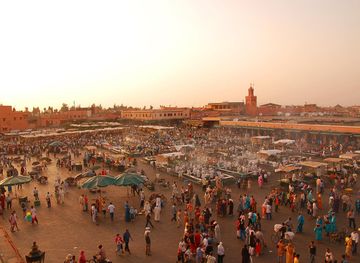


Your all‑in‑one travel companion app
Explore expert travel guides, compare and book tours, experiences, hotels, and more—all from the palm of your hand. Download now for seamless trip planning wherever your wanderlust takes you.


Explore More of Morocco

Looking beyond Chiadma? Discover Morocco for broader travel guides, local hot-spots, and regional highlights.
Explore MoroccoChiadma in Photos
Browse through our photo collection highlighting the charm and character of the destination.


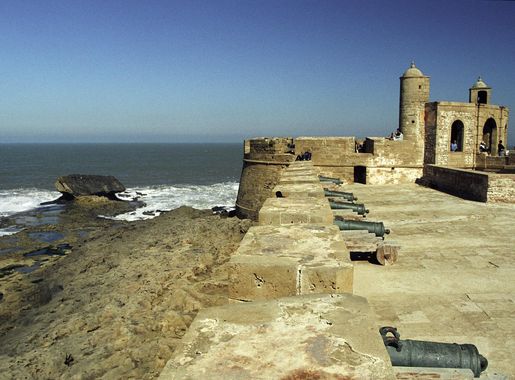


The Enchanting Hills of Chiadma, Morocco
Nestled between the bustling cities of Essaouira and Safi, Chiadma offers a tranquil escape into the heart of Moroccan culture. This region, known for its picturesque landscapes and rich history, provides a serene backdrop for those seeking both adventure and relaxation. Chiadma is renowned for its verdant hills and fertile valleys, which are dotted with traditional Berber villages. Visitors can explore the local markets, where vibrant textiles and handmade crafts tell the story of the area's artisanal heritage. The region's warm hospitality is evident in every interaction, making it easy for tourists to feel welcome. Nature enthusiasts will find plenty to adore in Chiadma. Hiking trails wind through lush forests and past cascading waterfalls, offering breathtaking views at every turn. Birdwatchers will also be delighted by the diverse avian species that call this area home. For those interested in history, the ancient ruins and historical landmarks scattered throughout Chiadma provide a fascinating glimpse into the past. A visit to Chiadma is not complete without sampling the local cuisine. The region's dishes are a flavorful blend of spices and fresh ingredients, reflecting the rich agricultural traditions of the area. From hearty tagines to sweet pastries, the food is sure to delight every palate. Whether you're exploring the great outdoors or immersing yourself in the local culture, Chiadma promises an unforgettable experience.