

Free Doukkala-Abda Travel Guide & Mobile App
Explore Doukkala-Abda with free travel guides. Discover regional history, expert tips, proposed trips, and audio guides on web or mobile app.


Explore Doukkala-Abda’s Atlantic heritage through El Jadida, Safi, Oualidia’s lagoon, pottery workshops, seafood and agricultural plains.
Read more about Doukkala-Abda
When is the best time to visit Doukkala-Abda?
Best: May–June, October · 25–28°C| Month | High (°C) | Rainfall (mm) |
|---|---|---|
| January | 18 | 50 |
| February | 19 | 40 |
| March | 21 | 40 |
| April | 23 | 30 |
| May (best) | 25 | 20 |
| June (best) | 28 | 10 |
| July | 30 | 0 |
| August | 30 | 10 |
| September | 28 | 20 |
| October (best) | 25 | 30 |
| November | 21 | 40 |
| December | 19 | 50 |
Getting to and around Doukkala-Abda
How to get there
Transportation
Top city travel guides in Doukkala-Abda
The cities of Doukkala-Abda, and the easiest places to base yourself.

Swipe for more cities
Destinations in Doukkala-Abda
Resorts, valleys and scenic spots worth a trip of their own.

Swipe for more destinations
Best attractions in Doukkala-Abda
The attractions of Doukkala-Abda are spread across coast, medina and countryside rather than concentrated in a single resort. El Jadida’s Portuguese City provides the region’s most important heritage visit, with fortified ramparts, sea views and the celebrated underground cistern, while the town’s beaches and seafront add a more contemporary dimension. Azemmour offers a smaller historic experience beside the Oum Er-Rbia, with a medina, walls and river scenery. Oualidia is the principal nature-oriented destination: its lagoon supports boating, birdwatching, oyster cultivation and sheltered coastal recreation, while the open shore beyond it demands greater care. Safi combines a harbour, historic medina, Portuguese-era buildings and active pottery workshops, making craft culture as important as formal monuments. Inland, the agricultural plains provide a changing landscape of fields, villages and market towns, and the Youssoufia area introduces visitors to the industrial geography of phosphate mining. The region suits travellers who enjoy combining historic urban walks with seafood, coastal observation, craft discovery and road journeys through working landscapes.
-
Mausoleum of Mohammed V
Explore the Mausoleum of Mohammed V in Rabat, a stunning tribute to Morocco's royal history and architectural beauty.
-
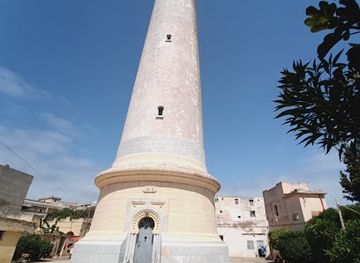
Sidi Bouafi Lighthouse
Explore the stunning Sidi Bouafi Lighthouse, a historical gem in El Jadida with breathtaking ocean views and rich maritime heritage.
-
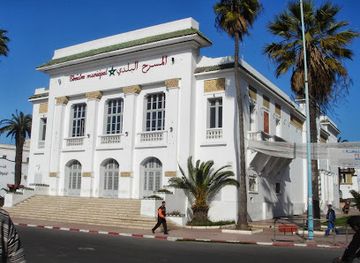
Parc Hassan II
Explore the serene beauty of Parc Hassan II in El Jadida, a perfect destination for relaxation and nature lovers alike, showcasing lush gardens and peaceful pathways.
-
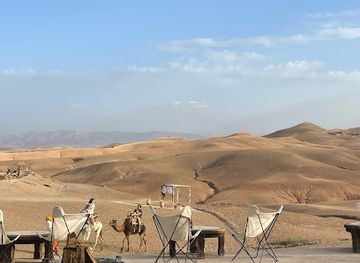
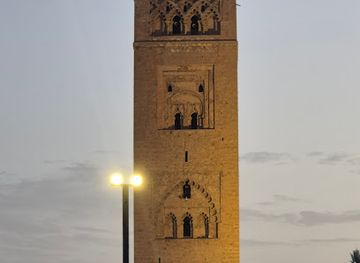
TBM - The Beautiful Marrakech
Experience the vibrant culture and stunning architecture at The Beautiful Marrakech, a key destination in the heart of Morocco.

Best landmarks in Doukkala-Abda
The Portuguese City of Mazagan in El Jadida is the defining landmark of the former region. Its massive bastions, sea-facing walls and carefully engineered cistern preserve the military and urban design of a sixteenth-century Portuguese Atlantic stronghold, and the site is recognised by UNESCO as a World Heritage property. In Azemmour, the medina walls and river-facing position express the town’s historic role at the Oum Er-Rbia crossing, while the compact streets retain a distinct whitewashed character. Safi’s Portuguese Cistern is another major architectural marker: its vaulted underground space illustrates the infrastructure of the former fortified port. Above the harbour, the Dar al-Bahr sea castle and the Kasbah area reinforce Safi’s relationship with the Atlantic, while the city’s pottery kilns and painted ceramics represent a living craft landmark rather than a single monument. Oualidia’s lagoon is the region’s most recognisable natural feature, a narrow, tidal waterway enclosed by sand and coastal cliffs. Together, these places show how defence, trade, river access, fishing and craft production have shaped the region’s visual identity.
-
Garden
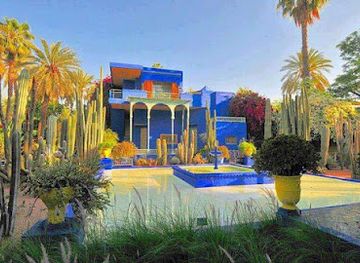
Jardin Majorelle
Discover the vibrant beauty of Jardin Majorelle, a stunning botanical garden in Marrakech, where art and nature unite in a tranquil oasis.
-
Cultural landmark
Jemaa el-Fnaa
Discover the vibrant heart of Marrakesh at Jemaa el-Fnaa, a UNESCO World Heritage site filled with culture, cuisine, and captivating entertainment.
-
Tourist attraction
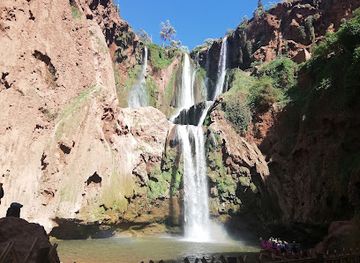
Ouzoud Waterfalls
Experience the breathtaking beauty of Ouzoud Waterfalls, a natural wonder in Morocco, perfect for adventurers and nature lovers alike.
-
Historical landmark
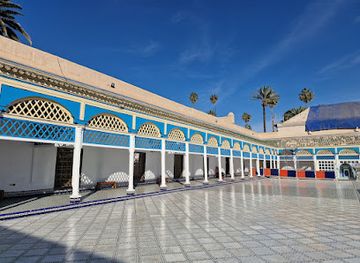
Bahia Palace
Immerse yourself in the enchanting beauty of Bahia Palace, a historical landmark that showcases Morocco's artistic heritage and royal history.
Explore Doukkala-Abda on the map
Plan your trip on one map. See where the top cities, national parks and sights are, and book hotels and experiences in a few clicks.
Best hotels in Doukkala-Abda
Best restaurants in Doukkala-Abda
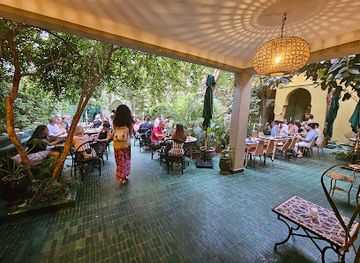
Coastal cooking is central to the former Doukkala-Abda region, with sardines, grilled fish, shellfish and seasonal catches appearing in simple cafés, market kitchens and more polished restaurants. Oualidia is particularly associated with lagoon oysters and other seafood, although visitors should choose establishments with good refrigeration and clear local sourcing. Safi has a strong fishing identity and is a good place to look for sardines and other Atlantic fish, while El Jadida offers the broadest range of Moroccan, seafood and international dining. Inland menus draw more heavily on the agricultural plain, including vegetables, grains, poultry, lamb, dairy products and slow-cooked tagines. Traditional Moroccan salads, couscous, bread and mint tea are common across the region as part of the national culinary culture rather than an exclusively local tradition. In smaller towns, dining may be informal and earlier than international visitors expect; ask what has been prepared that day, particularly at seafood restaurants and rural roadside establishments.
-
Moroccan
Comptoir Darna
Discover the magic of Moroccan cuisine and nightlife at Comptoir Darna – where tradition meets modernity in Marrakech.
-
Moroccan
Le Jardin Restaurant Marrakech Medina
Discover authentic Moroccan flavors at Le Jardin Restaurant in Marrakech's enchanting Medina - a perfect blend of culture and cuisine.
-
Restaurant
L'îlot Châtain
Experience authentic Moroccan breakfasts at L'îlot Châtain in Safi – where flavors meet tradition in a cozy atmosphere.
-
Seafood
AU CRABE (Au calme)
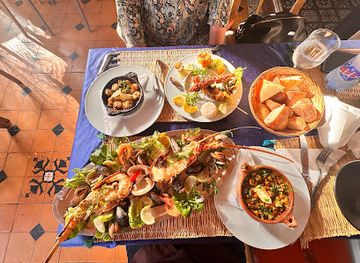
Savor exquisite seafood in Oualidia at Au Crabe - where Moroccan flavors meet coastal charm.
Best bars in Doukkala-Abda
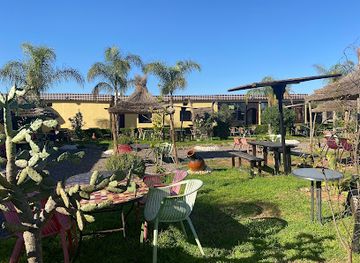
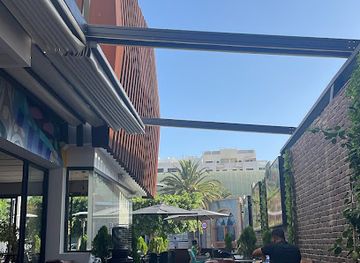
Evening life is generally relaxed and local rather than centred on a large club scene. El Jadida has the widest range of hotel lounges, cafés, restaurants and occasional live-music settings, while Safi’s evenings tend to focus on cafés, restaurants and social life around the medina and central streets. Oualidia is busiest in the warmer months, when seafood restaurants, hotel terraces and lagoon-facing cafés provide the main evening options, but it remains quieter than Morocco’s major resort cities. Traditional cafés are important social spaces throughout the region, serving coffee, tea and soft drinks, and some licensed hotels offer alcoholic drinks. Nightclubs are limited and may be seasonal or dependent on individual establishments, so visitors should check locally rather than expect a fixed nightlife district. In smaller inland towns, evenings usually wind down around cafés, family restaurants and market activity rather than late-night entertainment.
-
Bar
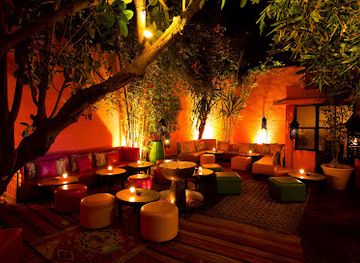
La Pergola
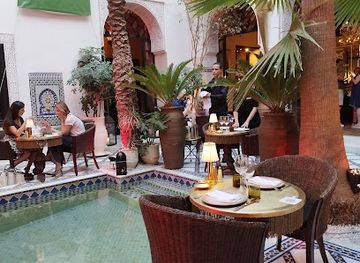
Experience the vibrant culture of Marrakech at La Pergola, where exquisite Moroccan cuisine meets live jazz in a charming atmosphere.
-
Restaurant
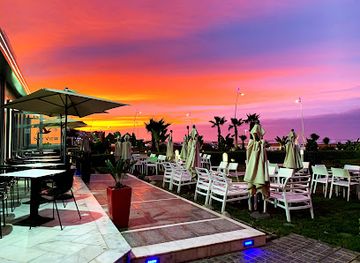
Café & Restaurant SKY VIEW
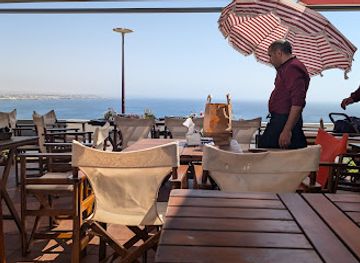
Experience the best of El Jadida at Café & Restaurant SKY VIEW, where delicious cuisine meets stunning coastal views.
-
Grill
فضاء بويهي
Experience authentic Moroccan grilled dishes at فضاء بويهي in Chemaia, where flavor meets hospitality in a delightful dining atmosphere.
-
Grill
Korten
Savor the flavors of Morocco at Korten, a top grill restaurant in Safi offering a delightful culinary adventure in a vibrant atmosphere.
Best nightclubs in Doukkala-Abda
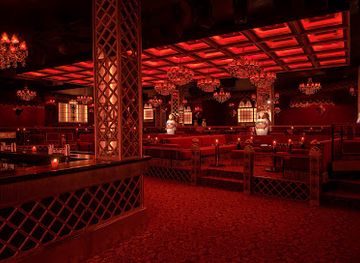
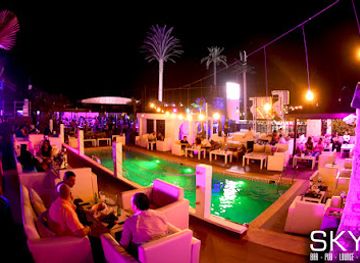
Evening life is generally relaxed and local rather than centred on a large club scene. El Jadida has the widest range of hotel lounges, cafés, restaurants and occasional live-music settings, while Safi’s evenings tend to focus on cafés, restaurants and social life around the medina and central streets. Oualidia is busiest in the warmer months, when seafood restaurants, hotel terraces and lagoon-facing cafés provide the main evening options, but it remains quieter than Morocco’s major resort cities. Traditional cafés are important social spaces throughout the region, serving coffee, tea and soft drinks, and some licensed hotels offer alcoholic drinks. Nightclubs are limited and may be seasonal or dependent on individual establishments, so visitors should check locally rather than expect a fixed nightlife district. In smaller inland towns, evenings usually wind down around cafés, family restaurants and market activity rather than late-night entertainment.
-
Night club
BABOUCHKA
Discover Marrakech's premier nightlife at Babouchka, an opulent nightclub where vibrant beats and exquisite cocktails create unforgettable nights.
-
Disco club
SECRET ROOM MARRAKECH
Discover the electrifying nightlife at Secret Room Marrakech, where dancing and music create unforgettable memories in the heart of the city.
-
Night club
555 Famous Club Marrakech
Discover Marrakech's nightlife at 555 Famous Club, where dazzling music and vibrant energy create unforgettable late-night experiences.
-
Night club
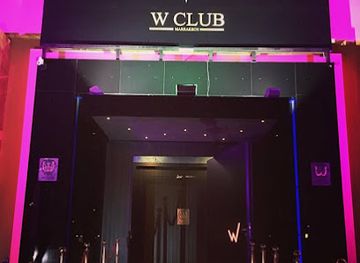
W Club Marrakech
Experience the vibrant nightlife of Marrakesh at W Club, where electrifying music and a chic atmosphere come together for an unforgettable night out.

Best shops in Doukkala-Abda
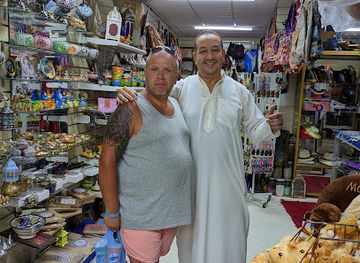
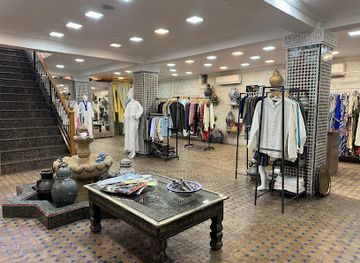
Shopping in Doukkala-Abda is strongest in medinas, market towns and specialist craft areas rather than large luxury districts. El Jadida provides practical souks, independent shops and galleries around its historic quarters, while Safi is the principal destination for locally associated pottery, including painted plates, bowls, tagines and decorative ceramics. Inspect pieces for finishing and ask whether they are made locally, particularly when designs look highly uniform. Azemmour’s small shops and medina stalls may offer woven goods, household items and Moroccan craft products, though selection is more limited than in larger cities. Oualidia is a useful place to buy seafood-related products and straightforward coastal souvenirs, but visitors should be cautious about purchasing shells or marine material collected from protected or working areas. Across the agricultural plain, markets may offer dates, olives, honey, spices, seasonal produce and bread, depending on the day and locality. The best regional purchases are generally portable foods, Safi ceramics and carefully chosen Moroccan handicrafts, with secure packing arranged for fragile pottery.
-
Shopping mall
Menara Mall
Discover the vibrant Menara Mall in Marrakech, a shopping paradise with international brands, delicious dining, and family-friendly entertainment.
-
Gift shop
mohameds shop
Discover unique Moroccan handicrafts and souvenirs at Mohamed's Shop in Marrakesh, where culture and craftsmanship come alive.
-
Store
Karim Bouriad Bazar - Moroccan Caftan Marrakech
Discover the artistry of Moroccan fashion at Karim Bouriad Bazar, where exquisite caftans and vibrant culture await in the heart of Marrakech.
-
Gift shop
Bazar El Bouanani
Explore Bazar El Bouanani: A vibrant gift shop in Marrakech offering unique Moroccan souvenirs and artisanal crafts.

Get your free copy of our complete guide to Doukkala-Abda, delivered straight to you.
Everything on this page, from attractions and restaurants to essentials and local phrases, in one PDF you can read offline, print or share.
Already have an account? Sign in
Your Doukkala-Abda guide is ready.
We'll send it to · Not you? Sign out

Getting your guide ready…
We are putting together a fresh copy of the Doukkala-Abda guide. This can take up to a minute.
This can take a few moments. If your browser asks, choose Allow so the download can start. You'll find the guide in your Downloads folder.
Nothing happened? Download it again
Sorry, the guide is taking longer than usual. Please try again in a minute, or get it by email instead.
Doukkala-Abda essentials
Currency and Payment
Safety
Emergency Situations
Do's and Don'ts
Local Tips
From Eve
Local phrases worth knowing
You don't need to get them perfect. A few words go a long way, and locals appreciate the effort.
Basics
| English | Local | Say it |
|---|---|---|
| Hello | سلام | [Salam] |
| Goodbye | إلى اللقاء | [Ila liqaa] |
| Yes | نعم | [Na'am] |
| No | لا | [La] |
| Please/You're welcome | من فضلك | [Min fadlik] |
| Thank you | شكرا | [Shukran] |
| Excuse me/Sorry | عفوا | [Afwan] |
| How are you? | كيف حالك؟ | [Kayfa halak?] |
| Fine. And you? | بخير. وأنت؟ | [Bikhayr. Wa anta?] |
| Do you speak English? | هل تتحدث الإنجليزية؟ | [Hal tatahadath al-ingliziyya?] |
| I don't understand | لا أفهم | [La afham] |
Eating & Drinking
| English | Local | Say it |
|---|---|---|
| I'd like to see the menu, please | أود رؤية القائمة، من فضلك | [Awad ru'yat al-qa'ima, min fadlik] |
| I don't eat meat | لا أتناول اللحم | [La atanawwal al-lahm] |
| Cheers! | في صحتك! | [Fi sihtak!] |
| I would like to pay, please | أود الدفع، من فضلك | [Awad al-daf', min fadlik] |
Emergencies
| English | Local | Say it |
|---|---|---|
| Help! | النجدة! | [Al-najda!] |
| Go away! | ابتعد! | [Ibt'id!] |
| Call the Police! | اتصل بالشرطة! | [Ittasil bil-shurta!] |
| Call a doctor! | اتصل بالطبيب! | [Ittasil bil-tabeeb!] |
| I'm lost | أنا ضائع | [Ana da'i'] |
| I'm ill | أنا مريض | [Ana marid] |
Shopping
| English | Local | Say it |
|---|---|---|
| I'd like to buy... | أود شراء... | [Awad shirā...] |
| I'm just looking | أنا فقط أنظر | [Ana faqat anzur] |
| How much is it? | كم ثمنه؟ | [Kam thamanuh?] |
| That's too expensive | هذا غالي جدا | [Hatha ghali jidan] |
| Can you lower the price? | هل يمكنك تخفيض السعر؟ | [Hal yumkinuka takhfid al-si'r?] |
Time & Numbers
| English | Local | Say it |
|---|---|---|
| What time is it? | كم الساعة؟ | [Kam al-saa'a?] |
| It's one o'clock | الساعة الواحدة | [Al-saa'a al-wahidah] |
| Half past (10) | نصف (10) | [Nisf (10)] |
| Morning | صباحا | [Sabahan] |
| Afternoon | بعد الظهر | [Ba'd al-zuhur] |
| Evening | مساء | [Masa'a] |
| Yesterday | أمس | [Ams] |
| Today | اليوم | [Al-yawm] |
| Tomorrow | غدا | [Ghadan] |
| 1 | 1 | [1] |
| 2 | 2 | [2] |
| 3 | 3 | [3] |
| 4 | 4 | [4] |
| 5 | 5 | [5] |
| 6 | 6 | [6] |
| 7 | 7 | [7] |
| 8 | 8 | [8] |
| 9 | 9 | [9] |
| 10 | 10 | [10] |
Transport & Directions
| English | Local | Say it |
|---|---|---|
| Where's a/the...? | أين...؟ | [Ayna...?] |
| What's the address? | ما هو العنوان؟ | [Ma huwa al-'unwan?] |
| Can you show me (on the map)? | هل يمكنك أن تظهر لي (على الخريطة)؟ | [Hal yumkinuka an tuzhir li (ala al-kharita)?] |
| When's the next (bus)? | متى تأتي الحافلة القادمة؟ | [Mata ta'ti al-hafila al-qadima?] |
| A ticket (to ....) | تذكرة (إلى ....) | [Tadhkira (ila ....)] |
History of Doukkala-Abda
Ancient Atlantic Settlements and Trade
The Doukkala plain and the Atlantic coast have long connected inland agricultural communities with maritime trade routes. The Oum Er-Rbia estuary at Azemmour provided a defensible crossing and harbour environment, while the broader coast linked local commerce to networks reaching across the western Mediterranean and Atlantic. Ancient settlement in this part of Morocco was shaped by fertile soils, river access and contact between inland populations and overseas merchants. Much of the early physical record is fragmentary, but the enduring importance of the river mouths and coastal ports can still be read in the locations of Azemmour, El Jadida and Safi.
Islamic Towns and the Rise of Azemmour and Safi
After the Arab conquest and the spread of Islam, established settlements developed as regional centres for agriculture, river trade, scholarship and commerce. Azemmour grew around the Oum Er-Rbia, while Safi became an important port serving western Morocco and the routes towards the Atlantic islands and Europe. Their medinas, religious buildings and defensive layouts reflect centuries in which political authority, commerce and religious institutions were concentrated in walled towns. The surrounding Doukkala countryside remained equally important, supplying grain, livestock and other agricultural products to coastal markets.
Portuguese Expansion on the Atlantic Coast, 1508–1541
Portugal occupied or controlled several Moroccan Atlantic ports during its sixteenth-century expansion. Safi was taken in 1508 and held until 1541, while Mazagan, the Portuguese name for present-day El Jadida, became one of the most substantial fortified settlements in the Portuguese network. The Portuguese City of Mazagan, with its bastions, sea-facing walls and underground cistern, records this period particularly clearly. Portuguese control did not erase existing Moroccan communities, and conflict, negotiation and commerce continued to shape the coastline before the Saadian dynasty recovered the ports.
The Alaouite Recovery of Mazagan
In 1769, Sultan Mohammed ben Abdallah forced the Portuguese to abandon Mazagan, one of the last Portuguese strongholds in Morocco. The town was subsequently known as El Jadida, meaning ‘the new’, and its history entered a new phase under Moroccan rule. The demolition and adaptation of parts of the old fortress left a layered urban landscape in which Portuguese military planning, Moroccan religious life and later civic development coexist. The event forms a major turning point in the history of Morocco’s Atlantic coast and remains central to El Jadida’s identity.
Agriculture, Colonial Infrastructure and the Modern Coast
During the French Protectorate, roads, ports, rail links and administrative systems were reorganised to serve Morocco’s agricultural production and export economy. The Doukkala plains became increasingly associated with large-scale cereal, livestock and later sugar-beet production, while El Jadida and Safi developed modern port functions alongside their historic cores. These changes altered settlement patterns and connected rural producers more closely with national and international markets. The region’s present mixture of farming, fishing, tourism and industry has its roots in these nineteenth- and twentieth-century transformations.
Phosphate Mining around Youssoufia
Phosphate extraction became a defining element of inland economic life around Youssoufia during the twentieth century. Morocco’s phosphate industry transformed production, employment and transport links across several inland areas, and the Youssoufia mining zone became part of the national network connecting mineral deposits with processing and export facilities. Mining landscapes differ sharply from the lagoon and cultivated plains of the coast, illustrating the economic range of the former Doukkala-Abda territory. The industry also forms part of the modern history of Moroccan industrialisation and state-led resource development.
The Former Region and Contemporary Administrative Change
Doukkala-Abda existed as an official Moroccan region until the 2015 territorial reorganisation. Its former provinces were redistributed, with El Jadida and Sidi Bennour joining Casablanca-Settat and Safi and Youssoufia joining Marrakech-Safi. The historical name remains widely used in cultural, geographic and travel contexts because it describes a coherent Atlantic and agricultural area, but it should not be mistaken for a current administrative authority. This change matters practically when visitors search for local government services, transport information, maps or accommodation.
Doukkala-Abda in Photos
Browse through our photo collection highlighting the charm and character of the destination.
Neighbouring regions of Doukkala-Abda
The closest regions to Doukkala-Abda, if you have time for more than one.
-

-

-

-

-


Swipe for more regions
Explore more

Explore more of Morocco
Discover Morocco: A land of rich history, vibrant culture, and stunning landscapes, where ancient traditions meet modern allure.
Explore Morocco