

Free High Atlas Travel Guide & Mobile App
Explore High Atlas with free travel guides. Discover regional history, expert tips, proposed trips, and audio guides on web or mobile app.


Explore Morocco’s High Atlas through Toubkal treks, Amazigh villages, cedar valleys, high passes and dramatic mountain landscapes.
Read more about High Atlas
When is the best time to visit High Atlas?
Best: May–June, October · 23–29°C| Month | High (°C) | Rainfall (mm) |
|---|---|---|
| January | 11 | 70 |
| February | 12 | 60 |
| March | 17 | 60 |
| April | 19 | 50 |
| May (best) | 23 | 30 |
| June (best) | 29 | 20 |
| July | 34 | 20 |
| August | 33 | 20 |
| September | 29 | 30 |
| October (best) | 24 | 50 |
| November | 16 | 60 |
| December | 12 | 70 |
Getting to and around High Atlas
How to get there
Transportation
Top city travel guides in High Atlas
The cities of High Atlas, and the easiest places to base yourself.
-

-

-

-

-


Swipe for more cities
Destinations in High Atlas
Resorts, valleys and scenic spots worth a trip of their own.
-

-

-
-

-

-


Swipe for more destinations
Best attractions in High Atlas
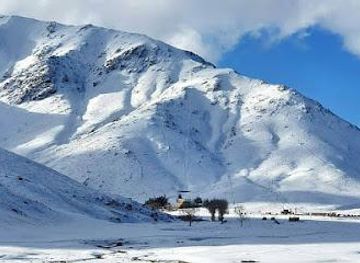
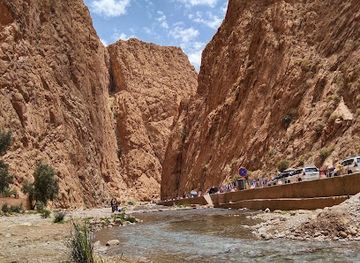
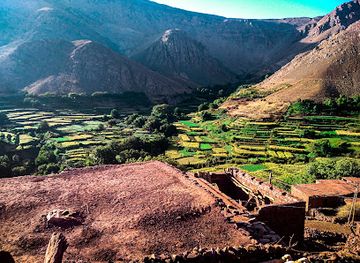
High Atlas attractions are chiefly landscape-based and experiential rather than concentrated in formal visitor complexes. Trekking routes lead through irrigated valleys, walnut groves, terraced fields and high passes, with the Toubkal massif providing the region’s most recognised challenge. Around Imlil, guided walks connect villages and mountain viewpoints, while the Ourika Valley offers accessible excursions from Marrakech. Oukaïmeden combines a high-altitude plateau with prehistoric rock engravings and a small winter-sports tradition, although facilities and snow conditions are seasonal. In the Central High Atlas, the Aït Bouguemez Valley is valued for walking, earthen villages and agricultural scenery rather than a single headline monument. The eastern range offers dramatic canyon landscapes around the Todra and Dades areas, where geological formations meet oasis-edge settlements. Visitors can also explore Amazigh craft traditions, local markets, village guesthouses and food prepared from mountain produce. More demanding journeys require guides, appropriate equipment and realistic time for altitude and road travel; the High Atlas is not a region where every attraction can be reached as a quick excursion from one base.
-
Ski resort
Oukaimeden
Discover the beauty of Oukaimeden, Morocco's premier ski resort, where stunning landscapes meet rich culture and history.
-
Tourist attraction
Entrée du canyon
Explore the stunning Entrée du Canyon in Morocco, a perfect destination for hikers and nature lovers seeking breathtaking views and unforgettable adventures.
-
Tourist attraction
Atlas mountain
Discover the breathtaking beauty of the Atlas Mountains, a perfect blend of adventure, culture, and stunning landscapes in Morocco.
-
Tourist attraction
HIGHATLAS View Point
Experience the majestic beauty of the High Atlas Mountains at HIGHATLAS View Point, a breathtaking vantage point for nature lovers and adventure seekers.
Best landmarks in High Atlas
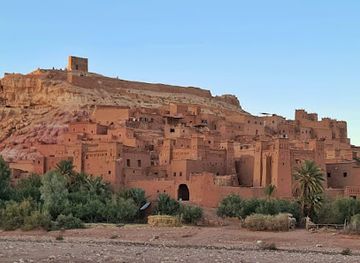
Jebel Toubkal is the High Atlas’s defining natural landmark, rising to 4,167 metres in the western range and dominating routes above the valleys around Imlil. Its importance is geographical as well as mountaineering-related, although reaching the summit requires preparation and favourable conditions. The Tizi n’Tichka pass, on the main road between Marrakech and Ouarzazate, is another recognisable feature of the western mountains, marking a dramatic transition between the Atlantic-facing slopes and the drier south; it is a route landmark rather than a single monument. Oukaïmeden’s broad high plateau is notable for its altitude, seasonal snow and prehistoric rock engravings. In the Central High Atlas, the Aït Bouguemez Valley is distinguished by earthen villages, terraced fields and mountain backdrops, while the Todra and Dades gorges in the eastern High Atlas display sheer limestone walls carved by river erosion. Traditional fortified village architecture, including compact earthen settlements and granary structures, remains an important part of the cultural landscape, though individual buildings may be fragile and access should follow local guidance.
-
Garden
Jardin Majorelle
Discover the splendor of Jardin Majorelle, a vibrant botanical garden in Marrakech, filled with exotic plants and stunning architecture.
-
Tourist attraction
Iminifri Natural Bridge
Experience the majestic Iminifri Natural Bridge in Demnat, a stunning natural attraction showcasing Morocco's breathtaking landscapes and rich cultural heritage.
-
National park
Western High Atlas National Park
Explore the breathtaking landscapes and rich biodiversity of Western High Atlas National Park for an unforgettable Moroccan adventure.
-
Tourist attraction
Atlas mountains view
Experience the breathtaking beauty of the Atlas Mountains in Morocco, a must-visit destination for nature lovers and cultural explorers alike.

Explore High Atlas on the map
Plan your trip on one map. See where the top cities, national parks and sights are, and book hotels and experiences in a few clicks.
Best hotels in High Atlas
Best restaurants in High Atlas
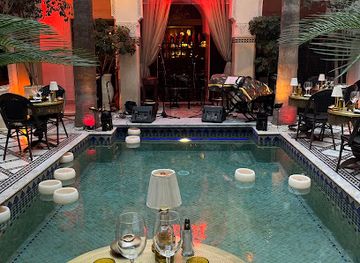
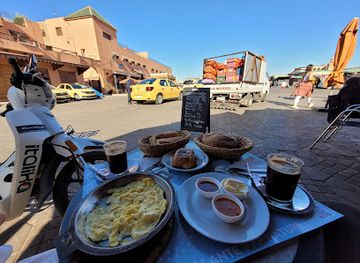
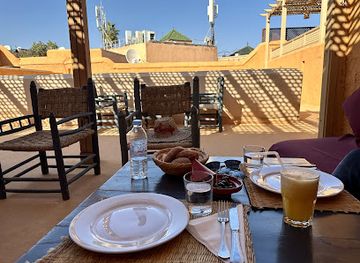
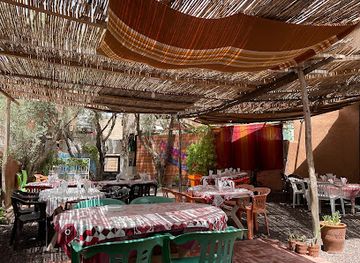
Food in the High Atlas reflects Amazigh mountain agriculture and the wider culinary traditions of Morocco. Guesthouses and family-run lodgings commonly serve tagines, couscous, harira, salads, bread and seasonal vegetables, often using produce from nearby terraces and orchards. In upland villages, simple meals may include eggs, lentils, beans, olives, fruit, nuts and locally made dairy products, while trekking kitchens prepare filling dishes suited to long days on foot. Mint tea is an important element of hospitality, although the details of its preparation and serving vary between households. Markets and roadside stops provide opportunities to buy bread, dates, almonds and other provisions, but reliable dining choices become fewer as roads climb into remote valleys. Around gateway towns and larger settlements, restaurants offer broader Moroccan menus and sometimes contemporary interpretations of regional ingredients. Travellers on multi-day treks should arrange meals with their accommodation or guide, especially where there are no shops or restaurants between villages.
-
Restaurant
Le Bistro Arabe - Moroccan Jazz Restaurant in Marrakech
Experience exquisite Moroccan cuisine paired with live jazz at Le Bistro Arabe in the heart of Marrakech's Medina.
-
Moroccan
Snack Toubkal
Experience authentic Moroccan flavors at Snack Toubkal in Marrakesh's vibrant Medina - where every bite tells a story.
-
Moroccan
Restaurant Dar Cherifa Marrakech
Experience authentic Moroccan cuisine at Restaurant Dar Cherifa in Marrakech's enchanting Medina.
-
Restaurant
Chez Mounir
Experience authentic Moroccan cuisine at Chez Mounir in Ouzoud—where tradition meets flavor amidst stunning natural beauty.
Best bars in High Atlas
Nightlife in the High Atlas is quiet and community-oriented rather than club-based. In villages and trekking centres, evenings usually revolve around guesthouse dining rooms, shared meals, mint tea, conversation and early rest before a walking day. Some accommodations may offer locally produced drinks or beer in accordance with their licence and house policy, but alcohol is not central to mountain hospitality and availability is limited. The larger towns on the approaches to the range provide more cafés, restaurants and occasional live music, while Marrakech, outside the High Atlas, has the country’s broadest late-night scene. In remote valleys, darkness, cold temperatures and limited transport make it sensible to remain near the accommodation after dinner. During organised treks, evening cultural performances or music may sometimes be arranged, but these should be treated as locally organised occasions rather than a permanent nightlife circuit.
-
Bar
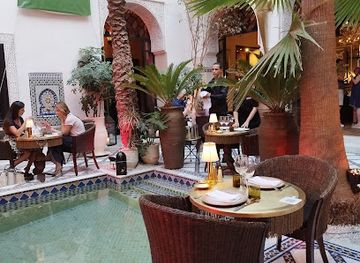
La Pergola
Discover La Pergola: A Unique Bar and Restaurant in Marrakech Offering Authentic Moroccan Cuisine, Jazz Music, and a Lively Atmosphere.
-
Moroccan
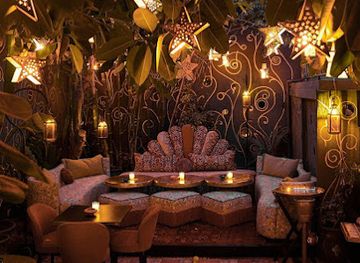
Comptoir Darna
Comptoir Darna: A fusion of Moroccan dining and vibrant nightlife in the heart of Marrakech, where culture and entertainment meet.
-
Cafe
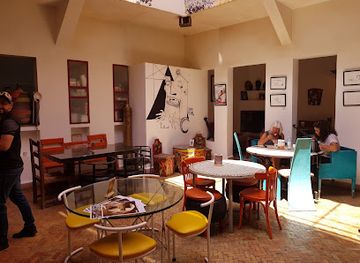
Cafe Clock
Discover the heart of Moroccan culture at Cafe Clock, a vibrant cafe and cultural hub in Marrakesh serving authentic cuisine and live music.
-
Restaurant
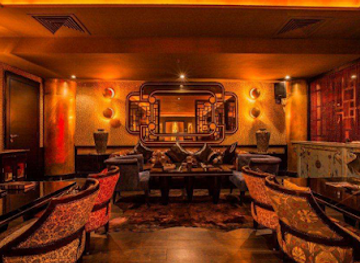
buddahbar
Experience the fusion of exquisite Asian cuisine and vibrant nightlife at Buddha Bar in Marrakech, a culinary journey like no other.
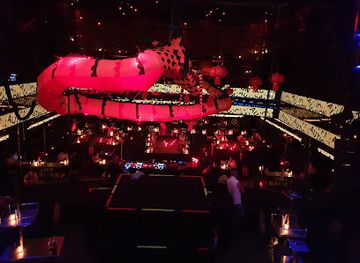
Best nightclubs in High Atlas
Nightlife in the High Atlas is quiet and community-oriented rather than club-based. In villages and trekking centres, evenings usually revolve around guesthouse dining rooms, shared meals, mint tea, conversation and early rest before a walking day. Some accommodations may offer locally produced drinks or beer in accordance with their licence and house policy, but alcohol is not central to mountain hospitality and availability is limited. The larger towns on the approaches to the range provide more cafés, restaurants and occasional live music, while Marrakech, outside the High Atlas, has the country’s broadest late-night scene. In remote valleys, darkness, cold temperatures and limited transport make it sensible to remain near the accommodation after dinner. During organised treks, evening cultural performances or music may sometimes be arranged, but these should be treated as locally organised occasions rather than a permanent nightlife circuit.
-
Disco club
Theatro Marrakech
Experience the electrifying nightlife of Marrakech at Theatro, where dance, music, and vibrant energy come together for an unforgettable night out.
-
Night club
BABOUCHKA
Discover the vibrant nightlife of Marrakech at Babouchka, where luxury meets electrifying music in an unforgettable club experience.
-
Restaurant
Montecristo
Experience Marrakech's nightlife at Montecristo, where exquisite dining meets vibrant disco entertainment in a chic ambiance.
-
Disco club
SECRET ROOM MARRAKECH
Discover the energetic nightlife at Secret Room Marrakech, where the music and dance unite for an unforgettable experience.


Best shops in High Atlas
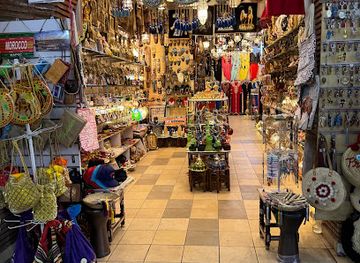
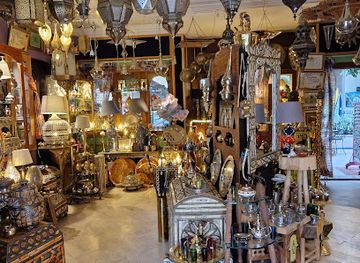
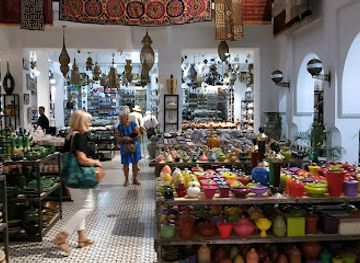
Shopping in the High Atlas is centred on local markets, village cooperatives and small independent shops rather than large retail centres. Visitors may find handwoven rugs, blankets, woollen goods, baskets, pottery, jewellery and carved wooden objects, with styles and materials varying between valleys and communities. Some products described broadly as Berber or Amazigh are made for both local use and tourism, so it is worth asking about materials, production and the community or cooperative involved. Mountain produce such as almonds, walnuts, honey, dried fruit, aromatic herbs and argan products may be available, although argan is more strongly associated with south-western Morocco than with the entire High Atlas. Market towns on the approach routes offer practical supplies, clothing and food for treks, while remote villages have much narrower choices. Bargaining is customary in many Moroccan markets but should remain courteous, and visitors should avoid purchasing archaeological objects, apparently old artefacts or wildlife products.
-
Shopping mall
Menara Mall
Experience the best of shopping and dining at Menara Mall, a premier destination in Marrakech blending local culture with modern retail.
-
Chamber of handicrafts
Ensemble Artisanal
Explore the vibrant craftsmanship of Morocco at Ensemble Artisanal, a must-visit for art lovers and tourists in Marrakech.
-
Gift shop
Dar Bouchaib
Explore the vibrant shopping haven of Dar Bouchaib in Marrakesh, where local crafts and unique souvenirs await every traveler.
-
Tour agency
Trekking Morocco Mountains
Explore the stunning landscapes and rich culture of Morocco’s Atlas Mountains through hiking, cycling, and authentic cuisine.
Get your free copy of our complete guide to High Atlas, delivered straight to you.
Everything on this page, from attractions and restaurants to essentials and local phrases, in one PDF you can read offline, print or share.
Already have an account? Sign in
Your High Atlas guide is ready.
We'll send it to · Not you? Sign out

Getting your guide ready…
We are putting together a fresh copy of the High Atlas guide. This can take up to a minute.
This can take a few moments. If your browser asks, choose Allow so the download can start. You'll find the guide in your Downloads folder.
Nothing happened? Download it again
Sorry, the guide is taking longer than usual. Please try again in a minute, or get it by email instead.
High Atlas essentials
Currency and Payment
Safety
Emergency Situations
Do's and Don'ts
Local Tips
From Eve
Local phrases worth knowing
You don't need to get them perfect. A few words go a long way, and locals appreciate the effort.
Basics
| English | Local | Say it |
|---|---|---|
| Hello | سلام | [Salam] |
| Goodbye | وداعا | [Wada'a] |
| Yes | نعم | [Na'am] |
| No | لا | [La] |
| Please/You’re welcome | من فضلك | [Min fadlik] |
| Thank you | شكرا | [Shukran] |
| Excuse me/Sorry | عفوا | [Afwan] |
| How are you? | كيف حالك؟ | [Kayfa halak?] |
| Fine. And you? | بخير. وأنت؟ | [Bikhayr. Wa anta?] |
| Do you speak English? | هل تتحدث الإنجليزية؟ | [Hal tatahadath al-ingliziyya?] |
| I don't understand | لا أفهم | [La afham] |
Eating & Drinking
| English | Local | Say it |
|---|---|---|
| I’d like to see the menu, please | أود رؤية القائمة، من فضلك | [Awad ru'yat al-qa'ima, min fadlik] |
| I don't eat meat | لا آكل اللحم | [La akul al-lahm] |
| Cheers! | في صحتك! | [Fi sihatak!] |
| I would like to pay, please | أود الدفع، من فضلك | [Awad al-daf', min fadlik] |
Emergencies
| English | Local | Say it |
|---|---|---|
| Help! | نجدة! | [Najda!] |
| Go away! | ابتعد! | [Ibt'id!] |
| Call the Police! | اتصل بالشرطة! | [Ittasil bil-shurta!] |
| Call a doctor! | اتصل بالطبيب! | [Ittasil bil-tabib!] |
| I'm lost | أنا ضائع | [Ana da'i'] |
| I'm ill | أنا مريض | [Ana marid] |
Shopping
| English | Local | Say it |
|---|---|---|
| I’d like to buy... | أود شراء... | [Awad shira...] |
| I’m just looking | أنا فقط أنظر | [Ana faqat anzur] |
| How much is it? | كم ثمنه؟ | [Kam thamanuh?] |
| That’s too expensive | هذا مكلف جدا | [Hatha mukalif jiddan] |
| Can you lower the price? | هل يمكنك تخفيض السعر؟ | [Hal yumkinuka takhfid al-si'r?] |
Time & Numbers
| English | Local | Say it |
|---|---|---|
| What time is it? | كم الساعة؟ | [Kam al-sa'a?] |
| It’s one o'clock | الساعة الواحدة | [Al-sa'a al-wahidah] |
| Half past (10) | نصف (10) | [Nisf (10)] |
| Morning | صباح | [Sabah] |
| Afternoon | بعد الظهر | [Ba'd al-zuhur] |
| Evening | مساء | [Masa'] |
| Yesterday | أمس | [Ams] |
| Today | اليوم | [Al-yawm] |
| Tomorrow | غدا | [Ghadan] |
| 1 | 1 | [1] |
| 2 | 2 | [2] |
| 3 | 3 | [3] |
| 4 | 4 | [4] |
| 5 | 5 | [5] |
| 6 | 6 | [6] |
| 7 | 7 | [7] |
| 8 | 8 | [8] |
| 9 | 9 | [9] |
| 10 | 10 | [10] |
Transport & Directions
| English | Local | Say it |
|---|---|---|
| Where's a/the...? | أين...؟ | [Ayn...?] |
| What's the address? | ما هو العنوان؟ | [Ma hu al-'unwan?] |
| Can you show me (on the map)? | هل يمكنك إظهار لي (على الخريطة)؟ | [Hal yumkinuka izhar li (ala al-kharita)?] |
| When's the next (bus)? | متى يأتي (الحافلة) التالية؟ | [Mata ya'ti (al-hafila) al-talia?] |
| A ticket (to ....) | تذكرة (إلى....) | [Tadhkira (ila....)] |
History of High Atlas
Prehistoric occupation and mountain adaptation
The High Atlas has been occupied and used for thousands of years, although archaeological evidence is uneven across its difficult terrain. Rock shelters, stone tools and traces of early pastoral activity point to long relationships between people, upland pasture and seasonal movement. Over time, communities adapted to steep valleys and pronounced differences in altitude by combining farming in irrigated valley floors with livestock grazing on higher slopes. This pattern helped shape the clustered villages, terraced fields and routes across mountain passes that visitors still encounter today.
Amazigh communities and inherited land systems
The High Atlas has long been a stronghold of Amazigh communities, whose languages, social institutions and agricultural knowledge remain fundamental to regional life. Village affairs were historically managed through local assemblies and customary practices, while water allocation, pasture use and collective labour required detailed cooperation. Earthen houses, fortified village compounds and terraced cultivation reflect adaptation to scarce level land and a dry climate. These traditions were never isolated from the wider Moroccan world, but they gave the mountains a distinct cultural and political character.
Caravan routes and Islamic dynasties
Mountain passes linked the fertile plains with the pre-Saharan oases and trading centres to the south and east. Goods, ideas and religious influences travelled through valleys and across routes that connected communities with the wider Moroccan state. The Almoravid, Almohad, Saadian and Alaouite dynasties each governed different parts of Morocco at different times, while effective authority in remote mountain districts often depended on alliances and local leaders. The High Atlas was therefore both a major physical barrier and an important corridor between ecological and commercial zones.
Agriculture, pastoralism and village architecture
For centuries, mountain economies depended on a carefully balanced mixture of irrigated cultivation, orchards, dry farming and pastoralism. Walnut, almond, apple and other fruit trees thrive in suitable valleys, while barley and vegetables occupy terraces and small plots. Seasonal movement of animals to higher grazing grounds complemented settled agriculture. The result is an architectural and agricultural landscape rather than untouched wilderness: villages are positioned near water and defensible slopes, and traditional earth construction uses local materials efficiently in an environment of hot summers, cold winters and occasional destructive floods.
The French Protectorate and the consolidation of roads
During the French Protectorate in Morocco, established in 1912, military campaigns and administrative changes altered relations between the central government and several mountain communities. Roads, mapping and new administrative structures increased state access, although the difficult terrain limited rapid control in many areas. The period also brought greater outside attention to mountain passes, geology and climbing. After Moroccan independence in 1956, roads and public services gradually expanded, linking more valleys to market towns while leaving some highland communities relatively remote.
Modern mountaineering and mountain tourism
European exploration and mountaineering grew during the twentieth century, and Jebel Toubkal became the High Atlas’s best-known summit objective. Trekking subsequently developed around villages such as Imlil and around routes through valleys and passes farther east. Tourism created income for guides, muleteers, cooks, guesthouse owners and transport providers, but it also brought pressure on water, waste management and fragile trails. The High Atlas today combines a long history of local mountain knowledge with a modern visitor economy that depends on careful management.
The 2023 Al Haouz earthquake and recovery
A powerful earthquake struck Morocco in September 2023, with severe effects in parts of the High Atlas south of Marrakech, particularly in Al Haouz Province and neighbouring mountain communities. Traditional earthen buildings, roads and public facilities were damaged, and many families faced prolonged disruption. Recovery has involved rebuilding homes and infrastructure while considering the region’s architectural traditions and difficult terrain. Conditions vary between valleys, so travellers should obtain current local information and recognise that some communities may still be managing the consequences rather than functioning solely as tourism destinations.
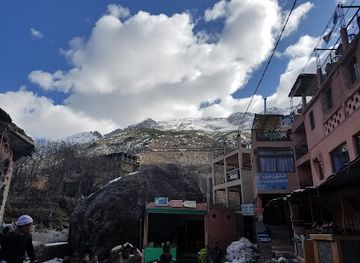
High Atlas in Photos
Browse through our photo collection highlighting the charm and character of the destination.
Neighbouring regions of High Atlas
The closest regions to High Atlas, if you have time for more than one.
-

-

-

-

-


Swipe for more regions
Explore more

Explore more of Morocco
Discover Morocco: A land of rich history, vibrant culture, and stunning landscapes, where ancient traditions meet modern allure.
Explore Morocco