

Free Sais Travel Guide & Mobile App
Explore Sais with free travel guides. Discover regional history, expert tips, proposed trips, and audio guides on web or mobile app.


Explore Sais in Morocco for the medinas of Fez and Meknes, Roman Volubilis, olive groves and the cool Middle Atlas foothills.
Read more about Sais
When is the best time to visit Sais?
Best: April–May, October · 24–28°C| Month | High (°C) | Rainfall (mm) |
|---|---|---|
| January | 16 | 35 |
| February | 17 | 30 |
| March | 20 | 25 |
| April (best) | 24 | 20 |
| May (best) | 28 | 15 |
| June | 31 | 10 |
| July | 36 | 5 |
| August | 36 | 5 |
| September | 32 | 10 |
| October (best) | 25 | 15 |
| November | 18 | 20 |
| December | 15 | 30 |
Getting to and around Sais
How to get there
Transportation
Top city travel guides in Sais
The cities of Sais, and the easiest places to base yourself.
-

-


Swipe for more cities
Destinations in Sais
Resorts, valleys and scenic spots worth a trip of their own.
-

-


Swipe for more destinations
Best attractions in Sais
Sais offers a varied sequence of urban, archaeological and rural attractions. Fez’s medina is the region’s most extensive cultural experience, with craft quarters, historic religious institutions, markets, tanneries and traditional architecture concentrated within a walkable but intricate network of lanes. Meknes provides a different perspective through its monumental gates, imperial walls, granaries and historic medina. Beyond the cities, Volubilis presents Roman temples, public buildings and exceptionally detailed mosaics in an open agricultural setting, while nearby Moulay Idriss Zerhoun adds a strong religious and hill-town dimension. The countryside around Meknes is associated with olive groves, orchards, vineyards and farming communities, making scenic drives and food-focused excursions rewarding. On the southern edge, the higher Middle Atlas destinations of Ifrane and Azrou are separate excursions with cedar forests, cooler air and outdoor activities. Museums, artisan workshops, gardens and historic houses add depth for visitors who want cultural context rather than a brief monument tour.
-
Tourist attraction
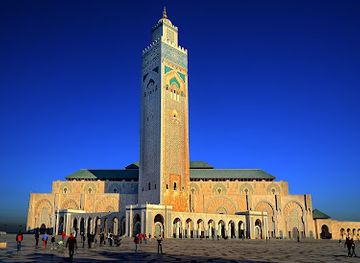
Hassan II Mosque
Explore the Hassan II Mosque, a breathtaking blend of Islamic architecture and oceanfront beauty in the heart of Casablanca.
-
Tourist attraction
Hercules Caves
Explore Hercules Caves in Tangier, Morocco: a stunning historical landmark with breathtaking ocean views and captivating geological formations.
-
Tourist attraction
Crocoparc
Explore Crocoparc in Agadir, a stunning botanical garden and animal park featuring crocodiles and exotic plants in a captivating Moroccan setting.
-
Tourist attraction
National Zoo Rabat Morocco
Discover Morocco's wildlife wonders at the National Zoo Rabat, a family-friendly attraction showcasing diverse species in a beautiful setting.


Best landmarks in Sais
The most recognisable landmarks of Sais belong to its two historic cities and the ancient landscape beyond them. Fez’s Bab Bou Jeloud is a celebrated gateway to the old city, while the medina’s dense walls, minarets, madrasas and craft quarters form a larger architectural landmark in their own right. In Meknes, Bab el-Mansour is the city’s best-known monumental gate, associated with Moulay Ismail’s imperial building programme; the surrounding walls, royal granaries and historic complex convey the scale of his capital. Volubilis is the region’s principal archaeological landmark, with its triumphal arch, basilica, capitol and mosaic-paved houses spread across the plain. The hill town of Moulay Idriss Zerhoun, built around the sanctuary of Idris I, gives the northern edge a distinctive religious silhouette. Beyond built heritage, the open Sais plain and the Middle Atlas escarpment provide important geographical landmarks, marking the transition from cultivated lowland to mountain country.
-
Garden
Jardin Majorelle
Explore the enchanting Jardin Majorelle in Marrakech, a serene botanical garden filled with vibrant colors and rich cultural heritage.
-
Cultural landmark
Jemaa el-Fnaa
Experience the vibrant culture and enchanting atmosphere of Jemaa el-Fnaa, Marrakech's iconic marketplace and cultural landmark.
-
Mosque
Hassan II Mosque
Discover the breathtaking Hassan II Mosque in Casablanca, a masterpiece of Moroccan architecture and a spiritual haven by the Atlantic coast.
-
Tourist attraction
Ouzoud Waterfalls
Discover the breathtaking Ouzoud Waterfalls, a majestic natural wonder in Morocco, surrounded by lush olive groves and stunning landscapes, perfect for adventure seekers.



Explore Sais on the map
Plan your trip on one map. See where the top cities, national parks and sights are, and book hotels and experiences in a few clicks.
Best hotels in Sais
Best restaurants in Sais
Dining in Sais combines the refined urban cooking associated with Fez and Meknes with the produce of a productive agricultural plain. In the medinas, visitors encounter tagines, couscous, pastilla, harira, brochettes, salads and pastries, while family-run cafés and food stalls provide simpler meals throughout the day. Fez is particularly known for elaborate festive cuisine and careful use of spices, preserved ingredients and nuts, although these traditions are part of wider Moroccan culinary culture rather than exclusive to the region. Around Meknes, olives, olive oil, seasonal fruit, cereals and agricultural products are prominent in markets and rural kitchens. The wider Meknes area is also associated with vineyards and Moroccan wines, available in some restaurants and specialist settings. Look for traditional riad dining, local restaurants, market produce and rural farm-oriented experiences, but confirm menus and opening arrangements outside the main cities.
-
Restaurant
Le Bistro Arabe - Moroccan Jazz Restaurant in Marrakech
Experience the magic of Moroccan flavors paired with live jazz at Le Bistro Arabe in the heart of Marrakech's Medina.
-
Moroccan
Safran by Koya
Discover exquisite Moroccan and Mediterranean flavors at Safran by Koya - an unforgettable dining experience in Marrakech's historic Medina.
-
Moroccan
Le Jardin Restaurant Marrakech Medina
Discover the enchanting flavors of Morocco at Le Jardin Restaurant Marrakech – where culinary tradition meets serene garden ambiance.
-
Restaurant
Le terrasse des épices
Experience the vibrant flavors of Morocco at Le Terrasse des Épices, where exquisite cuisine meets breathtaking views in the heart of Marrakech.


Best bars in Sais
Evening life in Sais is centred on cafés, hotel lounges, restaurant terraces and traditional establishments rather than a large club circuit. Fez has the broadest choice, including contemporary cafés, polished hotel bars and occasional live-music settings, while Meknes offers a quieter mixture of cafés, restaurants and hotel venues around its modern districts. Alcohol is available in some licensed hotels, restaurants and bars, but it is not served everywhere, particularly in traditional or religious settings. In the medinas, evening exploration is more about food, architecture and street activity than nightlife venues, and many lanes become quiet once shops close. Outside Fez and Meknes, evenings are generally low-key, with rural accommodation, cafés and family restaurants providing the main options. Check local arrangements rather than assuming late opening or a substantial nightclub scene.
-
Bar
La Pergola
Experience the vibrant flavors and rhythms of Marrakech at La Pergola, a premier bar and restaurant offering Moroccan and international delights.
-
Bar
Le Salama Sky-bar
Experience the enchanting views and flavors of Marrakech at Le Salama Sky-bar, where Moroccan cuisine meets breathtaking rooftop vistas.
-
Lounge
Kosybar Marrakech (Restaurant Bar & Spa)
Explore the exquisite fusion of Moroccan and Japanese cuisine at Kosybar Marrakech, a culinary oasis in the vibrant Medina.
-
Restaurant
Pointbar Marrakech
Explore the vibrant flavors at Pointbar Marrakech, a unique tapas restaurant offering a taste of Moroccan cuisine with a lively atmosphere.


Best nightclubs in Sais
Evening life in Sais is centred on cafés, hotel lounges, restaurant terraces and traditional establishments rather than a large club circuit. Fez has the broadest choice, including contemporary cafés, polished hotel bars and occasional live-music settings, while Meknes offers a quieter mixture of cafés, restaurants and hotel venues around its modern districts. Alcohol is available in some licensed hotels, restaurants and bars, but it is not served everywhere, particularly in traditional or religious settings. In the medinas, evening exploration is more about food, architecture and street activity than nightlife venues, and many lanes become quiet once shops close. Outside Fez and Meknes, evenings are generally low-key, with rural accommodation, cafés and family restaurants providing the main options. Check local arrangements rather than assuming late opening or a substantial nightclub scene.
-
Disco club
Theatro Marrakech
Discover the vibrant nightlife of Marrakech at Theatro, where energetic rhythms and stylish ambiance create an unforgettable disco experience.
-
Night club
BABOUCHKA
Dive into Marrakech's nightlife at Babouchka, where vibrant music meets a captivating atmosphere for an unforgettable experience.
-
Restaurant
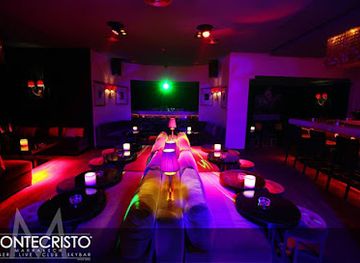
Montecristo
Experience the perfect fusion of fine dining and vibrant nightlife at Montecristo in Marrakech, where every moment is unforgettable.
-
Disco club
SECRET ROOM MARRAKECH
Experience the electrifying nightlife of Marrakech at Secret Room, a premier disco club where music and excitement come alive.

Best shops in Sais
Shopping in Sais is strongest in the medinas of Fez and Meknes, where small workshops and souks sell leather goods, woven textiles, embroidered items, brassware, ceramics, woodwork, jewellery and traditional clothing. Fez is particularly noted for its long-established craft traditions, while Meknes offers a more compact shopping experience alongside food markets and everyday neighbourhood commerce. Visitors should compare workmanship, ask about materials and allow time for bargaining where it is customary; fixed-price cooperatives and artisan associations can provide a clearer buying process. Agricultural products are an important regional purchase, especially olives, olive oil, dried fruit, spices and seasonal produce from the plain around Meknes. Contemporary shops and supermarkets serve practical needs, but the historic markets provide the strongest sense of place. Packaging rules and airline restrictions should be considered when buying liquids, foods or fragile ceramics.
-
Gift shop
Dar Bouchaib
Explore the essence of Moroccan craftsmanship at Dar Bouchaib, your ultimate destination for unique gifts, cosmetics, and jewelry in Marrakesh.
-
Craft store
The Anou Cooperative
Explore the heart of Moroccan craftsmanship at The Anou Cooperative, where every purchase empowers local artisans and celebrates cultural heritage.
-
Shopping mall
Souk MARKET
Explore Marrakesh's Souk Market for a vibrant shopping experience filled with local crafts, delicious food, and rich cultural heritage.
-
Leather wholesaler
Moroccan Tannery
Discover the essence of Moroccan craftsmanship at the vibrant Moroccan Tannery, where tradition meets artistry in leather goods.


Get your free copy of our complete guide to Sais, delivered straight to you.
Everything on this page, from attractions and restaurants to essentials and local phrases, in one PDF you can read offline, print or share.
Already have an account? Sign in
Your Sais guide is ready.
We'll send it to · Not you? Sign out

Getting your guide ready…
We are putting together a fresh copy of the Sais guide. This can take up to a minute.
This can take a few moments. If your browser asks, choose Allow so the download can start. You'll find the guide in your Downloads folder.
Nothing happened? Download it again
Sorry, the guide is taking longer than usual. Please try again in a minute, or get it by email instead.
Sais essentials
Currency and Payment
Safety
Emergency Situations
Do's and Don'ts
Local Tips
From Eve
Local phrases worth knowing
You don't need to get them perfect. A few words go a long way, and locals appreciate the effort.
Basics
| English | Local | Say it |
|---|---|---|
| Hello | Howdy | [haʊdi] |
| Goodbye | See ya | [si jə] |
| Yes | Yep | [jɛp] |
| No | Nah | [nɑ] |
| Please/You're welcome | Please | [pliz] |
| Thank you | Thanks | [θæŋks] |
| Excuse me/Sorry | Excuse me | [ɪkˈsjuz mi] |
| How are you? | How's it going? | [haʊz ɪt ˈgoʊɪŋ] |
| Fine. And you? | Good. You? | [gʊd ju] |
| Do you speak English? | Do ya speak English? | [du jə spiːk ˈɪŋɡlɪʃ] |
| I don't understand | I don’t get it | [aɪ doʊnt gɛt ɪt] |
Eating & Drinking
| English | Local | Say it |
|---|---|---|
| I'd like to see the menu, please | Can I see the menu? | [kæn aɪ si ðə ˈmɛnju] |
| I don't eat meat | I’m a vegetarian | [aɪm ə ˌvɛdʒəˈtɛriən] |
| Cheers! | Cheers! | [ʧɪrz] |
| I would like to pay, please | Can I get the check? | [kæn aɪ gɛt ðə ʧɛk] |
Emergencies
| English | Local | Say it |
|---|---|---|
| Help! | Help! | [hɛlp] |
| Go away! | Leave me alone! | [liv mi əˈloʊn] |
| Call the Police! | Call 911! | [kɔl naɪn wʌn wʌn] |
| Call a doctor! | Get a doctor! | [ɡɛt ə ˈdɑktər] |
| I'm lost | I’m lost | [aɪm lɔst] |
| I'm ill | I feel sick | [aɪ fil sɪk] |
Shopping
| English | Local | Say it |
|---|---|---|
| I'd like to buy... | I want to buy... | [aɪ wɑnt tu baɪ] |
| I'm just looking | Just browsing | [dʒʌst ˈbraʊzɪŋ] |
| How much is it? | What’s the price? | [wʌts ðə praɪs] |
| That's too expensive | That's pricey | [ðæts ˈpraɪsi] |
| Can you lower the price? | Can you give me a discount? | [kæn jə gɪv mi ə ˈdɪskaʊnt] |
Time & Numbers
| English | Local | Say it |
|---|---|---|
| What time is it? | What time is it? | [wʌt taɪm ɪt] |
| It's one o'clock | It's one o'clock | [ɪts wʌn əˈklɑk] |
| Half past (10) | Half past ten | [hæf pæst tɛn] |
| Morning | Morning | [ˈmɔrnɪŋ] |
| Afternoon | Afternoon | [ˌæftərˈnun] |
| Evening | Evening | [ˈivnɪŋ] |
| Yesterday | Yesterday | [ˈjɛstərdeɪ] |
| Today | Today | [təˈdeɪ] |
| Tomorrow | Tomorrow | [təˈmɔroʊ] |
| 1 | One | [wʌn] |
| 2 | Two | [tu] |
| 3 | Three | [θri] |
| 4 | Four | [fɔr] |
| 5 | Five | [faɪv] |
| 6 | Six | [sɪks] |
| 7 | Seven | [ˈsɛvən] |
| 8 | Eight | [eɪt] |
| 9 | Nine | [naɪn] |
| 10 | Ten | [tɛn] |
Transport & Directions
| English | Local | Say it |
|---|---|---|
| Where's a/the...? | Where's the...? | [wɛrz ðə] |
| What's the address? | What’s the address? | [wʌts ði əˈdrɛs] |
| Can you show me (on the map)? | Can you show me on the map? | [kæn jə ʃoʊ mi ɑn ðə mæp] |
| When's the next (bus)? | When’s the next bus? | [wɛnʌs ðə nɛkst bʌs] |
| A ticket (to ....) | A ticket to... | [ə ˈtɪkɪt tu] |
History of Sais
Early settlement and the Sais plain
The Sais plain has long supported agriculture because of its relatively fertile soils, seasonal watercourses and position between northern Morocco and the Middle Atlas. Communities farmed cereals, olives and other crops well before the rise of Morocco’s imperial cities. Its open terrain also made the plain a natural corridor linking the Atlantic-facing north with inland settlements and mountain routes. Archaeological evidence in and around the wider Fez-Meknes area reflects successive periods of occupation, although many rural traces remain less visible to visitors than the monumental remains of later cities.
Roman Volubilis and the ancient landscape
Volubilis, near the northern edge of the Sais plain, became an important town in the Roman province of Mauretania Tingitana. Its surviving forum, basilica, capitol, triumphal arch, houses and mosaics show the scale and sophistication of urban life from the first centuries CE. Roman influence depended on agricultural production from the surrounding countryside, particularly grain and olive cultivation. After Roman authority receded, the settlement continued to have regional importance, and its ruins provide one of the clearest views in Morocco of the ancient Mediterranean world.
Idrisid Fez and the formation of Morocco
Fez was founded in the late eighth and early ninth centuries under the Idrisid dynasty, traditionally associated with Idris I and Idris II. Its position beside the Sais plain encouraged trade, agriculture and contact between the Maghreb, the Sahara and the western Islamic world. The city developed into a centre of religion, scholarship and craftsmanship, with institutions such as al-Qarawiyyin contributing to its enduring intellectual reputation. The growth of Fez established the region as one of Morocco’s principal political and cultural landscapes.
Meknes and the Alaouite imperial project
Meknes reached particular prominence under Sultan Moulay Ismail, who made it his capital during the late seventeenth and early eighteenth centuries. He expanded the city with monumental gates, walls, palaces, granaries, gardens and military installations, creating an imperial centre connected to the agricultural wealth of the Sais plain. Much of the historic city’s character derives from this period. Meknes later lost its status as the principal capital, but its monumental core remains a powerful record of Alaouite state-building and royal ambition.
Religious scholarship and pilgrimage
The Sais landscape has been shaped not only by dynasties and agriculture but also by religious institutions. Fez became a major centre of Islamic learning, attracting scholars and students from across North and West Africa. Moulay Idriss Zerhoun, on the nearby Zerhoun hills, developed around the tomb of Idris I and remains one of Morocco’s important pilgrimage destinations. The relationship between urban scholarship, rural religious communities and dynastic authority helped give the region a cultural significance extending well beyond its immediate agricultural role.
Agriculture, trade and the modern regional economy
Modern Sais remains one of Morocco’s important agricultural areas, producing cereals, olives, fruit and other crops on the plain around Fez and Meknes. Meknes is also associated with food processing, agricultural research and wine production in the wider area, while Fez continues to combine craft industries, commerce, education and tourism. Roads and railways have strengthened links between the two cities and Morocco’s Atlantic and northern centres. The result is a region where historic medinas coexist with expanding suburbs, mechanised farming and contemporary service economies.
Sais in Photos
Browse through our photo collection highlighting the charm and character of the destination.
Neighbouring regions of Sais
The closest regions to Sais, if you have time for more than one.
-

-

-

-

-


Swipe for more regions
Explore more

Explore more of Morocco
Discover Morocco: A land of rich history, vibrant culture, and stunning landscapes, where ancient traditions meet modern allure.
Explore Morocco