

Zambezi River Basin, Mozambique Travel Guide
Explore the Zambezi River Basin in Mozambique, a stunning natural wonder brimming with waterfalls, wildlife, and cultural heritage.
The Zambezi River Basin in Mozambique is a mesmerizing destination that offers a unique blend of natural beauty and cultural richness. The river, which is the fourth longest in Africa, flows through a landscape that is both wild and serene. The lush surroundings and diverse wildlife make it a paradise for nature lovers and adventure seekers alike. One of the highlights of the Zambezi River Basin is its stunning waterfalls, including the world-famous Victoria Falls. Known locally as Mosi-oa-Tunya, meaning 'The Smoke That Thunders,' the falls are a breathtaking sight that you will not want to miss. The area around the falls is perfect for activities like white-water rafting, canoeing, and fishing. The river basin is also home to a variety of wildlife, including hippos, crocodiles, and numerous bird species. This makes it an excellent spot for safari tours and bird-watching excursions. The surrounding communities are rich in culture and history, offering visitors a chance to learn about local traditions and customs. Whether you are exploring the river by boat or taking a guided tour on land, the Zambezi River Basin promises an unforgettable experience.

Know before you go
Hi, I'm Eve. Here are a few practical things to know before exploring Zambezi River Basin.
- Best time to visit is during the dry season (May to October) for optimal wildlife viewing.
- Don't forget to bring insect repellent, especially if you plan to spend time near the water.
- Local guides can offer invaluable insights into the area's history and wildlife.
- Wear comfortable walking shoes, as some of the terrain can be rugged.
- Always carry some cash, as not all places accept credit cards.
Explore Zambezi River Basin: Things to Do, Places to Eat, Hotels & More
Handpicked recommendations for top attractions, local dining, accommodations, and more

Top Attractions & Sightseeing in Zambezi River Basin
Top-rated picks
Best Attractions

PRAIA DO WIMBE
Explore Praia do Wimbe, a coastal paradise in Pemba, Mozambique, known for its stunning beaches, vibrant marine life, and rich local culture.

Lower Zambezi National Park
Discover the untamed beauty of Lower Zambezi National Park, a wildlife paradise filled with adventure and breathtaking landscapes in Zambia.

Cahora Bassa
Explore the breathtaking beauty of Cahora Bassa, a stunning lake in Mozambique perfect for nature lovers and adventure seekers.

Best landmarks in Zambezi River Basin
Top-rated picks
Best Landmarks

WORKERS SQUARE
Explore Workers Square, a historical monument in Maputo that offers a blend of culture, beauty, and local life for an unforgettable travel experience.

Fortress of Maputo
Explore the Fortress of Maputo, a historical landmark that reflects Mozambique's rich heritage and offers stunning views of the vibrant city and harbor.

Gorongosa National Park
Explore the breathtaking Gorongosa National Park, a wildlife paradise in Mozambique, renowned for its stunning landscapes and rich biodiversity.

Maputo Special Reserve
Discover the breathtaking wildlife and diverse ecosystems at Maputo Special Reserve, a premier destination for nature lovers in Mozambique.

Best restaurants in Zambezi River Basin
Top-rated picks
Best Restaurants

Zambi
Discover exquisite Mozambican cuisine at Zambi, where every dish tells a story of tradition and flavor in Maputo.

Dhow
Discover the exquisite fusion of fine dining and local art at Dhow in Maputo—where every meal tells a story.

Maputo Waterfront
Explore Maputo Waterfront: A Vibrant Hub of Culture, Cuisine, and Breathtaking Ocean Views in Mozambique's Capital.

Sagres
Experience authentic Mozambican cuisine at Sagres in Maputo - where fresh flavors meet vibrant culture.

Best bars in Zambezi River Basin
Top-rated picks
Best Bars
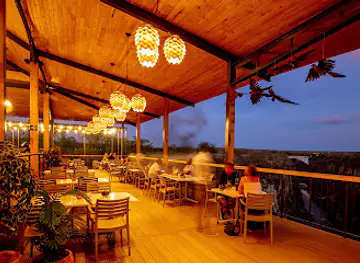
The Lookout Cafe - Wild Horizons
Discover breathtaking views and delightful cuisine at The Lookout Cafe, the perfect retreat near Victoria Falls.

A'zambezi River Lodge
Discover tranquility and adventure at A'zambezi River Lodge, your gateway to the wonders of Victoria Falls and the Zambezi River.

South Beach
Experience the best of Maputo dining at South Beach, where exquisite cuisine meets breathtaking ocean views.

The Boma - Dinner & Drum Show
Immerse yourself in Zimbabwean culture at The Boma - Dinner & Drum Show, where traditional cuisine meets captivating performances in Victoria Falls.

Best nightclubs in Zambezi River Basin
Top-rated picks
Best Nightclubs

Xima Bar
Experience the vibrant nightlife of Maputo at Xima Bar, where local culture meets a lively atmosphere and delicious drinks.

Ponta Beach Bar
Experience the vibrant flavors of Mozambique at Ponta Beach Bar, where stunning ocean views meet exquisite dining in Ponta do Ouro.

Opium
Unleash your inner party spirit at Opium, Maputo's premier disco club, where unforgettable nights come alive with music, dance, and vibrant energy.

Gil-Vicente Café-Bar
Discover the vibrant atmosphere of Gil-Vicente Café-Bar in Maputo, where locals and tourists mingle over delightful drinks and live music.

Best shops in Zambezi River Basin
Top-rated picks
Best Shops

Maputo Shopping Centre
Discover local culture and global brands at Maputo Shopping Centre, the ultimate shopping destination in Mozambique's vibrant capital.

Baía Mall
Explore Baía Mall, Maputo's premier shopping destination, where vibrant culture meets a diverse shopping and dining experience.

Zambezi Junction
Explore Zambezi Junction in Pretoria, a vibrant shopping mall offering a blend of retail, dining, and entertainment experiences for every visitor.

Marés Shopping
Experience the vibrant shopping and dining scene at Marés Shopping Mall, Maputo's premier retail destination offering a taste of local culture.

Explore Zambezi River Basin on the Map
A handpicked selection of must-see spots in Zambezi River Basin, mapped for you.
Zambezi River Basin Essentials
-
The Zambezi River Basin in Mozambique can be accessed via several routes. The nearest international airport is Maputo International Airport (MPM) in Maputo. From Maputo, you can take a domestic flight to Tete, which is the closest airport to the Zambezi River Basin. Alternatively, you can hire a private vehicle or use long-distance bus services to reach Tete, which takes roughly 18-20 hours by road.
-
Once in the Zambezi River Basin, transportation options include taxis, minibuses (chapas), and rental cars. Taxis are available in larger towns like Tete and are a convenient way to travel short distances. Chapa minibuses are a common mode of public transport but can be crowded and less comfortable. Renting a car provides the most flexibility for exploring the region, especially for visiting remote areas.
-
The official currency in Mozambique is the Mozambican Metical (MZN). Credit cards are accepted in some hotels, restaurants, and larger shops in cities, but cash is more commonly used, particularly in rural areas. ATMs are available in cities like Tete, but it's advisable to carry sufficient cash when traveling to more remote areas. Foreign currency, especially US dollars, can be exchanged at banks and exchange bureaus.
-
The Zambezi River Basin is generally safe for tourists, but standard precautions should be taken. Avoid walking alone at night, especially in areas that are poorly lit or unfamiliar. Areas with higher crime rates targeting tourists include parts of Tete city. Always keep personal belongings secure and be cautious of pickpockets in crowded places. It's also advisable to stay updated on local news and travel advisories.
-
In case of emergency, dial 119 for police assistance and 117 for medical emergencies. The main hospital in Tete is Hospital Provincial de Tete, which is equipped to handle medical emergencies. Pharmacies are available in Tete for minor health issues. It is recommended to have travel insurance that covers medical emergencies and evacuation. For consular assistance, contact your nearest embassy or consulate in Maputo.
-
Fashion: Do dress modestly, especially in rural areas and when visiting local communities. Avoid wearing revealing clothing. Religion: Do respect local customs and traditions. When visiting religious sites, dress conservatively and remove your shoes if required. Public Transport: Do be respectful and patient when using chapas, as they can be crowded. Don’t argue with the driver or other passengers. Greetings: Do greet people with a handshake, and use 'Bom dia' (Good morning), 'Boa tarde' (Good afternoon), or 'Boa noite' (Good evening). Eating & Drinking: Do try local dishes and street food, but make sure they are freshly prepared. Don’t drink tap water; always opt for bottled or purified water.
-
To experience the Zambezi River Basin like a local, visit the local markets where you can purchase fresh produce and traditional crafts. Engage with locals; they are generally friendly and willing to share cultural insights. Don't miss out on the opportunity to take a boat ride on the Zambezi River to observe the stunning wildlife and scenery. Also, consider visiting the Cahora Bassa Dam, one of the largest hydroelectric projects in Africa, for an impressive sight.
When is the best time to visit Zambezi River Basin?
Useful Local Phrases for Zambezi River Basin
You don't need to speak the language perfectly. Even learning a few simple words can make conversations warmer—and locals usually appreciate the effort.
— Eve

Here are the phrases I use most often in Zambezi River Basin. Try a few—you'll be surprised how far they go! 😊
❤️
-
- HelloOlá
[oh-lah] - GoodbyeAdeus
[ah-deh-oos] - YesSim
[seem] - NoNão
[n-ow] - Please/You're welcomePor favor
[poor fah-vor] - Thank youObrigado
[oh-bree-gah-doo] - Excuse me/SorryDesculpe
[des-kool-peh] - How are you?Como você está?
[koh-moo voh-seh es-tah] - Fine. And you?Bem. E você?
[beng. eh voh-seh] - Do you speak English?Você fala inglês?
[voh-seh fah-lah een-glez] - I don't understandEu não entendo
[eh-ooh n-ow en-ten-do]
- HelloOlá
-
- I'd like to see the menu, pleaseGostaria de ver o menu, por favor
[goh-stah-ree-ah jeh veh-roo men-oo, poor fah-vor] - I don't eat meatEu não como carne
[eh-ooh n-ow koh-moo kar-nee] - Cheers!Saúde!
[sah-oo-dee] - I would like to pay, pleaseGostaria de pagar, por favor
[goh-stah-ree-ah jeh pah-gar, poor fah-vor]
- I'd like to see the menu, pleaseGostaria de ver o menu, por favor
-
- Help!Ajuda!
[ah-zhoo-dah] - Go away!Vá embora!
[vah em-boh-rah] - Call the Police!Chame a polícia!
[shah-mee ah poh-lee-see-ah] - Call a doctor!Chame um médico!
[shah-mee oohm meh-dee-koh] - I'm lostEstou perdido
[eh-stoh per-jee-doo] - I'm illEstou doente
[eh-stoh do-ehn-chee]
- Help!Ajuda!
-
- I'd like to buy...Gostaria de comprar...
[goh-stah-ree-ah jeh kom-prah] - I'm just lookingEstou apenas olhando
[eh-stoh ah-peh-nas oh-lhan-do] - How much is it?Quanto custa?
[kwan-toh koos-tah] - That's too expensiveÉ muito caro
[eh moo-ee-toh kah-roh] - Can you lower the price?Você pode diminuir o preço?
[voh-seh poh-jee jee-mee-noo-ee oh preh-soo]
- I'd like to buy...Gostaria de comprar...
-
- What time is it?Que horas são?
[keh oh-ras sah-oo] - It's one o'clockÉ uma hora
[eh oo-mah oh-rah] - Half past (10)Meia hora
[meh-yah oh-rah] - MorningManhã
[mahn-yah] - AfternoonTarde
[tahr-deh] - EveningNoite
[noy-chee] - YesterdayOntem
[on-tem] - TodayHoje
[oh-zhee] - TomorrowAmanhã
[ah-mahn-yah] - 1Um
[oom] - 2Dois
[doy-s] - 3Três
[trez] - 4Quatro
[kwah-tro] - 5Cinco
[seen-koh] - 6Seis
[say-s] - 7Sete
[seh-chee] - 8Oito
[oy-toh] - 9Nove
[noh-veh] - 10Dez
[dez]
- What time is it?Que horas são?
-
- Where's a/the...?Onde fica um/a...?
[on-jee fee-kah oohm/ah] - What's the address?Qual é o endereço?
[kwahl eh oo en-deh-reh-soo] - Can you show me (on the map)?Você pode me mostrar (no mapa)?
[voh-seh poh-jee mee mos-trar (no mah-pah)] - When's the next (bus)?Quando é o próximo (ônibus)?
[kwan-doo eh oo proh-see-moo (on-ee-boos)] - A ticket (to ....)Um bilhete (para ....)
[oom bee-lyeh-chee (pah-rah)]
- Where's a/the...?Onde fica um/a...?
History of Zambezi River Basin
-
The Zambezi River Basin in Mozambique has been home to various indigenous communities for thousands of years. The earliest known inhabitants were the San people, who were later joined by Bantu-speaking groups around 2000 years ago. These communities relied heavily on the river for fishing, agriculture, and transportation, developing a rich cultural heritage centered around the Zambezi.
-
Beginning in the 10th century, the Swahili traders from the East African coast extended their trade routes into the interior of Africa, including the Zambezi River Basin. Arab traders followed, bringing Islam and establishing trade networks that exchanged gold, ivory, and slaves for goods such as textiles and spices. This period saw the rise of trading towns along the river, which became melting pots of African, Arab, and Swahili cultures.
-
From the 14th to the 17th centuries, the Zambezi River Basin was dominated by the Kingdom of Mutapa. This powerful state controlled much of the region's trade, particularly in gold and ivory. The Mutapa kings, known as Mwene Mutapa, wielded significant influence, and their kingdom's prosperity was closely linked to the river, which served as a major trade route.
-
In the early 16th century, Portuguese explorers arrived at the Zambezi River Basin, seeking to control the lucrative trade routes. They established forts and trading posts, such as the famous Tete and Sena. The Portuguese influence grew over the centuries, leading to conflicts with local kingdoms and eventually the establishment of Mozambique as a Portuguese colony in the 19th century.
-
The Zambezi River played a crucial role in the transatlantic slave trade. The Portuguese and other European traders used the river to transport enslaved Africans from the interior to coastal ports, where they were shipped to the Americas. This dark chapter in the region's history had a devastating impact on the local populations and their cultures.
-
In the early 19th century, the Zambezi River Basin experienced significant upheaval due to the migrations of Nguni-speaking groups, such as the Zulu and the Ndebele. These groups, fleeing the disruptions caused by the Mfecane in southern Africa, moved northward into the region, impacting the existing societies and altering the cultural landscape.
-
Throughout the late 19th and early 20th centuries, the Zambezi River Basin was a site of resistance against Portuguese colonial rule. Figures such as Samora Machel and Eduardo Mondlane led the fight for independence, culminating in Mozambique gaining sovereignty in 1975. The river basin witnessed numerous battles and skirmishes during this tumultuous period.
-
Today, the Zambezi River Basin in Mozambique remains a vital lifeline for millions of people. It supports agriculture, fishing, and hydroelectric power generation, contributing to the country's economy. The river is also a focal point for tourism, with its stunning landscapes and rich biodiversity attracting visitors from around the world.
Neighbouring Regions of Zambezi River Basin
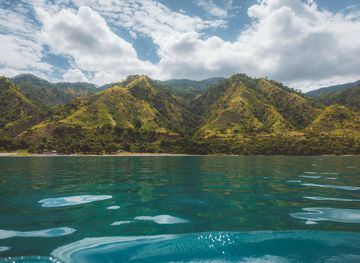
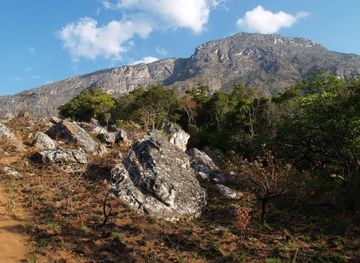
The closest regions to Zambezi River Basin, if you have time for more than one.




Your all‑in‑one travel companion app
Explore expert travel guides, compare and book tours, experiences, hotels, and more—all from the palm of your hand. Download now for seamless trip planning wherever your wanderlust takes you.


Explore More of Mozambique

Looking beyond Zambezi River Basin? Discover Mozambique for broader travel guides, local hot-spots, and regional highlights.
Explore MozambiqueZambezi River Basin in Photos
Browse through our photo collection highlighting the charm and character of the destination.


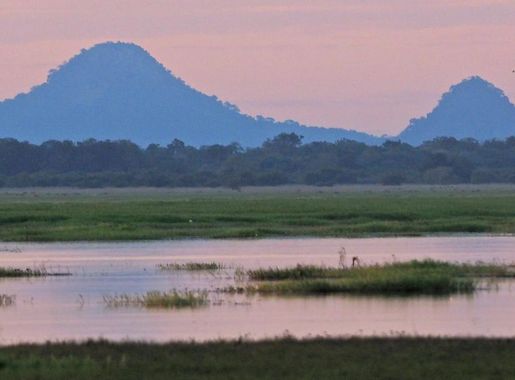


Majestic Waters of the Zambezi River Basin
The Zambezi River Basin in Mozambique is a mesmerizing destination that offers a unique blend of natural beauty and cultural richness. The river, which is the fourth longest in Africa, flows through a landscape that is both wild and serene. The lush surroundings and diverse wildlife make it a paradise for nature lovers and adventure seekers alike. One of the highlights of the Zambezi River Basin is its stunning waterfalls, including the world-famous Victoria Falls. Known locally as Mosi-oa-Tunya, meaning 'The Smoke That Thunders,' the falls are a breathtaking sight that you will not want to miss. The area around the falls is perfect for activities like white-water rafting, canoeing, and fishing. The river basin is also home to a variety of wildlife, including hippos, crocodiles, and numerous bird species. This makes it an excellent spot for safari tours and bird-watching excursions. The surrounding communities are rich in culture and history, offering visitors a chance to learn about local traditions and customs. Whether you are exploring the river by boat or taking a guided tour on land, the Zambezi River Basin promises an unforgettable experience.