

Free Delta Region Travel Guide & Mobile App
Explore Delta Region with free travel guides. Discover regional history, expert tips, proposed trips, and audio guides on web or mobile app.


Explore Myanmar’s Delta Region through Pathein, river journeys, rice landscapes, coastal communities, Buddhist heritage and beaches on the Andaman Sea.
Read more about Delta Region
When is the best time to visit Delta Region?
Best: December–February · 25–26°C| Month | High (°C) | Rainfall (mm) |
|---|---|---|
| January (best) | 25 | 10 |
| February (best) | 26 | 15 |
| March | 30 | 20 |
| April | 33 | 30 |
| May | 35 | 40 |
| June | 35 | 60 |
| July | 34 | 70 |
| August | 34 | 70 |
| September | 34 | 60 |
| October | 33 | 40 |
| November | 30 | 20 |
| December (best) | 26 | 15 |
Getting to and around Delta Region
How to get there
Transportation
Top city travel guides in Delta Region
The cities of Delta Region, and the easiest places to base yourself.

Swipe for more cities
Destinations in Delta Region
Resorts, valleys and scenic spots worth a trip of their own.

Swipe for more destinations
Best attractions in Delta Region
The Delta Region’s attractions are primarily landscape-based and cultural rather than concentrated in large museum complexes. Pathein provides the strongest introduction, with the Shwemokhtaw Pagoda, riverfront activity, markets and traditional parasol workshops offering insight into the region’s religious and commercial life. Beyond the city, the main experience is travel through a network of rivers, creeks and paddy fields, where monasteries, fishing settlements, stilted houses and working boat jetties appear along the banks. Maubin, Pyapon, Bogale, Myaungmya, Hinthada and Labutta serve as different gateways to agricultural and riverine districts, although facilities and access vary considerably. The southern delta has mangrove and tidal environments, while the western coast brings a different setting of beaches and sea-facing resorts at Ngwe Saung and Chaungtha. These coastal areas are within Ayeyarwady Region but should be planned as separate journeys from the inland delta. Wildlife and wetland exploration require local knowledge, permission and careful attention to conservation and safety conditions; they are not a reliably packaged tourism product. The region is best appreciated through slow observation of agriculture, markets, waterways and village life rather than through a tightly scheduled checklist of sights.
-
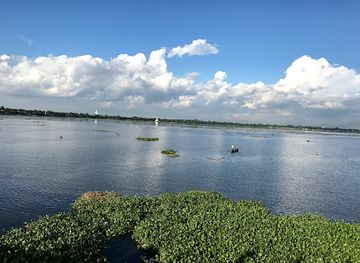
Lake
Taung Tha Man Lake
Experience the tranquility and cultural richness of Taung Tha Man Lake, a stunning destination for nature lovers and adventurers alike in Myanmar.
-
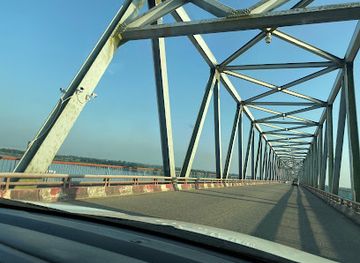
Bridge
Bo Myat Tun Bridge
Explore the iconic Bo Myat Tun Bridge in Setkawt, Myanmar—where engineering meets breathtaking views in a cultural hub.
-
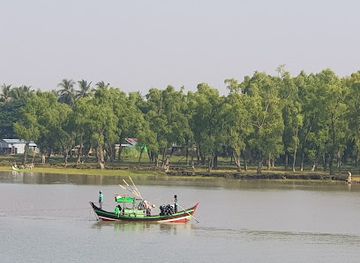
Water
Yangon River
Discover the serene beauty of the Yangon River, a cultural gem in Myanmar offering scenic views, local life, and unforgettable experiences.
-
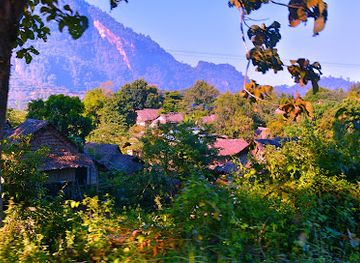
Mountain peak
Mela Taung
Discover the stunning Mela Taung in Myanmar, a mountain peak offering breathtaking views, cultural insights, and serene hiking trails.
Best landmarks in Delta Region
The Shwemokhtaw Pagoda in Pathein is the Delta Region’s most recognisable religious landmark, occupying elevated ground above the city and reflecting the importance of Buddhism in the urban landscape. Pathein’s riverfront is a less monumental but equally revealing landmark, where boats, warehouses, jetties and market activity express the city’s relationship with the Ayeyarwady waterways. Across the wider delta, embankments, ferry landings and long lines of paddy fields form a distinctive human-made geography: they are practical structures, but also symbols of the region’s dependence on water management and rice cultivation. Buddhist monasteries and village pagodas, often reached along riverbanks or rural roads, provide local points of orientation rather than a single formal architectural style. On the coast, the broad beaches of Ngwe Saung and Chaungtha are natural landmarks within Ayeyarwady Region, distinguished from the inland delta by open sea, sand and resort development. The river channels themselves are the defining geographical landmarks, continually shaped by silt, tides, monsoon flooding and human settlement.
-
Pagoda
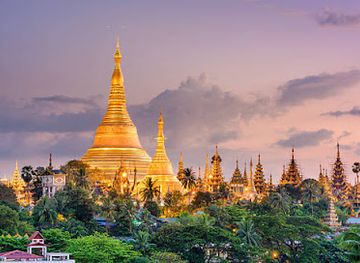
Shwedagon Pagoda
Explore the majestic Shwedagon Pagoda, a stunning symbol of spirituality and culture in Yangon, Myanmar, and witness the beauty of a 2,500-year-old heritage.
-
Market
Bogyoke Aung San Market
Explore Bogyoke Aung San Market in Yangon, a cultural treasure trove of local handicrafts, street food, and vibrant atmosphere to enhance your Myanmar experience.
-
 Pagoda
Sule Pagoda
Discover the breathtaking Sule Pagoda in Yangon, a remarkable blend of spiritual heritage and vibrant local culture, illuminating Myanmar's rich history.
-
Pagoda
Kyaik Htee Yoe Pagoda
Explore the serene beauty and spiritual significance of Kyaik Htee Yoe Pagoda, a must-visit destination in Myanmar for every traveler.
Explore Delta Region on the map
Plan your trip on one map. See where the top cities, national parks and sights are, and book hotels and experiences in a few clicks.
Best hotels in Delta Region
Best restaurants in Delta Region
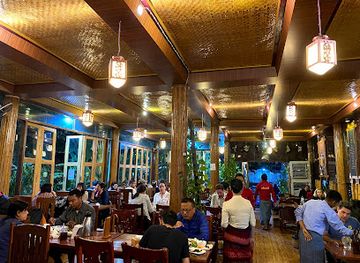
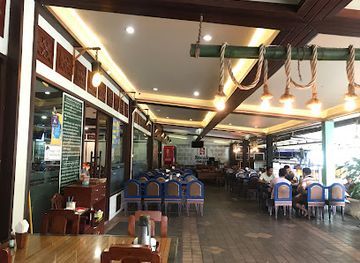
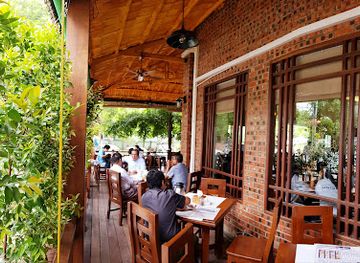
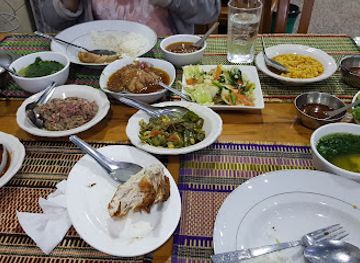
Delta cooking is shaped by rice, freshwater fish, prawns, vegetables, coconut and the produce of low-lying farms and coastal waters. Pathein has the widest choice of Burmese restaurants, teashops and market stalls, while smaller towns tend to offer simple rice meals, noodle dishes, curries and grilled or fried fish. Expect familiar national foods such as mohinga, laphet thoke, noodle soups and vegetable curries alongside locally sourced river and estuarine ingredients. In coastal areas, seafood is more prominent, although quality, supply and preparation vary with season and location. Teashops are useful for inexpensive breakfasts and snacks, but menus may not be written in English, so a translation tool or local assistance can help. Bottled or treated water is advisable, and visitors should exercise normal care with uncooked food, ice and seafood in places where refrigeration is limited. Farmers’ and wet markets are more valuable for observing the regional food economy than for buying specialised souvenirs.
-
Burmese
Mingalabar restaurant
Discover authentic Burmese cuisine at Mingalabar Restaurant in Mandalay - a delightful experience for every food enthusiast.
-
Burmese
Feel Myanmar Restaurant 2
Experience the rich flavors of authentic Burmese cuisine at Feel Myanmar Restaurant 2 in Yangon.
-
Burmese
Unique Mandalay Tea Room
Experience authentic Burmese flavors at Unique Mandalay Tea Room, where every sip and bite tells a story steeped in culture.
-
Burmese
Aye Myit Tar Burmese Resturant
Experience authentic Burmese cuisine at Aye Myit Tar Restaurant in Mandalay - where traditional flavors meet warm hospitality.
Best bars in Delta Region
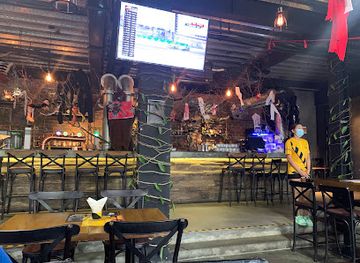
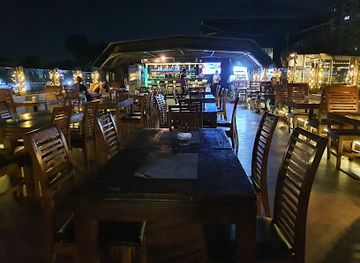
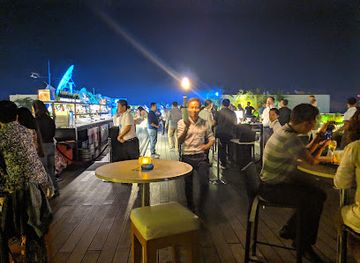
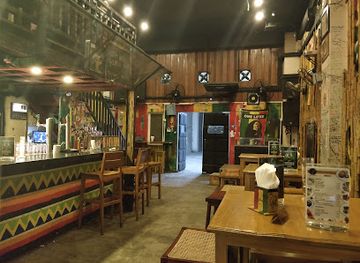
Nightlife in the Delta Region is modest and generally centred on family restaurants, teashops, beer stations and traditional town pubs rather than nightclubs. Pathein has the broadest evening choice, with restaurants and informal drinking places around commercial streets and transport areas, but opening arrangements and venue availability can change. In smaller towns, evening life usually winds down early, with residents gathering at teashops, food stalls or local restaurants. Beach resorts at Ngwe Saung and Chaungtha have more seasonal evening activity, including hotel bars, seafood restaurants and occasional music, though this should not be confused with a major urban club scene. Drinking is not necessary for engaging with local culture, and visitors should remain discreet around monasteries, villages and conservative communities. Take care with transport after dark, particularly on unfamiliar roads, and confirm local security conditions before making late journeys.
-
Bar
The Beer Factory Yangon
Discover the vibrant spirit of Myanmar's craft beer at The Beer Factory Yangon, a lively bar offering local brews and delicious cuisine.
-
Bar
Vista Bar
Experience the lively ambiance and diverse drink menu at Vista Bar, Yangon’s go-to destination for a memorable night out.
-
Bar
Atlas Rooftop Bar & Lounge
Discover breathtaking views and exquisite flavors at Atlas Rooftop Bar & Lounge, the perfect evening escape in Yangon.
-
Bar
7th Joint Bar & Grill
Discover the lively ambiance and diverse menu at 7th Joint Bar & Grill in Yangon, where delicious food meets unforgettable nightlife.
Best nightclubs in Delta Region
Nightlife in the Delta Region is modest and generally centred on family restaurants, teashops, beer stations and traditional town pubs rather than nightclubs. Pathein has the broadest evening choice, with restaurants and informal drinking places around commercial streets and transport areas, but opening arrangements and venue availability can change. In smaller towns, evening life usually winds down early, with residents gathering at teashops, food stalls or local restaurants. Beach resorts at Ngwe Saung and Chaungtha have more seasonal evening activity, including hotel bars, seafood restaurants and occasional music, though this should not be confused with a major urban club scene. Drinking is not necessary for engaging with local culture, and visitors should remain discreet around monasteries, villages and conservative communities. Take care with transport after dark, particularly on unfamiliar roads, and confirm local security conditions before making late journeys.
-
Disco club
Pioneer
Experience the electric nightlife of Yangon at Pioneer, the ultimate disco club with pulsating beats and a vibrant atmosphere.
-
Disco club
Emperor
Discover the electrifying nightlife of Yangon at Emperor Disco Club, where dance, music, and vibrant energy create unforgettable memories.
-
Disco club
Club 5
Discover the energetic nightlife of Yangon at Club 5, where vibrant music and a lively atmosphere create unforgettable experiences.
-
Club
The Maze - Night Club
Discover the vibrant nightlife at The Maze Night Club in Yangon, where pulsating beats and LED displays create an unforgettable atmosphere.




Best shops in Delta Region
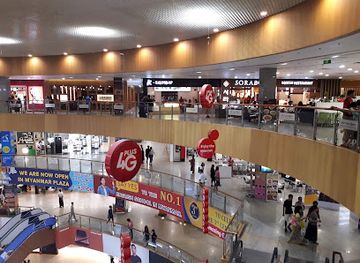
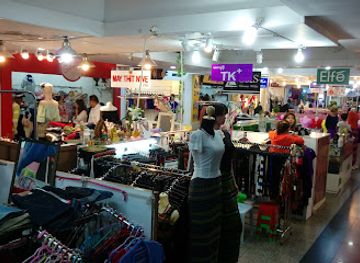
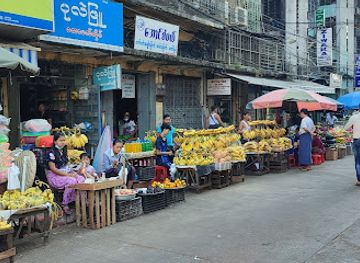
Shopping in the Delta Region is concentrated in Pathein and the market towns rather than in large modern retail districts. Pathein is known for traditional Burmese parasols, whose decorated paper and bamboo forms are made in local workshops and sold as practical or ornamental items; visitors should ask before photographing artisans or entering working spaces. Markets in Pathein, Maubin, Pyapon, Bogale and other towns offer rice, dried fish, prawns, betel products, vegetables, household goods and inexpensive clothing, providing a direct view of the delta economy. Coastal areas add shell and beach-related souvenirs, but visitors should avoid buying wildlife products, coral or items whose origin is unclear. Small shops may sell woven goods, lacquerware, snacks and locally made household products, although quality and availability vary. Cash is essential outside better-established hotels and shops, and careful packing is advisable because rural markets are focused on daily necessities rather than export-ready crafts.
-
Shopping mall
Myanmar Plaza
Discover the bustling Myanmar Plaza, a shopping and dining destination that showcases the best of Yangon’s local culture and offerings.
-
Shopping mall
Taw Win Centre
Discover the heart of shopping and dining at Taw Win Centre, Yangon’s vibrant mall featuring local and international brands.
-
Shopping mall
Sule Square
Explore Sule Square, Yangon’s vibrant shopping mall, offering a blend of local culture, international brands, and delicious dining options.
-
Shopping mall
Junction Nay Pyi Taw
Explore Junction Nay Pyi Taw - a modern shopping mall offering diverse retail, dining, and entertainment options for an unforgettable experience in Myanmar's capital.
Get your free copy of our complete guide to Delta Region, delivered straight to you.
Everything on this page, from attractions and restaurants to essentials and local phrases, in one PDF you can read offline, print or share.
Already have an account? Sign in
Your Delta Region guide is ready.
We'll send it to · Not you? Sign out

Getting your guide ready…
We are putting together a fresh copy of the Delta Region guide. This can take up to a minute.
This can take a few moments. If your browser asks, choose Allow so the download can start. You'll find the guide in your Downloads folder.
Nothing happened? Download it again
Sorry, the guide is taking longer than usual. Please try again in a minute, or get it by email instead.
Delta Region essentials
Currency and Payment
Safety
Emergency Situations
Do's and Don'ts
Local Tips
From Eve
Local phrases worth knowing
You don't need to get them perfect. A few words go a long way, and locals appreciate the effort.
Basics
| English | Local | Say it |
|---|---|---|
| Hello | မင်္ဂလာပါ | [mingalarpar] |
| Goodbye | သွားတော့မယ် | [thwa dor mael] |
| Yes | ဟုတ်ကဲ့ | [hoat ke] |
| No | မဟုတ်ဘူး | [ma hoat bu] |
| Please/You’re welcome | ကျေးဇူးပြုပါ | [kyeizu pyu ba] |
| Thank you | ကျေးဇူးတင်ပါတယ် | [kyeizu tin par tal] |
| Excuse me/Sorry | ဆင်ခြင်ပါ | [sin chin ba] |
| How are you? | ခင်ဗျားဘယ်လိုလဲ | [khin bya beh lo leh] |
| Fine. And you? | အထွေထွေပါ၊ သင်လား | [a htwe htwe ba, thin la] |
| Do you speak English? | အင်္ဂလိပ်စကားပြောနိုင်ပါသလား | [english sa kar pyaw nai par tha la] |
| I don't understand | နားမလည်ပါ | [nar ma lei ba] |
Eating & Drinking
| English | Local | Say it |
|---|---|---|
| I’d like to see the menu, please | မင်္ဂလာပါ၊ မီနူးကိုကြည့်ချင်ပါတယ် | [mingalarpar, menu ko kyaw chin par tal] |
| I don’t eat meat | သားနဲ့မစားပါ | [thar ne ma sar ba] |
| Cheers! | ကျန်းမာရေးအတွက် | [kyan ma yay a twet] |
| I would like to pay, please | ငါငွေပေးချင်ပါတယ် | [nga ngwe pay chin par tal] |
Emergencies
| English | Local | Say it |
|---|---|---|
| Help! | အကူအညီလိုချင်ပါတယ် | [a ku a nyi lo chin par tal] |
| Go away! | သွားပါ! | [thwa ba!] |
| Call the Police! | ရဲတပ်ဖွဲ့ကိုခေါ်ပါ! | [ye tap htwet ko khaw ba!] |
| Call a doctor! | ဆရာဝန်ကိုခေါ်ပါ! | [saya wun ko khaw ba!] |
| I’m lost | ငါအတိတ်နှင့်အလည်အပတ်လျှောက်နေတယ် | [nga a tate hnin a leh a pat hkyaw nay tal] |
| I’m ill | ငါနာကျင်နေတယ် | [nga na kyin nay tal] |
Shopping
| English | Local | Say it |
|---|---|---|
| I’d like to buy... | ငါဝယ်ချင်ပါတယ်... | [nga way chin par tal...] |
| I’m just looking | ငါကြည့်နေတာပါ | [nga kyaw nay tar ba] |
| How much is it? | ဘယ်လောက်လဲ | [beh laut leh] |
| That’s too expensive | ဒီဟာကျွန်တော့်အတွက်အရမ်းแพ昂တယ် | [di ha kyuntawt a twet a yan pyaung tal] |
| Can you lower the price? | ဈေးလျော့ပေးရင်ရနိုင်လား | [zei lyaw pe yin ya nai la] |
Time & Numbers
| English | Local | Say it |
|---|---|---|
| What time is it? | အချိန်ဘယ်လောက်လဲ | [a hkyin beh laut leh] |
| It’s one o’clock | တစ်နာရီ | [ta na yi] |
| Half past (10) | ၁၀ နာရီလောက် | [10 na yi laut] |
| Morning | မနက်ခင်း | [ma net hkin] |
| Afternoon | မနက်ခင်း | [ma net hkin] |
| Evening | ညနေ | [nya nay] |
| Yesterday | မနေ့က | [ma nay ka] |
| Today | ဒီနေ့ | [di nay] |
| Tomorrow | မနက်ဖြန် | [ma net phyan] |
| 1 | ၁ | [1] |
| 2 | ၂ | [2] |
| 3 | ၃ | [3] |
| 4 | ၄ | [4] |
| 5 | ၅ | [5] |
| 6 | ၆ | [6] |
| 7 | ၇ | [7] |
| 8 | ၈ | [8] |
| 9 | ၉ | [9] |
| 10 | ၁၀ | [10] |
Transport & Directions
| English | Local | Say it |
|---|---|---|
| Where's a/the...? | ဘယ်မှာရှိလဲ...? | [beh hma shi leh...?] |
| What’s the address? | လိပ်စာဘယ်လောက်လဲ | [leip sa beh laut leh] |
| Can you show me (on the map)? | မြေပုံမှာပြပါ | [myae phone hma pyaw ba] |
| When's the next (bus)? | နောက်တစ်ခုဘယ်時? | [nauk ta hku beh si?] |
| A ticket (to ....) | အက်ခွန်း (သို့ ....) | [a kwayn (tho ....)] |
History of Delta Region
Early Riverine Settlement and Agriculture
The Ayeyarwady Delta developed as a landscape of shifting channels, tidal wetlands and fertile alluvial soils rather than as a single early urban centre. Communities settled along rivers and natural ridges, combining rice cultivation, fishing, boat transport and trade. The delta’s waterways connected it with the central Ayeyarwady basin and the Andaman coast, while seasonal flooding continually altered fields and channels. Archaeological evidence and historical geography indicate that settlement expanded as people adapted embankments, drainage and cultivation to the wet environment. This long relationship between water management and agriculture remains visible in the region’s villages and paddy landscapes.
Buddhist Kingdoms and Regional River Trade
The delta was linked to the major political and religious centres of Myanmar through the Ayeyarwady river system. Although royal power was usually concentrated farther upstream, rulers and local authorities depended on the lower river for rice, timber, fish and access towards the coast. Buddhist monasteries and pagodas became enduring features of settlement, including the religious tradition represented by Pathein’s Shwemokhtaw Pagoda. Control over waterways was commercially and strategically important, and towns developed where river routes, agricultural zones and coastal connections met.
British Conquest and the Rice Frontier
After the First Anglo-Burmese War, Britain annexed parts of Lower Burma in 1826, and the delta was gradually incorporated into the colonial economy. From the nineteenth century, canals, embankments, ports and export networks supported a major expansion of commercial rice cultivation. Migrants from other parts of British India and Burma moved into the developing rice frontier, changing the region’s social and economic composition. Pathein, then known as Bassein, became an important administrative and trading centre. The legacy of this period can still be seen in the delta’s settlement patterns, transport routes and dependence on rice production.
Pathein and the Modern Delta Economy
During the late colonial period and after independence, Pathein continued to serve as the principal commercial gateway for much of western and central Ayeyarwady Region. Rice milling, river transport, fishing and market exchange shaped urban life, while smaller towns remained closely tied to agricultural districts. Traditional crafts, including the making and decoration of Burmese parasols, continued alongside modern commerce. The delta’s economy has never been limited to farming: waterways support movement of people and goods, and coastal communities combine fishing, aquaculture, agriculture and trade according to local conditions.
Independence, Development and Environmental Pressure
Following Myanmar’s independence in 1948, the delta remained one of the country’s principal agricultural regions, but development was uneven. Roads, bridges, irrigation works and river transport improved in some districts, while many communities continued to depend on seasonal waterways. Population growth, embankment construction, conversion of wetlands and pressure on mangroves altered natural flood patterns and coastal protection. The region’s low elevation makes it particularly exposed to cyclones, storm surges, saltwater intrusion and changing rainfall, connecting environmental questions directly with livelihoods and food security.
Cyclone Nargis and the Southern Delta
Cyclone Nargis struck the Ayeyarwady Delta in May 2008, bringing a devastating storm surge and winds that killed more than 100,000 people across Myanmar and destroyed or damaged large numbers of homes, boats, fields and livestock. The hardest-hit areas included low-lying southern townships such as those around Bogale and Labutta. Recovery involved local communities, national organisations and international relief agencies, although access and political circumstances complicated the response. Nargis remains a defining modern event in the delta, remembered through memorial practices, reconstructed villages and continuing debates about disaster preparedness and coastal resilience.
Delta Region in Photos
Browse through our photo collection highlighting the charm and character of the destination.
Neighbouring regions of Delta Region
The closest regions to Delta Region, if you have time for more than one.
-

-

-

-

-


Swipe for more regions
Explore more

Explore more of Myanmar (Burma)
Discover Myanmar: A land of golden pagodas, ancient temples, and breathtaking natural beauty, where warm hospitality and rich culture await every traveler.
Explore Myanmar (Burma)