
Yangon Region, Myanmar (Burma) Travel Guide
Discover the magic of Yangon Region, where Myanmar's rich history, vibrant culture, and culinary delights await you in a city that bridges the past and present.
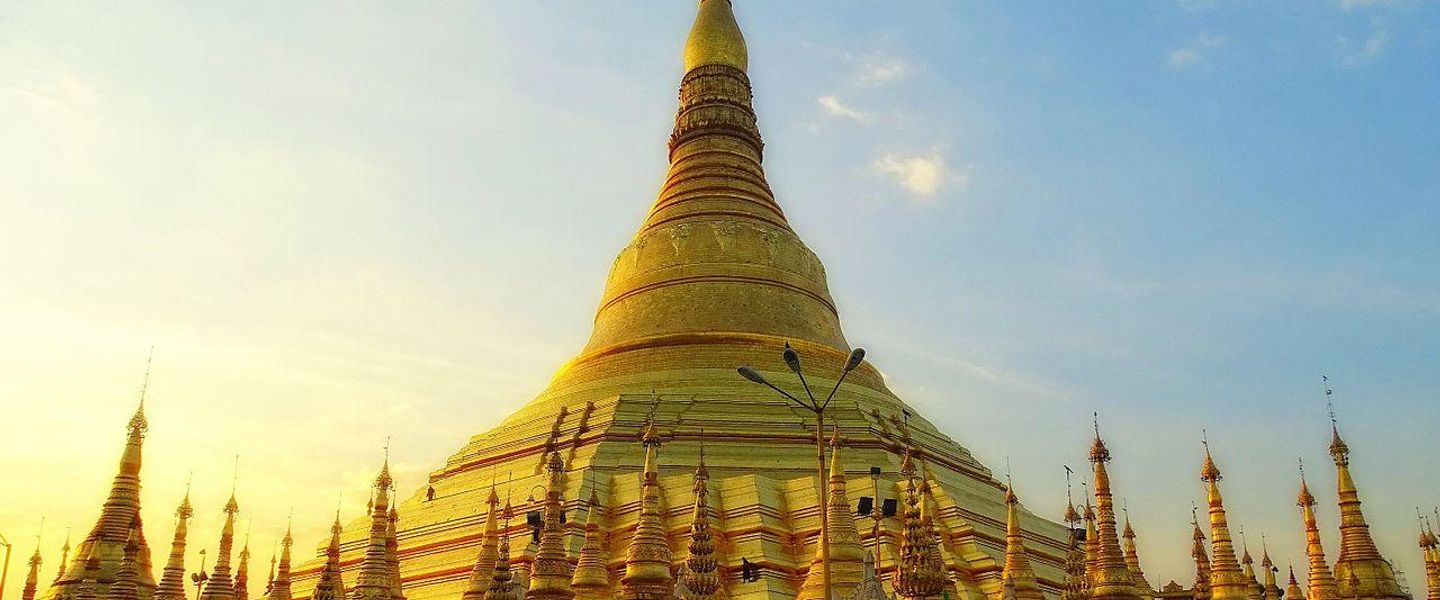
The Yangon Region in Myanmar, formerly known as Burma, is a captivating blend of tradition and modernity. As the largest city and economic hub of the country, Yangon offers a rich tapestry of experiences. The city is adorned with colonial-era buildings, bustling markets, and serene lakes, all set against the backdrop of the iconic Shwedagon Pagoda. This golden stupa, standing majestically over the city, is not only a sight to behold but also a spiritual beacon for Buddhists worldwide. Yangon is a city where history and culture converge. Wander through the streets of downtown Yangon and you will find remnants of British colonial architecture juxtaposed with vibrant street art and contemporary cafes. The Bogyoke Aung San Market, a sprawling bazaar, offers everything from intricate handicrafts to precious gemstones, making it a shopper's paradise. For those seeking tranquility, the Kandawgyi and Inya Lakes provide serene escapes within the city's hustle and bustle. The culinary scene in Yangon is a journey in itself. From traditional Burmese dishes to international cuisines, the city's food landscape is diverse and delicious. Street food stalls offer local favorites like mohinga (a fish noodle soup) and laphet thoke (a fermented tea leaf salad), giving visitors a true taste of Myanmar's rich culinary heritage. Whether you are exploring ancient temples or savoring local delicacies, the Yangon Region promises an unforgettable experience that encapsulates the essence of Myanmar.

Know before you go
Hi, I'm Eve. Here are a few practical things to know before exploring Yangon Region.
- Visit the Shwedagon Pagoda early in the morning or late afternoon to avoid crowds and enjoy cooler temperatures.
- Wear modest clothing when visiting religious sites; shoulders and knees should be covered.
- Bring cash, as many local markets and small vendors do not accept credit cards.
- Use bottled water for drinking and brushing your teeth to avoid potential health issues.
- Negotiate prices at local markets, as bargaining is a common practice in Myanmar.
Top City Travel Guides in Yangon Region
The cities of Yangon Region, and the easiest places to base yourself.


Destinations in Yangon Region
Resorts, valleys and scenic spots worth a trip of their own.

Explore Yangon Region: Things to Do, Places to Eat, Hotels & More
Handpicked recommendations for top attractions, local dining, accommodations, and more

Top Attractions & Sightseeing in Yangon Region
Top-rated picks
Best Attractions

Shwedagon Pagoda
Explore the sacred Shwedagon Pagoda in Yangon, a stunning blend of spirituality and artistry that showcases Myanmar's rich cultural heritage.

Sule Pagoda
Explore the spiritual and cultural heart of Myanmar at Sule Pagoda, a stunning Buddhist temple with a rich history and captivating architecture.

People's Park
Explore People's Park in Yangon, a green haven with stunning views of Shwedagon Pagoda, perfect for relaxation and cultural immersion.

ပြည်သူ့ဥယျာဉ်
Discover the tranquil parks of Yangon, where lush greenery, historical monuments, and serene lakes await every traveler.

Best landmarks in Yangon Region
Top-rated picks
Best Landmarks

Shwedagon Pagoda
Experience the spiritual and architectural wonders of the Shwedagon Pagoda, the heart of Yangon and a symbol of Myanmar's rich cultural heritage.
Bogyoke Aung San Market
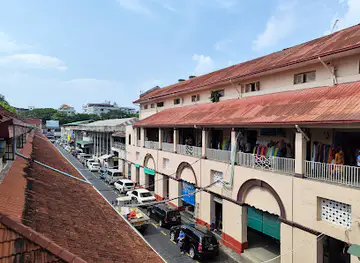
Explore the heart of Yangon at Bogyoke Aung San Market - a vibrant hub of local crafts, delicious food, and rich cultural experiences.

Sule Pagoda
Discover the spiritual heart of Yangon at Sule Pagoda, a historic Buddhist temple with breathtaking architecture and vibrant local culture.

Mahamuni Pagoda
Explore the grandeur and spiritual essence of Mahamuni Pagoda in Mandalay, a must-visit destination steeped in rich Buddhist traditions and culture.

Best restaurants in Yangon Region
Top-rated picks
Best Restaurants

Feel Myanmar Restaurant (Pyidaungzu Yeiktha Street)
Discover authentic Burmese flavors at Feel Myanmar Restaurant in Yangon - a must-visit for every food lover exploring Myanmar's culinary scene.

999 Shan Noodle House
Experience authentic Myanmar cuisine at 999 Shan Noodle House - where every bowl tells a story.

Golden Duck Restaurant
Discover the flavors of Myanmar at Golden Duck Restaurant - where tradition meets modern dining in the heart of Yangon.

The Marina
Discover the vibrant tastes of India at The Marina, Yangon’s premier Indian restaurant offering exquisite dishes and a warm ambiance.

Best bars in Yangon Region
Top-rated picks
Best Bars

50th Street Restaurant & Bar
Discover the vibrant flavors and lively atmosphere of 50th Street Restaurant & Bar, Yangon’s culinary gem for food lovers and socialites.

The Beer Factory Yangon
Experience the lively atmosphere and diverse menu at The Beer Factory in Yangon, where local flavors and international brews come together.

Byblos Pub & Grill
Experience the vibrant flavors of Byblos Pub & Grill in Yangon, where delicious grill specialties meet a vintage bar atmosphere.

Atlas Rooftop Bar & Lounge
Discover Yangon’s nightlife at Atlas Rooftop Bar & Lounge, where stunning city views meet exquisite cocktails and a vibrant atmosphere.

Best nightclubs in Yangon Region
Top-rated picks
Best Nightclubs

Pioneer
Experience the vibrant nightlife at Pioneer, Yangon’s premier disco club, where music and dance come alive in an electrifying atmosphere.

Atlas Rooftop Bar & Lounge
Experience breathtaking views and exquisite flavors at Yangon’s premier rooftop bar, Atlas Rooftop Bar & Lounge.

7th Joint Bar & Grill
Discover the lively atmosphere and delightful cuisine at 7th Joint Bar & Grill in Yangon, a perfect blend of local culture and contemporary dining.

The Radio bar
Experience the vibrant nightlife of Yangon at The Radio Bar, where unplugged performances and a cozy atmosphere create unforgettable evenings.

Best shops in Yangon Region
Top-rated picks
Best Shops

Junction City
Explore Junction City, Yangon’s premier shopping mall, featuring a mix of global brands, local boutiques, and diverse dining options.

Myanmar Plaza
Discover Myanmar Plaza, a bustling shopping mall in Yangon featuring a mix of local boutiques, international brands, and diverse dining options.

Junction Square
Discover the vibrant shopping hub of Junction Square in Yangon, where local culture meets international brands and delightful dining.

Bogyoke Aung San Market
Explore Bogyoke Aung San Market: A Cultural and Shopping Paradise in Pabedan, Myanmar, Where Unique Treasures Await!

Explore Yangon Region on the Map
A handpicked selection of must-see spots in Yangon Region, mapped for you.
Yangon Region Essentials
-
Yangon Region is well-connected internationally via Yangon International Airport (RGN). The airport is located approximately 15 kilometers north of downtown Yangon. Numerous international airlines operate direct flights to Yangon from major cities in Asia, the Middle East, and Europe. For travelers already in Myanmar, domestic flights from other major cities like Mandalay and Naypyidaw are available. Additionally, long-distance buses and trains connect Yangon with other regions of Myanmar, although they can be slower and less comfortable than flying.
-
Within Yangon, transportation options include taxis, buses, and the Yangon Circular Railway. Taxis are plentiful and relatively inexpensive but make sure to agree on a fare before starting your journey as meters are rarely used. Ride-hailing apps such as Grab are also available. Public buses are the most cost-effective option, although they can be crowded and confusing for tourists. The Yangon Circular Railway offers a unique way to see the city and its outskirts, with a full loop taking around three hours. For short distances, trishaws and bicycles are popular, particularly in less congested areas.
-
Myanmar's official currency is the Kyat (MMK). While some high-end hotels and restaurants may accept major credit cards, cash remains the most commonly used form of payment. ATMs are widely available in Yangon, but it's advisable to carry enough cash, especially when exploring outside the city. U.S. dollars are also accepted in many places, but the notes must be in pristine condition. Currency exchange services are available at the airport, banks, and authorized money changers.
-
Yangon is generally considered safe for tourists, but as with any major city, it's important to remain vigilant. Petty crimes such as pickpocketing and bag snatching can occur, especially in crowded areas like markets and public transport. Avoid walking alone at night in poorly lit areas. Specific neighborhoods like Hlaing Tharyar and North Okkalapa have higher crime rates and should be visited with caution. Always keep your valuables secure and be cautious when using ATMs.
-
In the event of an emergency, dial 199 for police assistance and 192 for medical emergencies. Yangon General Hospital is the main public hospital, while private hospitals such as Pun Hlaing Hospital and Samitivej International Clinic offer more comprehensive services. It's highly recommended to have travel insurance that covers medical emergencies. For minor health issues, pharmacies are widely available, and many pharmacists speak basic English.
-
Fashion: Do dress modestly, especially when visiting religious sites. Avoid wearing revealing clothing. Religion: Do remove your shoes and socks before entering pagodas and temples. Avoid pointing your feet towards Buddha images. Public Transport: Do be patient and courteous. Don't eat or drink on public transport. Greetings: Do greet people with a slight bow and a smile. Handshakes are less common but acceptable. Eating & Drinking: Do try local delicacies and be gracious when offered food. Don't refuse hospitality, as it can be considered impolite.
-
To experience Yangon Region like a local, visit rural markets such as Thiri Mingalar Market for fresh produce and traditional goods. Engage with locals, who are often friendly and willing to share stories about their culture. Don't miss a stroll along Kandawgyi Lake and a visit to the Shwedagon Pagoda, especially during sunset for a captivating view. For an authentic experience, try street food from vendors, but ensure the food is cooked fresh to avoid any health issues. Lastly, take a leisurely walk around colonial-era buildings in downtown Yangon for a glimpse into the city's rich history.
When is the best time to visit Yangon Region?
Useful Local Phrases for Yangon Region
You don't need to speak the language perfectly. Even learning a few simple words can make conversations warmer—and locals usually appreciate the effort.
— Eve

Here are the phrases I use most often in Yangon Region. Try a few—you'll be surprised how far they go! 😊
❤️
-
- Helloမင်္ဂလာပါ
[Mingalarpar] - Goodbyeနုတ်ဆက်ပါတယ်
[Nout hset par tal] - Yesဟုတ်ပါတယ်
[Hote par tal] - Noမဟုတ်ပါဘူး
[Ma hote par bu] - Please/You’re welcomeကျေးဇူးပြုပြီး
[Kyeizu pyu pi] - Thank youကျေးဇူးတင်ပါတယ်
[Kyeizu tin par tal] - Excuse me/Sorryတောင်းပန်ပါတယ်
[Taung pan par tal] - How are you?သင်ကောင်းလား?
[Thin kaung la?] - Fine. And you?ကောင်းပါတယ်။ သင်呢?
[Kaung par tal. Thin ne?] - Do you speak English?သင်အင်္ဂလိပ်ပြောလား?
[Thin English pyaw la?] - I don't understandငါနားမလည်ဘူး
[Nga nar ma hle bu]
- Helloမင်္ဂလာပါ
-
- I’d like to see the menu, pleaseစားသောက်စာရင်းကိုကြည့်ချင်ပါတယ်၊ ကျေးဇူးပြုပြီး
[Sa thauk sa yin ko kyi chin par tal, kyeizu pyu pi] - I don’t eat meatငါသားမစားပါဘူး
[Nga thar ma sa bu] - Cheers!ကျန်းမာရေးအောင်ပါစေ!
[Kyanmar ye aung par say!] - I would like to pay, pleaseငါငွေပေးချင်ပါတယ်၊ ကျေးဇူးပြုပြီး
[Nga ngwe pay chin par tal, kyeizu pyu pi]
- I’d like to see the menu, pleaseစားသောက်စာရင်းကိုကြည့်ချင်ပါတယ်၊ ကျေးဇူးပြုပြီး
-
- Help!အကူအညီပါ!
[A ku a nyi par!] - Go away!သွားပါ!
[Thwar par!] - Call the Police!ရဲတပ်ဖွဲ့ကိုခေါ်ပါ!
[Yay tat pwe ko khaw par!] - Call a doctor!ဆရာဝန်ကိုခေါ်ပါ!
[Saya wun ko khaw par!] - I’m lostငါလွတ်ကျွန်းလိုက်ပြီ
[Nga lut kyun lite pi] - I’m illငါနာကျိုးတယ်
[Nga na kyo tal]
- Help!အကူအညီပါ!
-
- I’d like to buy...ငါဝယ်ချင်ပါတယ်...
[Nga we chin par tal...] - I’m just lookingငါကြည့်နေပါတယ်
[Nga kyi nay par tal] - How much is it?ဒါဘယ်လောက်လဲ?
[Da beh laut leh?] - That’s too expensiveဒါကအရမ်းစျေးကြီးတယ်
[Da ka a yan zei gyi tal] - Can you lower the price?စျေးကိုလျော့ပေးနိုင်မလား?
[Zei ko lyaw pay nain ma la?]
- I’d like to buy...ငါဝယ်ချင်ပါတယ်...
-
- What time is it?ဘယ်နာရီလဲ?
[Beh na yi leh?] - It’s one o’clockနာရီ၁လောက်ရောက်ပြီ
[Na yi one laut yauk pi] - Half past (10)နာရီ၁၀လောက်ဝက်
[Na yi ten laut wet] - Morningမနက်ခင်း
[Ma net khin] - Afternoonနေ့လယ်
[Nay lay] - Eveningည
[Nya] - Yesterdayမနေ့က
[Ma nay ka] - Todayယနေ့
[Ya nay] - Tomorrowမနက်ဖြန်
[Ma net phyan] - 1၁
[1] - 2၂
[2] - 3၃
[3] - 4၄
[4] - 5၅
[5] - 6၆
[6] - 7၇
[7] - 8၈
[8] - 9၉
[9] - 10၁၀
[10]
- What time is it?ဘယ်နာရီလဲ?
-
- Where's a/the...?ဘယ်မှာ...ရှိလဲ?
[Beh hma ... shi leh?] - What’s the address?လိပ်စာဘယ်လဲ?
[Leip sa beh leh?] - Can you show me (on the map)?မြေပုံပေါ်မှာပြပါလား?
[Myei pone par hma pyaw ba la?] - When’s the next (bus)?နောက်တစ်ခုဘယ်တော့လဲ?
[Nauk ta hku beh tau leh?] - A ticket (to ....)လက်မှတ် (သို့ ...)
[Let hmat (tho ...)]
- Where's a/the...?ဘယ်မှာ...ရှိလဲ?
History of Yangon Region
-
Yangon Region, historically known as Dagon, has roots tracing back to the Mon Kingdom in the 6th century. The Mon people were among the earliest to settle the region, establishing a small fishing village on the site of modern-day Yangon. The Shwedagon Pagoda, the region's most iconic landmark, is believed to have been founded by the Mon during this period, making it one of the oldest pagodas in the world.
-
In the 14th century, the Kingdom of Hanthawaddy rose to prominence, with its capital at Bago, close to Yangon. Under the rule of King Binnya U and later King Razadarit, the kingdom flourished economically and culturally. The influence of the Hanthawaddy period is evident in the region's architecture and religious practices, particularly in the restoration and expansion of the Shwedagon Pagoda.
-
The British colonized Burma in the 19th century, and in 1852, they seized Yangon during the Second Anglo-Burmese War. The British transformed the small town of Dagon into the bustling port city of Rangoon, making it the capital of British Burma. The city was meticulously planned by the British with wide streets and grid patterns, and many colonial buildings from this era still stand today, such as the Strand Hotel and the Secretariat Building.
-
During World War II, Yangon was a significant battleground. In 1942, the Japanese forces occupied the city, renaming it 'Yangon,' and it remained under Japanese control until 1945 when Allied forces reclaimed it. The war left much of the city in ruins, but it also became a focal point for Burmese independence movements, as nationalist leaders like Aung San negotiated with both the British and Japanese for Burma's future.
-
Burma gained independence from the British in 1948, with Yangon as its capital. The city grew rapidly in the post-independence era, becoming a center for political, economic, and cultural activities. However, in 2005, the military government moved the capital to Naypyidaw, reducing Yangon's political significance but allowing it to develop as Myanmar's primary commercial hub.
-
Today, Yangon is a vibrant city that reflects Myanmar's diverse cultural heritage. It is home to a mix of ethnicities, including Burmese, Indians, Chinese, and more. The city's cultural landscape is dotted with pagodas, churches, mosques, and temples, showcasing its pluralistic society. Recent years have seen significant urban development, with new infrastructure projects and a burgeoning tourism industry highlighting Yangon's ongoing transformation.
Neighbouring Regions of Yangon Region
The closest regions to Yangon Region, if you have time for more than one.


Your all‑in‑one travel companion app
Explore expert travel guides, compare and book tours, experiences, hotels, and more—all from the palm of your hand. Download now for seamless trip planning wherever your wanderlust takes you.


Explore More of Myanmar (Burma)

Looking beyond Yangon Region? Discover Myanmar (Burma) for broader travel guides, local hot-spots, and regional highlights.
Explore Myanmar (Burma)Yangon Region in Photos
Browse through our photo collection highlighting the charm and character of the destination.


The Enchanting Yangon Region: Myanmar's Cultural Heartbeat
The Yangon Region in Myanmar, formerly known as Burma, is a captivating blend of tradition and modernity. As the largest city and economic hub of the country, Yangon offers a rich tapestry of experiences. The city is adorned with colonial-era buildings, bustling markets, and serene lakes, all set against the backdrop of the iconic Shwedagon Pagoda. This golden stupa, standing majestically over the city, is not only a sight to behold but also a spiritual beacon for Buddhists worldwide. Yangon is a city where history and culture converge. Wander through the streets of downtown Yangon and you will find remnants of British colonial architecture juxtaposed with vibrant street art and contemporary cafes. The Bogyoke Aung San Market, a sprawling bazaar, offers everything from intricate handicrafts to precious gemstones, making it a shopper's paradise. For those seeking tranquility, the Kandawgyi and Inya Lakes provide serene escapes within the city's hustle and bustle. The culinary scene in Yangon is a journey in itself. From traditional Burmese dishes to international cuisines, the city's food landscape is diverse and delicious. Street food stalls offer local favorites like mohinga (a fish noodle soup) and laphet thoke (a fermented tea leaf salad), giving visitors a true taste of Myanmar's rich culinary heritage. Whether you are exploring ancient temples or savoring local delicacies, the Yangon Region promises an unforgettable experience that encapsulates the essence of Myanmar.