

Free Mon State Travel Guide & Mobile App
Explore Mon State with free travel guides. Discover regional history, expert tips, proposed trips, and audio guides on web or mobile app.


Explore Mon State for Mawlamyine’s riverfront heritage, Mon culture, pilgrimage sites, coastal shrines and southern Myanmar landscapes.
Read more about Mon State
When is the best time to visit Mon State?
Best: December–February · 29–31°C| Month | High (°C) | Rainfall (mm) |
|---|---|---|
| January (best) | 29 | 6 |
| February (best) | 31 | 5 |
| March | 34 | 15 |
| April | 37 | 40 |
| May | 36 | 120 |
| June | 33 | 350 |
| July | 31 | 450 |
| August | 31 | 450 |
| September | 31 | 350 |
| October | 31 | 150 |
| November | 30 | 60 |
| December (best) | 29 | 10 |
Getting to and around Mon State
How to get there
Transportation
Top city travel guides in Mon State
The cities of Mon State, and the easiest places to base yourself.
-

-


Swipe for more cities
Destinations in Mon State
Resorts, valleys and scenic spots worth a trip of their own.
-
-


Swipe for more destinations
Best attractions in Mon State
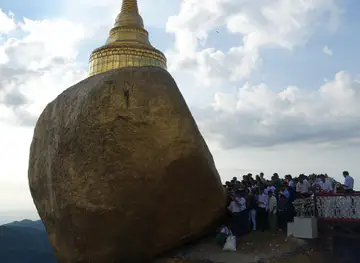
Mon State’s attractions range from urban heritage and Buddhist pilgrimage sites to river islands, coastal shrines and wartime memorials. Mawlamyine provides the strongest introduction, with hilltop pagodas, monasteries, religious art, riverfront views and surviving colonial-era streets and buildings. Kyaiktiyo, in Kyaikto Township, draws pilgrims to the Golden Rock, while the journey through the surrounding hills has its own religious and landscape significance. Around Mudon, the Win Sein Taw Ya reclining Buddha and traditional weaving communities illustrate the continuing importance of Buddhist patronage and craft production. Bilugyun offers a glimpse of island life and small workshops, subject to current access. Kyaikkhami’s Yele Paya combines coastal scenery with a long-established pilgrimage tradition, while Setse has a modest beach setting rather than a developed resort infrastructure. Thanbyuzayat’s railway memorials present the history of forced labour during the Second World War. Visitors should distinguish between established attractions and places that may currently be inaccessible: security restrictions, poor roads, tides and changing transport arrangements can affect even well-known sites.
-
Park
Chit Thu Myaing Resort
Explore the serene beauty of Chit Thu Myaing Resort in Hpa-An, a perfect destination for relaxation, photography, and enjoying nature's tranquility.
-
Historical landmark
Mahar Sadan Cave
Discover the enchanting beauty and historical significance of Mahar Sadan Cave, a must-visit landmark in Hpa-An, Myanmar.
-
Buddhist temple
Kyaikthanlan Pagoda
Discover the serenity and cultural richness of Kyaikthanlan Pagoda, a stunning Buddhist temple in Mawlamyine, Myanmar, offering breathtaking views and spiritual insight.
-
Tourist attraction
Kyaik Tha Lan Pagoda
Discover the breathtaking views and spiritual serenity of Kyaik Tha Lan Pagoda in Mawlamyine, a must-see Buddhist temple steeped in culture.
Best landmarks in Mon State
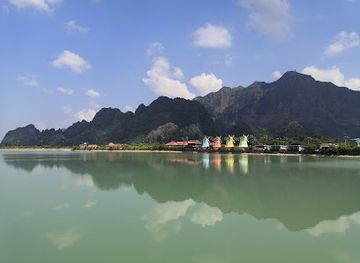
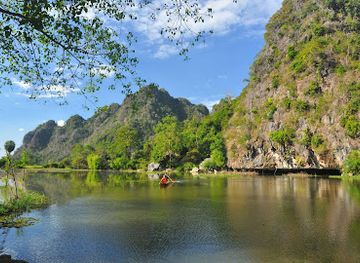
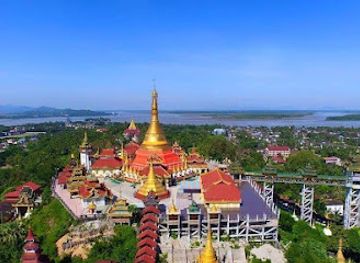
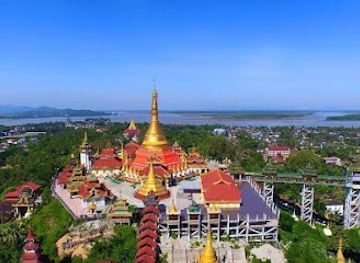
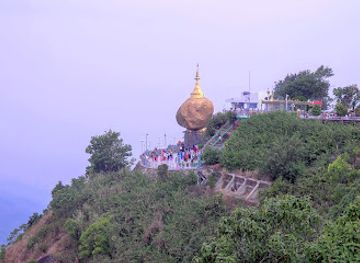
Mawlamyine’s ridge-top pagodas form the city’s defining skyline and frame wide views across the Salween estuary and surrounding waterways. Kyaiktiyo’s Golden Rock is Mon State’s most recognisable pilgrimage landmark: a gilded boulder balanced at the edge of a mountain platform beneath a small pagoda, revered by Buddhist pilgrims and approached through a demanding hill journey. Near Mudon, the immense Win Sein Taw Ya reclining Buddha is a conspicuous modern religious monument set amid the countryside. Kyaikkhami’s Yele Paya is distinctive for its position on a rocky marine platform reached by a causeway, with the surrounding sea and tides central to its visual character. Thanbyuzayat’s railway memorial landscape marks the Burmese end of the wartime Burma–Siam railway and carries considerable historical weight. Mawlamyine’s surviving colonial civic and commercial buildings are less monumental than the pagodas but important for showing how the port developed under British rule. Together, these landmarks express the state’s combination of Mon religious heritage, riverine geography, colonial history and difficult twentieth-century memory.
-
Pagoda
Shwedagon Pagoda
Discover the majestic Shwedagon Pagoda in Yangon, a breathtaking golden stupa that embodies Myanmar's rich cultural and spiritual heritage.
-
Pagoda
Kyaik Htee Yoe Pagoda
Experience the spiritual allure and breathtaking views at Kyaik Htee Yoe Pagoda, one of Myanmar's most iconic landmarks showcasing rich cultural heritage.
-
National museum
National Museum of Myanmar
Uncover the rich history and vibrant culture of Myanmar at the National Museum, a must-visit destination in Yangon.
-
Park
Chit Thu Myaing Resort
Experience tranquility at Chit Thu Myaing Resort, a picturesque park in Hpa-An, surrounded by breathtaking landscapes and lush greenery.

Explore Mon State on the map
Plan your trip on one map. See where the top cities, national parks and sights are, and book hotels and experiences in a few clicks.
Best hotels in Mon State
Best restaurants in Mon State
Mawlamyine has the broadest dining choice in Mon State, from market stalls and tea shops to family restaurants serving rice, noodles, curries and seafood. Mon cooking is associated with strong contrasts of sour, salty, spicy and fermented flavours, with fish, shrimp paste, seasonal vegetables and rice playing important roles; recipes and terminology vary between households and communities. Look for local salads, seafood preparations, steamed or grilled dishes and snacks sold in busy markets, while recognising that many foods are shared across southern Myanmar rather than exclusive to Mon State. Tea shops are useful for inexpensive breakfasts, small plates and observation of everyday urban life. Outside Mawlamyine, dining is more dependent on local cafés, roadside restaurants, guesthouses and market stalls, with fewer places able to accommodate special diets or international menus. Coastal settlements may offer fresh fish when supplies and weather permit, but menus can be limited. Bottled or treated water is the prudent choice, and visitors should choose busy food stalls with good turnover.
-
Burmese
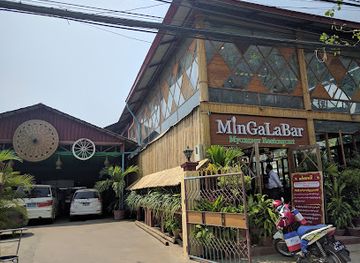
Mingalabar restaurant
Savor authentic Burmese flavors at Mingalabar Restaurant in Mandalay - your gateway to Myanmar's culinary delights.
-
Restaurant
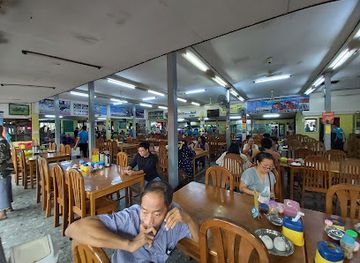
LittleDuck(Restaurant)
Discover LittleDuck Restaurant in Kyaik Tho - where traditional flavors meet modern comfort in an inviting atmosphere.
-
Restaurant
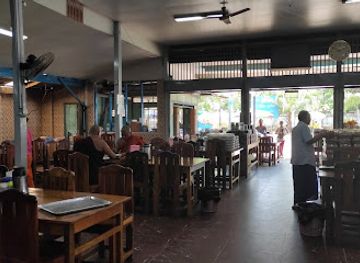
Shwe Myat Mhan
Experience authentic Burmese cuisine at Shwe Myat Mhan in Bilin - a culinary journey through Myanmar's rich flavors awaits you.
-
Restaurant
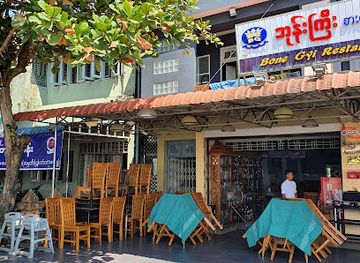
Bhone Kyee Restaurant ဘုန်းကြီးစားသောက်ဆိုင်
Discover the flavors of Myanmar at Bhone Kyee Restaurant in Mawlamyine – where culinary tradition meets warm hospitality.
Best bars in Mon State
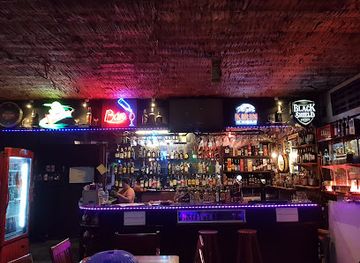
Nightlife in Mon State is modest and generally centred on Mawlamyine’s tea shops, beer stations, hotel restaurants and informal evening dining rather than a large club scene. The city’s riverfront and central streets become social spaces for meals, conversation and short evening walks, while live entertainment may appear in hotels or local venues without a fixed international-style programme. In Kyaikto and other pilgrimage towns, evenings are shaped more by early starts, religious activity and guesthouse routines than by nightlife. Rural and coastal communities tend to close early, and transport after dark can be limited. Visitors should not assume that alcohol is necessary to participate in local social life; tea, soft drinks and shared meals are common alternatives. Availability, licensing, security restrictions and opening arrangements can change quickly, so ask locally and avoid travelling through unfamiliar areas at night.
-
Restaurant
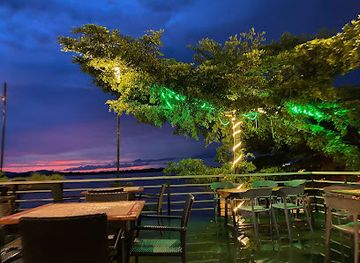
The Cargo Bar & Grill
Experience the perfect blend of local flavors and stunning views at The Cargo Bar & Grill in Mawlamyine.
-
Grill
One Day Shop
Discover the vibrant flavors of Okhpo at One Day Shop, a premier grill restaurant offering delicious dishes in a welcoming atmosphere.
-
Bar
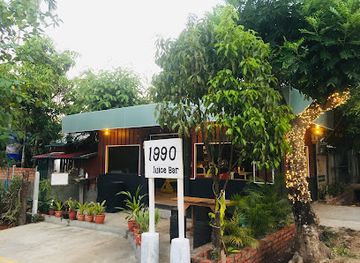
1990 juice bar
Experience the vibrant flavors of fresh juices and smoothies at 1990 Juice Bar in Mawlamyine, a must-visit for all tropical drink enthusiasts.
-
Grill
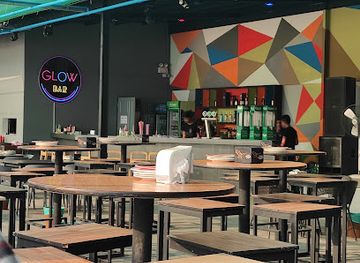
Glow Bar
Experience the vibrant atmosphere and delicious grilled cuisine at Glow Bar in Mawlamyine, the perfect spot for food lovers and nightlife enthusiasts.
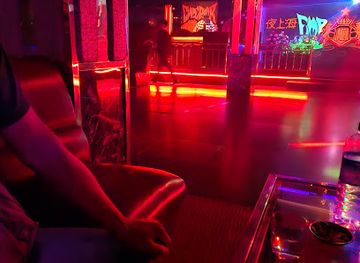
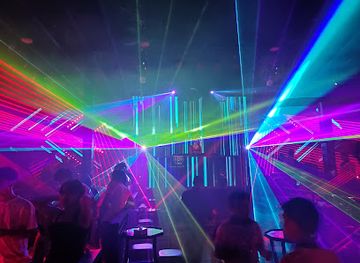
Best nightclubs in Mon State
Nightlife in Mon State is modest and generally centred on Mawlamyine’s tea shops, beer stations, hotel restaurants and informal evening dining rather than a large club scene. The city’s riverfront and central streets become social spaces for meals, conversation and short evening walks, while live entertainment may appear in hotels or local venues without a fixed international-style programme. In Kyaikto and other pilgrimage towns, evenings are shaped more by early starts, religious activity and guesthouse routines than by nightlife. Rural and coastal communities tend to close early, and transport after dark can be limited. Visitors should not assume that alcohol is necessary to participate in local social life; tea, soft drinks and shared meals are common alternatives. Availability, licensing, security restrictions and opening arrangements can change quickly, so ask locally and avoid travelling through unfamiliar areas at night.
-
Disco club
Pioneer
Experience the vibrant nightlife of Yangon at Pioneer, where music, dancing, and an electrifying atmosphere await every night.
-
Disco club
Emperor
Experience the vibrant nightlife of Yangon at Emperor, a premier disco club where music and dancing come alive in an electrifying atmosphere.
-
Club
The Maze - Night Club
Discover the vibrant nightlife of Yangon at The Maze Night Club, where stunning visuals meet electrifying music for an unforgettable experience.
-
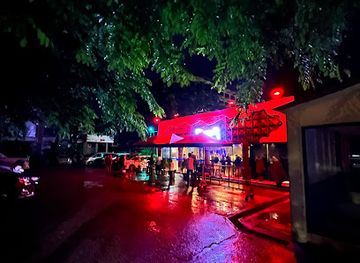
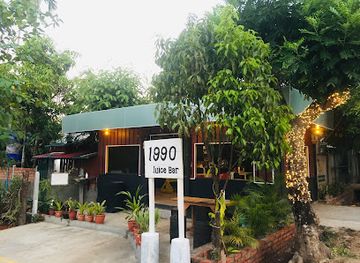
Bar
1990 juice bar
Discover a refreshing escape at 1990 Juice Bar in Mawlamyine, where local flavors meet vibrant relaxation.
Best shops in Mon State
Mawlamyine offers the most varied shopping in Mon State, with traditional markets, food stalls, small clothing shops, household goods and independent retailers concentrated around the urban centre. Mon textiles and woven goods can be sought around Mudon and nearby communities, although quality, provenance and availability vary, so visitors should ask respectfully about production rather than assuming every item is locally made. Bilugyun is associated with wooden and household crafts, but access and workshop visits require local arrangements. Useful regional purchases include dried seafood, spice mixtures, preserved foods, snacks, woven fabrics and small religious or household objects; packaged goods are easier to transport than fresh produce. Markets are generally more informative than modern retail outlets for understanding local food and material culture, while selection outside Mawlamyine is limited. Bargaining may be accepted in informal markets, but it should remain polite and proportionate, and visitors should never buy archaeological objects, wildlife products or items that may have been taken from religious sites.
-
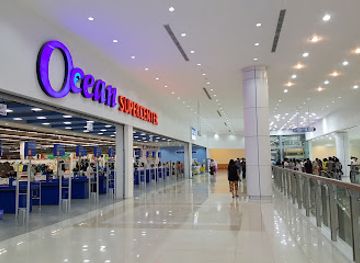
Hypermarket
Ocean Supercenter (Mawlamyine)
Explore a vibrant shopping experience at Ocean Supercenter in Mawlamyine, where local culture meets modern convenience.
-
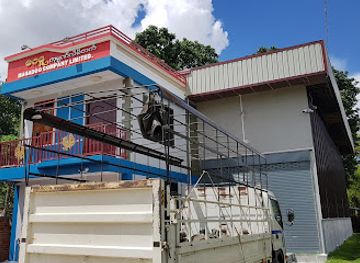
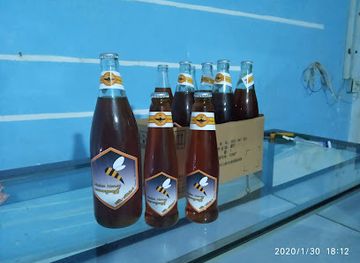
Grocery store
MaGaDoo Co.ltd
Explore local flavors at MaGaDoo Co.ltd, a delightful grocery store in Himeinkanein offering fresh produce and unique regional products.
-
Electronics store
Tharaphu Mobile
Explore the latest in mobile technology at Tharaphu Mobile, Kawkhapon's premier electronics store, offering exceptional service and a wide selection.
-
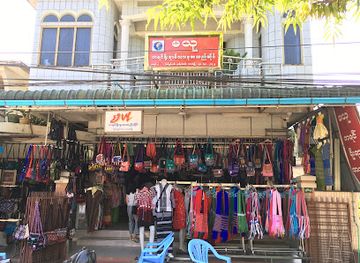
Souvenir store
MaYu Karen Traditional Shop Hpa-an
Explore unique handicrafts and authentic souvenirs at MaYu Karen Traditional Shop in Hpa-An, where local culture comes alive through art.
Get your free copy of our complete guide to Mon State, delivered straight to you.
Everything on this page, from attractions and restaurants to essentials and local phrases, in one PDF you can read offline, print or share.
Already have an account? Sign in
Your Mon State guide is ready.
We'll send it to · Not you? Sign out

Getting your guide ready…
We are putting together a fresh copy of the Mon State guide. This can take up to a minute.
This can take a few moments. If your browser asks, choose Allow so the download can start. You'll find the guide in your Downloads folder.
Nothing happened? Download it again
Sorry, the guide is taking longer than usual. Please try again in a minute, or get it by email instead.
Mon State essentials
Currency and Payment
Safety
Emergency Situations
Do's and Don'ts
Local Tips
From Eve
Local phrases worth knowing
You don't need to get them perfect. A few words go a long way, and locals appreciate the effort.
Basics
| English | Local | Say it |
|---|---|---|
| Hello | မင်္ဂလာပါ | [mingalarpar] |
| Goodbye | သွားတော့မယ် | [thwa dor ma] |
| Yes | ဟုတ်ကဲ့ | [hout ke] |
| No | မဟုတ်ဘူး | [ma hout bu] |
| Please/You're welcome | ကျေးဇူးပြုပါ | [kyae zu pyu ba] |
| Thank you | ကျေးဇူးတင်ပါတယ် | [kyae zu tin par tal] |
| Excuse me/Sorry | ဆင်ခြေပါ | [sin hkyay par] |
| How are you? | နေကြတယ်လား? | [nay kja deh la?] |
| Fine. And you? | ကောင်းပါတယ်။ နင်လဲ? | [kaung par tal. nin leh?] |
| Do you speak English? | အင်္ဂလိပ်စကားပြောလား? | [English sa kar pyaw la?] |
| I don't understand | နားမလည်ဘူး | [nar ma leh bu] |
Eating & Drinking
| English | Local | Say it |
|---|---|---|
| I'd like to see the menu, please | မင်္ဂလာပါ၊ မီနူးကိုကြည့်ချင်ပါတယ် | [mingalarpar, menu ko kyae chin par tal] |
| I don't eat meat | သားလုံးမစားပါ | [tha lone ma sar par] |
| Cheers! | ကျန်းမာရေးအတွက်! | [kyan mar yay a twet!] |
| I would like to pay, please | ငွေပေးချင်ပါတယ် | [ngwe pay chin par tal] |
Emergencies
| English | Local | Say it |
|---|---|---|
| Help! | အကူအညီပေးပါ! | [a ku a nyi pay ba!] |
| Go away! | သွားလိုက်ပါ! | [thwa lite par!] |
| Call the Police! | ရဲတပ်ဖွဲ့ကိုခေါ်ပါ! | [yay tat phwe ko khaw par!] |
| Call a doctor! | ဆရာဝန်ကိုခေါ်ပါ! | [sa ya wun ko khaw par!] |
| I'm lost | ငါဆုံးရှုံးနေတယ် | [nga hsoen hsoan nay tal] |
| I'm ill | ငါနာကျင်တယ် | [nga na kyin tal] |
Shopping
| English | Local | Say it |
|---|---|---|
| I'd like to buy... | ဝယ်ချင်ပါတယ်... | [we chin par tal...] |
| I'm just looking | ငါကြည့်နေစဉ် | [nga kyae nay zin] |
| How much is it? | ဘယ်လောက်လဲ? | [be laut leh?] |
| That's too expensive | အရမ်းတန်ပါတယ် | [a yan tan par tal] |
| Can you lower the price? | ဈေးလျော့ပေးရင်ရနိုင်လား? | [zei lyaw pay yin ya naing la?] |
Time & Numbers
| English | Local | Say it |
|---|---|---|
| What time is it? | အချိန်ဘယ်လောက်လဲ? | [a hkyan be laut leh?] |
| It's one o'clock | တစ်နာရီပါ | [ta na yee par] |
| Half past (10) | ၁၀ နာရီလျှောက် | [10 na yee lyaw] |
| Morning | မနက် | [ma nak] |
| Afternoon | မွန်းလွဲ | [mwan lwe] |
| Evening | ည | [nya] |
| Yesterday | မနေ့က | [ma nay ka] |
| Today | ယနေ့ | [ya nay] |
| Tomorrow | မနက်ဖြန် | [ma nak phyan] |
| 1 | ၁ | [1] |
| 2 | ၂ | [2] |
| 3 | ၃ | [3] |
| 4 | ၄ | [4] |
| 5 | ၅ | [5] |
| 6 | ၆ | [6] |
| 7 | ၇ | [7] |
| 8 | ၈ | [8] |
| 9 | ၉ | [9] |
| 10 | ၁၀ | [10] |
Transport & Directions
| English | Local | Say it |
|---|---|---|
| Where's a/the...? | ဘယ်မှာရှိလဲ...? | [be hma shi leh...?] |
| What's the address? | လိပ်စာဟာဘယ်လိုလဲ? | [leip sa ha be lo leh?] |
| Can you show me (on the map)? | မြေပုံပေါ်မှာပြပါ | [myae pone paung hma pya ba] |
| When's the next (bus)? | နောက်ဆုံးဘတ်စ်ကားဘယ်မှာရှိလဲ? | [naung sone bus ka be hma shi leh?] |
| A ticket (to ....) | တိုက်ခိုက်ခွင့် (သို့...) | [taik hkyet hwint (tho...)] |
History of Mon State
Early Mon Settlement and Thaton Traditions
The Mon are one of mainland South-East Asia’s long-established cultural communities, with historic settlements across Lower Myanmar and adjacent areas of Thailand. Thaton, in present-day Mon State, is associated in Mon tradition with an early centre of Buddhist learning and maritime exchange, although later chronicles combine history, religious memory and legend. The region’s position between the Salween basin, the Gulf of Martaban and inland routes encouraged contact with South Asian and neighbouring Southeast Asian cultures. Mon contributions to writing, Theravada Buddhism, art and urban traditions later influenced the development of Burmese states.
Mon Kingdoms and Lower Myanmar
From the medieval period, Mon-speaking polities controlled or influenced important parts of Lower Myanmar. The best-known later centre was Hanthawaddy at Bago, outside modern Mon State, but its political and commercial influence extended across the wider Mon cultural region. Ports and river settlements connected the coast with inland markets, while monasteries and courtly traditions supported the spread of Theravada Buddhist culture. Political control shifted repeatedly among Mon, Burmese and other regional powers, leaving a layered cultural inheritance rather than a single uninterrupted kingdom centred within today’s state.
Burmese Expansion and the Konbaung Era
During the eighteenth century, the Konbaung dynasty expanded its authority over Lower Myanmar, bringing long-contested Mon territories into a larger Burmese kingdom. Warfare and political upheaval caused displacement and migration, while later administrative integration altered the relationship between Mon communities and the royal centre. Mon religious institutions, language traditions and craft practices nevertheless continued. Many present-day settlements, monasteries and cultural customs reflect this long period of interaction between local Mon society and wider Burmese state structures.
Moulmein under British Rule
Britain acquired the area around Moulmein, now Mawlamyine, after the First Anglo-Burmese War in 1826. The town became the first capital of British Burma and an important port, timber centre and administrative base. Teak from the Salween hinterland was floated downriver, while merchants, officials and migrant communities shaped the urban landscape. Churches, offices, warehouses and houses from the colonial period remain visible among Buddhist religious sites, although development and weathering have altered much of the historic fabric. Moulmein’s river-based economy also linked the region to wider imperial trade.
The Burma–Siam Railway, 1942–1943
Thanbyuzayat was the Burmese terminus of the Burma–Siam railway, constructed during the Second World War to connect Japanese-held Burma with Thailand. The railway was built under brutal conditions by prisoners of war and Asian civilian labourers subjected to forced labour, disease, hunger and violence. Thousands died along the route, which became associated internationally with the wider history of the Death Railway. Memorials and surviving railway-related sites near Thanbyuzayat preserve a difficult chapter of Mon State’s modern history and should be approached with respect rather than as ordinary military curiosities.
Independence, Mon Identity and Conflict
After Burma gained independence in 1948, questions of autonomy, language, territory and political representation remained central to Mon politics. The New Mon State Party and its armed wing became involved in a long-running conflict with the Myanmar military, alongside other armed organisations operating in the country’s south-east. Ceasefire arrangements reduced fighting in some periods but did not remove the underlying political tensions. Contemporary travel in Mon State is therefore shaped not only by heritage and geography but also by changing security conditions, checkpoints, displacement and restrictions on movement.
Contemporary Mawlamyine and Regional Change
Mawlamyine remains an administrative, educational and commercial centre for southern Myanmar, while roads, river transport and pilgrimage routes connect it with Kyaikto, Mudon, Thanbyuzayat and coastal communities. Agriculture, fishing, small-scale trade and religious tourism continue alongside urban growth. Mon cultural organisations, language initiatives, weaving and food traditions help maintain regional identity, though economic pressures, migration and political instability have affected everyday life. The modern state is consequently both a heritage destination and a place whose social and political circumstances require careful, informed travel.
Mon State in Photos
Browse through our photo collection highlighting the charm and character of the destination.
Neighbouring regions of Mon State
The closest regions to Mon State, if you have time for more than one.
-

-

-

-

-


Swipe for more regions
Explore more

Explore more of Myanmar (Burma)
Discover Myanmar: A land of golden pagodas, ancient temples, and breathtaking natural beauty, where warm hospitality and rich culture await every traveler.
Explore Myanmar (Burma)