

Lower Myanmar, Myanmar (Burma) Travel Guide
Discover the cultural richness, natural beauty, and historical treasures of Lower Myanmar, from the bustling streets of Yangon to the serene beaches and mystical Golden Rock.
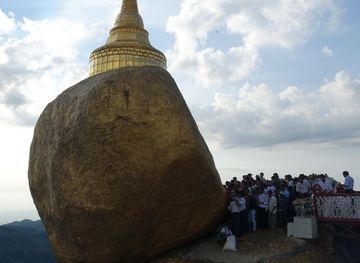
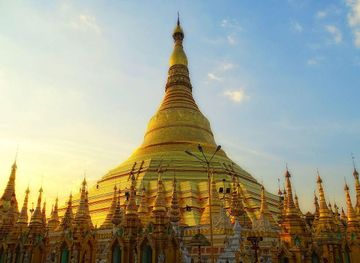
Lower Myanmar, also known as Lower Burma, is a region rich in cultural heritage, natural beauty, and a fascinating history. Located in the southern part of Myanmar, it offers a unique blend of vibrant urban life, tranquil rural landscapes, and stunning coastal areas. One of the main attractions in Lower Myanmar is the bustling city of Yangon, the country's largest metropolis. Yangon is home to the iconic Shwedagon Pagoda, a golden stupa that stands majestically on Singuttara Hill. The pagoda is not only a religious site but also a symbol of the country's culture and history. Visitors can also explore the colonial architecture, bustling markets, and diverse cuisine that make Yangon a must-visit. Traveling further south, you will find the serene beauty of the Irrawaddy Delta, with its network of rivers and lush green fields. This region is perfect for those who enjoy peaceful boat rides and observing traditional farming methods. The delta is also known for its unique wildlife, including rare bird species. The coastline of Lower Myanmar is dotted with pristine beaches and charming fishing villages. Places like Ngwe Saung and Chaung Tha offer crystal clear waters, white sandy beaches, and a relaxing atmosphere. These coastal areas are ideal for water sports, seafood lovers, and those looking to unwind. Lower Myanmar is also a gateway to the mythical Golden Rock in Kyaiktiyo. This pilgrimage site features a massive boulder covered in gold leaf, precariously balanced on the edge of a cliff. The journey to Golden Rock is an adventure in itself, offering stunning views and a glimpse into the spiritual life of Myanmar's people.

Know before you go
Hi, I'm Eve. Here are a few practical things to know before exploring Lower Myanmar.
- Visit Shwedagon Pagoda early in the morning or late in the afternoon to avoid crowds and heat.
- Try the local street food in Yangon, especially the famous tea leaf salad and mohinga.
- Hire a local guide for a boat tour in the Irrawaddy Delta to gain insights into the traditional way of life.
- If visiting the beaches, consider traveling during the dry season (November to April) for the best weather.
- Wear comfortable shoes and be prepared for a hike when visiting the Golden Rock in Kyaiktiyo.
Top City Travel Guides in Lower Myanmar
The cities of Lower Myanmar, and the easiest places to base yourself.


Destinations in Lower Myanmar
Resorts, valleys and scenic spots worth a trip of their own.


Explore Lower Myanmar: Things to Do, Places to Eat, Hotels & More
Handpicked recommendations for top attractions, local dining, accommodations, and more

Top Attractions & Sightseeing in Lower Myanmar
Top-rated picks
Best Attractions

Thakhin Mya Park
Unwind in the tranquil embrace of Thakhin Mya Park, a green gem in Yangon perfect for relaxation, family outings, and enjoying nature.

Thiri Mingala Kabar Aye Pagoda
Discover the spiritual beauty of Thiri Mingala Kabar Aye Pagoda, a serene haven of Buddhist tradition and stunning architecture in Yangon, Myanmar.

U-Bein Bridge
Explore the U-Bein Bridge in Mandalay, a historical landmark showcasing stunning views and vibrant local culture.

National Museum of Myanmar
Explore the National Museum of Myanmar in Yangon to uncover the country's rich history and cultural heritage through unique artifacts and exhibitions.

Best landmarks in Lower Myanmar
Top-rated picks
Best Landmarks

Shwedagon Pagoda
Explore the majestic Shwedagon Pagoda, a spiritual masterpiece and the heart of Myanmar's cultural heritage, in the vibrant city of Yangon.

Bogyoke Aung San Market
Explore the colorful Bogyoke Aung San Market in Yangon, Myanmar, a vibrant marketplace filled with unique crafts, delicious local food, and rich cultural experiences.

Sule Pagoda
Discover the spiritual heart of Yangon at Sule Pagoda, an ancient Buddhist temple with stunning architecture and rich cultural significance.

Mahamuni Pagoda
Discover the spiritual heart of Mandalay at Mahamuni Pagoda, home to the revered Mahamuni Buddha statue and rich cultural experiences.

Best restaurants in Lower Myanmar
Top-rated picks
Best Restaurants

Mingalabar restaurant
Experience authentic Burmese cuisine at Mingalabar Restaurant in Mandalay - where local flavors meet warm hospitality.

Shan Yoe Yar Restaurant (Manaw Hari)
Experience authentic Myanmar cuisine at Shan Yoe Yar Restaurant in Yangon—where tradition meets flavor in every dish.

Burma Bistro
Experience authentic Myanmar cuisine at Burma Bistro in Yangon – where tradition meets modern flavor in every delicious dish.

SEEDS Restaurant & Lounge
Experience fine dining at SEEDS Restaurant & Lounge in Yangon - where European cuisine meets local flavors in an elegant setting.

Best bars in Lower Myanmar
Top-rated picks
Best Bars
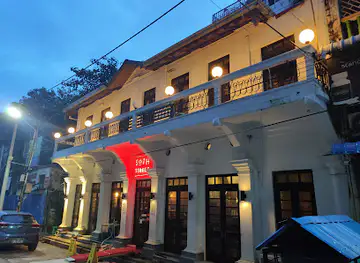
50th Street Restaurant & Bar
Discover the vibrant flavors of Yangon at 50th Street Restaurant & Bar, where culinary delights meet a lively atmosphere.
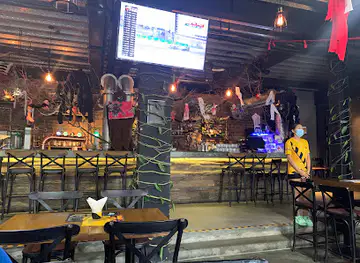
The Beer Factory Yangon
Discover the vibrant atmosphere and extensive beer selection at The Beer Factory Yangon, a top destination for locals and tourists alike.

Vista Bar
Discover the vibrant nightlife of Yangon at Vista Bar, where stunning views and a diverse drink menu create an unforgettable experience.

Byblos Pub & Grill
Discover the vibrant flavors of Byblos Pub & Grill, where culinary excellence meets a cozy pub atmosphere in the heart of Yangon.

Best nightclubs in Lower Myanmar
Top-rated picks
Best Nightclubs

50th Street Restaurant & Bar
Experience the vibrant tastes and lively atmosphere at 50th Street Restaurant & Bar in Yangon, where culinary delights meet unforgettable nights.

Pioneer
Experience the pulse of Yangon nightlife at Pioneer, where music, dance, and culture collide in an unforgettable disco club atmosphere.

Emperor
Experience the pulse of Yangon nightlife at Emperor, where live music and vibrant energy create unforgettable nights in the heart of the city.

Club 5
Experience the vibrant nightlife of Yangon at Club 5, where music, dance, and unforgettable memories come alive.

Best shops in Lower Myanmar
Top-rated picks
Best Shops

Ocean Super Center
Explore the Ocean Super Center: Yangon’s premier hypermarket for local goods, fresh produce, and a taste of Myanmar's vibrant shopping scene.

Zay Cho
Discover the rich culture and vibrant local life at Zay Cho Market, Mandalay’s bustling hub of authentic goods and delicious street food.

Diamond Plaza
Explore Diamond Plaza in Mandalay: A vibrant shopping mall offering diverse shopping, dining, and entertainment experiences for all travelers.

Myint Myint Khin
Explore the sweet side of Mandalay at Myint Myint Khin Bakery, where every bite is a delightful experience of local flavors.

Explore Lower Myanmar on the Map
A handpicked selection of must-see spots in Lower Myanmar, mapped for you.
Lower Myanmar Essentials
-
Lower Myanmar can be accessed via Yangon International Airport (RGN), which is the primary gateway to the region. Several international airlines operate flights to Yangon from major cities around the world. From Yangon, you can take domestic flights, trains, buses, or hire a private car to explore Lower Myanmar. Domestic flights to cities like Pathein and Mawlamyine are available. Trains and long-distance buses connect Yangon with other parts of Lower Myanmar, providing scenic routes through the countryside.
-
Transportation options in Lower Myanmar include buses, trains, taxis, and motorbike rentals. Buses and minibuses (locally known as 'ka' or 'express buses') are the most common and economical means of transportation. Taxis are available in urban areas and can be hired for short trips or full-day excursions. Trains offer a slower but scenic alternative for travel between major cities. For the more adventurous, motorbike rentals provide flexibility to explore rural and off-the-beaten-path areas.
-
The official currency of Myanmar is the Myanmar Kyat (MMK). While credit cards are increasingly accepted in hotels, restaurants, and larger shops in urban areas, cash remains the preferred payment method, especially in rural areas. ATMs are widely available in cities and towns, but it is advisable to carry sufficient cash when traveling to remote regions. Currency exchange services are available at airports, banks, and authorized money changers.
-
Lower Myanmar is generally safe for tourists, but it is important to exercise standard precautions. Avoid walking alone at night in unfamiliar areas and be cautious of your belongings in crowded places. Areas such as parts of Yangon may have higher crime rates, so it is best to stay vigilant. Always use reputable transportation services and avoid unlicensed taxis. It is also advisable to stay informed about local news and follow any travel advisories issued by your government.
-
In case of emergencies, dial 199 for police assistance, 192 for medical emergencies, and 191 for fire emergencies. Major cities like Yangon have hospitals with emergency services, while smaller towns have local clinics. It is highly recommended to have travel insurance that covers medical expenses. Pharmacies are available in urban areas for minor health issues. Keep a list of important numbers, including your embassy or consulate, for quick access in case of an emergency.
-
Fashion: Do dress modestly, especially when visiting religious sites. Avoid wearing revealing clothing. Religion: Do show respect by removing your shoes and socks before entering pagodas and monasteries. Public Transport: Do be polite and offer your seat to the elderly and monks. Don't eat or drink on public transport. Greetings: Do greet locals with a smile or a slight bow. Handshakes are common, but avoid touching the head of others. Eating & Drinking: Do try local dishes and be open to new flavors. Don't refuse food offerings, as it is considered impolite.
-
To experience Lower Myanmar like a local, visit bustling markets such as Bogyoke Aung San Market in Yangon for local crafts and produce. Engage with locals, as they are often friendly and eager to share their culture. Don't miss the chance to participate in traditional festivals and ceremonies. For a unique experience, take a boat trip on the Irrawaddy River or explore the countryside by bicycle. Visiting tea shops for a cup of traditional Myanmar tea and snacks is also a delightful way to immerse yourself in local life.
When is the best time to visit Lower Myanmar?
Useful Local Phrases for Lower Myanmar
You don't need to speak the language perfectly. Even learning a few simple words can make conversations warmer—and locals usually appreciate the effort.
— Eve

Here are the phrases I use most often in Lower Myanmar. Try a few—you'll be surprised how far they go! 😊
❤️
-
- Helloမင်္ဂလာပါ
[mingalarpar] - Goodbyeသွားတော့မယ်
[thwa to me] - Yesဟုတ်ကဲ့
[hoat ke] - Noမဟုတ်ဘူး
[mahoat bu] - Please/You're welcomeကျေးဇူးပြုပါ
[kyeizu pyu ba] - Thank youကျေးဇူးတင်ပါတယ်
[kyeizu tin par tal] - Excuse me/Sorryစိတ်မကောင်းပါ
[sate ma kaung ba] - How are you?နင်ဘယ်လိုရှိလဲ
[nin be lo shi le] - Fine. And you?ကောင်းပါတယ်။ နင်လည်းလား
[kaung par tal. nin lae lar] - Do you speak English?အင်္ဂလိပ်စကားပြောလား?
[english sa ka pyaw lar?] - I don't understandနားမလည်ပါ
[na ma le ba]
- Helloမင်္ဂလာပါ
-
- I'd like to see the menu, pleaseမီးနူးစာရင်းကိုကြည့်ချင်ပါတယ်
[mi nu sa yin ko kyi hkyin par tal] - I don't eat meatအသားမစားပါ
[a thah ma sa ba] - Cheers!ရက်ရင့်!
[yat yin] - I would like to pay, pleaseငါငွေပေးချင်ပါတယ်
[nga ngwe pay hkyin par tal]
- I'd like to see the menu, pleaseမီးနူးစာရင်းကိုကြည့်ချင်ပါတယ်
-
- Help!အကူအညီပါ!
[a ku a nyi par!] - Go away!ထွက်သွားပါ!
[htwet thwa par!] - Call the Police!ရဲတပ်ဖွဲ့ကိုခေါ်ပါ!
[ye tat phwe ko hka par!] - Call a doctor!ဆရာဝန်ကိုခေါ်ပါ!
[saya wun ko hka par!] - I'm lostငါလျှောက်လမ်းလျှောက်နေတယ်
[nga hlyauk lan hlyauk nay tal] - I'm illငါနာကျင်တယ်
[nga na kyin tal]
- Help!အကူအညီပါ!
-
- I'd like to buy...ဝယ်ချင်ပါတယ်...
[we hkyin par tal...] - I'm just lookingကြည့်လို့သာရှိပါတယ်
[kyi lo tha shi par tal] - How much is it?ဒီဟာဘယ်လောက်လဲ?
[di ha be laut le?] - That's too expensiveဒါအလွန်แพ expensive ပါ
[da a lun expensive ba] - Can you lower the price?ဈေးကိုလျှော့နိုင်မလား?
[zei ko hkyaw nai ma lar?]
- I'd like to buy...ဝယ်ချင်ပါတယ်...
-
- What time is it?အချိန်ဘယ်လို့လဲ?
[a hkyin be lo le?] - It's one o'clockနောက်တစ်နာရီ
[naut ta na yi] - Half past (10)နာရီ(၁၀)ဝက်
[na yi (10) wet] - Morningမနက်
[ma nak] - Afternoonမနက်ခင်း
[ma nak hkyin] - Eveningညနေ
[nya nay] - Yesterdayမနေ့က
[ma nei ka] - Todayဒီနေ့
[di nei] - Tomorrowမနက်ဖြန်
[ma nak phyan] - 1၁
[1] - 2၂
[2] - 3၃
[3] - 4၄
[4] - 5၅
[5] - 6၆
[6] - 7၇
[7] - 8၈
[8] - 9၉
[9] - 10၁၀
[10]
- What time is it?အချိန်ဘယ်လို့လဲ?
-
- Where's a/the...?ဘယ်မှာ...ရှိလဲ?
[be hma ... shi le?] - What's the address?လိပ်စာဘယ်လိုလဲ?
[lit sa be lo le?] - Can you show me (on the map)?မြေပုံပေါ်မှာပြပါ
[myae pone paw hma pya ba] - When's the next (bus)?နောက်တစ်ယောက်ဘယ်မလဲ?
[naut ta yauk be ma le?] - A ticket (to ....)လက်မှတ် (....) သို့
[let hmat (....) tho]
- Where's a/the...?ဘယ်မှာ...ရှိလဲ?
History of Lower Myanmar
-
The Mon Kingdom, also known as Suwarnabhumi, is believed to have arisen around the 6th century in what is now Lower Myanmar. The Mon people were among the earliest to embrace Theravada Buddhism, and their kingdom became a significant center for Buddhist learning and culture. The Mon Kingdom's influence extended across much of Lower Myanmar, and its capital, Thaton, was a thriving hub of trade and religion.
-
In the 11th century, the Pagan Empire, led by King Anawrahta, conquered the Mon Kingdom. The Mon were instrumental in spreading Theravada Buddhism throughout the Pagan Empire, and their architectural and artistic styles heavily influenced the construction of many of Pagan's most famous temples. This period marked the beginning of a fusion of Mon and Burmese cultures.
-
The Hanthawaddy Kingdom, also known as the Mon Kingdom of Pegu, rose to prominence in the 14th century after the decline of the Pagan Empire. Under the rule of King Rajadhirat and later Queen Shin Sawbu, the kingdom experienced a golden age. Pegu (modern-day Bago) became a major center of trade and culture, attracting merchants from across Asia. However, internal strife and Burmese invasions eventually led to its decline in the 16th century.
-
In the mid-16th century, the Toungoo Dynasty, under the leadership of King Bayinnaung, expanded its control over Lower Myanmar. This period saw the unification of much of Myanmar for the first time in centuries. The Toungoo rulers implemented administrative reforms and expanded the kingdom's territories, creating a more centralized state. Despite internal conflicts, the dynasty's influence persisted until its decline in the early 18th century.
-
Lower Myanmar fell under British control following the Second Anglo-Burmese War in 1852. The British established Rangoon (now Yangon) as the capital of British Burma and developed the city into a major port and commercial center. The colonial period brought significant economic changes, including the expansion of rice cultivation and the development of infrastructure. However, it also led to social unrest and resistance against foreign rule.
-
During World War II, Lower Myanmar was occupied by Japanese forces from 1942 to 1945. The Japanese initially received support from Burmese nationalists, including the Burma Independence Army led by Aung San. However, the harsh conditions and exploitation under Japanese rule led to widespread suffering and resistance. After the war, British forces regained control, but the experience of occupation fueled the drive for independence.
-
Myanmar gained independence from British rule on January 4, 1948. In the post-independence period, Lower Myanmar has continued to play a crucial role in the country's political, economic, and cultural life. Yangon, as the largest city and former capital, remains a vibrant center of commerce and culture. Despite facing challenges such as political instability and economic hardship, the region's rich history and diverse culture continue to shape its identity.
Neighbouring Regions of Lower Myanmar
The closest regions to Lower Myanmar, if you have time for more than one.


Your all‑in‑one travel companion app
Explore expert travel guides, compare and book tours, experiences, hotels, and more—all from the palm of your hand. Download now for seamless trip planning wherever your wanderlust takes you.


Explore More of Myanmar (Burma)

Looking beyond Lower Myanmar? Discover Myanmar (Burma) for broader travel guides, local hot-spots, and regional highlights.
Explore Myanmar (Burma)Lower Myanmar in Photos
Browse through our photo collection highlighting the charm and character of the destination.


Exploring the Enchanting Lower Myanmar
Lower Myanmar, also known as Lower Burma, is a region rich in cultural heritage, natural beauty, and a fascinating history. Located in the southern part of Myanmar, it offers a unique blend of vibrant urban life, tranquil rural landscapes, and stunning coastal areas. One of the main attractions in Lower Myanmar is the bustling city of Yangon, the country's largest metropolis. Yangon is home to the iconic Shwedagon Pagoda, a golden stupa that stands majestically on Singuttara Hill. The pagoda is not only a religious site but also a symbol of the country's culture and history. Visitors can also explore the colonial architecture, bustling markets, and diverse cuisine that make Yangon a must-visit. Traveling further south, you will find the serene beauty of the Irrawaddy Delta, with its network of rivers and lush green fields. This region is perfect for those who enjoy peaceful boat rides and observing traditional farming methods. The delta is also known for its unique wildlife, including rare bird species. The coastline of Lower Myanmar is dotted with pristine beaches and charming fishing villages. Places like Ngwe Saung and Chaung Tha offer crystal clear waters, white sandy beaches, and a relaxing atmosphere. These coastal areas are ideal for water sports, seafood lovers, and those looking to unwind. Lower Myanmar is also a gateway to the mythical Golden Rock in Kyaiktiyo. This pilgrimage site features a massive boulder covered in gold leaf, precariously balanced on the edge of a cliff. The journey to Golden Rock is an adventure in itself, offering stunning views and a glimpse into the spiritual life of Myanmar's people.