

Free Bago Region Travel Guide & Mobile App
Explore Bago Region with free travel guides. Discover regional history, expert tips, proposed trips, and audio guides on web or mobile app.


Explore Bago Region for royal capitals, immense Buddhist monuments, Pyu archaeology, wetlands and the rural landscapes of central Myanmar.
Read more about Bago Region
When is the best time to visit Bago Region?
Best: November–January · 30°C| Month | High (°C) | Rainfall (mm) |
|---|---|---|
| January (best) | 30 | 3 |
| February | 32 | 5 |
| March | 35 | 10 |
| April | 36 | 20 |
| May | 34 | 100 |
| June | 32 | 200 |
| July | 31 | 250 |
| August | 31 | 250 |
| September | 31 | 200 |
| October | 31 | 100 |
| November (best) | 30 | 20 |
| December (best) | 30 | 5 |
Getting to and around Bago Region
How to get there
Transportation
Top city travel guides in Bago Region
The cities of Bago Region, and the easiest places to base yourself.
-

-

-

-
-


Swipe for more cities
Destinations in Bago Region
Resorts, valleys and scenic spots worth a trip of their own.
-
-

-


Swipe for more destinations
Best attractions in Bago Region
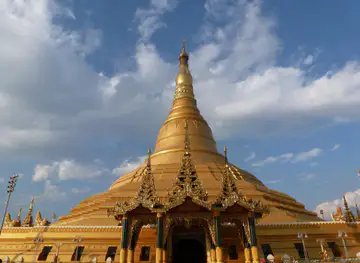
Bago Region’s attractions combine active Buddhist pilgrimage, royal history, archaeology and lowland nature. Bago city is the main centre, with the towering Shwemawdaw Pagoda, the long reclining Shwethalyaung Buddha, Kyaikpun Pagoda’s four seated Buddha images and the Kanbawzathadi Palace complex. These sites are not a single enclosed heritage park, so exploring them involves short road journeys through the modern city. Around Pyay, the archaeological zone of Sri Ksetra offers a broader and quieter encounter with ancient urban remains, including brick monuments, old walls and waterworks spread through agricultural country. Taungoo provides a historical contrast as the former base of the Toungoo dynasty, while the Bago Yoma introduces forested landscapes and opportunities for nature-focused excursions where access is available. Moeyungyi Wetland Wildlife Sanctuary is the region’s principal natural attraction, supporting seasonal birdlife across shallow lakes and marshes. Visitors should arrange rural excursions with reliable local assistance, since facilities, transport and access conditions are more limited than in Bago city.
-
Market
Bogyoke Aung San Market
Discover the vibrant Bogyoke Aung San Market in Myanmar, where local crafts, delicious food, and rich culture converge in a unique shopping experience.
-
Pagoda
Sule Pagoda
Experience the spiritual essence of Myanmar at Sule Pagoda, a stunning Buddhist temple in the heart of Yangon, rich in history and culture.
-
Buddhist temple
Mahamuni Pagoda
Explore the spiritual essence of Mandalay at Mahamuni Pagoda, home to the revered Mahamuni Buddha statue and a hub of local devotion.
-
Zoo
Yangon Zoo
Discover the vibrant wildlife and serene landscapes of Yangon Zoo, a perfect family-friendly destination in Myanmar's bustling capital.


Best landmarks in Bago Region
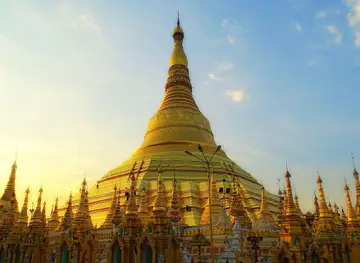
Shwemawdaw Pagoda is Bago’s defining landmark, its tall gilded form visible across the surrounding plain and associated with centuries of Mon and Burmese Buddhist devotion. The reclining Shwethalyaung Buddha is another major symbol of the city, while Kyaikpun Pagoda is distinguished by four colossal seated Buddha images arranged back to back. The reconstructed Kanbawzathadi Palace evokes the royal capital of the Toungoo dynasty, although it should be understood alongside the city’s surviving religious monuments rather than as an intact medieval palace. Sri Ksetra near Pyay is important on a different scale: its wide archaeological landscape, ancient walls and brick stupas convey the extent of Pyu urban civilisation. In the north, Taungoo’s name itself recalls the dynasty that expanded from the region to rule much of mainland Southeast Asia. Moeyungyi’s open wetland horizon and the forested Bago Yoma provide natural landmarks that contrast with the region’s built heritage.
-
Pagoda
Shwedagon Pagoda
Discover the awe-inspiring Shwedagon Pagoda, a timeless symbol of spirituality and beauty in the heart of Yangon, Myanmar.
-
Pagoda
Sule Pagoda
Explore the enchanting Sule Pagoda, a historic Buddhist temple in Yangon, offering a glimpse into Myanmar's rich cultural heritage and spiritual traditions.
-
Pagoda
Kyaik Htee Yoe Pagoda
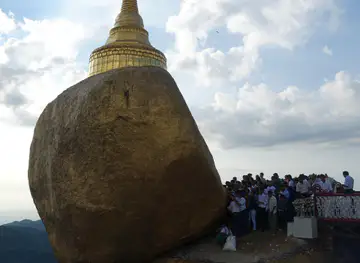
Discover the spiritual and natural beauty of Kyaik Htee Yoe Pagoda, a breathtaking Buddhist destination in Myanmar's Mon State.
-
Buddhist temple
Chaukhtatgyi Buddha Temple
Discover the awe-inspiring Chaukhtatgyi Buddha Temple in Yangon, home to Myanmar's largest reclining Buddha and a serene spot for spiritual reflection.



Explore Bago Region on the map
Plan your trip on one map. See where the top cities, national parks and sights are, and book hotels and experiences in a few clicks.
Best hotels in Bago Region
Best restaurants in Bago Region
Dining in Bago Region is grounded in the everyday cuisine of lower Myanmar rather than a distinct restaurant circuit. Rice is accompanied by fish, prawns, vegetable curries, soups, pickles and fermented seafood, while tea shops serve noodles, fried snacks and sweet or savoury pastries throughout the day. Bago’s markets and busy roadside eateries are useful places to observe local food habits, although visitors should choose establishments with good turnover and take care with drinking water. Mohinga, a fish-based rice-noodle soup associated with Myanmar as a whole, is commonly available, as are Shan and Chinese-influenced dishes in larger towns. Around Pyay and Taungoo, freshwater fish and produce from the surrounding agricultural areas feature prominently. Teashops, family-run restaurants and simple rice-and-curry counters are more characteristic than formal dining rooms. In rural districts, menus may be limited and English-language service uncommon, so a translation tool and flexibility are valuable.
-
Restaurant
LittleDuck(Restaurant)
Experience authentic Burmese cuisine at LittleDuck Restaurant in Kyaik Tho - where tradition meets taste.
-
Bistro
Burma Bistro
Experience authentic Myanmar flavors at Burma Bistro, where tradition meets modern dining in a vibrant setting.
-
French
Le Planteur Restaurants & Lounge
Experience the finest French cuisine in Yangon at Le Planteur – where elegance meets culinary excellence.
-
Fine Dining
SEEDS Restaurant & Lounge
Discover exquisite European flavors at SEEDS Restaurant & Lounge in Yangon - a fine dining experience crafted with passion and elegance.


Best bars in Bago Region
Bago Region does not have a major nightclub scene. Evening life in Bago, Taungoo and Pyay generally centres on tea shops, family restaurants, traditional beer stations and modest hotel or town-centre bars. Some venues may offer televised sport, conversation and occasional informal music, but opening arrangements and alcohol availability can change. In smaller settlements, nightlife is especially quiet after dinner, while rural areas have few organised evening facilities. Visitors should dress and behave respectfully near monasteries and religious precincts, and should not assume that drinking is an important part of local social life. A slower evening of street food, tea and an early start for sightseeing is more typical than late-night entertainment. Check locally for any current live-music or cultural performances rather than relying on old listings.
-
Bar
50th Street Restaurant & Bar
Discover the vibrant flavors of Yangon at 50th Street Restaurant & Bar, where culinary delights meet a lively social scene.
-
Bar
The Beer Factory Yangon
Experience the local beer culture at The Beer Factory Yangon, where craft brews and vibrant atmosphere come together in the heart of the city.
-
Grill
Byblos Pub & Grill
Experience the vibrant flavors of Byblos Pub & Grill in Yangon, where delicious food meets a lively atmosphere for an unforgettable dining experience.
-
Bar
Atlas Rooftop Bar & Lounge
Experience breathtaking views and exquisite cocktails at Yangon’s premier rooftop bar and lounge.


Best nightclubs in Bago Region
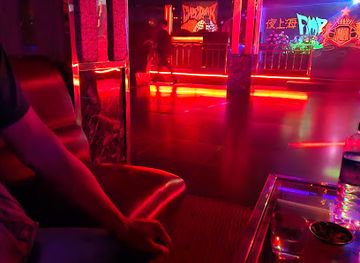
Bago Region does not have a major nightclub scene. Evening life in Bago, Taungoo and Pyay generally centres on tea shops, family restaurants, traditional beer stations and modest hotel or town-centre bars. Some venues may offer televised sport, conversation and occasional informal music, but opening arrangements and alcohol availability can change. In smaller settlements, nightlife is especially quiet after dinner, while rural areas have few organised evening facilities. Visitors should dress and behave respectfully near monasteries and religious precincts, and should not assume that drinking is an important part of local social life. A slower evening of street food, tea and an early start for sightseeing is more typical than late-night entertainment. Check locally for any current live-music or cultural performances rather than relying on old listings.
-
Disco club
Pioneer
Experience the vibrant energy of Pioneer, Yangon’s premier disco club, where unforgettable nights are filled with music, dance, and cultural flair.
-
Disco club
Emperor
Experience the vibrant nightlife at Emperor Disco Club, Yangon, where music, dancing, and socializing come together in a lively atmosphere.
-
Karaoke bar
BOSS KTV & BAR
Experience the vibrant nightlife of Pyinmana Township at BOSS KTV & BAR, where you can sing your heart out and enjoy local culture.
-
Disco club
Club 5
Discover the heart of Yangon's nightlife at Club 5 – a vibrant disco club that promises unforgettable nights filled with music and dancing.



Best shops in Bago Region
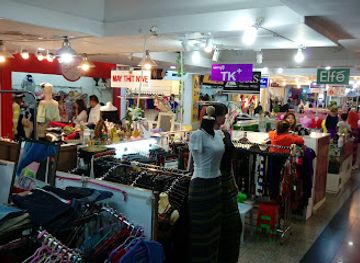
Shopping in Bago Region is primarily local and practical, with the greatest variety found in the markets and commercial streets of Bago, Taungoo and Pyay. Visitors can browse longyi fabrics, cotton clothing, woven goods, household wares, snacks, betel products and small Buddhist devotional items. Bago’s religious importance supports a trade in offerings and pilgrimage goods, although these should be bought thoughtfully and never removed from historic sites. Markets are also good places to find dried fish, pickles, jaggery, tea, spices and other edible products from lower Myanmar, subject to transport and customs restrictions. Outside the larger towns, roadside stalls and village markets offer fewer specialised souvenirs but a closer view of regional commerce. Bargaining may be customary in some markets, but it should remain courteous and modest. Genuine antique or archaeological objects should not be purchased, and travellers should check current export rules before taking culturally significant items out of Myanmar.
-
Shopping mall
Junction City
Explore Junction City, Yangon: A shopping paradise with global brands, diverse dining, and vibrant entertainment in the heart of Myanmar.
-
Shopping mall
Myanmar Plaza
Explore Myanmar Plaza in Yangon for an unforgettable shopping and dining experience, blending local culture with modern retail.
-
Shopping mall
City Mall St. John
Explore the vibrant shopping and dining scene at City Mall St. John, Yangon’s premier destination for urban delights and cultural experiences.
-
Shopping mall
Taw Win Centre
Discover Taw Win Centre in Yangon for a unique shopping experience blending local culture and modern retail therapy.


Get your free copy of our complete guide to Bago Region, delivered straight to you.
Everything on this page, from attractions and restaurants to essentials and local phrases, in one PDF you can read offline, print or share.
Already have an account? Sign in
Your Bago Region guide is ready.
We'll send it to · Not you? Sign out

Getting your guide ready…
We are putting together a fresh copy of the Bago Region guide. This can take up to a minute.
This can take a few moments. If your browser asks, choose Allow so the download can start. You'll find the guide in your Downloads folder.
Nothing happened? Download it again
Sorry, the guide is taking longer than usual. Please try again in a minute, or get it by email instead.
Bago Region essentials
Currency and Payment
Safety
Emergency Situations
Do's and Don'ts
Local Tips
From Eve
Local phrases worth knowing
You don't need to get them perfect. A few words go a long way, and locals appreciate the effort.
Basics
| English | Local | Say it |
|---|---|---|
| Hello | မင်္ဂလာပါ | [mingalar par] |
| Goodbye | သွားတော့မယ် | [thwa daumel] |
| Yes | ဟုတ်ကဲ့ | [hout ke] |
| No | မဟုတ်ပါဘူး | [ma hout par bu] |
| Please/You're welcome | ကျေးဇူးပြုပါ | [kyeizu pyu par] |
| Thank you | ကျေးဇူးအထူး | [kyeizu ahtu] |
| Excuse me/Sorry | ခွင့်လွှတ်ပါ | [khwin hlut par] |
| How are you? | ခင်ဗျားကောင်းလား | [khin bya kaung lar] |
| Fine. And you? | ကောင်းပါတယ်။ မင်းလဲ? | [kaung par tal. min le?] |
| Do you speak English? | အင်္ဂလိပ်စကားပြောလား? | [english sa kar pyaw lar?] |
| I don't understand | ငါမနားလည်ပါဘူး | [nga ma nar hlei par bu] |
Eating & Drinking
| English | Local | Say it |
|---|---|---|
| I'd like to see the menu, please | မင်္ဂလာပါ။ မီနူးကိုကြည့်ချင်ပါတယ် | [mingalar par. menu ko kyite chin par tal] |
| I don't eat meat | ငါသားစားမထားဘူး | [nga tha zar ma hta bu] |
| Cheers! | ကျန်းမာရေးအတွက်! | [kyaungma yay a twet!] |
| I would like to pay, please | ငါငွေပေးချင်ပါတယ် | [nga ngwe pay chin par tal] |
Emergencies
| English | Local | Say it |
|---|---|---|
| Help! | ကူညီပါ! | [ku nyi par!] |
| Go away! | သွားလိုက်ပါ! | [thwa lai par!] |
| Call the Police! | ရဲဘော်တွေကိုခေါ်ပါ! | [ye bo twe ko khaw par!] |
| Call a doctor! | ဒေါက်တာကိုခေါ်ပါ! | [doctor ko khaw par!] |
| I'm lost | ငါလမ်းလွတ်တယ် | [nga lan hlut tal] |
| I'm ill | ငါနာကျင်တယ် | [nga na kyin tal] |
Shopping
| English | Local | Say it |
|---|---|---|
| I'd like to buy... | ငါဝယ်ချင်ပါတယ်... | [nga wae chin par tal...] |
| I'm just looking | ငါတစ်ခုခုသာကြည့်နေတယ် | [nga ta khuh khu tha kyite nay tal] |
| How much is it? | ဒီဟာဘယ်လောက်လဲ? | [di ha beh laut le?] |
| That's too expensive | ဒီဟာစျေးကြီးပါတယ် | [di ha zay gyi par tal] |
| Can you lower the price? | စျေးနည်းစေချင်လား? | [zay nai say chin lar?] |
Time & Numbers
| English | Local | Say it |
|---|---|---|
| What time is it? | အချိန်ဘယ်နှစ်နာရီလဲ? | [a hkyin beh hna na yi le?] |
| It's one o'clock | နာရီတစ်နာရီပါ | [na yi ta na yi par] |
| Half past (10) | တစ်ဝက် (၁၀) | [ta wet (10)] |
| Morning | မနက် | [ma net] |
| Afternoon | နေ့လယ် | [nay leh] |
| Evening | ညနေ | [nya nay] |
| Yesterday | မနေ့က | [ma nay ga] |
| Today | ဒီနေ့ | [di nay] |
| Tomorrow | မနက်ဖြန် | [ma net phyan] |
| 1 | ၁ | [1] |
| 2 | ၂ | [2] |
| 3 | ၃ | [3] |
| 4 | ၄ | [4] |
| 5 | ၅ | [5] |
| 6 | ၆ | [6] |
| 7 | ၇ | [7] |
| 8 | ၈ | [8] |
| 9 | ၉ | [9] |
| 10 | ၁၀ | [10] |
Transport & Directions
| English | Local | Say it |
|---|---|---|
| Where's a/the...? | ဘယ်မှာ...လဲ? | [beh hma... le?] |
| What's the address? | လိပ်စာဘယ်လိုလဲ? | [leip sa beh lo le?] |
| Can you show me (on the map)? | မြေပုံပေါ်မှာပြပါ | [myae pone por hma pyaw par] |
| When's the next (bus)? | နောက်ဆုံး (ဘတ်စ်) ဘယ်အချိန်လဲ? | [naung sone (bus) beh a hkyin le?] |
| A ticket (to ....) | လက်မှတ် (သို့...) | [let hmat (tho...)] |
History of Bago Region
Pyu Cities and Early Urban Civilisation
The region around modern Pyay contains the remains of Sri Ksetra, one of the major Pyu city-states that flourished in central Myanmar from roughly the second century BCE into the ninth century CE. Its large walled area, brick stupas, water-management works and Buddhist monuments show a sophisticated urban society connected to wider networks across mainland Southeast Asia. Sri Ksetra formed part of the Pyu Ancient Cities, inscribed on the UNESCO World Heritage List in 2014. The archaeological landscape remains one of Bago Region’s clearest links with Myanmar’s earliest recorded urban traditions.
Bago and the Mon Kingdoms
Bago, historically known as Pegu or Hanthawaddy, emerged as an important centre of Mon power in lower Myanmar. Its position near waterways linking the interior with the Gulf of Martaban supported trade, religious patronage and political influence. Mon traditions remain especially strong in the region’s Buddhist culture and in the architecture and legends associated with Bago’s pagodas. Over time, the city became one of the principal political and religious centres of the lower country, attracting monasteries, merchants and pilgrims.
The Toungoo Dynasty and Royal Bago
In the sixteenth century, the Toungoo dynasty expanded from the area around Taungoo and created one of the largest empires in mainland Southeast Asia under King Bayinnaung. Bago became the dynasty’s principal royal capital, a court city of considerable wealth and international importance. The palace precinct, religious foundations and monumental pagodas associated with this period shaped the city’s enduring historical identity. Much of the royal architecture was later damaged or disappeared, but the memory of imperial Bago remains visible in the palace reconstructions and major religious sites.
War, Destruction and Repeated Reconstruction
Bago’s strategic importance also made it vulnerable during the wars that affected the Burmese kingdoms. Conflict between rival dynasties, invasions and later struggles for control of lower Myanmar repeatedly damaged the city. Earthquakes, including major tremors in the twentieth century, caused further destruction to pagodas and historic structures. Many monuments seen today therefore combine older foundations with later repairs and reconstruction. This layered appearance is important to understanding Bago: its religious significance has endured even though the physical royal city has been repeatedly transformed.
British Rule and the Expansion of Transport
After the British annexation of lower Myanmar in the nineteenth century, Bago became part of the colonial administrative and commercial system centred on the Irrawaddy and Sittaung plains. Roads, railways and river transport strengthened connections between Yangon, Bago, Taungoo and the interior. Rice cultivation expanded under colonial economic policies, while timber and other natural resources became increasingly significant. The period also altered settlement patterns, labour movement and commercial life, leaving traces in railway corridors, administrative buildings and the region’s continuing role as a transport link.
Taungoo, Timber and the Bago Yoma
The forested Bago Yoma has long influenced the economy and geography of the region. Timber extraction, elephant-based forestry traditions and later state-managed logging connected upland forests with towns such as Taungoo and Bago. These activities generated employment and trade but also placed pressure on forest ecosystems. The region’s contemporary landscape, divided between cultivated lowlands and wooded uplands, reflects this long relationship between agriculture, transport, timber and royal or colonial control of natural resources.
Modern Myanmar and the Heritage Economy
Since Myanmar’s independence in 1948, Bago Region has remained an important agricultural and transport area while its main historic cities have continued to serve as religious centres. Conservation, pilgrimage and domestic tourism have brought renewed attention to Bago’s monuments and Sri Ksetra’s archaeology. At the same time, access to parts of the region can be affected by infrastructure limitations and changing political and security conditions. The result is a destination where ancient sites, active Buddhist practice and contemporary rural life remain closely interwoven.
Bago Region in Photos
Browse through our photo collection highlighting the charm and character of the destination.
Neighbouring regions of Bago Region
The closest regions to Bago Region, if you have time for more than one.
-
-

-

-

-


Swipe for more regions
Explore more

Explore more of Myanmar (Burma)
Discover Myanmar: A land of golden pagodas, ancient temples, and breathtaking natural beauty, where warm hospitality and rich culture await every traveler.
Explore Myanmar (Burma)