

Free Kayah State Travel Guide & Mobile App
Explore Kayah State with free travel guides. Discover regional history, expert tips, proposed trips, and audio guides on web or mobile app.


Kayah State combines Loikaw's hilltop pagodas, Karenni cultural heritage and eastern Myanmar landscapes, but travel requires current security advice.
Read more about Kayah State
When is the best time to visit Kayah State?
Best: January–February, November · 22–26°C| Month | High (°C) | Rainfall (mm) |
|---|---|---|
| January (best) | 22 | 10 |
| February (best) | 24 | 20 |
| March | 28 | 25 |
| April | 31 | 40 |
| May | 32 | 80 |
| June | 30 | 120 |
| July | 30 | 160 |
| August | 29 | 160 |
| September | 29 | 120 |
| October | 29 | 80 |
| November (best) | 26 | 40 |
| December | 22 | 20 |
Getting to and around Kayah State
How to get there
Transportation
Best attractions in Kayah State
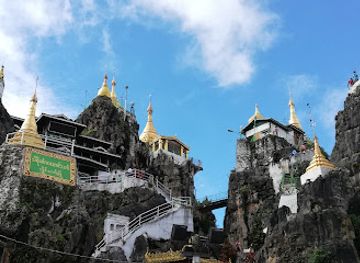
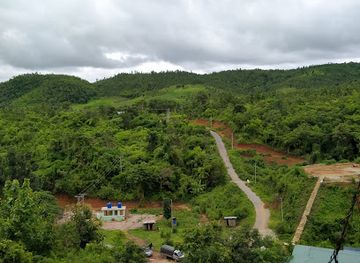
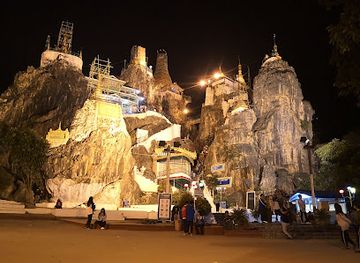
Kayah State's attractions are primarily cultural, historical and landscape-based, although access is presently constrained by conflict and changing restrictions. In Loikaw, Taung Kwe Pagoda rises from a cluster of limestone pinnacles and is the state's best-known religious landmark, while the city provides a starting point for understanding Karenni history and contemporary life. Rural areas around Demoso have been associated with village-based cultural visits, weaving and traditional architecture, but these communities have experienced displacement and disruption, so visits require current permission and careful local coordination. The eastern uplands offer forested hills, cultivated valleys and river scenery rather than a developed network of visitor facilities. Small monasteries, local markets and community craft traditions can be more revealing than formal museums, but photography and access should never be assumed. Outdoor activities such as trekking or cycling are limited by road conditions, unexploded ordnance risks, weather and security restrictions. Travellers should regard the region's attraction landscape as conditional and community-sensitive, not as a standard sightseeing circuit.
-
Tourist attraction
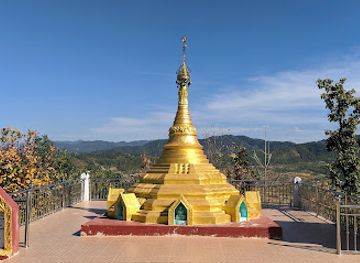
Sri Mingala Taung Taw (Taung Kwe Zedi)
Explore the mesmerizing Sri Mingala Taung Taw, a breathtaking pagoda in Loikaw, Myanmar, where culture and spirituality intertwine amidst stunning landscapes.
-
Tourist attraction
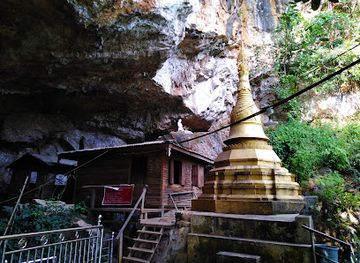
Kyat Cave
Unveil the natural beauty and spiritual depth of Kyat Cave in Loikaw, Myanmar—an unforgettable destination for every traveler seeking adventure and tranquility.
-
Buddhist temple
Hlay Khwin Taung Pagoda
Explore the serene beauty of Hlay Khwin Taung Pagoda, a peaceful Buddhist temple in Kyidaung, offering stunning views and rich cultural experiences.
-
Tourist attraction
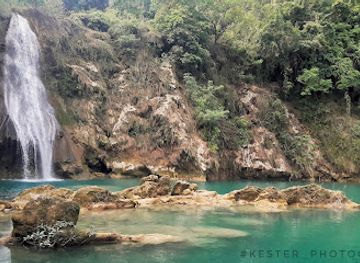
Law Pi Ta Waterfalls
Explore the stunning Law Pi Ta Waterfalls in Loikaw, Myanmar, where nature's beauty meets serene tranquility.

Best landmarks in Kayah State
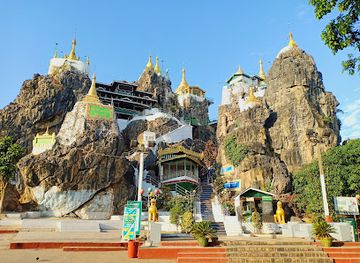
Taung Kwe Pagoda in Loikaw is Kayah State's defining landmark: its shrines occupy several steep limestone outcrops that rise dramatically above the city, creating a distinctive silhouette and a long-established place of Buddhist worship. The complex is significant not only visually but also as a reminder of Loikaw's role as the administrative and religious centre of the state. Beyond the capital, the landscape itself supplies the region's most important geographical landmarks, including wooded ridges, cultivated upland valleys and river corridors that have shaped settlement and travel. Religious buildings in towns and villages reflect Myanmar's wider Buddhist traditions alongside the varied cultural practices of Karenni communities, but many sites are modest and access may be restricted. Historic village forms, weaving traditions and local places of worship should be understood as living heritage rather than scenery arranged for visitors. Because conflict has affected roads and public spaces, travellers must confirm that any landmark is open and reachable before setting out.
-
Pagoda
Sri Mingala Taung Taw (Taung Kwe Zedi)
Discover the spiritual beauty and cultural heritage of Sri Mingala Taung Taw, a must-visit pagoda in Loikaw, Myanmar, offering stunning views and rich history.
-
Tourist attraction
Kyat Cave
Experience the natural beauty and geological wonders of Kyat Cave, a must-visit attraction in Loikaw, Myanmar, ideal for nature lovers and adventurers.
-
Buddhist temple
Hlay Khwin Taung Pagoda
Experience tranquility and breathtaking views at Hlay Khwin Taung Pagoda, a serene Buddhist temple in the heart of Kyidaung, Myanmar.
-
Tourist attraction
Law Pi Ta Waterfalls
Experience the breathtaking beauty and tranquility of Law Pi Ta Waterfalls, a must-visit natural wonder in Loikaw, Myanmar.
Explore Kayah State on the map
Plan your trip on one map. See where the top cities, national parks and sights are, and book hotels and experiences in a few clicks.
Best hotels in Kayah State
Best restaurants in Kayah State
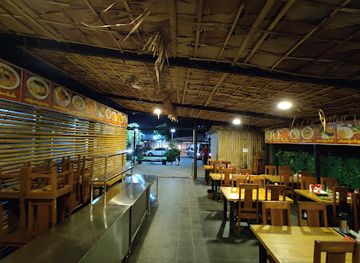
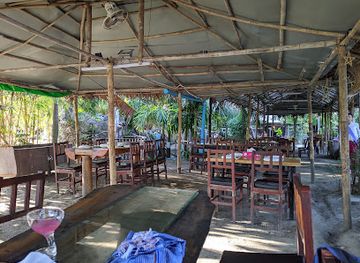
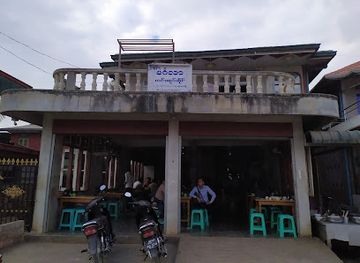
Dining in Kayah State is modest, local and closely tied to the upland food economy. In Loikaw, tea shops and small family-run eateries have traditionally served rice, noodle dishes, curries, soups, fried snacks and simple meals using seasonal vegetables, bamboo shoots, herbs, chilli and freshwater fish. Karenni and neighbouring highland food traditions vary between communities, so there is no single menu that represents the whole state; ask local hosts about ingredients and preparation rather than assuming a dish is exclusive to Kayah. Rural meals may be arranged through households or community projects, but availability is affected by conflict, displacement and shortages. Myanmar tea-shop customs, including shared tables and early daytime service, are more relevant than a formal fine-dining scene. Carrying basic provisions is sensible on longer journeys, as restaurants, markets, electricity and clean water may not be consistently available. Food safety precautions are important when refrigeration and supply chains are disrupted.
-
Food court
76 Mile Food Court
Explore authentic Burmese cuisine at 76 Mile Food Court on the Yangon-Mandalay Highway - a must-stop for travelers!
-
Halal
Karaweik Cafe 35
Experience authentic Indian flavors blended with traditional Myanmar tea at Karaweik Cafe 35 in Mandalay.
-
Fine Dining
Vista Do Rio Kayan Restaurant
Experience exquisite fine dining at Vista Do Rio Kayan Restaurant with breathtaking river views in Yangon.
-
Restaurant
Mingalar Traditional Food
Experience authentic Burmese cuisine at Mingalar Traditional Food in Loikaw – where every dish tells a story.

Best bars in Kayah State
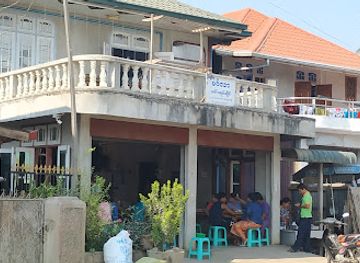
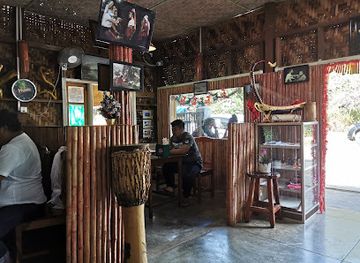
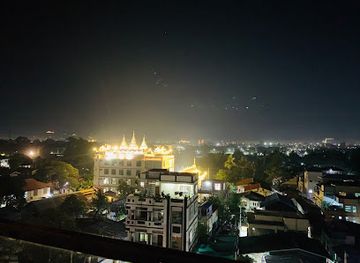
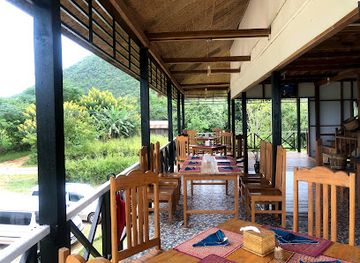
Kayah State does not have a substantial organised nightclub scene, and evening activity has traditionally centred on tea shops, casual restaurants, modest beer stations and social gatherings in Loikaw rather than dedicated entertainment districts. In smaller towns and villages, evenings are generally quiet, with limited commercial opening and few dependable options for visitors. The current security situation, curfews, electricity interruptions and displacement have further reduced nightlife and may make going out after dark inappropriate. Visitors should not treat drinking as a central cultural activity, and should follow local guidance on where movement is permitted. Hotel or guesthouse dining areas, when operating, may be the most practical source of an evening meal, but services cannot be assumed to run normally. Confirm arrangements locally and avoid photographing public activity, checkpoints or residents without permission.
-
Restaurant
Mingalar Traditional Food
Discover the essence of Burmese cuisine at Mingalar Traditional Food, a culinary treasure in Loikaw offering authentic flavors and delightful dishes.
-
Restaurant
Iora Traditional Food And Beverage
Discover the authentic taste of Myanmar at Iora Traditional Food And Beverage, a culinary delight in the heart of Loikaw.
-
Restaurant
Sky Bar
Experience breathtaking views and exquisite flavors at Sky Bar, Mandalay's premier rooftop restaurant and bar.
-
Restaurant
Marcopolo Restaurant Kayah State
Experience the authentic flavors of Kayah State at Marcopolo Restaurant in Demoso, where every meal tells a story.
Best nightclubs in Kayah State
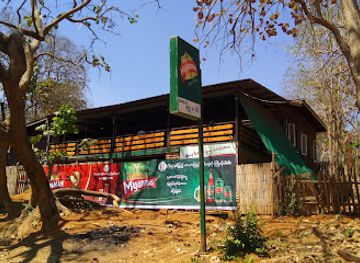
Kayah State does not have a substantial organised nightclub scene, and evening activity has traditionally centred on tea shops, casual restaurants, modest beer stations and social gatherings in Loikaw rather than dedicated entertainment districts. In smaller towns and villages, evenings are generally quiet, with limited commercial opening and few dependable options for visitors. The current security situation, curfews, electricity interruptions and displacement have further reduced nightlife and may make going out after dark inappropriate. Visitors should not treat drinking as a central cultural activity, and should follow local guidance on where movement is permitted. Hotel or guesthouse dining areas, when operating, may be the most practical source of an evening meal, but services cannot be assumed to run normally. Confirm arrangements locally and avoid photographing public activity, checkpoints or residents without permission.
-
Disco club
Pioneer
Discover the pulsating nightlife of Yangon at Pioneer, an iconic disco club where music and dancing create unforgettable moments.
-
Disco club
Emperor
Discover Yangon’s nightlife at Emperor Disco Club, where music and dancing create unforgettable experiences in a vibrant atmosphere.
-
Burmese
Shwe Ya Ti Myanmar Food
Savor authentic Burmese and Chinese cuisine at Shwe Ya Ti Myanmar Food in Loikaw, a must-visit culinary destination for every traveler.
-
Night club
Crush Bar
Explore the lively ambiance of Crush Bar in Yangon, where vibrant nightlife meets modern entertainment for an unforgettable experience.



Best shops in Kayah State
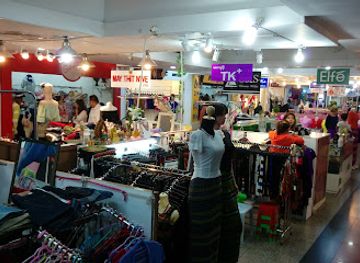
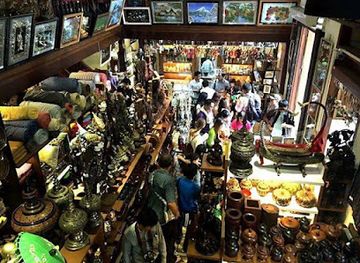
Shopping in Kayah State is concentrated in Loikaw's local markets, small provision shops and independent stalls rather than large retail centres. Visitors may find woven textiles, traditional clothing, baskets, carved or household items and locally produced foods, although selection and availability vary with transport and supply conditions. Textiles carry cultural meaning and should be bought respectfully, with attention to who made them and whether a community benefits from the sale. Fresh produce, rice products, chilli, tea and preserved foods can offer a more practical connection to local commerce than generic souvenirs. Rural markets may operate irregularly or become inaccessible, so do not build an itinerary around a particular market day without recent confirmation. Avoid purchasing archaeological objects, wildlife products or items presented as sacred. Bargaining may occur in informal markets, but a fair and courteous transaction is more appropriate than aggressive negotiation, especially where households and displaced communities are relying on small-scale sales.
-
Shopping mall
Taw Win Centre
Discover the vibrant shopping experience at Taw Win Centre, Yangon, where local culture meets modern retail in a bustling atmosphere.
-
Pagoda
Sri Mingala Taung Taw (Taung Kwe Zedi)
Experience spiritual serenity and stunning views at Sri Mingala Taung Taw Pagoda, an architectural marvel in Loikaw, Myanmar.
-
Tourist attraction
Kyat Cave
Discover the mystical beauty of Kyat Cave, a stunning natural attraction in Loikaw, Myanmar, rich in culture and adventure.
-
Souvenir store
Myanhouse Local Made ( Myanmar May )
Explore authentic Myanmar souvenirs at Myanhouse Local Made in Yangon, where culture meets craftsmanship.
Get your free copy of our complete guide to Kayah State, delivered straight to you.
Everything on this page, from attractions and restaurants to essentials and local phrases, in one PDF you can read offline, print or share.
Already have an account? Sign in
Your Kayah State guide is ready.
We'll send it to · Not you? Sign out

Getting your guide ready…
We are putting together a fresh copy of the Kayah State guide. This can take up to a minute.
This can take a few moments. If your browser asks, choose Allow so the download can start. You'll find the guide in your Downloads folder.
Nothing happened? Download it again
Sorry, the guide is taking longer than usual. Please try again in a minute, or get it by email instead.
Kayah State essentials
Currency and Payment
Safety
Emergency Situations
Do's and Don'ts
Local Tips
From Eve
Local phrases worth knowing
You don't need to get them perfect. A few words go a long way, and locals appreciate the effort.
Basics
| English | Local | Say it |
|---|---|---|
| Hello | မင်္ဂလာပါ | [Mingalarpar] |
| Goodbye | သွားမယ် | [Thwa mal] |
| Yes | ဟုတ်ပါတယ် | [Hote par tal] |
| No | မဟုတ်ပါဘူး | [Ma hote par boo] |
| Please/You're welcome | ကျေးဇူးပြုပြီး | [Kyeizu pyu pyi] |
| Thank you | ကျေးဇူးအထူး | [Kyeizu ah thu] |
| Excuse me/Sorry | ဆော်ခွင့်ပြုပါ | [Saw khwin pyu par] |
| How are you? | သင်ကောင်းလား | [Thin kaung la?] |
| Fine. And you? | ကောင်းပါတယ်၊ သင်呢? | [Kaung par tal, thin ne?] |
| Do you speak English? | အင်္ဂလိပ်စကားပြောလား | [English sa ka pyaw la?] |
| I don't understand | မနားလည်ပါဘူး | [Ma nar leh par boo] |
Eating & Drinking
| English | Local | Say it |
|---|---|---|
| I'd like to see the menu, please | မီနူးကိုကြည့်ချင်ပါတယ် | [Menu ko kyei chin par tal] |
| I don't eat meat | သားစားမလုပ်ပါ | [Thar sar ma loat par] |
| Cheers! | ကျန်းမာရေးအတွက်! | [Kyan ma yay at wat!] |
| I would like to pay, please | ငွေပေးချင်ပါတယ် | [Nwe pay chin par tal] |
Emergencies
| English | Local | Say it |
|---|---|---|
| Help! | ကူညီပါ! | [Ku nyi par!] |
| Go away! | သွားပါ! | [Thwa par!] |
| Call the Police! | ရဲတပ်ဖွဲ့ကိုခေါ်ပါ! | [Ye tat phwe ko khaw par!] |
| Call a doctor! | ဒေါက်တာကိုခေါ်ပါ! | [Doctor ko khaw par!] |
| I'm lost | ကျွန်တော်လမ်းလွှားနေပါတယ် | [Kyaung taw lan hla nay par tal] |
| I'm ill | ကျွန်တော်အနာကျင်ဖြစ်ပါတယ် | [Kyaung taw a na kyin phit par tal] |
Shopping
| English | Local | Say it |
|---|---|---|
| I'd like to buy... | ဝယ်ချင်ပါတယ်... | [Way chin par tal...] |
| I'm just looking | ရှာနေပါတယ် | [Sha nay par tal] |
| How much is it? | ဈေးဘယ်လောက်လဲ | [Zay beh laut leh?] |
| That's too expensive | ဈေးလွန်ပါတယ် | [Zay lwan par tal] |
| Can you lower the price? | ဈေးချိုးပေးနိုင်မလား | [Zay cho pe nai ma la?] |
Time & Numbers
| English | Local | Say it |
|---|---|---|
| What time is it? | ခုနစ်မလဲ? | [Khu nit ma leh?] |
| It's one o'clock | နံနက်တစ်နာရီ | [Nan net ta nay yi] |
| Half past (10) | တစ်နာရီခွဲ(10) | [Ta nay yi khwe (10)] |
| Morning | နံနက် | [Nan net] |
| Afternoon | နေ့လည် | [Nay lay] |
| Evening | ညနေ | [Nya nay] |
| Yesterday | မနေ့က | [Ma nay ka] |
| Today | ဒီနေ့ | [Di nay] |
| Tomorrow | မနက်ဖြန် | [Ma nat phyan] |
| 1 | ၁ | [1] |
| 2 | ၂ | [2] |
| 3 | ၃ | [3] |
| 4 | ၄ | [4] |
| 5 | ၅ | [5] |
| 6 | ၆ | [6] |
| 7 | ၇ | [7] |
| 8 | ၈ | [8] |
| 9 | ၉ | [9] |
| 10 | ၁၀ | [10] |
Transport & Directions
| English | Local | Say it |
|---|---|---|
| Where's a/the...? | ဘယ်မှာလဲ...? | [Beh hma leh...?] |
| What's the address? | လိပ်စာဘယ်လဲ? | [Leik sa beh leh?] |
| Can you show me (on the map)? | မြေပုံပေါ်မှာပြပါ | [Myei pon paw hma pyi par] |
| When's the next (bus)? | နောက်တစ်ခါ(ဘတ်စ်)ဘယ်တော့လဲ? | [Nauk ta khar (bus) beh taw leh?] |
| A ticket (to ....) | လက်မှတ်(သို့....) | [Let hmat (tho... )] |
History of Kayah State
Karenni Principalities before Colonial Rule
Before British annexation, the eastern uplands were organised through several Karenni principalities rather than a single centralised state. Their rulers maintained relationships with neighbouring Shan polities, Burmese kingdoms and communities across the frontier. The term Karenni, meaning Red Karen, became associated with these states and remains historically important, although the population includes several distinct ethnic groups. Political authority was often local and negotiated, shaped by mountain geography, trade routes and shifting alliances.
The 1875 Anglo-Burmese Agreement
In 1875, an agreement between Britain and the Burmese court recognised the independence of the Karenni states from direct Burmese administration. Britain nevertheless exercised increasing influence over the frontier and later treated the area as a protected territory linked to British Burma. This unusual constitutional position helped preserve local rulers for a time, while also fixing political boundaries that did not neatly correspond to the region's ethnic, linguistic or economic networks.
Colonial Frontier and the Union of Burma
During the colonial period, the Karenni territories were governed separately from much of central Burma, with limited roads and administration across the mountainous landscape. At independence in 1948, the Karenni states entered the Union of Burma under constitutional arrangements that recognised their distinctive status. The area was later officially known as Kayah State. Loikaw developed as the administrative centre, while most communities continued to depend on upland farming, forest resources and local trade.
Karenni Nationalist Movements after 1948
Armed conflict began in the Karenni region soon after Burmese independence. The Karenni National Progressive Party and its armed wing, the Karenni Army, emerged from demands for political autonomy and resistance to central control. Fighting, military operations and negotiations shaped life across the state for decades. The conflict contributed to displacement within Myanmar and across the Thai border, and it left many rural areas with limited infrastructure and restricted access.
Military Rule and the Formation of Modern Kayah State
The 1962 military coup transformed Myanmar's political system and intensified centralised administration. In Kayah State, state control, counter-insurgency operations and restrictions on movement affected villages, agriculture and local governance. Road construction and public services expanded unevenly, often alongside military pressure. The legacy is visible in the region's political sensitivities, displaced communities and continuing distrust of official institutions.
Conflict, Displacement and the Post-2021 Crisis
The 2021 military takeover led to renewed and intensified conflict across Kayah State, involving established ethnic armed organisations, newer resistance forces and the Myanmar military. Loikaw and several rural townships have experienced fighting, displacement, damage to homes and interruptions to education, healthcare, electricity and transport. This recent history is essential to understanding present-day travel conditions: access may be restricted, services may be disrupted and many residents remain affected by humanitarian need.
Kayah State in Photos
Browse through our photo collection highlighting the charm and character of the destination.
Neighbouring regions of Kayah State
The closest regions to Kayah State, if you have time for more than one.
-

-

-

-

-


Swipe for more regions
Explore more

Explore more of Myanmar (Burma)
Discover Myanmar: A land of golden pagodas, ancient temples, and breathtaking natural beauty, where warm hospitality and rich culture await every traveler.
Explore Myanmar (Burma)