

Free Mandalay Region Travel Guide & Mobile App
Explore Mandalay Region with free travel guides. Discover regional history, expert tips, proposed trips, and audio guides on web or mobile app.


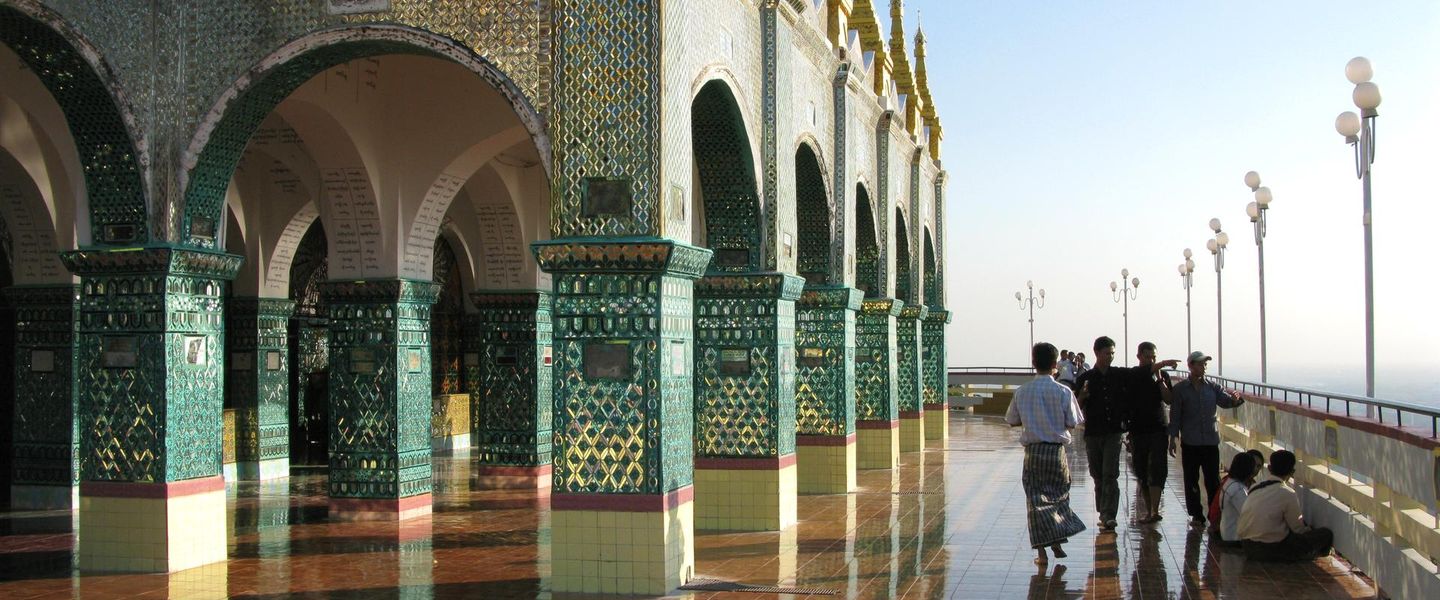


Explore Mandalay Region for Myanmar's royal capitals, Bagan's temple plain, Irrawaddy landscapes, craft traditions and cooler Pyin Oo Lwin.
Read more about Mandalay Region
When is the best time to visit Mandalay Region?
Best: December–February · 27–31°C| Month | High (°C) | Rainfall (mm) |
|---|---|---|
| January (best) | 28 | 2 |
| February (best) | 31 | 2 |
| March | 35 | 5 |
| April | 37 | 21 |
| May | 36 | 75 |
| June | 34 | 110 |
| July | 33 | 125 |
| August | 33 | 126 |
| September | 33 | 129 |
| October | 32 | 96 |
| November | 30 | 27 |
| December (best) | 27 | 4 |
Getting to and around Mandalay Region
How to get there
Transportation
Top city travel guides in Mandalay Region
The cities of Mandalay Region, and the easiest places to base yourself.
-

-

-

-

-

-


Swipe for more cities
Best attractions in Mandalay Region
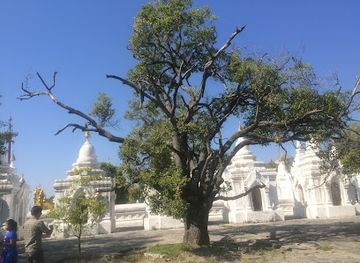
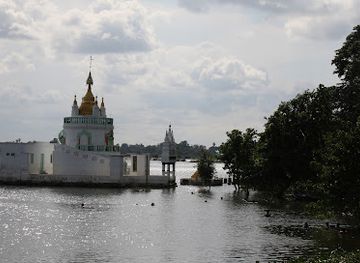
Mandalay Region's attractions range from royal and religious heritage to dry-zone landscapes and living craft traditions. In Mandalay, the former palace compound, Mahamuni Buddha Image, Shwenandaw Monastery and Kuthodaw Pagoda introduce the city's royal, devotional and scholarly history. Amarapura adds the remains of another Konbaung capital, monasteries and the long teak U Bein Bridge, while Inwa offers a rural archaeological setting of brick ruins and historic monastic buildings. Bagan is the region's largest heritage landscape, with temples, stupas, murals and village life distributed across a broad plain rather than confined to one monument. The cooler plateau town of Pyin Oo Lwin provides gardens, colonial-era architecture and a change of climate. South of the dry zone, Mount Popa combines a volcanic landform with longstanding nat traditions. Workshops in Mandalay and nearby towns are attractions in their own right, particularly for gold leaf, woodcarving, bronze and textile production. Conditions, access and conservation rules vary, so visitors should check locally before travelling to dispersed or less frequently visited sites.
-
Tourist attraction
Uppatasanti Pagoda
Experience the splendor of Uppatasanti Pagoda in Naypyidaw, a stunning Buddhist temple that embodies Myanmar's rich spiritual heritage.
-
Tourist attraction
Naypyitaw Water Fountain Park
Experience the enchanting water displays at Naypyitaw Water Fountain Park, a serene escape in Myanmar's capital, ideal for families and nature lovers.
-
Pagoda
Kakku Pagodas
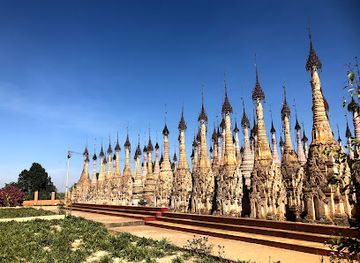
Explore the enchanting Kakku Pagodas, a hidden treasure in Myanmar with thousands of ancient stupas and a vibrant local culture waiting to be discovered.
-
Pagoda
Shwe Inn Dein Pagoda
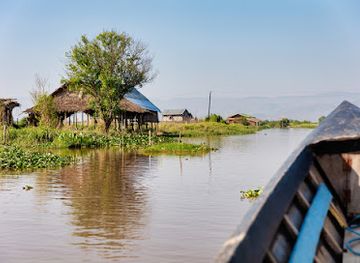
Discover the tranquil beauty and spiritual significance of Shwe Inn Dein Pagoda, a stunning collection of ancient stupas by Inle Lake.


Best landmarks in Mandalay Region
The Mandalay Palace citadel is the region's most recognisable urban landmark, its walls and moat expressing the planned setting of Myanmar's last royal capital, although much of the visible complex has been reconstructed or altered. Nearby, Kuthodaw Pagoda is distinguished by its many white shrine-like structures containing marble inscription slabs, while Shwenandaw Monastery is valued for its intricate teak carving and royal associations. The Mahamuni Buddha Image is one of Myanmar's most important Buddhist images and gives the surrounding city district a strong religious identity. At Amarapura, U Bein Bridge stretches across Taungthaman Lake and has become a highly recognisable image of the former capital, while Inwa's leaning watchtower and brick monasteries evoke earlier royal eras. In Bagan, the scattered temple plain is the landmark itself: Thatbyinnyu, Ananda and Dhammayangyi are among the most prominent monuments, but the wider landscape is historically more important than any single view. Mount Popa provides a contrasting natural landmark, rising above the dry zone and crowned by a sacred complex associated with nat worship.
-
Pagoda
Shwedagon Pagoda
Explore the breathtaking Shwedagon Pagoda in Yangon, a sacred site adorned with gold and a symbol of Myanmar's rich culture and spirituality.
-
Buddhist temple
Mahamuni Pagoda
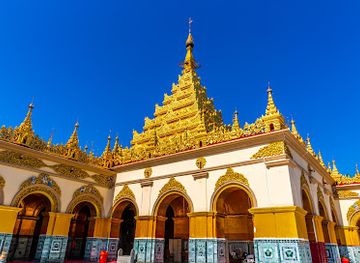
Explore Mahamuni Pagoda, a stunning Buddhist temple in Mandalay, home to a revered gold-leaf Buddha and rich cultural traditions.
-
Buddhist temple
Kuthodaw Pagoda
Explore Kuthodaw Pagoda in Mandalay, home to the world's largest book of Buddhist scriptures, a serene oasis of culture and spirituality.
-
Historical landmark
U-Bein Bridge
Discover the enchanting U-Bein Bridge in Mandalay, Myanmar - a stunning historical landmark and cultural experience set against breathtaking scenery.

Explore Mandalay Region on the map
Plan your trip on one map. See where the top cities, national parks and sights are, and book hotels and experiences in a few clicks.
Best hotels in Mandalay Region
Best restaurants in Mandalay Region
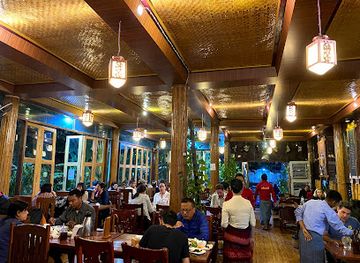
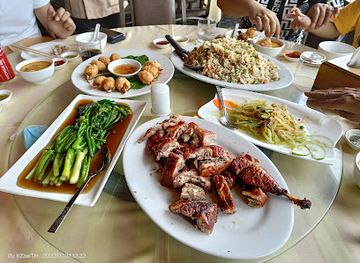
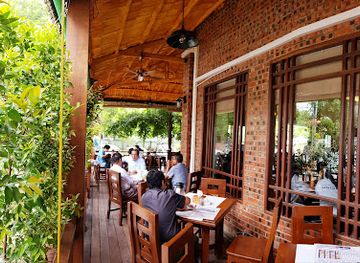
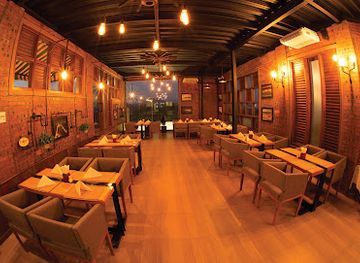
Mandalay Region's food reflects the cooking of Upper Myanmar, with rice, noodles, fermented ingredients, pulses, freshwater fish and seasonal vegetables central to everyday meals. Mandalay's tea shops, markets and family-run eateries are useful places to encounter dishes such as mohinga, noodle soups, grilled meats, pickled tea-leaf salads and regional curries, though recipes vary between cooks and communities. Bagan and Nyaung-U offer Burmese food alongside Shan, Chinese and Indian influences, while restaurants in visitor areas may also serve familiar international dishes. Pyin Oo Lwin's cooler climate and horticultural surroundings contribute fruit, vegetables and local produce to its markets and cafés. Tea shops remain important social and breakfast spaces, and traditional sweets, jaggery and palm products are associated with the dry zone. Food hygiene standards differ, so choose busy establishments, ensure cooked food is served hot and take care with untreated water. Beer and soft drinks are widely available, but imported products and card payment should not be assumed outside larger hotels.
-
Burmese
Mingalabar restaurant
Experience the rich flavors of Myanmar at Mingalabar Restaurant, where authentic Burmese cuisine meets warm hospitality in Mandalay.
-
Restaurant
Golden Duck Mandalay
Experience authentic Burmese flavors at Golden Duck Mandalay – where culinary traditions meet modern dining in the heart of Myanmar.
-
Burmese
Unique Mandalay Tea Room
Experience authentic Burmese cuisine and warm hospitality at Unique Mandalay Tea Room, your gateway to local flavors and traditions.
-
Restaurant
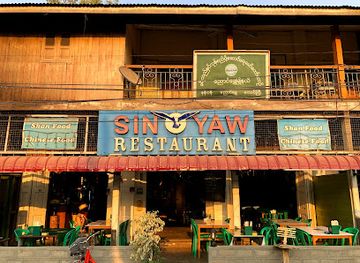
Sin Yaw Restaurant
Experience authentic Burmese cuisine in a welcoming atmosphere at Sin Yaw Restaurant in Nyaungshwe.
Best bars in Mandalay Region
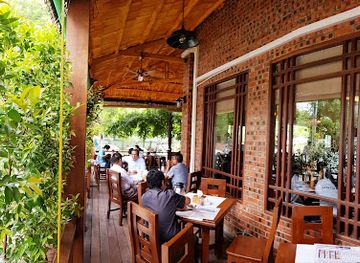
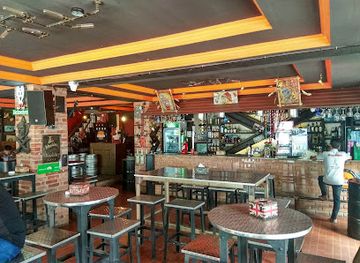
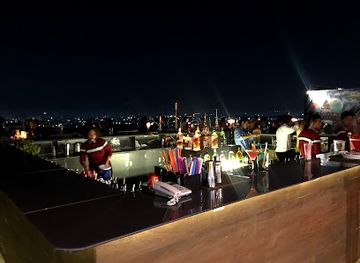
Evening life in Mandalay Region is generally modest and social rather than built around large nightclubs. Mandalay has the widest selection of beer stations, tea shops, hotel bars, casual restaurants and occasional live-music venues, while Bagan and Nyaung-U centre their evenings on restaurants, locally oriented bars and accommodation-based dining. Pyin Oo Lwin has a quieter café and restaurant culture, with some venues aimed at weekend visitors. In smaller towns and rural areas, traditional teashops and family gatherings are more significant than late-night entertainment. Opening arrangements, alcohol availability and transport after dark can change with local conditions, and visitors should avoid wandering near sensitive sites or poorly lit roads. Drinking is not necessary to participate in regional evening life; sunset scenery, food, conversation and cultural performances where legitimately available provide more typical alternatives.
-
Burmese
Unique Mandalay Tea Room
Indulge in authentic Burmese flavors and a welcoming atmosphere at Unique Mandalay Tea Room, the heart of Mandalay's tea culture.
-
Bar
Apex Sky Bar
Experience breathtaking city views and vibrant nightlife at Mandalay's Apex Sky Bar, the ultimate rooftop destination for socializing and relaxation.
-
Bar
The Rock Gastro Bar
Discover The Rock Gastro Bar in Mandalay, where local flavors meet a chic atmosphere for an unforgettable dining experience.
-
Bar
Brolly Sky Bar
Discover the best of Mandalay's nightlife at Brolly Sky Bar, where breathtaking views and exquisite drinks create an unforgettable atmosphere.

Best nightclubs in Mandalay Region
Evening life in Mandalay Region is generally modest and social rather than built around large nightclubs. Mandalay has the widest selection of beer stations, tea shops, hotel bars, casual restaurants and occasional live-music venues, while Bagan and Nyaung-U centre their evenings on restaurants, locally oriented bars and accommodation-based dining. Pyin Oo Lwin has a quieter café and restaurant culture, with some venues aimed at weekend visitors. In smaller towns and rural areas, traditional teashops and family gatherings are more significant than late-night entertainment. Opening arrangements, alcohol availability and transport after dark can change with local conditions, and visitors should avoid wandering near sensitive sites or poorly lit roads. Drinking is not necessary to participate in regional evening life; sunset scenery, food, conversation and cultural performances where legitimately available provide more typical alternatives.
-
Karaoke bar
BOB KTV
Experience the vibrant nightlife of Mandalay at BOB KTV, the ultimate karaoke bar for unforgettable singing sessions and fun.
-
Bar
Apex Sky Bar
Experience the breathtaking views and vibrant atmosphere of Apex Sky Bar in Mandalay, the perfect setting for unforgettable evenings.
-
Bar
The Rock Gastro Bar
Discover the vibrant flavors of Mandalay at The Rock Gastro Bar, where modern cuisine meets local charm in a lively atmosphere.
-
Bar
Brolly Sky Bar
Discover breathtaking views and a vibrant atmosphere at Brolly Sky Bar, Mandalay’s premier rooftop destination for drinks and dining.



Best shops in Mandalay Region
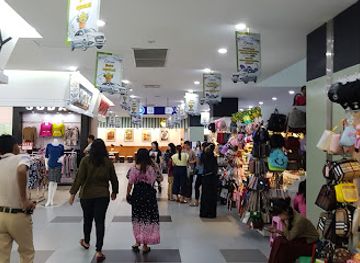
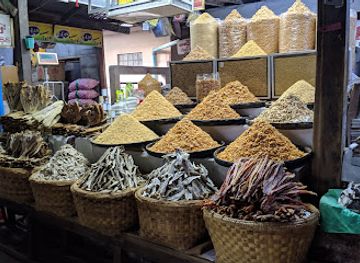
Mandalay is the region's principal shopping centre, with markets, traditional workshops and streets of small retailers rather than one dominant luxury district. Visitors can look for gold leaf, lacquerware, carved wood, bronze images, marionettes, textiles and locally made clothing, but should ask about materials, workmanship and whether an item may legally be exported. Markets also sell jaggery, dried foods, tea, spices and seasonal produce from the surrounding dry zone. Bagan and Nyaung-U have shops and stalls specialising in lacquerware, paintings, woven goods and souvenirs, with quality varying considerably; buying directly from established workshops can provide clearer information about production. Pyin Oo Lwin is known for local produce, fruit, flowers and small craft and food shops rather than extensive department-store shopping. Bargaining may be customary in markets, but it should remain courteous and proportionate, and visitors should avoid purchasing antiquities or religious objects whose provenance and export status are uncertain.
-
Hypermarket
Ocean Supercenter
Discover the essence of Mandalay at Ocean Supercenter, your one-stop hypermarket for shopping, dining, and family fun.
-
Market
Zay Cho
Discover the vibrant energy and local flavors at Zay Cho, Mandalay's premier market for authentic shopping experiences.
-
Business park
Mingalar Mandalay
Discover the vibrant mix of culture and commerce at Mingalar Mandalay, the heart of Mandalay's modern business landscape.
-
Shopping mall
Diamond Plaza
Discover the vibrant shopping, dining, and entertainment options at Diamond Plaza in Mandalay, a perfect destination for tourists and locals alike.

Get your free copy of our complete guide to Mandalay Region, delivered straight to you.
Everything on this page, from attractions and restaurants to essentials and local phrases, in one PDF you can read offline, print or share.
Already have an account? Sign in
Your Mandalay Region guide is ready.
We'll send it to · Not you? Sign out

Getting your guide ready…
We are putting together a fresh copy of the Mandalay Region guide. This can take up to a minute.
This can take a few moments. If your browser asks, choose Allow so the download can start. You'll find the guide in your Downloads folder.
Nothing happened? Download it again
Sorry, the guide is taking longer than usual. Please try again in a minute, or get it by email instead.
Mandalay Region essentials
Currency and Payment
Safety
Emergency Situations
Do's and Don'ts
Local Tips
From Eve
Local phrases worth knowing
You don't need to get them perfect. A few words go a long way, and locals appreciate the effort.
Basics
| English | Local | Say it |
|---|---|---|
| Hello | မင်္ဂလာပါ | [mingalaba] |
| Goodbye | သွားတော့မယ် | [thwa dor mel] |
| Yes | ဟုတ်ပါတယ် | [hoat par de] |
| No | မဟုတ်ပါဘူး | [ma hoat par bu] |
| Please/You’re welcome | ကျေးဇူးပြုပါ | [kyeizu pyu ba] |
| Thank you | ကျေးဇူးတင်ပါတယ် | [kyeizu tin par de] |
| Excuse me/Sorry | ချို့တဲ့တာများ | [chote de tar mya] |
| How are you? | နေကြနေပါသလား? | [ne kya nay par tha la?] |
| Fine. And you? | ကောင်းပါတယ်။ သင်呢? | [kaung par de. thin ne?] |
| Do you speak English? | အင်္ဂလိပ်စကားပြောလား? | [english za ga pyaw la?] |
| I don't understand | နားမလည်ပါဘူး | [nar ma hle par bu] |
Eating & Drinking
| English | Local | Say it |
|---|---|---|
| I’d like to see the menu, please | မင်းစားသောက်စာရင်းကိုကြည့်ချင်ပါတယ် | [min sa thauk sa yin go kyay chin par de] |
| I don’t eat meat | သားအစားမစားပါဘူး | [tha a sar ma sa par bu] |
| Cheers! | ကျန်းမာရေးအတွက် | [kyan ma yay a twat] |
| I would like to pay, please | ငါငွေပေးချင်ပါတယ် | [nga ngwe pay chin par de] |
Emergencies
| English | Local | Say it |
|---|---|---|
| Help! | ကူညီပါ! | [ku nyi par!] |
| Go away! | သွားရှင်းပါ! | [thwa shin par!] |
| Call the Police! | ရဲတပ်ဖွဲ့ကိုခေါ်ပါ! | [ye tat phwe ko khaw par!] |
| Call a doctor! | ဆရာဝန်ကိုခေါ်ပါ! | [saya wun ko khaw par!] |
| I’m lost | ကျွန်တော်လမ်းလွဲနေတယ် | [kyaung taw lan lwe nay tal] |
| I’m ill | ကျွန်တော်အနာကျင်နေတယ် | [kyaung taw a na kyin nay tal] |
Shopping
| English | Local | Say it |
|---|---|---|
| I’d like to buy... | ငါဝယ်ချင်ပါတယ်... | [nga we chin par de] |
| I’m just looking | ငါကြည့်နေတယ် | [nga kyay nay tal] |
| How much is it? | ဈေးဘယ်လောက်လဲ? | [zei beh laut le?] |
| That’s too expensive | ဈေးလွှမ်းတဲ့အထိ | [zei hlan de a hti] |
| Can you lower the price? | ဈေးကိုလျှော့ပေးနိုင်မလား? | [zei ko lyaw pay nain ma la?] |
Time & Numbers
| English | Local | Say it |
|---|---|---|
| What time is it? | အချိန်ဘယ်နှစ်နာရီလဲ? | [a hkyin beh hnit na yi le?] |
| It’s one o'clock | တစ်နာရီ | [ta na yi] |
| Half past (10) | ဆယ်ကိုဝက် | [shel ko wet] |
| Morning | မနက် | [ma nak] |
| Afternoon | နေ့လည် | [nay lay] |
| Evening | ည | [nya] |
| Yesterday | မနေ့က | [ma nay ka] |
| Today | ဒီနေ့ | [di nay] |
| Tomorrow | မနက်ဖြန် | [ma nak phyan] |
| 1 | ၁ | [one] |
| 2 | ၂ | [two] |
| 3 | ၃ | [three] |
| 4 | ၄ | [four] |
| 5 | ၅ | [five] |
| 6 | ၆ | [six] |
| 7 | ၇ | [seven] |
| 8 | ၈ | [eight] |
| 9 | ၉ | [nine] |
| 10 | ၁၀ | [ten] |
Transport & Directions
| English | Local | Say it |
|---|---|---|
| Where's a/the...? | ဘယ်မှာ...ရှိလဲ? | [beh hma...shi le?] |
| What’s the address? | လိပ်စာဘယ်လိုလဲ? | [leip sa beh lo le?] |
| Can you show me (on the map)? | မြေပုံပေါ်မှာပြပါ? | [myae pone par hma pyaw ba?] |
| When's the next (bus)? | နောက်ထပ် (ဘတ်စ်) ဘာရောက်မလဲ? | [nauk htup (bus) ba rauk ma le?] |
| A ticket (to ....) | လက်မှတ် (သို့....) | [let hmat (tho....)] |
History of Mandalay Region
Early Civilisations and the Dry Zone
The plains of central Myanmar have supported settled communities for many centuries, with irrigation, river transport and agriculture shaping the region's development. Earlier Pyu urban traditions influenced the wider dry zone before the rise of Pagan, while archaeological remains at places such as Tagaung point to the long history of settlement along the upper Irrawaddy. The river was especially important: it connected farming areas, political centres and trading communities, although its course and seasonal flooding also affected where towns could prosper.
Pagan Kingdom, Eleventh to Thirteenth Centuries
The Pagan Kingdom made the central dry zone the centre of a powerful Buddhist state between the eleventh and thirteenth centuries. Its capital, now represented by the archaeological landscape of Bagan in Mandalay Region, controlled irrigation systems and important river routes while sponsoring monasteries, stupas and temples. Surviving murals, inscriptions and brick architecture show the scale of religious and artistic patronage. Political power later fragmented, but Bagan's monuments continued to shape Myanmar's Buddhist culture and remain the region's defining historic legacy.
Ava and the Medieval Royal Capitals
After Pagan's decline, political authority shifted among several Upper Myanmar centres. Ava, known locally as Inwa, became a major royal capital from the fourteenth century and was repeatedly rebuilt after warfare and earthquakes. Its location amid waterways offered defensive advantages but also made access and administration difficult. The surviving remains, including brick monasteries and watchtowers, belong to a wider period in which Upper Myanmar's rulers competed for control of the Irrawaddy basin and the agricultural lands surrounding it.
Amarapura and the Konbaung Dynasty
The Konbaung dynasty successively used Shwebo, Sagaing, Amarapura and Mandalay as royal centres. King Bodawpaya established Amarapura in 1783, and it served as the capital during important periods before the court returned there after a move to Ava. King Mindon later founded Mandalay in 1857, partly in response to political pressures and the loss of Lower Myanmar to the British. Amarapura's palace site, monasteries and U Bein Bridge preserve the physical memory of this era, even though much of the original capital has disappeared.
Mandalay under British Rule, 1885–1942
British forces annexed Upper Myanmar in 1885 after the Third Anglo-Burmese War, ending the independent Burmese monarchy. Mandalay's palace was converted to military use, and the city developed within a colonial administrative and commercial system linked to river transport, railways and expanding markets. British rule altered landholding, trade and education while bringing migration from across the region and beyond. Colonial buildings and the urban street plan remain visible, although wartime destruction and later redevelopment changed much of the historic city.
War, Independence and Urban Transformation
Central Myanmar became a major theatre of conflict during the Second World War, when Japanese and Allied forces fought across Burma and transport routes along the Irrawaddy gained strategic importance. After independence in 1948, Mandalay remained an important regional centre for trade, religious learning and manufacturing. Rapid population growth, road development and expanding suburbs have transformed the city, while Bagan, Inwa and Amarapura have increasingly been managed as heritage landscapes. Earthquakes, including the damaging 2016 event, have also affected historic monuments and conservation work.
Craft Industries and Contemporary Mandalay Region
Traditional workshops remain an important part of Mandalay Region's cultural economy. Gold-leaf beating, bronze casting, woodcarving, stone sculpture, silk and cotton weaving, and marionette production developed through royal, religious and commercial patronage. These crafts are not simply museum traditions: they continue in family workshops and small businesses, although changing markets and economic pressures affect their future. Tourism has brought new attention to these skills, while current instability and restrictions have made access, employment and conservation conditions uneven across the region.
Mandalay Region in Photos
Browse through our photo collection highlighting the charm and character of the destination.
Neighbouring regions of Mandalay Region
The closest regions to Mandalay Region, if you have time for more than one.
-

-

-

-

-


Swipe for more regions
Explore more

Explore more of Myanmar (Burma)
Discover Myanmar: A land of golden pagodas, ancient temples, and breathtaking natural beauty, where warm hospitality and rich culture await every traveler.
Explore Myanmar (Burma)