

Free Rakhine Yoma Travel Guide & Mobile App
Explore Rakhine Yoma with free travel guides. Discover regional history, expert tips, proposed trips, and audio guides on web or mobile app.


Rakhine Yoma reveals Myanmar’s remote forested mountain divide, shaped by difficult terrain, ecological importance and frontier history.
Read more about Rakhine Yoma
When is the best time to visit Rakhine Yoma?
Best: December–February · 28–32°C| Month | High (°C) | Rainfall (mm) |
|---|---|---|
| January (best) | 29 | 2 |
| February (best) | 32 | 5 |
| March | 37 | 15 |
| April | 39 | 50 |
| May | 34 | 150 |
| June | 31 | 300 |
| July | 30 | 400 |
| August | 30 | 400 |
| September | 30 | 300 |
| October | 30 | 150 |
| November | 30 | 50 |
| December (best) | 28 | 5 |
Getting to and around Rakhine Yoma
How to get there
Transportation
Top city travel guides in Rakhine Yoma
The cities of Rakhine Yoma, and the easiest places to base yourself.
-

-

-

-


Swipe for more cities
Destinations in Rakhine Yoma
Resorts, valleys and scenic spots worth a trip of their own.
-

-


Swipe for more destinations
Best attractions in Rakhine Yoma
Rakhine Yoma does not have a conventional portfolio of visitor attractions, but its principal interest lies in forested mountain scenery, river valleys, frontier geography and the relationship between the range and the Rakhine coast. In theory, the landscape offers opportunities for carefully controlled nature observation, environmental research and historically informed exploration of old routes. In practice, access is limited by conflict, permissions, poor infrastructure and the absence of marked trails or developed visitor facilities. There are no established resort areas or dependable network of public viewpoints within the range. Visitors should not assume that a forest path is a hiking route or that a historical location is open for tourism. The most responsible experiences are likely to be arranged through authorised local organisations, researchers or heritage specialists, subject to current conditions. Nearby lowland areas may provide a more practical introduction to Rakhine’s history, culture and landscape, but they should be described separately from the mountain range itself. The region’s attraction is therefore one of scale and remoteness: a steep ecological and cultural divide whose forests, passes and river corridors explain much about western Myanmar’s history.
-
Pagoda
Sule Pagoda
Discover the spiritual and architectural wonder of Sule Pagoda, a key cultural landmark in the heart of Yangon, Myanmar.
-
Pagoda
Kyaik Htee Yoe Pagoda
Experience the breathtaking beauty and spiritual depth of Kyaik Htee Yoe Pagoda, a UNESCO-listed gem in Myanmar that captures the essence of Buddhist devotion.
-
Buddhist temple
Chaukhtatgyi Buddha Temple
Explore the grandeur of Chaukhtatgyi Buddha Temple, home to Myanmar's largest reclining Buddha, a must-see spiritual and cultural landmark in Yangon.
-
Beach
Ngapali Beach
Discover the serene beauty of Ngapali Beach, Myanmar's tropical paradise with pristine sands and vibrant waters, perfect for relaxation and adventure.

Best landmarks in Rakhine Yoma
Rakhine Yoma’s most significant landmarks are geographical rather than monumental. The continuous forested ridges themselves mark the historic divide between the Rakhine coastal plain and Myanmar’s inland basins, while the valleys and passes illustrate why travel, administration and military campaigns were so difficult. River corridors crossing or skirting the range have long influenced settlement and movement, but many are not developed viewpoints or safe visitor sites. The mountain chain also forms the setting for the western Burma battlefields of the Second World War, although battlefield traces are dispersed, poorly interpreted and potentially hazardous. Unlike better-known regions of Myanmar, Rakhine Yoma has no reliable concentration of castles, monumental temples or civic buildings that can be visited as a standard sightseeing itinerary. Its landmark value comes from terrain, historical position and ecological continuity. Any named pass, track, bridge or wartime site should be approached only after current verification, because maps may be outdated and access may be restricted or unsafe.
-
Pagoda
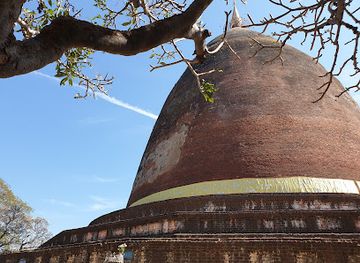
Shwe Nat Taung Pagoda
Explore the serenity and cultural richness of Shwe Nat Taung Pagoda, a must-visit spiritual landmark in Shwedaung, Myanmar.
-
Historical landmark
Thone Pan Hla
Explore the captivating Thone Pan Hla in Pyay, a historical landmark merging ancient architecture with rich Buddhist heritage.
-
Engineering school
Pyay Technological University
Explore the innovative spirit of engineering at Pyay Technological University, a hallmark of education and research in Myanmar, set in the picturesque city of Pyay.
-
Historical landmark
Srikestra city wall and gate get verified
Explore the historic Srikestra City Wall and Gate in Pyay, a landmark that narrates the rich history and culture of ancient Myanmar.


Explore Rakhine Yoma on the map
Plan your trip on one map. See where the top cities, national parks and sights are, and book hotels and experiences in a few clicks.
Best hotels in Rakhine Yoma
Best restaurants in Rakhine Yoma
Rakhine Yoma has no developed restaurant scene or recognised culinary circuit within its forested interior. Food for any authorised journey would normally need to be arranged in advance, carried in, or prepared through local households and field camps, with menus shaped by availability rather than tourism. In the surrounding Rakhine lowlands, Rakhine cooking is associated with rice, freshwater and marine fish, dried seafood, chillies, sour flavours and substantial use of fermented or preserved ingredients. Inland foothill communities have their own food traditions, reflecting local crops, forest products and ethnic diversity. Travellers should not assume that familiar urban restaurant standards, refrigeration or safe drinking water will be available in the mountains. Dietary requirements require advance planning, and visitors should carry contingency provisions. Any meal arranged locally should be approached respectfully, with attention to permission, hygiene and the sensitivities of communities living under difficult conditions.
-
Restaurant
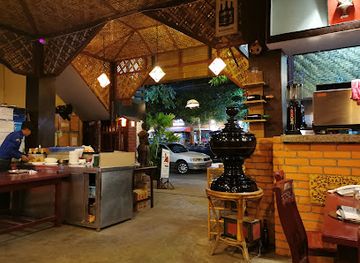
Unique Myanmar Restaurant
Experience authentic Burmese and Chinese cuisine in Mandalay at Unique Myanmar Restaurant—a true culinary gem in the heart of Chanayethazan.
-
Restaurant
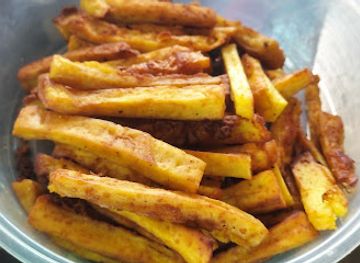
ကြီးတော်ကြီး (ရခိုင်မုန့်တီ)
Experience authentic local cuisine at ကြီးတော်ကြီး (ရခိုင်မုန့်တီ), where every dish tells a story and delights your palate.
Best bars in Rakhine Yoma
There is no established bar or nightclub culture in Rakhine Yoma. Evenings in the mountain area are more likely to centre on rest, local household life or arrangements at a field camp than on commercial entertainment. Alcohol should not be treated as part of the visitor experience, particularly in areas affected by conflict or where access is tightly controlled. More conventional evening venues may exist in larger lowland towns outside the range, but nightlife varies widely and can be curtailed by security restrictions, curfews or transport limitations. Travellers should avoid moving after dark, gathering near checkpoints or photographing public activity without permission. The region’s evening character is defined by remoteness and limited infrastructure rather than by a recognised entertainment district.
-
Mountain range
Chin Hills
Explore the breathtaking Chin Hills, a stunning mountain range in Myanmar, offering rich culture, scenic beauty, and endless adventures for every traveler.
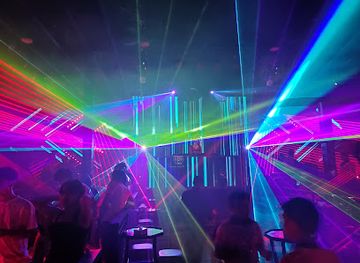
Best nightclubs in Rakhine Yoma
There is no established bar or nightclub culture in Rakhine Yoma. Evenings in the mountain area are more likely to centre on rest, local household life or arrangements at a field camp than on commercial entertainment. Alcohol should not be treated as part of the visitor experience, particularly in areas affected by conflict or where access is tightly controlled. More conventional evening venues may exist in larger lowland towns outside the range, but nightlife varies widely and can be curtailed by security restrictions, curfews or transport limitations. Travellers should avoid moving after dark, gathering near checkpoints or photographing public activity without permission. The region’s evening character is defined by remoteness and limited infrastructure rather than by a recognised entertainment district.
-
Disco club
Pioneer
Discover the lively atmosphere of Pioneer Disco Club, Yangon’s premier destination for unforgettable nightlife and electrifying dance experiences.
-
Disco club
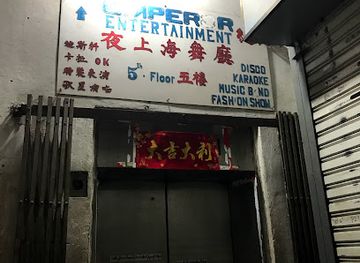
Emperor
Explore the vibrant nightlife of Yangon at Emperor Disco Club, where dance, music, and unforgettable memories come together.
-
Club
The Maze - Night Club
Experience the vibrant nightlife at The Maze Night Club, Yangon's ultimate destination for music, dancing, and unforgettable moments.
-
Night club
Fuse
Discover the vibrant nightlife of Fuse, Yangon’s premier nightclub, offering electrifying music, stunning visuals, and an unforgettable party atmosphere.


Best shops in Rakhine Yoma
Rakhine Yoma has no established shopping district, craft market or dependable range of tourist-oriented retail. In remote settlements, purchases are generally limited to everyday necessities, and availability can be seasonal or irregular. Visitors should not expect souvenirs, specialist outdoor equipment or reliable replacement supplies once they enter the mountain area. Shopping in nearby lowland communities may offer locally produced food, woven goods or practical household items, but products and markets vary between communities and should not be presented as a single regional retail tradition. Where travel is authorised, buying modest quantities of locally made goods directly from producers can provide useful support, provided that the transaction is appropriate and does not exploit scarcity. Do not purchase archaeological objects, wartime artefacts, protected wildlife products, rare timber or plants. Carry essential equipment and medicines from a larger, well-served town before approaching the range.
-
Shopping mall
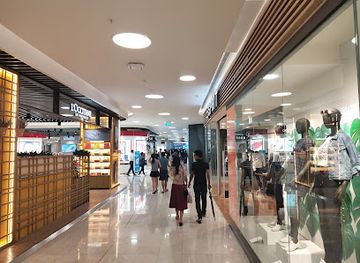
Junction City
Discover Junction City, Yangon’s vibrant shopping mall offering the best in shopping, dining, and entertainment.
-
Shopping mall
Myanmar Plaza
Discover the vibrant shopping and dining at Myanmar Plaza, where local culture meets modern retail in the heart of Yangon.
-
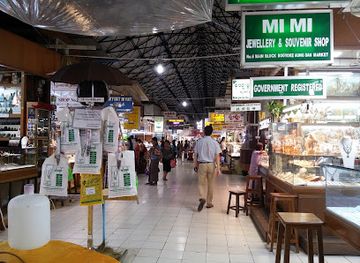
Market
Bogyoke Aung San Market
Explore the vibrant Bogyoke Aung San Market, a cultural haven in Pabedan, Myanmar, filled with crafts, food, and local traditions.
-
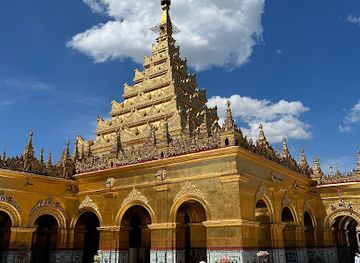
Buddhist temple
Mahamuni Pagoda
Explore the serene Mahamuni Pagoda, home to the sacred Mahamuni Buddha statue, and immerse yourself in Mandalay's rich spiritual and cultural heritage.

Get your free copy of our complete guide to Rakhine Yoma, delivered straight to you.
Everything on this page, from attractions and restaurants to essentials and local phrases, in one PDF you can read offline, print or share.
Already have an account? Sign in
Your Rakhine Yoma guide is ready.
We'll send it to · Not you? Sign out

Getting your guide ready…
We are putting together a fresh copy of the Rakhine Yoma guide. This can take up to a minute.
This can take a few moments. If your browser asks, choose Allow so the download can start. You'll find the guide in your Downloads folder.
Nothing happened? Download it again
Sorry, the guide is taking longer than usual. Please try again in a minute, or get it by email instead.
Rakhine Yoma essentials
Currency and Payment
Safety
Emergency Situations
Do's and Don'ts
Local Tips
From Eve
Local phrases worth knowing
You don't need to get them perfect. A few words go a long way, and locals appreciate the effort.
Basics
| English | Local | Say it |
|---|---|---|
| Hello | မင်္ဂလာပါ | [mingalar par] |
| Goodbye | သွားတော့မယ် | [thwa to me] |
| Yes | ဟုတ်ကဲ့ | [hoat ke] |
| No | မဟုတ်ဘူး | [ma hoat bu] |
| Please/You're welcome | ကျေးဇူးပြုပါ | [kyeizu pyu par] |
| Thank you | ကျေးဇူးတင်ပါတယ် | [kyeizu tin ba de] |
| Excuse me/Sorry | စိတ်မကောင်းပါ | [sate ma kaung ba] |
| How are you? | နေကြတယ်လား | [ne kja de la] |
| Fine. And you? | ကောင်းပြီ၊ သင်呢? | [kaung pyi, thin ne?] |
| Do you speak English? | အင်္ဂလိပ်စကားပြောလား? | [english sa ka pyaw la?] |
| I don't understand | နားမလည်ပါ | [na ma le ba] |
Eating & Drinking
| English | Local | Say it |
|---|---|---|
| I'd like to see the menu, please | မင်္ဂလာပါ၊ မီနူးကြည့်ချင်ပါတယ် | [mingalar par, menu kyi htin ba de] |
| I don't eat meat | သားကိုမစားပါ | [tha ko ma sa ba] |
| Cheers! | ကျေးဇူးပြုပါ! | [kyeizu pyu par!] |
| I would like to pay, please | ငါငွေပေးချင်ပါတယ် | [nga ngwe pay htin ba de] |
Emergencies
| English | Local | Say it |
|---|---|---|
| Help! | အကူအညီလိုအပ်ပါတယ်! | [a ku a nyi lo at ba de!] |
| Go away! | သွားပါ! | [thwa ba!] |
| Call the Police! | ရဲမှူးကိုခေါ်ပါ! | [ye hmu ko khaw ba!] |
| Call a doctor! | ဆရာဝန်ကိုခေါ်ပါ! | [sa ya wun ko khaw ba!] |
| I'm lost | ငါဆုံးရှုံးသွားတယ် | [nga sone shone thwa de] |
| I'm ill | ငါဆိုးပါတယ် | [nga soe ba de] |
Shopping
| English | Local | Say it |
|---|---|---|
| I'd like to buy... | ငါဝယ်ချင်ပါတယ်... | [nga wye htin ba de...] |
| I'm just looking | ကြည့်နေတယ် | [kyei nay de] |
| How much is it? | ဒါဘယ်လောက်လဲ? | [da beh laut le?] |
| That's too expensive | ဒါအရမ်းแพစ်တယ် | [da a yan phat de] |
| Can you lower the price? | ဈေးကိုလျော့ပေးနိုင်မလား? | [zay ko lyaw pay nai ma la?] |
Time & Numbers
| English | Local | Say it |
|---|---|---|
| What time is it? | အချိန်ဘယ်နှစ်โมงလဲ? | [a kyain beh hna mo le?] |
| It's one o'clock | တစ်နာရီပါ | [ta na yi ba] |
| Half past (10) | ၁၀နာရီလည် | [10 na yi lwel] |
| Morning | မနက် | [ma net] |
| Afternoon | နေ့လယ် | [nay lae] |
| Evening | ည | [nya] |
| Yesterday | မနေ့က | [ma nay ga] |
| Today | ယနေ့ | [ya nay] |
| Tomorrow | မနက်ဖြန် | [ma net hpyan] |
| 1 | ၁ | [1] |
| 2 | ၂ | [2] |
| 3 | ၃ | [3] |
| 4 | ၄ | [4] |
| 5 | ၅ | [5] |
| 6 | ၆ | [6] |
| 7 | ၇ | [7] |
| 8 | ၈ | [8] |
| 9 | ၉ | [9] |
| 10 | ၁၀ | [10] |
Transport & Directions
| English | Local | Say it |
|---|---|---|
| Where's a/the...? | ဘယ်မှာ...လဲ? | [beh hma... le?] |
| What's the address? | လိပ်စာဘယ်လိုလဲ? | [leip sa beh lo le?] |
| Can you show me (on the map)? | မြေပုံပေါ်မှာပြပါ | [myei pone paung hma pyaw ba] |
| When's the next (bus)? | နောက်ဆုံး (ဘတ်စ်) ဘာနာရီလဲ? | [nauk saung (bus) ba na yi le?] |
| A ticket (to ....) | လက်မှတ် (သို့...) | [let hmat (tho...)] |
History of Rakhine Yoma
Early Communities and the Western Mountain Barrier
The Rakhine Yoma helped shape the historical separation between the coastal world of Arakan, now generally called Rakhine, and the inland polities of Myanmar. Mountain ridges, dense forest and fast-flowing rivers made east–west travel arduous, while the coastal plain offered easier links to the Bay of Bengal. Communities developed on both sides of the range, but the terrain limited direct movement and helped preserve different political and cultural spheres. Rather than being an isolated wall, the mountains were crossed by footpaths and river routes that connected villages, traders and armies in selected valleys and passes.
The Arakanese Kingdom and Inland Connections
For centuries, the Arakanese kingdom controlled a coastal state whose history was closely connected to the Bay of Bengal and the settlements of western Myanmar. The Rakhine Yoma formed its eastern strategic hinterland. Political influence, trade and military expeditions moved through selected routes across or around the mountains, although the terrain made sustained inland control difficult. The range’s significance therefore lay not only in its forests but also in its role as a frontier between the Arakanese state and powerful inland kingdoms, including the Burmese kingdoms to the east.
Burmese Conquest and British Rule
The Burmese kingdom conquered the Arakanese kingdom in 1784, bringing the coast and its hinterland into a new political order and prompting major population movements and resistance. After the First Anglo-Burmese War, Britain annexed Arakan in 1826 and later incorporated it into British India’s administrative system. Colonial rule increased the importance of roads, river transport, forest extraction and administrative routes linking the coast with inland Burma. The Rakhine Yoma remained difficult terrain, however, and its forests were governed as a remote frontier rather than transformed into a densely settled upland.
Forest Resources and Colonial-Era Development
During the colonial period and after independence, the forests of western Myanmar became economically important for timber and other natural resources. Logging, shifting cultivation, agricultural expansion and transport construction altered parts of the mountain environment, while large areas remained difficult to reach. The range did not develop the extensive plantation and urban infrastructure seen in more accessible parts of Myanmar. Its economic history is consequently tied to extraction, local subsistence and transport corridors rather than to a single industrial town or a mature visitor economy.
The Second World War in the Arakan Front
The Rakhine region and the mountain approaches became significant during the Second World War, when Japanese forces and Allied troops contested western Burma. Difficult jungle terrain, monsoon conditions, disease and limited roads made movement exceptionally demanding. Campaigns in the Arakan and the wider Burma front relied on tracks, river routes and precarious supply lines through landscapes comparable to those of the Rakhine Yoma. Although many battlefield locations are remote and not developed as visitor sites, the war left a major historical legacy in the region’s roads, memories and military geography.
Independence, Conflict and Restricted Access
Since Myanmar’s independence in 1948, western Myanmar has experienced armed conflict, ethnic political tensions, displacement and changing state control. These conditions have affected roads, local administration, conservation and the freedom to travel through the Rakhine Yoma. In the twenty-first century, renewed fighting and insecurity have made parts of Rakhine and adjoining areas unsuitable for ordinary tourism. The contemporary history of the mountains therefore cannot be separated from questions of humanitarian access, land rights, environmental pressure and the practical limits placed on visitors.
Rakhine Yoma in Photos
Browse through our photo collection highlighting the charm and character of the destination.
Neighbouring regions of Rakhine Yoma
The closest regions to Rakhine Yoma, if you have time for more than one.
-

-

-

-

-


Swipe for more regions
Explore more

Explore more of Myanmar (Burma)
Discover Myanmar: A land of golden pagodas, ancient temples, and breathtaking natural beauty, where warm hospitality and rich culture await every traveler.
Explore Myanmar (Burma)