

Kayin State, Myanmar (Burma) Travel Guide
Discover Kayin State, Myanmar's hidden gem, where natural beauty meets rich cultural heritage. Explore mountains, caves, and villages in this enchanting southeastern paradise.
Kayin State, nestled in the southeastern part of Myanmar, is a treasure trove of natural beauty and cultural richness. This picturesque region is home to the Kayin people, known for their unique traditions and warm hospitality. Travelers to Kayin State will find themselves surrounded by lush landscapes, dramatic limestone hills, and tranquil rivers, making it a paradise for nature lovers and adventure seekers alike. One of the highlights of Kayin State is the stunning Mount Zwegabin, a towering peak that offers breathtaking panoramic views of the surrounding countryside. Hiking enthusiasts will relish the challenging climb to the summit, where they can visit the serene monastery perched at the top. The journey is equally rewarding, with opportunities to explore hidden caves and encounter local wildlife along the way. Kayin State is also home to the enchanting Saddan Cave, a massive limestone cavern adorned with impressive stalactites and stalagmites. Visitors can traverse through the cave on foot or by boat, emerging onto a picturesque lake surrounded by verdant greenery. The experience is otherworldly and offers a glimpse into the region's geological wonders. For those interested in cultural experiences, the Kayin villages offer a chance to immerse oneself in the local way of life. Visitors can witness traditional dances, sample delicious Kayin cuisine, and learn about the unique Kayin weaving techniques. The friendly locals are always eager to share their stories and traditions, making for an enriching and memorable visit.

Know before you go
Hi, I'm Eve. Here are a few practical things to know before exploring Kayin State.
- Visit between November and February for the best weather conditions.
- Wear comfortable hiking shoes for exploring Mount Zwegabin and the caves.
- Hire a local guide to enhance your experience and learn more about the region's history and culture.
- Respect local customs and dress modestly, especially when visiting villages and religious sites.
- Try local dishes like 'Tamin Htoke' (rice salad) and 'Kayin Kaw' (Kayin-style curry) for an authentic culinary experience.
Top City Travel Guides in Kayin State
The cities of Kayin State, and the easiest places to base yourself.


Destinations in Kayin State
Resorts, valleys and scenic spots worth a trip of their own.

Explore Kayin State: Things to Do, Places to Eat, Hotels & More
Handpicked recommendations for top attractions, local dining, accommodations, and more

Top Attractions & Sightseeing in Kayin State
Top-rated picks
Best Attractions

Shwedagon Pagoda
Experience the spiritual heart of Myanmar at Shwedagon Pagoda, a stunning golden stupa steeped in history and cultural significance.

Kyaik Htee Yoe Pagoda
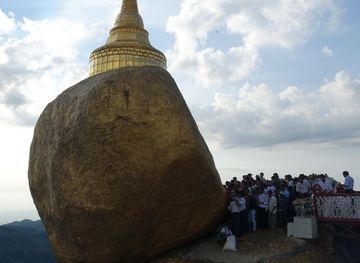
Explore the mystical Kyaik Htee Yoe Pagoda, where spirituality meets breathtaking natural beauty in the heart of Myanmar.

Chit Thu Myaing Resort
Discover tranquility and natural beauty at Chit Thu Myaing Resort in Hpa-An, a serene park perfect for relaxation and cultural exploration.

Mahar Sadan Cave
Explore the enchanting Mahar Sadan Cave in Hpa-An, Myanmar, where natural beauty meets rich cultural heritage in a breathtaking limestone setting.

Best landmarks in Kayin State
Top-rated picks
Best Landmarks

Shwedagon Pagoda
Explore the Shwedagon Pagoda, a breathtaking symbol of Myanmar's spirituality and architectural wonder, nestled in the vibrant city of Yangon.

Kyaik Htee Yoe Pagoda
Experience the awe-inspiring Kyaik Htee Yoe Pagoda, a stunning Buddhist site in Myanmar perched atop a gravity-defying boulder.

Chit Thu Myaing Resort
Discover the natural beauty of Chit Thu Myaing Resort in Hpa-An, Myanmar, a tranquil park perfect for relaxation and exploration.

Mahar Sadan Cave
Discover the enchanting beauty and rich heritage of Mahar Sadan Cave, a breathtaking historical landmark in Hpa-An, Myanmar.

Best restaurants in Kayin State
Top-rated picks
Best Restaurants

Unique Mandalay Tea Room
Discover authentic Burmese cuisine at Unique Mandalay Tea Room, where tradition meets flavor in every delightful dish.

Aye Myit Tar Burmese Resturant
Experience authentic Burmese cuisine at Aye Myit Tar in Mandalay - where tradition meets flavor in every dish.

Shan Ma Ma Restaurant
Discover the authentic taste of Myanmar at Shan Ma Ma Restaurant in Mandalay - where every dish tells a story.

Shwe Mandalay Café
Experience authentic Burmese cuisine at Shwe Mandalay Café in Mandalay – where every dish tells a story.

Best bars in Kayin State
Top-rated picks
Best Bars

Sky Bar
Experience the enchanting views and vibrant atmosphere at Sky Bar in Mandalay, offering exquisite dishes and refreshing cocktails for an unforgettable evening.

D reataurnt
Experience the vibrant flavors of local cuisine at D reataurnt, a culinary gem in Sagaing, perfect for every food lover.

Oasis 3
Discover the vibrant nightlife at Oasis 3 in Hpa-An, a top karaoke bar where music and fun come together for an unforgettable experience.

River View Sky Bar & Restaurant
Experience unparalleled views and delightful flavors at River View Sky Bar & Restaurant in the heart of Hpa-An, Myanmar.

Best nightclubs in Kayin State
Top-rated picks
Best Nightclubs

Pioneer
Dive into Yangon's nightlife at Pioneer Disco Club, where music, dancing, and fun collide in an unforgettable experience.

Club 5
Explore the electrifying nightlife at Club 5, Yangon’s top disco club with vibrant music, drinks, and an unforgettable atmosphere.

The Maze - Night Club
Experience the vibrant nightlife of Yangon at The Maze nightclub, where electrifying music and stunning LED displays create unforgettable nights.

ထိပ်တန်း Music DJ KTV
Experience the vibrant nightlife of Myawaddy at Top Music DJ KTV, where you can sing, dance, and enjoy unforgettable moments with friends.

Best shops in Kayin State
Top-rated picks
Best Shops

Rim Moei Market
Explore Rim Moei Market in Mae Sot for a vibrant local shopping and culinary experience that showcases the heart of Thai culture.

Ocean Supercenter (Mawlamyine)
Experience the vibrant shopping scene at Ocean Supercenter in Mawlamyine, where local culture meets modern convenience.

Kaw Gon Cave
Explore the enchanting Kaw Gon Cave - a historical marvel filled with stunning limestone formations and rich cultural heritage in Hpa-An, Myanmar.

AKK Shopping Center
Experience shopping, dining, and entertainment at AKK Shopping Center, Yangon’s bustling hub for locals and tourists alike.

Explore Kayin State on the Map
A handpicked selection of must-see spots in Kayin State, mapped for you.
Kayin State Essentials
-
Kayin State is located in southeastern Myanmar. The nearest major city is Hpa-An, the state capital, which can be reached by various means of transportation. The closest international airport is Yangon International Airport. From Yangon, you can take a domestic flight to Mawlamyine Airport in Mon State, which is approximately 60 kilometers from Hpa-An. Alternatively, you can take a bus or hire a private car from Yangon to Hpa-An. The bus journey typically takes around 6-7 hours.
-
Within Kayin State, local transportation options include buses, taxis, and motorbike taxis. For short distances within cities like Hpa-An, motorbike taxis are a popular and inexpensive option. For longer journeys or exploring remote areas, renting a car with a driver is advisable. Public buses connect major towns and villages, but schedules can be irregular, so it's best to check in advance.
-
The official currency in Myanmar is the Kyat (MMK). While some hotels and larger restaurants may accept credit cards, it is advisable to carry cash, particularly in rural areas and small establishments. ATMs are available in Hpa-An, but it is recommended to withdraw enough cash in larger cities like Yangon before traveling to ensure you have sufficient funds for your trip.
-
Kayin State is generally safe for tourists, but it's essential to take standard precautions. Avoid walking alone at night in unfamiliar areas and keep an eye on your belongings in crowded places. While there are no specific high-crime areas targeting tourists, it's always best to stay vigilant. Note that some border areas close to Thailand may have security concerns, so it's advisable to check the latest travel advisories before visiting these regions.
-
In case of emergency, the local emergency number is 199. Hpa-An has a hospital and several clinics for medical emergencies. It is highly recommended to have travel insurance that covers medical emergencies. For minor health issues, there are pharmacies in the town where you can purchase over-the-counter medications.
-
Fashion: Do dress modestly, especially when visiting religious sites. Avoid wearing revealing clothing. Religion: Do respect local customs and traditions. Always remove your shoes before entering pagodas and temples. Public Transport: Do be respectful and give up your seat to elderly passengers. Don't eat or drink on public transport. Greetings: Do greet people with a smile and a slight bow. A handshake is also acceptable in more formal situations. Eating & Drinking: Do try local delicacies and accept food offerings graciously. Don't refuse hospitality, as it is considered impolite.
-
To experience Kayin State like a local, visit the bustling Hpa-An market where you can buy fresh produce and traditional goods. Engage with locals who are often friendly and eager to share stories about their culture. Don't miss visiting the stunning Kawgun Cave and Sadan Cave, which are popular local attractions. For a unique experience, join a boat trip on the Thanlwin River to enjoy scenic views and observe daily life along the riverbanks.
When is the best time to visit Kayin State?
Useful Local Phrases for Kayin State
You don't need to speak the language perfectly. Even learning a few simple words can make conversations warmer—and locals usually appreciate the effort.
— Eve

Here are the phrases I use most often in Kayin State. Try a few—you'll be surprised how far they go! 😊
❤️
-
- Helloမင်္ဂလာပါ
[Mingalar par] - Goodbyeသွားတော့မယ်
[Thwar to ma] - Yesဟုတ်ပါတယ်
[Hote par tal] - Noမဟုတ်ပါဘူး
[Ma hote par bu] - Please/You're welcomeကျေးဇူးပြုပါ
[Kyeizu pyu par] - Thank youကျေးဇူးအထူးတင်ပါတယ်
[Kyeizu ah thu tin par tal] - Excuse me/Sorryတောင်းပန်ပါတယ်
[Taung pan par tal] - How are you?သင်ကောင်းလား
[Thin kaung lar] - Fine. And you?ကောင်းပါတယ်၊ သင်呢?
[Kaung par tal, thin ne?] - Do you speak English?သင်အင်္ဂလိပ်ပြောလား?
[Thin English pyaw lar?] - I don't understandကျွန်တော်/ကျွန်မမသိဘူး
[Kyun taw/Kyun ma ma thi bu]
- Helloမင်္ဂလာပါ
-
- I'd like to see the menu, pleaseမင်္ဂလာပါ၊ မီနူးကြည့်ချင်ပါတယ်
[Mingalar par, menu kyaw chin par tal] - I don't eat meatကျွန်တော်/ကျွန်မသားစားမယ်
[Kyun taw/Kyun ma thar sar ma] - Cheers!ကျေးဇူးတင်ပါတယ်
[Kyeizu tin par tal] - I would like to pay, pleaseငွေပေးချင်ပါတယ်
[Ngwe pay chin par tal]
- I'd like to see the menu, pleaseမင်္ဂလာပါ၊ မီနူးကြည့်ချင်ပါတယ်
-
- Help!ကူညီပါ!
[Ku nyi par!] - Go away!သွားပါ!
[Thwar par!] - Call the Police!ရဲတပ်ဖွဲ့ကိုခေါ်ပါ!
[Yae tat phwe ko khaw par!] - Call a doctor!ဆရာဝန်ကိုခေါ်ပါ!
[Sayar wun ko khaw par!] - I'm lostငါလမ်းလွဲပြီးပါ
[Nga lan lwe pyi par] - I'm illငါအထိန်းကျန်းမဟုတ်ပါ
[Nga a htein kyan ma hote par]
- Help!ကူညီပါ!
-
- I'd like to buy...ငါ...ဝယ်ချင်ပါတယ်
[Nga...we chin par tal] - I'm just lookingငါသာကြည့်နေပါတယ်
[Nga tha kyaw nay par tal] - How much is it?ဒါဘယ်လောက်လဲ?
[Da beh laut le?] - That's too expensiveဒါလွန်လွန်းပါတယ်
[Da lun hlan par tal] - Can you lower the price?ဈေးလျော့ပေးနိုင်မလား?
[Zay lyaw pay nain ma lar?]
- I'd like to buy...ငါ...ဝယ်ချင်ပါတယ်
-
- What time is it?ယခုအချိန်ကဘာလဲ?
[Ya khu a hkyin ka ba le?] - It's one o'clockနာရီတစ်ဝက်
[Na yi ta wat] - Half past (10)နာရီ(၁၀)ဝက်
[Na yi (10) wat] - Morningမနက်
[Ma nak] - Afternoonနေ့လည်
[Nay lyae] - Eveningညနေ
[Nya nay] - Yesterdayမနေ့က
[Ma nay ka] - Todayယနေ့
[Ya nay] - Tomorrowမနက်ဖြန်
[Ma nak phyan] - 1၁
[1] - 2၂
[2] - 3၃
[3] - 4၄
[4] - 5၅
[5] - 6၆
[6] - 7၇
[7] - 8၈
[8] - 9၉
[9] - 10၁၀
[10]
- What time is it?ယခုအချိန်ကဘာလဲ?
-
- Where's a/the...?ဘယ်မှာ...ရှိလဲ?
[Beh hma...shi le?] - What's the address?လိပ်စာကဘာလဲ?
[Leip sa ka ba le?] - Can you show me (on the map)?မြေပုံမှာပြပါ
[Myei pon hma pyaw par] - When's the next (bus)?နောက်ထပ်(ဘတ်စ်)ဘယ်အချိန်လဲ?
[Nauk htut (bus) beh a hkyin le?] - A ticket (to ....)လက်မှတ်(သို့...)
[Lakhmat (tho...)]
- Where's a/the...?ဘယ်မှာ...ရှိလဲ?
History of Kayin State
-
Kayin State, historically known as Karen State, has been inhabited by the Karen people for centuries. The Karen, or Kayin as they are called in Myanmar, are one of the oldest ethnic groups in Southeast Asia. Their early settlements in the region were predominantly agrarian, with communities living in harmony with the dense forests and river systems.
-
During the 19th century, Kayin State came under British control following the Anglo-Burmese Wars. The British colonial administration established several policies that affected the socio-economic landscape of the region. The colonial period saw an influx of Christian missionaries, which led to significant religious and cultural changes among the Karen population.
-
Kayin State was a significant battleground during World War II. The Japanese occupation of Burma brought turmoil to the region, with many Karen people joining the Allied forces to fight against the Japanese. The wartime period was marked by significant hardship and displacement for the local population.
-
Following Myanmar's independence from British rule in 1948, Kayin State became a focal point for ethnic conflict. The Karen National Union (KNU) was formed to advocate for Karen autonomy and rights, leading to decades of armed conflict with the central government. This period saw considerable strife and displacement within the state.
-
In recent years, Kayin State has experienced relative stability due to various ceasefire agreements between the Karen National Union and the Myanmar government. These agreements have led to increased development and infrastructure projects in the region. The state is now focusing on rebuilding and promoting tourism as a means of economic growth.
-
Kayin State is rich in cultural heritage, with vibrant traditions that include the Karen New Year, known as 'Hta Nee Pwe,' and the annual 'Water Festival.' Traditional Karen weaving and dance are integral aspects of the local culture. The state is also known for its traditional bamboo houses and intricate textile patterns.
-
The state is home to several sacred sites, such as the famous Zwekabin Mountain, which is a significant pilgrimage site for Buddhists. Kayin State also has a diverse religious landscape, with significant populations of Buddhists, Christians, and animists living in harmony. The coexistence of these different faiths is a testament to the region's rich cultural tapestry.
Neighbouring Regions of Kayin State
The closest regions to Kayin State, if you have time for more than one.





Your all‑in‑one travel companion app
Explore expert travel guides, compare and book tours, experiences, hotels, and more—all from the palm of your hand. Download now for seamless trip planning wherever your wanderlust takes you.


Explore More of Myanmar (Burma)

Looking beyond Kayin State? Discover Myanmar (Burma) for broader travel guides, local hot-spots, and regional highlights.
Explore Myanmar (Burma)Kayin State in Photos
Browse through our photo collection highlighting the charm and character of the destination.


The Hidden Gem of Myanmar: Kayin State
Kayin State, nestled in the southeastern part of Myanmar, is a treasure trove of natural beauty and cultural richness. This picturesque region is home to the Kayin people, known for their unique traditions and warm hospitality. Travelers to Kayin State will find themselves surrounded by lush landscapes, dramatic limestone hills, and tranquil rivers, making it a paradise for nature lovers and adventure seekers alike. One of the highlights of Kayin State is the stunning Mount Zwegabin, a towering peak that offers breathtaking panoramic views of the surrounding countryside. Hiking enthusiasts will relish the challenging climb to the summit, where they can visit the serene monastery perched at the top. The journey is equally rewarding, with opportunities to explore hidden caves and encounter local wildlife along the way. Kayin State is also home to the enchanting Saddan Cave, a massive limestone cavern adorned with impressive stalactites and stalagmites. Visitors can traverse through the cave on foot or by boat, emerging onto a picturesque lake surrounded by verdant greenery. The experience is otherworldly and offers a glimpse into the region's geological wonders. For those interested in cultural experiences, the Kayin villages offer a chance to immerse oneself in the local way of life. Visitors can witness traditional dances, sample delicious Kayin cuisine, and learn about the unique Kayin weaving techniques. The friendly locals are always eager to share their stories and traditions, making for an enriching and memorable visit.