

Free Otjozondjupa Travel Guide & Mobile App
Explore Otjozondjupa with free travel guides. Discover regional history, expert tips, proposed trips, and audio guides on web or mobile app.


Explore Otjozondjupa for Waterberg landscapes, wildlife conservation, meteorite history, rural towns and the far-reaching spaces of central Namibia.
Read more about Otjozondjupa
When is the best time to visit Otjozondjupa?
Best: May–June, August · 23–25°C| Month | High (°C) | Rainfall (mm) |
|---|---|---|
| January | 30 | 75 |
| February | 30 | 65 |
| March | 30 | 55 |
| April | 28 | 30 |
| May (best) | 25 | 10 |
| June (best) | 23 | 1 |
| July | 23 | 1 |
| August (best) | 25 | 1 |
| September | 29 | 2 |
| October | 31 | 10 |
| November | 32 | 40 |
| December | 32 | 65 |
Getting to and around Otjozondjupa
How to get there
Transportation
Top city travel guides in Otjozondjupa
The cities of Otjozondjupa, and the easiest places to base yourself.
-

-
-

-

-

-


Swipe for more cities
Destinations in Otjozondjupa
Resorts, valleys and scenic spots worth a trip of their own.
-

-


Swipe for more destinations
Best attractions in Otjozondjupa
Otjozondjupa’s attractions combine wildlife, geology, history and expansive semi-arid scenery. Waterberg Plateau Park is the region’s principal natural destination, with red sandstone cliffs, wooded valleys, guided wildlife activities and conservation work involving species that are difficult to encounter elsewhere in accessible parts of Namibia. Around Otjiwarongo, the Cheetah Conservation Fund offers an educational perspective on predator research, habitat protection and the pressures facing cheetahs. Private reserves and lodges add game drives and walking experiences, although access and activities vary by property. The Hoba meteorite near Grootfontein provides an unusual geological encounter at the site where the large iron meteorite came to rest. Okahandja’s woodcarving markets and historical associations introduce a more urban and cultural dimension, while the Otavi and Grootfontein districts offer farming landscapes, old railway connections and remnants of mining history. Farther east, Tsumkwe and neighbouring communal areas provide opportunities for carefully arranged, community-led cultural visits and nature excursions. These destinations are widely dispersed, so the region rewards an itinerary built around a few bases rather than an attempt to cover every attraction in one short journey.
-
Tourist attraction
Crocodile Farm Otjiwarongo
Explore the captivating world of crocodiles at Crocodile Farm Otjiwarongo, a must-visit tourist attraction for wildlife enthusiasts and families alike.
-
Lodge
Okonjima Plains Camp
Discover the captivating beauty and wildlife of Namibia at Okonjima Plains Camp, where adventure meets luxury in the heart of the African savannah.
-
Nature preserve
Okonjima Nature Reserve
Explore Okonjima Nature Reserve in Namibia for a once-in-a-lifetime wildlife adventure amidst breathtaking landscapes and luxurious accommodations.
-
National park
Waterberg Plateau National Park
Discover the breathtaking landscapes, rich wildlife, and cultural heritage at Waterberg Plateau National Park, a must-visit national park in Namibia.


Best landmarks in Otjozondjupa
Waterberg Plateau is Otjozondjupa’s most recognisable natural landmark, a long red sandstone escarpment rising distinctly above the surrounding bushveld. Its cliffs, springs and elevated plateau create both a striking landscape and a place of major conservation and historical importance. Near Grootfontein, the Hoba meteorite is a very different landmark: a massive metallic body that fell in prehistoric times and remains in the ground at its original location. Okahandja’s streets and public spaces are associated with Herero history, while its woodcarving market has become a familiar visual feature of the town. The old railway and colonial-era built heritage of Grootfontein and the Otavi district reflect the infrastructure that opened the interior to administration, farming and mining. In the central region, the Omatako mountains provide a prominent natural reference point across otherwise open country. These sites are significant not simply because they are photogenic, but because they connect geology, conservation, colonial expansion, transport and the continuing memory of communities shaped by Namibia’s past.
-
National park
Etosha National Park
Discover the breathtaking wildlife and stunning landscapes of Etosha National Park, Namibia's premier safari destination.
-
Tourist attraction
Okaukuejo Etosha
Experience the breathtaking wildlife and stunning landscapes at Okaukuejo, your gateway to the wonders of Etosha National Park in Namibia.
-
 Lodge
LodgeOkapuka Safari Lodge
Experience the perfect blend of luxury and adventure at Okapuka Safari Lodge, your gateway to Namibia's stunning landscapes and wildlife.
-
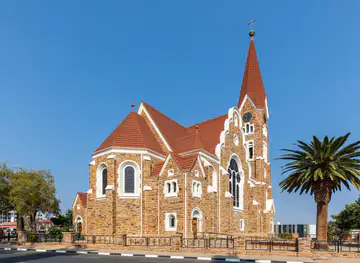
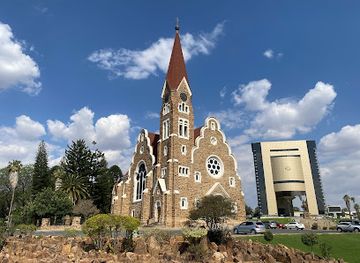
Lutheran church
Christuskirche
Explore Christuskirche, a stunning architectural gem in Windhoek, showcasing the city’s rich history and vibrant culture through its beautiful design and serene atmosphere.
Explore Otjozondjupa on the map
Plan your trip on one map. See where the top cities, national parks and sights are, and book hotels and experiences in a few clicks.
Best hotels in Otjozondjupa
Best restaurants in Otjozondjupa
Dining in Otjozondjupa is shaped by Namibia’s broad southern African food culture and by the practical nature of travel through a sparsely populated region. Towns such as Otjiwarongo, Okahandja and Grootfontein offer cafés, bakeries, family restaurants, takeaways and supermarkets, while lodges and guest farms commonly serve grilled meat, stews, vegetables, salads and hearty breakfasts. Beef and game may appear on menus, reflecting the importance of cattle farming and the safari economy, though availability varies and visitors should not assume that every lodge serves the same dishes. In the Otavi and Grootfontein farming belt, seasonal produce and locally supplied meat are more significant than a single defining regional cuisine. Markets and informal food stalls can provide everyday snacks and produce, while remote accommodation often requires meals to be booked as part of the stay. Vegetarian and other dietary requirements are best communicated in advance, particularly for rural lodges and community-run facilities.
-
Restaurant
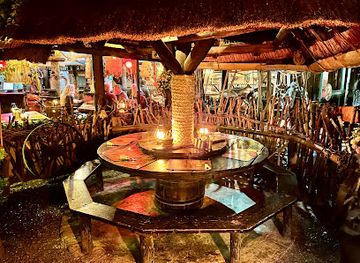
Joe's Beerhouse
Discover authentic Namibian cuisine in a vibrant setting at Joe's Beerhouse in Windhoek—where every meal tells a story.
-
Restaurant
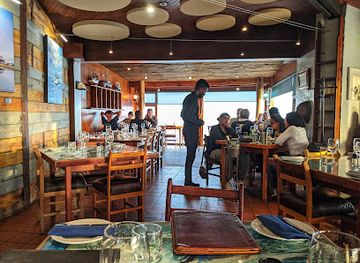
The Tug Restaurant
Experience exquisite seafood dining at The Tug Restaurant in Swakopmund with stunning ocean views and exceptional service.
-
Restaurant
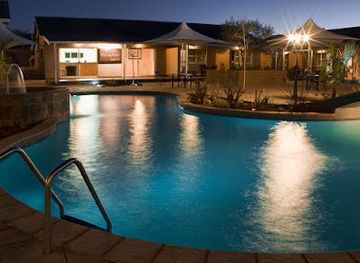
Arebbusch Travel Lodge
Discover comfort and convenience at Arebbusch Travel Lodge in Windhoek – your ideal base for exploring Namibia's vibrant capital.
-
Restaurant
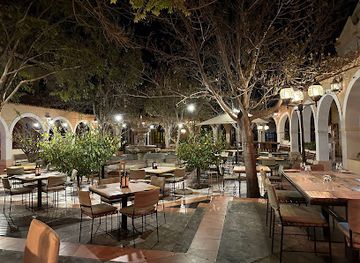
The Stellenbosch Wine Bar and Bistro
Experience culinary excellence at The Stellenbosch Wine Bar and Bistro in Windhoek - where local flavors meet exceptional wines.
Best bars in Otjozondjupa
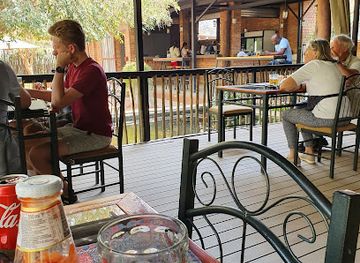
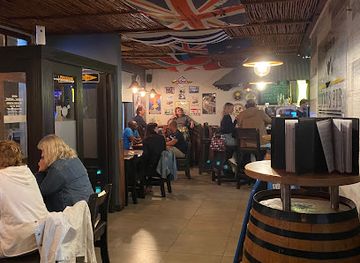
Nightlife in Otjozondjupa is modest and town-centred rather than organised around a large club scene. Otjiwarongo, Okahandja and Grootfontein have ordinary pubs, hotel bars, restaurants and social venues where residents and travellers meet, while smaller settlements generally offer fewer evening choices. At lodges and guest farms, the evening usually focuses on a meal, conversation and drinks after a wildlife drive, sometimes under a clear sky rather than in a formal entertainment venue. Breweries, wine lists and imported spirits may be available in established accommodation, but selection is more limited in remote areas. Visitors should not expect late-night transport or a dense succession of venues; plan to return to accommodation by arrangement and avoid driving after drinking, especially on unlit rural roads. Any live music or seasonal event is best checked locally because programmes and opening arrangements change.
-
Restaurant
Crocodile Farm Otjiwarongo
Explore the captivating Crocodile Farm Otjiwarongo, where adventure meets education in a stunning setting filled with fascinating reptiles and delicious meals.
-
Restaurant
Kücki's Pub
Discover the vibrant flavors of Swakopmund at Kücki's Pub, your go-to spot for local cuisine and lively atmosphere.
-
Hotel
Cest Si Bon Hotel
Discover comfort and hospitality at Cest Si Bon Hotel, your serene sanctuary in Otjiwarongo, Namibia, perfect for relaxation and exploration.
-
Restaurant
Casa Forno County Hotel
Discover authentic Namibian cuisine at Casa Forno County Hotel, where comfort meets local flavors in the heart of Otjiwarongo.
Best nightclubs in Otjozondjupa
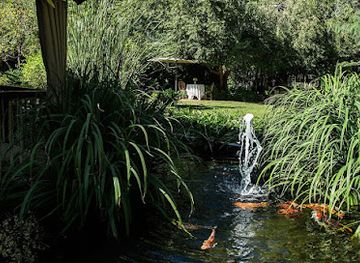
Nightlife in Otjozondjupa is modest and town-centred rather than organised around a large club scene. Otjiwarongo, Okahandja and Grootfontein have ordinary pubs, hotel bars, restaurants and social venues where residents and travellers meet, while smaller settlements generally offer fewer evening choices. At lodges and guest farms, the evening usually focuses on a meal, conversation and drinks after a wildlife drive, sometimes under a clear sky rather than in a formal entertainment venue. Breweries, wine lists and imported spirits may be available in established accommodation, but selection is more limited in remote areas. Visitors should not expect late-night transport or a dense succession of venues; plan to return to accommodation by arrangement and avoid driving after drinking, especially on unlit rural roads. Any live music or seasonal event is best checked locally because programmes and opening arrangements change.
-
Tourist attraction
Crocodile Farm Otjiwarongo
Explore Crocodile Farm Otjiwarongo, an exciting blend of wildlife conservation and local dining amidst Namibia's stunning landscapes.
-
Hotel
Casa Forno County Hotel
Discover the charm of Casa Forno County Hotel in Otjiwarongo – where comfort meets local culinary delights!
-
Disco club
Infinity Lounge Swakopmund
Dive into the nightlife at Infinity Lounge Swakopmund, where great music, delicious drinks, and an electric atmosphere await you.
-
Lounge
Tall Trees Lounge Bar
Discover the vibrant atmosphere and exquisite drink selection at Tall Trees Lounge Bar in Windhoek, where elegance meets relaxation.


Best shops in Otjozondjupa
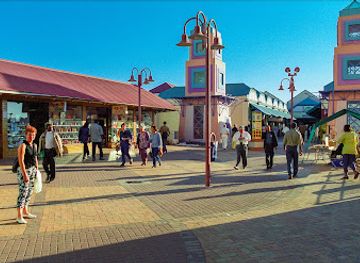
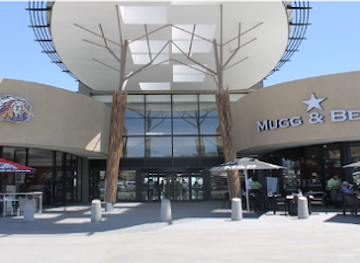
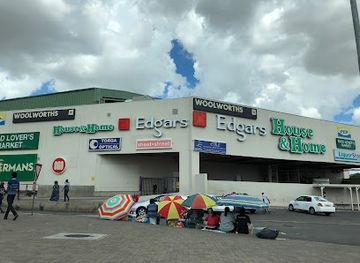
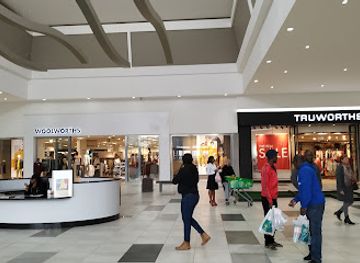
Shopping in Otjozondjupa is practical and locally oriented. Okahandja is the region’s best-known place for woodcarvings, with roadside and market trading areas where visitors can find carved animals, masks, bowls and other African artworks; buying directly and asking about materials and artisan provenance is preferable to treating objects as anonymous souvenirs. Otjiwarongo and Grootfontein provide supermarkets, pharmacies, fuel-station shops, clothing stores and ordinary high-street services, making them useful for supplies before travelling into remote districts. Small craft outlets, lodge shops and community tourism projects may sell textiles, carvings, jewellery or locally made products, but stock varies considerably. Farmers’ produce and everyday food supplies are more dependable in town markets and supermarkets than in isolated settlements. Visitors should carry enough cash for informal traders and avoid purchasing archaeological objects, wildlife products or protected natural materials. Shopping is therefore less about luxury retail than about practical provisioning, handmade goods and responsibly sourced reminders of the region.
-
Shopping mall
Wernhil
Experience the heart of Windhoek at Wernhil, a vibrant shopping mall with diverse shops, dining options, and local flair.
-
Shopping mall
The Grove Mall of Namibia
Experience the vibrant shopping scene at The Grove Mall of Namibia, where fashion, food, and fun converge in Windhoek.
-
Shopping mall
Maerua Mall
Explore Maerua Mall in Windhoek - a vibrant shopping destination filled with diverse stores, dining options, and entertainment experiences.
-
Shopping mall
Dunes Mall
Discover Dunes Mall in Walvis Bay, a vibrant shopping hub with diverse stores, delightful dining, and family-friendly entertainment for all ages.
Get your free copy of our complete guide to Otjozondjupa, delivered straight to you.
Everything on this page, from attractions and restaurants to essentials and local phrases, in one PDF you can read offline, print or share.
Already have an account? Sign in
Your Otjozondjupa guide is ready.
We'll send it to · Not you? Sign out

Getting your guide ready…
We are putting together a fresh copy of the Otjozondjupa guide. This can take up to a minute.
This can take a few moments. If your browser asks, choose Allow so the download can start. You'll find the guide in your Downloads folder.
Nothing happened? Download it again
Sorry, the guide is taking longer than usual. Please try again in a minute, or get it by email instead.
Otjozondjupa essentials
Currency and Payment
Safety
Emergency Situations
Do's and Don'ts
Local Tips
From Eve
Local phrases worth knowing
You don't need to get them perfect. A few words go a long way, and locals appreciate the effort.
Basics
| English | Local | Say it |
|---|---|---|
| Hello | Hallo | [ha-lo] |
| Goodbye | Tschüss | [tshüs] |
| Yes | Ja | [ya] |
| No | Nein | [nine] |
| Please/You're welcome | Bitte | [bit-te] |
| Thank you | Danke | [dan-ke] |
| Excuse me/Sorry | Entschuldigung | [ent-shul-di-gung] |
| How are you? | Wie geht's? | [vee gates] |
| Fine. And you? | Gut. Und dir? | [gout. oond deer] |
| Do you speak English? | Sprechen Sie Englisch? | [shpre-chen zee eng-lish] |
| I don't understand | Ich verstehe nicht | [ikh fer-shtay-e nikht] |
Eating & Drinking
| English | Local | Say it |
|---|---|---|
| I'd like to see the menu, please | Ich möchte die Speisekarte sehen, bitte | [ikh mer-khte dee spyze-kar-te zeen, bit-te] |
| I don't eat meat | Ich esse kein Fleisch | [ikh es-se kyan flysh] |
| Cheers! | Prost! | [prohst] |
| I would like to pay, please | Ich möchte bezahlen, bitte | [ikh mer-khte be-tsah-len, bit-te] |
Emergencies
| English | Local | Say it |
|---|---|---|
| Help! | Hilfe! | [hil-fe] |
| Go away! | Geh weg! | [ge weg] |
| Call the Police! | Rufen Sie die Polizei! | [roo-fen zee dee po-li-tsai] |
| Call a doctor! | Rufen Sie einen Arzt! | [roo-fen zee eye-nen arts-t] |
| I'm lost | Ich habe mich verlaufen | [ikh ha-be mikh fer-lau-fen] |
| I'm ill | Ich bin krank | [ikh bin krank] |
Shopping
| English | Local | Say it |
|---|---|---|
| I'd like to buy... | Ich möchte ... kaufen | [ikh mer-khte ... kau-fen] |
| I'm just looking | Ich schaue nur | [ikh shau-e nur] |
| How much is it? | Wie viel kostet es? | [vee feel kost-et es] |
| That's too expensive | Das ist zu teuer | [das ist tsu toy-er] |
| Can you lower the price? | Könnten Sie den Preis senken? | [kern-ten zee den price zen-ken] |
Time & Numbers
| English | Local | Say it |
|---|---|---|
| What time is it? | Wie spät ist es? | [vee shpet ist es] |
| It's one o'clock | Es ist ein Uhr | [es ist ine oor] |
| Half past (10) | Halb elf | [halp elf] |
| Morning | Morgen | [mor-gen] |
| Afternoon | Nachmittag | [nach-mit-tag] |
| Evening | Abend | [a-bent] |
| Yesterday | Gestern | [ges-tern] |
| Today | Heute | [hoy-te] |
| Tomorrow | Morgen | [mor-gen] |
| 1 | Eins | [ines] |
| 2 | Zwei | [tsvai] |
| 3 | Drei | [dry] |
| 4 | Vier | [feer] |
| 5 | Fünf | [fünf] |
| 6 | Sechs | [zeks] |
| 7 | Sieben | [zee-ben] |
| 8 | Acht | [acht] |
| 9 | Neun | [noyn] |
| 10 | Zehn | [tsayn] |
Transport & Directions
| English | Local | Say it |
|---|---|---|
| Where's a/the...? | Wo ist ein/eine ...? | [vo ist ine/ein ...?] |
| What's the address? | Was ist die Adresse? | [vas ist dee a-dres-se?] |
| Can you show me (on the map)? | Könnten Sie mir (auf der Karte) zeigen? | [körn-ten zee meer (auf der kar-te) tsai-gen?] |
| When's the next (bus)? | Wann kommt der nächste (Bus)? | [van komt der näch-ste (bus)?] |
| A ticket (to ....) | Ein Ticket (nach ....) | [ine ti-ket (nahch ....)] |
History of Otjozondjupa
Early San settlement and archaeological landscapes
The region has long been inhabited and used by San communities whose knowledge of water, plants, animals and seasonal movement remains important to the cultural history of north-eastern Otjozondjupa. Archaeological evidence across Namibia indicates deep human occupation, although individual sites should not be interpreted without specialist context. In the Tsumkwe area, Juǀ’hoansi communities maintain living cultural traditions rather than representing only a historical past. Visitors should understand that cultural knowledge belongs to local communities and should be encountered through consent-based, locally managed experiences.
Herero settlement and pastoral society
Herero-speaking pastoral communities became an important presence across central Namibia before the colonial period, developing social, political and cattle-based systems adapted to a demanding environment. Okahandja became a significant place in Herero history and remains associated with important commemorations and community memory. Cattle continue to have economic and cultural importance in parts of Otjozondjupa, although contemporary livelihoods also include farming, tourism, conservation and wage employment. The region’s identity therefore reflects both long-established pastoral traditions and later administrative and commercial changes.
German colonial rule and the Waterberg conflict
German colonial control expanded through the late nineteenth century, with military and administrative posts established in places including Grootfontein and the central highlands. In 1904, resistance by Herero communities developed into a wider colonial war. The Battle of Waterberg formed a decisive stage in the conflict, after which Herero people were driven into the Omaheke region, where many died from violence, starvation and deprivation. The events are now recognised as part of the genocide committed by German colonial forces against Herero and Nama communities. Waterberg is therefore a site of profound historical significance, not merely a scenic landscape.
Railways, farming and mineral development
During German rule and the subsequent South African administration, railways and roads connected the central and northern interior with ports and administrative centres. Grootfontein, Otavi and surrounding settlements developed within a farming and transport network sometimes described as the Otavi Triangle. Copper mining at Kombat and related mineral activity contributed to the region’s industrial history, while cattle farming became a major economic foundation. These developments brought new towns, labour patterns and commercial links, but also operated within colonial systems of land control and racial inequality.
South African administration and the road to independence
After the First World War, South Africa administered South West Africa under a League of Nations mandate and later continued control in defiance of international opposition. Administrative boundaries, settler agriculture, mining and security structures shaped Otjozondjupa during the twentieth century. The wider independence struggle affected the region through military activity, political mobilisation and changing ideas about land and citizenship. Namibia became independent in 1990, after which regional government, communal conservancies, tourism and conservation developed within the new national framework.
Modern conservation and community tourism
Late twentieth- and early twenty-first-century Otjozondjupa saw growing emphasis on wildlife protection, habitat management and tourism. Waterberg Plateau Park became an important conservation landscape, while organisations such as the Cheetah Conservation Fund established research and education programmes near Otjiwarongo. Communal conservancies and locally guided cultural tourism have also created new ways to connect livelihoods with wildlife and visitor services, though benefits and access vary between communities. The region’s contemporary character is consequently shaped by both traditional land use and organised conservation.
Otjozondjupa in Photos
Browse through our photo collection highlighting the charm and character of the destination.
Neighbouring regions of Otjozondjupa
The closest regions to Otjozondjupa, if you have time for more than one.
-

-

-

-

-


Swipe for more regions
Explore more

Explore more of Namibia
Discover Namibia: A land of towering dunes, ancient deserts, and vibrant cultures. Perfect for adventurers and nature lovers seeking an unparalleled African experience.
Explore Namibia