

Free Oshana Travel Guide & Mobile App
Explore Oshana with free travel guides. Discover regional history, expert tips, proposed trips, and audio guides on web or mobile app.


Explore Oshana’s seasonal floodplains, Ovambo heritage, northern markets and growing towns around Oshakati, Ongwediva and Ondangwa in Namibia.
Read more about Oshana
When is the best time to visit Oshana?
Best: June–August · 26–28°C| Month | High (°C) | Rainfall (mm) |
|---|---|---|
| January | 32 | 50 |
| February | 33 | 45 |
| March | 32 | 40 |
| April | 30 | 20 |
| May | 28 | 10 |
| June (best) | 26 | 5 |
| July (best) | 26 | 5 |
| August (best) | 28 | 5 |
| September | 32 | 10 |
| October | 33 | 20 |
| November | 33 | 40 |
| December | 33 | 50 |
Getting to and around Oshana
How to get there
Transportation
Top city travel guides in Oshana
The cities of Oshana, and the easiest places to base yourself.
-

-


Swipe for more cities
Destinations in Oshana
Resorts, valleys and scenic spots worth a trip of their own.

Swipe for more destinations
Best attractions in Oshana
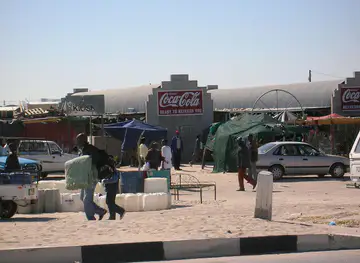
Oshana’s attractions are primarily cultural, environmental and urban rather than concentrated in a single monumental site. Oshakati’s open market offers a practical introduction to regional commerce, with food, clothing, household goods and informal trading reflecting the town’s role as a northern service centre. Ongwediva is associated with education, business and the annual trade-fair tradition, while Ondangwa provides a useful base for understanding the movement of people and goods across northern Namibia. Beyond the towns, the seasonal oshanas are the defining attraction: after rains they become shallow wetlands that support birds, fish and local livelihoods, while in the dry season they reveal the structure of the flat Cuvelai landscape. Rural drives can bring views of mahangu fields, makalani palms, cattle and traditional homesteads, but visitors should seek permission before entering private areas. Sport, community events, markets and contemporary civic spaces are often more representative of Oshana than curated tourist attractions. The region is best experienced as part of a broader northern journey, with proper geographic planning for museums, historic mission sites and wildlife areas located in neighbouring regions.
-
Tourist attraction
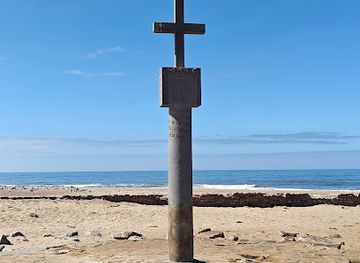
Cape Cross Seal Reserve
Discover the Cape Cross Seal Reserve, a stunning nature preserve showcasing thousands of Cape fur seals along Namibia's breathtaking coastline.
-
Tourist attraction
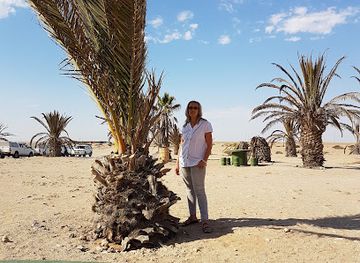
Dune 7
Discover the breathtaking beauty of Dune 7, a towering dune in Walvis Bay, Namibia, offering stunning views and thrilling sandboarding adventures.
-
Tourist attraction
Namib Sky Balloon Safaris
Discover the breathtaking beauty of the Namib Desert with Namib Sky Balloon Safaris, offering unforgettable aerial views and serene experiences.
-
National park
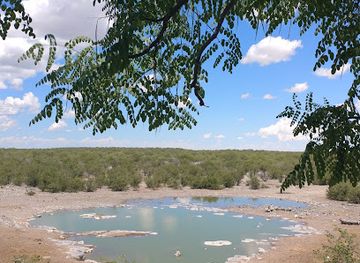
Moringa Waterhole Viewpoint
Explore the stunning Moringa Waterhole Viewpoint in a national park, where wildlife thrives and nature's beauty unfolds before your eyes.

Best landmarks in Oshana
The most recognisable landmark in Oshana is the seasonal oshana system itself, a broad network of shallow depressions that defines the region’s geography and explains its settlement pattern, agriculture and periodic flooding. Its appearance changes dramatically between the rainy and dry seasons, making it a natural landmark as well as a working landscape. In Oshakati, the Independence Stadium is a prominent civic and sporting landmark, reflecting the importance of public sport in the post-independence town. The Oshakati Open Market is less monumental but equally representative of the region’s contemporary identity, linking local produce, household trade and movement through the commercial centre. Ongwediva’s trade-fair grounds and expanding civic landscape express the town’s role in regional commerce and education, while Ondangwa’s transport infrastructure marks its position on the northern route network. The flat horizon, lines of makalani palms and dispersed homesteads are also important visual markers. Historic boundaries and mission landmarks are often associated with northern Namibia but lie outside Oshana, so they should be visited as separate, neighbouring-region destinations rather than misidentified as landmarks of Oshana itself.
-
National park
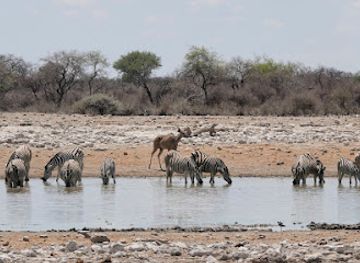
Etosha National Park
Experience the breathtaking landscapes and diverse wildlife of Etosha National Park, a premier safari destination in Namibia for nature lovers and adventure seekers.
-
Tourist attraction
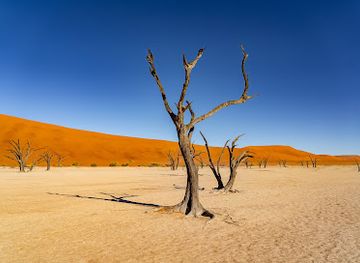
Deadvlei
Explore the surreal beauty of Deadvlei, a breathtaking clay pan surrounded by towering dunes and ancient trees in Namibia's stunning Namib Desert.
-
Outlet mall
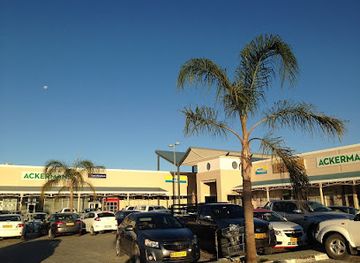
Oshana Mall
Explore Oshana Mall in Ongwediva, a vibrant outlet mall blending local culture with diverse retail options and culinary delights.
-
Tourist attraction
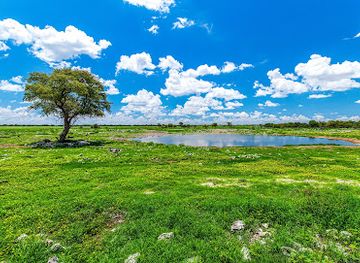
Okaukuejo Etosha
Explore Okaukuejo Etosha, a stunning wildlife haven in Namibia's Etosha National Park, where unforgettable adventures await amidst breathtaking landscapes.
Explore Oshana on the map
Plan your trip on one map. See where the top cities, national parks and sights are, and book hotels and experiences in a few clicks.
Best hotels in Oshana
Best restaurants in Oshana
Dining in Oshana combines everyday Namibian food with the practical, increasingly varied restaurant culture of its larger towns. Mahangu, or pearl millet, remains central to northern food traditions and may appear as oshifima, a firm porridge commonly served with meat, beans or a sauce. Beef, goat, chicken and fish are widely available, while seasonal produce and mopane caterpillars can appear in local cooking when supplies permit. Oshakati, Ongwediva and Ondangwa have cafés, takeaways, hotel restaurants and informal eateries suited to different budgets, with menus also including South African-influenced grilled meat, chips and bakery foods. Markets are useful for seeing local ingredients, but visitors should choose busy stalls where food is freshly prepared and turnover is high. Namibia’s national drinks and imported beverages are easy to find in towns, while rural dining is more limited and often requires advance planning. A useful approach is to combine one formal meal with market browsing or a locally prepared mahangu-based dish, rather than expecting a separate restaurant tradition in every settlement.
-
Restaurant
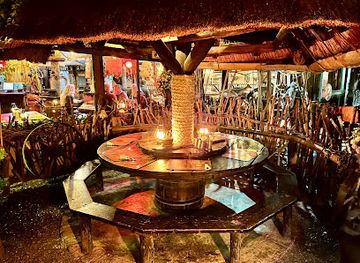
Joe's Beerhouse
Experience authentic Namibian flavors at Joe's Beerhouse in Windhoek – where culture meets culinary delight.
-
Restaurant
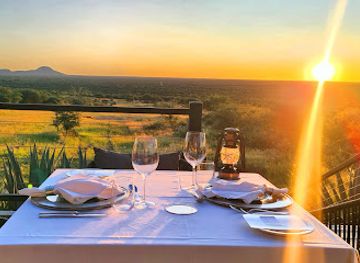
The Tug Restaurant
Experience exquisite dining at The Tug Restaurant in Swakopmund - where local flavors meet stunning ocean views.
-
Restaurant
Oshakati Guesthouse
Experience authentic Namibian cuisine at Oshakati Guesthouse – where local flavors meet warm hospitality.
-
Steak
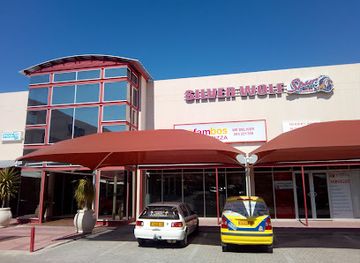
Silver Wolf Spur
Discover the best of Namibian cuisine at Silver Wolf Spur – where family dining meets flavorful steakhouse experiences.

Best bars in Oshana
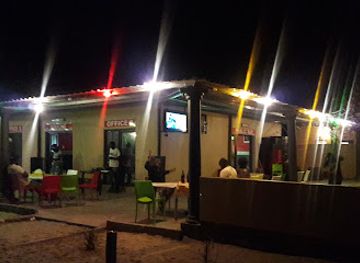
Evening life in Oshana is concentrated in Oshakati, Ongwediva and Ondangwa, where hotel bars, neighbourhood pubs, lounges and restaurants provide the main social settings. The atmosphere is generally more town-based than club-oriented: music, televised sport, conversation and informal gatherings are common features, while larger venues may become busier at weekends or during regional events. Oshakati has the broadest commercial choice, Ongwediva’s student and business communities contribute to a varied evening scene, and Ondangwa serves both local residents and travellers moving through the northern corridor. Outside these towns, nightlife usually centres on community occasions, small bars or private gatherings rather than dedicated entertainment districts. Opening arrangements and venue status can change, so ask locally rather than relying on old listings. Drink responsibly, arrange transport in advance and remember that the region’s cultural life is not confined to alcohol-based venues; markets, sport and community events are also important ways of experiencing Oshana after dark.
-
Grill
Smallpark - Ondangwa
Experience the lively culinary scene at Smallpark in Ondangwa, where delicious food and live music create unforgettable memories.
-
Bar
Tropicana Bar
Experience the vibrant local nightlife at Tropicana Bar in Ongwediva, where refreshing drinks and a lively atmosphere await.
-
Bar
Baywatch View
Experience the vibrant atmosphere and stunning views at Baywatch View, Ongwediva's charming and affordable bar.
-
Lounge
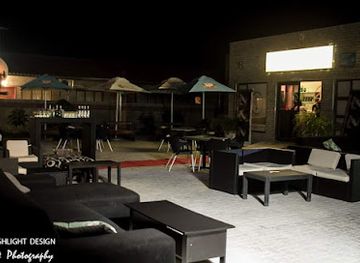
Classic Lounge, Ondangwa
Experience the vibrant atmosphere of Classic Lounge in Ondangwa, where great music and friendly faces await to enhance your travel journey.

Best nightclubs in Oshana
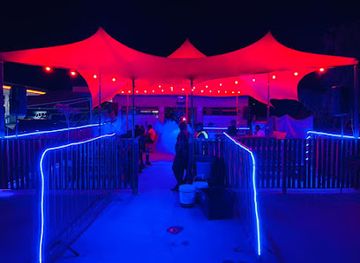
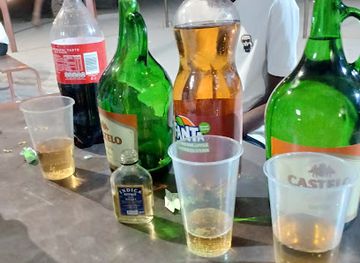
Evening life in Oshana is concentrated in Oshakati, Ongwediva and Ondangwa, where hotel bars, neighbourhood pubs, lounges and restaurants provide the main social settings. The atmosphere is generally more town-based than club-oriented: music, televised sport, conversation and informal gatherings are common features, while larger venues may become busier at weekends or during regional events. Oshakati has the broadest commercial choice, Ongwediva’s student and business communities contribute to a varied evening scene, and Ondangwa serves both local residents and travellers moving through the northern corridor. Outside these towns, nightlife usually centres on community occasions, small bars or private gatherings rather than dedicated entertainment districts. Opening arrangements and venue status can change, so ask locally rather than relying on old listings. Drink responsibly, arrange transport in advance and remember that the region’s cultural life is not confined to alcohol-based venues; markets, sport and community events are also important ways of experiencing Oshana after dark.
-
Lounge
Classic Lounge, Ondangwa
Experience the vibrant nightlife of Ondangwa at Classic Lounge, where great music and a lively atmosphere await you.
-
Bar
Bush Bar
Experience the vibrant atmosphere of Bush Bar in Ongwediva, where refreshing drinks and local culture come together for an unforgettable night out.
-
Bar
Oshakati Golf Club
Discover the Oshakati Golf Club: a scenic escape in Namibia for golf enthusiasts and tourists alike, blending sport with local culture.
-
 Lounge
J&M lounge
Experience the vibrant ambiance of J&M Lounge in Onhuno, where relaxation meets exceptional service and delightful drinks.

Best shops in Oshana
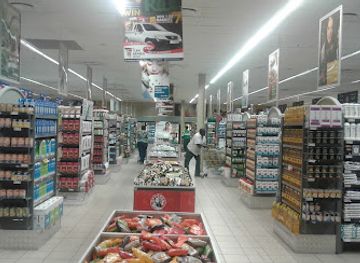
Shopping in Oshana is strongest in the larger towns, where modern supermarkets and commercial centres sit alongside open markets, informal stalls and independent traders. Oshakati is the region’s principal retail hub and a good place to browse for everyday goods, clothing, prepared food and household products. Ongwediva offers a more planned commercial environment, while Ondangwa serves travellers and surrounding communities along the transport corridor. Open markets are the most useful places to encounter regional food ingredients, baskets, fabrics and low-cost household wares, although stock and location can change. Visitors may also find carved items, beadwork and textiles, but should ask about materials and buy from sellers who can explain their origin rather than assuming every souvenir is locally made. Namibian food products, mahangu and packaged regional produce make practical gifts when properly labelled and permitted for onward travel. Shopping is primarily functional rather than luxury-oriented, and smaller settlements have limited choice, so purchase essentials in the main towns before heading into rural areas.
-
Outlet mall
Oshana Mall
Explore Oshana Mall in Ongwediva for a diverse shopping experience filled with local flavors, fashion, and family-friendly fun.
-
Department store
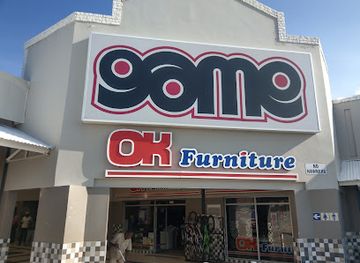
Game Oshakati
Explore Game Oshakati, your ultimate shopping destination for a diverse array of local and international products, perfect for every traveler.
-
Supermarket
Choppies Supermarket Ondangwa
Discover the vibrant shopping experience at Choppies Supermarket Ondangwa, where local flavors meet convenience and quality.
-
Supermarket
WB Supermarkets Oshakati Express
Discover the vibrant shopping experience at WB Supermarkets Oshakati Express, where local flavors meet convenience in a bustling atmosphere.
Get your free copy of our complete guide to Oshana, delivered straight to you.
Everything on this page, from attractions and restaurants to essentials and local phrases, in one PDF you can read offline, print or share.
Already have an account? Sign in
Your Oshana guide is ready.
We'll send it to · Not you? Sign out

Getting your guide ready…
We are putting together a fresh copy of the Oshana guide. This can take up to a minute.
This can take a few moments. If your browser asks, choose Allow so the download can start. You'll find the guide in your Downloads folder.
Nothing happened? Download it again
Sorry, the guide is taking longer than usual. Please try again in a minute, or get it by email instead.
Oshana essentials
Currency and Payment
Safety
Emergency Situations
Do's and Don'ts
Local Tips
From Eve
Local phrases worth knowing
You don't need to get them perfect. A few words go a long way, and locals appreciate the effort.
Basics
| English | Local | Say it |
|---|---|---|
| Hello | Hello | [Hello] |
| Goodbye | Goodbye | [Goodbye] |
| Yes | Yes | [Yes] |
| No | No | [No] |
| Please/You're welcome | Please | [Please] |
| Thank you | Thank you | [Thank you] |
| Excuse me/Sorry | Excuse me | [Excuse me] |
| How are you? | How are you? | [How are you?] |
| Fine. And you? | Fine. And you? | [Fine. And you?] |
| Do you speak English? | Do you speak English? | [Do you speak English?] |
| I don't understand | I don't understand | [I don't understand] |
Eating & Drinking
| English | Local | Say it |
|---|---|---|
| I'd like to see the menu, please | I'd like to see the menu, please | [I'd like to see the menu, please] |
| I don't eat meat | I don't eat meat | [I don't eat meat] |
| Cheers! | Cheers! | [Cheers!] |
| I would like to pay, please | I would like to pay, please | [I would like to pay, please] |
Emergencies
| English | Local | Say it |
|---|---|---|
| Help! | Help! | [Help!] |
| Go away! | Go away! | [Go away!] |
| Call the Police! | Call the Police! | [Call the Police!] |
| Call a doctor! | Call a doctor! | [Call a doctor!] |
| I'm lost | I'm lost | [I'm lost] |
| I'm ill | I'm ill | [I'm ill] |
Shopping
| English | Local | Say it |
|---|---|---|
| I'd like to buy... | I'd like to buy... | [I'd like to buy...] |
| I'm just looking | I'm just looking | [I'm just looking] |
| How much is it? | How much is it? | [How much is it?] |
| That's too expensive | That's too expensive | [That's too expensive] |
| Can you lower the price? | Can you lower the price? | [Can you lower the price?] |
Time & Numbers
| English | Local | Say it |
|---|---|---|
| What time is it? | What time is it? | [What time is it?] |
| It's one o'clock | It's one o'clock | [It's one o'clock] |
| Half past (10) | Half past (10) | [Half past (10)] |
| Morning | Morning | [Morning] |
| Afternoon | Afternoon | [Afternoon] |
| Evening | Evening | [Evening] |
| Yesterday | Yesterday | [Yesterday] |
| Today | Today | [Today] |
| Tomorrow | Tomorrow | [Tomorrow] |
| 1 | 1 | [1] |
| 2 | 2 | [2] |
| 3 | 3 | [3] |
| 4 | 4 | [4] |
| 5 | 5 | [5] |
| 6 | 6 | [6] |
| 7 | 7 | [7] |
| 8 | 8 | [8] |
| 9 | 9 | [9] |
| 10 | 10 | [10] |
Transport & Directions
| English | Local | Say it |
|---|---|---|
| Where's a/the...? | Where's a/the...? | [Where's a/the...?] |
| What's the address? | What's the address? | [What's the address?] |
| Can you show me (on the map)? | Can you show me (on the map)? | [Can you show me (on the map)?] |
| When's the next (bus)? | When's the next (bus)? | [When's the next (bus)?] |
| A ticket (to....) | A ticket (to....) | [A ticket (to....)] |
History of Oshana
Early Settlement in the Cuvelai Basin
The Cuvelai basin has long supported human settlement because its shallow channels collect water from seasonal rains and summer flows. Communities adapted to alternating wet and dry conditions through mixed agriculture, livestock keeping, fishing and careful use of higher ground. Pearl millet became an important crop, while palms and natural vegetation supplied materials and food. The archaeological record of northern Namibia is broader than the modern Oshana boundary, so individual ancient sites should not be automatically assigned to the region; nevertheless, the settlement pattern visible across Oshana reflects a long history of adapting to the basin’s distinctive hydrology.
Ovambo Kingdoms and Regional Society
Before colonial rule, the northern part of present-day Namibia was organised through several Ovambo kingdoms, each with its own political authority, settlements and systems of land and water use. The modern Oshana Region contains communities whose histories are connected with these wider political traditions, including the Ondonga and Uukwanyama spheres, although historic territories do not correspond neatly to current administrative borders. Authority, kinship, agriculture and seasonal access to water shaped settlement life. Contemporary towns therefore stand within a cultural landscape that predates Namibia’s colonial boundaries by many generations.
Missionary and Colonial Encounters
Christian missionaries, traders and colonial officials became increasingly active in northern Namibia during the nineteenth and early twentieth centuries. Mission stations and schools were concentrated in several northern areas, with their influence extending through education, literacy, Christianity and new forms of administration. German colonial control was weaker and later than in much of central and southern Namibia, while local rulers retained substantial authority for long periods. The resulting blend of older Ovambo institutions, Christian practice and colonial administration helped shape the social landscape from which modern Oshana developed.
South African Rule and Contract Labour
After the First World War, South Africa administered South West Africa, including the northern territories. Colonial labour systems drew many northern residents into contract work in mines, commercial agriculture and other sectors far from their homes. This tied rural livelihoods to national and regional labour markets while placing heavy demands on families and communities. Apartheid policies also restricted political and economic opportunity. The roads, administrative centres and unequal settlement patterns that visitors encounter today were influenced by this period, even though local communities continued to maintain their own languages, institutions and cultural practices.
The Border War in Northern Namibia
From the late 1960s until Namibian independence, the northern borderlands became closely associated with the conflict between South African forces and the South West Africa People’s Organisation, or SWAPO, alongside the wider Angolan war. Military installations, security controls and political mobilisation affected daily life across northern communities. Oshana was part of this wider conflict zone, although its importance is often best understood through personal and community histories rather than a single battlefield monument. The war left a powerful memory in northern Namibia and influenced the region’s political transition.
Independence and the Growth of Oshana’s Towns
Namibia achieved independence in 1990, and the new state reorganised administration, expanded public services and invested in northern urban centres. Oshakati became the capital of Oshana Region, while Ongwediva and Ondangwa developed as important centres for education, commerce, transport and government. Rural-to-urban movement and population growth changed the character of the region, bringing new businesses, housing and civic facilities alongside traditional homesteads and farming areas. Oshana’s present identity is therefore shaped both by its long rural history and by the rapid growth of a connected northern urban corridor.
Floods, Drought and Contemporary Adaptation
Seasonal water remains one of the defining forces of life in Oshana. Good rains can replenish oshanas and support crops, fishing and livestock, while drought places pressure on water supplies and household livelihoods. Severe floods can also damage roads, homes and fields, particularly in low-lying areas. Modern drainage, roads, boreholes and urban planning have altered how communities respond, but they have not removed the basin’s environmental variability. The region’s contemporary development is consequently tied to an ongoing effort to balance settlement growth with the movement and storage of seasonal water.
Oshana in Photos
Browse through our photo collection highlighting the charm and character of the destination.
Neighbouring regions of Oshana
The closest regions to Oshana, if you have time for more than one.
-

-

-
-

-


Swipe for more regions

