
Hardap, Namibia Travel Guide
Discover Hardap, Namibia's hidden oasis, where natural beauty meets cultural richness—offering bird watching, wildlife tours, and serene landscapes for every traveler.
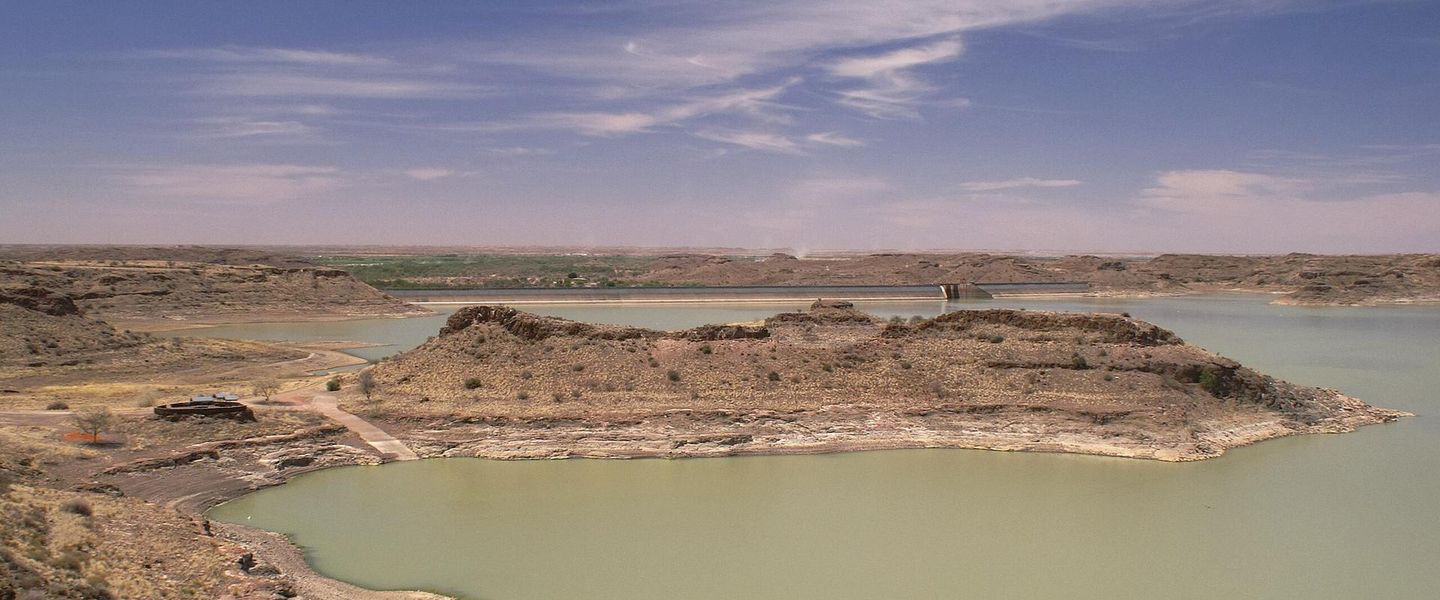
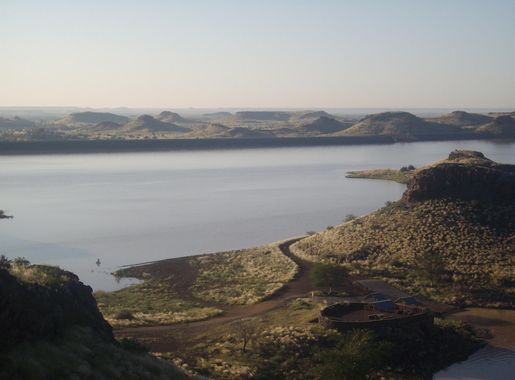
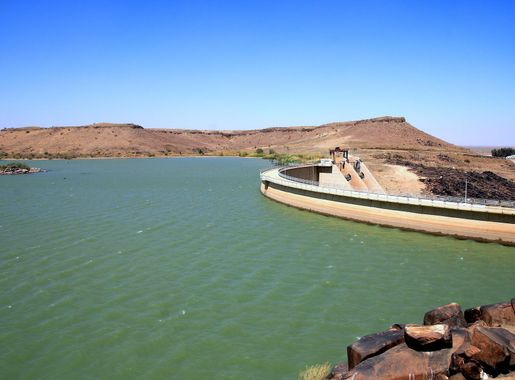
Nestled in the heart of Namibia, Hardap is a hidden gem that offers a unique blend of natural beauty and cultural richness. At the center of this region lies the Hardap Dam, the largest dam in Namibia, which creates a stunning reservoir surrounded by rugged hills and pristine landscapes. The area is a haven for bird watchers, with over 200 species of birds, including flamingos, pelicans, and African fish eagles. The dam also provides excellent opportunities for fishing and boating, making it a perfect spot for water enthusiasts. For those interested in wildlife, the Hardap Game Reserve is home to a variety of animals such as black rhinos, giraffes, and antelopes. The reserve offers guided tours that allow visitors to experience the local fauna up close. The region's semi-arid climate and unique vegetation, including the iconic quiver trees, provide a picturesque backdrop for photographers and nature lovers alike. Cultural experiences in Hardap are equally enriching. The nearby town of Mariental serves as the gateway to the region and offers a glimpse into the local way of life. Visitors can explore traditional markets, sample local cuisine, and interact with the friendly Namibian people. The town also provides essential amenities and accommodations, making it a convenient base for exploring the wider Hardap region. Whether you're seeking adventure, relaxation, or cultural immersion, Hardap in Namibia provides an unforgettable experience that appeals to a wide range of interests. Its unspoiled beauty and welcoming atmosphere ensure that every visitor leaves with cherished memories.

Know before you go
Hi, I'm Eve. Here are a few practical things to know before exploring Hardap.
- Visit the Hardap Dam early in the morning for the best bird watching opportunities.
- Book a guided tour in the Hardap Game Reserve to get the most out of your wildlife experience.
- Bring sun protection and plenty of water, as the semi-arid climate can be very hot and dry.
- Staying in Mariental provides easy access to both the natural and cultural attractions of Hardap.
- Local cuisine is a must-try; don’t miss tasting traditional Namibian dishes at the markets.
Top City Travel Guides in Hardap
The cities of Hardap, and the easiest places to base yourself.


Destinations in Hardap
Resorts, valleys and scenic spots worth a trip of their own.


Explore Hardap: Things to Do, Places to Eat, Hotels & More
Handpicked recommendations for top attractions, local dining, accommodations, and more

Top Attractions & Sightseeing in Hardap
Top-rated picks
Best Attractions

Wolwedans Desert Lodge
Discover the exquisite Wolwedans Desert Lodge, a luxurious escape in the Namib Desert, perfect for adventure seekers and nature lovers alike.
Elim Dune
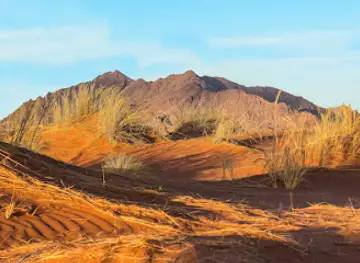
Discover the breathtaking beauty of Elim Dune, a majestic natural wonder in Namibia's Namib Desert, perfect for adventurers and nature lovers alike.

Panache Photographic Safaris Africa
Explore the breathtaking landscapes and wildlife of Namibia with Panache Photographic Safaris, a must-visit for photography enthusiasts and nature lovers alike.

Hardapdam
Experience the serene beauty and recreational wonders of Hardap Dam, a perfect getaway for nature lovers and adventure seekers in Namibia.

Best landmarks in Hardap
Top-rated picks
Best Landmarks

Etosha National Park
Explore the breathtaking landscapes and diverse wildlife of Etosha National Park in Namibia, a premier destination for nature lovers and adventure seekers alike.
Namib-Naukluft National Park
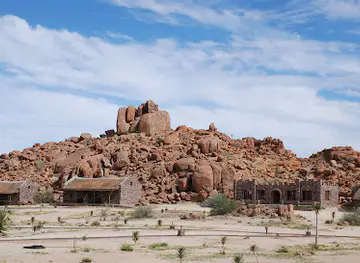
Discover the awe-inspiring landscapes and rich biodiversity of Namib-Naukluft National Park, a premier destination for adventurers and nature enthusiasts.

Cape Cross Seal Reserve
Experience the vibrant colony of Cape fur seals and stunning coastal scenery at Cape Cross Seal Reserve in Namibia, a true natural wonder.

Okaukuejo Etosha
Experience the wildlife wonders of Okaukuejo in Etosha National Park, where captivating landscapes and diverse animals await every traveler.

Best restaurants in Hardap
Top-rated picks
Best Restaurants
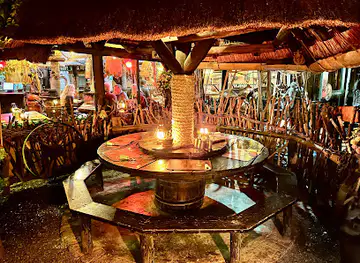
Joe's Beerhouse
Experience authentic Namibian flavors at Joe's Beerhouse - a vibrant restaurant and bar in Windhoek known for its warm hospitality.

The Tug Restaurant
Discover exquisite dining with stunning ocean views at The Tug Restaurant in Swakopmund – where culinary excellence meets coastal charm.
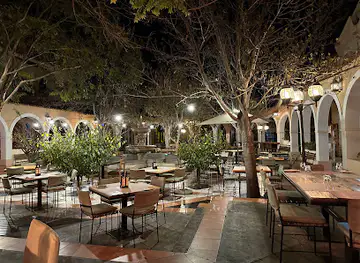
The Stellenbosch Wine Bar and Bistro
Discover exceptional cuisine and fine wines at The Stellenbosch Wine Bar and Bistro in Windhoek – a culinary gem waiting to be explored.

Brewer & Butcher
Discover Brewer & Butcher in Swakopmund - where local flavors meet a vibrant atmosphere perfect for tourists.

Best bars in Hardap
Top-rated picks
Best Bars

Kalahari Anib Lodge, Gondwana Collection Namibia
Experience the serenity of the Kalahari Desert at Kalahari Anib Lodge, where luxury meets nature in the heart of Namibia.

Andy's Pub & Restaurant
Experience the vibrant atmosphere and delicious cuisine at Andy's Pub & Restaurant in Windhoek, the perfect spot for tourists and locals alike.

Wimpy Mariental
Experience delicious comfort food in the heart of Mariental at Wimpy, a favorite spot for locals and travelers alike.

BushBar
Experience authentic Namibian cuisine at BushBar, a vibrant restaurant in Windhoek, blending local flavors with a lively atmosphere.

Best nightclubs in Hardap
Top-rated picks
Best Nightclubs

Kings Lounge
Experience the vibrant nightlife of Windhoek at Kings Lounge, a premier disco club and cocktail bar with a lively atmosphere and delicious drinks.

Rio Copa Discoteca
Dive into the vibrant nightlife at Rio Copa Discoteca, a premier night club in Walvis Bay offering unforgettable music and dance experiences.

Muina Kumwi
Discover the vibrant energy of Muina Kumwi, a lounge in Windhoek where local flavors meet a relaxed ambiance, perfect for unwinding after a day of exploration.

Origin Windhoek
Experience the vibrant nightlife of Windhoek at Origin Windhoek, where music, dance, and fun come together in an unforgettable atmosphere.

Best shops in Hardap
Top-rated picks
Best Shops

Dunes Mall
Discover the vibrant shopping and dining experiences at Dunes Mall in Walvis Bay, a must-visit destination for every traveler.
Kalahari Anib Lodge, Gondwana Collection Namibia
Immerse yourself in the natural beauty and adventure at Kalahari Anib Lodge, a tranquil retreat in Namibia's stunning Kalahari Desert.

Spar Supermarket
Experience the local flavors of Namibia at Spar Supermarket in Mariental, your go-to spot for groceries and unique local products.

Shoprite Mariental
Discover the flavors and local culture at Shoprite Mariental, a vibrant grocery store and community hub in Namibia.

Explore Hardap on the Map
A handpicked selection of must-see spots in Hardap, mapped for you.
Hardap Essentials
-
Hardap is located in the central part of Namibia. The nearest major airport is Hosea Kutako International Airport in Windhoek, approximately 300 kilometers away. From Windhoek, you can rent a car or take a bus to Hardap. The journey by car typically takes about 3 to 4 hours via the B1 highway. Alternatively, you can use local transportation services, such as shuttle buses, which operate regularly between Windhoek and Hardap.
-
In Hardap, the most convenient way to get around is by car. Car rental services are available in Windhoek and can be arranged to pick up and drop off in Hardap. Local taxis and shuttle services are also available for shorter trips within the region. For exploring the Hardap Dam and its surrounding nature reserve, a 4x4 vehicle is recommended. Public buses and shared taxis operate between major towns and villages in the region but may not provide the flexibility needed for more remote areas.
-
The official currency in Namibia is the Namibian Dollar (NAD), which is pegged to the South African Rand (ZAR). Credit and debit cards are accepted in most hotels, restaurants, and larger shops in Hardap. However, it is advisable to carry cash for purchases in smaller establishments and rural areas. ATMs are available in major towns like Mariental, but it is recommended to withdraw sufficient cash in Windhoek before traveling to Hardap.
-
Hardap is generally a safe region for tourists. However, it is important to take standard precautions. Avoid walking alone at night in unfamiliar areas and always keep an eye on your belongings, especially in crowded places. Mariental, the main town in Hardap, has some areas where petty crime can occur, so staying vigilant is advised. It's also important to stay hydrated and protect yourself from the sun, as the region can get extremely hot.
-
In case of emergency, dial 10111 for police assistance or 10177 for medical emergencies. There are medical facilities available in Mariental, the largest town in Hardap. It is highly recommended to have travel insurance that covers medical emergencies and other unexpected situations. For minor health issues, pharmacies are available in Mariental and other larger settlements.
-
Fashion: Do wear lightweight and breathable clothing suitable for hot weather. Don't forget to carry a hat and sunscreen to protect yourself from the sun. Religion: Do respect local customs and traditions. When visiting religious sites, dress modestly and seek permission before taking photographs. Public Transport: Do be respectful and courteous to fellow passengers. Don't expect punctuality, as public transport schedules can be flexible. Greetings: Do greet people with a friendly handshake. Don't be surprised if locals are warm and welcoming, as Namibians are known for their hospitality. Eating & Drinking: Do try local dishes and accept food offerings graciously. Don't drink tap water unless you are sure it is safe; bottled water is recommended.
-
To experience Hardap like a local, visit the Mariental market where you can buy fresh produce and traditional Namibian goods. Engage with locals, as they are often friendly and willing to share stories about the region's history and culture. Don't miss visiting the Hardap Dam, the largest dam in Namibia, which offers opportunities for fishing, boating, and bird watching. For a unique experience, take a guided tour to explore the local wildlife and landscapes, which include stunning desert scenery and unique flora and fauna.
When is the best time to visit Hardap?
Useful Local Phrases for Hardap
You don't need to speak the language perfectly. Even learning a few simple words can make conversations warmer—and locals usually appreciate the effort.
— Eve

Here are the phrases I use most often in Hardap. Try a few—you'll be surprised how far they go! 😊
❤️
-
- HelloHallo
[hahl-oh] - GoodbyeTotsiens
[toht-seens] - YesJa
[yah] - NoNee
[nee] - Please/You're welcomeAsseblief
[ah-seh-bleef] - Thank youDankie
[dahn-kee] - Excuse me/SorryVerskoon my
[fuhr-skohn my] - How are you?Hoe gaan dit?
[hoo gahn dit] - Fine. And you?Goed. En jy?
[khoot. en yay] - Do you speak English?Praat jy Engels?
[praht yay eng-els] - I don't understandEk verstaan nie
[ek fer-stahn nee]
- HelloHallo
-
- I'd like to see the menu, pleaseEk wil graag die spyskaart sien, asseblief
[ek vil krahg dee spays-kaht seen, ah-seh-bleef] - I don't eat meatEk eet nie vleis nie
[ek eet nee flays nee] - Cheers!Gesondheid!
[geh-sohn-dheit] - I would like to pay, pleaseEk wil graag betaal, asseblief
[ek vil krahg beh-tahl, ah-seh-bleef]
- I'd like to see the menu, pleaseEk wil graag die spyskaart sien, asseblief
-
- Help!Help!
[help] - Go away!Gaan weg!
[khaan vek] - Call the Police!Bel die Polisie!
[bel dee poh-lee-see] - Call a doctor!Bel 'n dokter!
[bel un dok-ter] - I'm lostEk is verlore
[ek is fer-loo-reh] - I'm illEk is siek
[ek is seek]
- Help!Help!
-
- I'd like to buy...Ek wil graag koop...
[ek vil krahg koop] - I'm just lookingEk kyk net
[ek kyeck net] - How much is it?Hoeveel kos dit?
[hoo-feel kos dit] - That's too expensiveDit is te duur
[dit is tuh dyur] - Can you lower the price?Kan jy die prys verlaag?
[kan yay dee price fer-lahg]
- I'd like to buy...Ek wil graag koop...
-
- What time is it?Hoe laat is dit?
[hoo laat is dit] - It's one o'clockDit is een uur
[dit is een oor] - Half past (10)Half tien
[half teen] - MorningOggend
[oh-ghend] - AfternoonNamiddag
[nah-mid-dahg] - EveningAand
[ahnd] - YesterdayGister
[ghis-ter] - TodayVandag
[vahn-dahg] - TomorrowMôre
[mo-reh] - 1Een
[een] - 2Twee
[twee] - 3Drie
[dree] - 4Vier
[feer] - 5Vyf
[fife] - 6Ses
[ses] - 7Sewe
[seh-weh] - 8Agt
[aht] - 9Nege
[neh-heh] - 10Tien
[teen]
- What time is it?Hoe laat is dit?
-
- Where's a/the...?Waar is 'n...?
[vahr is un...?] - What's the address?Wat is die adres?
[vaht is dee ah-dres] - Can you show me (on the map)?Kan jy vir my wys (op die kaart)?
[kan yay fer my vice (op dee kaart)?] - When's the next (bus)?Wanneer is die volgende (bus)?
[van-neer is dee fol-gen-deh (bus)?] - A ticket (to ....)‘n Kaartjie (na ....)
[un kaht-kee (nah ....)]
- Where's a/the...?Waar is 'n...?
History of Hardap
-
Before colonial influence, the Hardap region was home to indigenous communities, predominantly the Nama people. They were known for their nomadic pastoralism and rich cultural traditions. The Nama people have a deep connection to the land, with customs and stories that have been passed down through generations, reflecting their harmony with the environment.
-
In the late 19th century, Namibia, including the Hardap region, fell under German colonial rule. The area became part of German South West Africa. The colonial period was marked by significant upheaval for the local populations, including the Herero and Namaqua genocide from 1904 to 1908. The German colonial administration established infrastructure, including railways and settlements, some of which still bear German architectural influences.
-
Following Germany's defeat in World War I, Namibia was mandated to South Africa by the League of Nations. The Hardap region saw further development under South African administration, including the establishment of the Hardap Dam in the 1960s. This dam, built on the Fish River, became a crucial source of water and a catalyst for agricultural development in the area.
-
The construction of the Hardap Dam, completed in 1963, is one of the most significant infrastructural developments in the region. The dam is the largest in Namibia and has played a pivotal role in transforming the local economy by providing irrigation for farming, supporting livestock, and supplying water to towns and settlements. The dam also created the Hardap Recreation Resort, a popular spot for fishing, birdwatching, and other recreational activities.
-
Namibia gained independence from South Africa in 1990. Since then, the Hardap region has continued to evolve. The town of Mariental serves as the administrative center of Hardap and has seen significant growth and development. The region is known for its agricultural output, particularly grapes, dates, and livestock farming. Efforts to preserve and promote the cultural heritage of the indigenous communities are ongoing, and tourism has become an important economic sector, with attractions such as the Hardap Dam and the Kalahari Desert drawing visitors from around the world.
-
The Hardap region is rich in cultural heritage, with various festivals and events celebrating the traditions of its people. One notable event is the Nama Cultural Festival, which showcases the music, dance, and traditional attire of the Nama people. These cultural expressions play a vital role in preserving the identity and history of the indigenous communities in the region.
Neighbouring Regions of Hardap
The closest regions to Hardap, if you have time for more than one.


Your all‑in‑one travel companion app
Explore expert travel guides, compare and book tours, experiences, hotels, and more—all from the palm of your hand. Download now for seamless trip planning wherever your wanderlust takes you.


Explore More of Namibia

Looking beyond Hardap? Discover Namibia for broader travel guides, local hot-spots, and regional highlights.
Explore NamibiaHardap in Photos
Browse through our photo collection highlighting the charm and character of the destination.




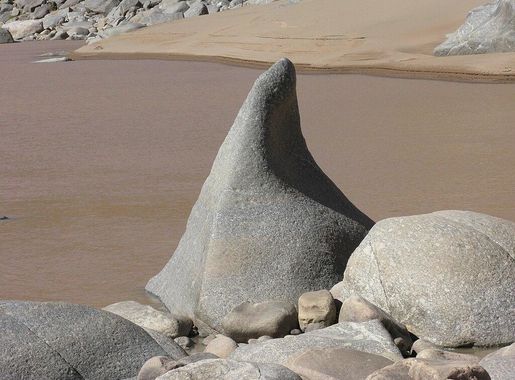


Hardap: Namibia's Hidden Oasis
Nestled in the heart of Namibia, Hardap is a hidden gem that offers a unique blend of natural beauty and cultural richness. At the center of this region lies the Hardap Dam, the largest dam in Namibia, which creates a stunning reservoir surrounded by rugged hills and pristine landscapes. The area is a haven for bird watchers, with over 200 species of birds, including flamingos, pelicans, and African fish eagles. The dam also provides excellent opportunities for fishing and boating, making it a perfect spot for water enthusiasts. For those interested in wildlife, the Hardap Game Reserve is home to a variety of animals such as black rhinos, giraffes, and antelopes. The reserve offers guided tours that allow visitors to experience the local fauna up close. The region's semi-arid climate and unique vegetation, including the iconic quiver trees, provide a picturesque backdrop for photographers and nature lovers alike. Cultural experiences in Hardap are equally enriching. The nearby town of Mariental serves as the gateway to the region and offers a glimpse into the local way of life. Visitors can explore traditional markets, sample local cuisine, and interact with the friendly Namibian people. The town also provides essential amenities and accommodations, making it a convenient base for exploring the wider Hardap region. Whether you're seeking adventure, relaxation, or cultural immersion, Hardap in Namibia provides an unforgettable experience that appeals to a wide range of interests. Its unspoiled beauty and welcoming atmosphere ensure that every visitor leaves with cherished memories.